+86-632-3621866
- Chinese
- French
- German
- Portuguese
- Spanish
- Russian
- Japanese
- Korean
- Arabic
- Irish
- Greek
- Turkish
- Italian
- Danish
- Romanian
- Indonesian
- Czech
- Afrikaans
- Swedish
- Polish
- Basque
- Catalan
- Esperanto
- Hindi
- Lao
- Albanian
- Amharic
- Armenian
- Azerbaijani
- Belarusian
- Bengali
- Bosnian
- Bulgarian
- Cebuano
- Chichewa
- Corsican
- Croatian
- Dutch
- Estonian
- Filipino
- Finnish
- Frisian
- Galician
- Georgian
- Gujarati
- Haitian
- Hausa
- Hawaiian
- Hebrew
- Hmong
- Hungarian
- Icelandic
- Igbo
- Javanese
- Kannada
- Kazakh
- Khmer
- Kurdish
- Kyrgyz
- Latin
- Latvian
- Lithuanian
- Luxembou..
- Macedonian
- Malagasy
- Malay
- Malayalam
- Maltese
- Maori
- Marathi
- Mongolian
- Burmese
- Nepali
- Norwegian
- Pashto
- Persian
- Punjabi
- Serbian
- Sesotho
- Sinhala
- Slovak
- Slovenian
- Somali
- Samoan
- Scots Gaelic
- Shona
- Sindhi
- Sundanese
- Swahili
- Tajik
- Tamil
- Telugu
- Thai
- Ukrainian
- Urdu
- Uzbek
- Vietnamese
- Welsh
- Xhosa
- Yiddish
- Yoruba
- Zulu
- Kinyarwanda
- Tatar
- Oriya
- Turkmen
- Uyghur



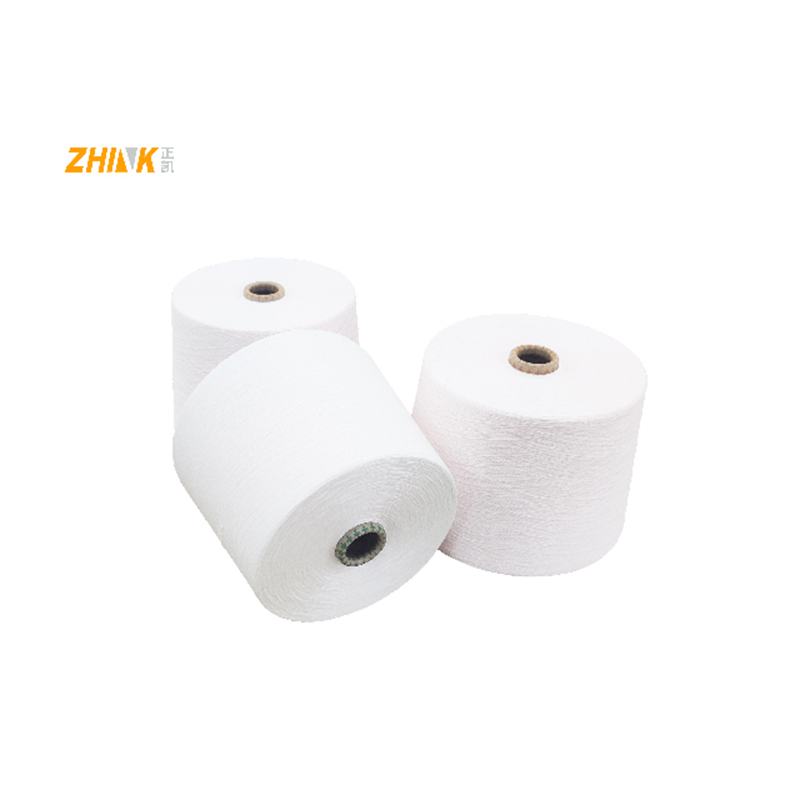
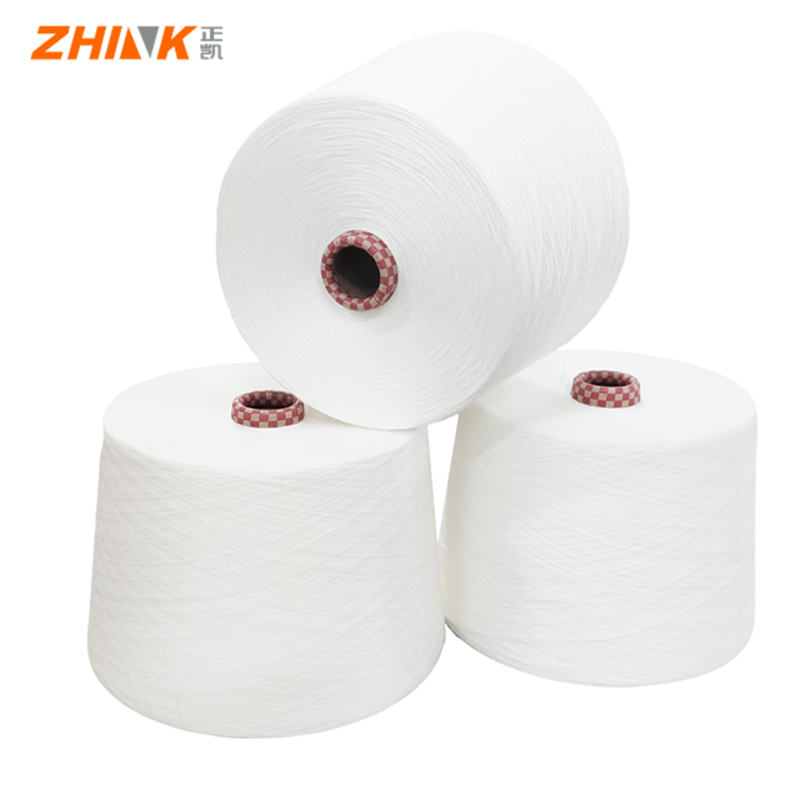
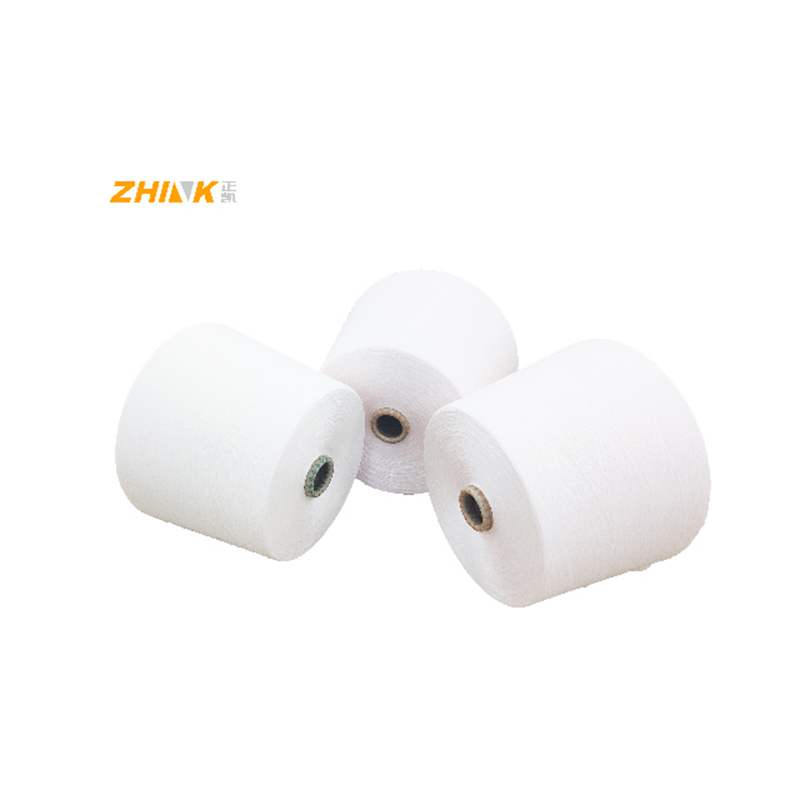
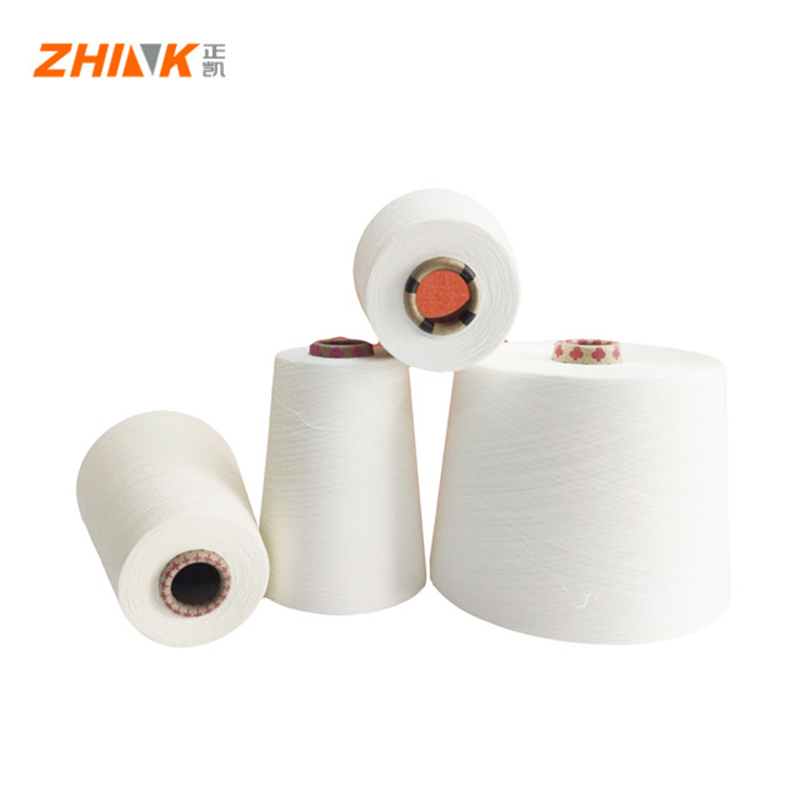
0.8D—8D/32-102
A Deep Dive into Yarn Specifications: Understanding '0.8D—8D/32-102'
In the textile industry, specifications like '0.8D—8D/32-102' often baffle newcomers. It’s a code that holds the key to the characteristics of a yarn - its denier range and filament count. A proper understanding of these parameters is crucial for anyone involved in textile production, whether you’re working with 0.8D—8D range or dealing with filament counts like '32-102'. It’s a bit tricky, though, since it can dictate fabric properties ranging from texture to tensile strength.
Understanding Denier and Its Impact
The first part of our code, '0.8D—8D', refers to denier, a measure of yarn thickness. Here, the range from 0.8 to 8 denotes the variety in thickness you can expect. Lower deniers like 0.8D are generally used for finer, lighter fabrics, while 8D might be suitable for something more robust. Choosing the right denier is essential, especially when designing specific fabric qualities.
In my experience, working at SHANDONG ZHINK NEW MATERIAL CO., LTD, I've seen fabric discrepancies arise from improper denier selection. A vivid memory is of a production line producing sportswear; the initial fabric was too coarse due to a higher denier, which we later adjusted down to below 2D to achieve the desired softness.
It’s not just about texture; denier affects dye uptake and durability as well. For those curious, our detailed specifications can be found on our website, Zhink New Material.
The Filament Count Factor
The second part, '32-102', specifies the filament count in the yarn. Filament count can substantially alter a fabric's feel and function. A lower count such as 32 might result in a coarser texture, whereas something around 102 would be silkier and smoother.
Consider an example where we needed to produce high-sheen evening gowns. We opted for an 80-100 filament count to achieve that silky luster. Too few filaments, and the fabric would appear dull and less luxurious.
Filament count also plays a role in the fabric's breathability and stretch. We often perform rigorous testing at Zhink to ensure that each product meets the intended specifications and usage.
Balancing Quality and Cost
Sometimes, clients focus solely on cost-saving, sacrificing quality. It’s an all-too-common scenario. At Zhink New Material, we emphasize that balancing between denier and filament count is key. Using cheap, mismatched yarn can lead to failure in demanding applications.
For instance, a particular customer insisted on a lower cost for a durable workwear line, despite our advice. The resulting fabric failed stress tests, highlighting how cutting costs at this stage led to further expenses down the line due to product returns and re-makes.
Transparent communication about the resource-quality trade-off is essential. Visit us at our website for more insights into optimizing textile production.
Common Pitfalls and How to Avoid Them
One key pitfall is ignoring environmental factors during material selection. A yarn's performance can be significantly altered by humidity and temperature, often overlooked until it's too late.
From my days on the production floor at Zhink, synchronization with production conditions was crucial. We had a batch shrink significantly simply because it wasn’t acclimatized to its environment. Enhanced warehouse conditions brought us back on track.
Proper storage and handling are vital; adjusting yarn choice according to environmental conditions prevents costly errors.
Practical Advice for Textile Professionals
So, if you’re navigating the complexities of textile specifications, start with understanding these codes fully. Make informed decisions about denier and filament count tailored to your needs. Remember, there’s no 'one size fits all' in textiles.
Incorporate this knowledge into fabric design strategies to optimize functionality and cost-effectiveness. Continuous learning and adaptation can significantly elevate the quality of textile outputs.
I encourage textile professionals to engage actively with resources provided on industry websites or contact experts like us at Zhink New Material for advice and collaborative opportunities. Our site, www.zhinkyarn.com, remains a reliable resource for those keen on delving deeper.
Related Products
Related Products