+86-632-3621866
- Chinese
- French
- German
- Portuguese
- Spanish
- Russian
- Japanese
- Korean
- Arabic
- Irish
- Greek
- Turkish
- Italian
- Danish
- Romanian
- Indonesian
- Czech
- Afrikaans
- Swedish
- Polish
- Basque
- Catalan
- Esperanto
- Hindi
- Lao
- Albanian
- Amharic
- Armenian
- Azerbaijani
- Belarusian
- Bengali
- Bosnian
- Bulgarian
- Cebuano
- Chichewa
- Corsican
- Croatian
- Dutch
- Estonian
- Filipino
- Finnish
- Frisian
- Galician
- Georgian
- Gujarati
- Haitian
- Hausa
- Hawaiian
- Hebrew
- Hmong
- Hungarian
- Icelandic
- Igbo
- Javanese
- Kannada
- Kazakh
- Khmer
- Kurdish
- Kyrgyz
- Latin
- Latvian
- Lithuanian
- Luxembou..
- Macedonian
- Malagasy
- Malay
- Malayalam
- Maltese
- Maori
- Marathi
- Mongolian
- Burmese
- Nepali
- Norwegian
- Pashto
- Persian
- Punjabi
- Serbian
- Sesotho
- Sinhala
- Slovak
- Slovenian
- Somali
- Samoan
- Scots Gaelic
- Shona
- Sindhi
- Sundanese
- Swahili
- Tajik
- Tamil
- Telugu
- Thai
- Ukrainian
- Urdu
- Uzbek
- Vietnamese
- Welsh
- Xhosa
- Yiddish
- Yoruba
- Zulu
- Kinyarwanda
- Tatar
- Oriya
- Turkmen
- Uyghur


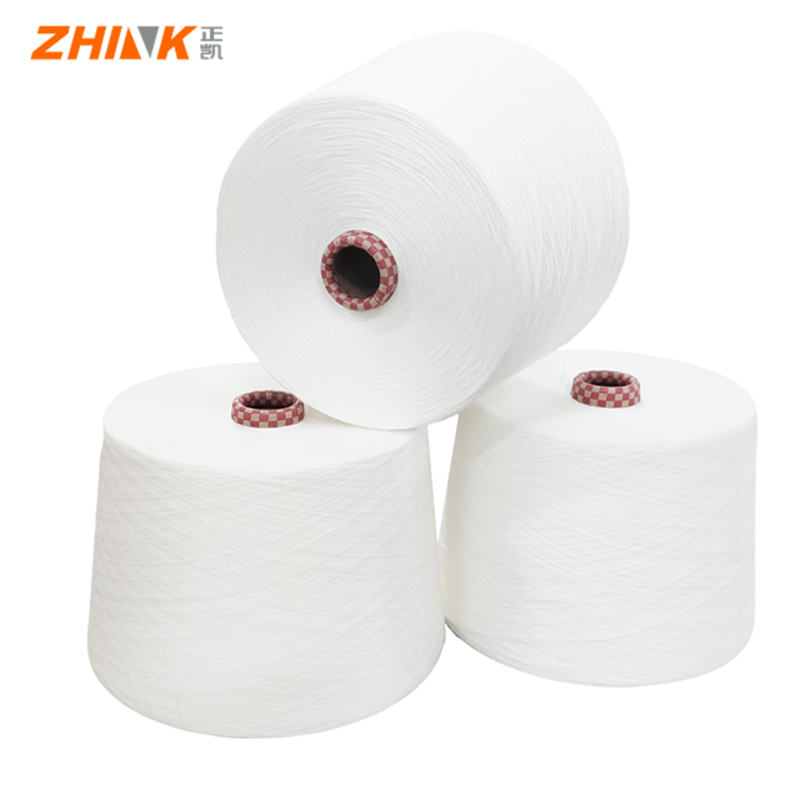
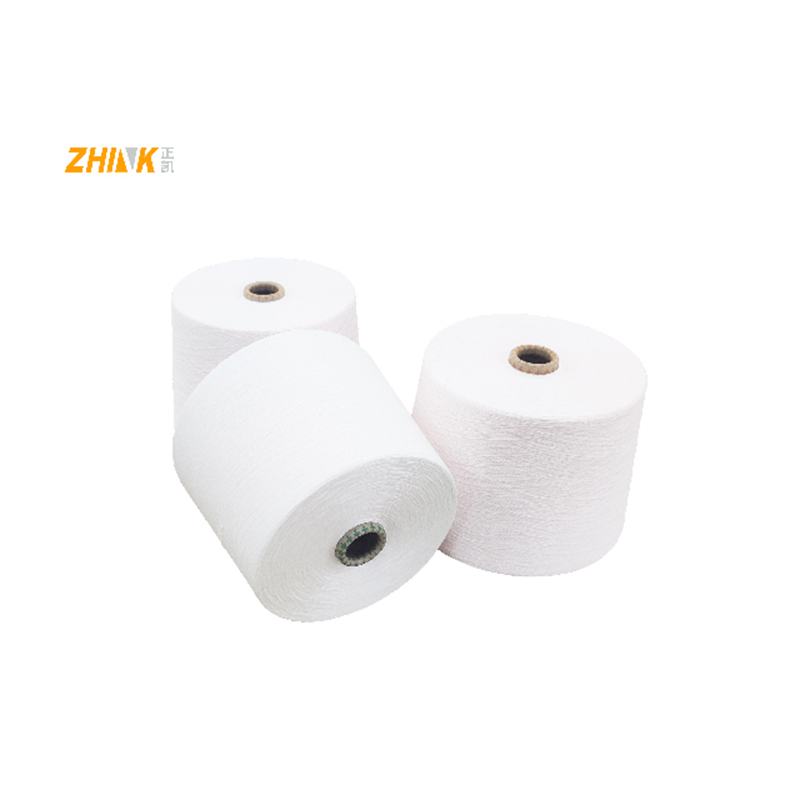
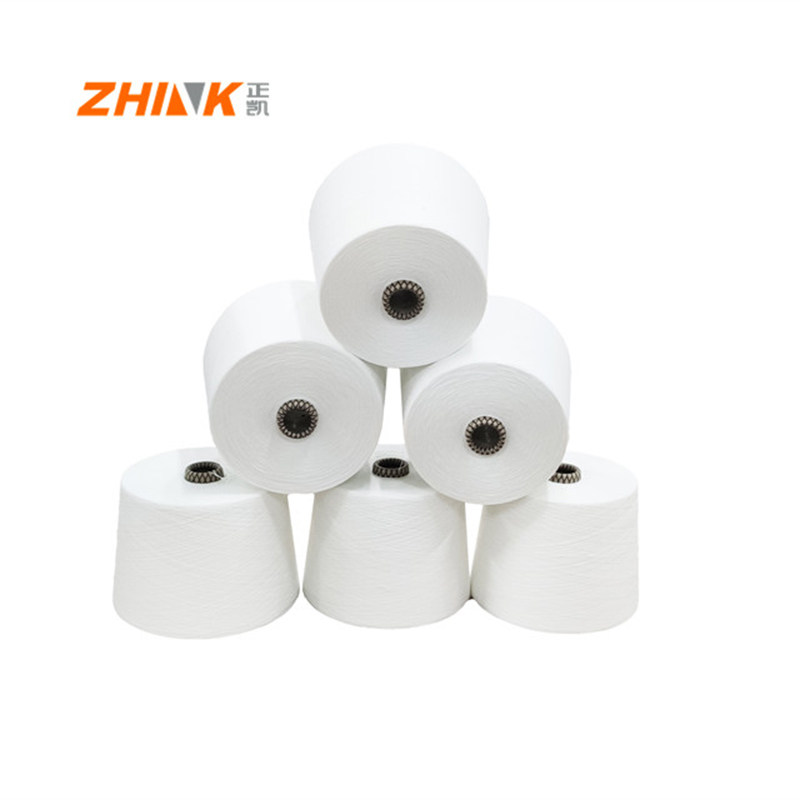
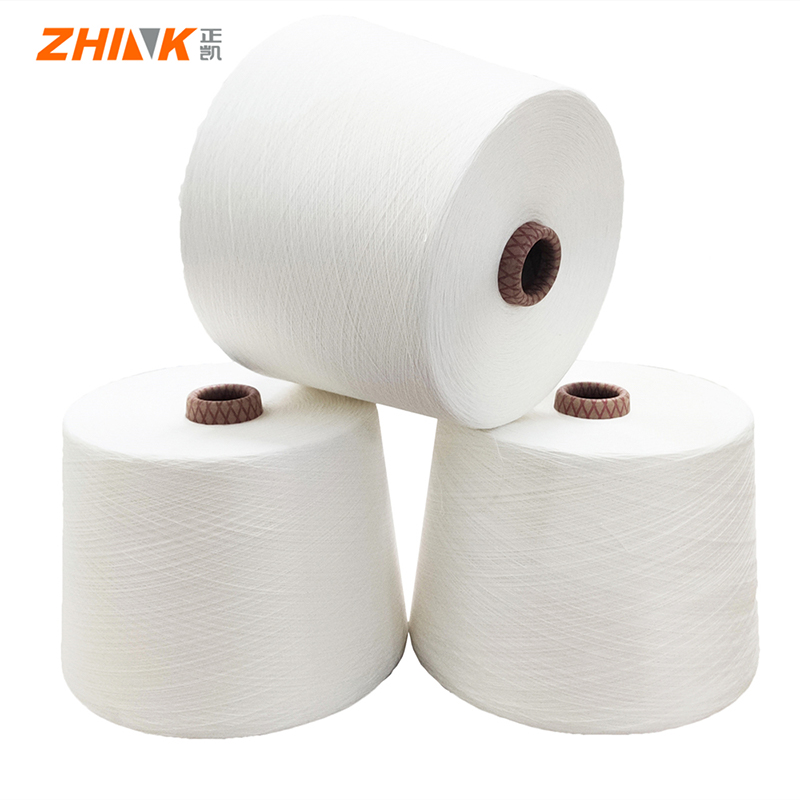
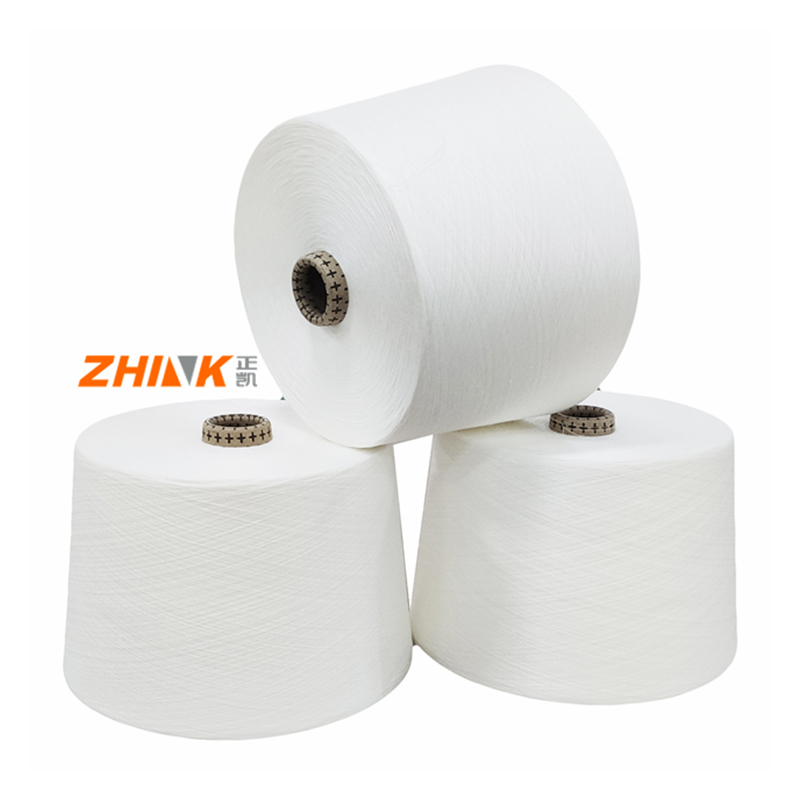
1.2D—8D/32-102
Understanding the Complexities of 1.2D—8D/32-102 in Textile Production
The term 1.2D—8D/32-102 might sound cryptic unless you're knee-deep in textile manufacturing. It’s those intricate details that define yarn characteristics. You encounter these numbers on the factory floor, deciding what’s fit for production lines or next season's must-have fabric.
Decoding Yarn Specifications
Those in the industry know these figures relate to denier and fiber length. The '1.2D' to '8D' refers to the yarn's thickness—a critical component in defining the texture and strength of the fabric. Thinner yarns at the 1.2D mark are ideal for delicate fabrics, whereas 8D suits more robust applications.
The fiber length, indicated by '32-102', plays equally into the yarn's eventual use. Short fibers mean a softer touch, sometimes at the cost of durability, while longer fibers tend to add strength.
I've seen the chaos that ensues when these numbers are misunderstood. Once, a misread spec led to an entire batch of unsuitable yarn on the line. Lesson learned: double-checking specs saves you from scrambling for corrections at the eleventh hour.
Practical Insights from Production Lines
As someone who has grappled with these specs at SHANDONG ZHINK NEW MATERIAL CO., LTD, it's crucial to get hands-on. A yarn sample isn't something to just glance at—feeling it tells you almost as much as the specs themselves.
I remember a particular order with specs leaning towards the sturdier side, say around 6D. This was meant for upholstery fabric—strength over silkiness. Matching the denier to end-use isn't just book knowledge; it’s fieldguiding strategy.
The hustle to maintain these standards is relentless. From ensuring the raw fiber consistency to calibrating machines that align with millimeter precision—the production process is as much an art as it is science.
Complexities in Digitizing the Field
At https://www.zhinkyarn.com, we often discuss the digital future of yarn production. However, transforming textile materials into digital data isn't straightforward. Even with all the software advancements, nothing replaces the tactile understanding seasoned professionals bring.
The shift to digital aids in tracking and scaling operations, but the complexity of interpreting specs like 1.2D—8D/32-102 means human insight remains irreplaceable. Developers can't code the intuition that arises from years on the production floor.
More than once, I’ve witnessed miscalculations in automated systems unable to account for minor but crucial spec details. These systems are tools, not masters—decisions need the very touch they aim to eliminate.
Challenges and Missteps in R&D
Zhink New Material thrives on R&D, and with every new material, there’s a learning curve. We’ve faced challenges aligning fiber mixes with custom specs, especially when moving towards eco-friendly materials.
Trial and error lead the way—experimenting with blends, pushing for that desired tactile quality while adhering to specs. Knowing when to stick with a tried-and-true fiber or pivot to an innovative mix requires seasoned judgment.
And yet, these hurdles drive innovation. Missing a spec target occasionally reveals unforeseen benefits—a softer feel, unexpected resilience. These outcomes inspire further exploration into new textile materials.
Ensuring Quality in Every Strand
Ultimately, quality controls are pivotal. From the humidity in storage to the precision in spinning, every variable impacts the final product. Routine audits ensure compliance to those pesky yet vital figures, like 1.2D—8D/32-102.
Missing cues in quality checks can jeopardize entire production runs. That’s why we emphasize a close partnership with machinery operators and constant communication. Any anomaly is addressed before it spirals.
In the end, understanding these specs means more than delivering a product. It’s about maintaining trust with clients who expect reliability. At SHANDONG ZHINK NEW MATERIAL CO., LTD, our foundation lies in honoring that promise—one yarn at a time.
Related Products
Related Products