+86-632-3621866
- Chinese
- French
- German
- Portuguese
- Spanish
- Russian
- Japanese
- Korean
- Arabic
- Irish
- Greek
- Turkish
- Italian
- Danish
- Romanian
- Indonesian
- Czech
- Afrikaans
- Swedish
- Polish
- Basque
- Catalan
- Esperanto
- Hindi
- Lao
- Albanian
- Amharic
- Armenian
- Azerbaijani
- Belarusian
- Bengali
- Bosnian
- Bulgarian
- Cebuano
- Chichewa
- Corsican
- Croatian
- Dutch
- Estonian
- Filipino
- Finnish
- Frisian
- Galician
- Georgian
- Gujarati
- Haitian
- Hausa
- Hawaiian
- Hebrew
- Hmong
- Hungarian
- Icelandic
- Igbo
- Javanese
- Kannada
- Kazakh
- Khmer
- Kurdish
- Kyrgyz
- Latin
- Latvian
- Lithuanian
- Luxembou..
- Macedonian
- Malagasy
- Malay
- Malayalam
- Maltese
- Maori
- Marathi
- Mongolian
- Burmese
- Nepali
- Norwegian
- Pashto
- Persian
- Punjabi
- Serbian
- Sesotho
- Sinhala
- Slovak
- Slovenian
- Somali
- Samoan
- Scots Gaelic
- Shona
- Sindhi
- Sundanese
- Swahili
- Tajik
- Tamil
- Telugu
- Thai
- Ukrainian
- Urdu
- Uzbek
- Vietnamese
- Welsh
- Xhosa
- Yiddish
- Yoruba
- Zulu
- Kinyarwanda
- Tatar
- Oriya
- Turkmen
- Uyghur


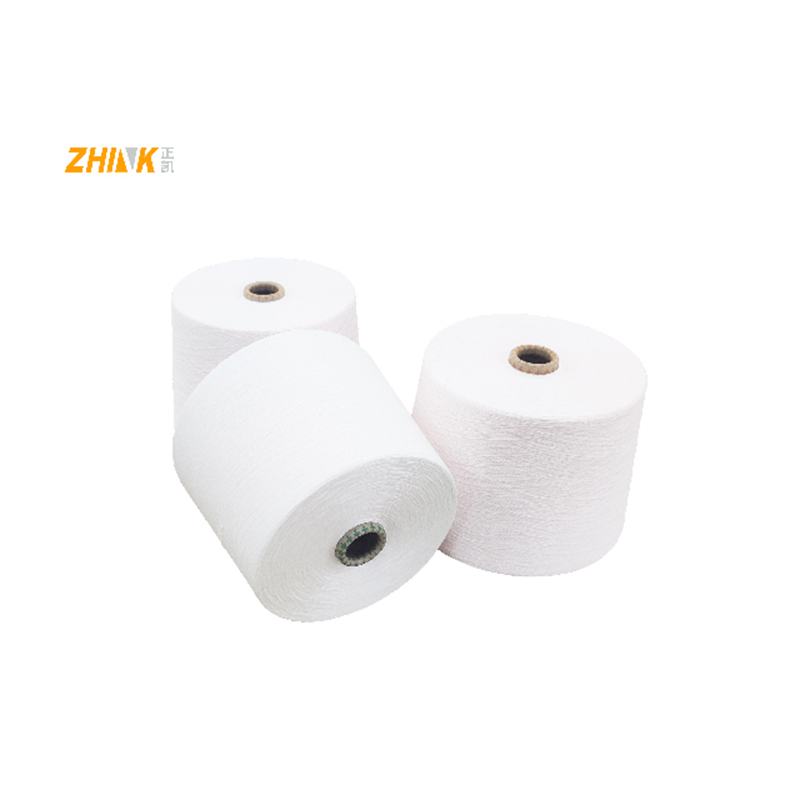
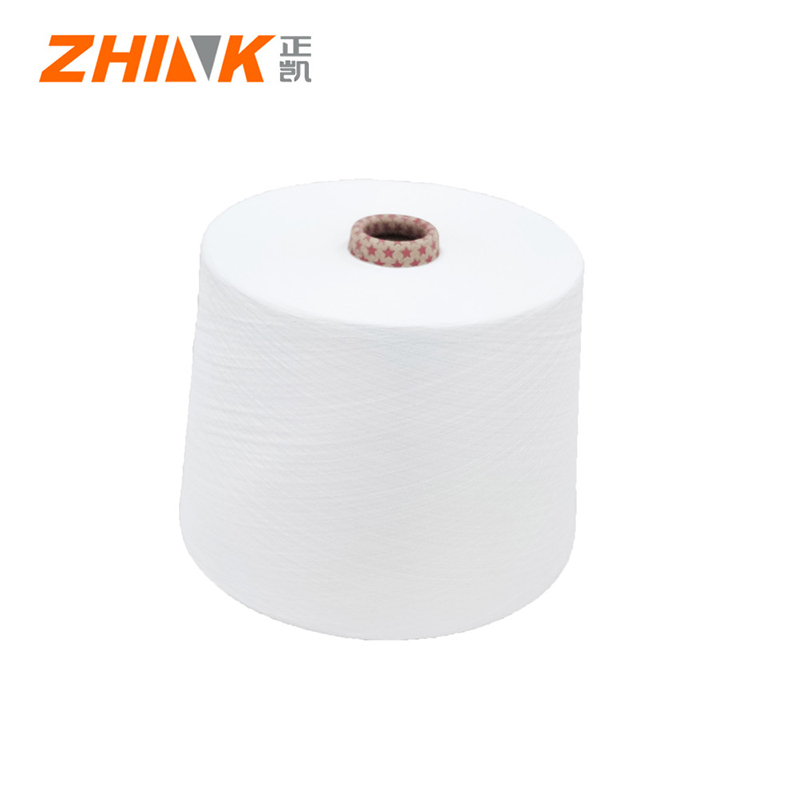
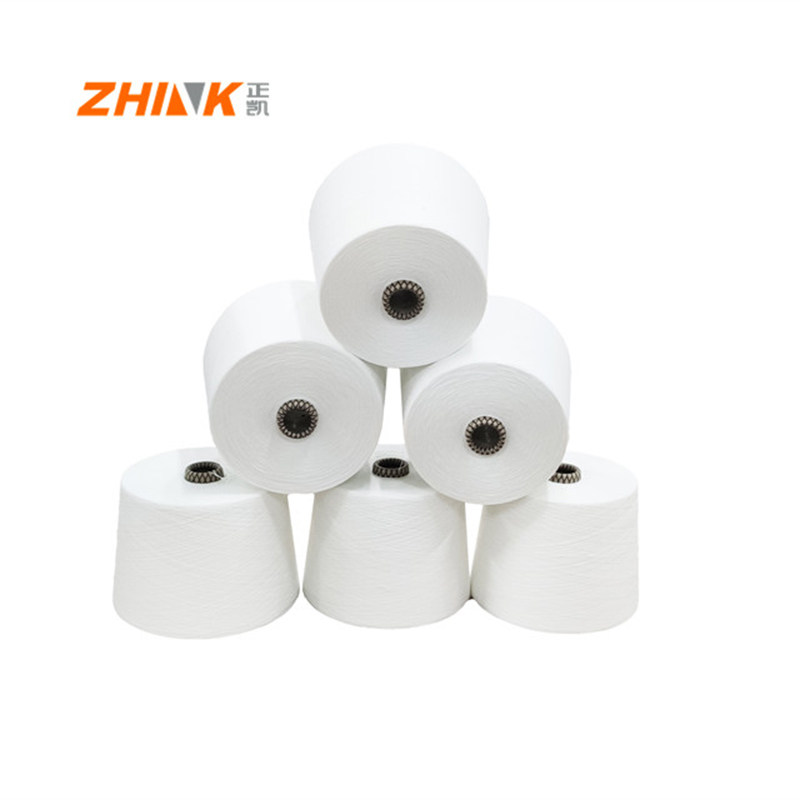
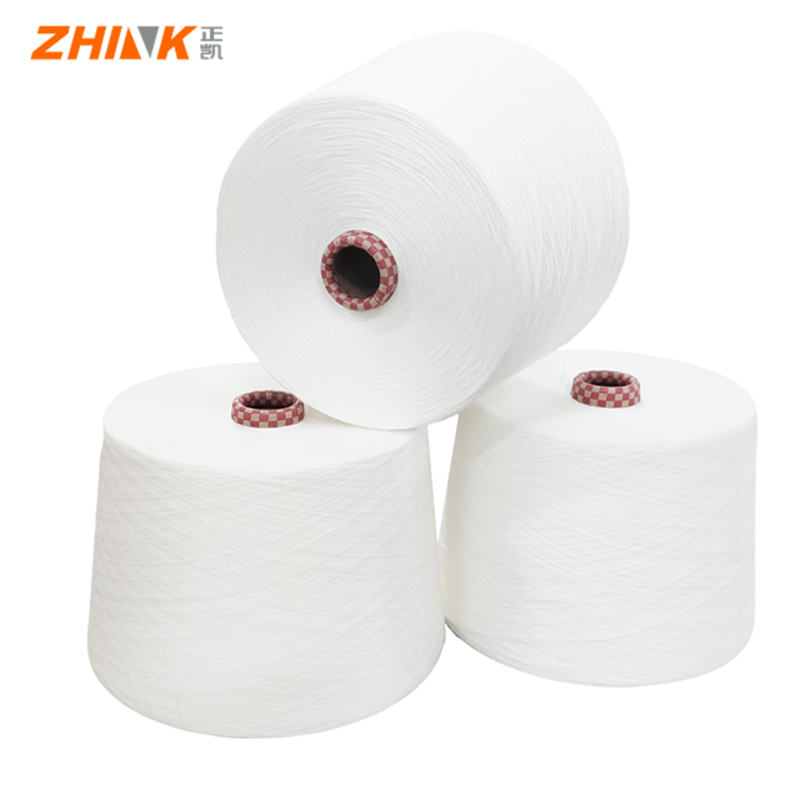
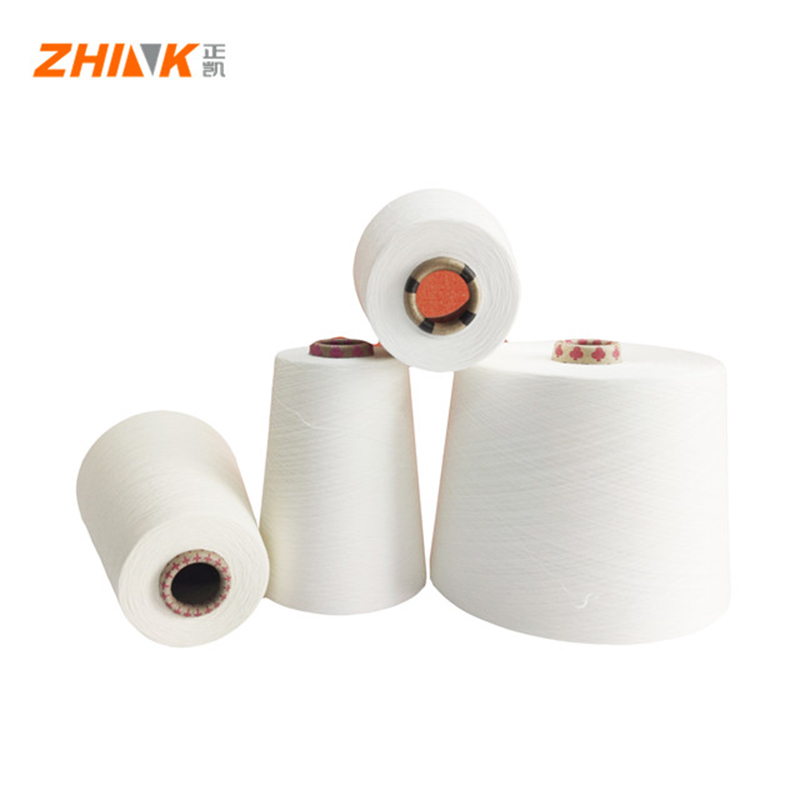
1.33dtex*38mm
Understanding 1.33dtex38mm Fibers: Insights from the Field
Exploring the intricacies of 1.33dtex38mm fibers requires a dive into both technical specifics and real-world applications. Here's a journey into how these fibers fit into the broader landscape of textile innovations and what professionals might encounter in their daily work.
The Specifics of 1.33dtex38mm Fibers
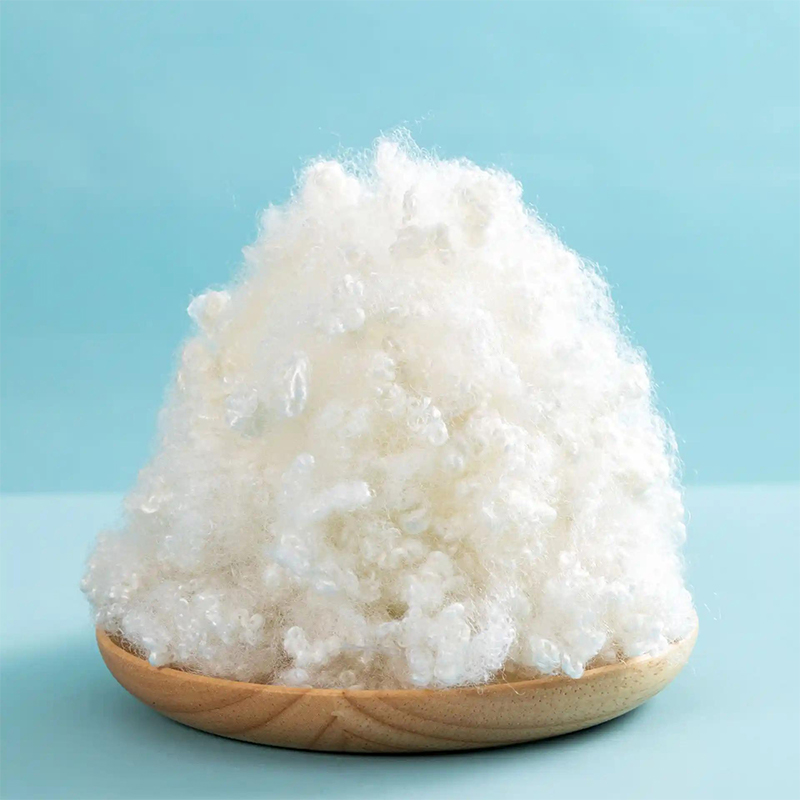
When we mention 1.33dtex38mm, we're diving into the core parameters that define fiber characteristics: the decitex and the length. 1.33 dtex refers to mass per unit length, essentially how much 10,000 meters of the fiber would weigh in grams. It’s a common metric in the industry, and signifies a balance between lightweight properties and strength. The 38mm information tells us about the fiber's length, crucial in spinning processes. But how do these details translate into everyday concerns?
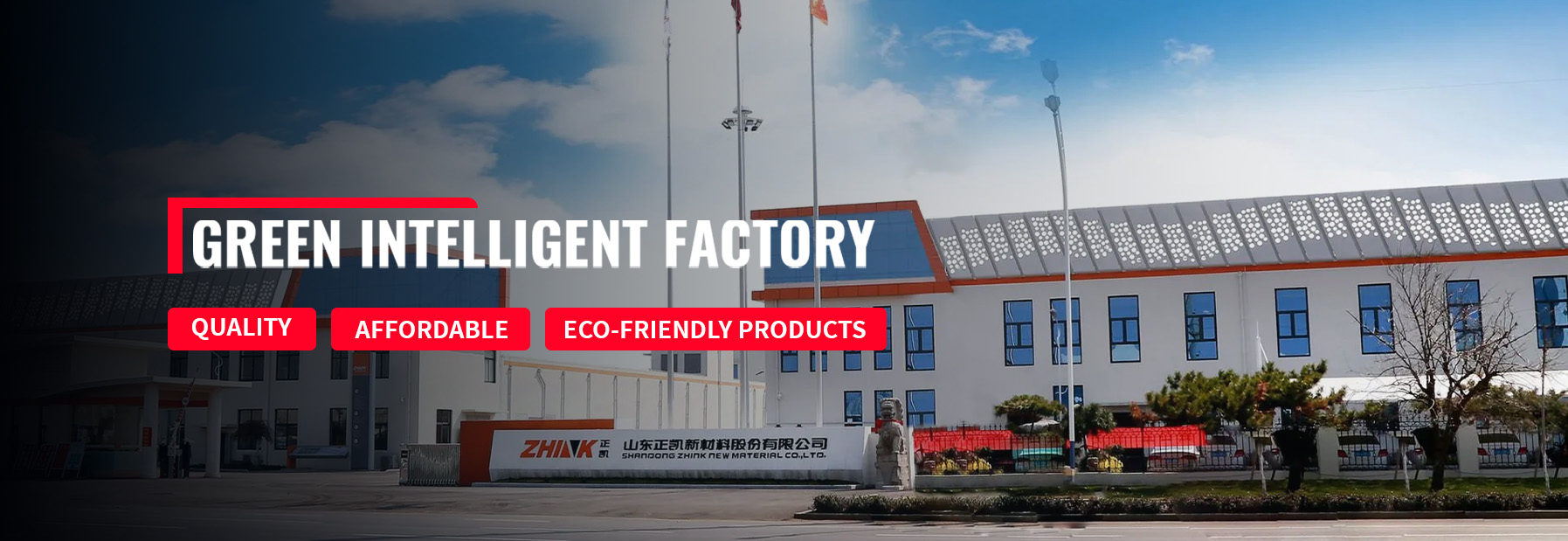
In practice, the decitex value impacts how a fabric feels and performs. For example, a 1.33dtex might be chosen when a specific blend of softness and durability is desired. While discussing with a colleague at SHANDONG ZHINK NEW MATERIAL CO., LTD, we noticed this particular specification often ended up in high-performance athletic wear, where every gram counts. The lightweight yet sturdy nature allowed flexibility without sacrificing durability.
The fiber length, 38mm, supports a uniform yarn production process. Longer fibers generally lead to smoother finishes, reduced pilling, and a finer hand. A scenario came to mind where a client was struggling with fabric consistency, only to find out the issue stemmed from irregular fiber lengths. Consistency is key when manufacturing textiles, impacting everything from visual aesthetics to functional longevity.
Industrial Challenges and Learnings
One challenge I frequently encounter is the assumption that all fiber specifications translate directly into product benefits—it's not always that simple. Over time, working with Zhink New Material, I've seen firsthand how variances in fiber properties can surprisingly lead to significant performance changes. Even minor adjustments can necessitate a reevaluation of manufacturing techniques.
Take the case where a client switched to 1.33dtex38mm fibers expecting superior tensile strength, only to realize later that their equipment needed recalibration. This is where the role of material specialists becomes pivotal, making such transitions smoother through close collaboration.
These fibers can be leveraged across various domains, each demanding unique adaptations. At SHANDONG ZHINK NEW MATERIAL CO., LTD (details at zhinkyarn.com), we've tailored solutions spanning from home textiles to industrial applications, highlighting the fiber's versatility. Experience teaches that embracing unexpected outcomes during trials can lead to innovative textile applications previously unexplored.
The Impact of Material Science on R&D
R&D in fibers like 1.33dtex38mm opens doors to novel developments. In the competitive textile sector, staying ahead involves pushing past traditional boundaries. What happens if one modifies fiber density or combines it with emerging materials? This kind of curiosity fuels progress.
One time during a project, we experimented with hybridization, integrating these fibers with others that offered complementary properties. This sort of synergy can optimize fabric performance, sometimes far beyond initial expectations. Such initiatives also expose gaps where theoretical performance suggests one thing, but practical applications reveal another.
Through collaboration, like that cultivated within Zhink New Material, the journey from laboratory to market-ready textiles becomes an exploratory path filled with learning. Our work isn't just about following a formula, but rather, being agile in our approach to continually refine processes in real-time.
Reflections on Sustainable Innovations
Sustainability is the buzzword, rightly so, as our industry wakes up to its responsibilities. Working with textiles that incorporate 1.33dtex38mm specifications means constantly balancing performance and eco-friendliness. I've seen projects where slight modifications led to significant environmental benefits without compromising quality—a real win-win.
SHANDONG ZHINK NEW MATERIAL CO., LTD is at the forefront, developing textiles that meet high environmental standards. Success demands looking beyond conventional wisdom, often involving multi-stakeholder engagement to innovate responsibly.
The mantra is constant evolution. We find new ways to reduce waste, improve lifecycle assessments, and apply circular economy principles. Sustainability isn't merely a trend but increasingly a necessity in textile progress.
Concluding Thoughts
1.33dtex38mm fibers exemplify how nuanced and detailed the world of textiles can be. While technical specifications guide their initial application, it's the practical insights and adaptability that truly define their success. Whether navigating innovations at Zhink New Material or tackling unexpected hurdles, the journey is one of continuous learning.
As we adapt to evolving demands, the story of these fibers continues. New solutions and applications await, grounded in the detailed expertise and passion for what's possible. It’s a conversation that never truly ends, but one that unfolds with each project and discovery.
Related Products
Related Products