+86-632-3621866
- Chinese
- French
- German
- Portuguese
- Spanish
- Russian
- Japanese
- Korean
- Arabic
- Irish
- Greek
- Turkish
- Italian
- Danish
- Romanian
- Indonesian
- Czech
- Afrikaans
- Swedish
- Polish
- Basque
- Catalan
- Esperanto
- Hindi
- Lao
- Albanian
- Amharic
- Armenian
- Azerbaijani
- Belarusian
- Bengali
- Bosnian
- Bulgarian
- Cebuano
- Chichewa
- Corsican
- Croatian
- Dutch
- Estonian
- Filipino
- Finnish
- Frisian
- Galician
- Georgian
- Gujarati
- Haitian
- Hausa
- Hawaiian
- Hebrew
- Hmong
- Hungarian
- Icelandic
- Igbo
- Javanese
- Kannada
- Kazakh
- Khmer
- Kurdish
- Kyrgyz
- Latin
- Latvian
- Lithuanian
- Luxembou..
- Macedonian
- Malagasy
- Malay
- Malayalam
- Maltese
- Maori
- Marathi
- Mongolian
- Burmese
- Nepali
- Norwegian
- Pashto
- Persian
- Punjabi
- Serbian
- Sesotho
- Sinhala
- Slovak
- Slovenian
- Somali
- Samoan
- Scots Gaelic
- Shona
- Sindhi
- Sundanese
- Swahili
- Tajik
- Tamil
- Telugu
- Thai
- Ukrainian
- Urdu
- Uzbek
- Vietnamese
- Welsh
- Xhosa
- Yiddish
- Yoruba
- Zulu
- Kinyarwanda
- Tatar
- Oriya
- Turkmen
- Uyghur



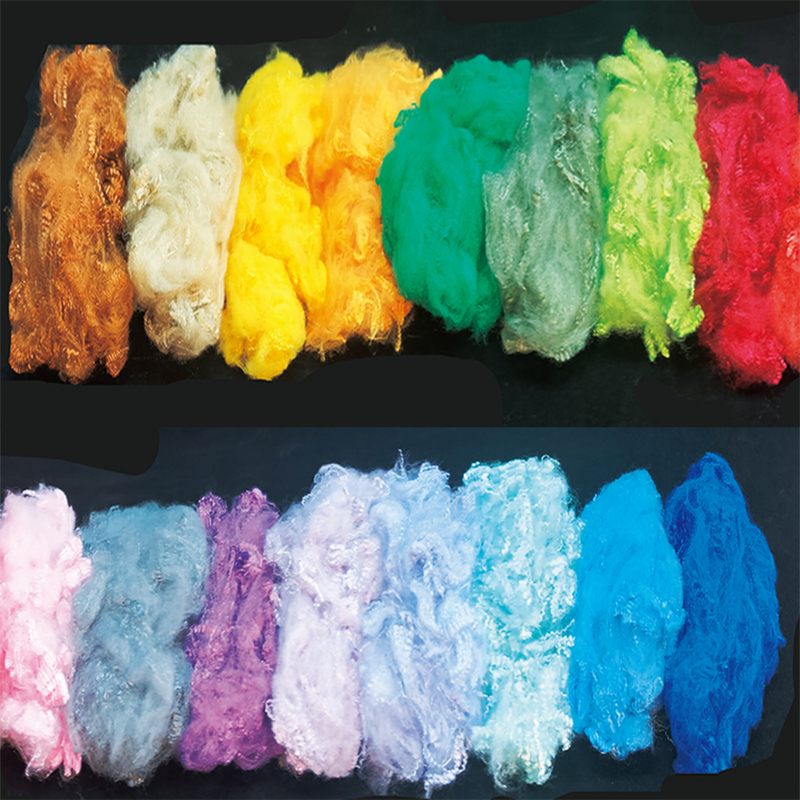
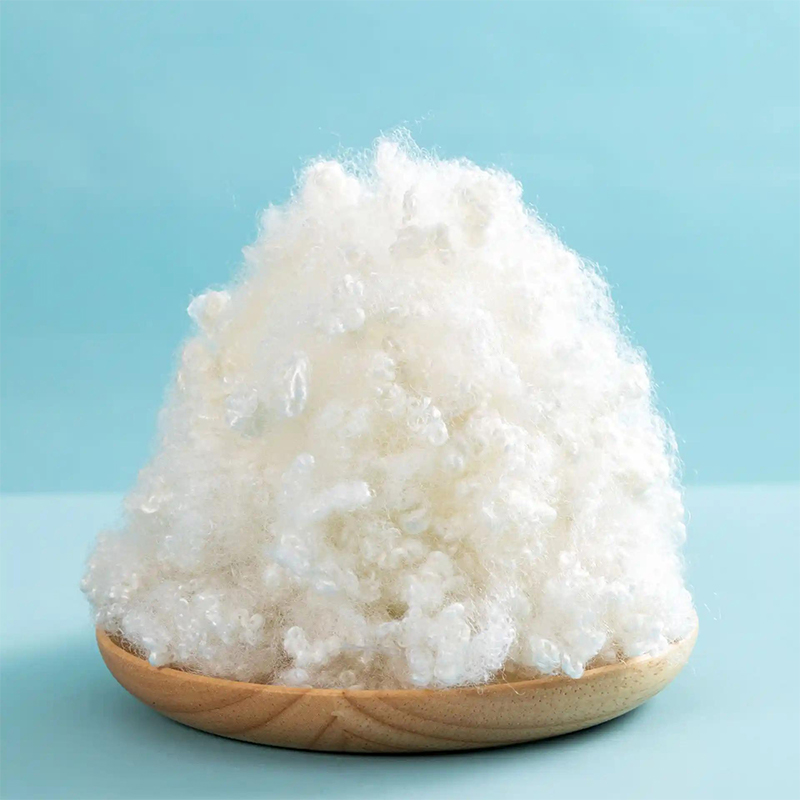
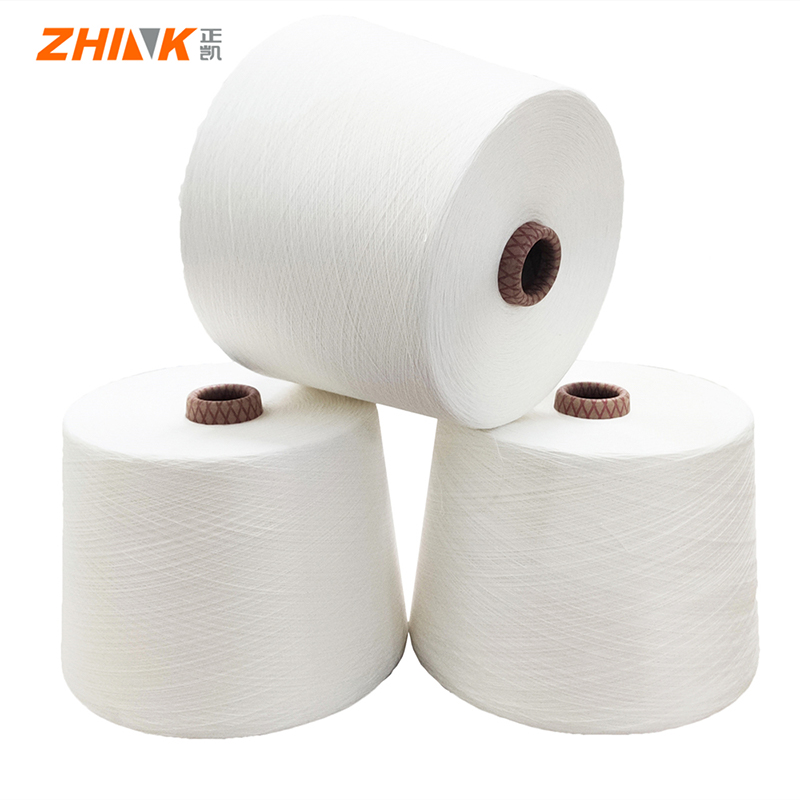
1.4D—8D/32-102
Understanding the Spectrum of Textile Fibers: From 1.4D to 8D/32-102
When delving into textile fibers such as 1.4D—8D/32-102, it’s crucial to decipher these numbers. They signify denier—a term reflecting the fineness of fibers. Misunderstanding these concepts can lead to challenges in production and application.
Decoding Denier: The Basics
Denier (D) measures the thickness of fibers; it's standard for evaluating textile fibers. Specifically, the “1.4D—8D” refers to fiber thickness from 1.4 denier to 8 denier. This range offers versatility for different uses, from lightweight apparel to robust industrial applications. But, diving into using these fibers without a grasp can result in textile mishaps.
I recall a project involving 3D fibers where we aimed for lightweight sportswear. The initial assumption that thinner equals better was flawed. The fibers' tensile strength was compromised, leading us back to the drawing board. Understanding the specific requirements of each application is vital.
SHANDONG ZHINK NEW MATERIAL CO., LTD, a leader in this field, provides a spectrum of new textile materials on their website, SHANDONG ZHINK NEW MATERIAL CO., LTD. Their research and development insights are invaluable for avoiding such pitfalls.
Applications and Versatility
The application depends heavily on the denier. Lower deniers like 1.4D are ideal for delicate, breathable textiles. Remember working on a summer dress line, we aimed for a soft hand-feel without sacrificing durability. Carefully selected 2D fibers achieved the airy aesthetic while maintaining resilience under wear.
Conversely, higher deniers around 8D serve well in upholstery and industrial fabrics. Their robustness accommodates heavier usage. This property is something Zhink New Material capitalizes on for bespoke solutions tailored to specific industrial needs.
However, a misstep can be costly. Selecting an 8D fiber for garments intending to cater to soft silhouettes can result in stiffness and discomfort, reminding us of the importance of informed choices.
Technical Considerations
In production, ensuring the correct machinery parameters to handle different deniers is fundamental. During an early attempt at producing 1.4D fibers, our team underestimated the machinery adjustments required, leading to significant waste and quality issues.
Textile machinery often demands meticulous calibration. Fiber tension and speed settings while spinning or weaving vary tremendously between 1.4D and 8D. A partnership with technical specialists, like those at SHANDONG ZHINK, can streamline this process.
These technical nuances are often overlooked in initial planning phases, where theoretical knowledge fails to capture the practical adjustments needed on the production floor.
Scale and Quantity: Understanding 32-102
The “32-102” often refers to staple length in mm for fibers. This parameter affects spinning, feel, and final product quality. Longer fibers tend to pill less and have a smoother finish but are costlier to produce.
In a project decision concerning drapery fibers, we opted for a 102mm cut length, valuing the luxurious finish over cost efficiency. These decisions, though daunting initially, define the final product's market appeal.
Again, the extensive range offered by companies like Zhink New Material (zhinkyarn.com) aids in custom tailoring solutions fit for diverse projects. Here, their expertise can guide proper selection based on desired product attributes.
Sustainability Considerations
The future of textile materials like 1.4D—8D/32-102 also hinges on sustainability. There is a growing emphasis on eco-friendly production methods and materials. Companies often revisit these standards to reduce their environmental footprint.
Working with SHANDONG ZHINK NEW MATERIAL CO., LTD, there’s an evident push towards incorporating recycled and biodegradable fibers in their product lines. Navigating these advancements can elevate a brand's value proposition in an increasingly eco-conscious market.
By aligning fiber selection with sustainable goals, companies not only meet consumer demand but also contribute positively to global ecological efforts.
Related Products
Related Products