+86-632-3621866
- Chinese
- French
- German
- Portuguese
- Spanish
- Russian
- Japanese
- Korean
- Arabic
- Irish
- Greek
- Turkish
- Italian
- Danish
- Romanian
- Indonesian
- Czech
- Afrikaans
- Swedish
- Polish
- Basque
- Catalan
- Esperanto
- Hindi
- Lao
- Albanian
- Amharic
- Armenian
- Azerbaijani
- Belarusian
- Bengali
- Bosnian
- Bulgarian
- Cebuano
- Chichewa
- Corsican
- Croatian
- Dutch
- Estonian
- Filipino
- Finnish
- Frisian
- Galician
- Georgian
- Gujarati
- Haitian
- Hausa
- Hawaiian
- Hebrew
- Hmong
- Hungarian
- Icelandic
- Igbo
- Javanese
- Kannada
- Kazakh
- Khmer
- Kurdish
- Kyrgyz
- Latin
- Latvian
- Lithuanian
- Luxembou..
- Macedonian
- Malagasy
- Malay
- Malayalam
- Maltese
- Maori
- Marathi
- Mongolian
- Burmese
- Nepali
- Norwegian
- Pashto
- Persian
- Punjabi
- Serbian
- Sesotho
- Sinhala
- Slovak
- Slovenian
- Somali
- Samoan
- Scots Gaelic
- Shona
- Sindhi
- Sundanese
- Swahili
- Tajik
- Tamil
- Telugu
- Thai
- Ukrainian
- Urdu
- Uzbek
- Vietnamese
- Welsh
- Xhosa
- Yiddish
- Yoruba
- Zulu
- Kinyarwanda
- Tatar
- Oriya
- Turkmen
- Uyghur



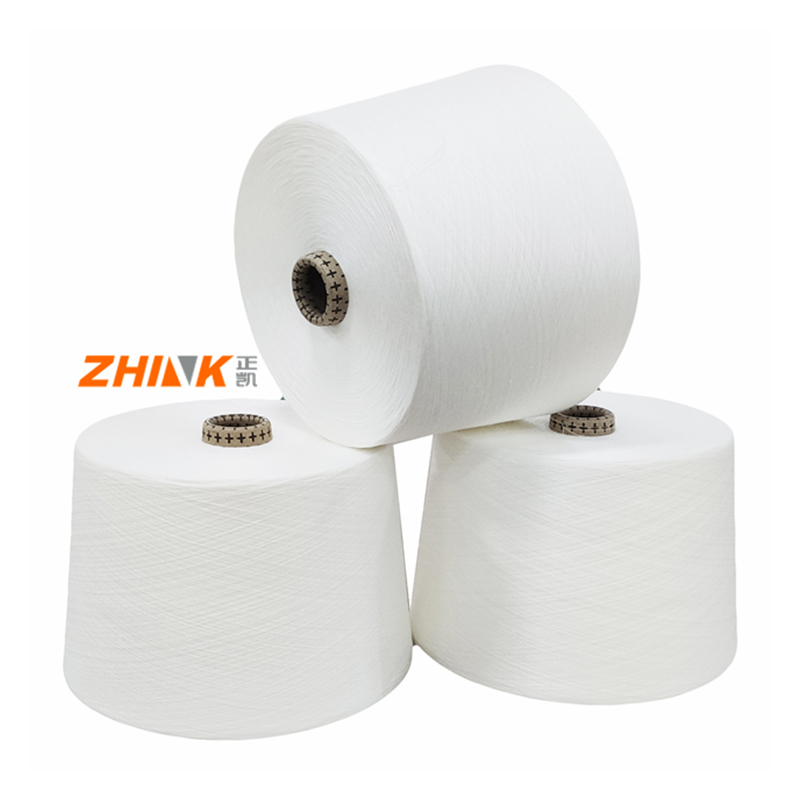
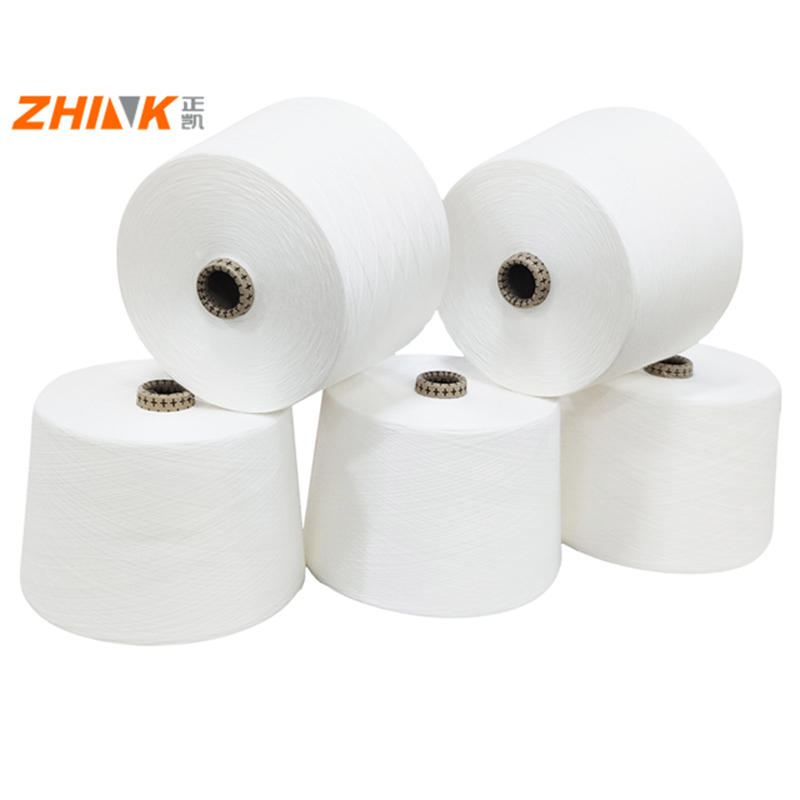
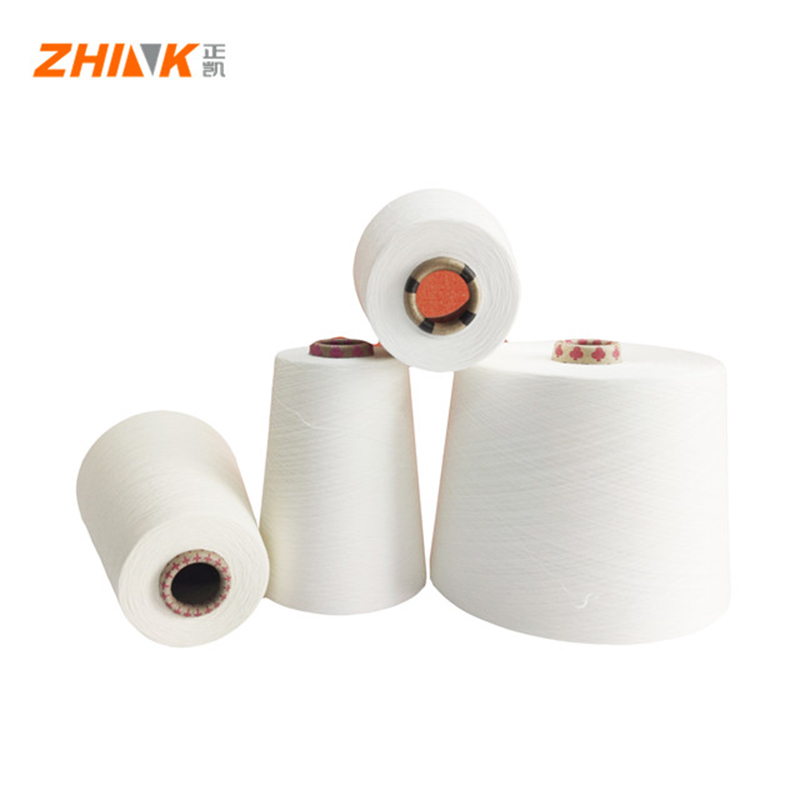
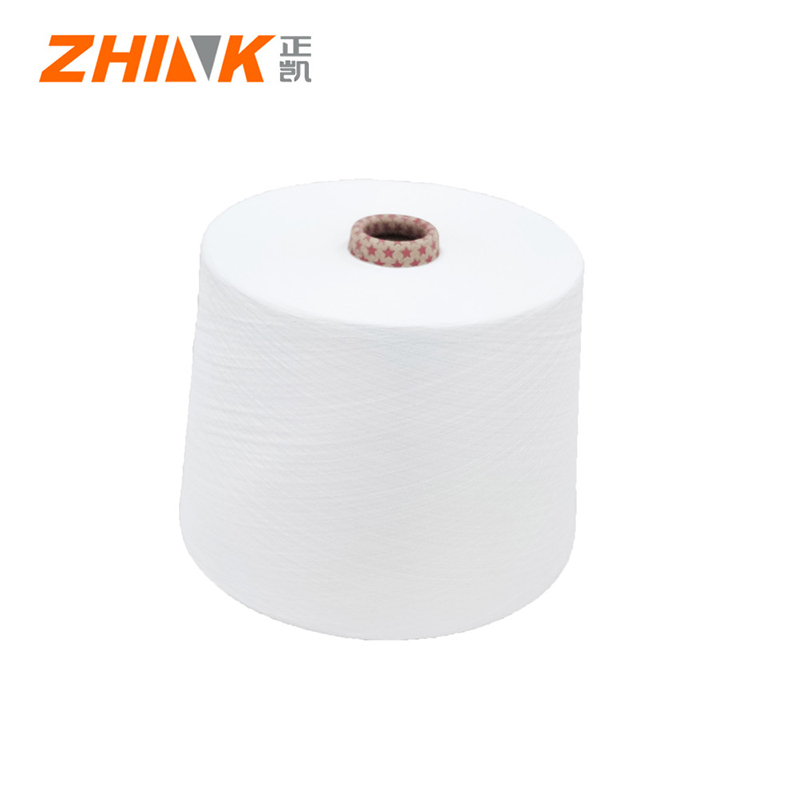
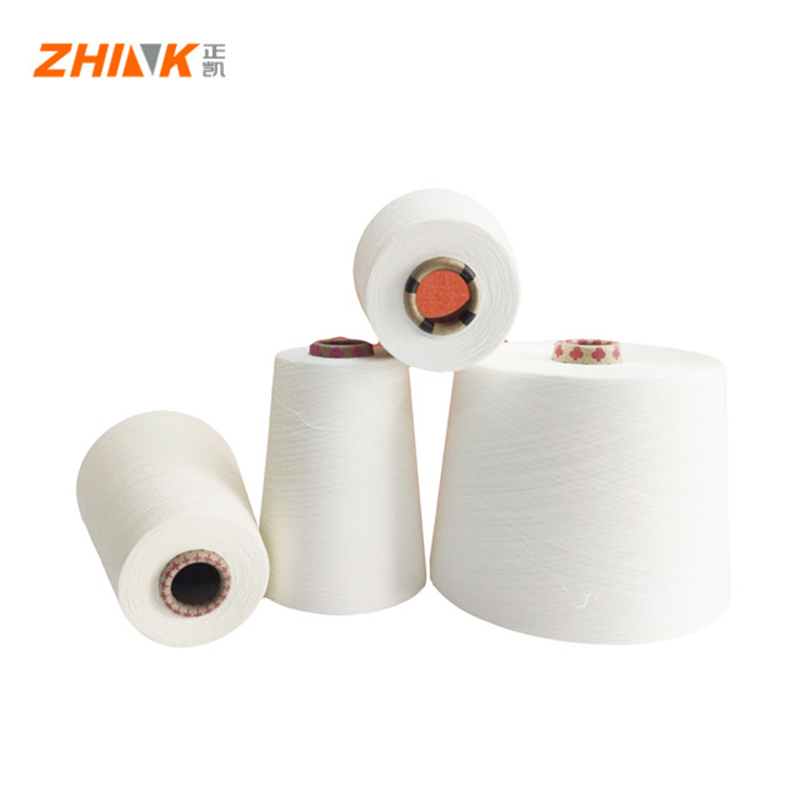
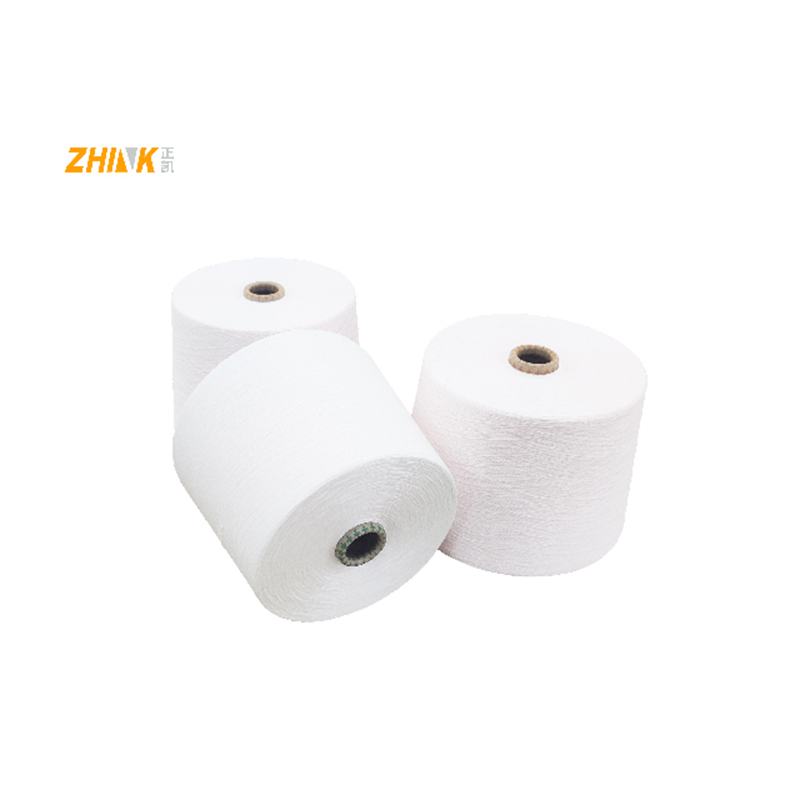
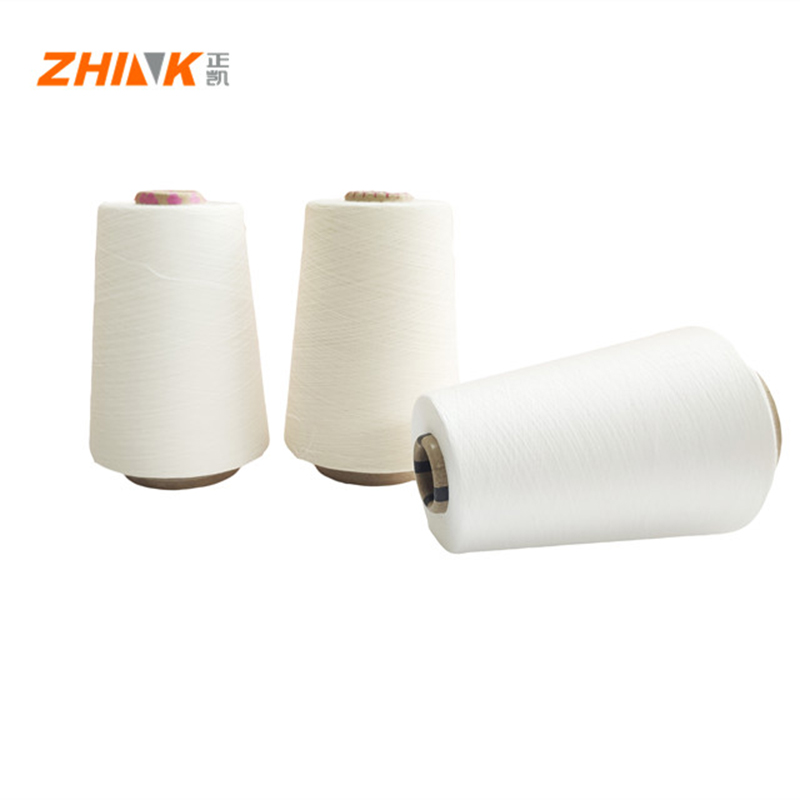
1.67dtex*38mm
The Intricacies of 1.67dtex38mm Fibers
In the textile world, the term 1.67dtex38mm might sound overly technical, yet it’s crucial for anyone dealing with modern textile materials. This fiber dimension influences the texture, durability, and performance of fabrics and plays a pivotal role in development by companies like SHANDONG ZHINK NEW MATERIAL CO., LTD.
Understanding the Specifications: 1.67dtex38mm
The measurement 1.67dtex38mm may appear straightforward, but it encapsulates a wealth of information about fiber properties. 'Dtex' is the unit for measuring fiber thickness, indicating mass in grams per 10,000 meters. At 1.67, this fiber strikes a balance between lightness and strength, which is critical in applications like sportswear and bedding.
The length, 38mm, is just as significant. This dimension suits spinning requirements for a variety of fabric types. Zhink New Material, detailed on their website, leverages such fibers for innovative textiles, ensuring versatility and quality. Significant research supports choosing these specifications to optimize yarn formation and fabric texture.
However, selecting fiber dimensions isn't purely technical. It requires nuanced understanding of intended fabric applications. A wrong combination might result in less desired texture or feel, something I learned firsthand during product development trials.
Common Misconceptions and Realities
It's a common assumption that smaller dtex always results in softer materials. In practice, the finish is influenced by multiple factors like spinning method and material blend. When we attempted a low-dtex mix but altered the spinning process, the resulting fabric did not meet softness expectations.
Additionally, longer fibers tend to be associated with stronger yarns. Yet, during trials, we found that factors like fiber blend ratios and processing techniques can drastically change outcomes. Sometimes shorter fibers enhance tensile strength when paired correctly with modern materials.
These lessons are invaluable when briefing product teams or explaining choices to clients. Transparency about what each specification entails helps set realistic expectations and guides successful product iterations.
Practical Applications in Industry
From outdoor gear to everyday clothing, the 1.67dtex38mm specification finds diverse applications. At Zhink New Material, there's a strong focus on adapting fiber specs to meet product demands, which is evident from their extensive product line.
A practical instance I recall involved developing a new line of textiles for enhanced weather resistance. The use of 1.67dtex was pivotal here; it allowed us to create a lightweight, yet robust even under adverse conditions. The interplay of specs really shows how detailed planning translates into performance.
These experiences reinforce the need for a hands-on approach. Being involved in trials and understanding material behavior in real-world conditions is key to making informed decisions that resonate with both market needs and technological advancements.
Challenges and Problem Solving
It's not always smooth sailing when working with such precise specifications. Issues around fiber consistency and batch variance can emerge. For instance, during one production cycle, batch inconsistency led to uneven yarn texture, prompting a review of the supply chain and vendor processes.
Such challenges require both technical and managerial strategies to resolve. Open communication with suppliers and adopting quality assurance protocols can mitigate these risks. Continual dialogue about specifications and procurement practices is essential.
Reflecting on these experiences, one learns the importance of agility and responsiveness in the textile manufacturing process. The ability to adapt and experiment is critical for sustaining innovation and ensuring product quality.
Final Thoughts and Future Directions
As the textile industry evolves, the demand for tailored specifications like 1.67dtex38mm will only grow. Companies such as Zhink New Material are at the forefront, pushing boundaries while addressing practical challenges. Their work is a testament to the dynamic nature of textile innovation.
Looking forward, the key will be in maintaining a dialogue between technical developments and market needs. For me, the ongoing learning process, adapting to changes, and embracing technological advances is what keeps this field vibrant and rewarding.
Visit SHANDONG ZHINK NEW MATERIAL CO., LTD. to explore more about their innovative textile solutions tailored to these specifications.
Related Products
Related Products