+86-632-3621866
- Chinese
- French
- German
- Portuguese
- Spanish
- Russian
- Japanese
- Korean
- Arabic
- Irish
- Greek
- Turkish
- Italian
- Danish
- Romanian
- Indonesian
- Czech
- Afrikaans
- Swedish
- Polish
- Basque
- Catalan
- Esperanto
- Hindi
- Lao
- Albanian
- Amharic
- Armenian
- Azerbaijani
- Belarusian
- Bengali
- Bosnian
- Bulgarian
- Cebuano
- Chichewa
- Corsican
- Croatian
- Dutch
- Estonian
- Filipino
- Finnish
- Frisian
- Galician
- Georgian
- Gujarati
- Haitian
- Hausa
- Hawaiian
- Hebrew
- Hmong
- Hungarian
- Icelandic
- Igbo
- Javanese
- Kannada
- Kazakh
- Khmer
- Kurdish
- Kyrgyz
- Latin
- Latvian
- Lithuanian
- Luxembou..
- Macedonian
- Malagasy
- Malay
- Malayalam
- Maltese
- Maori
- Marathi
- Mongolian
- Burmese
- Nepali
- Norwegian
- Pashto
- Persian
- Punjabi
- Serbian
- Sesotho
- Sinhala
- Slovak
- Slovenian
- Somali
- Samoan
- Scots Gaelic
- Shona
- Sindhi
- Sundanese
- Swahili
- Tajik
- Tamil
- Telugu
- Thai
- Ukrainian
- Urdu
- Uzbek
- Vietnamese
- Welsh
- Xhosa
- Yiddish
- Yoruba
- Zulu
- Kinyarwanda
- Tatar
- Oriya
- Turkmen
- Uyghur


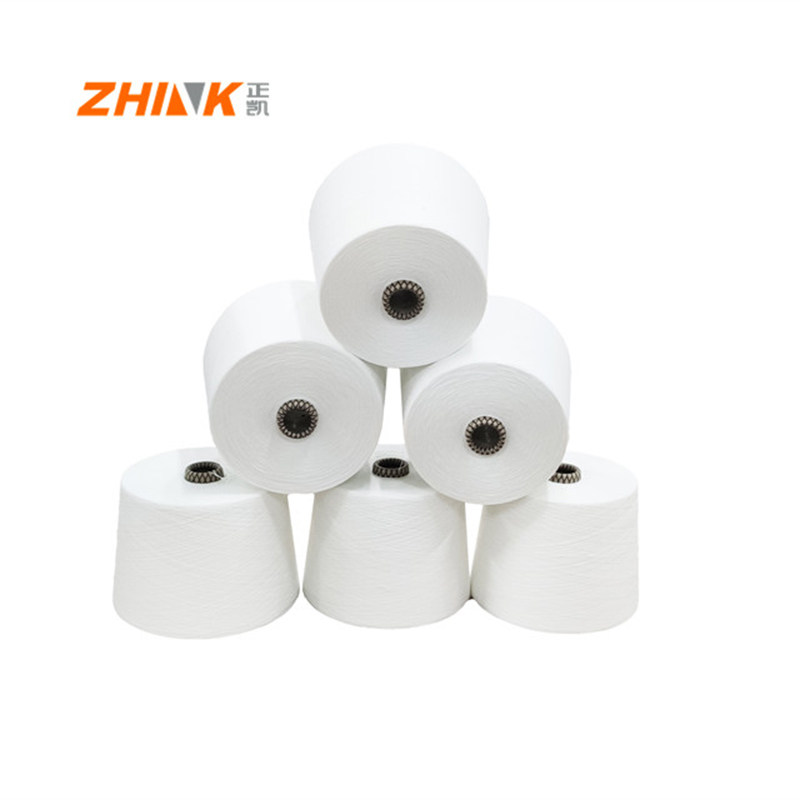
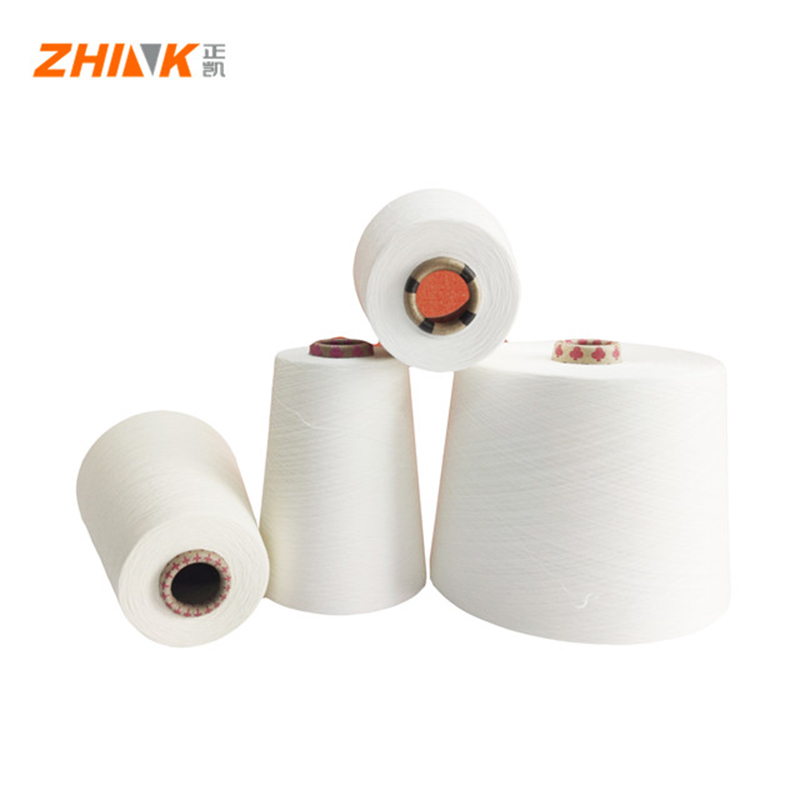
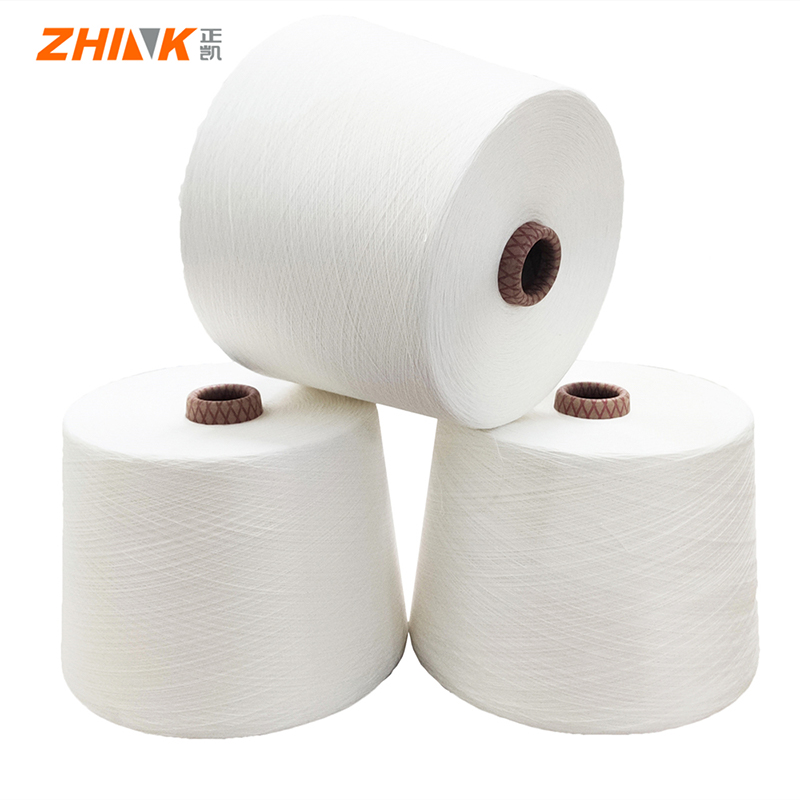
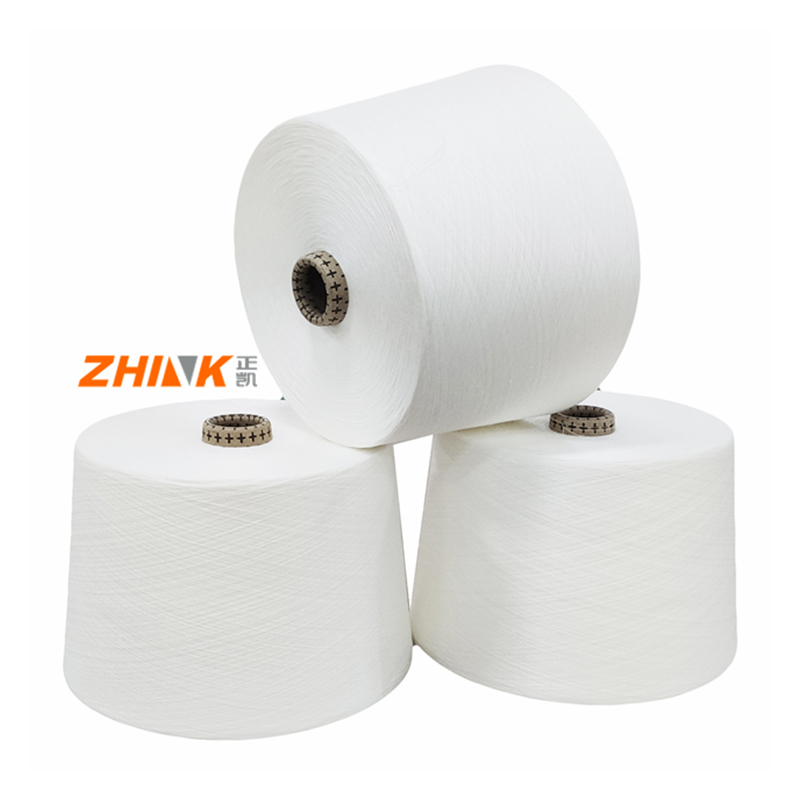
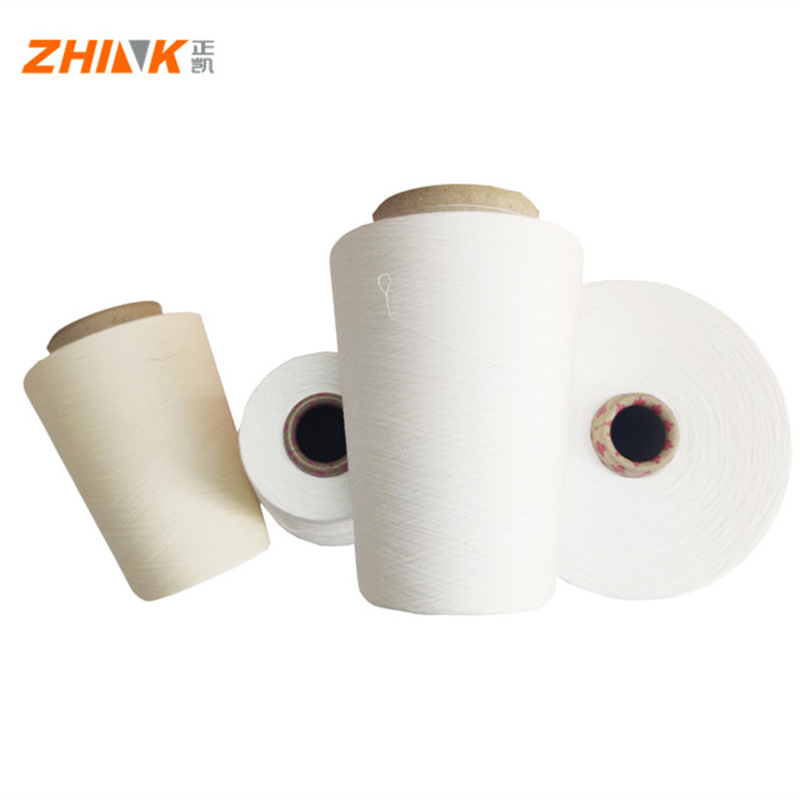
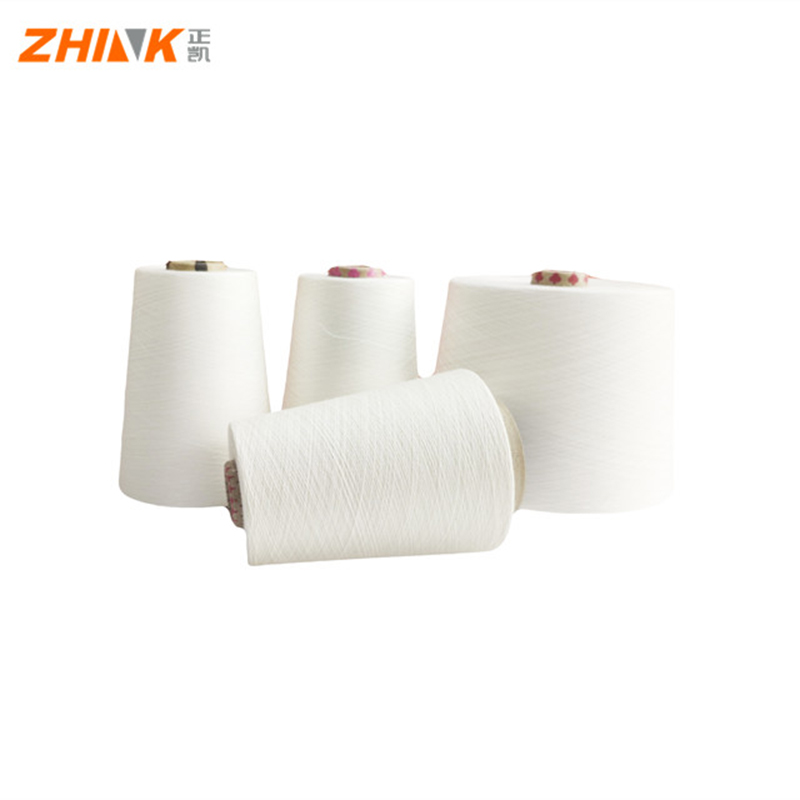
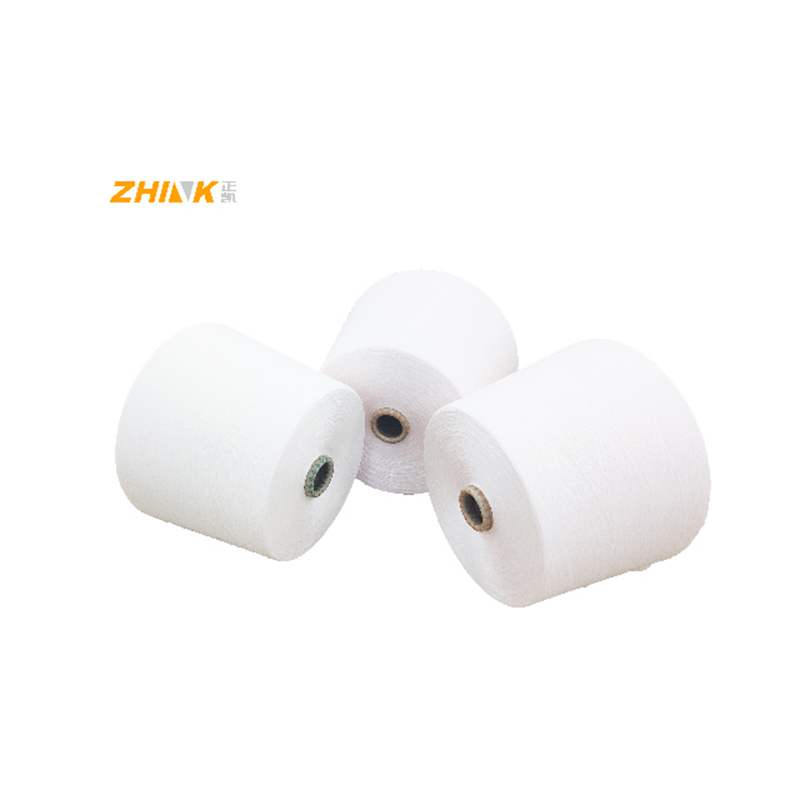
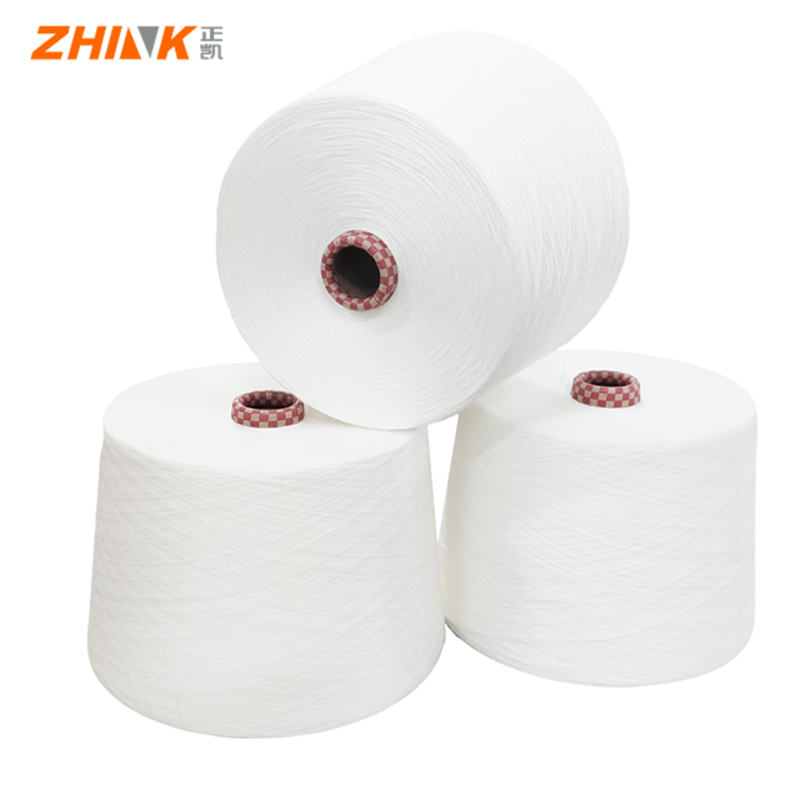
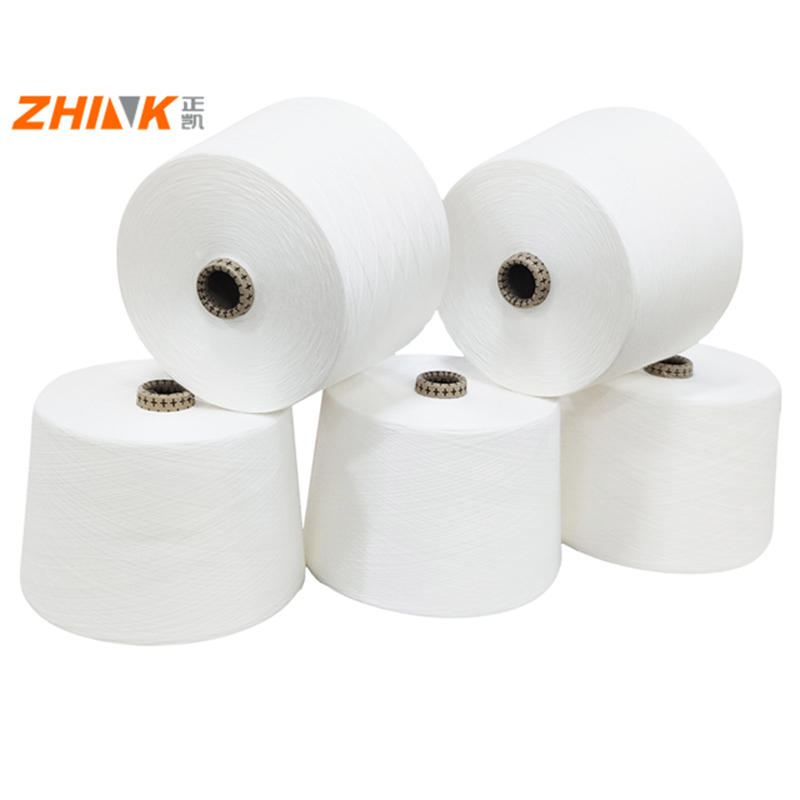
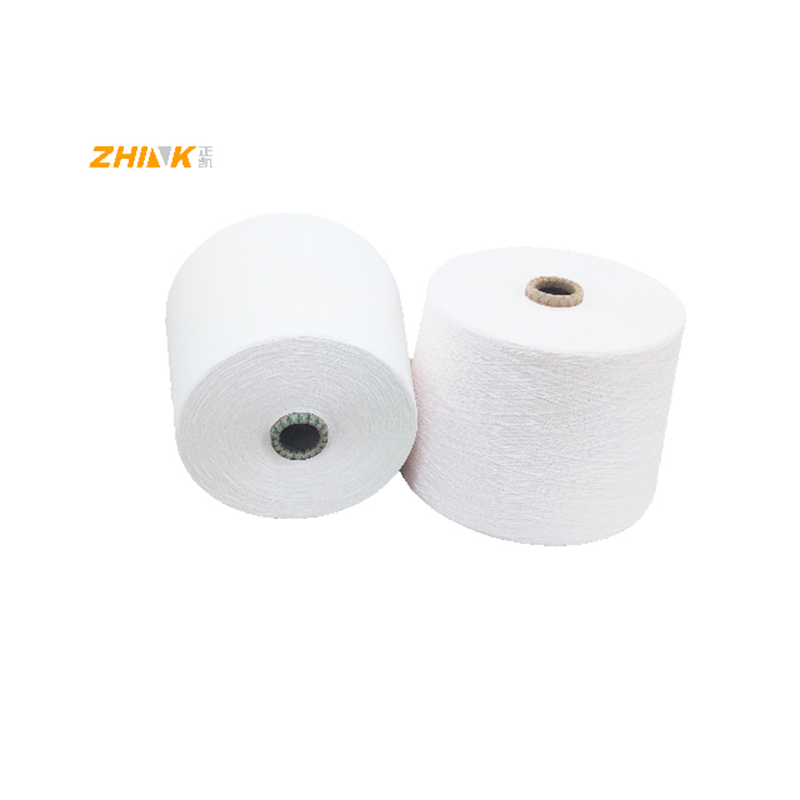
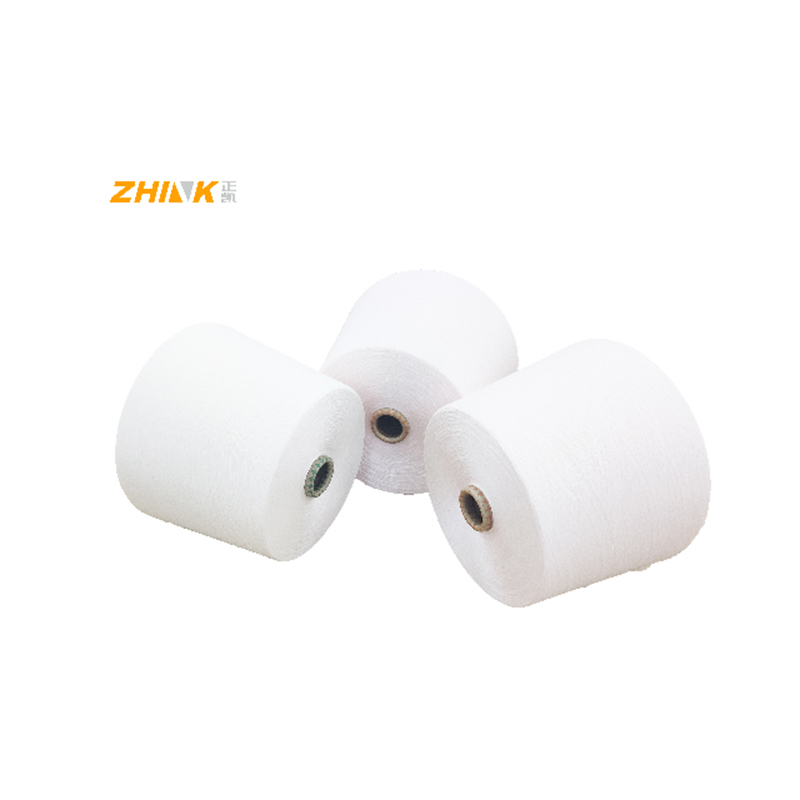
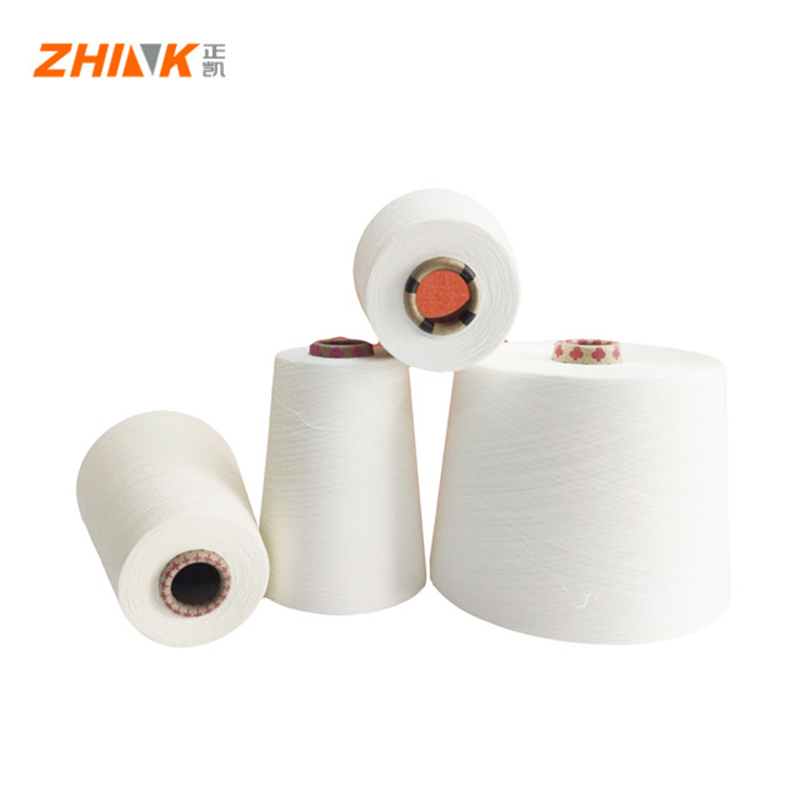
100% A100 yarn
Understanding 100% A100 Yarn: An Insider’s Perspective
With terms like 100% A100 yarn floating around, it’s easy to get caught up in the marketing lingo. But what's beneath that label? From a critical look at this textile’s characteristics to addressing common industry misconceptions, here’s a deeper dive.
What is 100% A100 Yarn?
At its core, 100% A100 yarn represents a high-quality fiber known for its versatility and performance. This isn’t just another yarn; it’s crafted for specific needs and must meet exacting standards. But let's slow down a bit—what exactly makes this yarn stand out from the vast sea of textiles available today?
The primary draw is often its composition. A100, as a specific fiber, exhibits superior strength and durability. It’s not uncommon to implement it in settings demanding longevity, like industrial applications or high-end fashion. However, one caveat in the industry is ensuring the yarn maintains its advertised quality during mass production. A slight deviation in production parameters can significantly affect the final textile attributes.
I’ve observed firsthand scenarios where improperly calibrated machinery leads to variations in yarn tension. This oversight can cause inconsistencies in products that are difficult to rectify post-production. The devil, as they say, is in the details.
The Production Nuances
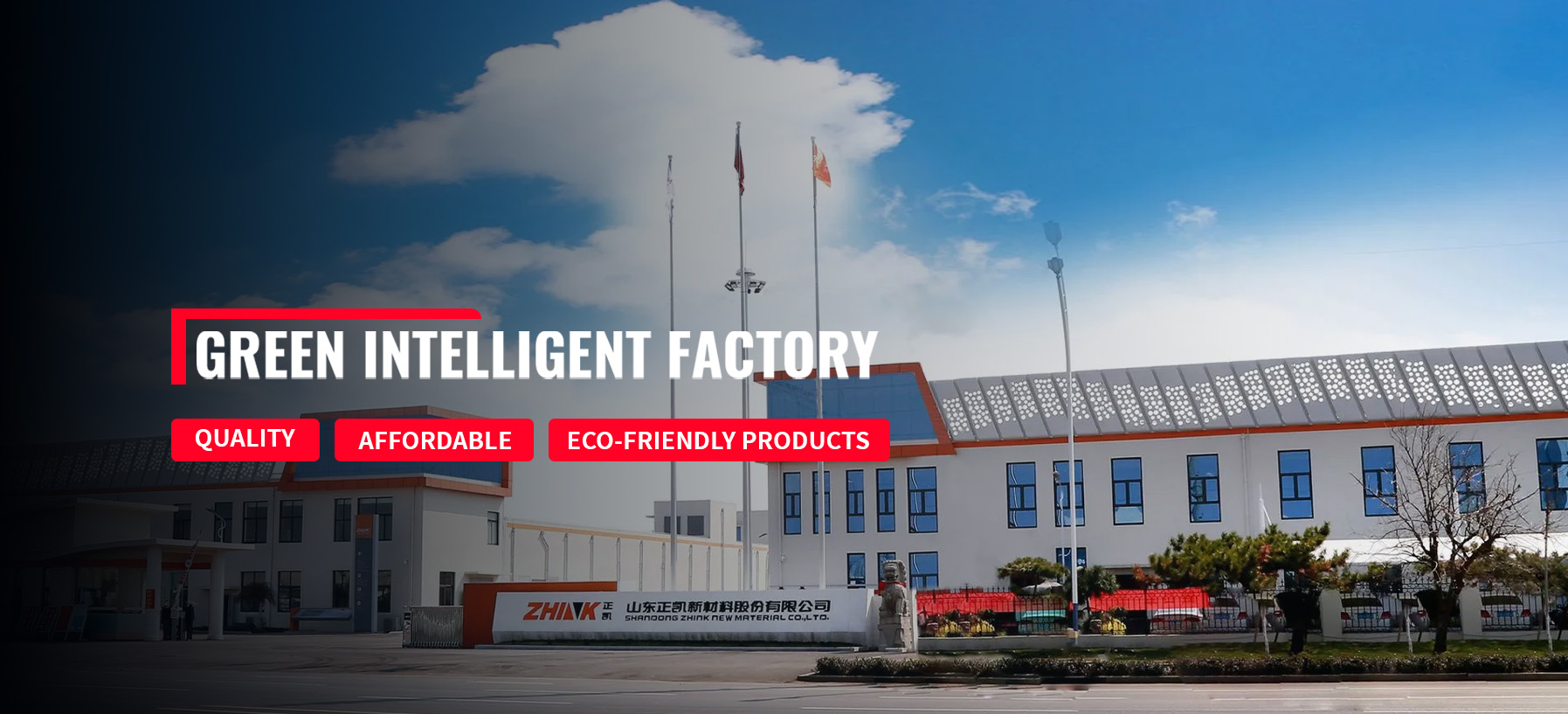
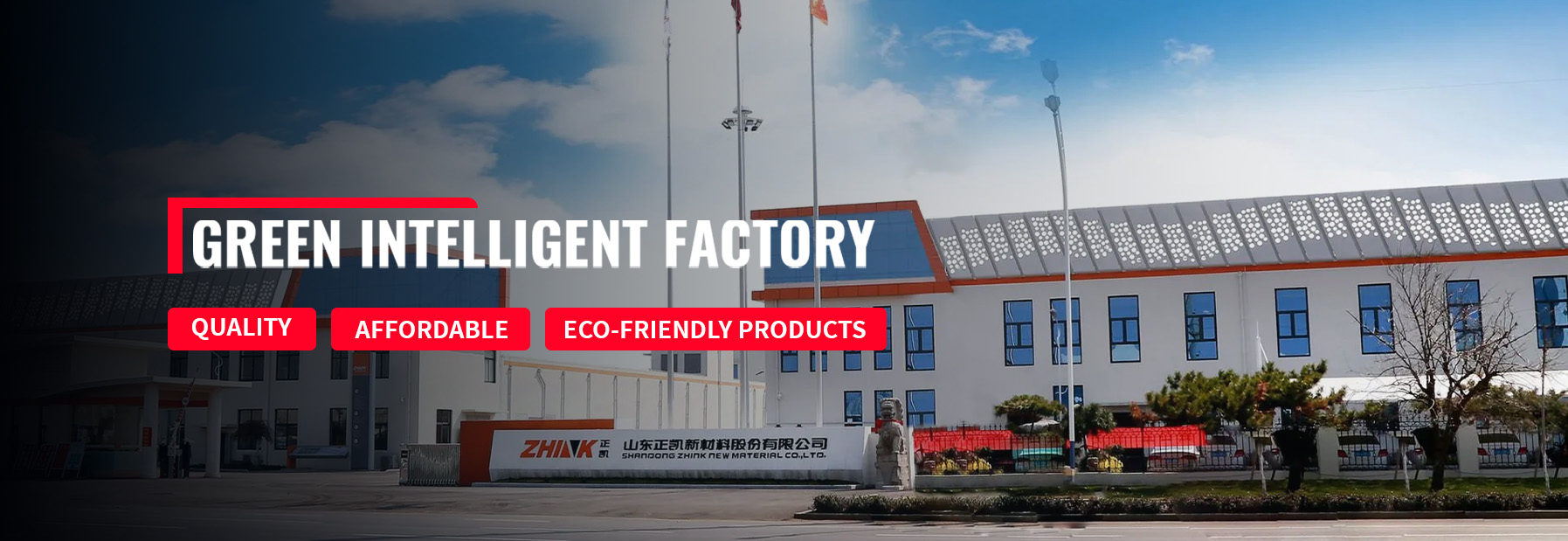
Transitioning from conceptual knowledge to practice, the production of 100% A100 yarn demands meticulous attention. Companies like SHANDONG ZHINK NEW MATERIAL CO., LTD, which specializes in innovative textile materials, often dedicate substantial resources to R&D to optimize yarn characteristics. Their website, zhinkyarn.com, offers insight into their advanced methodologies.
During production, temperature and humidity are critical parameters. I've seen setups where variable humidity levels impacted fiber integrity. It’s surprising how even slight environmental changes can lead to noticeable wear differences in the fabric. Thus, maintaining a controlled environment is non-negotiable.
Additionally, the blend and twist mechanisms play pivotal roles. Proper alignment and twist ensure that the yarn retains its robust properties without unnecessary stiffness or slack. This balance is crucial for end applications requiring specific tactile and functional qualities.
Spotting Industry Misconceptions
It’s tempting for some to undercut competitors by labeling synthetic blends under the guise of 100% purity. Here lies a significant industry challenge. Professionals need to remain vigilant, ensuring that 100% A100 yarn isn’t diluted with inferior fibers to cut costs. Each batch must be rigorously tested to verify authenticity.
In one experience, a batch intended for nautical use failed because it contained a non-nominated blend leading to reduced UV resistance. A costly oversight that stressed the importance of thorough QC processes. Buyers and manufacturers alike must emphasize transparency and accountability.
Fortunately, advancements in fiber-testing technologies are gradually reducing these risks. Real-time monitoring and spectral analysis are now becoming integral to the production process, providing that extra layer of assurance.
Real-World Applications of A100
100% A100 yarn finds its niche in diverse sectors. For instance, its implementation in sportswear is valued for the balance between strength and comfort. Such garments need to withstand repetitive stress while maintaining a soft feel against the skin.
I recall a collaboration with a sports brand where integrating A100 yarn significantly improved garment lifespan without compromising on comfort. Feedback highlighted enhanced athlete performance, primarily due to the superior wicking properties of the yarn in high-temperature settings.
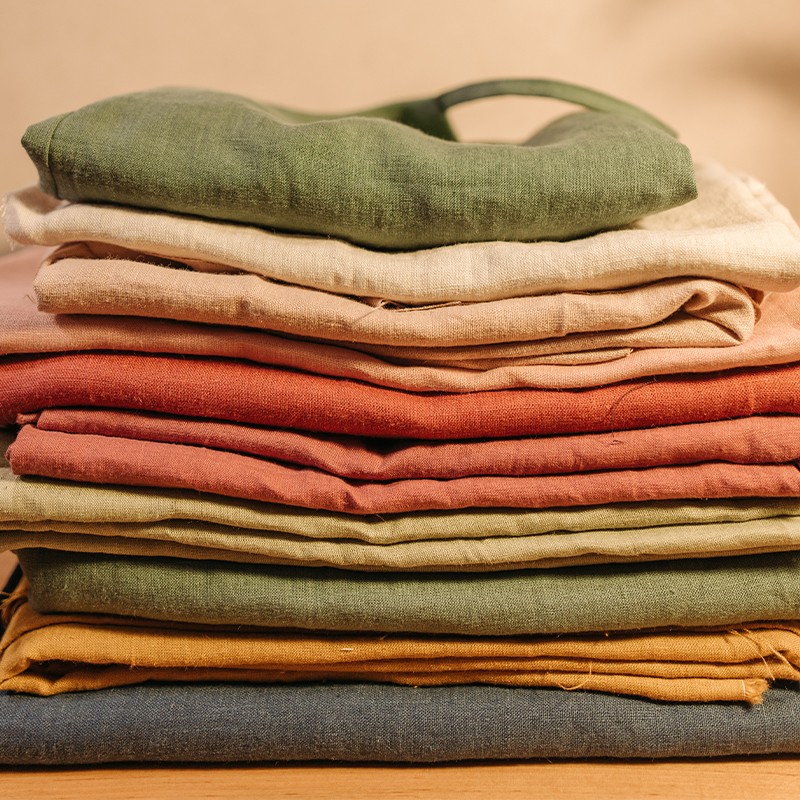
Beyond clothing, its application in home textiles—curtains, upholstery—is appreciated for both aesthetic appeal and practicality. Here, its UV resistance becomes an asset, prolonging color vibrancy and material integrity.
Future Trends and Developments
Looking forward, the landscape of textile materials is ever-evolving. Tech-savvy companies like Zhink New Material are constantly on the cutting edge, exploring future enhancements in fiber technology.
Conversations at recent textile conventions pointed towards sustainability. The possible introduction of biodegradable or eco-friendly versions of 100% A100 yarn could revolutionize the industry, making high-performance fabrics more sustainable.
Ultimately, remaining agile and receptive to new technological integrations will be key. As industry professionals, our role is to navigate these advancements, ensuring both quality and innovation drive our choices. That’s the kind of authenticity and progress that truly resonates with informed consumers.
Related Products
Related Products