+86-632-3621866
- Chinese
- French
- German
- Portuguese
- Spanish
- Russian
- Japanese
- Korean
- Arabic
- Irish
- Greek
- Turkish
- Italian
- Danish
- Romanian
- Indonesian
- Czech
- Afrikaans
- Swedish
- Polish
- Basque
- Catalan
- Esperanto
- Hindi
- Lao
- Albanian
- Amharic
- Armenian
- Azerbaijani
- Belarusian
- Bengali
- Bosnian
- Bulgarian
- Cebuano
- Chichewa
- Corsican
- Croatian
- Dutch
- Estonian
- Filipino
- Finnish
- Frisian
- Galician
- Georgian
- Gujarati
- Haitian
- Hausa
- Hawaiian
- Hebrew
- Hmong
- Hungarian
- Icelandic
- Igbo
- Javanese
- Kannada
- Kazakh
- Khmer
- Kurdish
- Kyrgyz
- Latin
- Latvian
- Lithuanian
- Luxembou..
- Macedonian
- Malagasy
- Malay
- Malayalam
- Maltese
- Maori
- Marathi
- Mongolian
- Burmese
- Nepali
- Norwegian
- Pashto
- Persian
- Punjabi
- Serbian
- Sesotho
- Sinhala
- Slovak
- Slovenian
- Somali
- Samoan
- Scots Gaelic
- Shona
- Sindhi
- Sundanese
- Swahili
- Tajik
- Tamil
- Telugu
- Thai
- Ukrainian
- Urdu
- Uzbek
- Vietnamese
- Welsh
- Xhosa
- Yiddish
- Yoruba
- Zulu
- Kinyarwanda
- Tatar
- Oriya
- Turkmen
- Uyghur



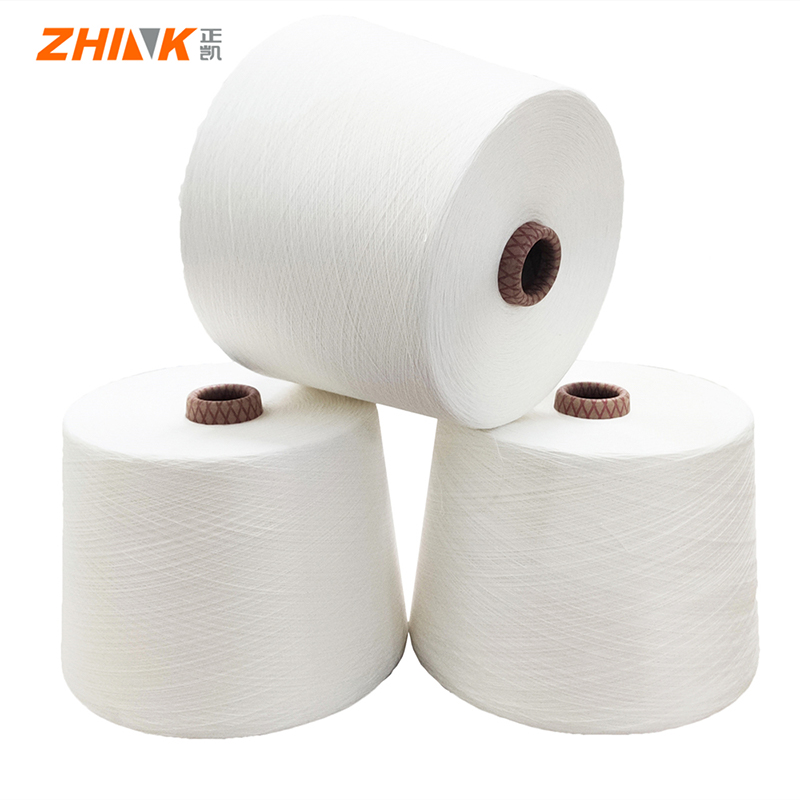
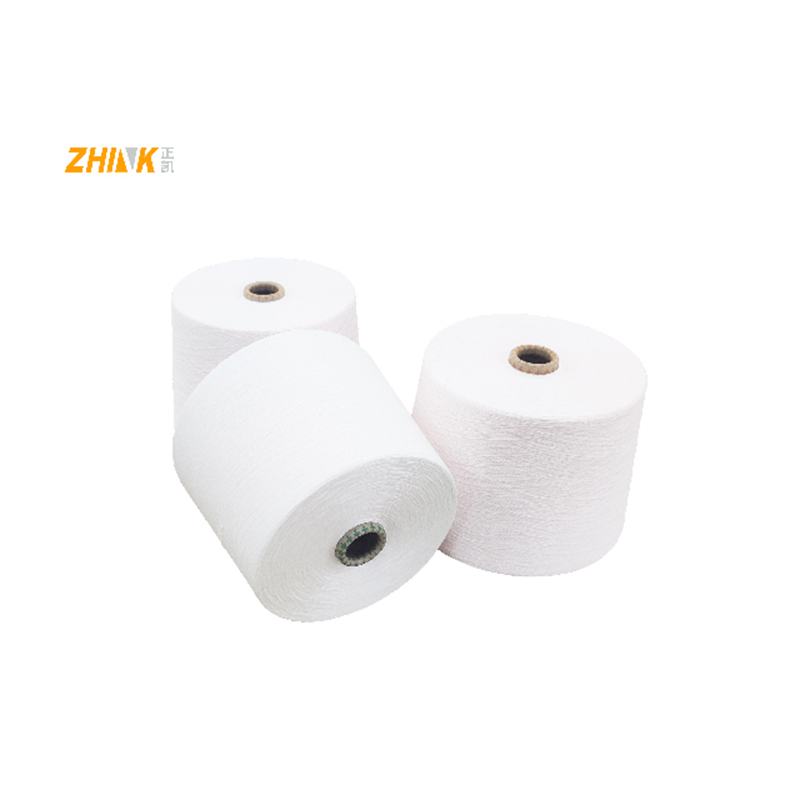
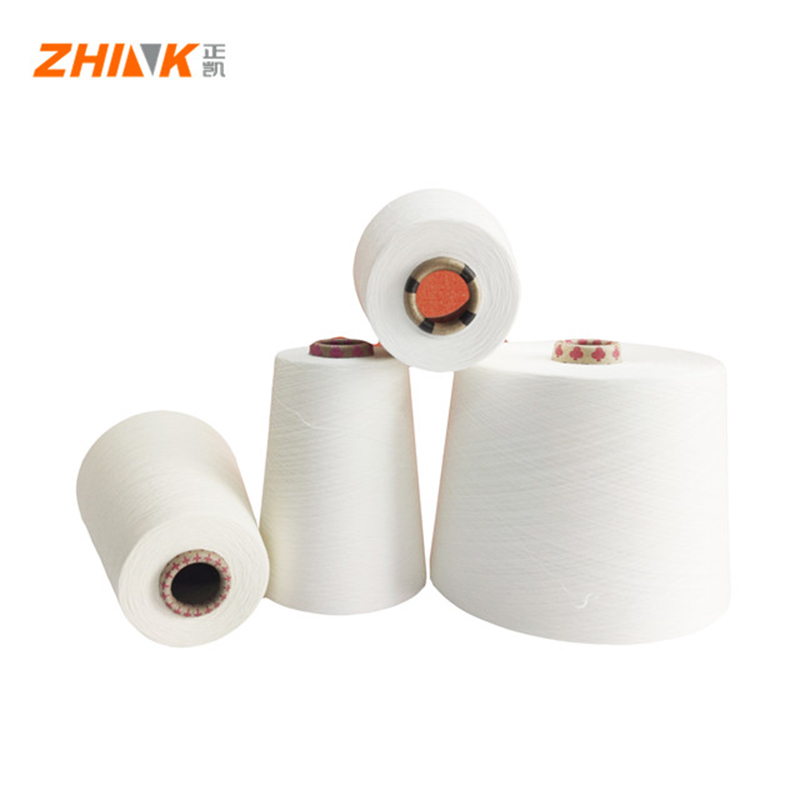
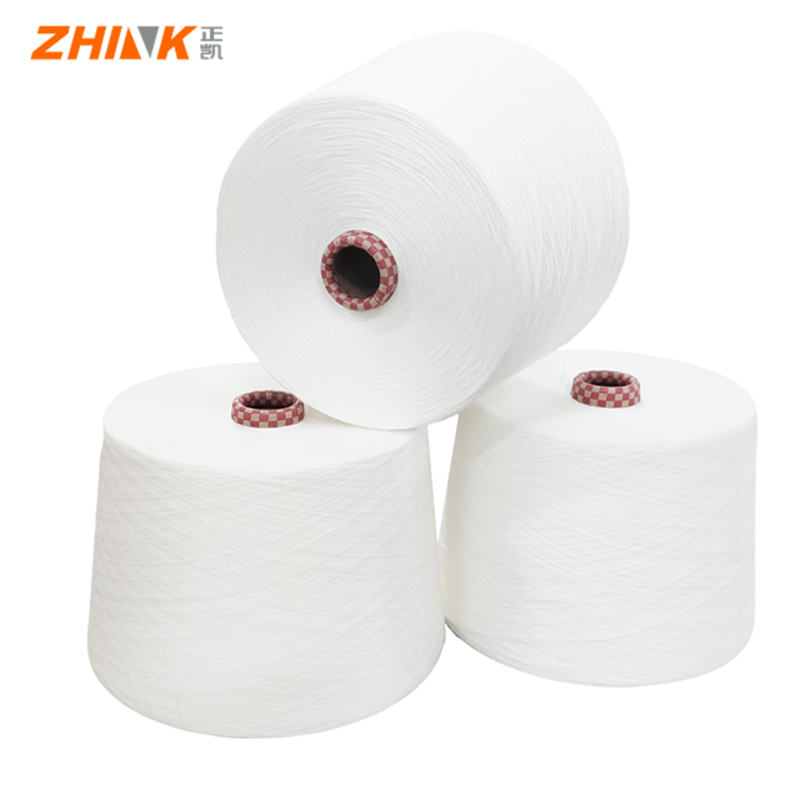
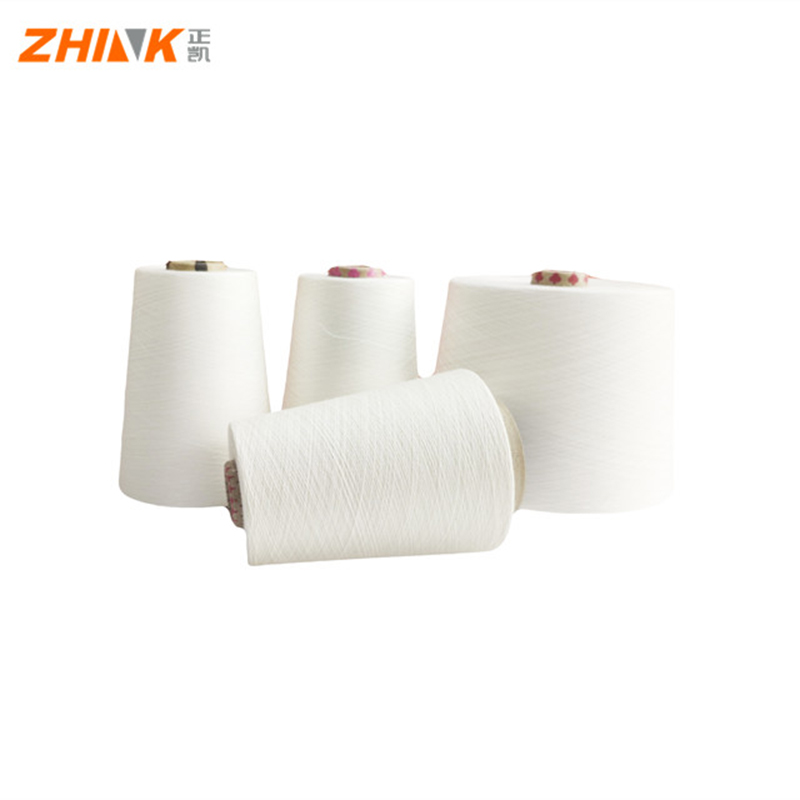
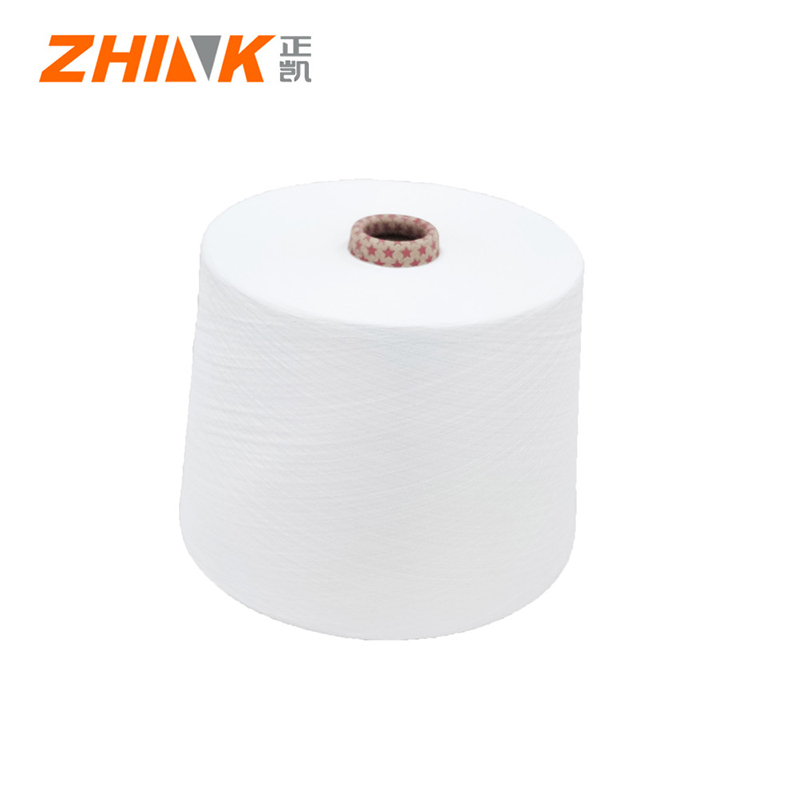
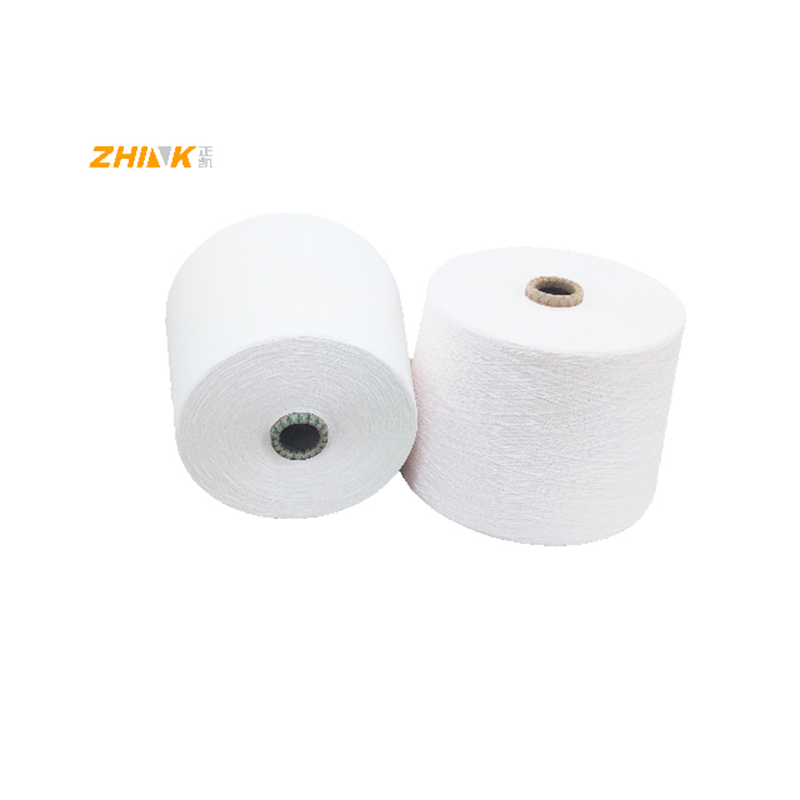
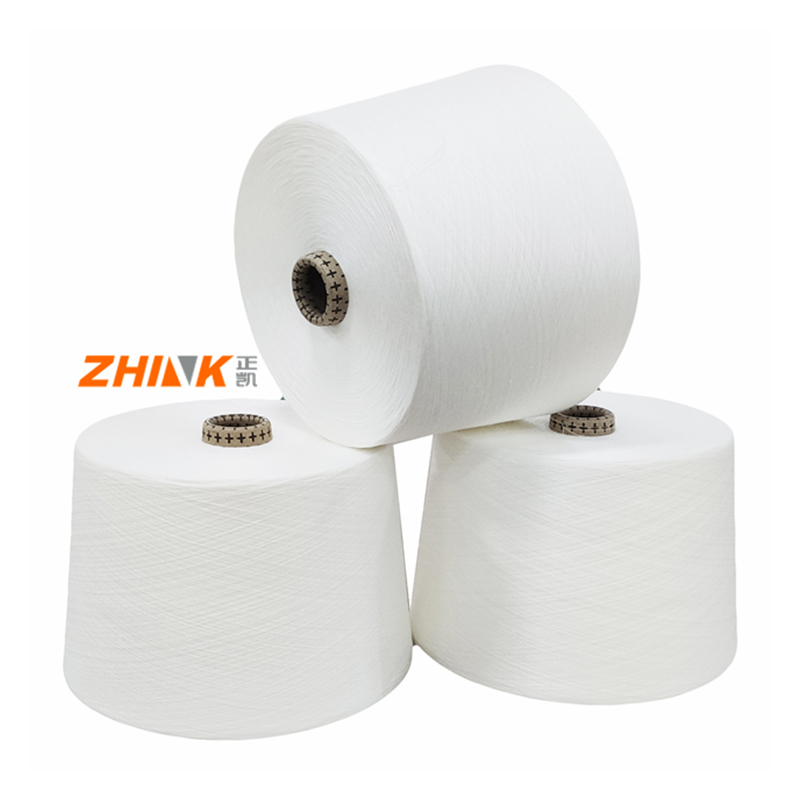
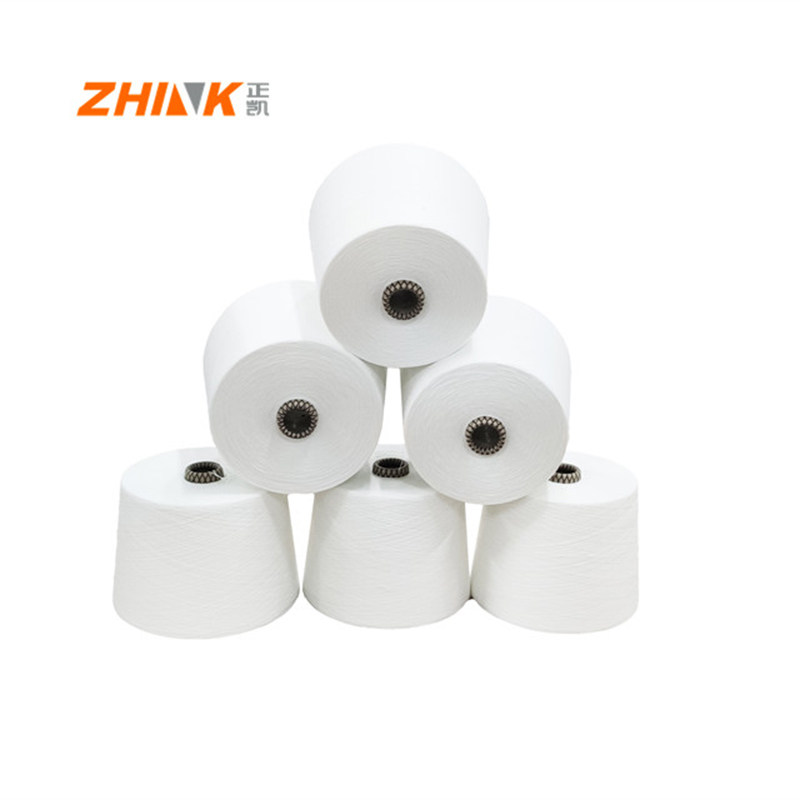
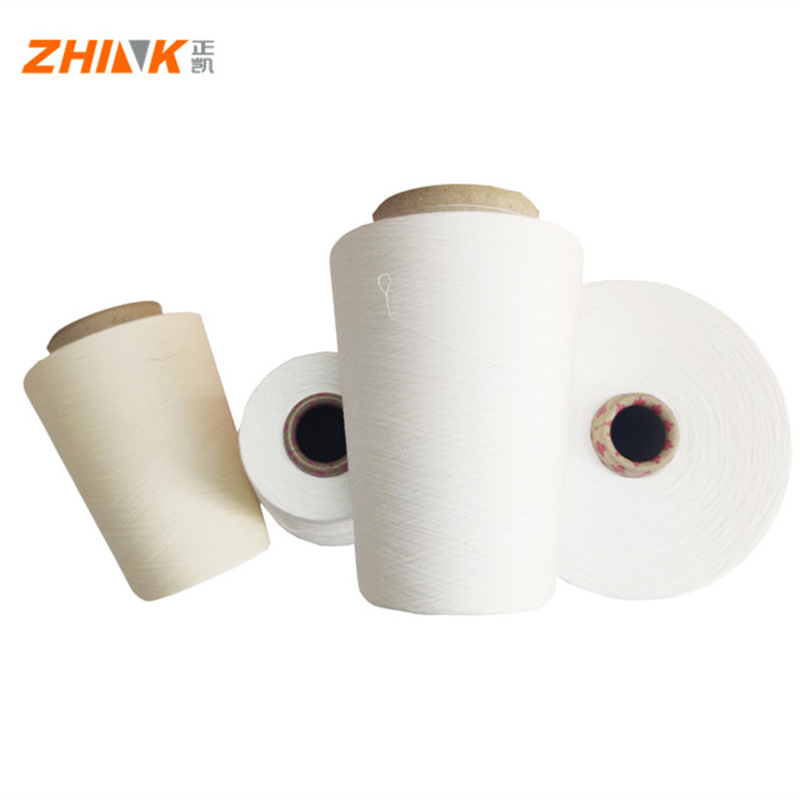
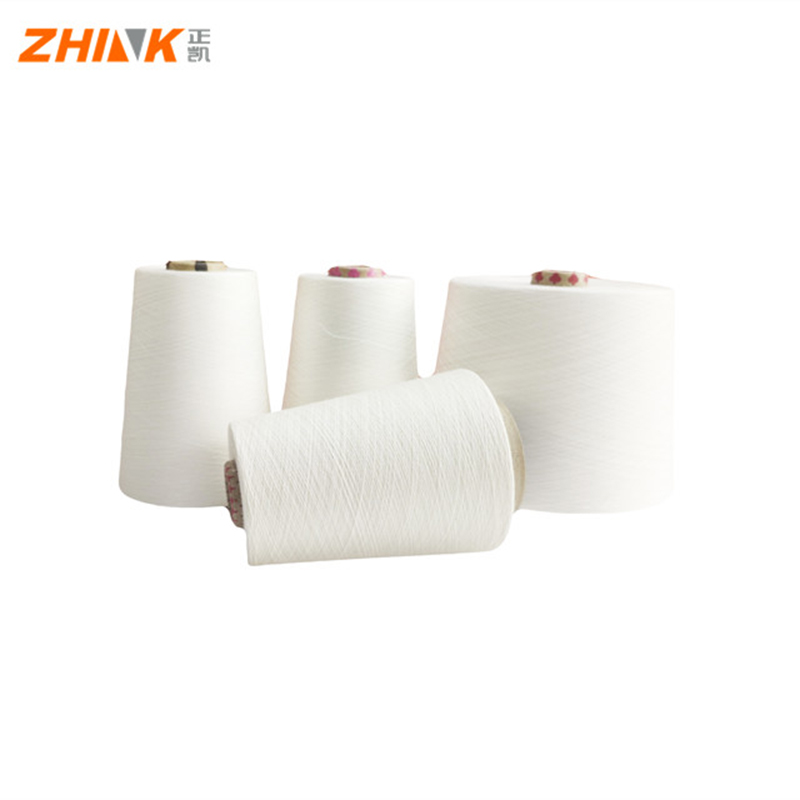
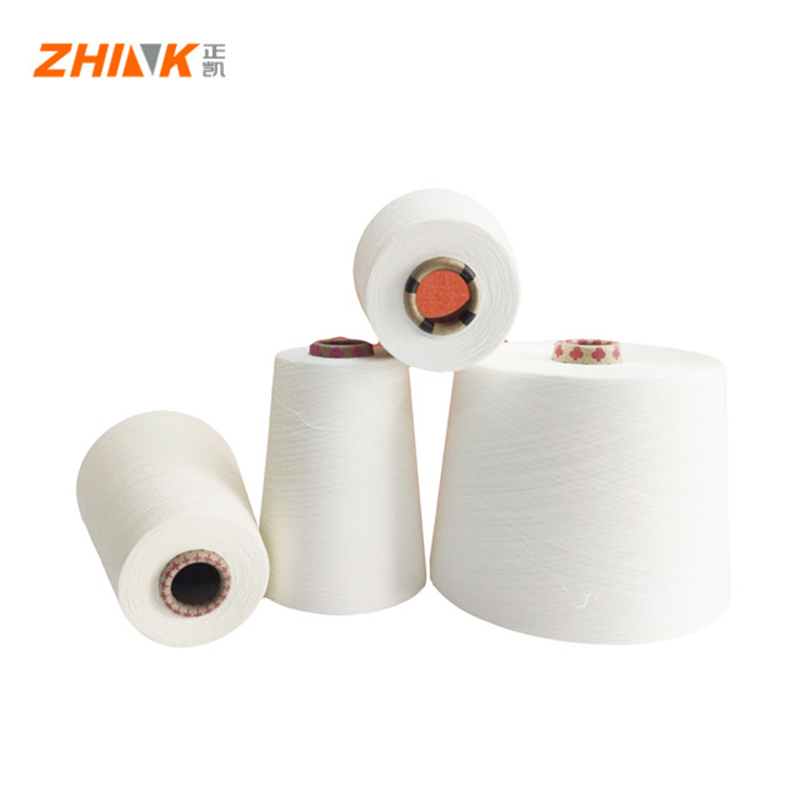
100% acrylic siro compact
Understanding the Potential of 100% Acrylic Siro Compact Yarn
100% acrylic siro compact yarn often finds itself misunderstood. Despite its beneficial properties, some in the textile industry still grapple with older misconceptions. Let's dispel a few myths while diving into what makes this yarn worth considering and how companies like SHANDONG ZHINK NEW MATERIAL CO., LTD are harnessing its potential.
The Science Behind Siro Compact Spinning
Siro compact spinning isn't just a random twist on traditional methods; it delivers more in terms of yarn quality. The aim is to produce a stronger and smoother yarn. Compact spinning reduces hairiness and enhances the fabric's sheen, which many underestimate initially. When I first encountered siro compact technology, I was particularly impressed by the precision it allows, cutting down on pilling—a common issue with acrylics.
This method essentially compacts the fibers using air suction, minimizing loose ends. The outcome? A yarn that not only feels better but performs admirably in both casual and formal wear. Think seamless finishes and richer colors, enhancing both aesthetic and tactile experiences.
Yet, it's worth noting that this process isn't without its quirks. Selecting the right equipment is crucial, and misunderstandings can easily lead to production hiccups. My early experiments were hardly flawless; it took some time to master the nuances.
Why Choose 100% Acrylic?
In the textile world, acrylic sometimes gets a bad rap—often seen as the poor cousin of wool. But 100% acrylic carries certain unique advantages, especially when combined with the siro compact method. It's lightweight, retains color exceptionally well, and has excellent resistance to chemicals and oils.
Now, when you pair acrylic with siro compact spinning, the combination is intriguing. The result is a fabric that doesn't just mimic wool but can surpass it in certain functionalities, especially for those looking for hypoallergenic alternatives. My trials with it resulted in garments that maintained their structure and color even after multiple washes, something not always achievable with natural fibers.
What surprised me most was the feedback from customers—many commented on the unexpected softness and warmth of their garments, defying their expectations of acrylic textiles.
Case Study: Adopting the Siro Compact Method
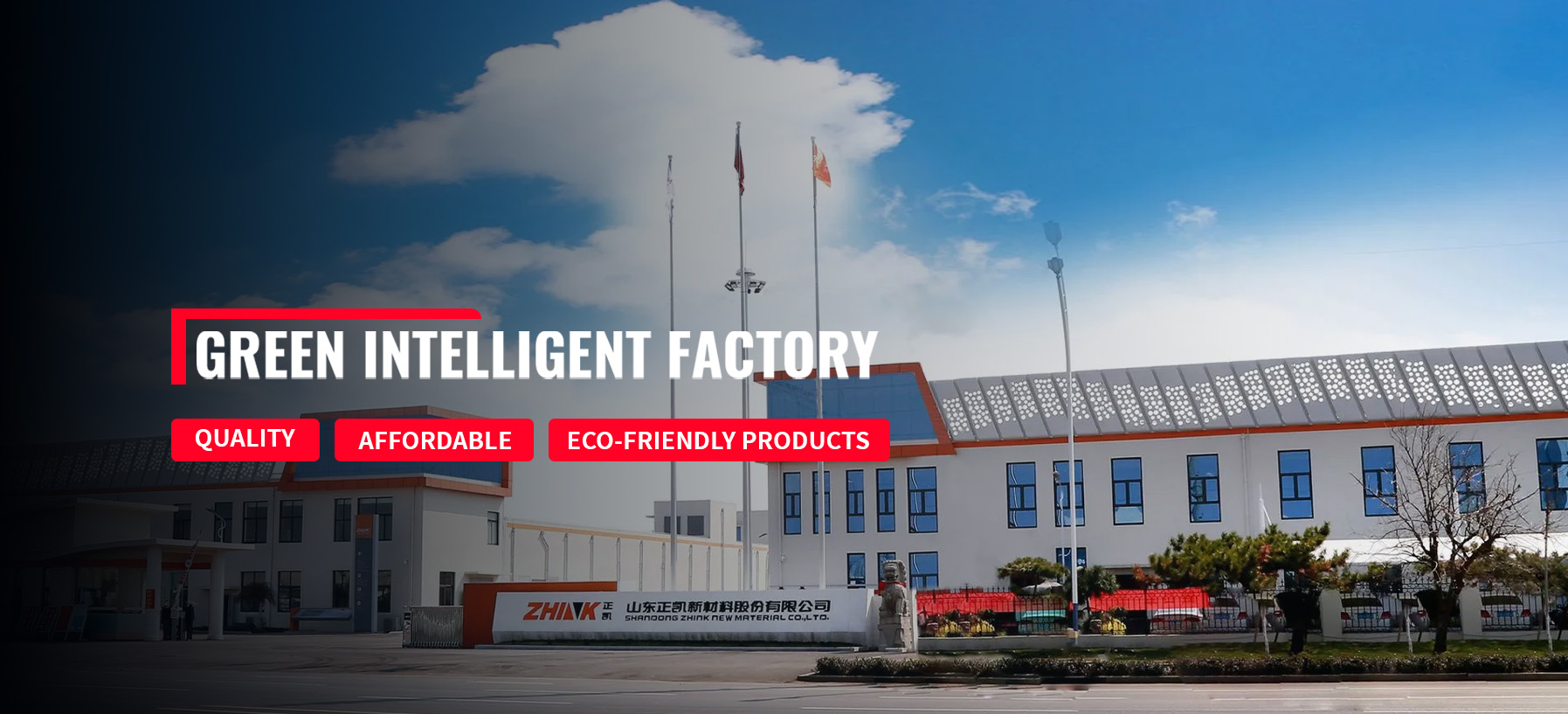
Let's consider a case with SHANDONG ZHINK NEW MATERIAL CO., LTD. You can explore their offerings at their website. They focus heavily on innovation in textile material production, and their work with acrylic siro compact yarn demonstrates this.
In one project, transitioning to siro compact resulted in a noticeable uptick in both customer satisfaction and production efficiency. The compacted yarns are denser, leading to less wastage during manufacturing, something their team highlighted as a major advantage.
Moreover, ZHINK's commitment to R&D means they're constantly refining the process. I've seen firsthand how the collaboration between technologists and artisans there leads to continuous improvement—every project builds on the last.
Tackling Common Challenges
Of course, every process can hit bumps. One issue with 100% acrylic is static electricity, but integrating certain finishes during production can mitigate this. During my time working on yarn innovations, applying the right anti-static treatment often turned skeptics into converts.
Another concern is cost—siro compact technology isn't cheap. However, scale and experience can drive costs down markedly over time. For companies like ZHINK, investing in such technology has been strategic, ensuring long-term gains outweigh the initial outlay.
I remember our initial budgeting meetings—there was hesitancy. But those early financial models didn't account for customer return rates dropping or the premium clients were willing to pay for a product with superior performance.
The Future Outlook
So, where does this leave us? 100% acrylic siro compact yarn offers a viable, often superior alternative to traditional options. But understanding the technology and market demands is key. The future seems promising—with companies like SHANDONG ZHINK NEW MATERIAL CO., LTD leading the charge, we're likely to see continued innovation and growth in this sector.
If you're contemplating a foray into this material, approach it methodically. Whether your focus is fashion or industrial textiles, the path may twist and turn, but the rewards are there for those ready to delve in with both passion and precision. Hopefully, shared experiences like mine can shed light on this journey.
The textile industry thrives on innovation and adaptation—embracing new materials and technologies is just as important as mastering sewing techniques or designing eye-catching patterns. Keep experimenting, keep pushing boundaries, and the potential of acrylic siro compact yarn will likely surprise you as much as it did me.
Related Products
Related Products