+86-632-3621866
- Chinese
- French
- German
- Portuguese
- Spanish
- Russian
- Japanese
- Korean
- Arabic
- Irish
- Greek
- Turkish
- Italian
- Danish
- Romanian
- Indonesian
- Czech
- Afrikaans
- Swedish
- Polish
- Basque
- Catalan
- Esperanto
- Hindi
- Lao
- Albanian
- Amharic
- Armenian
- Azerbaijani
- Belarusian
- Bengali
- Bosnian
- Bulgarian
- Cebuano
- Chichewa
- Corsican
- Croatian
- Dutch
- Estonian
- Filipino
- Finnish
- Frisian
- Galician
- Georgian
- Gujarati
- Haitian
- Hausa
- Hawaiian
- Hebrew
- Hmong
- Hungarian
- Icelandic
- Igbo
- Javanese
- Kannada
- Kazakh
- Khmer
- Kurdish
- Kyrgyz
- Latin
- Latvian
- Lithuanian
- Luxembou..
- Macedonian
- Malagasy
- Malay
- Malayalam
- Maltese
- Maori
- Marathi
- Mongolian
- Burmese
- Nepali
- Norwegian
- Pashto
- Persian
- Punjabi
- Serbian
- Sesotho
- Sinhala
- Slovak
- Slovenian
- Somali
- Samoan
- Scots Gaelic
- Shona
- Sindhi
- Sundanese
- Swahili
- Tajik
- Tamil
- Telugu
- Thai
- Ukrainian
- Urdu
- Uzbek
- Vietnamese
- Welsh
- Xhosa
- Yiddish
- Yoruba
- Zulu
- Kinyarwanda
- Tatar
- Oriya
- Turkmen
- Uyghur



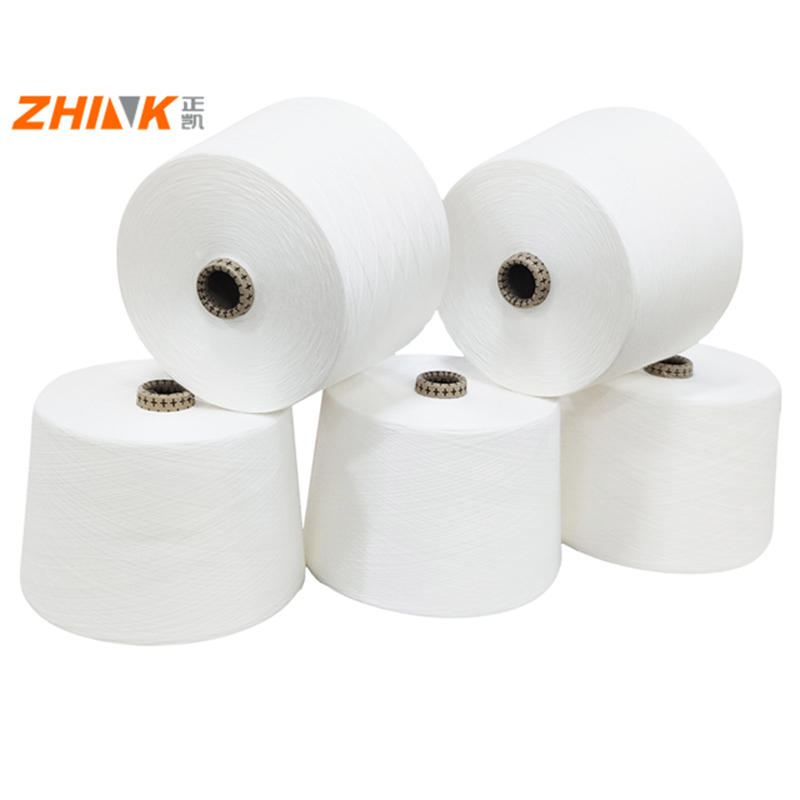
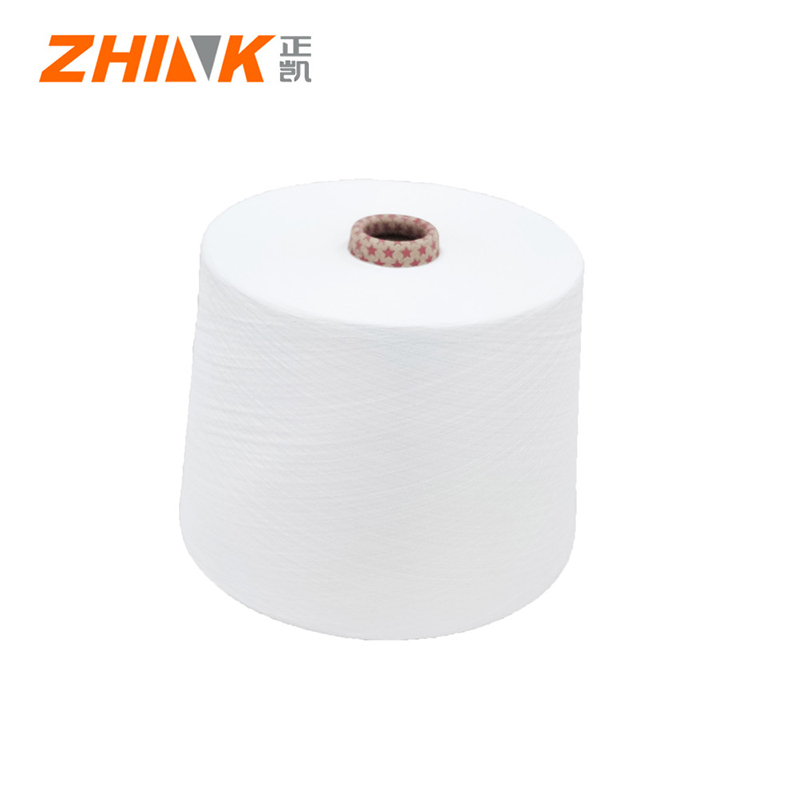
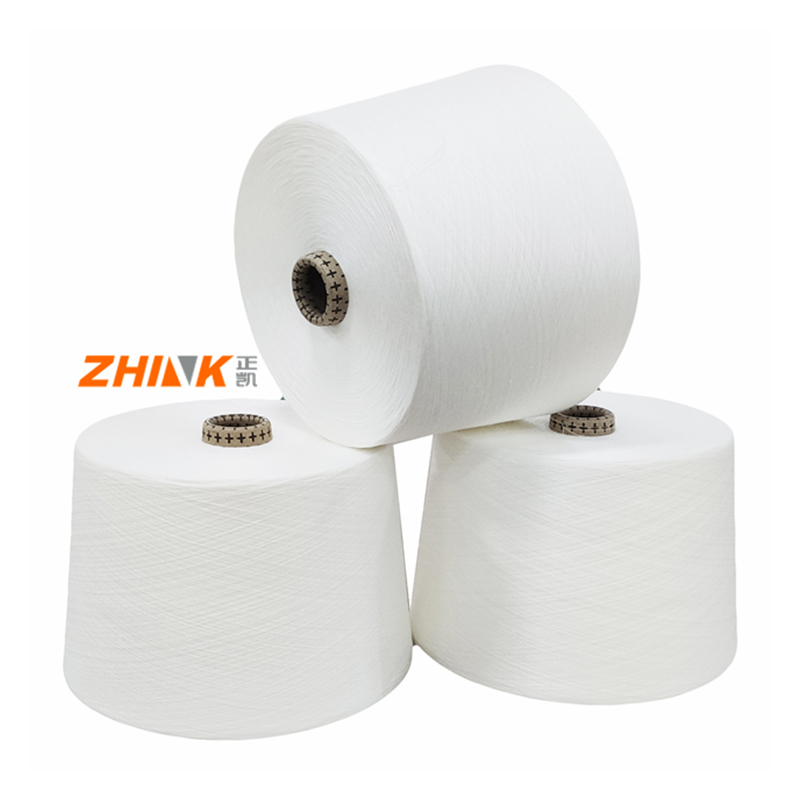
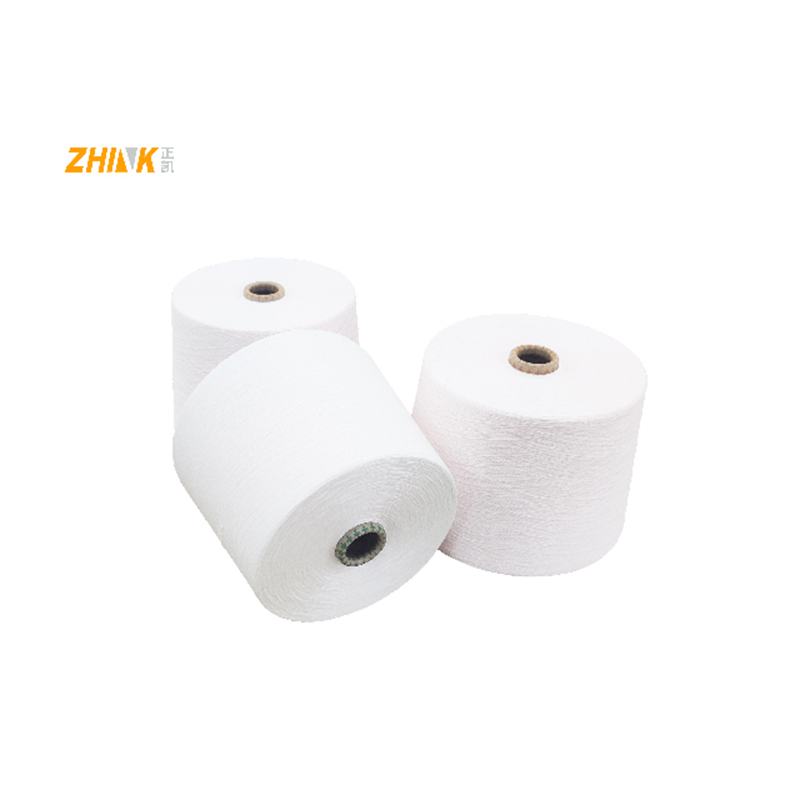
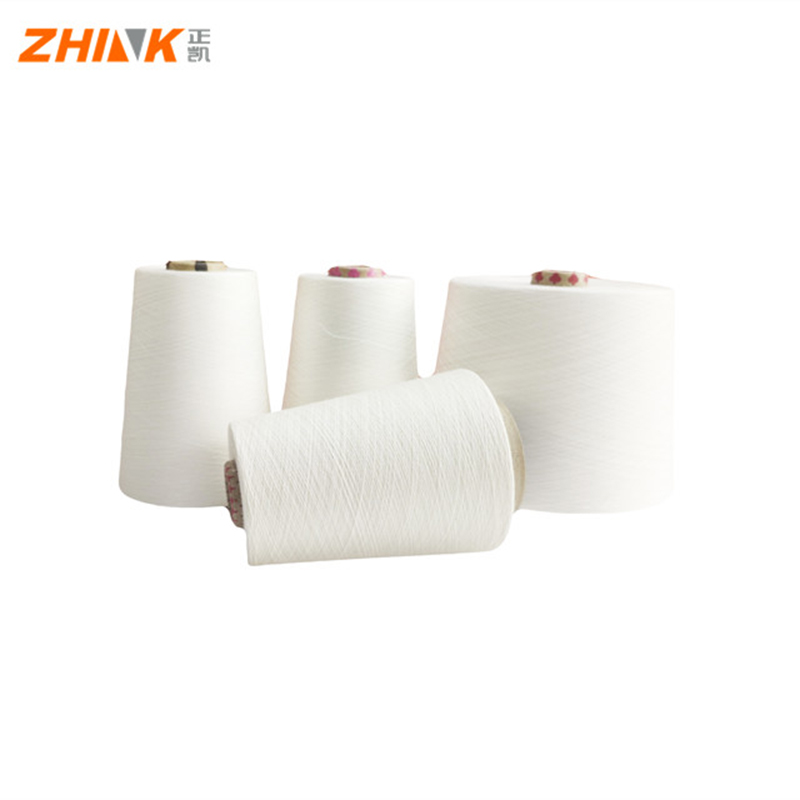
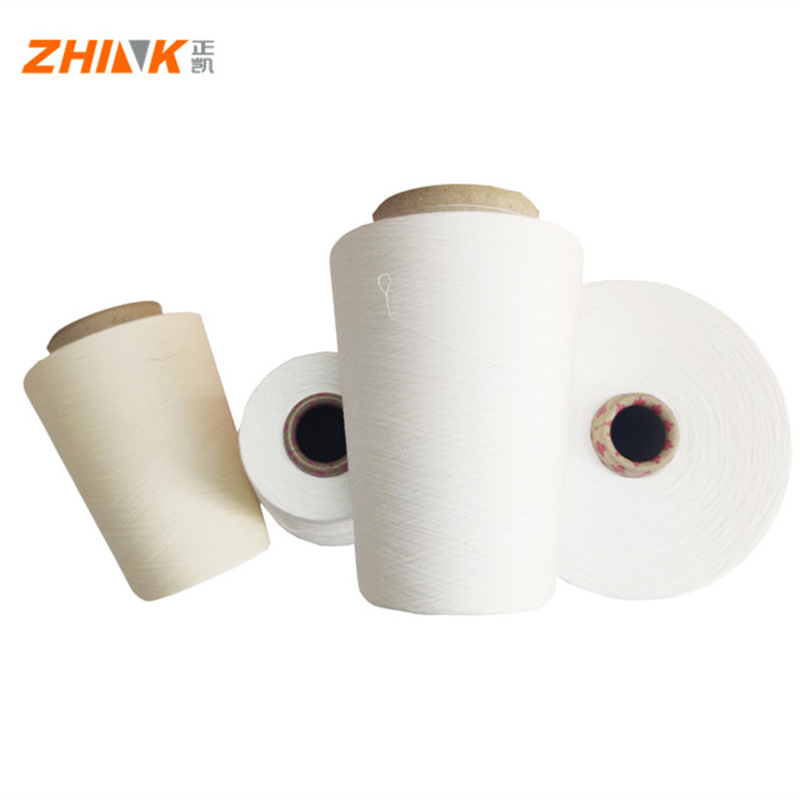
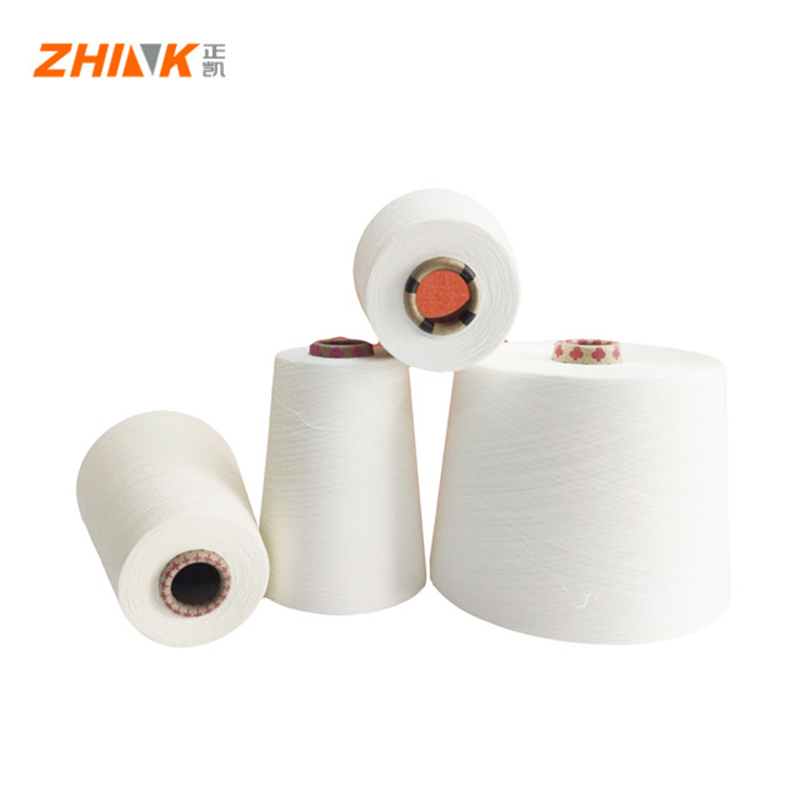
100% acrylic yarn for weaving
The Versatility and Benefits of 100% Acrylic Yarn for Weaving
Exploring the world of 100% acrylic yarn is like embarking on a journey through a landscape filled with vibrant palettes and adaptable materials. While some may initially dismiss acrylic yarn for its synthetic nature, seasoned weavers understand its strategic importance in crafting resilient and aesthetically pleasing textiles.
Understanding the Unique Properties of Acrylic Yarn
Among the plethora of yarns available, 100% acrylic yarn stands out for its versatility. Unlike natural fibers, acrylic is renowned for its resistance to water, mildew, and sunlight, making it a frequent choice for outdoor textiles. Yet, it's not without its controversies.
Some traditionalists argue that acrylic lacks the warmth and breathability of wool or cotton. However, the advancements in textile technology, led by innovators like SHANDONG ZHINK NEW MATERIAL CO., LTD, have significantly enhanced the fiber's texture and performance metrics. More details on their offerings are available on their official website.
An interesting application of this yarn is in high-traffic items like rugs and throws, where its durability can be best showcased. Weavers appreciate how it holds dye, offering lasting vibrancy without the risk of fading.
Challenges and Missteps in Weaving
Despite its benefits, 100% acrylic yarn does have its learning curve. For instance, the yarn's elasticity can be deceptive for beginners; it requires a keen understanding of tension settings in the loom. I've personally seen projects warp unexpectedly due to underestimating this factor.
Another aspect worth noting is acrylic's sensitivity to heat. During one of my early experiments with acrylic, I learned— the hard way—that the 'easy wash' label doesn't mean it can survive a run-in with high-temperature drying cycles.
However, mastering these intricacies is part of the journey. Many have successfully navigated these challenges by integrating systematic testing in small batches before diving into full-scale projects.
Maintenance and Care for Longevity
Maintenance with 100% acrylic yarn is relatively straightforward. They need gentle care to maintain their appearance and integrity. Think cool washes and air drying, both strategies that I've adopted after consulting with long-time weavers.
What’s often overlooked is the benefit of using mild detergents. Acrylic's composition responds well to gentle cleaning agents, which help preserve the fibers over time. This tip is particularly useful for those crafting heirloom textiles meant to last generations.
In ongoing research, companies like Zhink New Material are spearheading efforts to reduce environmental impact, aiming for sustainable production practices without sacrificing quality.
Environmental Considerations
The topic of sustainability can't be ignored. As weavers, understanding the environmental impact of our materials is crucial. While synthetic, today's 100% acrylic yarn suppliers are increasingly committed to eco-friendly practices.
Zhink New Material is noteworthy for its investment in sustainable manufacturing processes. Their commitment not only helps reduce carbon footprint but also enhances the quality of the fibers, creating a win-win for artisans committed to ethical weaving.
The tides are slowly changing, and renewable materials are on the checklist of many makers, aligning them with a future conscious of both art and ecology.
Creative Applications and Personal Insights
Working with acrylic yarn has opened avenues beyond traditional weaving. I've expanded into mixed media projects, blending acrylic with natural fibers to create textures that challenge the norms.
As a practitioner, the joy of experimenting is unending. Every project holds a lesson—whether it’s about the material's behavior or innovative techniques that push creative boundaries. Acrylic's affordability is a friendly invitation to be bold and ambitious.
Some of my favorite works include intricate wall hangings and functional décor pieces, still vibrant and intact years later, underscoring the durability of acrylic when handled with care.
In summary, 100% acrylic yarn for weaving offers a world of possibilities for those willing to engage deeply with the material's unique properties. It's about balance—drawing on the strengths of this synthetic fiber while respecting its limitations. For weavers who embrace this journey, the rewards are rich in both skill and creativity.
Related Products
Related Products