+86-632-3621866
- Chinese
- French
- German
- Portuguese
- Spanish
- Russian
- Japanese
- Korean
- Arabic
- Irish
- Greek
- Turkish
- Italian
- Danish
- Romanian
- Indonesian
- Czech
- Afrikaans
- Swedish
- Polish
- Basque
- Catalan
- Esperanto
- Hindi
- Lao
- Albanian
- Amharic
- Armenian
- Azerbaijani
- Belarusian
- Bengali
- Bosnian
- Bulgarian
- Cebuano
- Chichewa
- Corsican
- Croatian
- Dutch
- Estonian
- Filipino
- Finnish
- Frisian
- Galician
- Georgian
- Gujarati
- Haitian
- Hausa
- Hawaiian
- Hebrew
- Hmong
- Hungarian
- Icelandic
- Igbo
- Javanese
- Kannada
- Kazakh
- Khmer
- Kurdish
- Kyrgyz
- Latin
- Latvian
- Lithuanian
- Luxembou..
- Macedonian
- Malagasy
- Malay
- Malayalam
- Maltese
- Maori
- Marathi
- Mongolian
- Burmese
- Nepali
- Norwegian
- Pashto
- Persian
- Punjabi
- Serbian
- Sesotho
- Sinhala
- Slovak
- Slovenian
- Somali
- Samoan
- Scots Gaelic
- Shona
- Sindhi
- Sundanese
- Swahili
- Tajik
- Tamil
- Telugu
- Thai
- Ukrainian
- Urdu
- Uzbek
- Vietnamese
- Welsh
- Xhosa
- Yiddish
- Yoruba
- Zulu
- Kinyarwanda
- Tatar
- Oriya
- Turkmen
- Uyghur


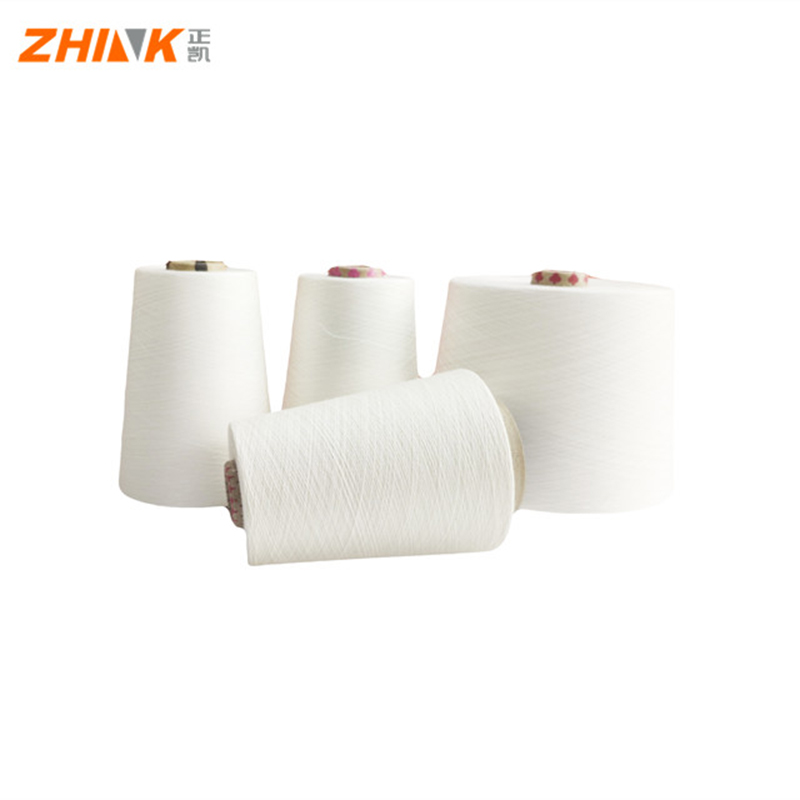
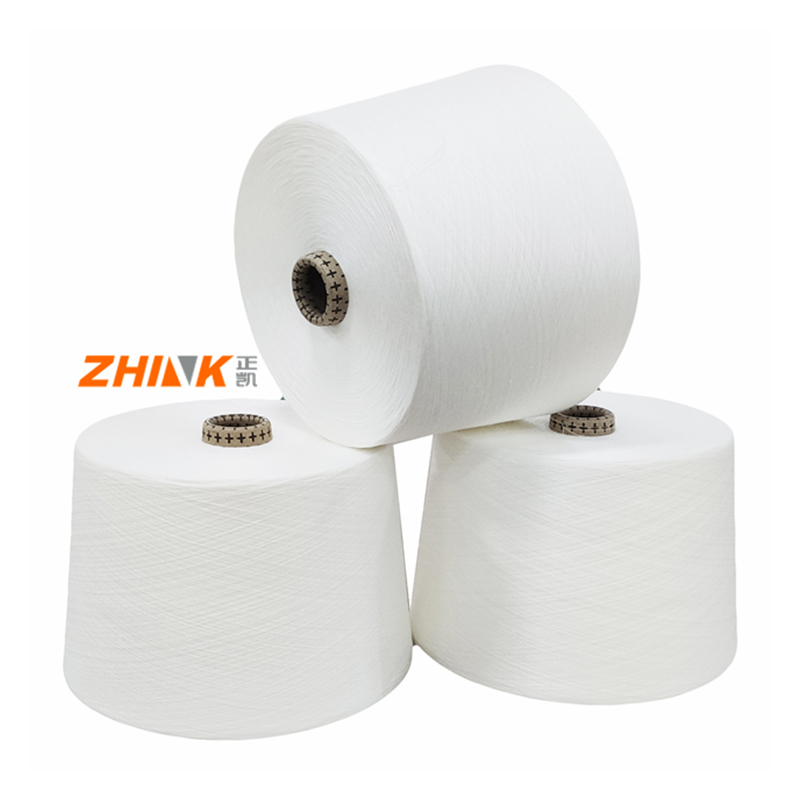
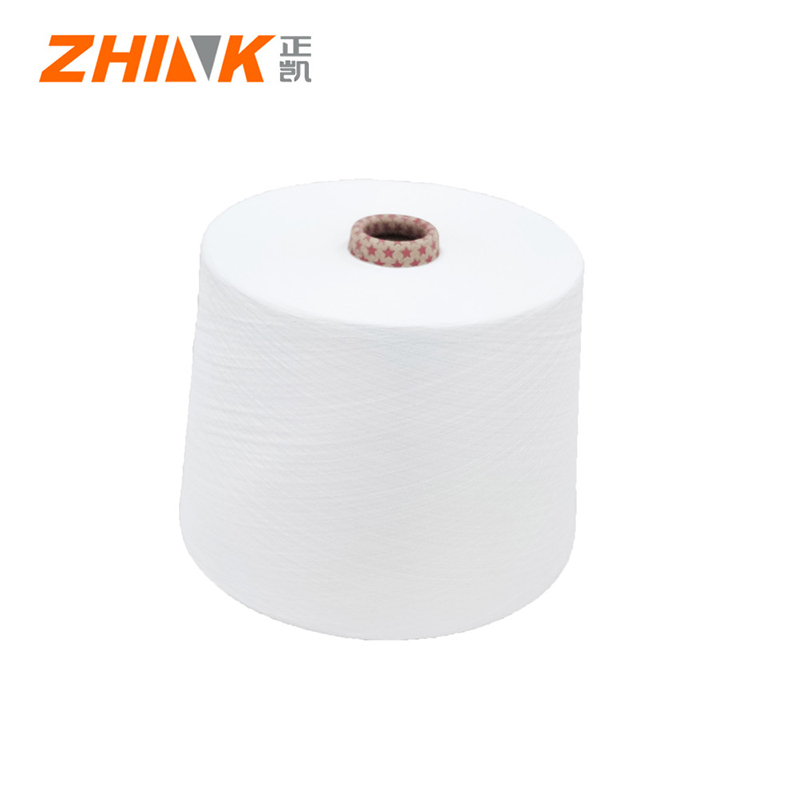
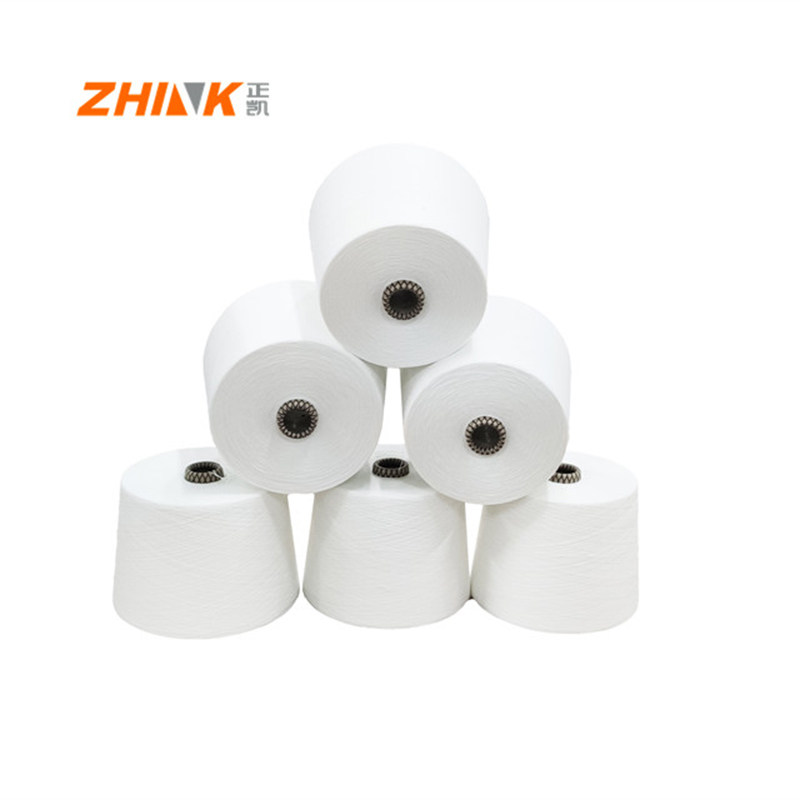
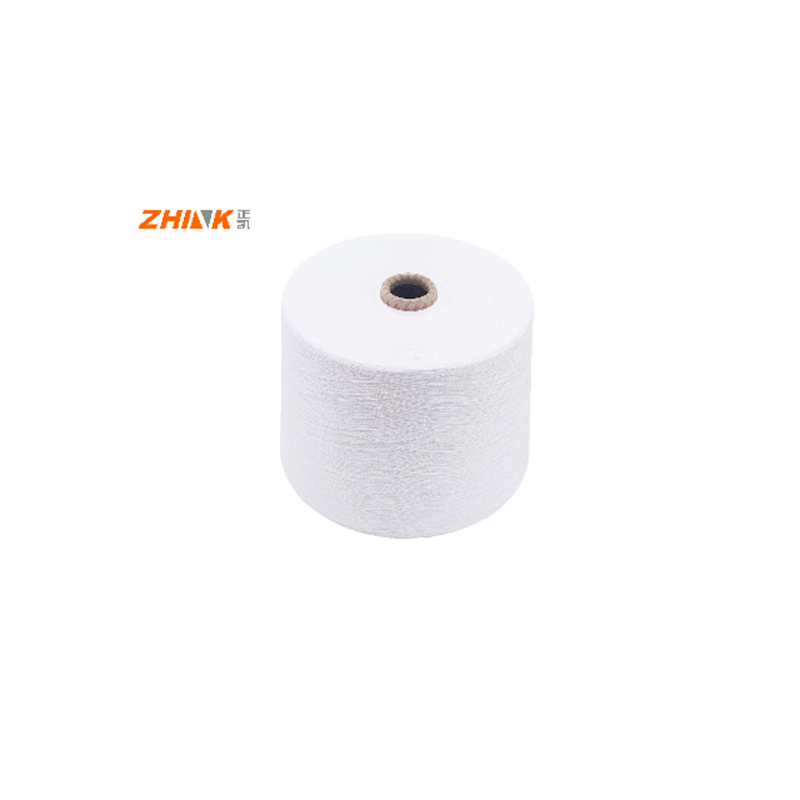
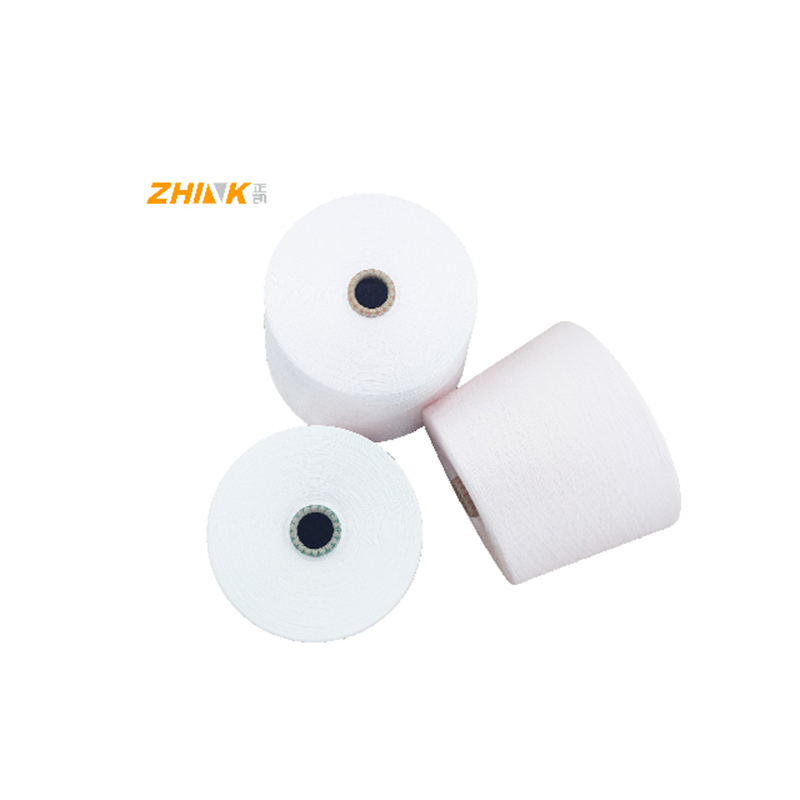
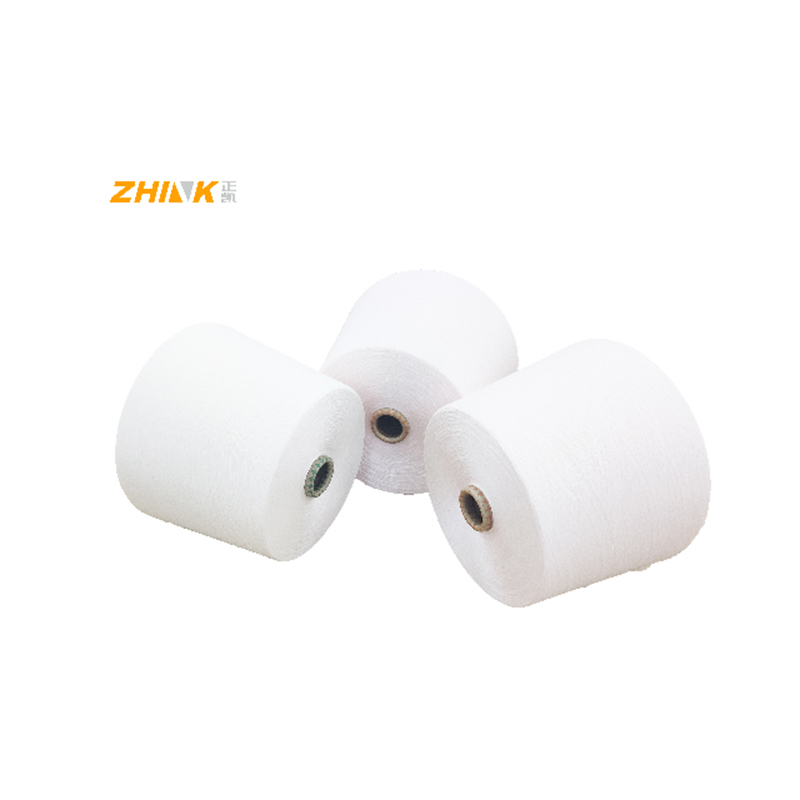
100 acrylic yarn
Understanding 100 Acrylic Yarn: An Insider’s Perspective
100 acrylic yarn is a term tossed around quite a bit in textile circles, often misunderstood both for its virtues and pitfalls. This yarn, praised for its versatility and affordability, polarizes opinions among crafters and industry veterans. What exactly does it offer, and where does it falter in practical use?
The Allure of 100 Acrylic Yarn
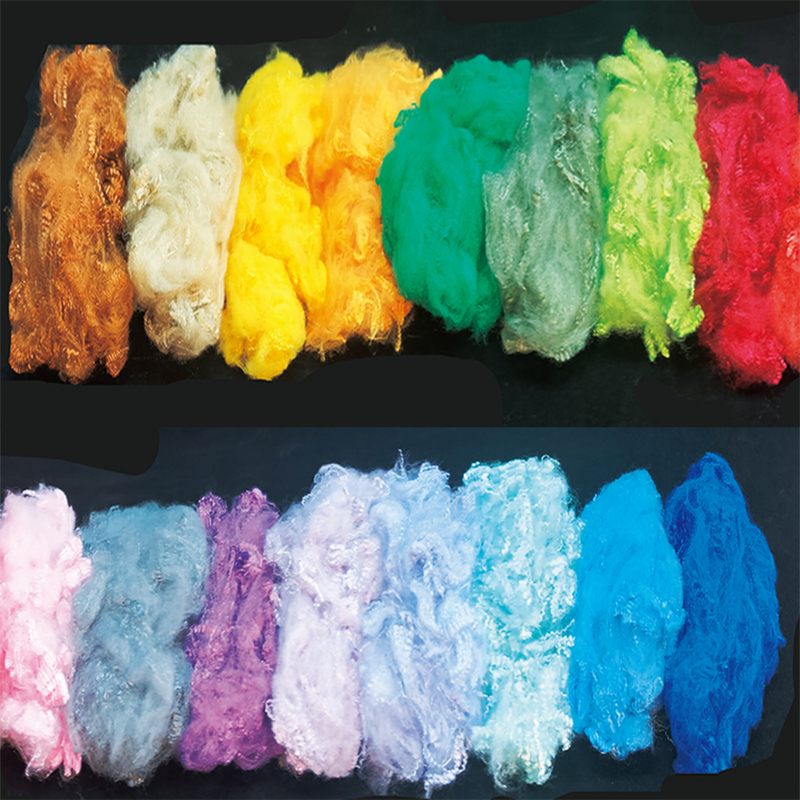
When we talk about 100 acrylic yarn, we're referring to a fiber entirely made from synthetic polymers. The appeal lies in its affordability and wide availability. Crafters love it for projects that need to be cost-effective. You get the bright colors and ease of care that natural fibers sometimes lack.
Experientially, working with acrylic yarn is somewhat refreshing. It’s lightweight, washes well, and dries relatively quickly, making it ideal for baby items or larger projects prone to frequent cleaning. The yarn’s resilience offers a practical side that is undeniable.
From my time in the field, there’s something to be said about how forgiving acrylic is for beginners. The consistency in the fiber means your mistakes are less noticeable, and the yarn tends to hold up during ripping and re-knitting. It's a solid first choice for those just learning to wield the needles.
Challenges and Misconceptions
Despite its many advantages, 100 acrylic yarn isn’t without its downsides. I've encountered issues around breathability and static. These can be surprising for newcomers expecting it to match the properties of natural fibers like wool or cotton. It's less absorbent, a trait that can lead to discomfort in warmer climates.
A frequent misconception is that acrylic can perfectly replace any natural fiber, which isn’t always the case. There's a trade-off for affordability with heat retention, something critical in specific garment choices. Experienced knitters often suggest blending rather than pure acrylic for wearables meant for warmth.
My experiments with dyeing acrylic yarn initially hit roadblocks, given its synthetic nature. It doesn't take on dyes in the same way wool might, which limits homemade color customization—a hiccup for creatives looking to experiment beyond the available palette.
Applications in Modern Crafting
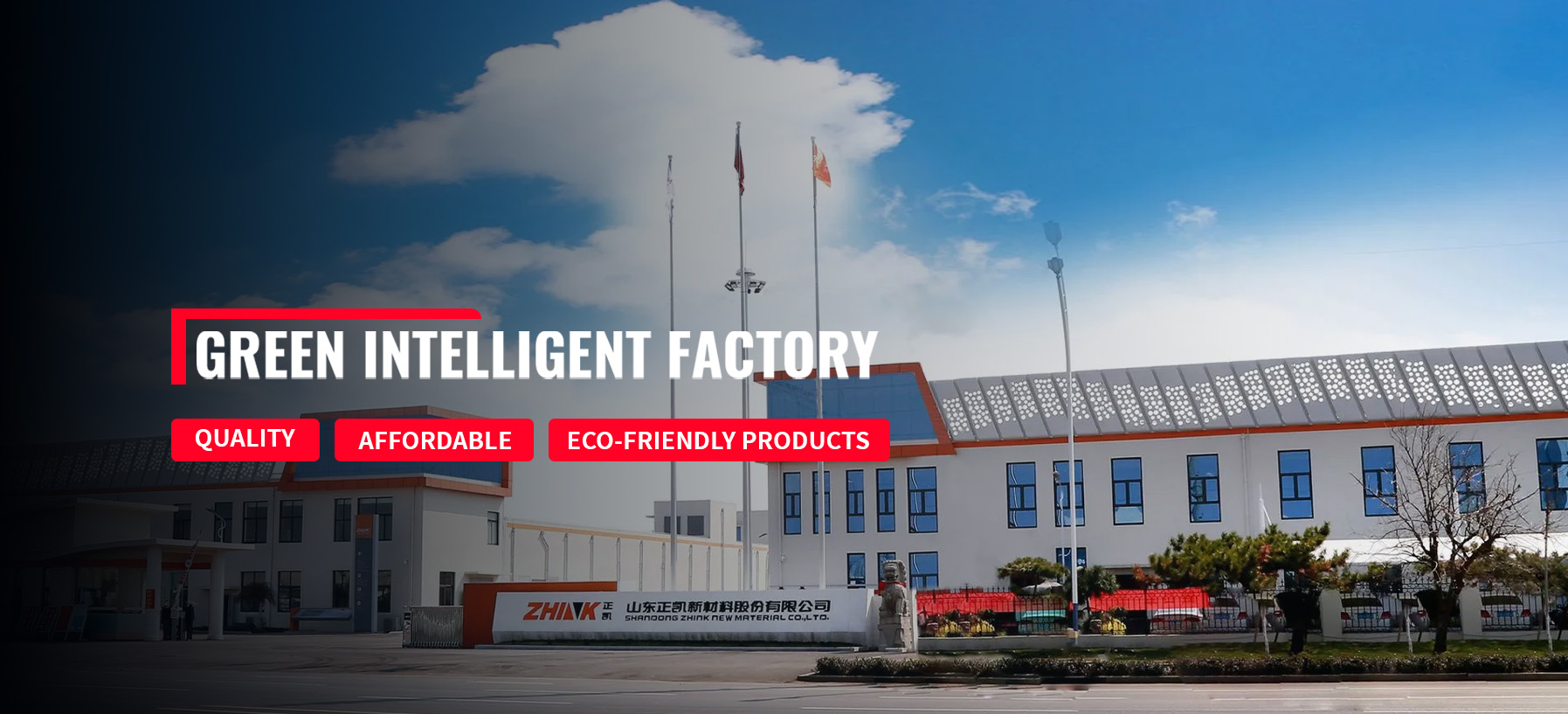
At SHANDONG ZHINK NEW MATERIAL CO., LTD, where I’ve spent time researching and developing new textile materials, the application spectrum for acrylic yarn is broad but selective. For instance, our projects often targeted outdoor, weather-resistant items due to acrylic’s durability and resistance to mildew.
Acrylic yarn shines in decorative projects—think vibrant afghans or throw pillows. These pieces benefit from acrylic’s vivid color retention, an aspect crucial for décor items meant to stand out.
From a production standpoint, it was intriguing to work through the process of transforming the yarn into something more refined and nuanced. At our company, accessible at Zhink Yarn, efforts focus on innovating beyond the standard, adding features like UV resistance or enhanced softness.
Comparing Acrylic with Natural Fibers
Contrasting 100 acrylic yarn with its natural counterparts invites a discussion about environmental impact. Acrylic is synthetic, thus less biodegradable, which raises concerns among environmentally conscious crafters. Yet, its longevity and wear resistance arguably reduce waste over time.
Side by side with wool, acrylic might falter on warmth and texture, but it’s a stalwart in cost-conscious scenarios. The tactile difference is something that seasoned knitters often discuss—each fiber provides a distinct sensory experience crucial for personal projects.
It’s an ongoing exploration in our development, sometimes mixing acrylic with other fibers to tackle these issues, seeking that magical balance between cost, sustainability, and performance.
The Future of Acrylic Yarn
Looking ahead, the potential for blending 100 acrylic yarn with emerging technologies and fibers excites many in the field. Our team continues to explore how to innovate within the confines of acrylic’s current limitations.
One idea gaining traction is the integration of anti-static solutions to improve the comfort of 100 acrylic yarn garments. Another avenue is tweaking the fiber formation for better heat management or biodegradability, a primary focus for us at SHANDONG ZHINK NEW MATERIAL CO., LTD.
The narrative surrounding acrylic is evolving, and while it may never fully replace natural fibers, its evolution promises new opportunities for manufacturers and crafters alike. For more insights into how we’re pushing these boundaries, visit us at Zhink Yarn. Our commitment to refining textile materials shows that there’s more to explore beyond the traditional scope of what acrylic can offer.
Related Products
Related Products