+86-632-3621866
- Chinese
- French
- German
- Portuguese
- Spanish
- Russian
- Japanese
- Korean
- Arabic
- Irish
- Greek
- Turkish
- Italian
- Danish
- Romanian
- Indonesian
- Czech
- Afrikaans
- Swedish
- Polish
- Basque
- Catalan
- Esperanto
- Hindi
- Lao
- Albanian
- Amharic
- Armenian
- Azerbaijani
- Belarusian
- Bengali
- Bosnian
- Bulgarian
- Cebuano
- Chichewa
- Corsican
- Croatian
- Dutch
- Estonian
- Filipino
- Finnish
- Frisian
- Galician
- Georgian
- Gujarati
- Haitian
- Hausa
- Hawaiian
- Hebrew
- Hmong
- Hungarian
- Icelandic
- Igbo
- Javanese
- Kannada
- Kazakh
- Khmer
- Kurdish
- Kyrgyz
- Latin
- Latvian
- Lithuanian
- Luxembou..
- Macedonian
- Malagasy
- Malay
- Malayalam
- Maltese
- Maori
- Marathi
- Mongolian
- Burmese
- Nepali
- Norwegian
- Pashto
- Persian
- Punjabi
- Serbian
- Sesotho
- Sinhala
- Slovak
- Slovenian
- Somali
- Samoan
- Scots Gaelic
- Shona
- Sindhi
- Sundanese
- Swahili
- Tajik
- Tamil
- Telugu
- Thai
- Ukrainian
- Urdu
- Uzbek
- Vietnamese
- Welsh
- Xhosa
- Yiddish
- Yoruba
- Zulu
- Kinyarwanda
- Tatar
- Oriya
- Turkmen
- Uyghur



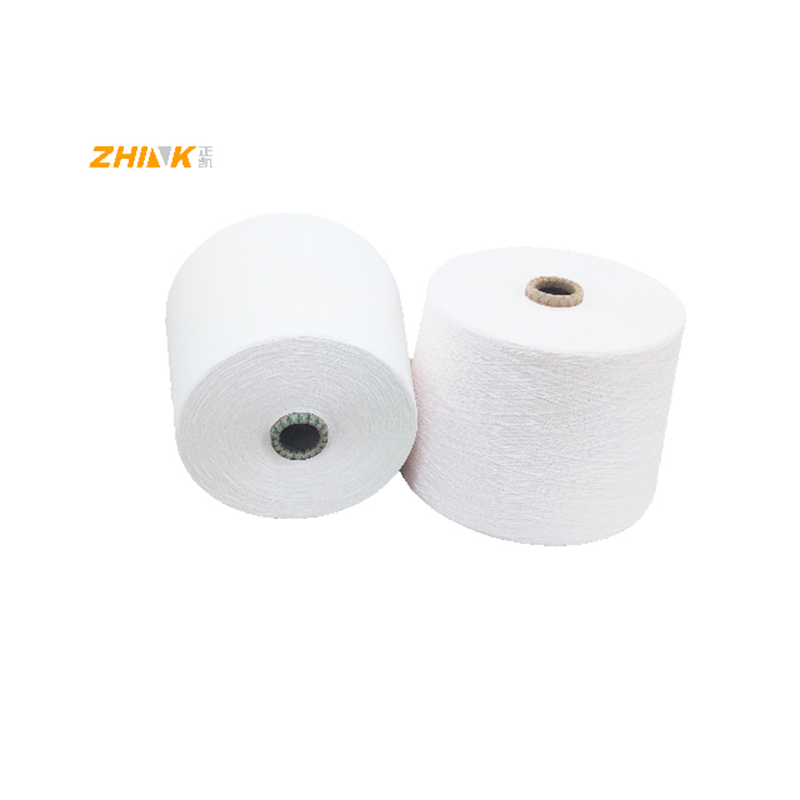
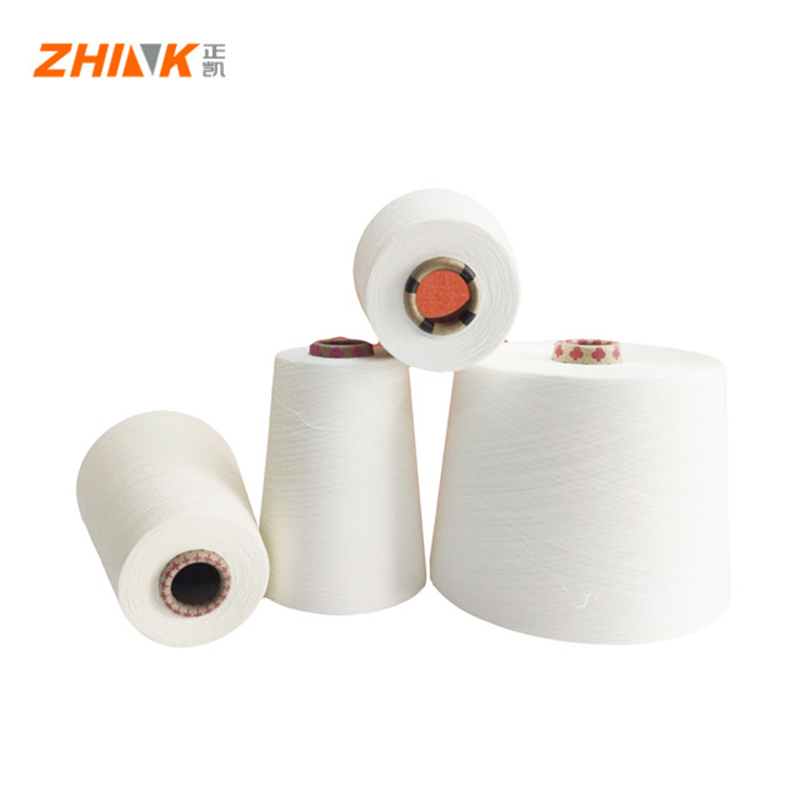
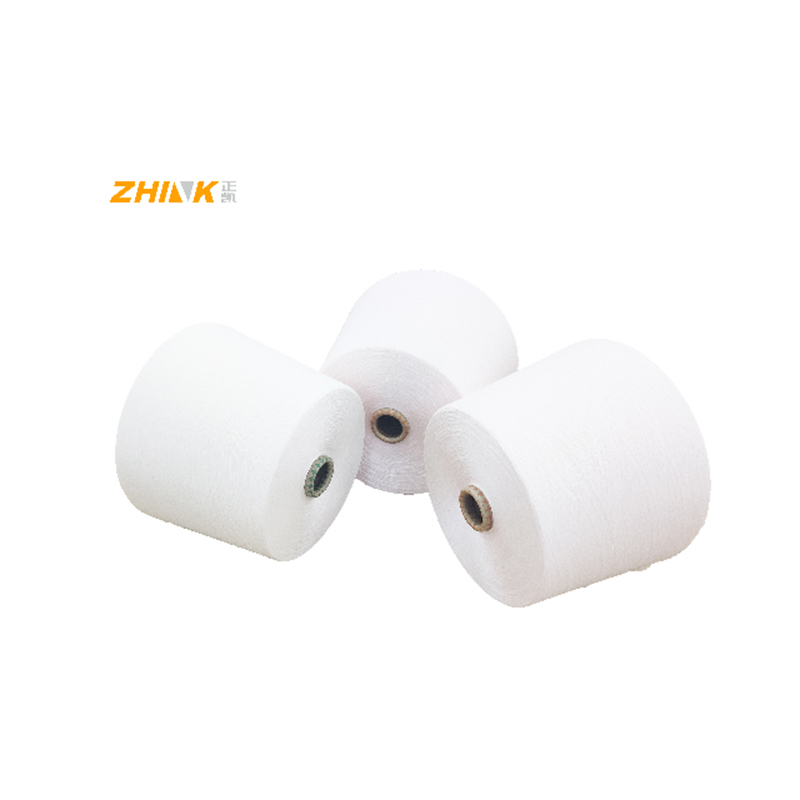
100% bamboo MVS
The Real Deal with 100% Bamboo MVS
In the textile world, claims of “100% bamboo” often spark curiosity—and skepticism. Multiple methods transform bamboo into fabric, each with pros and cons. Let's unravel the mysteries of bamboo MVS and see where it truly stands in the market.
Unveiling Bamboo MVS
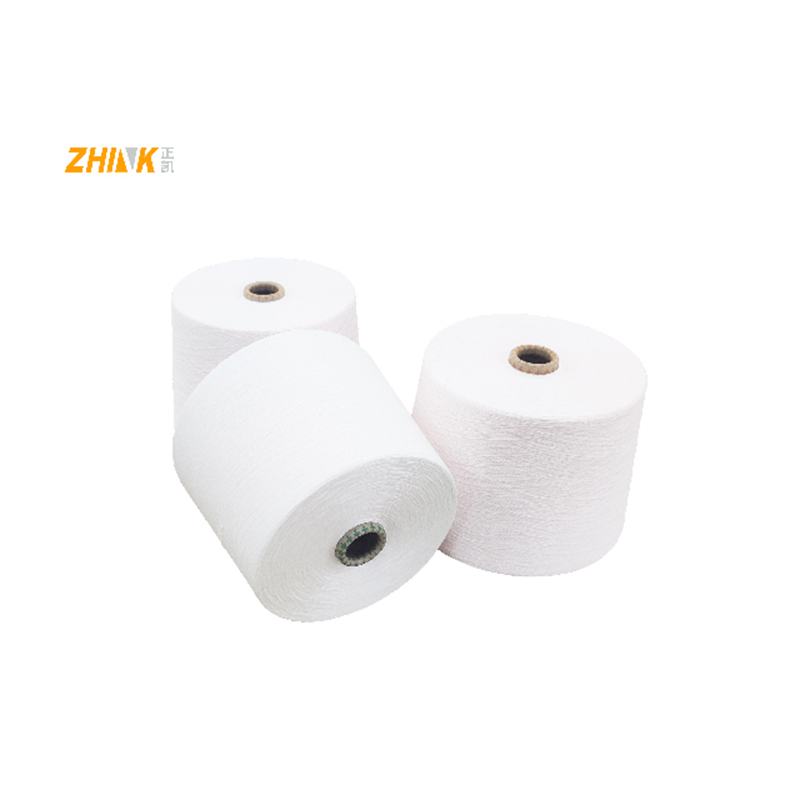
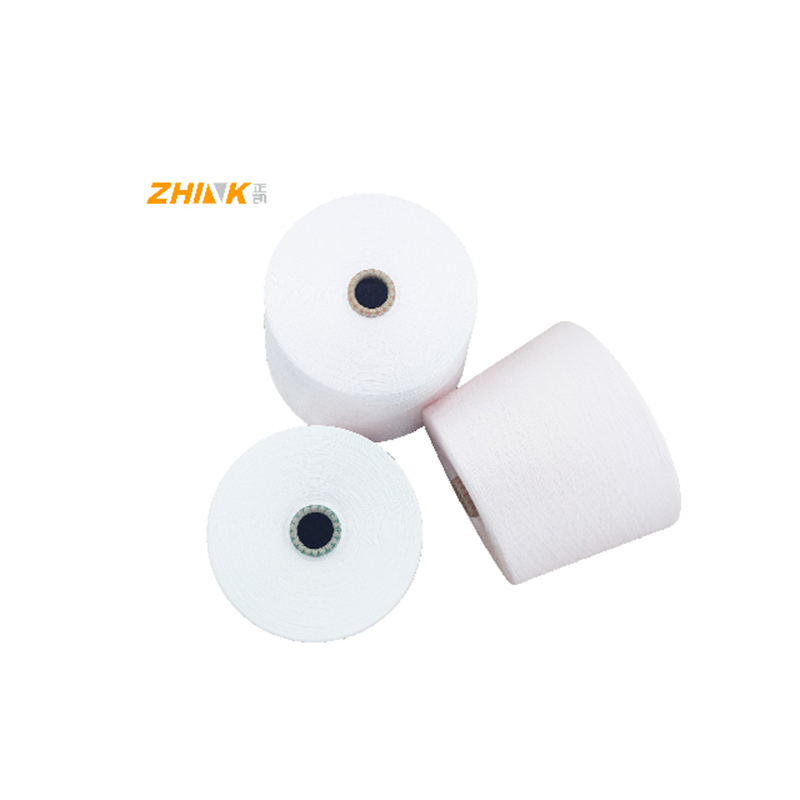
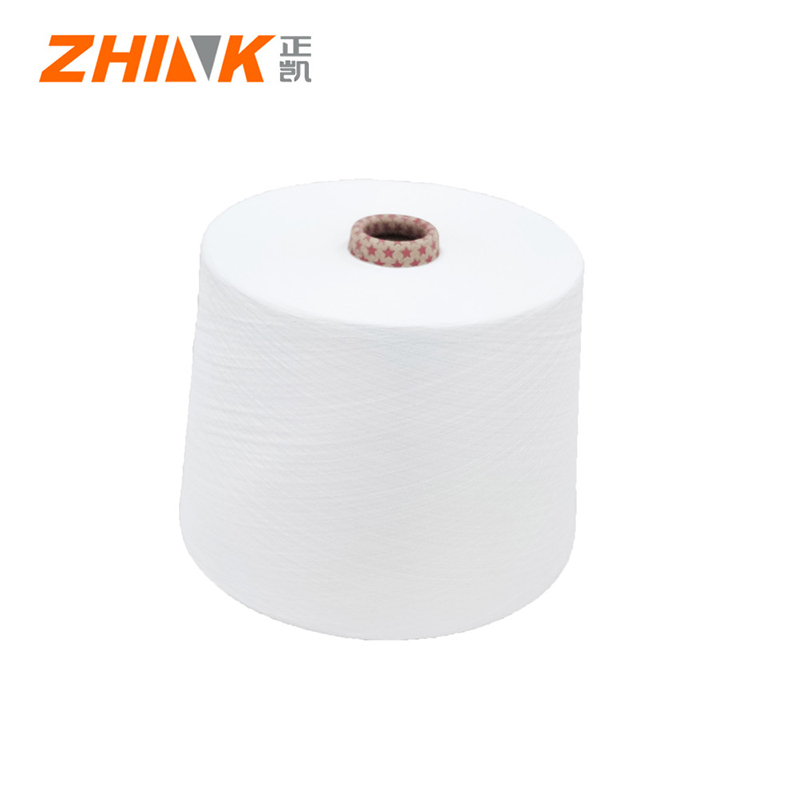
Modal Vortex Spinning, or MVS, deserves attention when discussing 100% bamboo MVS. MVS technology brings something unique: it offers improved yarn strength and less pilling, which is especially valuable when working with delicate fibers like bamboo. Unlike conventional spinning, the air vortex in MVS creates a yarn structure that stands up better over time.
I remember the first time we worked with bamboo MVS at SHANDONG ZHINK NEW MATERIAL CO., LTD. It wasn't as straightforward as anticipated. We expected smoother operations due to the perceived durability. But, there's a learning curve when balancing tension with this kind of yarn, an experience no textbook properly communicated.
Bamboo is known for its sustainability. However, transforming it into yarn, especially through MVS, requires precision. During the in-house trials at Zhink New Material, we found that minor adjustments in machine settings drastically altered the yarn quality. Consistency in product quality was a challenging, albeit rewarding, milestone.
Bamboo MVS: Beyond the Facts
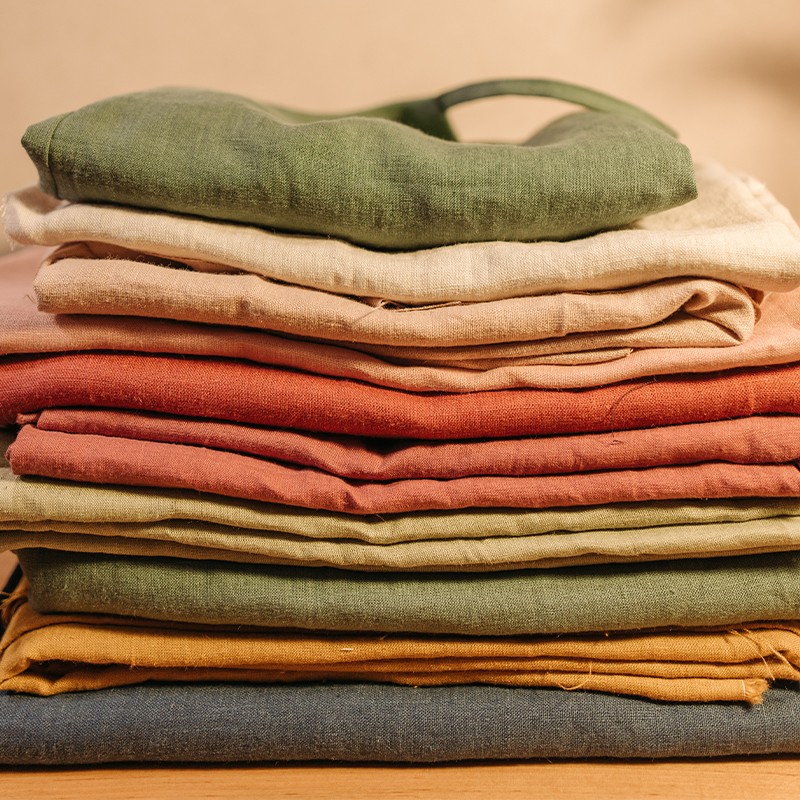
In terms of feel, bamboo MVS fabric is soft and luxurious. This wasn't just a claim we tested on a lab bench, but something we verified through customer feedback and usage trials. The return rate due to quality issues was low, indicating consumer satisfaction.
There’s a debate about the environmental impact of bamboo processing, with some claiming the process negates its benefits. Yet, MVS plays a subtle role here. It’s more of energy-saving amid processing, making it a credible choice for sustainable textile production.
Consider the lifecycle of bamboo products. At Zhink New Material, we've looked at beyond production to factor in the environmental cost of every ton we manufacture. Such investigations often surprise those who assume bamboo is categorically better than other fibers. It's complex, more than just planting and harvesting.
Addressing Challenges in Bamboo Spinning
Challenges aren’t rare with 100% bamboo MVS. While the spinning process offers many advantages, controlling fiber length distribution was initially puzzling. Too many short fibers, and you lose the smooth touch bamboo promises.
A breakthrough came with the alignment of fibers during the spinning process. It’s a game of millimeters, ensuring the bamboo's inherent softness isn’t compromised. After months of trial and error, our team at Zhink New Material finally established a protocol to optimize fiber alignment without incurring severe productivity losses.
Another unseen issue was moisture management. Bamboo naturally wicks moisture but controlling this during the spinning and weaving phases required deeper insights. At our R&D center, rigorous testing led us to refine our processes, maintaining bamboo’s natural breathability.
The Market Perspective
The market reception of bamboo textiles using MVS was overwhelmingly positive. There’s a strong demand for sustainable, high-performing fabrics. When presented with bamboo MVS, retailers appreciated its combined durability and comfort features.
Yet, challenges still loom. Price points for bamboo yarns, especially from MVS, are higher than conventional counterparts. Consumers must understand the trade-off between initial cost and the product's longevity and sustainability.
Our efforts at SHANDONG ZHINK NEW MATERIAL CO., LTD extend beyond production. Engaging consumers through education about the nuances of 100% bamboo MVS ensures they make informed decisions. We host workshops and publish insights at https://www.zhinkyarn.com understanding consumer expectations and educating on sustainable practices.
Looking Forward
Looking ahead, bamboo MVS represents a beacon in the textile sector striving for ecological balance. As technologies evolve, reconciling sustainability and economics will become the industry norm. In our experiences and ongoing projects at Zhink New Material, blending innovation with responsible practices promises a compelling future.
The journey is far from over. Learning, adapting, and innovating remain key as we navigate bamboo MVS's multifaceted landscape. The industry is only as strong as its commitment to principles, from raw material through to end-use textile.
Ultimately, the potential for bamboo MVS lies not just in its technical advantages but in a broader narrative of textile innovation meeting sustainability goals. It’s an exciting trajectory, full of surprises and challenges waiting to be unraveled.
Related Products
Related Products