+86-632-3621866
- Chinese
- French
- German
- Portuguese
- Spanish
- Russian
- Japanese
- Korean
- Arabic
- Irish
- Greek
- Turkish
- Italian
- Danish
- Romanian
- Indonesian
- Czech
- Afrikaans
- Swedish
- Polish
- Basque
- Catalan
- Esperanto
- Hindi
- Lao
- Albanian
- Amharic
- Armenian
- Azerbaijani
- Belarusian
- Bengali
- Bosnian
- Bulgarian
- Cebuano
- Chichewa
- Corsican
- Croatian
- Dutch
- Estonian
- Filipino
- Finnish
- Frisian
- Galician
- Georgian
- Gujarati
- Haitian
- Hausa
- Hawaiian
- Hebrew
- Hmong
- Hungarian
- Icelandic
- Igbo
- Javanese
- Kannada
- Kazakh
- Khmer
- Kurdish
- Kyrgyz
- Latin
- Latvian
- Lithuanian
- Luxembou..
- Macedonian
- Malagasy
- Malay
- Malayalam
- Maltese
- Maori
- Marathi
- Mongolian
- Burmese
- Nepali
- Norwegian
- Pashto
- Persian
- Punjabi
- Serbian
- Sesotho
- Sinhala
- Slovak
- Slovenian
- Somali
- Samoan
- Scots Gaelic
- Shona
- Sindhi
- Sundanese
- Swahili
- Tajik
- Tamil
- Telugu
- Thai
- Ukrainian
- Urdu
- Uzbek
- Vietnamese
- Welsh
- Xhosa
- Yiddish
- Yoruba
- Zulu
- Kinyarwanda
- Tatar
- Oriya
- Turkmen
- Uyghur


100% bamboo siro
The Real Deal with 100% Bamboo Siro
Exploring the ins and outs of 100% bamboo siro, we delve into what really makes it tick. With personal experiences and insights from Zhink New Material's innovative approaches, we'll uncover both the potential and the reality of this intriguing textile material.
Understanding Bamboo Siro
The term 100% bamboo siro often conjures images of soft, luxurious fabrics, perfect for eco-conscious consumers. But what exactly is siro? Well, it's a spinning technique that has gained traction for producing a more consistent and smooth yarn. When applied to bamboo, a material inherently known for its eco-friendly properties, the outcomes can be surprisingly impressive. Over the years, companies like SHANDONG ZHINK NEW MATERIAL CO., LTD have truly pushed the boundaries of what can be achieved with bamboo siro yarns.
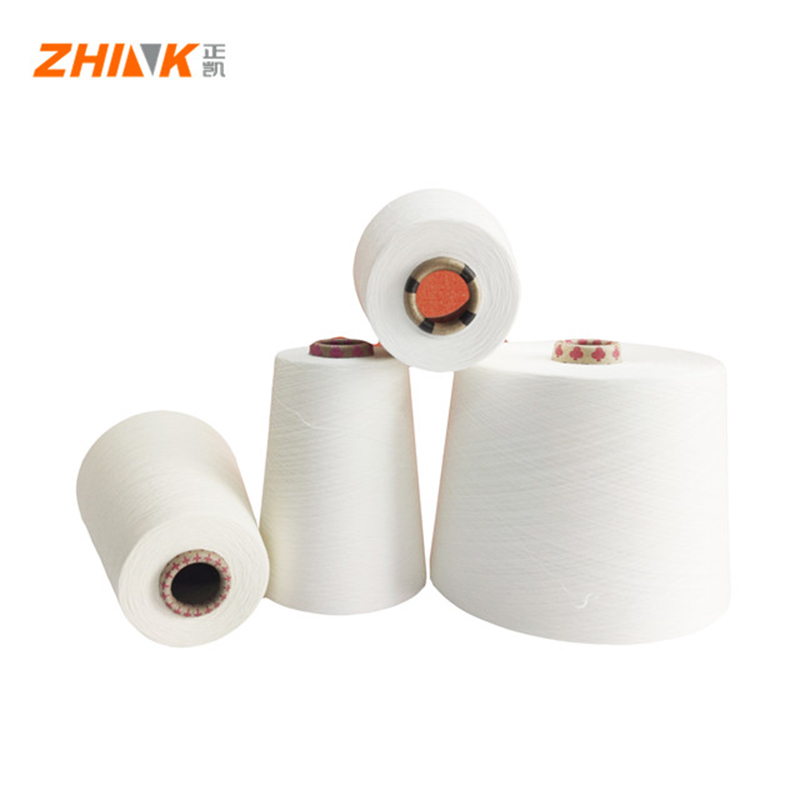
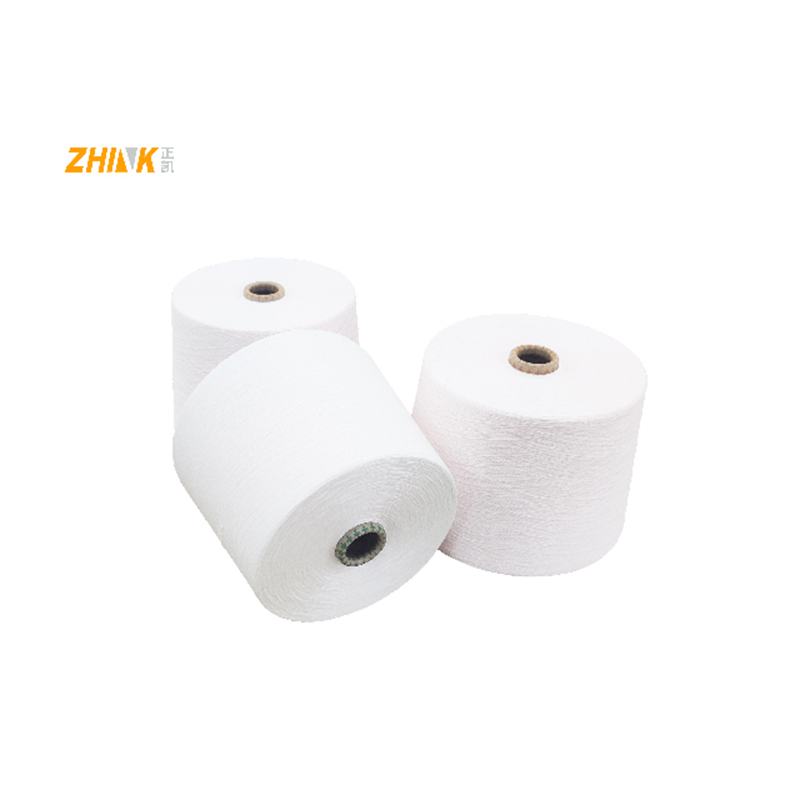
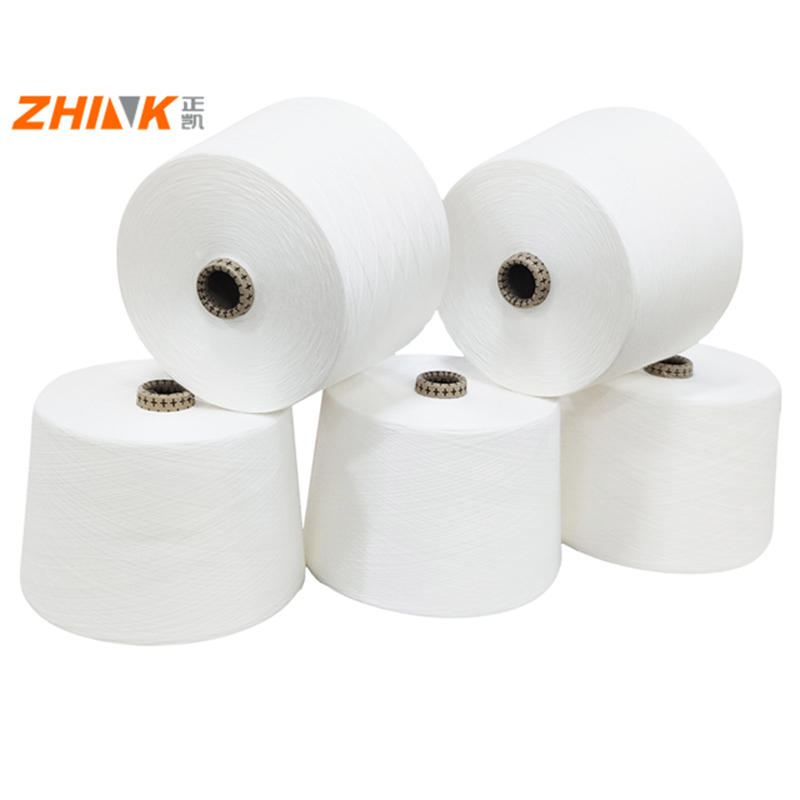
Back when I first started working with bamboo yarns, the challenge was balancing sustainability with performance. Traditional spinning methods sometimes led to uneven textures, which was a topic of concern. The introduction of the siro technique smoothens out these irregularities, providing a finer finish and enhanced fabric quality. This was particularly evident when Zhink New Material showcased their line of bamboo siro products, which combined refined texture with the inherent qualities of bamboo such as breathability and moisture-wicking.
Interestingly, not all are aware of the benefits of siro when applied to bamboo. There's a tendency to lump all natural fibers as inherently rough or inflexible. But those in the know—especially those who've touched bamboo siro spun products—understand the surprising silkiness and strength that this spinning technique imparts.
Practical Experiences with Bamboo Siro
Firsthand experience has shown that 100% bamboo siro is more than just a buzzword; it's a tangible advancement in textile engineering. Working with different batches, I noticed a consistent quality in Zhink's products. The uniformity of the yarn is a game changer for textile producers seeking to maintain high standards across their lines.
One memorable project involved developing a line of bamboo siro-based bed linens. The challenges were notable; ensuring not just softness, but durability over extensive use. What's remarkable is that Zhink's bamboo siro met these expectations head-on. Customers reported a notable freshness after multiple washes, a testament to the yarn's quality and the meticulous production process at their facilities.
Moreover, the versatility of bamboo siro is worth mentioning. When combined with other fibers, it opens up new avenues for blended textile solutions, expanding the possibilities of what can be created with bamboo as a base material. Such innovations reflect not just on the material, but on companies like Zhink New Material, which remain at the forefront of textile R&D.
Overcoming Challenges
While working with 100% bamboo siro, not all experiences have been flawless. There have been challenges, notably in maintaining the delicate balance between the ecological benefits and the energy demands of production. Bamboo, by nature, requires less water and pesticides, but the siro spinning technique demands precision machinery, which can be energy-intensive.
At times, the pursuit of a perfect siro-spun yarn led to trial and error. Machinery malfunctions or unexpected material shortages posed hurdles. Yet, these were valuable lessons in resilience and adaptability. Engaging directly with Zhink's team, I've seen a proactive approach in optimizing production lines to mitigate these disruptions efficiently.
Another area of concern lies in the consumer's understanding. There is a slowly dissipating myth that sustainable textiles are inherently inferior. Educating stakeholders about the merits of bamboo siro, without overselling or underplaying its features, remains an ongoing effort.
Consumer Expectations and Market Trends
As sustainable textiles gain traction, consumer expectations evolve. There's a growing demand for transparency in supply chains and the authenticity of 'green' claims. Having worked closely with SHANDONG ZHINK NEW MATERIAL CO., LTD, the commitment to genuine eco-conscious practices is evident. Their approach is not just about producing sustainable materials but also educating their market on why these materials matter.
Market trends indicate a shift towards tactile luxury in eco-friendly products. Consumers want to feel the tangible benefits of sustainable yarns, like the soothing texture of 100% bamboo siro. The subtle lustre and soft drapery are market differentiators that Zhink capitalizes on, enhancing appeal and customer loyalty.
Future trends suggest that blends of bamboo siro with other fibers will likely emerge more prominently. This potential offers not just variety but also customization for specific market needs, harnessing the best properties of multiple materials. It's exciting to be part of this dynamic field, witnessing how companies like Zhink leverage strengths while navigating the intricate landscape of textile innovation.
The Journey Ahead
The road ahead for 100% bamboo siro is promising but demands vigilance and constant innovation. Companies that succeed will be those willing to invest in both technology and education. The journey of bamboo siro in textiles reflects a broader narrative of innovation meeting sustainability.
Reflecting on my experience with SHANDONG ZHINK NEW MATERIAL CO., LTD, it's clear that strategic foresight and adaptive practices are essential. Their website, www.zhinkyarn.com, provides further insights into their innovative offerings and future directions.
Ultimately, bamboo siro isn't just about yarn. It's about rethinking how we integrate sustainability with everyday fabric needs. For those of us deeply embedded in the industry, it's a commitment to pushing the boundaries of what's possible, ensuring that the next generation of textiles balances the ethos of sustainability with the demands of modern-day living.
Related Products
Related Products