+86-632-3621866
- Chinese
- French
- German
- Portuguese
- Spanish
- Russian
- Japanese
- Korean
- Arabic
- Irish
- Greek
- Turkish
- Italian
- Danish
- Romanian
- Indonesian
- Czech
- Afrikaans
- Swedish
- Polish
- Basque
- Catalan
- Esperanto
- Hindi
- Lao
- Albanian
- Amharic
- Armenian
- Azerbaijani
- Belarusian
- Bengali
- Bosnian
- Bulgarian
- Cebuano
- Chichewa
- Corsican
- Croatian
- Dutch
- Estonian
- Filipino
- Finnish
- Frisian
- Galician
- Georgian
- Gujarati
- Haitian
- Hausa
- Hawaiian
- Hebrew
- Hmong
- Hungarian
- Icelandic
- Igbo
- Javanese
- Kannada
- Kazakh
- Khmer
- Kurdish
- Kyrgyz
- Latin
- Latvian
- Lithuanian
- Luxembou..
- Macedonian
- Malagasy
- Malay
- Malayalam
- Maltese
- Maori
- Marathi
- Mongolian
- Burmese
- Nepali
- Norwegian
- Pashto
- Persian
- Punjabi
- Serbian
- Sesotho
- Sinhala
- Slovak
- Slovenian
- Somali
- Samoan
- Scots Gaelic
- Shona
- Sindhi
- Sundanese
- Swahili
- Tajik
- Tamil
- Telugu
- Thai
- Ukrainian
- Urdu
- Uzbek
- Vietnamese
- Welsh
- Xhosa
- Yiddish
- Yoruba
- Zulu
- Kinyarwanda
- Tatar
- Oriya
- Turkmen
- Uyghur


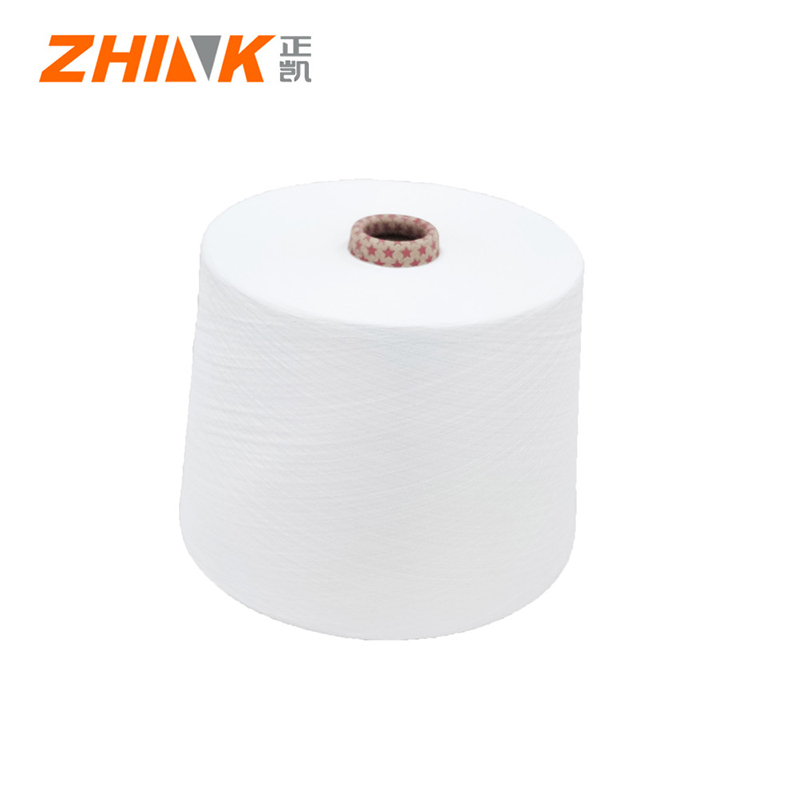
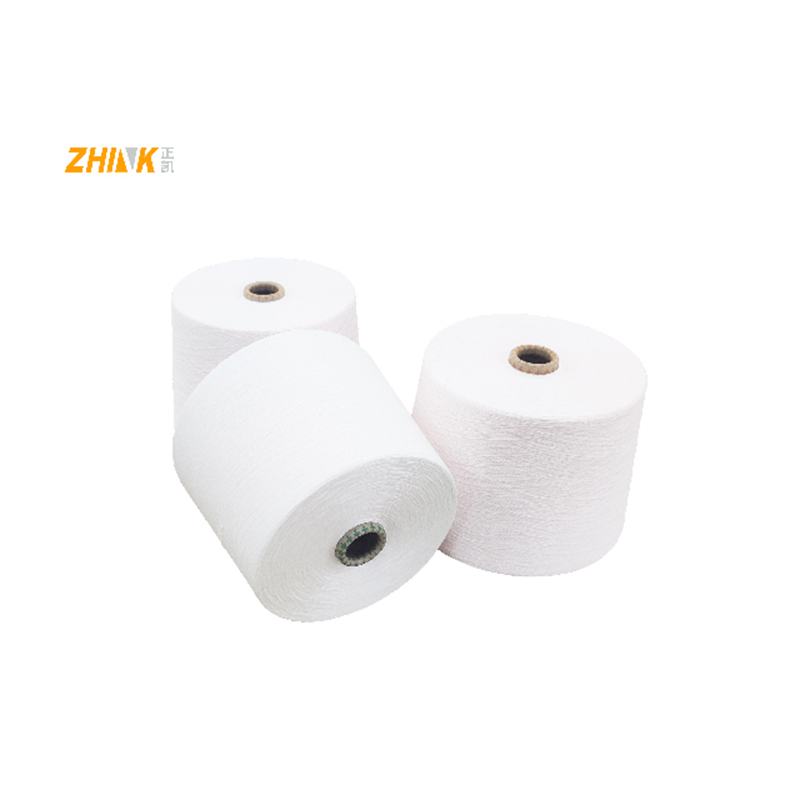
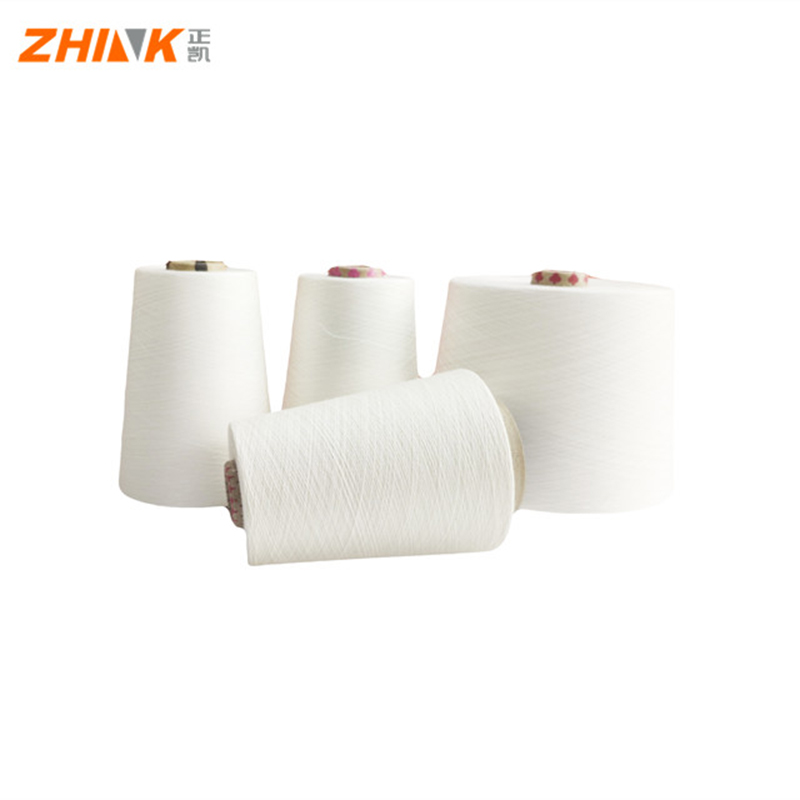
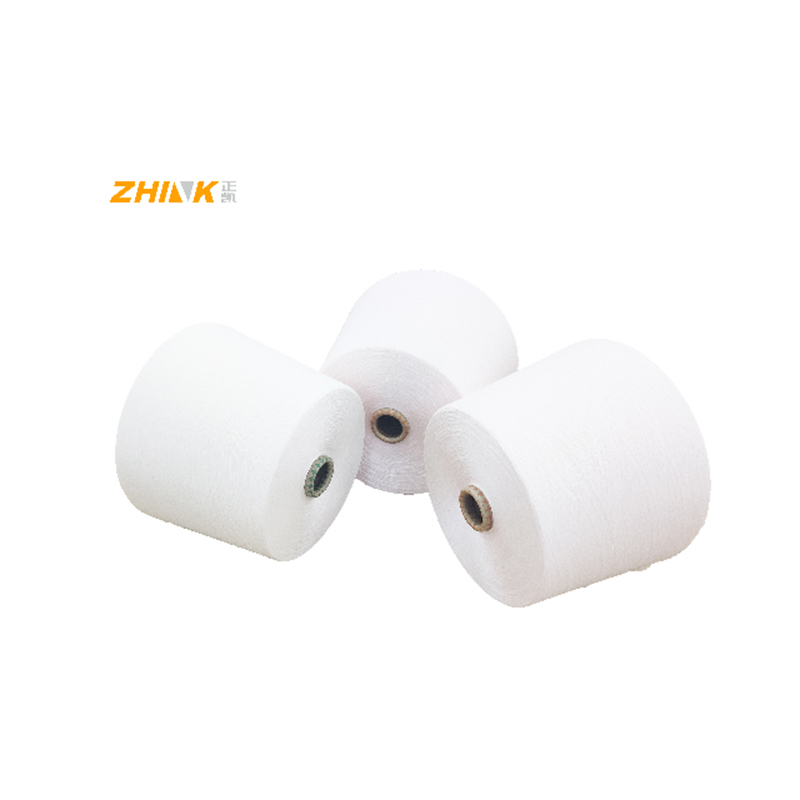
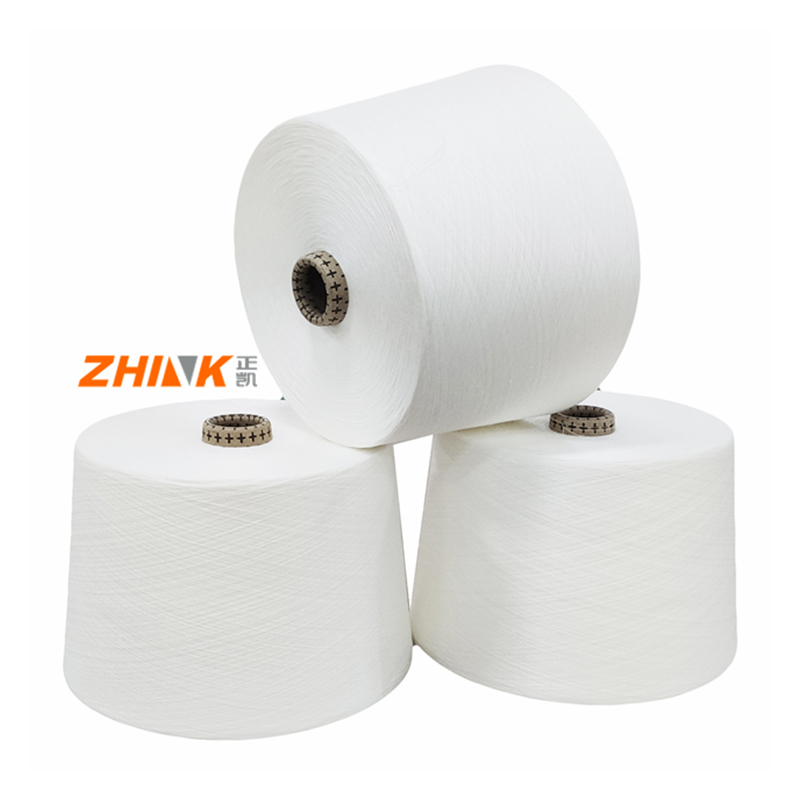
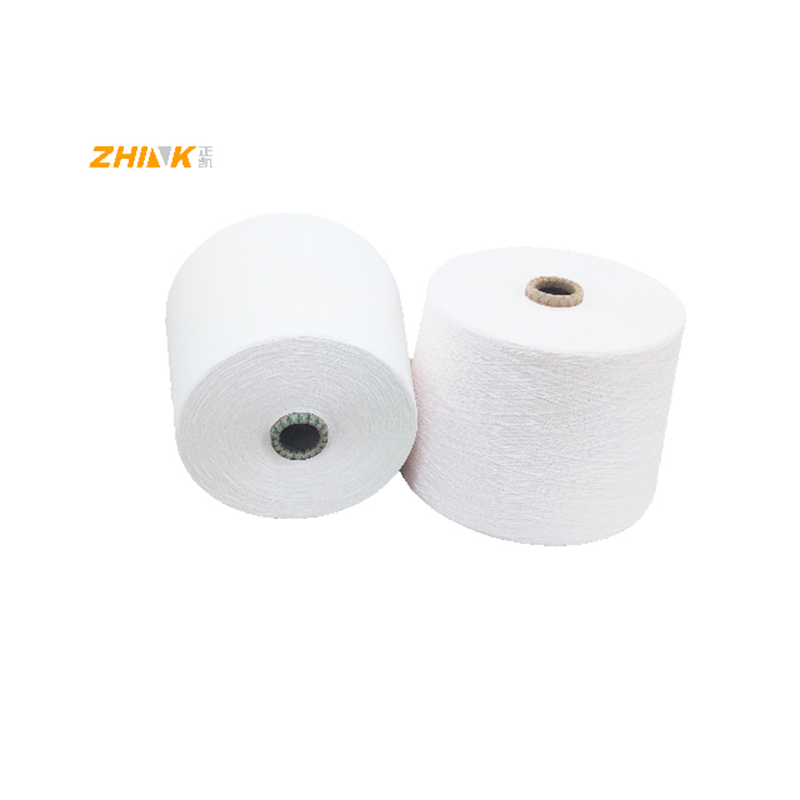
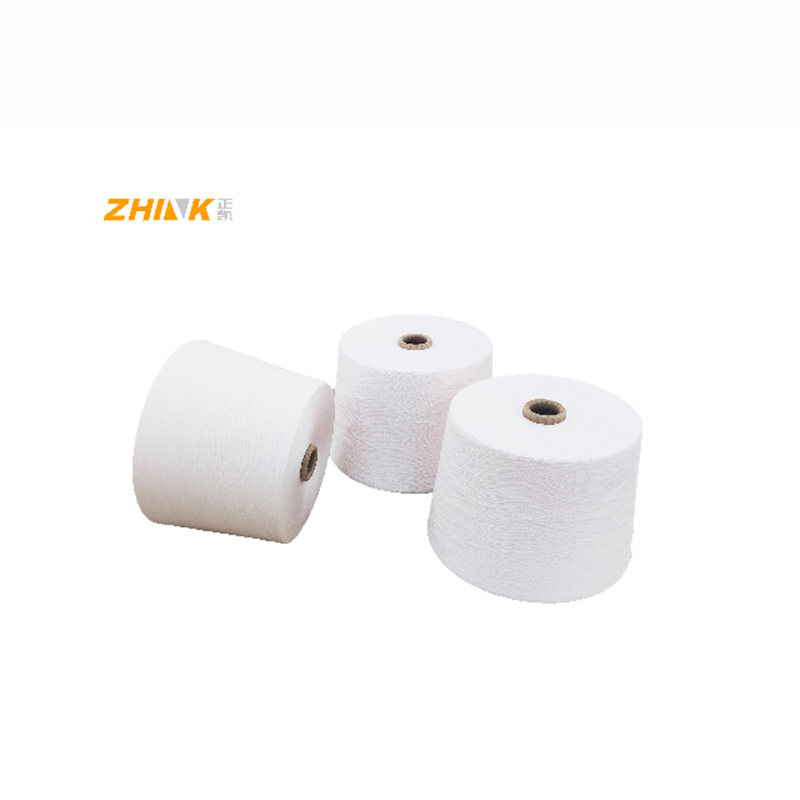
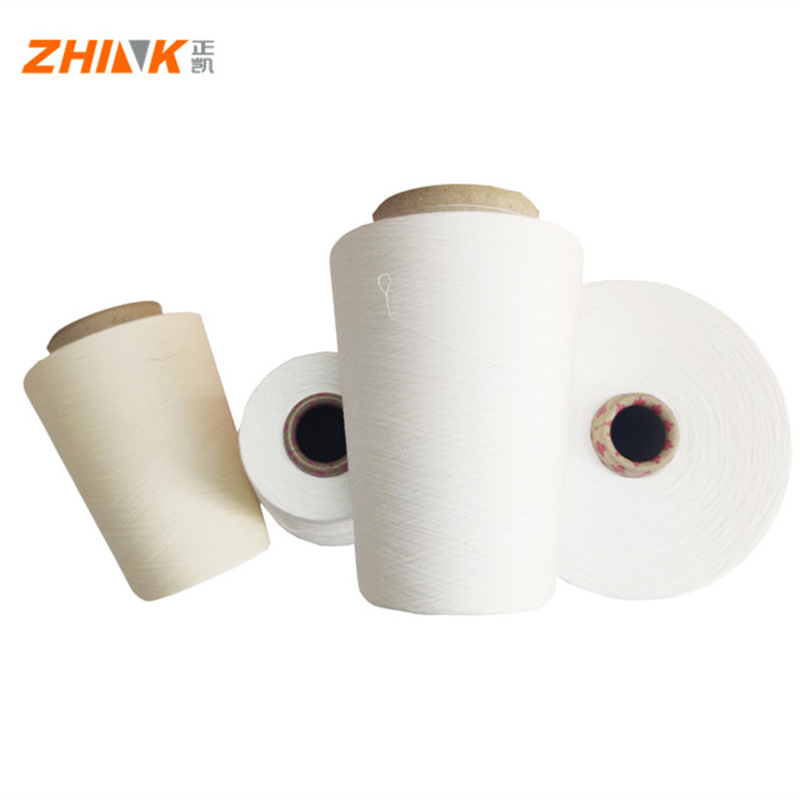
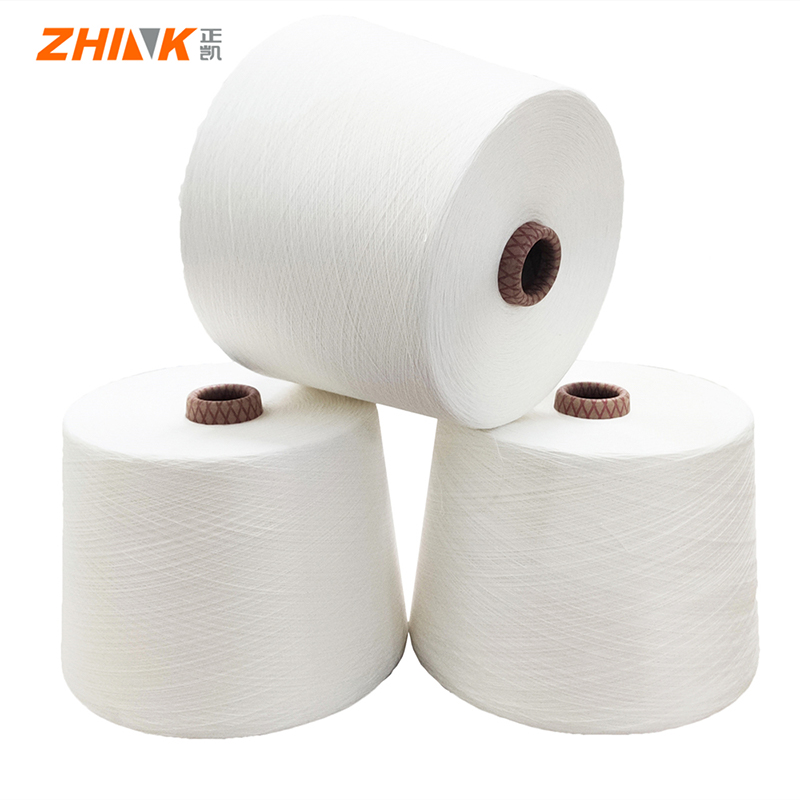
100% bamboo siro compact
The Intricacies of 100% Bamboo Siro Compact Yarn
Exploring the world of 100% bamboo siro compact yarn reveals a fascinating intersection of sustainability and textile innovation. But what truly distinguishes this blend from the myriad of fabric technologies out there? As we delve deeper, we'll navigate common misconceptions and practical insights that every textile professional ought to consider.
Understanding the Basics
When we talk about 100% bamboo siro compact yarn, it's imperative to start by demystifying what 'siro compact' actually means. This isn't just another buzzword. Siro spinning involves twisting two rovings together before they enter the drafting zone, which results in a yarn that is more uniform and smooth. Pair this technique with bamboo's natural sheen and softness, and you have a fabric that’s both luxurious and functional.
However, not all bamboo fabrics are created equal. Many tend to confuse bamboo-derived rayon or viscose with natural bamboo fabric. While the finished product might feel similar, the production processes—and their environmental impacts—are vastly different. Genuine 100% bamboo yarn maintains its raw material's sustainable edge, a focal point for eco-conscious brands.
My first encounter with this material was at a small expo, the buzz was all about sustainability with an edge in innovation. Yet, even among many of the exhibitors, there seemed to be a knowledge gap. I recall a conversation where a manufacturer couldn't fully explain the spinal process beyond its basic operation—illustrating how critical a thorough understanding is even within the industry.
Production Challenges
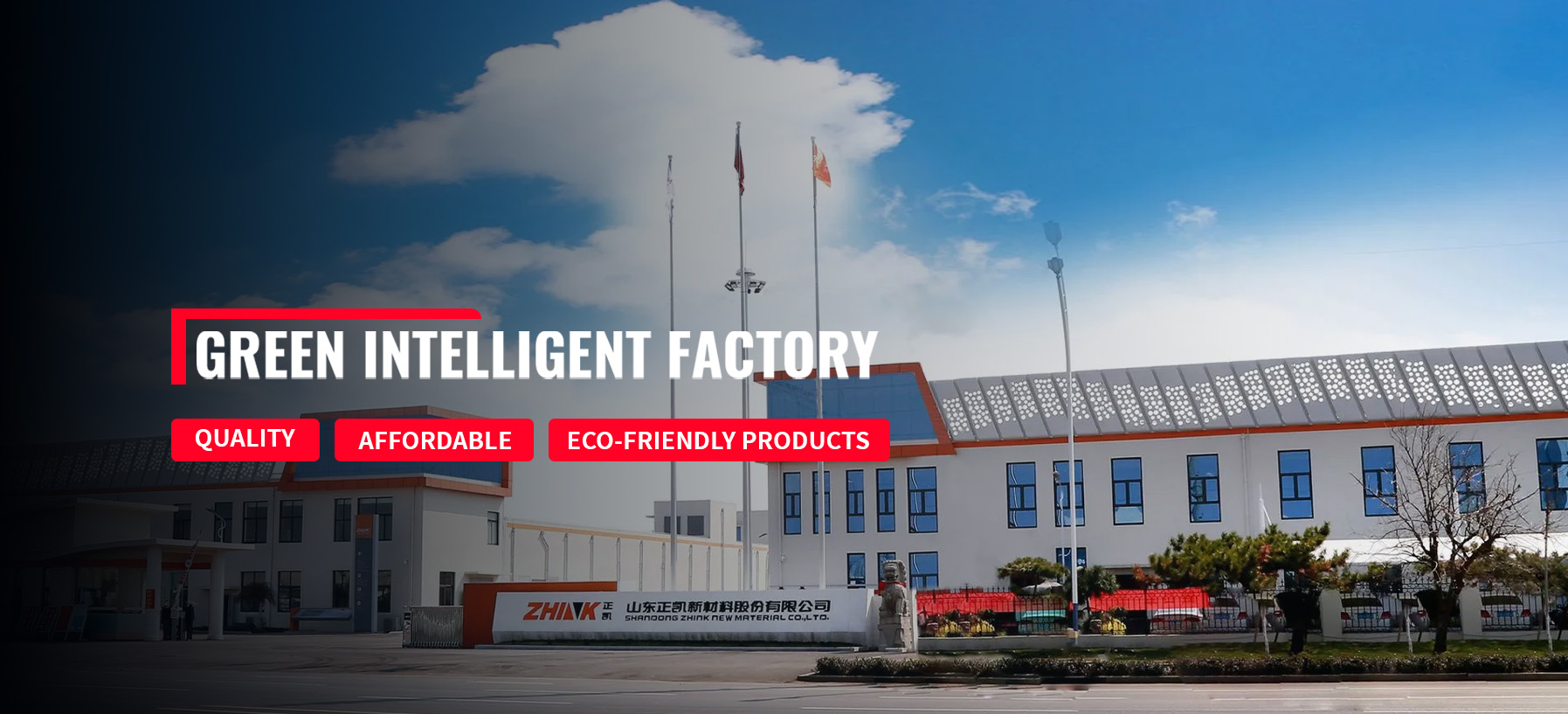
From a production perspective, one of the biggest hurdles with genuine bamboo textile is its processing. Unlike cotton, bamboo is not naturally spinnable in its raw form. This is where companies like SHANDONG ZHINK NEW MATERIAL CO., LTD come into play. Their expertise lies in transforming challenging raw materials into textile innovations through meticulous R&D.
For instance, controlling the consistency of 100% bamboo siro compact yarn can be demanding. The siro compact method, although beneficial, requires precision to ensure uniformity. In one of our initial batches, we noticed uneven threading due to minute variations in our processing parameters. These early glitches emphasized the importance of tight production controls and process optimization.
Such experiences teach the importance of an iterative approach—small, controlled batches that slowly scale up as confidence in the quality grows. This lesson is invaluable, especially when introducing a novel material to the market.
Sustainability and Market Demand
The sustainability narrative in textiles is no longer a mere trend; it's a necessity. The demand for eco-friendly materials is accelerating, driving innovations like 100% bamboo siro compact to the forefront. Natural antibacterial properties, moisture-wicking capabilities, and biodegradability bolster its appeal, making it a favorite among eco-conscious consumers and designers alike.
In real-world applications, I've noticed brands increasingly highlighting these benefits to justify the often higher price point. It’s no different than with organic food – the benefits resonate, provided they are communicated effectively. At trade shows, when framed with powerful stories of sustainability and lifecycle benefits, the audience's reaction is always notably positive.
Yet, while demand is high, scalability remains a critical constraint. Smaller producers often struggle with meeting large orders due to the intricate processing techniques required for such pure yarns. Many of us in the industry are having to innovate just as much in production logistics as in material science itself.
Practical Applications and Consumer Perception
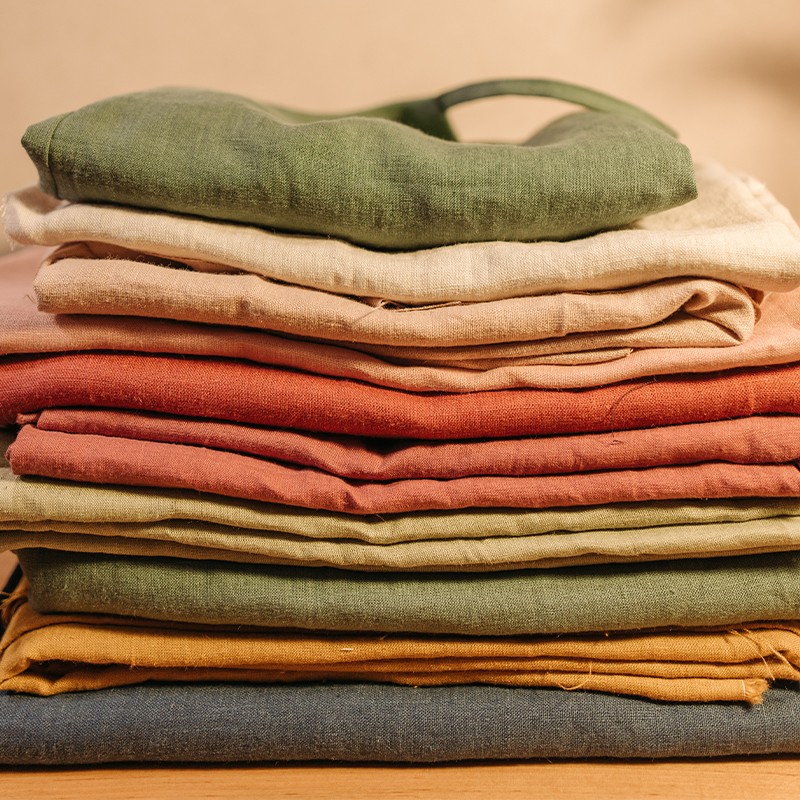
Real-world application of 100% bamboo siro compact yarn spans from high-end fashion to niche home textiles. While fashion often gets the limelight, the utilitarian aspect of this material is gaining traction. Consumers now seek fabrics that perform, just as much as they appreciate aesthetics.
Industries beyond fashion are beginning to explore these benefits, such as activewear and even technical textiles where durability and comfort are paramount. In one anecdote, a designer collaborated with us to create a prototype activewear line. The feedback? Phenomenally positive on comfort and performance metrics.
Understanding consumer expectations and aligning your product narrative toward these values—quality, performance, sustainability—can redefine market perception. It's an evolving conversation, but one that the industry must engage in earnestly.
Future Prospects
The future of 100% bamboo siro compact yarn in the textile industry looks promising, albeit challenging. Technological advancements promise enhanced production efficiencies and broader market penetration. Yet, achieving this level of growth requires continued investment in innovative manufacturing practices and consumer education.
Companies like SHANDONG ZHINK NEW MATERIAL CO., LTD are a testament to the potential here. Their ongoing research and development efforts underscore a commitment not just to advance their own offerings but to push the entire industry forward.
So, while challenges remain, the path forward is clear: innovation entwined with sustainability. This is the new textile mantra, and for those of us caught in the weave, it's an exciting time to be part of the fabric of the future.
Related Products
Related Products