+86-632-3621866
- Chinese
- French
- German
- Portuguese
- Spanish
- Russian
- Japanese
- Korean
- Arabic
- Irish
- Greek
- Turkish
- Italian
- Danish
- Romanian
- Indonesian
- Czech
- Afrikaans
- Swedish
- Polish
- Basque
- Catalan
- Esperanto
- Hindi
- Lao
- Albanian
- Amharic
- Armenian
- Azerbaijani
- Belarusian
- Bengali
- Bosnian
- Bulgarian
- Cebuano
- Chichewa
- Corsican
- Croatian
- Dutch
- Estonian
- Filipino
- Finnish
- Frisian
- Galician
- Georgian
- Gujarati
- Haitian
- Hausa
- Hawaiian
- Hebrew
- Hmong
- Hungarian
- Icelandic
- Igbo
- Javanese
- Kannada
- Kazakh
- Khmer
- Kurdish
- Kyrgyz
- Latin
- Latvian
- Lithuanian
- Luxembou..
- Macedonian
- Malagasy
- Malay
- Malayalam
- Maltese
- Maori
- Marathi
- Mongolian
- Burmese
- Nepali
- Norwegian
- Pashto
- Persian
- Punjabi
- Serbian
- Sesotho
- Sinhala
- Slovak
- Slovenian
- Somali
- Samoan
- Scots Gaelic
- Shona
- Sindhi
- Sundanese
- Swahili
- Tajik
- Tamil
- Telugu
- Thai
- Ukrainian
- Urdu
- Uzbek
- Vietnamese
- Welsh
- Xhosa
- Yiddish
- Yoruba
- Zulu
- Kinyarwanda
- Tatar
- Oriya
- Turkmen
- Uyghur


100% bamboo vortex
The Fascinating Journey into 100% Bamboo Vortex
The notion of a 100% bamboo vortex might sound like yet another buzzword in the sustainable materials arena, but there's genuine intrigue and depth behind it. This isn't just about eco-friendly claims; it's a nuanced path through textile innovation and practical applications. There are misconceptions and real-world experiences that shape this story, giving a richer texture than mere advertising fluff.
Understanding the Bamboo Vortex
So what exactly is a bamboo vortex? In the textile world, it's about leveraging the unique properties of bamboo fibers, transforming them into a product that's not only sustainable but also highly functional. Bamboo's natural characteristics lend themselves to diverse applications, from clothing to industrial uses. But it's not just the material; it's the entire process that makes it interesting.
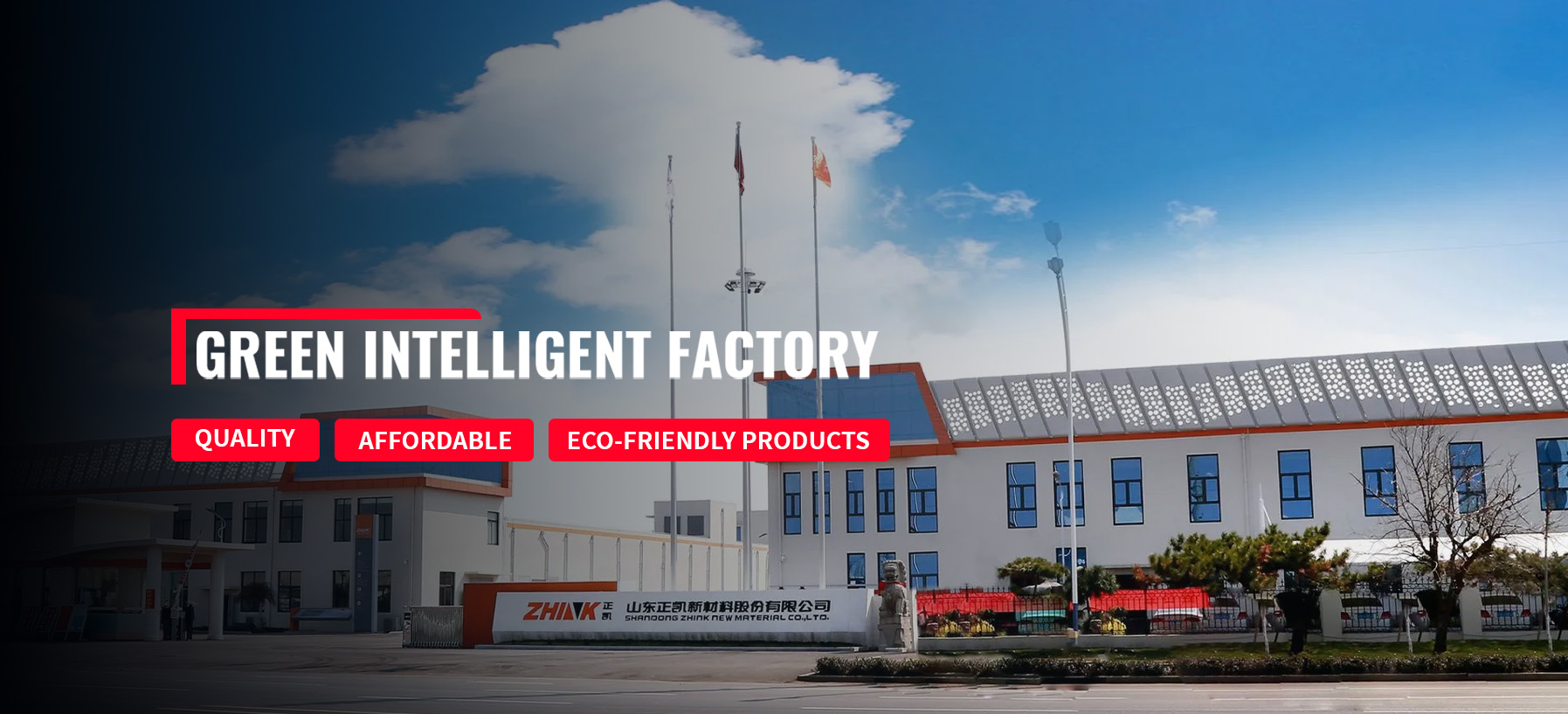
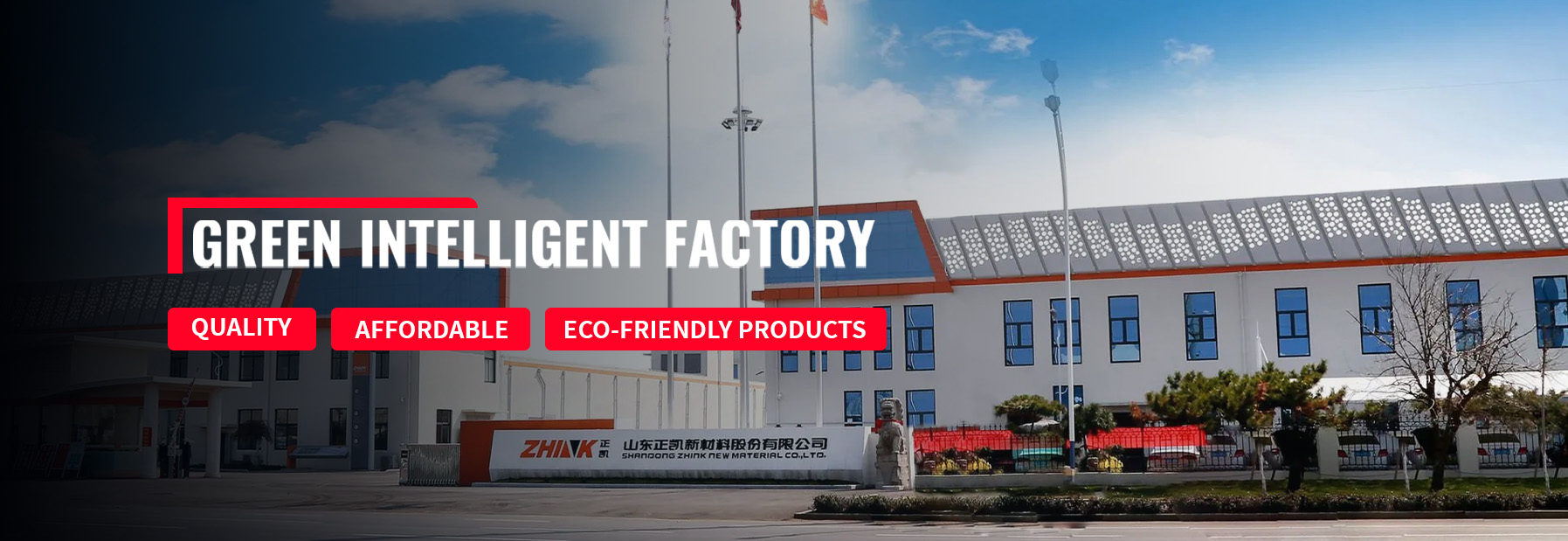
SHANDONG ZHINK NEW MATERIAL CO., LTD, through their site at ZhinkYarn.com, delves into the heart of this process. They focus on the R&D of new textile materials, bringing innovative solutions right from the lab to the manufacturing floor. The term 'vortex' here isn't just marketing. It's about the fluid, cyclic nature in which bamboo is processed, enhancing its natural properties.
In my experience, the practical processes are pivotal. The spinning techniques, how you align fibers, the treatments you use—this is where the real innovation happens. The bamboo vortex, in essence, is about synergizing nature's best with human ingenuity.
The Realities of Production
Now, translating this into a finished product comes with its own set of challenges. Bamboo, while fantastic in theory, presents complications in processing. For SHANDONG ZHINK, balancing sustainability with cost-effectiveness is crucial. You can't sacrifice quality, but at the same time, the market is sensitive to pricing.
During my visits to production facilities, there's a recurring theme. The importance of sourcing quality raw materials cannot be overstated. With bamboo, the growth conditions—climate, soil, even the harvesting method—impact the final fiber quality. The 'vortex' again becomes a metaphor for the interconnected systems from farm to fabric.
Failure is part of innovation, too. There have been times when expected yields weren't met, or a processing tweak didn't yield the desired outcome. These are learning moments, recalibrations rather than setbacks. Each cycle through the 'vortex' provides insights, making the process incrementally better.
Market Applications and Missteps
In understanding where bamboo vortex fits into the market, you need more than just a good product; you need adaptability. I’ve seen companies shy away from experimenting with new blends, instead sticking rigidly to existing formulas. But those, like Zhink New Material, who've pushed boundaries, often find niches where traditional textiles might fail.
The market isn't always quick to adopt. Consumer education plays a part here. There are misconceptions that need addressing—like durability concerns, or the so-called 'greenwashing' accusations. It takes a strategic narrative, not just facts, to shift these perceptions.
Even in retail, feedback loops become essential. Direct interactions with customers can illuminate unexpected issues. Perhaps it's in the wearability or the environmental claims—it’s all about the continuous evolution within the vortex.
Sustainability Concerns
Not all that's green is gold. The sustainability angle isn't just a checkbox but a core commitment. In conversations with industry experts, the discussion often circles back to life-cycle analysis and genuine impact reduction.
SHANDONG ZHINK, for instance, commits to not just ecological responsibility but also ethical labor practices. Sustainable materials lose their value when the human element isn't factored in. A balanced approach ensures long-term viability.
The audits, certifications, and partnerships become critical components. In an industry racing towards sustainability claims, Zhink New Material's transparent practices stand out—underlined by thorough documentation and third-party validations.
The Future and Continuous Innovation
What does the future hold for the 100% bamboo vortex? It’s undeniably an evolving landscape. We've seen the rapid integration of digital technologies into production processes, enhancing efficiency and reducing waste. The vortex, by nature, isn't static.
Collaborations are shaping the future, as seen in recent attempts to merge bamboo fibers with other sustainable materials, resulting in hybrids with superior qualities. The old-school notion of rigid categories in textiles is giving way to dynamic, adaptable approaches.
SHANDONG ZHINK NEW MATERIAL CO., LTD illustrates that through their proactive R&D strategies, which you can follow at ZhinkYarn.com. It's not just about keeping pace but setting it—a testament to their leadership in this intriguing sector.
Related Products
Related Products