+86-632-3621866
- Chinese
- French
- German
- Portuguese
- Spanish
- Russian
- Japanese
- Korean
- Arabic
- Irish
- Greek
- Turkish
- Italian
- Danish
- Romanian
- Indonesian
- Czech
- Afrikaans
- Swedish
- Polish
- Basque
- Catalan
- Esperanto
- Hindi
- Lao
- Albanian
- Amharic
- Armenian
- Azerbaijani
- Belarusian
- Bengali
- Bosnian
- Bulgarian
- Cebuano
- Chichewa
- Corsican
- Croatian
- Dutch
- Estonian
- Filipino
- Finnish
- Frisian
- Galician
- Georgian
- Gujarati
- Haitian
- Hausa
- Hawaiian
- Hebrew
- Hmong
- Hungarian
- Icelandic
- Igbo
- Javanese
- Kannada
- Kazakh
- Khmer
- Kurdish
- Kyrgyz
- Latin
- Latvian
- Lithuanian
- Luxembou..
- Macedonian
- Malagasy
- Malay
- Malayalam
- Maltese
- Maori
- Marathi
- Mongolian
- Burmese
- Nepali
- Norwegian
- Pashto
- Persian
- Punjabi
- Serbian
- Sesotho
- Sinhala
- Slovak
- Slovenian
- Somali
- Samoan
- Scots Gaelic
- Shona
- Sindhi
- Sundanese
- Swahili
- Tajik
- Tamil
- Telugu
- Thai
- Ukrainian
- Urdu
- Uzbek
- Vietnamese
- Welsh
- Xhosa
- Yiddish
- Yoruba
- Zulu
- Kinyarwanda
- Tatar
- Oriya
- Turkmen
- Uyghur


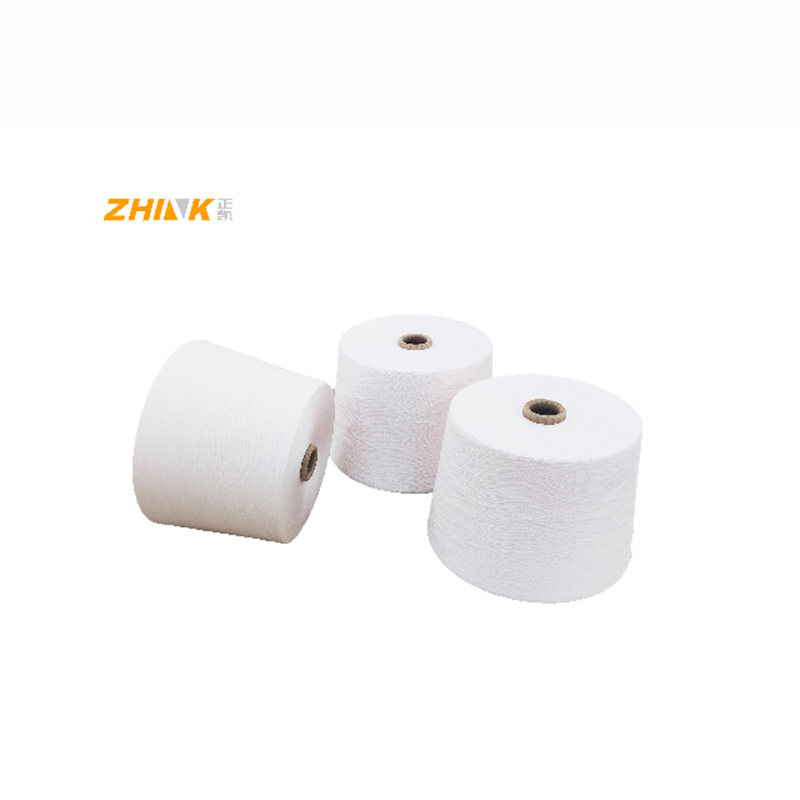
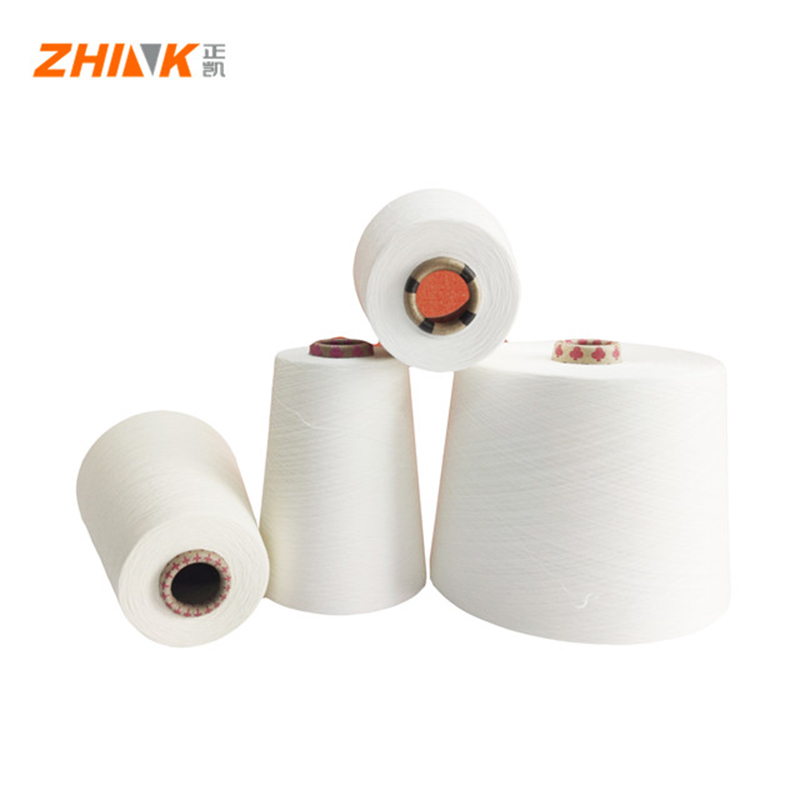
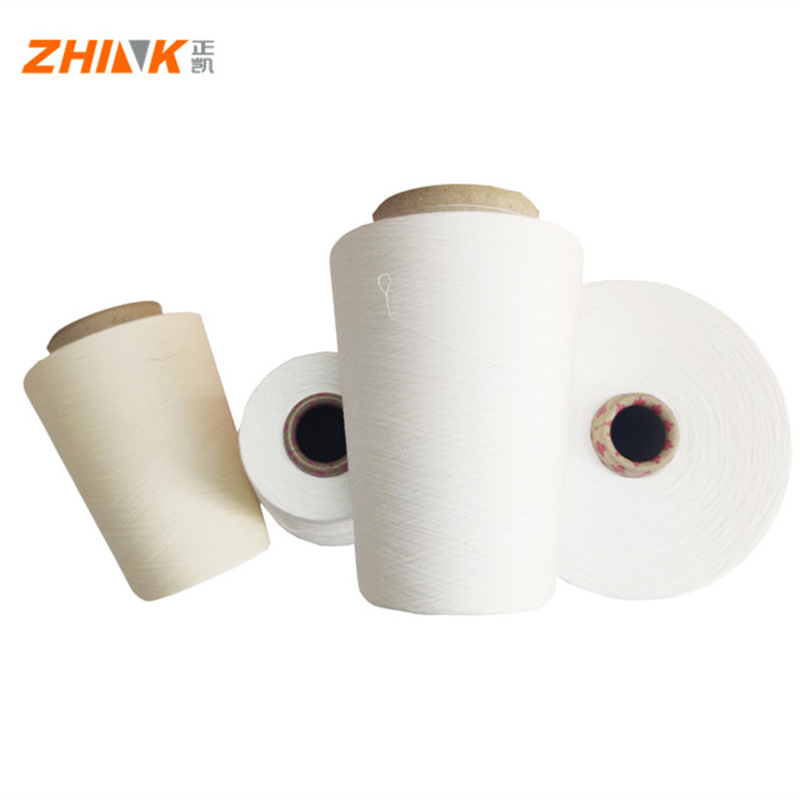
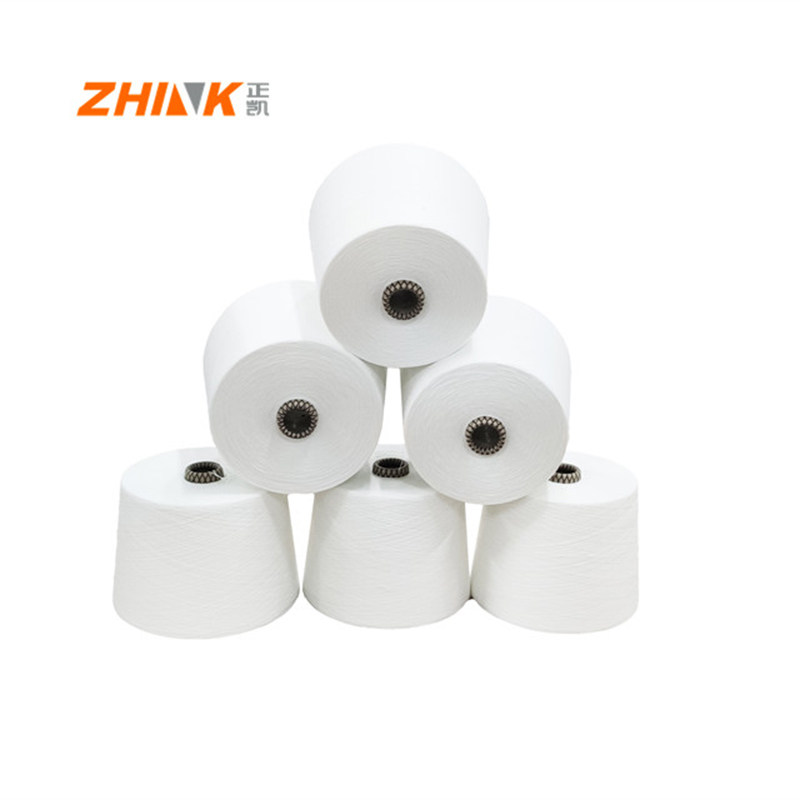
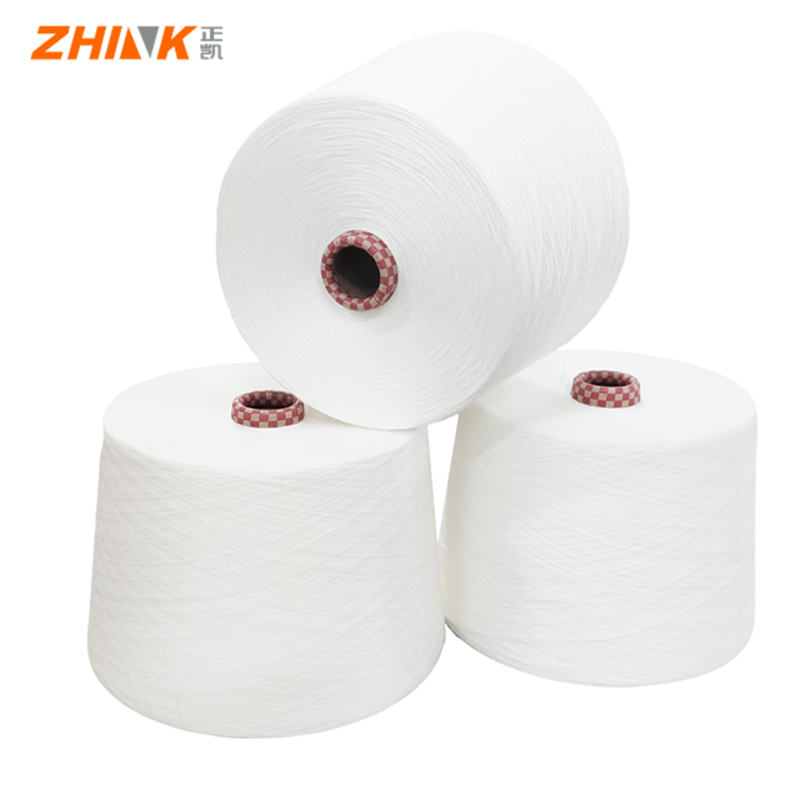
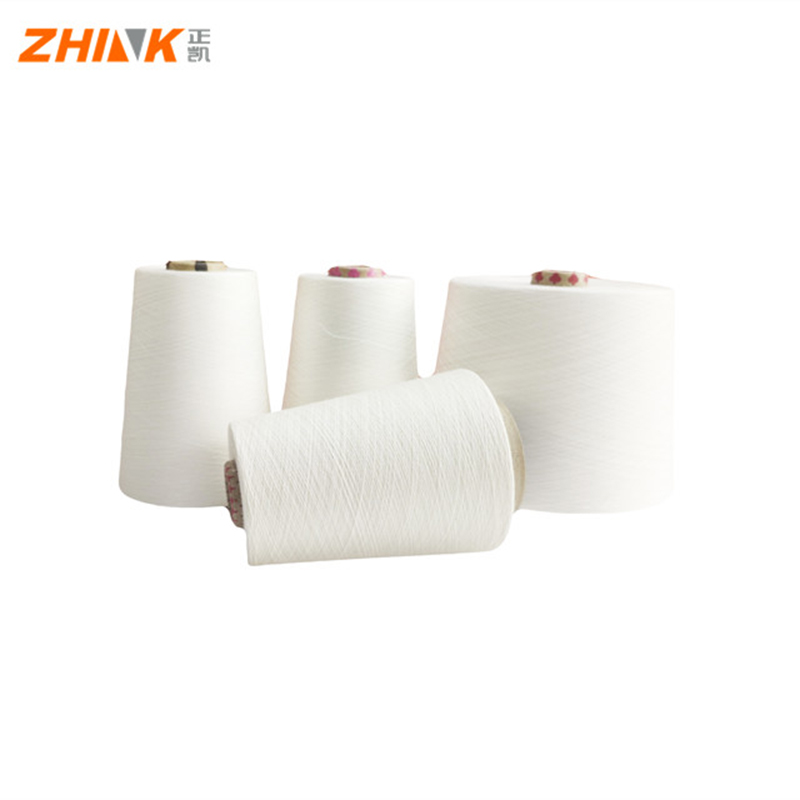
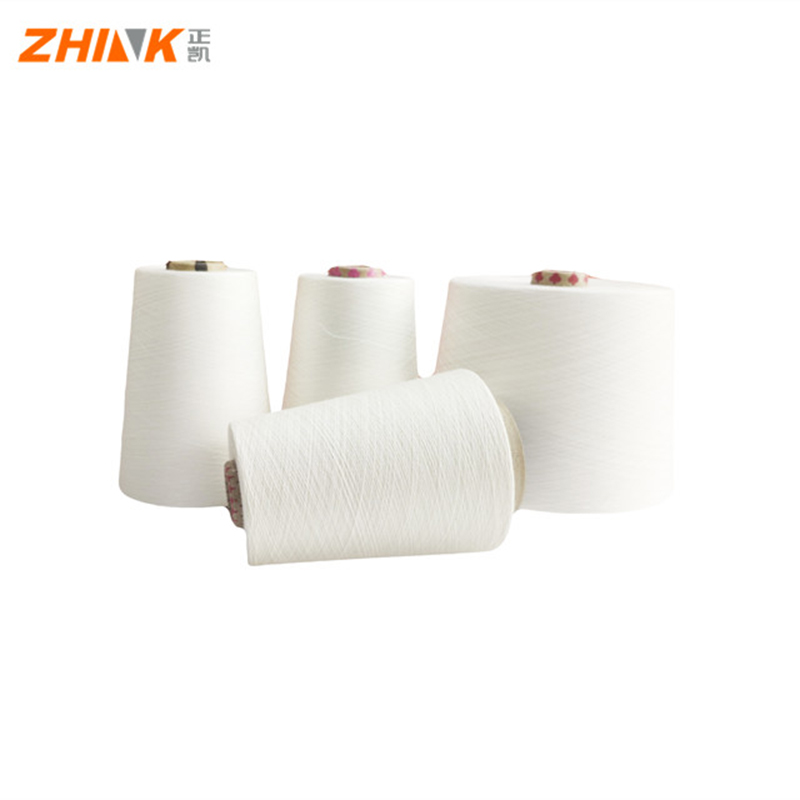
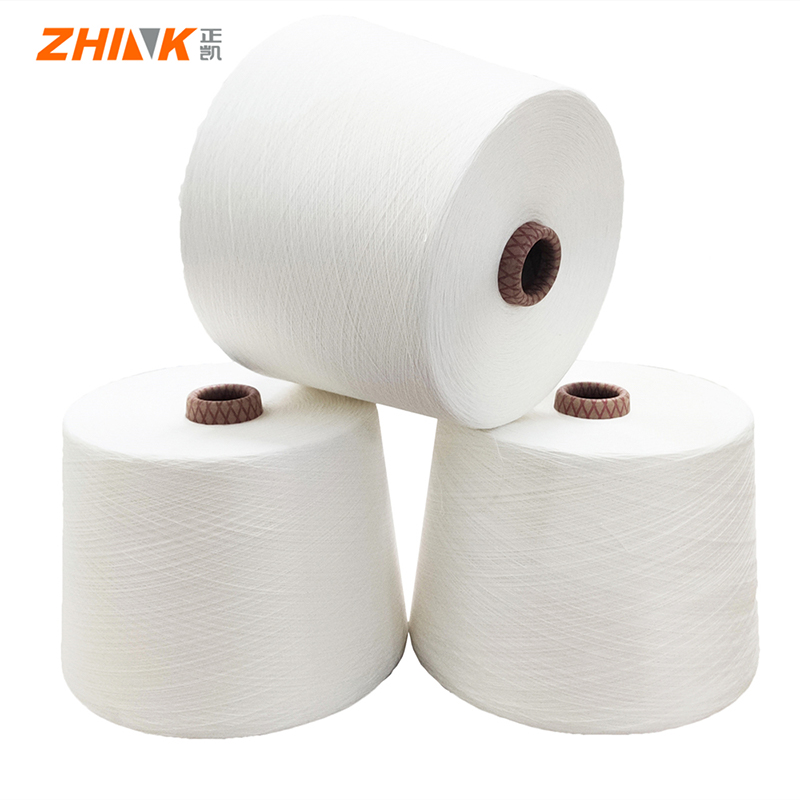
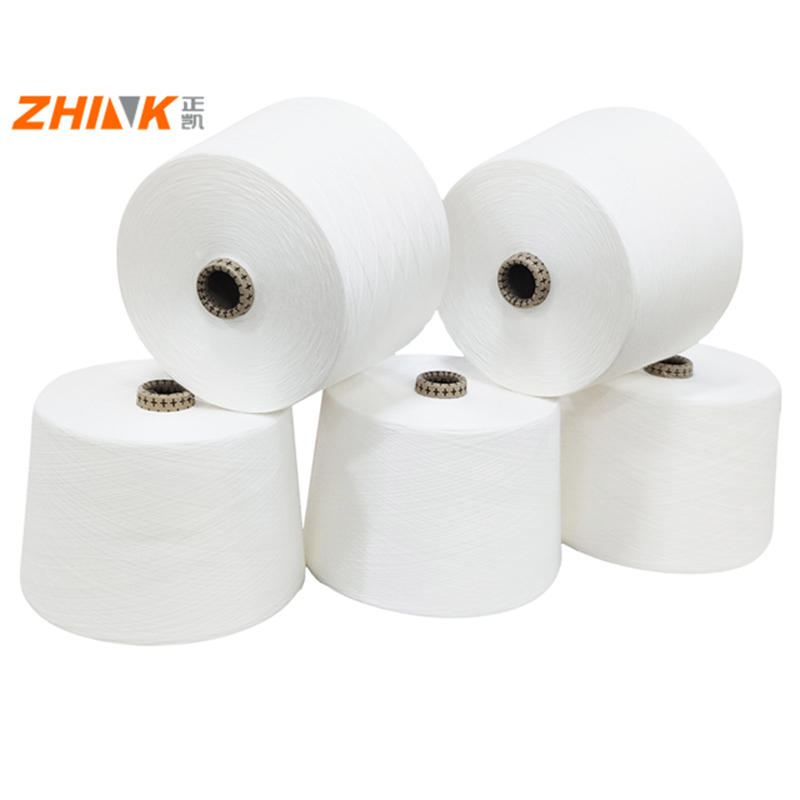
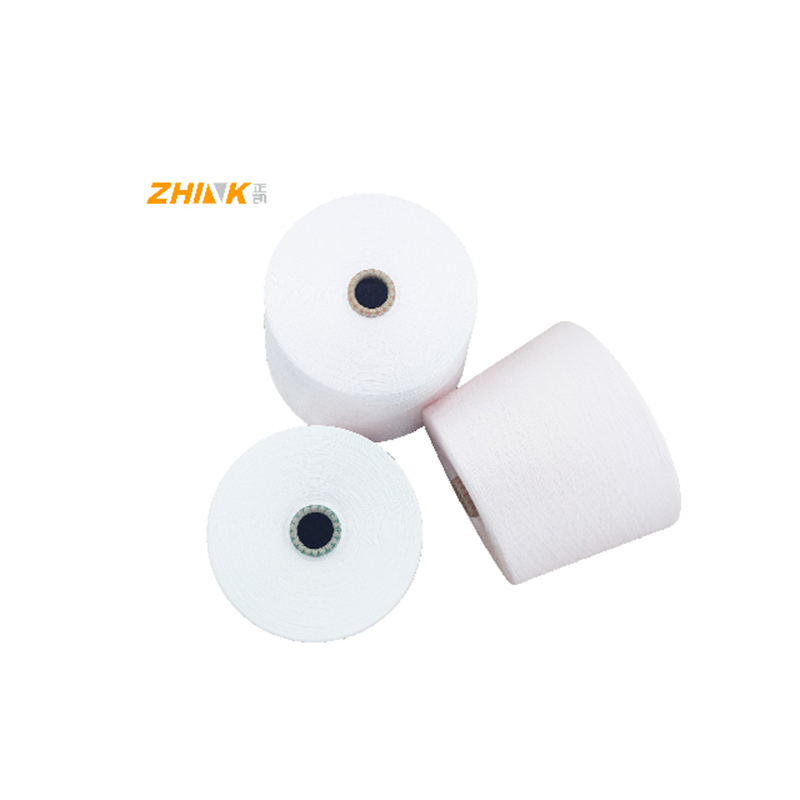
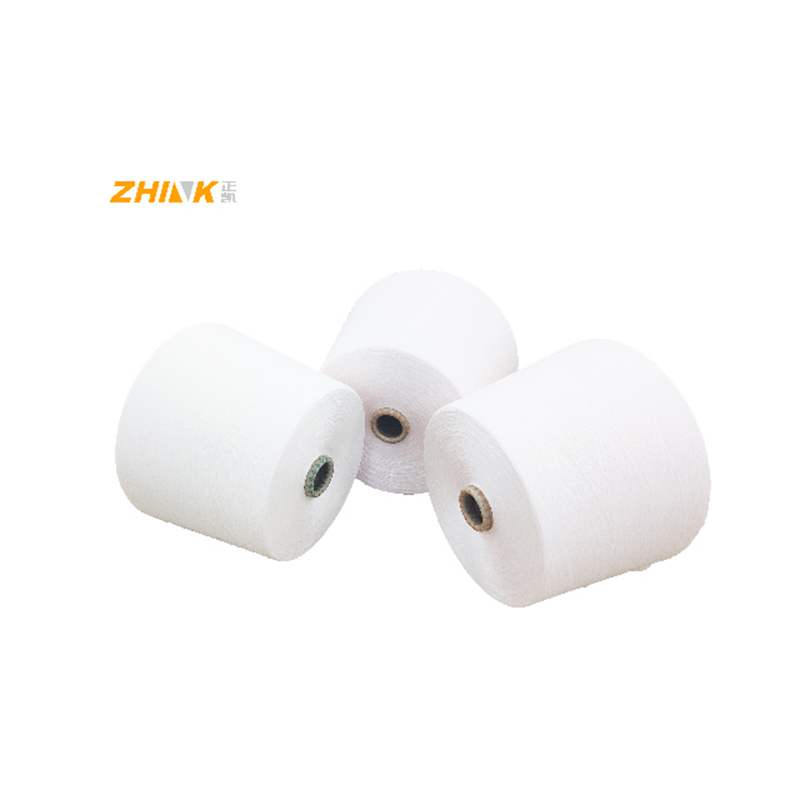
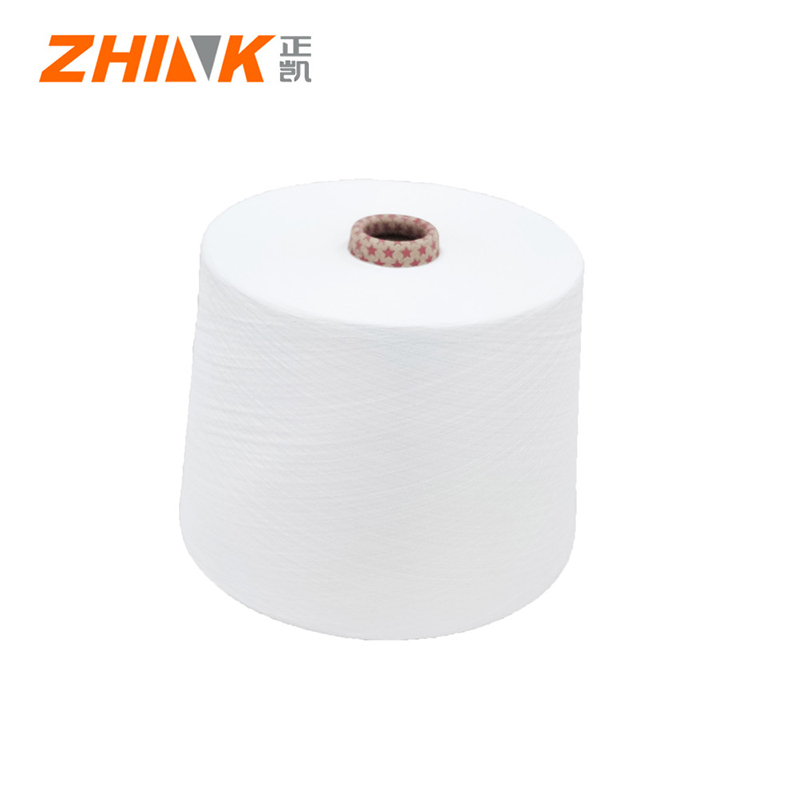
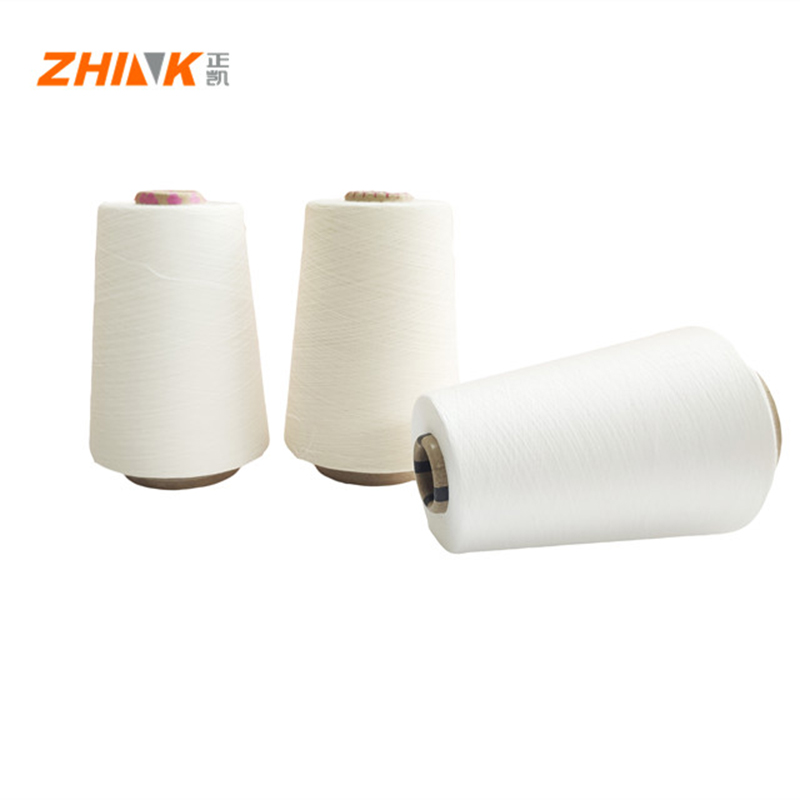
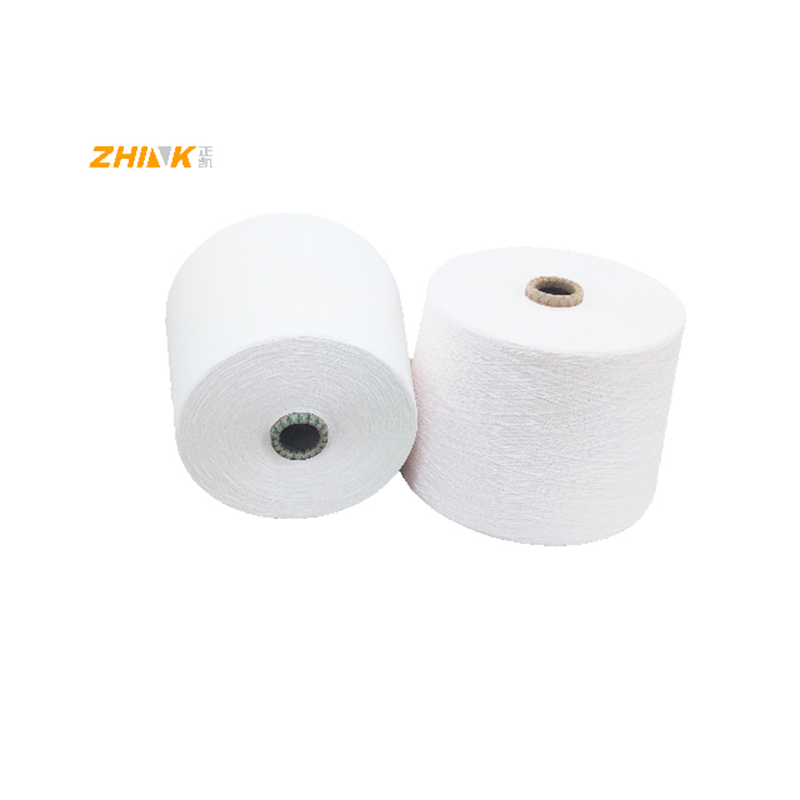
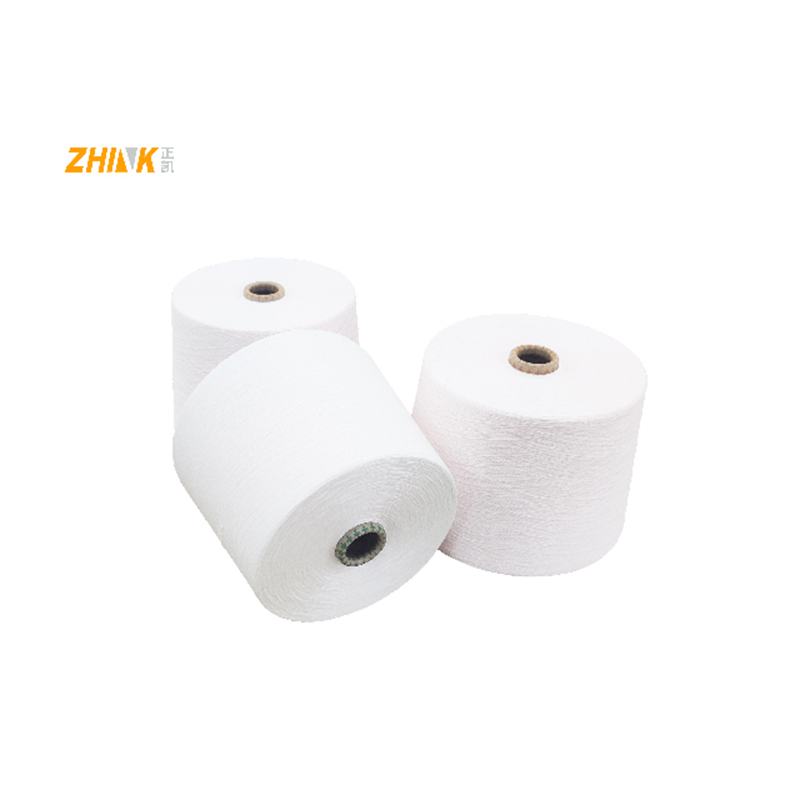
100% bamboo yarn
html
Exploring the World of 100% Bamboo Yarn
Bamboo yarn has been getting a lot of buzz lately, especially in the sustainable fabrics sector. Its unique blend of softness, durability, and eco-friendliness has captivated both knitting enthusiasts and industry experts. Let’s dive into its multifaceted nature, addressing some common misconceptions and shedding light on practical insights.
The Magic of Bamboo: Characteristics and Benefits
When we talk about 100% bamboo yarn, we're referring to a textile that's not only naturally soft but also hypoallergenic. This makes it perfect for sensitive skin. What surprises many is its ability to regulate temperature. During warmer days, it feels cool against the skin, while in cooler climates, it provides comfortable warmth.
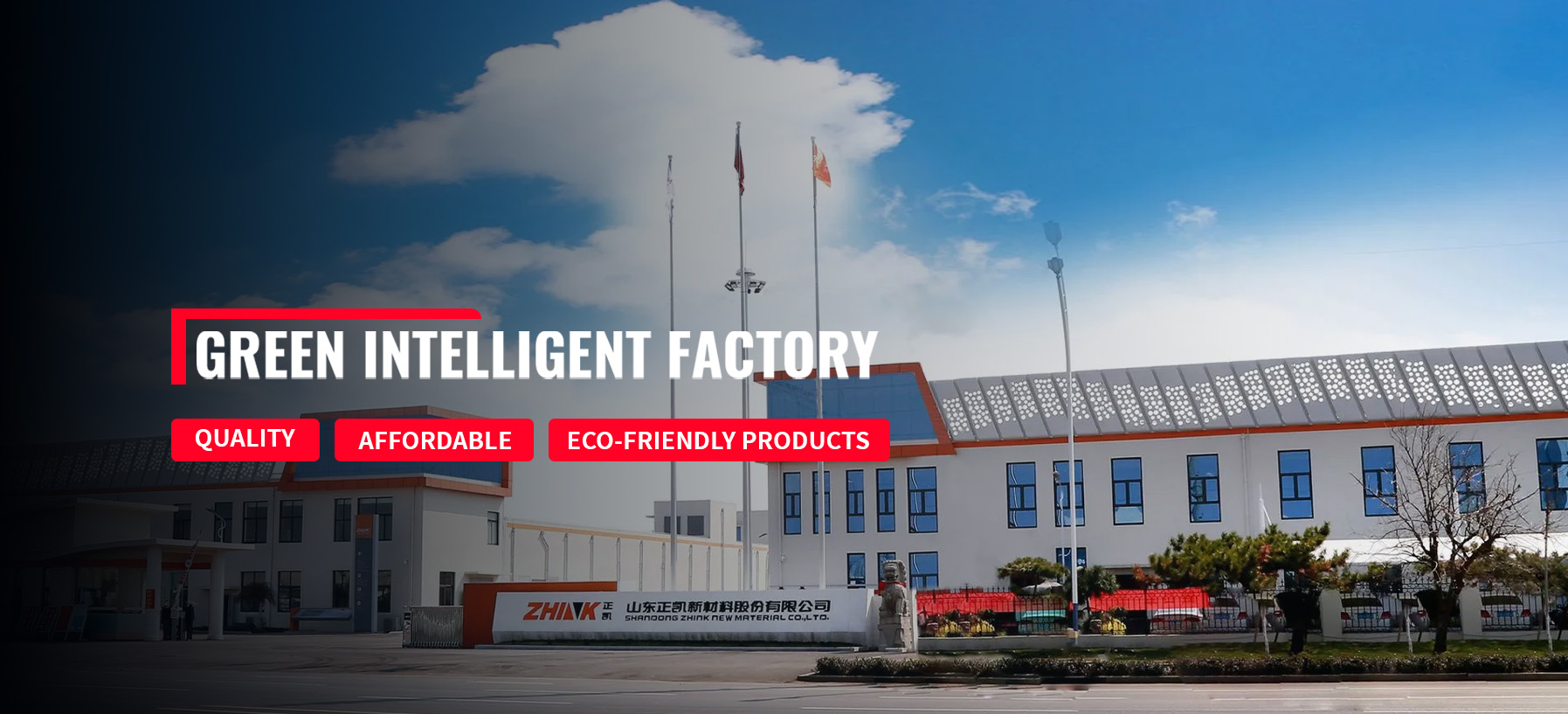
But as with any textile, it’s essential to consider its production and application. At SHANDONG ZHINK NEW MATERIAL CO., LTD, we’ve explored various processes. We’ve discovered that the closed-loop system used in our production ensures minimal environmental impact. Knowing where your materials come from is vital.
Interestingly, I’ve had hands-on experience with bamboo yarn in different climates, testing its durability and practicality. In a humid region, bamboo yarn resisted mold in a way that even more robust fibers failed.
Common Misunderstandings: Debunking the Myths
One might assume that 100% bamboo yarn lacks strength due to its silky texture. However, it’s incredibly resilient. In a recent project involving knitted home décor items, the yarn retained its shape and sheen far better than expected.
However, not all bamboo yarns are created equal. It’s important to be cautious about products that claim 100% bamboo but are actually blends. Authenticity is crucial, and it pays to know your suppliers. SHANDONG ZHINK takes pride in ensuring transparency and quality at the core of our products.
Another myth is its high maintenance. True, bamboo yarn requires gentle handling, but it’s not as daunting as it sounds. Think of it as investing in fabric care, similar to maintaining fine linen or silk.
Practical Applications: From Apparel to Home Textiles
In my workshops, I’ve experimented with bamboo yarn for various projects, from lightweight summer scarves to cozy baby blankets. The yarn's versatility is incredible. Its natural dyes hold well, presenting vibrant colors without fading, a boon for creators.
Recently, I collaborated with a designer who incorporated bamboo yarn into a line of eco-friendly socks. The feedback was overwhelmingly positive; customers loved the comfort and breathability.
This experience mirrored another project involving upholstery. Here, the challenge was in ensuring the yarn could withstand wear. Surprisingly, it outperformed many synthetic fibers, reinforcing its place in diverse textile applications.
Potential Challenges in Using Bamboo Yarn
Any material brings its challenges, and 100% bamboo yarn isn't exempt. The production cost can be higher compared to traditional yarns, making it less accessible to some. This is where Zhink New Material’s innovative techniques come into play, as we strive to balance quality with affordability.
During a sustainability conference, several professionals raised concerns about scalability. Can bamboo yarn truly replace conventional fibers? While it’s promising, it’s not a simple switch. Education and industry shifts are necessary for larger adoption.
Yet, every step towards sustainable materials counts. Every bamboo yarn garment crafted is a testament to what’s possible when quality meets consciousness.
The Future of Bamboo in Textiles
Looking ahead, the future seems bright for bamboo yarn. As we continue research at SHANDONG ZHINK NEW MATERIAL CO., LTD, the potential applications seem endless—from technical fabrics to luxurious garments.
Conversations with fellow textile developers indicate excitement around its potential integration with smart textiles, something we’re also keenly exploring. It’s an evolving journey, and being at the forefront of it is both challenging and rewarding.
In the grand scheme, bamboo yarn represents more than just a textile choice. It symbolizes a movement towards more responsible and innovative textiles. And those deliberate choices are what drive the industry forward.
Related Products
Related Products