+86-632-3621866
- Chinese
- French
- German
- Portuguese
- Spanish
- Russian
- Japanese
- Korean
- Arabic
- Irish
- Greek
- Turkish
- Italian
- Danish
- Romanian
- Indonesian
- Czech
- Afrikaans
- Swedish
- Polish
- Basque
- Catalan
- Esperanto
- Hindi
- Lao
- Albanian
- Amharic
- Armenian
- Azerbaijani
- Belarusian
- Bengali
- Bosnian
- Bulgarian
- Cebuano
- Chichewa
- Corsican
- Croatian
- Dutch
- Estonian
- Filipino
- Finnish
- Frisian
- Galician
- Georgian
- Gujarati
- Haitian
- Hausa
- Hawaiian
- Hebrew
- Hmong
- Hungarian
- Icelandic
- Igbo
- Javanese
- Kannada
- Kazakh
- Khmer
- Kurdish
- Kyrgyz
- Latin
- Latvian
- Lithuanian
- Luxembou..
- Macedonian
- Malagasy
- Malay
- Malayalam
- Maltese
- Maori
- Marathi
- Mongolian
- Burmese
- Nepali
- Norwegian
- Pashto
- Persian
- Punjabi
- Serbian
- Sesotho
- Sinhala
- Slovak
- Slovenian
- Somali
- Samoan
- Scots Gaelic
- Shona
- Sindhi
- Sundanese
- Swahili
- Tajik
- Tamil
- Telugu
- Thai
- Ukrainian
- Urdu
- Uzbek
- Vietnamese
- Welsh
- Xhosa
- Yiddish
- Yoruba
- Zulu
- Kinyarwanda
- Tatar
- Oriya
- Turkmen
- Uyghur



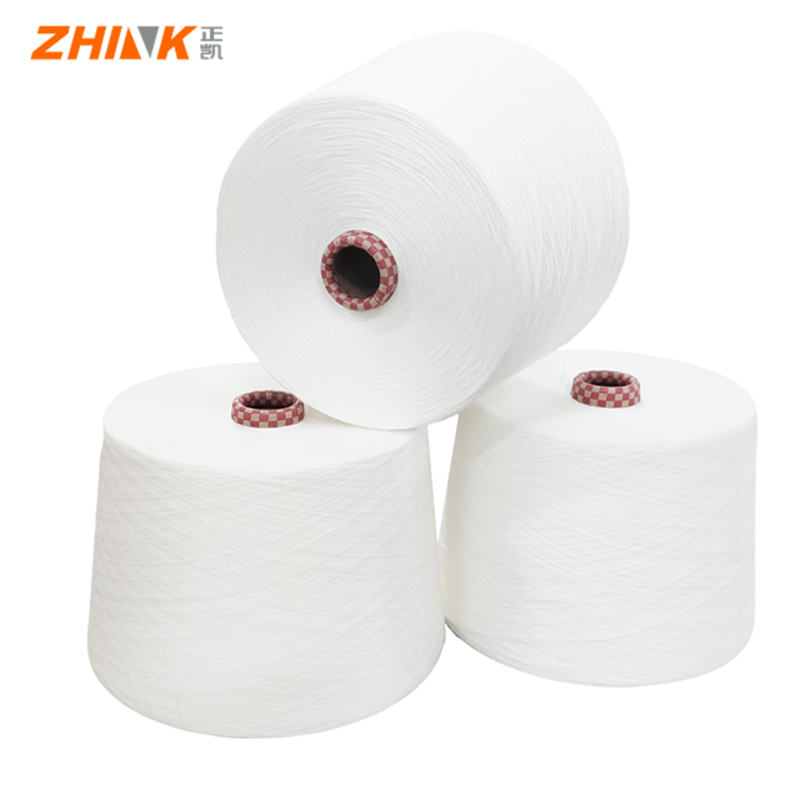
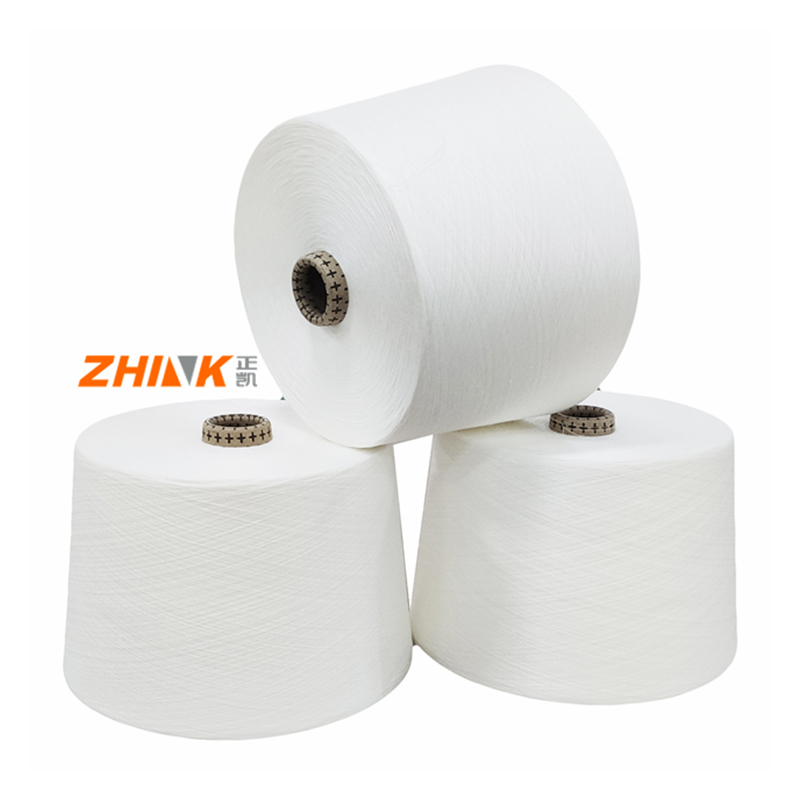
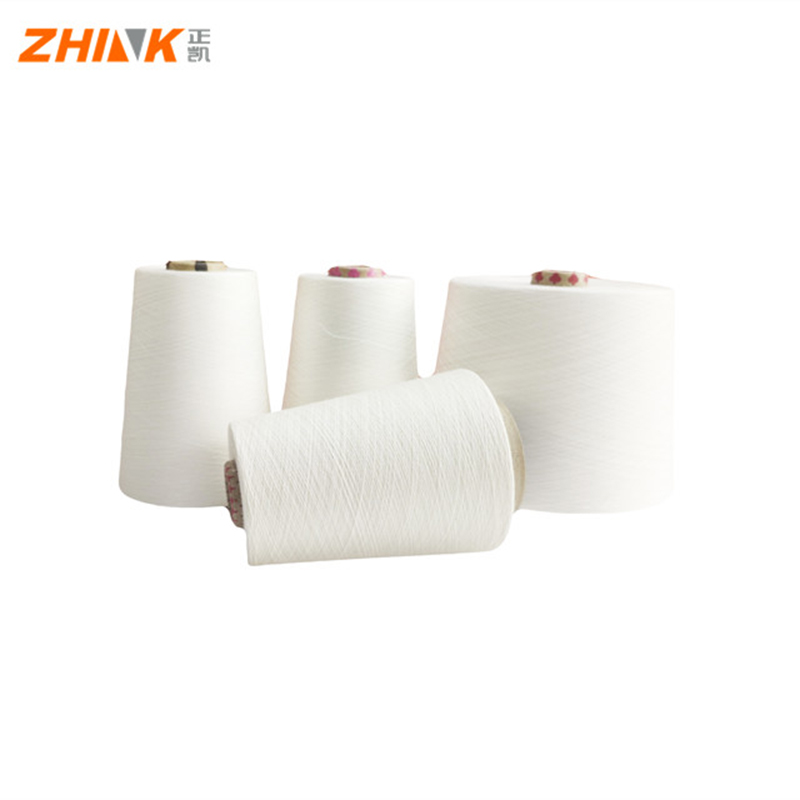
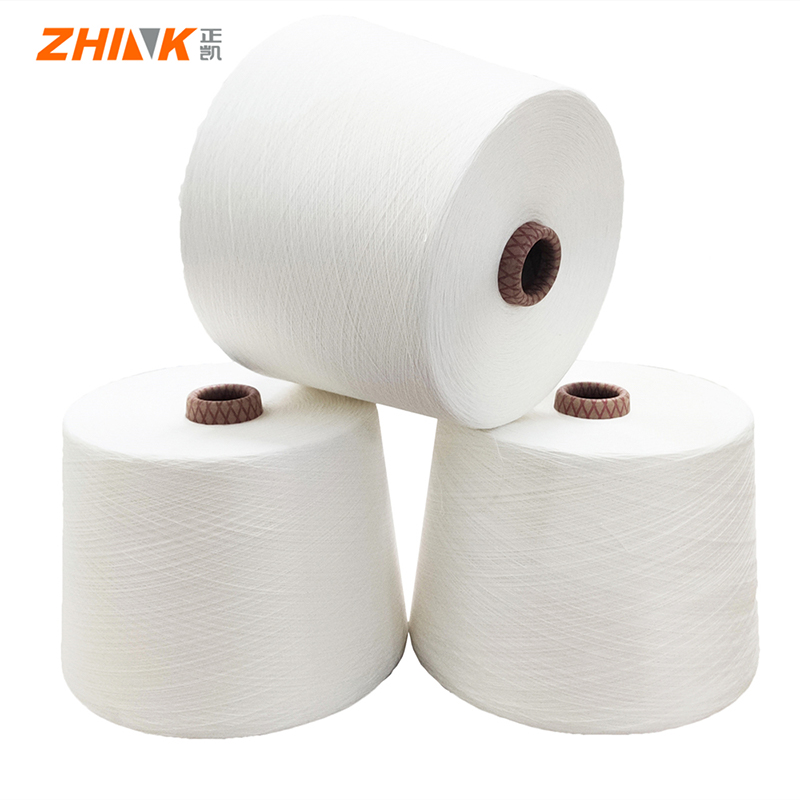
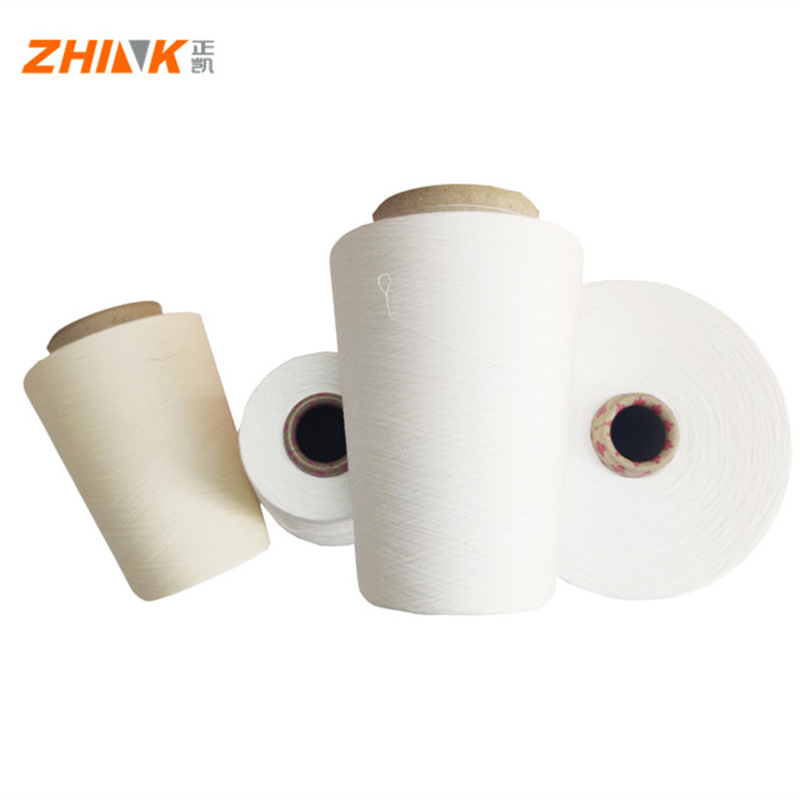
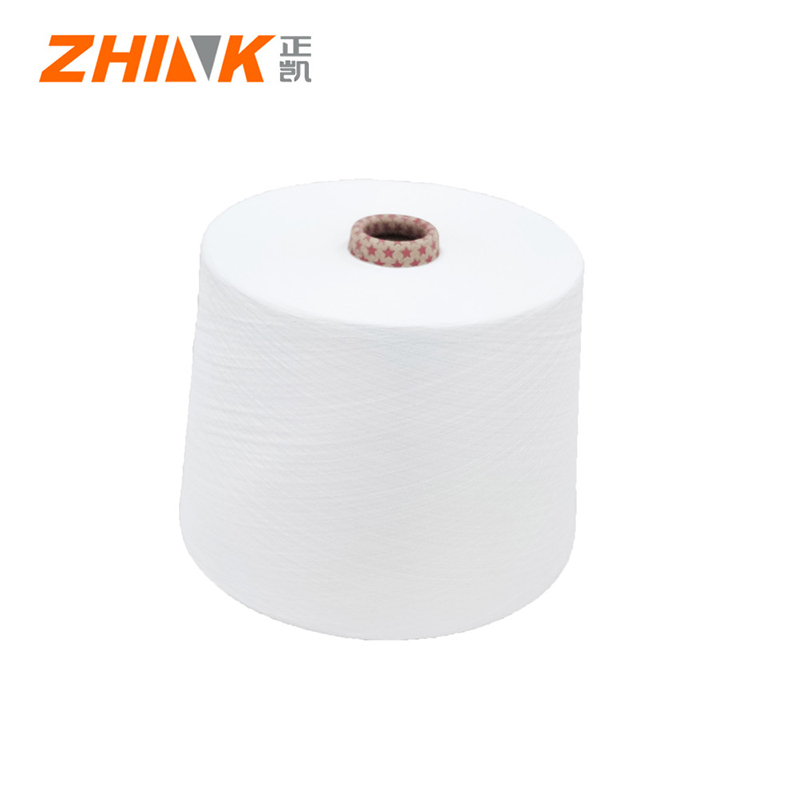
100% bamboo yarn for weaving
The Versatile World of 100% Bamboo Yarn for Weaving
100% Bamboo yarn, an intriguing player in the textile industry, has piqued the interest of weavers for its eco-friendliness and versatility. While many laud its softness and sustainability, there's more beneath the surface that deserves exploration.
Understanding Bamboo Yarn in Weaving Context
When I first stumbled upon 100% bamboo yarn for weaving, I was taken aback by its immediate allure — that silky texture and natural sheen seemed too good to be true. But as experienced weavers will tell you, its real magic lies in its adaptability. Bamboo yarn can seamlessly fit into various weaving projects, providing both aesthetic and functional benefits.
One common misconception is that bamboo yarn is delicate and hard to work with. In truth, it holds up remarkably well under tension, a crucial factor in weaving. However, its strength does come with a caveat: proper handling is vital to unlock its full potential.
Being an eco-friendly option, bamboo yarn is particularly appealing at a time when sustainability is more than just a buzzword — it’s a commitment. For companies like SHANDONG ZHINK NEW MATERIAL CO., LTD, which specializes in new textile materials, bamboo yarn represents the future of responsible material sourcing and development.
The Production Process: What Sets Bamboo Yarn Apart
There's an intrinsic quality to bamboo yarn that arises from its production process. Unlike traditional fibers, the journey from plant to yarn involves an intricate balance of technology and tradition. The resulting product is a testament to innovation in the textile industry.
Take, for instance, the extraction process. It’s often compared to producing viscose, yet bamboo yarn retains a more natural touch. Companies like Zhink New Material focus on perfecting this balance, ensuring that the yarn remains biodegradable and free from harmful chemicals.
However, this process isn’t without its challenges. Achieving the desired quality consistently requires a deep understanding of the material’s quirks — something that only comes with experience and, occasionally, trial and error.
Practical Applications and Challenges
In practice, bamboo yarn opens up a realm of possibilities, particularly in areas where softness is a priority. Its hypoallergenic properties make it a favorite for baby blankets and garments. I’ve personally seen it perform beautifully in scarves and summer garments, lending that coveted blend of comfort and style.
Yet, like all materials, it has its hurdles. One notable issue is its tendency to stretch over time. Experienced weavers might account for this by adjusting their tension or pairing it with other fibers. Techniques like these are often shared among the weaving community, continuously evolving with each project.
Another challenge is managing the yarn’s moisture absorption rate. Bamboo yarn’s natural absorbency can be a double-edged sword, making it essential to consider climate and usage patterns in your design.
Weaving Techniques: Getting the Best Out of Bamboo
Weaving with bamboo yarn can be incredibly rewarding when approached with an open mind. I’ve seen remarkable results using a variety of techniques, each bringing out different aspects of the yarn's character. For example, plain weave can highlight its sheen, while twill patterns enhance its texture.
Experimentation is key. Combine bamboo with other fibers like cotton or silk for enhanced durability and aesthetic variation. These combinations not only leverage bamboo’s strengths but also mitigate its weaknesses.
As seen with Zhink New Material’s endeavors, innovative approaches in material combination can yield versatile products, catering to a wide array of textile requirements.
Reflections on the Future of Bamboo Yarn
Looking ahead, the potential for 100% bamboo yarn for weaving is immense. Market demand continues to grow as more consumers prioritize sustainability, and weaving techniques evolve to incorporate this versatile material effectively.
Companies like SHANDONG ZHINK NEW MATERIAL CO., LTD, lead this charge by investing in research and development, constantly exploring the boundaries of what bamboo yarn can achieve. It’s exciting to be part of a movement that not only values tradition but also embraces innovation.
In conclusion, while bamboo yarn might seem like just another trend, its real value lies in its ability to merge ethical production with practical application. Whether you’re an experienced weaver or just starting out, consider giving bamboo a try; you might just find it reshapes your weaving practice in unexpected ways.
Related Products
Related Products