+86-632-3621866
- Chinese
- French
- German
- Portuguese
- Spanish
- Russian
- Japanese
- Korean
- Arabic
- Irish
- Greek
- Turkish
- Italian
- Danish
- Romanian
- Indonesian
- Czech
- Afrikaans
- Swedish
- Polish
- Basque
- Catalan
- Esperanto
- Hindi
- Lao
- Albanian
- Amharic
- Armenian
- Azerbaijani
- Belarusian
- Bengali
- Bosnian
- Bulgarian
- Cebuano
- Chichewa
- Corsican
- Croatian
- Dutch
- Estonian
- Filipino
- Finnish
- Frisian
- Galician
- Georgian
- Gujarati
- Haitian
- Hausa
- Hawaiian
- Hebrew
- Hmong
- Hungarian
- Icelandic
- Igbo
- Javanese
- Kannada
- Kazakh
- Khmer
- Kurdish
- Kyrgyz
- Latin
- Latvian
- Lithuanian
- Luxembou..
- Macedonian
- Malagasy
- Malay
- Malayalam
- Maltese
- Maori
- Marathi
- Mongolian
- Burmese
- Nepali
- Norwegian
- Pashto
- Persian
- Punjabi
- Serbian
- Sesotho
- Sinhala
- Slovak
- Slovenian
- Somali
- Samoan
- Scots Gaelic
- Shona
- Sindhi
- Sundanese
- Swahili
- Tajik
- Tamil
- Telugu
- Thai
- Ukrainian
- Urdu
- Uzbek
- Vietnamese
- Welsh
- Xhosa
- Yiddish
- Yoruba
- Zulu
- Kinyarwanda
- Tatar
- Oriya
- Turkmen
- Uyghur


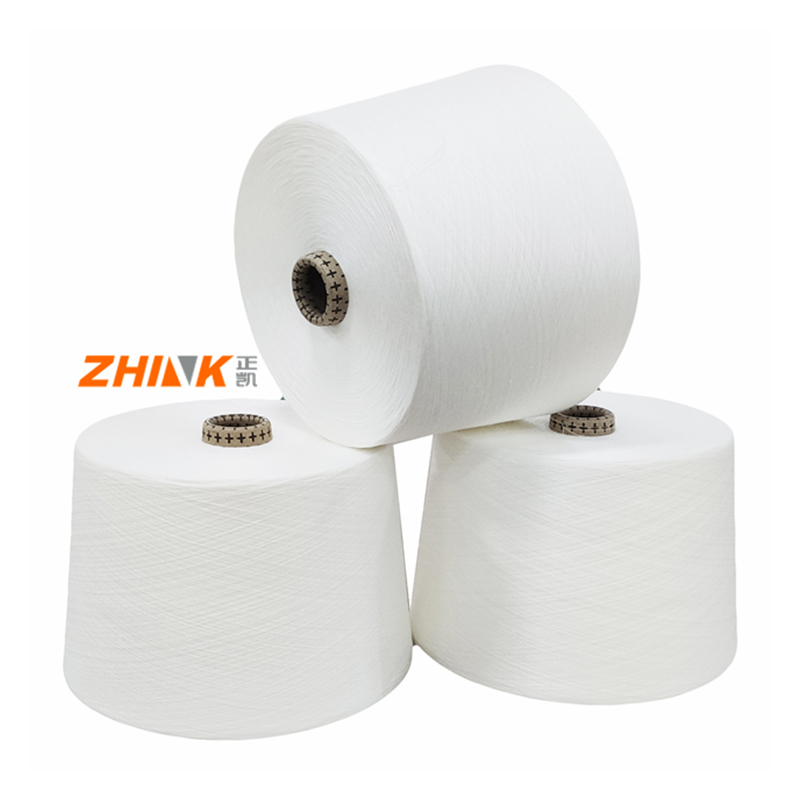
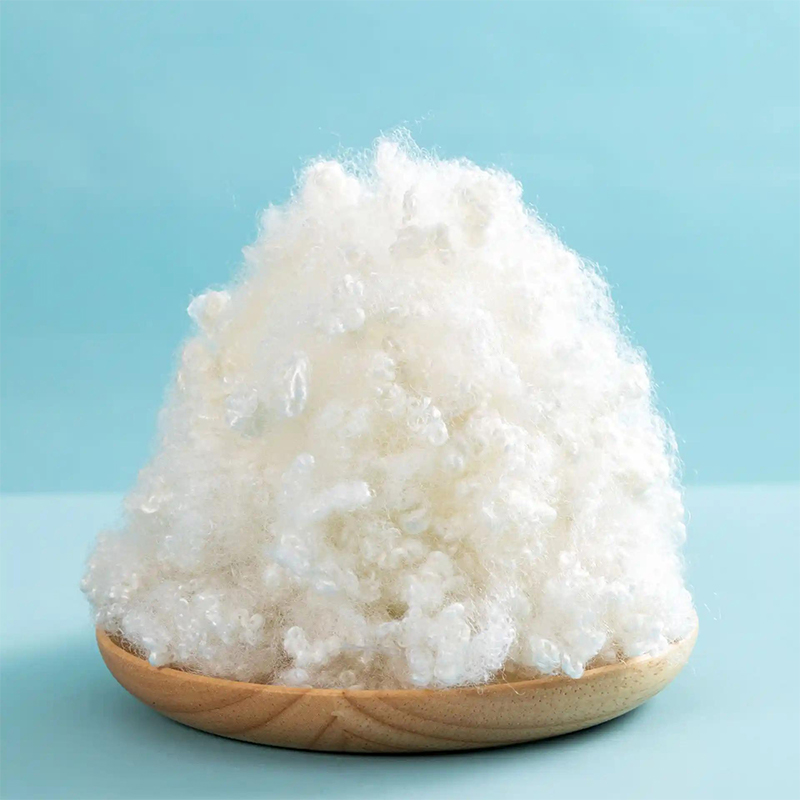
100% Cationic polyester MVS
Understanding 100% Cationic Polyester MVS in Textiles
In the world of textiles, understanding 100% Cationic polyester MVS is crucial for anyone serious about fabric innovation. From production challenges to market potential, it's more intricate than most realize. Let's delve into its applications and real-world implications without getting lost in tech jargon.
The Basics of Cationic Polyester
Cationic polyester isn't just a buzzword; it's a game changer for textile capabilities. Unlike traditional polyesters, it accepts dyes more readily, offering vibrant colors that are pivotal in today’s fashion industry. Yet, achieving that 100% cationic form, especially with MVS (Murata Vortex Spinning), isn't a walk in the park.
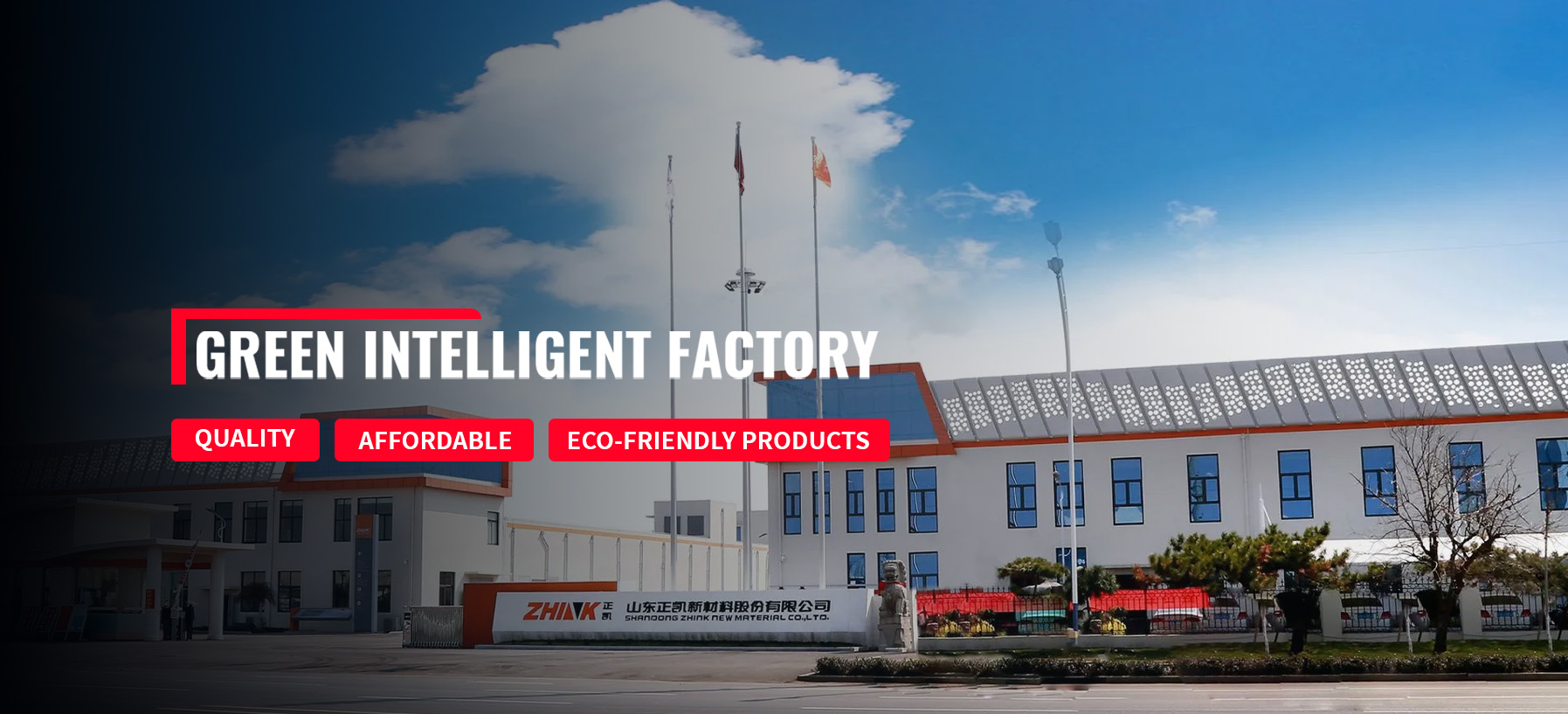
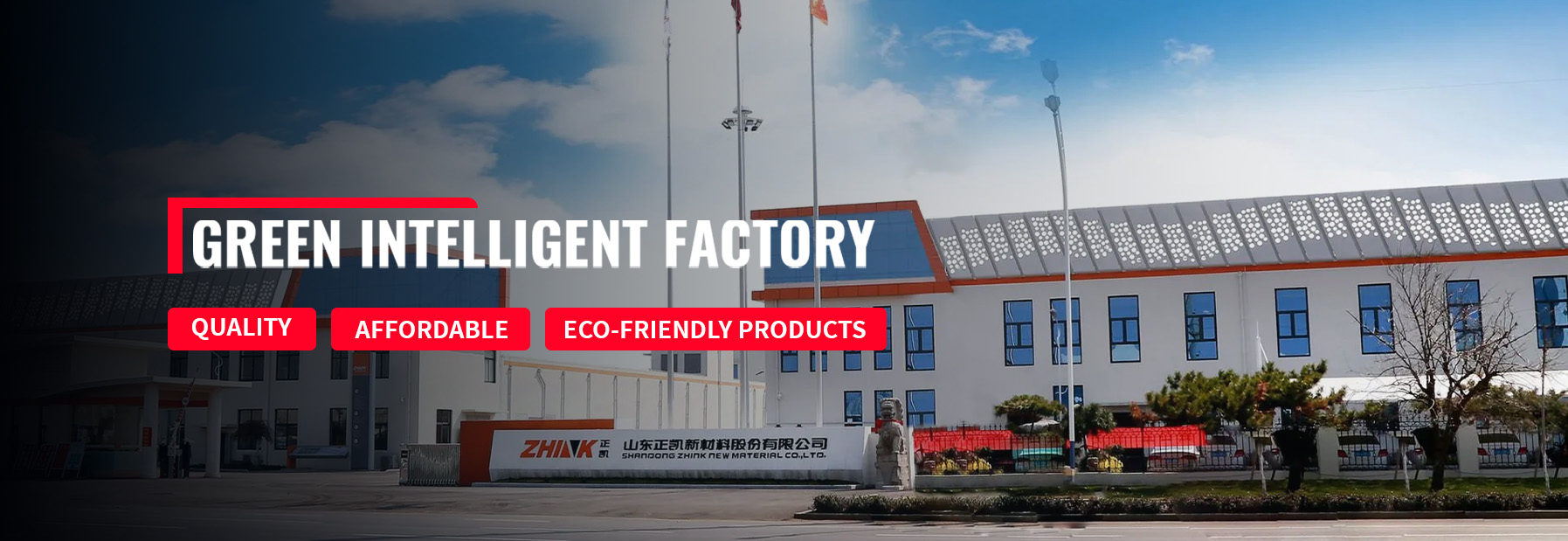
I recall the early trials at SHANDONG ZHINK NEW MATERIAL CO., LTD, detailed on their website zhinkyarn.com. Initial batches had uneven texture, a sign of improper fiber alignment. It was a lesson in patience and precision engineering.
Our team had to reevaluate the mixing process. Usually, these issues trace back to the spinneret settings or even the ambient environment. You're dealing with multifilament yarns, requiring nuanced control over each stage of production.
Innovations in MVS Technology
The Murata Vortex Spinning process is crucial here, providing that unique balance of softness and strength in cationic polyester fabric. It's not just about the machinery, but the know-how to operate it. Anyone can buy the machine, but mastering its intricacies? That's the real challenge.
What stands out is the reduction in pilling, making the yarn ideal for consumer products that demand durability. However, ensuring quality at scale remains tricky. During my time at Zhink New Material, the transition from prototype to mass production wasn't seamless. Real-world complexities always surprise you.
Consider the energy costs. MVS, being more energy-efficient, contributes to a greener production line. But this requires meticulous maintenance schedules. Skimp on this, and you're back to dealing with yarn inconsistencies and increased operational costs.
Dyeing and Finishing Techniques
When using Cationic polyester MVS, the dyeing process undergoes a profound transformation. These fibers exhibit higher dye uptake, offering a level of vibrancy that's hard to achieve with conventional polyesters. However, it demands a precise balance of temperature and pH levels.
A project we ran in our labs involved adjusting the temperature control protocols. It was a matter of trial and error, adjusting the temperature by mere degrees to find that sweet spot. The results were spectacular, but replicability across larger batches required intense focus.
The finishing process, too, doesn't end at dyeing. Finishes like softness and wrinkle resistance involve chemical treatments that must align with the fabric's inherent qualities; otherwise, you're risking the very fabric integrity you worked so hard to maintain.
Market Implications and Consumer Benefits
The market potential for 100% cationic polyester products is immense. Consumers appreciate the added benefits of bright colors and fabric longevity. In a competitive market, these features aren't merely desirable—they're essential.
But it's not just about the end-user. Understanding market dynamics means recognizing the shifting tides in consumer preferences. Sustainability is more than a buzzword; it's a demand. According to industry insights, brands are searching for sustainable, versatile textiles. This reflects directly in R&D focuses at companies like Zhink New Material.
I recall a collaboration where we worked with apparel brands needing sustainable, vibrant options for their lines. The feedback loop was invaluable, reminding us that the textile industry thrives on adaptation and sustainability as much as innovation.
Challenges and Future Prospects
No discussion is complete without addressing challenges. The production process for Cationic polyester MVS involves precise parameters, and any deviation can lead to production flaws, costing time and resources.
During certain production runs, the team at Zhink New Material struggled with temperature inconsistencies, leading to delayed batches. This taught us the importance of rigorous quality checks. Every delay is a learning curve, refining protocols for future efficiency.
Looking forward, the evolution of textile manufacturing will undeniably advance further. The emphasis will likely remain on efficient, sustainable solutions. With ongoing research at Zhink New Material, our commitment is to continually enhance the process, ensuring superior quality and durability in textile products.
Related Products
Related Products