+86-632-3621866
- Chinese
- French
- German
- Portuguese
- Spanish
- Russian
- Japanese
- Korean
- Arabic
- Irish
- Greek
- Turkish
- Italian
- Danish
- Romanian
- Indonesian
- Czech
- Afrikaans
- Swedish
- Polish
- Basque
- Catalan
- Esperanto
- Hindi
- Lao
- Albanian
- Amharic
- Armenian
- Azerbaijani
- Belarusian
- Bengali
- Bosnian
- Bulgarian
- Cebuano
- Chichewa
- Corsican
- Croatian
- Dutch
- Estonian
- Filipino
- Finnish
- Frisian
- Galician
- Georgian
- Gujarati
- Haitian
- Hausa
- Hawaiian
- Hebrew
- Hmong
- Hungarian
- Icelandic
- Igbo
- Javanese
- Kannada
- Kazakh
- Khmer
- Kurdish
- Kyrgyz
- Latin
- Latvian
- Lithuanian
- Luxembou..
- Macedonian
- Malagasy
- Malay
- Malayalam
- Maltese
- Maori
- Marathi
- Mongolian
- Burmese
- Nepali
- Norwegian
- Pashto
- Persian
- Punjabi
- Serbian
- Sesotho
- Sinhala
- Slovak
- Slovenian
- Somali
- Samoan
- Scots Gaelic
- Shona
- Sindhi
- Sundanese
- Swahili
- Tajik
- Tamil
- Telugu
- Thai
- Ukrainian
- Urdu
- Uzbek
- Vietnamese
- Welsh
- Xhosa
- Yiddish
- Yoruba
- Zulu
- Kinyarwanda
- Tatar
- Oriya
- Turkmen
- Uyghur



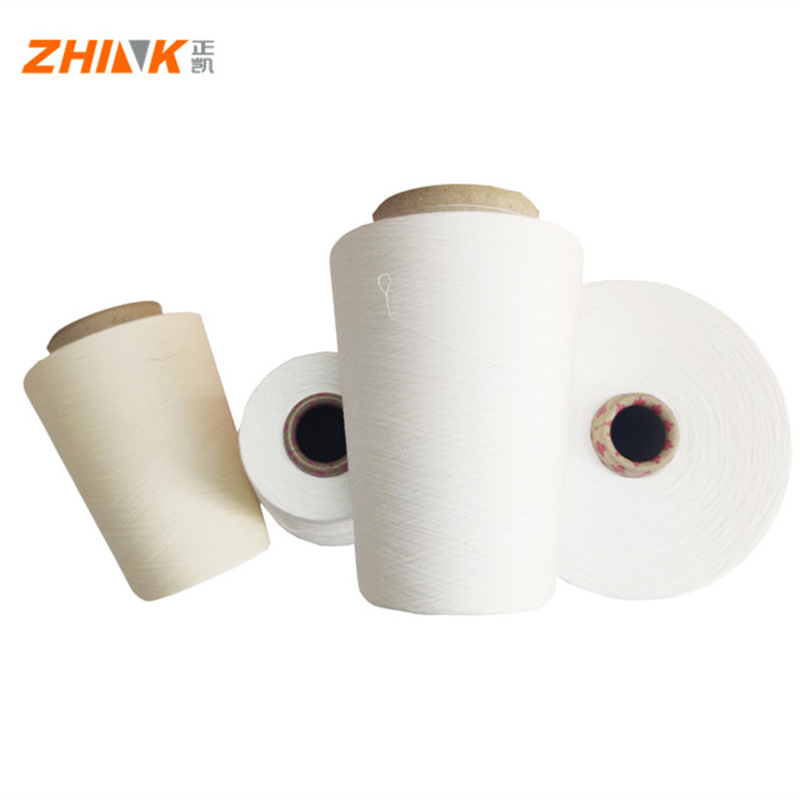
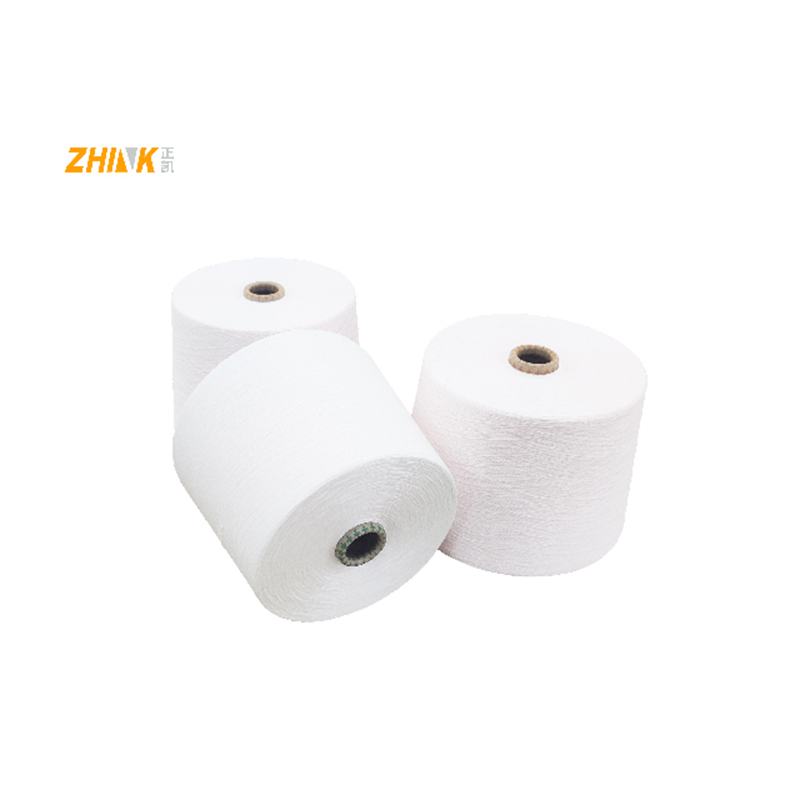
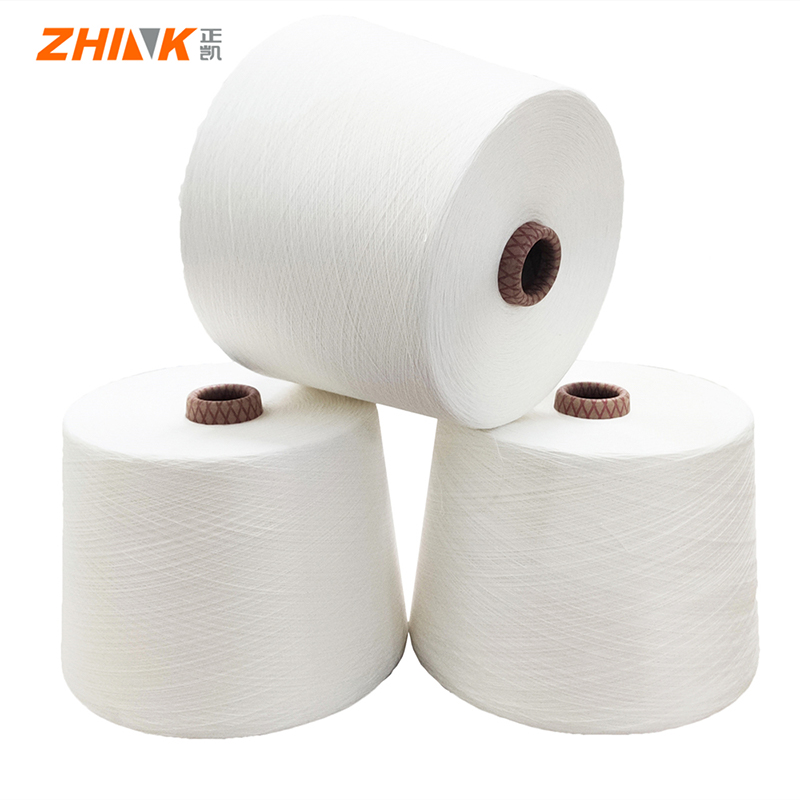
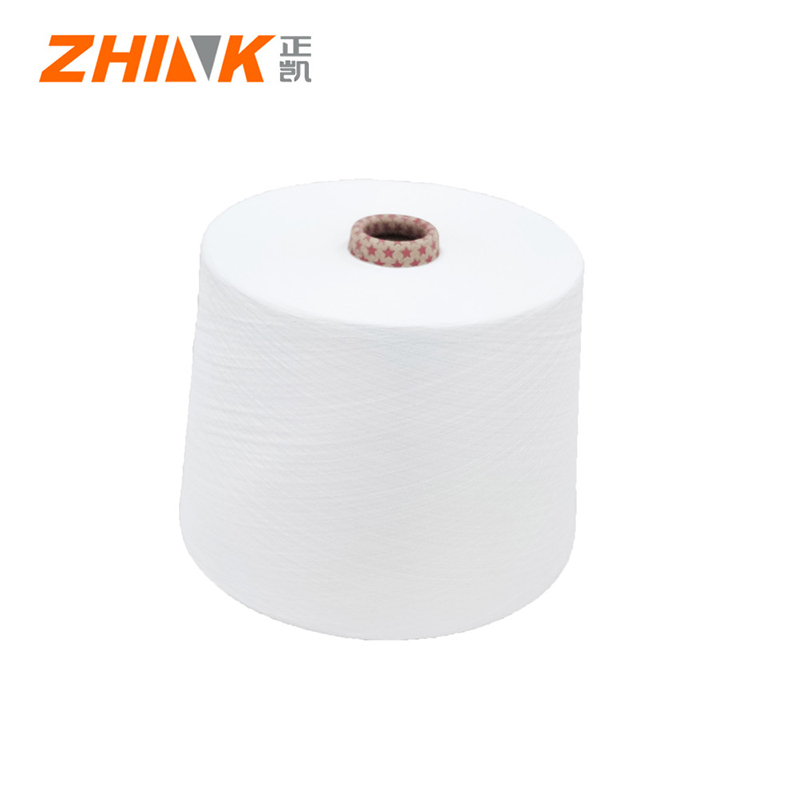
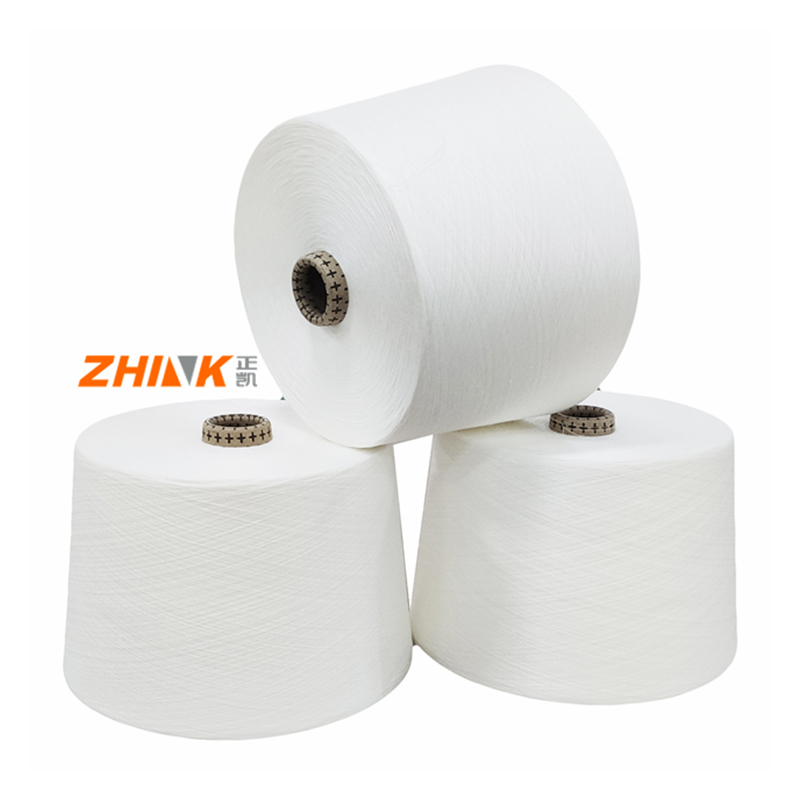
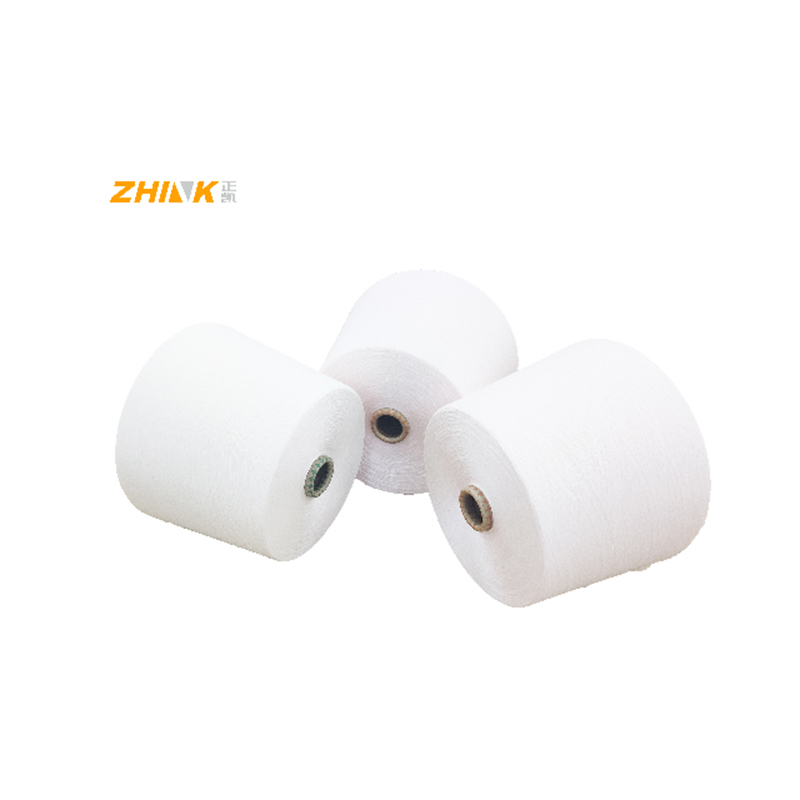
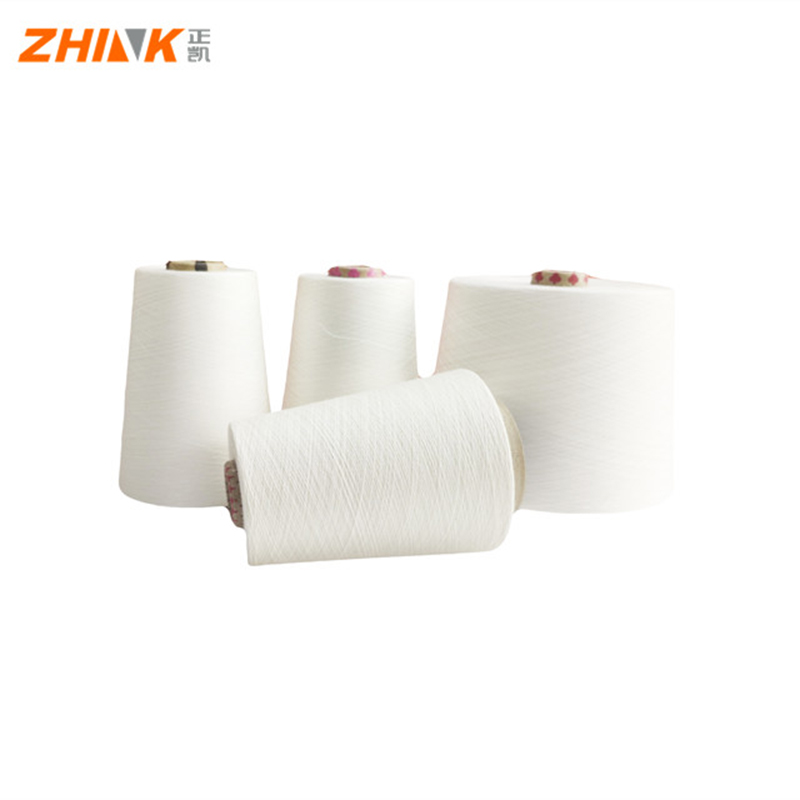
100% Cationic polyester siro compact
Exploring the Potential of 100% Cationic Polyester Siro Compact
100% Cationic Polyester Siro Compact yarns are capturing attention in the textile industry for their unique properties. This brief analysis looks at their potential and real-world applications by examining experiences from within the industry.
The Allure of Cationic Polyester
In the textile world, fibers are not just about function; they're about potential. With 100% Cationic Polyester Siro Compact, it's the unusual mix of softness and durability that makes it appealing. When I first encountered these yarns, I was skeptical. Are they truly offering something new, or is it just another marketing buzz?
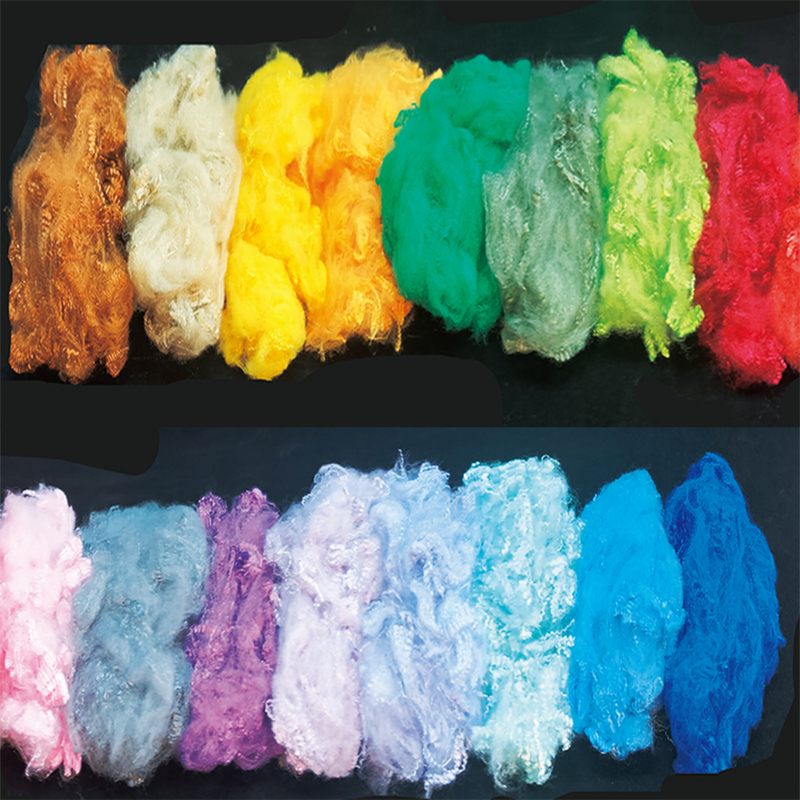
Turns out, the distinct dyeing qualities are a game-changer. Unlike traditional yarns, they allow for more vibrant colors that remain steadfast throughout wear and use. This property alone has spurred interest in sectors where striking aesthetics are a priority, like activewear and fashion textiles.
My initial trials with this material uncovered another surprising trait—its wrinkle resistance. It might sound trivial, but in a production environment where efficiency is key, cutting down on post-production processing is a substantial advantage. The fabric comes out looking sharp with minimal fuss, a detail appreciated by both producers and end users.
Real-World Application Challenges
Despite its impressive qualities, using 100% Cationic Polyester Siro Compact isn't without challenges. As someone who has spent countless hours on the manufacturing floor, I’ve seen firsthand how new materials can complicate existing processes. The primary obstacle here is compatibility with traditional textile machinery.
Retrofitting machinery to accommodate this yarn type can be costly and time-consuming. It requires a reassessment of tension settings and sometimes a complete overhaul of workflow strategies. There was a moment when it felt like the industry was asking too much for what initially seemed like marginal gains.
However, perseverance proved valuable. Collaborating with companies like SHANDONG ZHINK NEW MATERIAL CO., LTD, who specialize in textile innovation (https://www.zhinkyarn.com), has been crucial. Their guidance on aligning our processes with the unique characteristics of these fibers made a substantial difference in implementation.
Comparing With Conventional Polyester
You might wonder, is the extra effort worth sidestepping traditional polyester? The answer, based on practical results, is nuanced. For instance, the enhanced color fastness alone sets it a notch above regular polyester. Anyone in apparel manufacturing knows the customer complaints that can arise from fading. Less fading means happier customers and a less stressed sales team.
These yarns perform equally well in terms of moisture management. When integrated into performance wear, they provide a balance that’s hard to find in similar materials, helping athletes stay comfortable. This functional diversity can open doors for brands looking to diversify their lines without sacrificing performance.
But the added value is not solely in performance. It's also critical in marketing narratives, where sustainability and innovation drive consumer interest.
Further Development in Textile Technologies
With the evolving demand for eco-friendly textiles, the role of innovative materials cannot be underestimated. The continuous R&D investment seen in companies like Zhink New Material demonstrates an understanding that today’s textile industry isn't just about meeting current needs but anticipating future trends.
For instance, it’s not just about expanding the color palette. It’s about releasing dyes that use less water and fewer chemicals, aligning well with global sustainability standards. These advances could set a new industry standard.
New developments aren’t limited to materials alone; they extend into processes as well. As machine technology improves, it might soon address current compatibility issues, making the adoption of such fibers more seamless than ever before.
Conclusion: The Future of Cationic Polyester Siro Compact
The textile landscape is dynamic and ever-changing, shaped by new fibers like 100% Cationic Polyester Siro Compact. While integration can be daunting, the potential rewards are significant. Enhanced dye retention, improved moisture management, and elevated sustainability are not just buzzwords—they are the benefits waiting to be unlocked.
In working with these materials, experience has taught us that the key is adaptability and partnership, leveraging knowledge from leaders in innovation like Zhink New Material. As we continue to explore this promising area, one thing is clear: those who innovate are those who lead.
Thus, as the industry moves towards broader acceptance, staying informed and agile will be critical for those looking to harness the true potential of these remarkable fibers.
Related Products
Related Products