+86-632-3621866
- Chinese
- French
- German
- Portuguese
- Spanish
- Russian
- Japanese
- Korean
- Arabic
- Irish
- Greek
- Turkish
- Italian
- Danish
- Romanian
- Indonesian
- Czech
- Afrikaans
- Swedish
- Polish
- Basque
- Catalan
- Esperanto
- Hindi
- Lao
- Albanian
- Amharic
- Armenian
- Azerbaijani
- Belarusian
- Bengali
- Bosnian
- Bulgarian
- Cebuano
- Chichewa
- Corsican
- Croatian
- Dutch
- Estonian
- Filipino
- Finnish
- Frisian
- Galician
- Georgian
- Gujarati
- Haitian
- Hausa
- Hawaiian
- Hebrew
- Hmong
- Hungarian
- Icelandic
- Igbo
- Javanese
- Kannada
- Kazakh
- Khmer
- Kurdish
- Kyrgyz
- Latin
- Latvian
- Lithuanian
- Luxembou..
- Macedonian
- Malagasy
- Malay
- Malayalam
- Maltese
- Maori
- Marathi
- Mongolian
- Burmese
- Nepali
- Norwegian
- Pashto
- Persian
- Punjabi
- Serbian
- Sesotho
- Sinhala
- Slovak
- Slovenian
- Somali
- Samoan
- Scots Gaelic
- Shona
- Sindhi
- Sundanese
- Swahili
- Tajik
- Tamil
- Telugu
- Thai
- Ukrainian
- Urdu
- Uzbek
- Vietnamese
- Welsh
- Xhosa
- Yiddish
- Yoruba
- Zulu
- Kinyarwanda
- Tatar
- Oriya
- Turkmen
- Uyghur


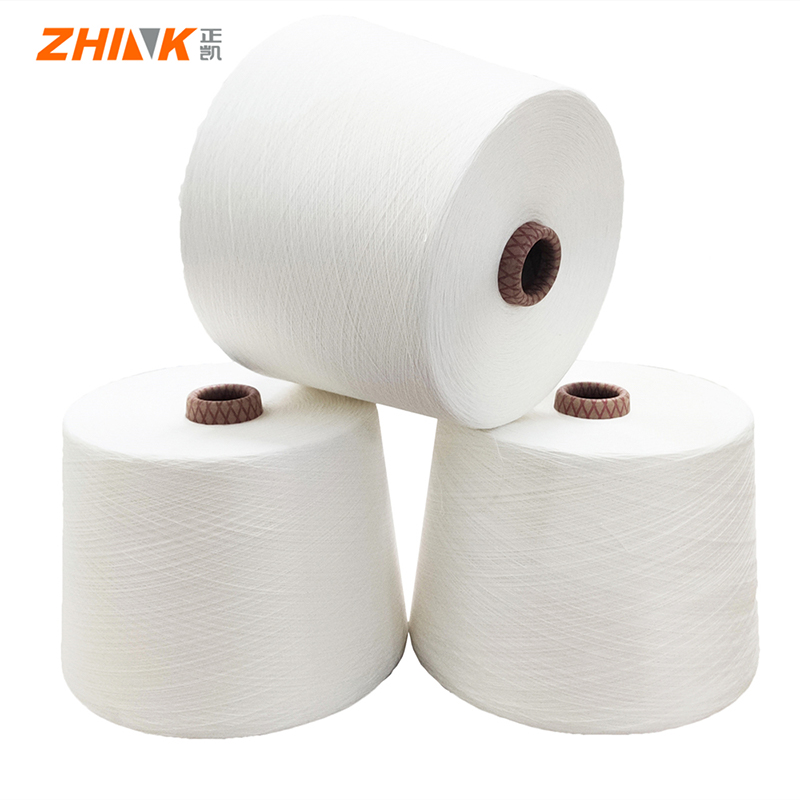
100% Flame retardant acrylic MVS
Understanding 100% Flame Retardant Acrylic MVS: Insights and Realities
In the textile industry, the concept of 100% flame retardant acrylic MVS often sparks a curious blend of intrigue and skepticism. On one hand, these materials promise superior safety and durability; on the other, the implementation and quality can vary widely. Let's delve into this with an honest and experienced lens.
The Science Behind Flame Retardant Acrylic
When we talk about flame retardant properties in acrylic materials, it's crucial to understand what makes this possible. Generally, these materials undergo a specific treatment process that alters their combustion behavior. It's not magic—it’s chemistry.
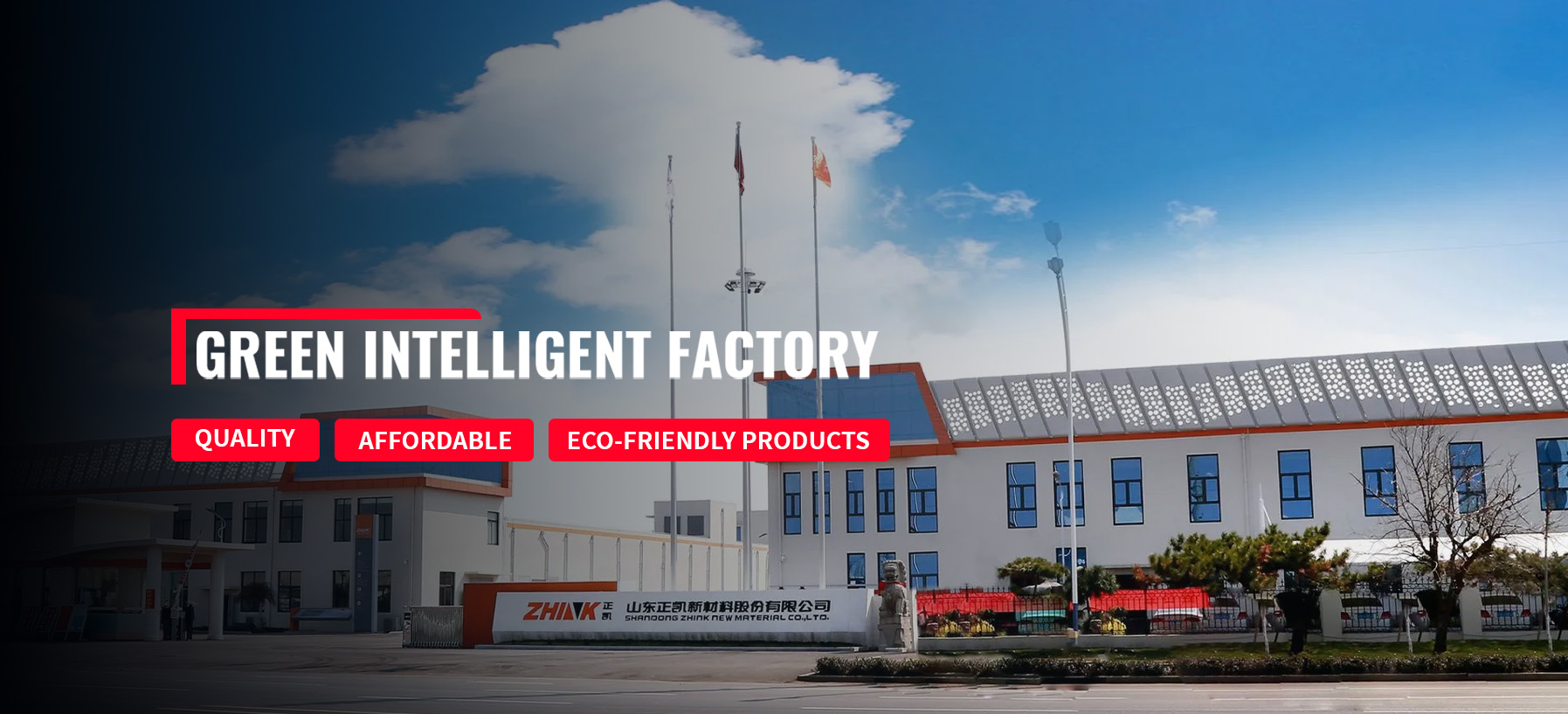
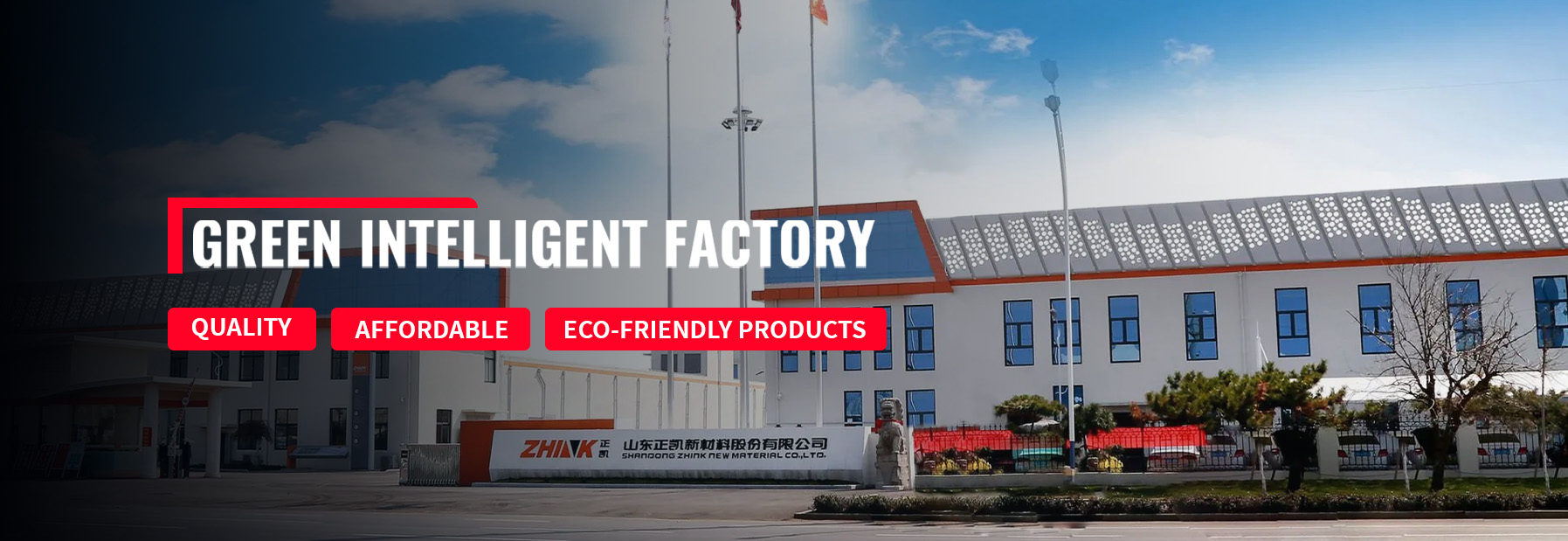
There's a prevalent misconception that flame retardancy might negatively impact the texture or strength of the fabric. In reality, modern treatments are quite advanced. At SHANDONG ZHINK NEW MATERIAL CO., LTD, they leverage cutting-edge technology to achieve a balance between safety and material integrity. More about their work can be explored at their website.
Yet, challenges persist. The material needs to maintain its quality post-treatment, a detail often overlooked in some industry discussions. This is where real-world testing makes a difference versus theoretical assurances.
Manufacturing Nuances
Producing 100% flame retardant acrylic MVS isn't merely about applying a treatment. It involves an intricate dance of raw material selection, precision engineering, and quality assessment. The MVS process, or Murata Vortex Spinning, is particularly noteworthy for enhancing yarn uniformity and strength.
However, achieving 100% flame retardancy in acrylic yarns through MVS can be technically demanding. Throughout my career, I've observed that the variability in raw fibers can pose significant obstacles. Ensuring consistency demands rigorous supplier engagement and continual quality oversight.
Experienced manufacturers, like SHANDONG ZHINK NEW MATERIAL CO., LTD, excel by integrating detailed quality protocols into their production lines. This proactive approach reduces the incidence of any non-compliance with safety standards.
Market Applications and Missteps
There's a wide array of applications for these materials, ranging from home textiles to high-performance workwear. The demand for such fabrics is on the rise, particularly in industries where safety and regulatory compliance are tightly interwoven.
But, not all market entries are smooth. I've seen projects where initial enthusiasm didn't translate to successful adoption, mainly due to misalignment between material properties and end-user requirements. It's a lesson in ensuring that practical needs guide material choices, rather than vice-versa.
In these cases, collaboration with suppliers such as Zhink New Material can prove invaluable. Their expertise in advanced textile materials can steer projects back on track, ensuring safety and performance are never compromised.
Quality Control: The Unsung Hero
The backbone of reliable flame retardant acrylic MVS production is rigorous quality control. Without it, inconsistencies can emerge, affecting both functionality and safety. I've witnessed firsthand how stringent control measures can lead to improved outcomes.
This involves a layered approach—raw material testing, continuous monitoring during production, and post-production assessments. For instance, flame tests are crucial to confirm the efficacy of the retardant properties, something that seasoned companies like SHANDONG ZHINK NEW MATERIAL CO., LTD emphasize.
In this landscape, neglecting quality control is a risk too significant to entertain. The ramifications on both safety and brand reputation can be formidable.
Future Prospects for Flame Retardant Acrylic MVS
Finally, looking forward, the future of 100% flame retardant acrylic MVS remains vibrant, fueled by technological advancements and increasingly stringent safety norms. This trajectory is promising, particularly when companies invest in robust R&D.
Companies like Zhink New Material are pioneering in this space, pushing the envelope with innovative approaches. The ongoing research into sustainability and safety integrations will undoubtedly transform how these textiles function and are perceived.
In conclusion, navigating the world of flame retardant acrylic and the MVS process involves understanding the complexities and staying aligned with industry movements. It’s a journey marked by learning and adaptation—essentially, the hallmark of progress in textile innovation.
Related Products
Related Products