+86-632-3621866
- Chinese
- French
- German
- Portuguese
- Spanish
- Russian
- Japanese
- Korean
- Arabic
- Irish
- Greek
- Turkish
- Italian
- Danish
- Romanian
- Indonesian
- Czech
- Afrikaans
- Swedish
- Polish
- Basque
- Catalan
- Esperanto
- Hindi
- Lao
- Albanian
- Amharic
- Armenian
- Azerbaijani
- Belarusian
- Bengali
- Bosnian
- Bulgarian
- Cebuano
- Chichewa
- Corsican
- Croatian
- Dutch
- Estonian
- Filipino
- Finnish
- Frisian
- Galician
- Georgian
- Gujarati
- Haitian
- Hausa
- Hawaiian
- Hebrew
- Hmong
- Hungarian
- Icelandic
- Igbo
- Javanese
- Kannada
- Kazakh
- Khmer
- Kurdish
- Kyrgyz
- Latin
- Latvian
- Lithuanian
- Luxembou..
- Macedonian
- Malagasy
- Malay
- Malayalam
- Maltese
- Maori
- Marathi
- Mongolian
- Burmese
- Nepali
- Norwegian
- Pashto
- Persian
- Punjabi
- Serbian
- Sesotho
- Sinhala
- Slovak
- Slovenian
- Somali
- Samoan
- Scots Gaelic
- Shona
- Sindhi
- Sundanese
- Swahili
- Tajik
- Tamil
- Telugu
- Thai
- Ukrainian
- Urdu
- Uzbek
- Vietnamese
- Welsh
- Xhosa
- Yiddish
- Yoruba
- Zulu
- Kinyarwanda
- Tatar
- Oriya
- Turkmen
- Uyghur


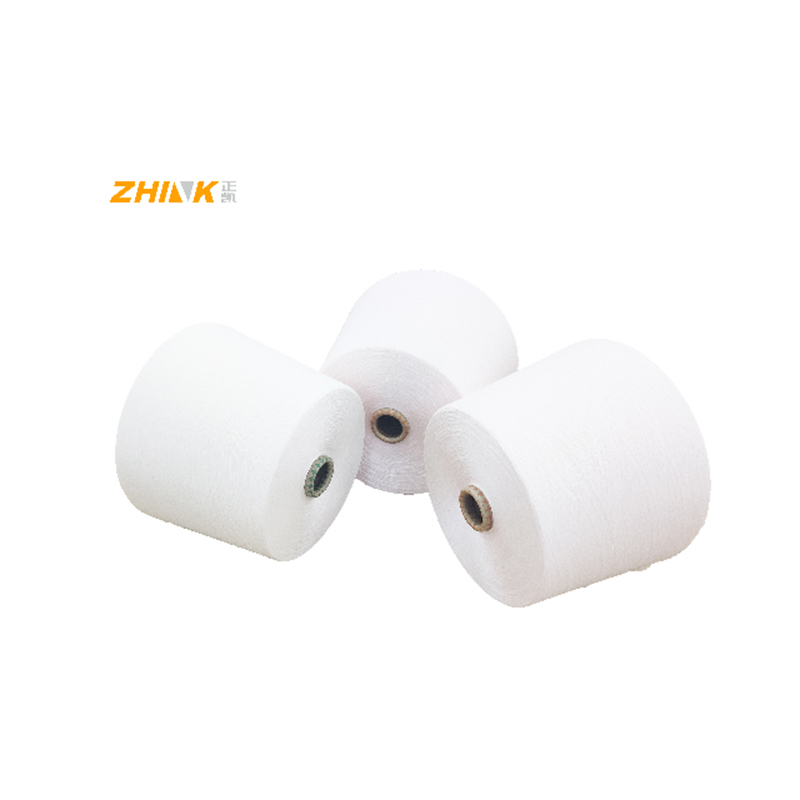
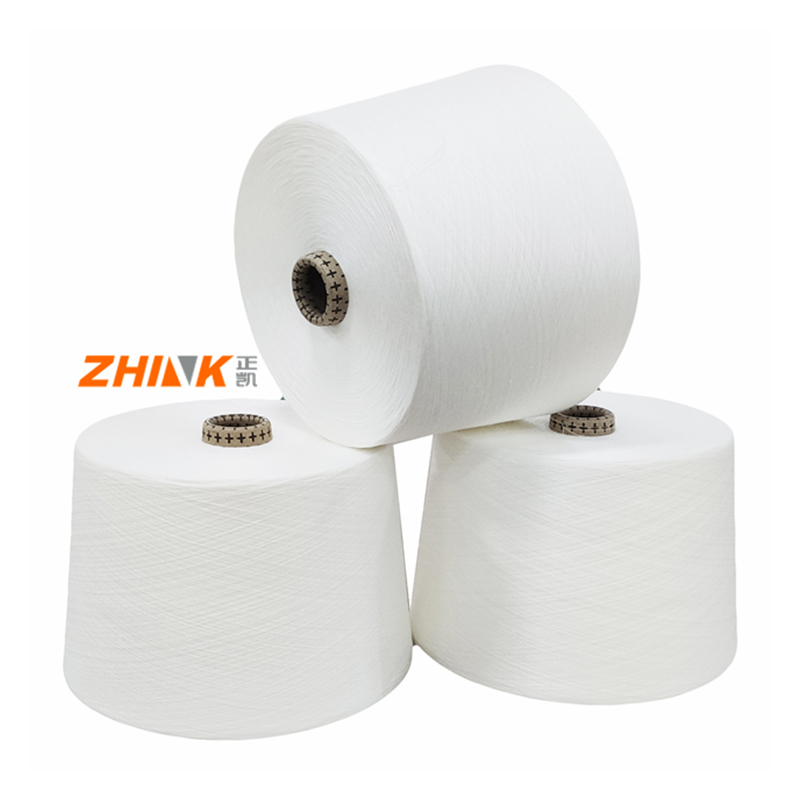
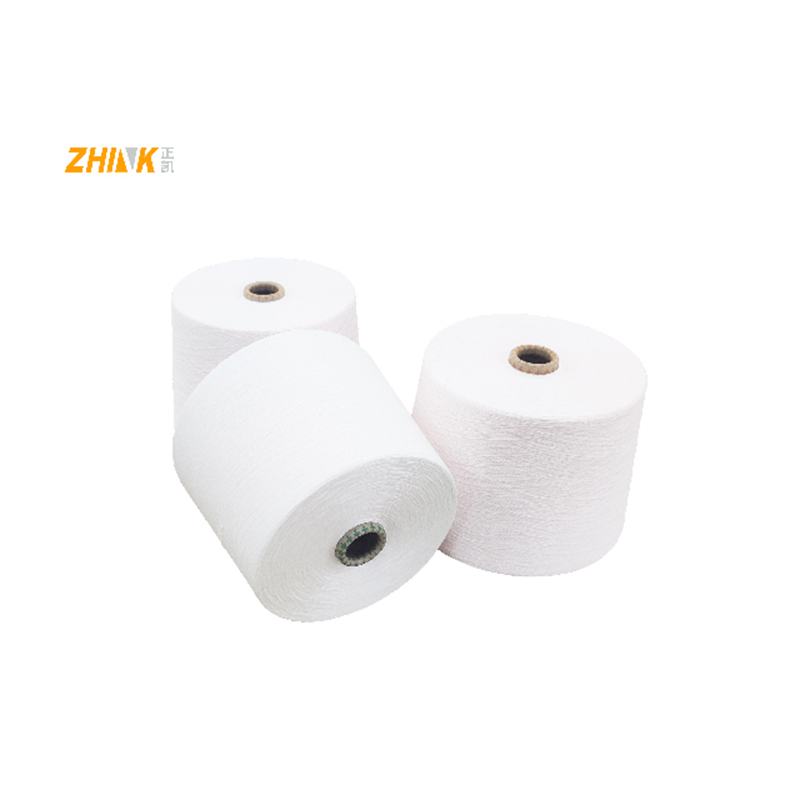
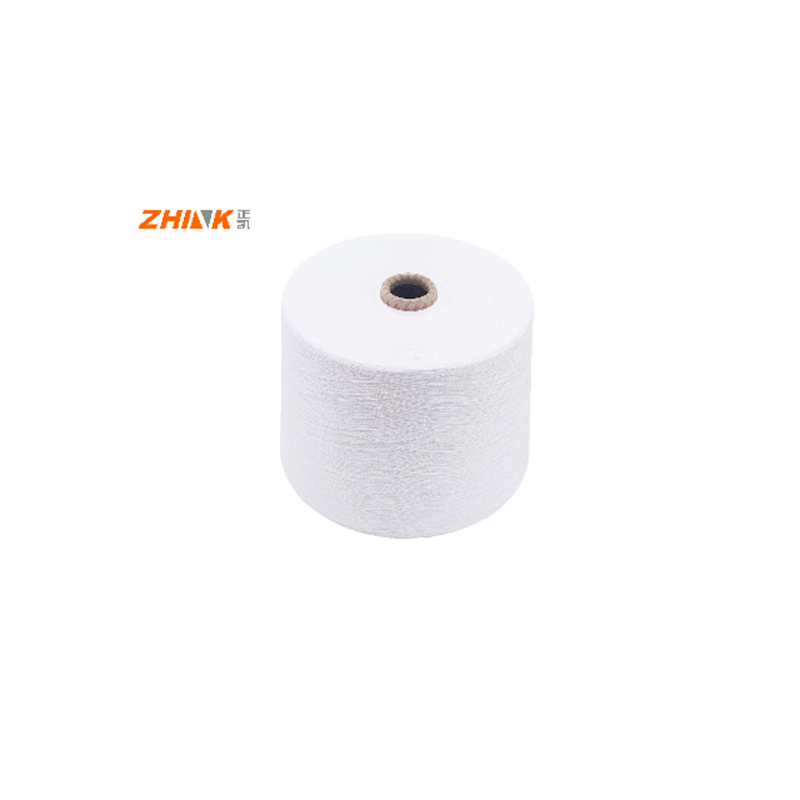
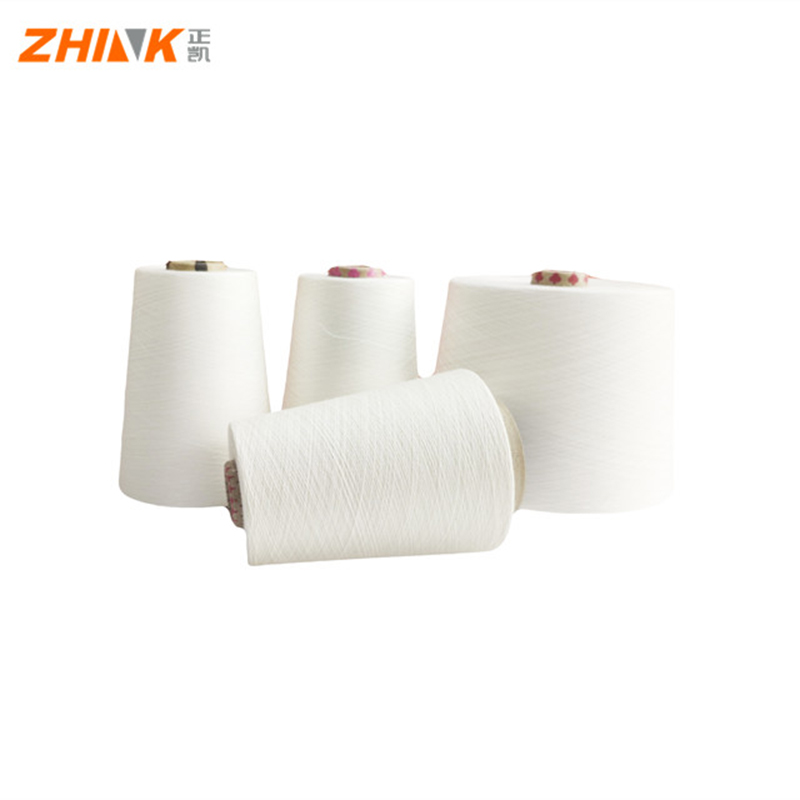
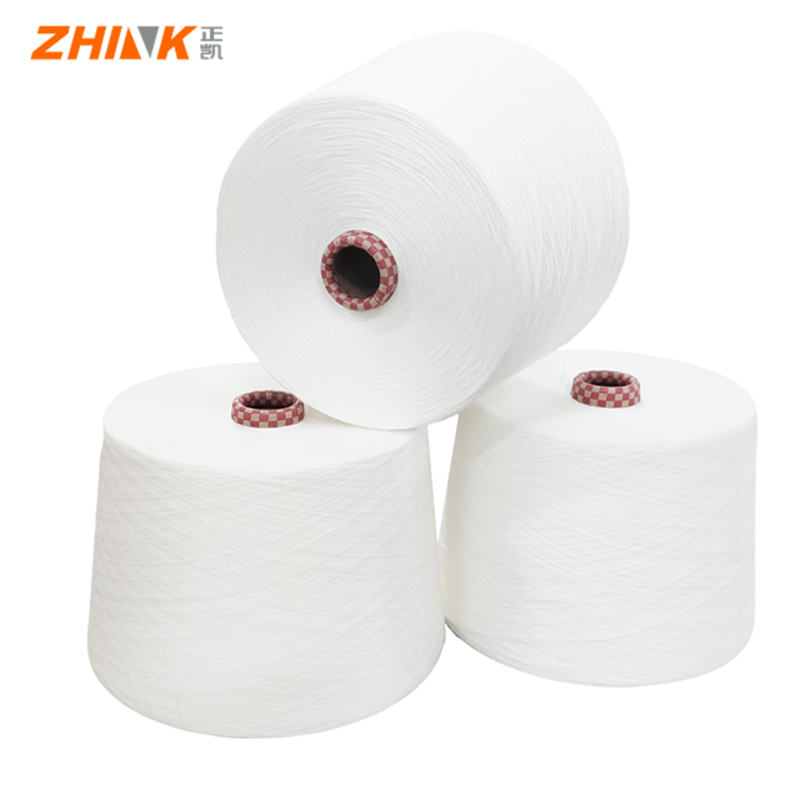
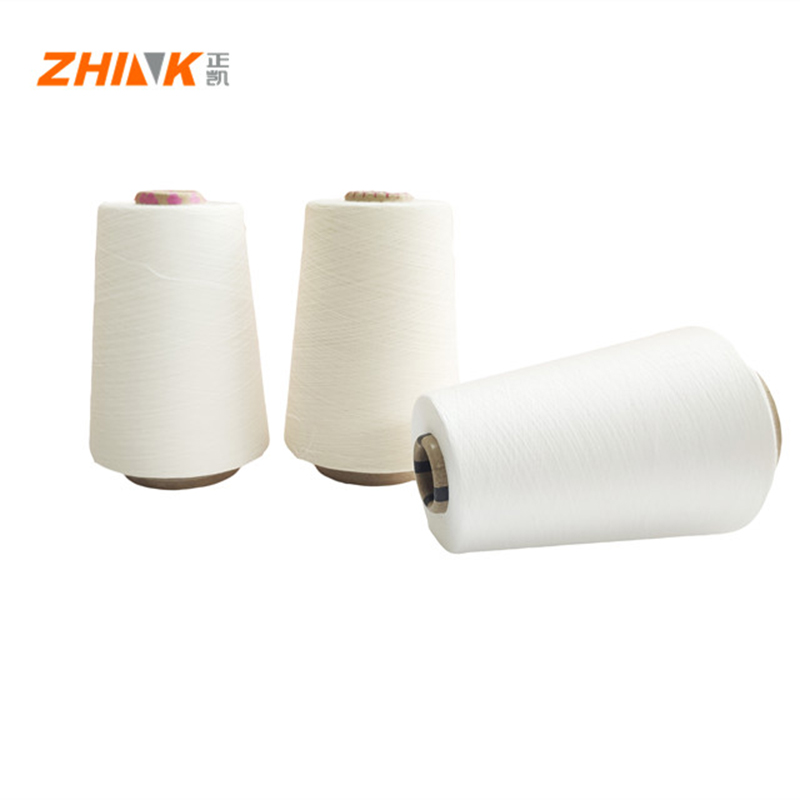
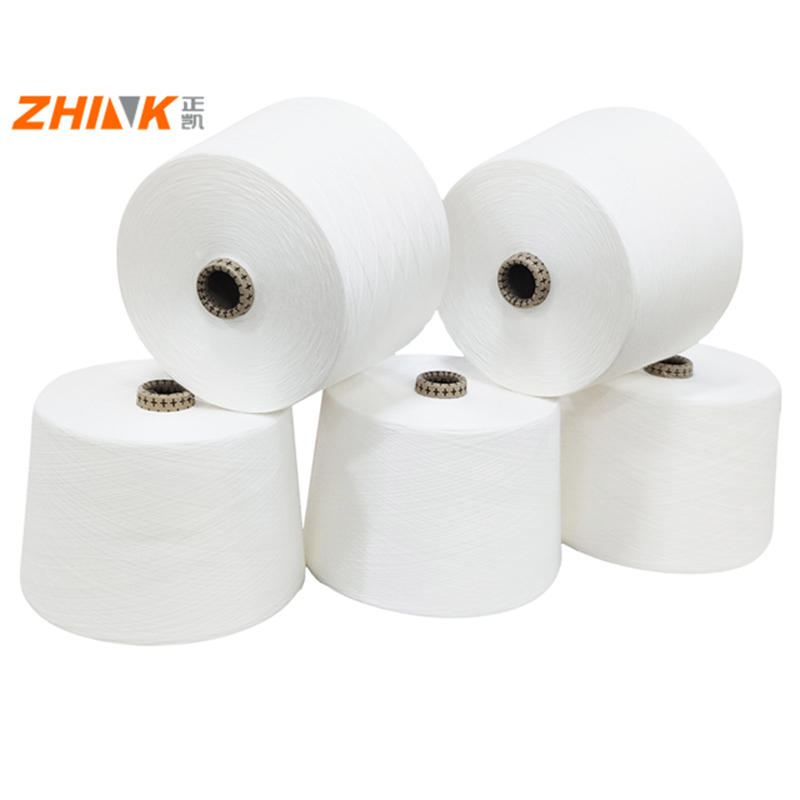
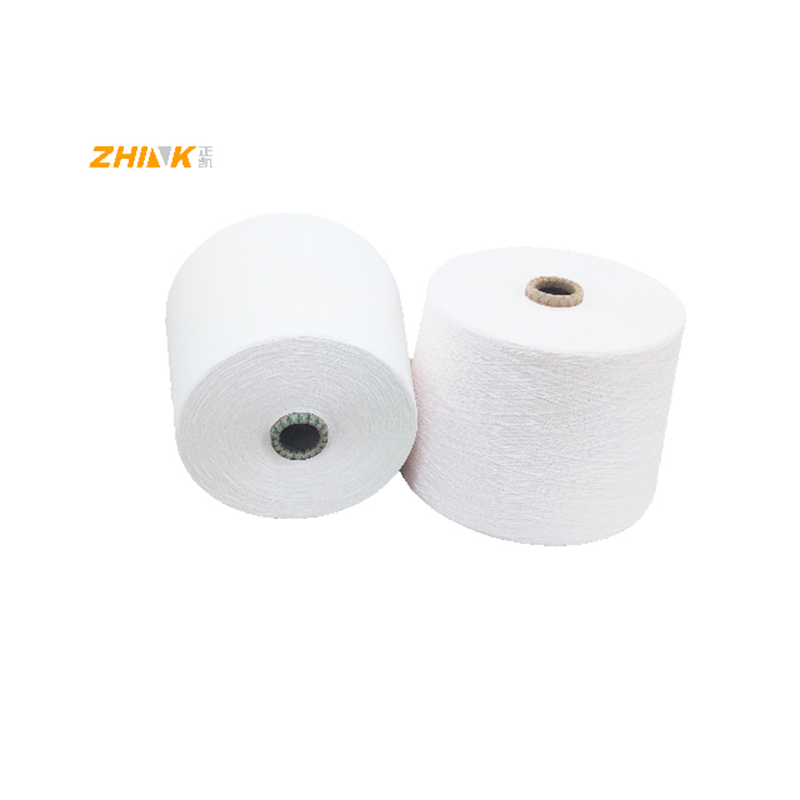
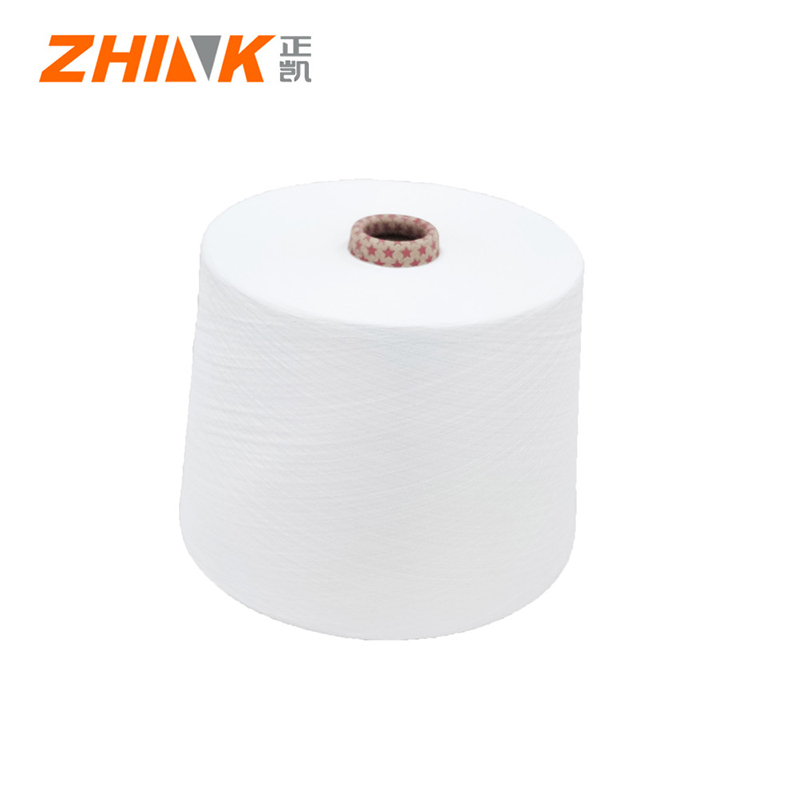
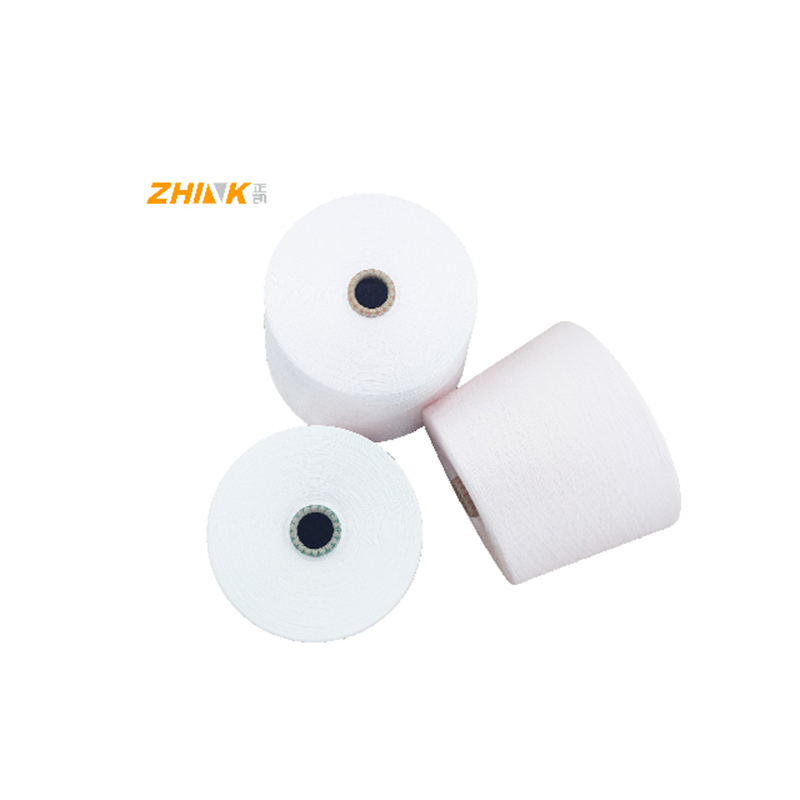
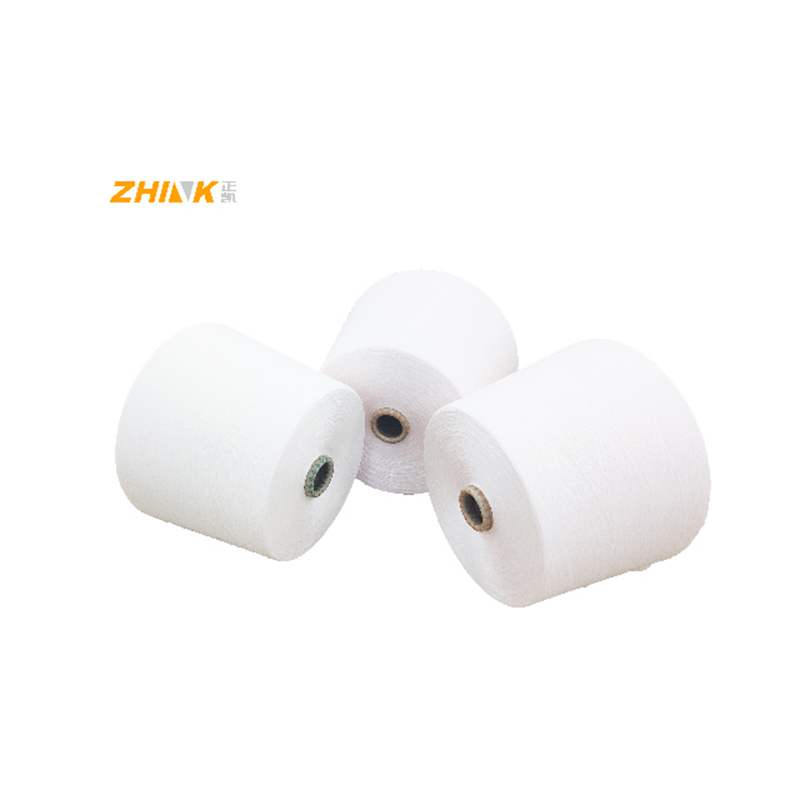
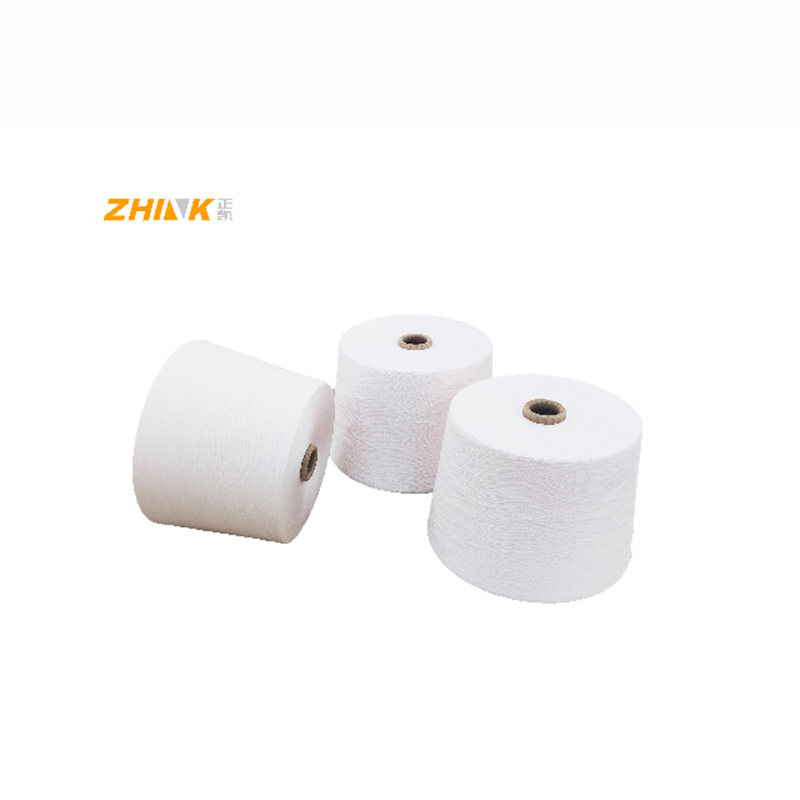
100% Flame retardant acrylic siro
Exploring 100% Flame Retardant Acrylic Siro: A Deep Dive
The world of textile materials is vast and intricate, especially when it comes to specialty fibers like 100% flame retardant acrylic siro. This article unfolds from my own experiences and insights gathered over years in the field, offering a pragmatic glimpse into the nuances of working with this intriguing material.
Understanding Flame Retardant Acrylic Siro
When I first encountered acrylic siro, my initial assumption was that it was just another type of acrylic. However, its flame retardant properties make it quite unique. The key is in the siro spinning technique, which enhances fiber strength and durability. This, coupled with inherent flame resistance, opens up diverse applications, particularly in sectors requiring stringent safety standards.
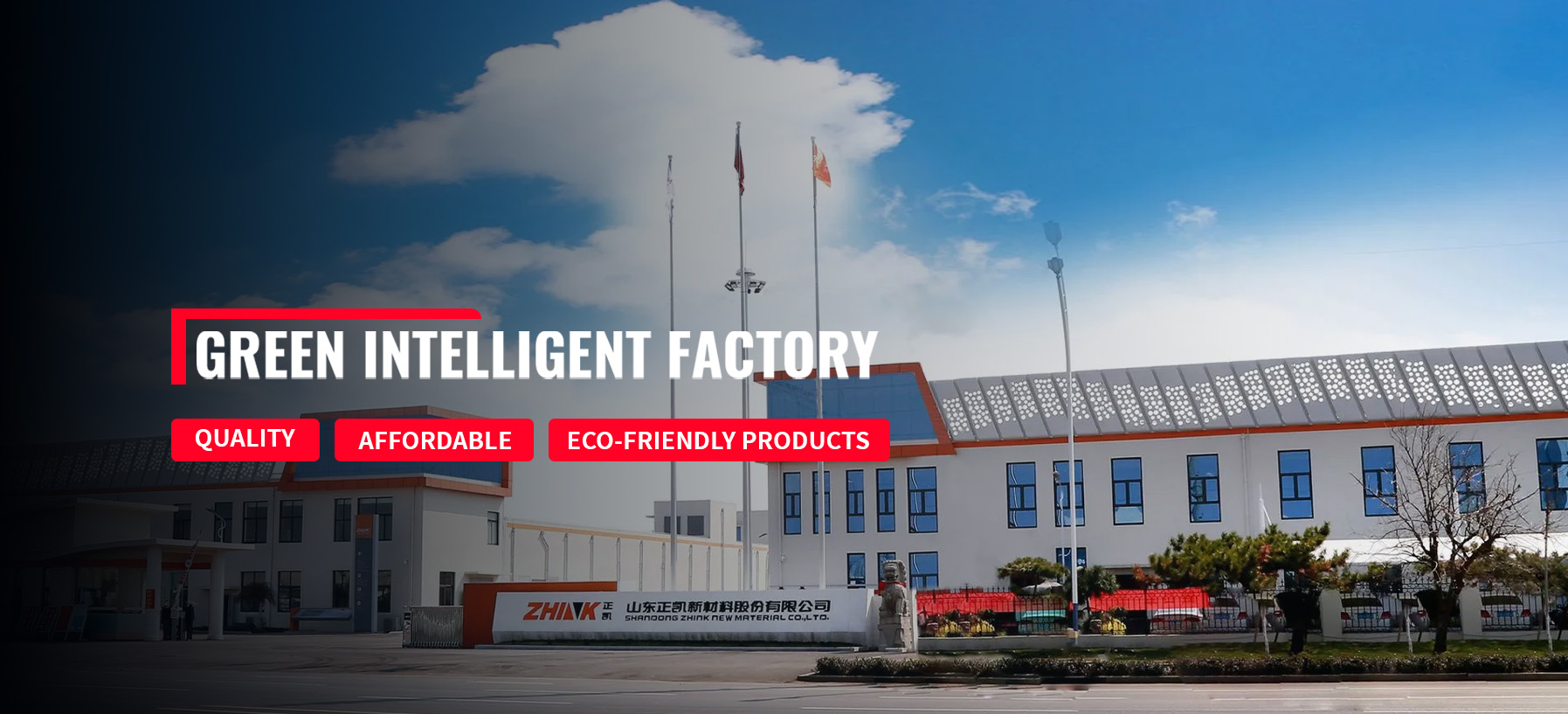
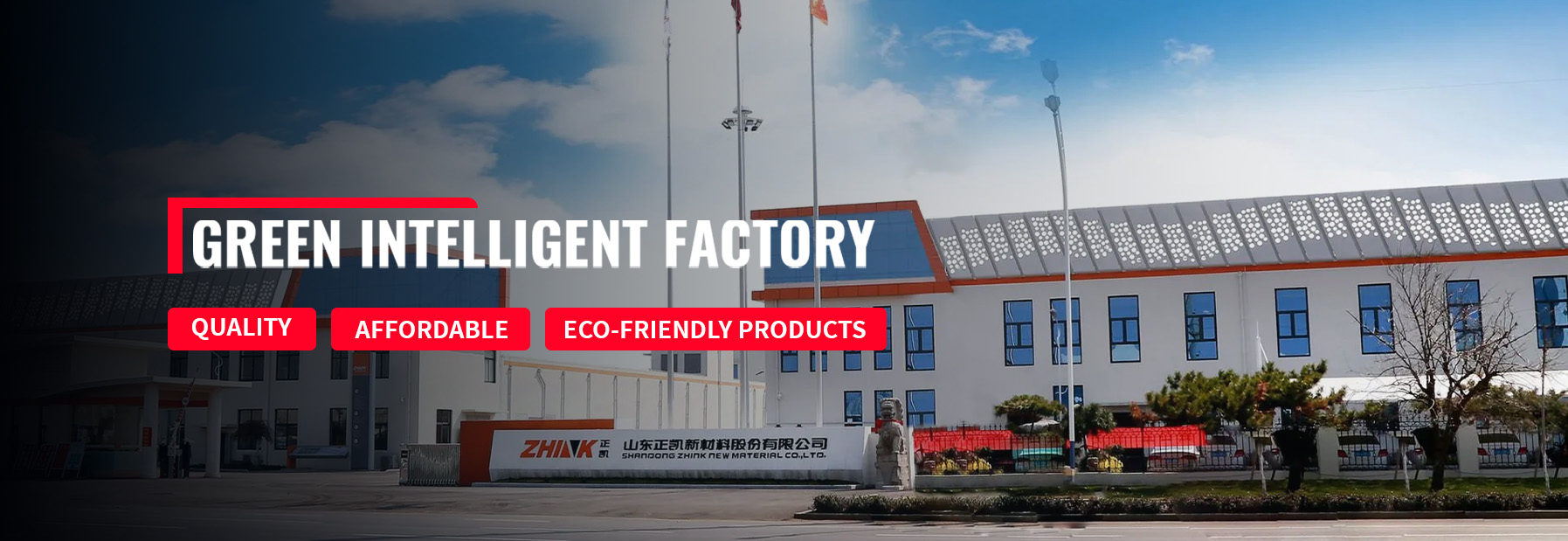
At SHANDONG ZHINK NEW MATERIAL CO., LTD, there's a clear emphasis on R&D—a fact that's vividly reflected on their website, zhinkyarn.com. The team pours dedication into understanding how best to leverage such materials for modern needs. It's not just about producing yarns; it's about innovation that addresses real-world challenges.
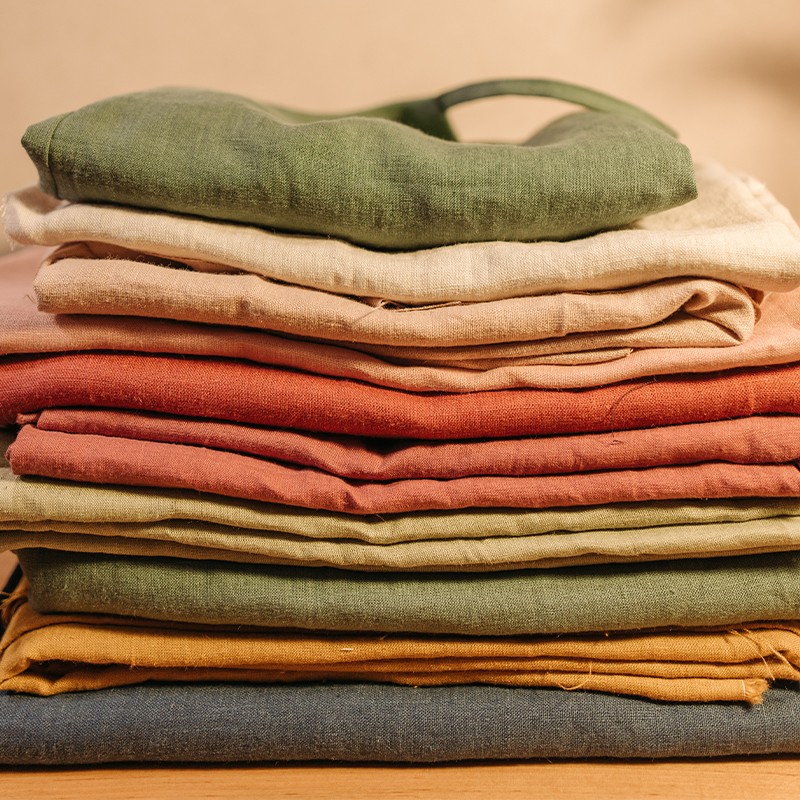
One case from my own work involved a project for public transport upholstery. The client needed material that wouldn't compromise on safety, aesthetics, or durability. After some trials with different fibers, we settled on flame retardant acrylic siro. Its durability, combined with its ability to meet fire safety regulations, made it an ideal choice.
Applications and Challenges
While the applications for this material are numerous, ranging from home textiles to industrial uses, each application comes with its own set of challenges. In an outdoor setting, for instance, UV exposure is a major concern, as it can degrade lesser fibers over time.
During testing phases, I’ve observed that flame retardant acrylic siro performs admirably under prolonged UV exposure. This resilience makes it suitable for outdoor furniture fabrics and awnings. Yet, one mustn’t underestimate the impact of environmental factors. The balance between flame retardance and environmental resistance is a delicate one.
In any practical setting, especially indoors, attention to static cling and texture is crucial. Acrylic fibers tend to gather static, which can irritate both users and machinery. Implementing antistatic treatments is often necessary, though it might slightly affect the fiber's texture.
Insights into Production and Consistency
The consistency of flame retardant acrylic siro can make or break its application. I've found that maintaining quality during large-scale production is challenging but achievable. This is where companies like Zhink New Material truly shine by prioritizing robust production protocols.
Quality control checks at every stage, from raw material sourcing to final product inspection, ensure reliability. This isn't just theory—during a tour of the Zhink facility, I witnessed firsthand how their meticulous process holds up against global standards.
For smaller projects or bespoke creations, working closely with suppliers to refine fiber characteristics often leads to more satisfactory outcomes. It’s about striking a balance between what’s technically feasible and what the client envisions.
Market Trends and Client Expectations
A recent trend is the increasing demand for sustainable textiles. Clients are now more aware of the environmental impact of their purchases. The challenge is integrating sustainability with functional requirements. While flame retardant treatments traditionally come with a chemical burden, Zhink is innovating with eco-friendly approaches.
This shift towards sustainable practices has prompted a reevaluation of sourcing and production methods. Aligning these goals with production capabilities is not straightforward but is gaining traction. Clients often inquire about this, and it's an area where having detailed insights into production processes becomes valuable.
In essence, the industry's future seems poised for a merge of tradition and innovation. Companies like SHANDONG ZHINK NEW MATERIAL CO., LTD are leading the way, setting benchmarks for what can be achieved with specialty fibers like 100% flame retardant acrylic siro.
Conclusion: Lessons Learned and Future Directions
Reflecting on my journey with flame retardant acrylic siro, several lessons stand out. The importance of understanding client needs, anticipating production challenges, and staying ahead of market trends cannot be overstated.
Innovation drives the sector forward, with companies like Zhink providing crucial backing through research and development. Their advancements set the stage for what the future can hold—a safer, more sustainable textile industry.
From my hands-on experience, this material presents both challenges and opportunities. Meeting client expectations while pushing boundaries with new materials is a delicate dance but one that is ultimately rewarding. It’s this blend of practicality and innovation that continues to excite and engage industry veterans like myself.
Related Products
Related Products