+86-632-3621866
- Chinese
- French
- German
- Portuguese
- Spanish
- Russian
- Japanese
- Korean
- Arabic
- Irish
- Greek
- Turkish
- Italian
- Danish
- Romanian
- Indonesian
- Czech
- Afrikaans
- Swedish
- Polish
- Basque
- Catalan
- Esperanto
- Hindi
- Lao
- Albanian
- Amharic
- Armenian
- Azerbaijani
- Belarusian
- Bengali
- Bosnian
- Bulgarian
- Cebuano
- Chichewa
- Corsican
- Croatian
- Dutch
- Estonian
- Filipino
- Finnish
- Frisian
- Galician
- Georgian
- Gujarati
- Haitian
- Hausa
- Hawaiian
- Hebrew
- Hmong
- Hungarian
- Icelandic
- Igbo
- Javanese
- Kannada
- Kazakh
- Khmer
- Kurdish
- Kyrgyz
- Latin
- Latvian
- Lithuanian
- Luxembou..
- Macedonian
- Malagasy
- Malay
- Malayalam
- Maltese
- Maori
- Marathi
- Mongolian
- Burmese
- Nepali
- Norwegian
- Pashto
- Persian
- Punjabi
- Serbian
- Sesotho
- Sinhala
- Slovak
- Slovenian
- Somali
- Samoan
- Scots Gaelic
- Shona
- Sindhi
- Sundanese
- Swahili
- Tajik
- Tamil
- Telugu
- Thai
- Ukrainian
- Urdu
- Uzbek
- Vietnamese
- Welsh
- Xhosa
- Yiddish
- Yoruba
- Zulu
- Kinyarwanda
- Tatar
- Oriya
- Turkmen
- Uyghur



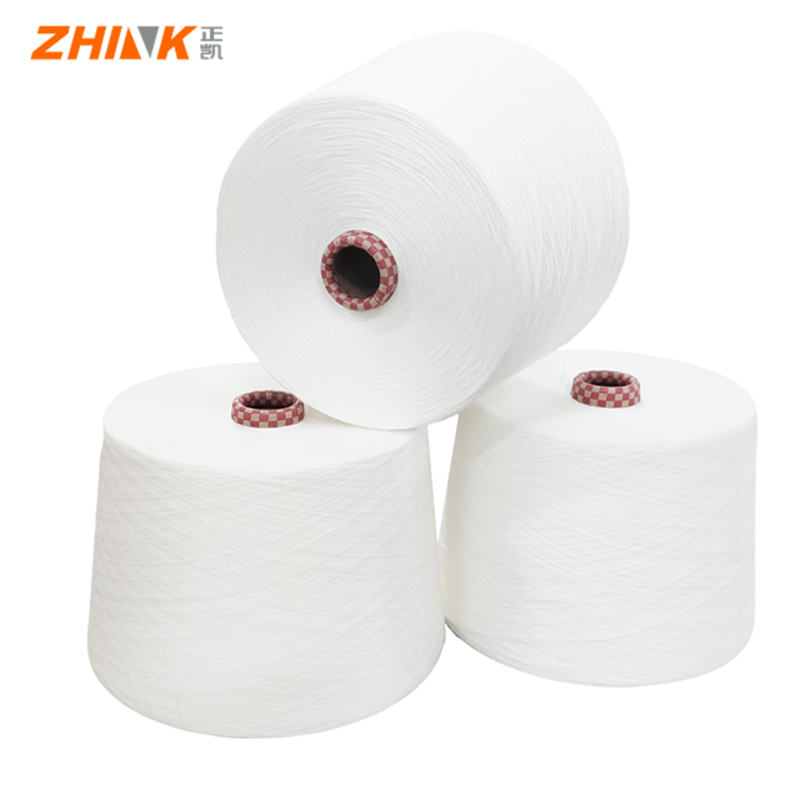
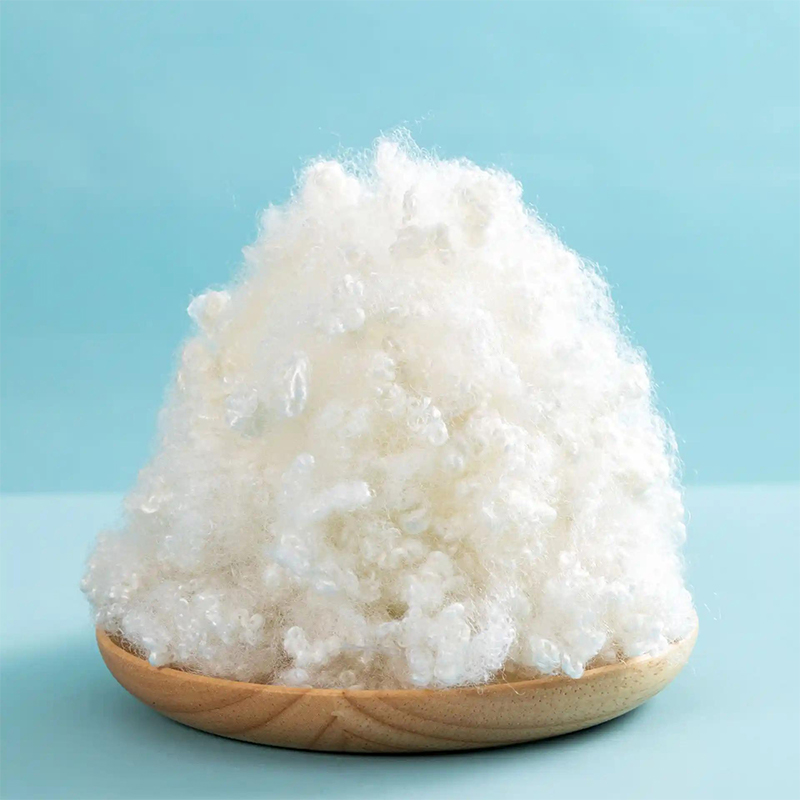
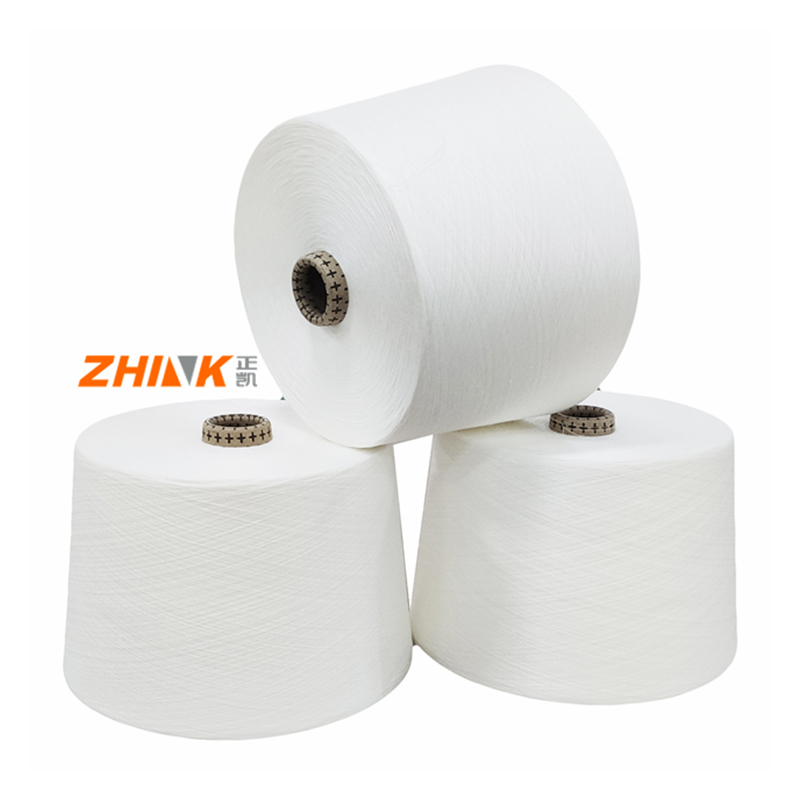
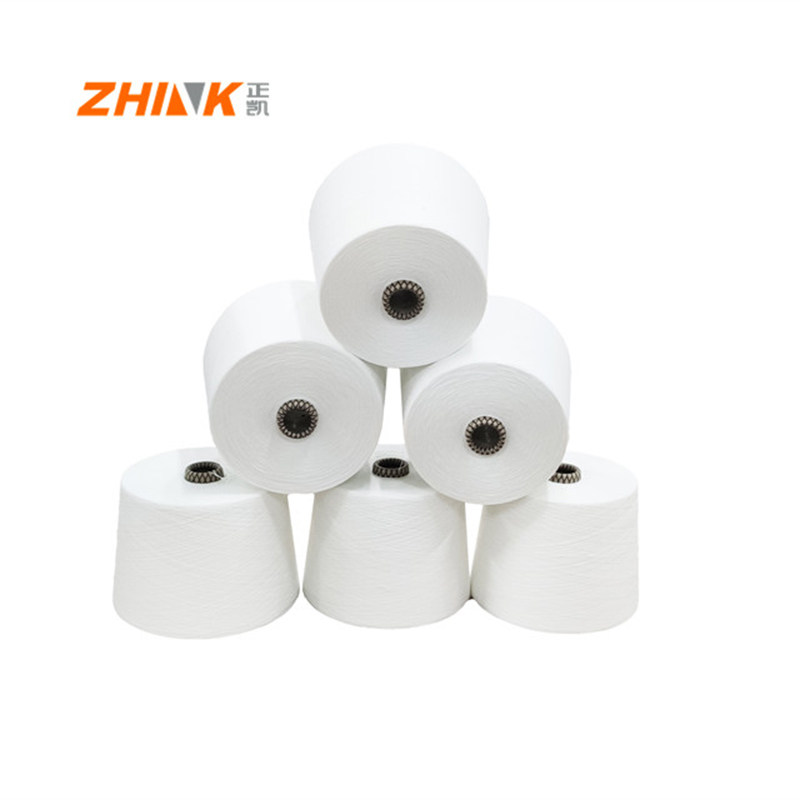
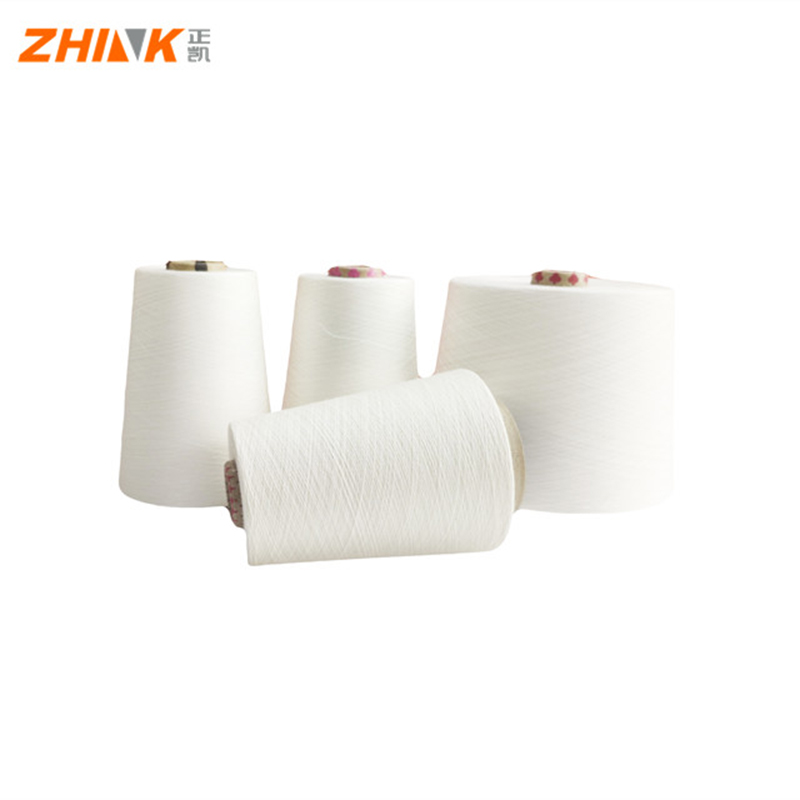
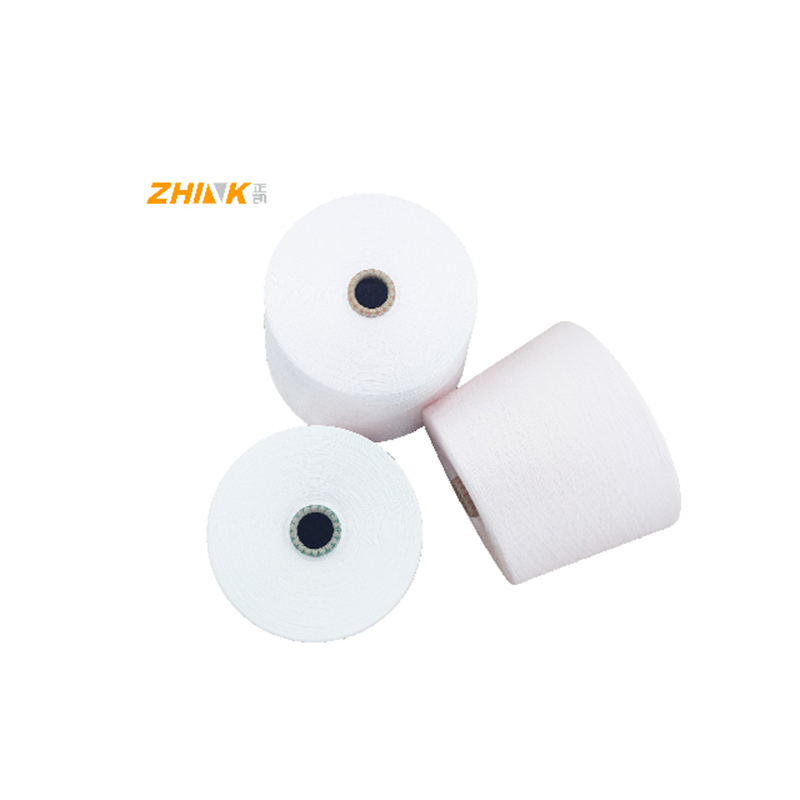
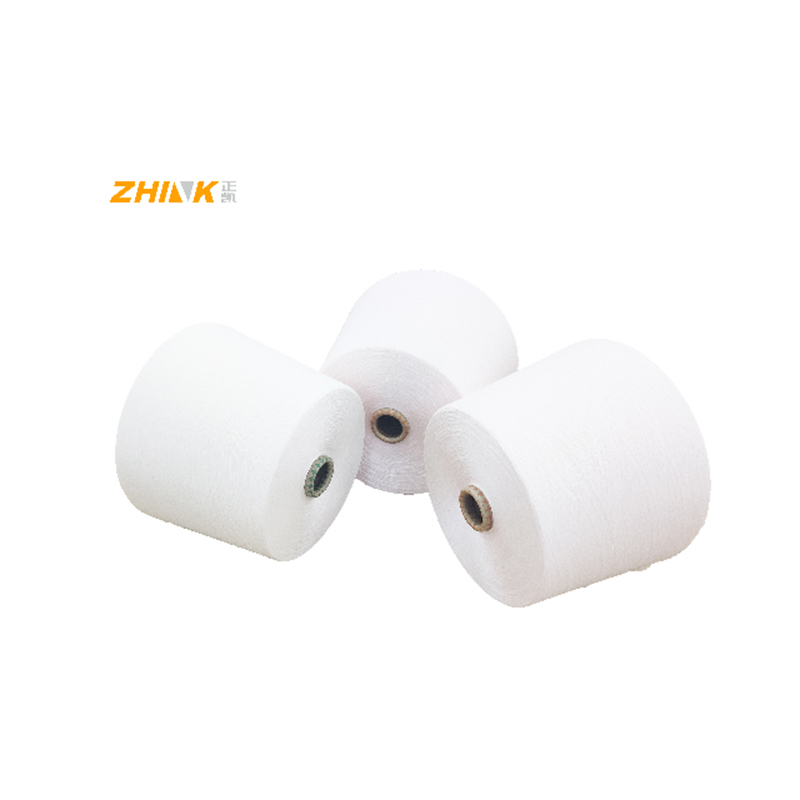
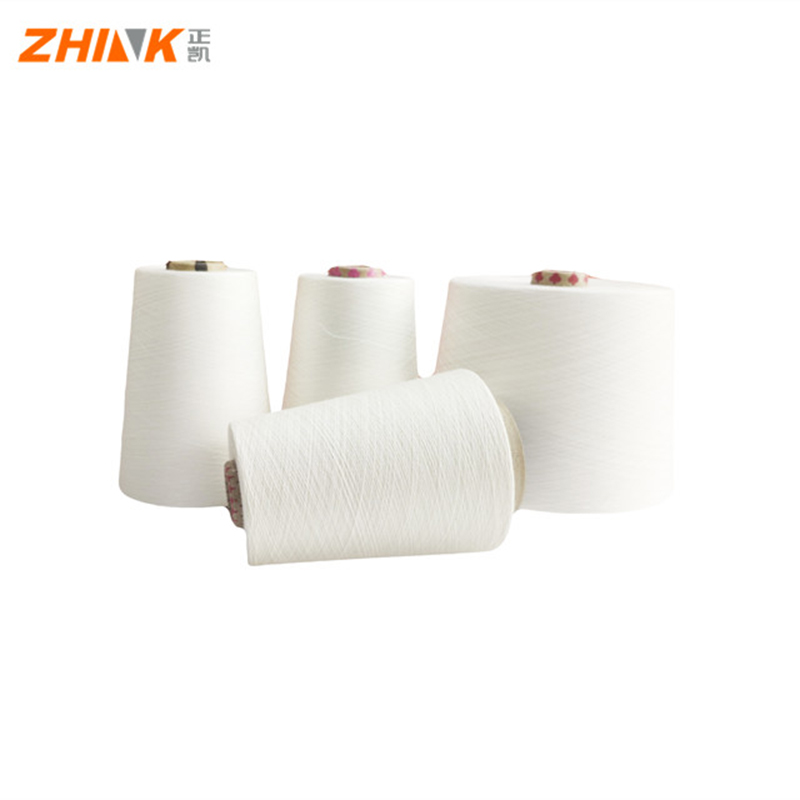
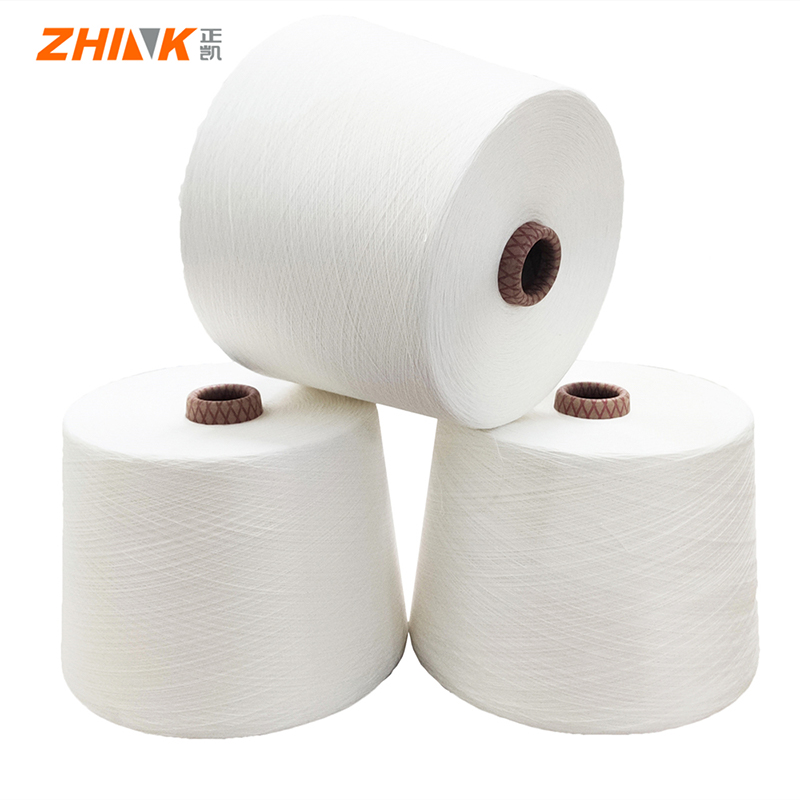
100% Flame retardant acrylic siro compact
The Application and Challenges of 100% Flame Retardant Acrylic Siro Compact Yarn
Exploring the complexities behind flame retardant acrylic yarn, tailored specifically for safety and durability. Insights into common misconceptions, production hurdles, and real-world applications.
Understanding Flame Retardant Acrylic Siro Compact Yarn
Diving into the world of 100% flame retardant acrylic yarn, it's clear that there's a lot more than meets the eye. For many, the term invokes images of heavy-duty, unattractive fabrics—far from it. In fact, the siro compact spinning technique employed often results in a much smoother and more refined yarn.
At SHANDONG ZHINK NEW MATERIAL CO., LTD (zhinkyarn.com), they’ve sought to change this perception with their specialized R&D team. The goal has always been to marry safety with style, creating a product that doesn’t just meet regulatory requirements, but also the aesthetic and functional demands of today’s market.
From my experience in textiles, the tricky part often lies in ensuring the yarn remains soft and workable in the final fabric form. Flame retardant treatments can alter texture, making this balance a critical area of focus.
Production Challenges and Innovations
One might presume that making yarn flame retardant is a straightforward process—just add treatment, right? Unfortunately, it’s far more nuanced. The challenge is incorporating flame retardant properties without compromising the integrity or the mechanical properties of the yarn.
Our colleagues at Zhink New Material have shared insights on how various chemical treatments can sometimes affect the fiber strength or dye uptake. The siro compact spinning technique itself plays a significant role here, allowing tighter fiber cohesion and reducing fuzziness, which could otherwise interfere with even flame retardant distribution.
Real breakthroughs have been made in integrating the flame retardant properties at the polymer stage, ensuring consistency and durability. But like any innovation, it involves a lot of trial and error, and sometimes, an unexpected setback—like changes in supply chain or raw material quality—can require rapid adaptation.
Applications Across Industries
The applications for flame retardant acrylic siro compact yarn span various industries, from home furnishings to specialized industrial textiles. In the home, it’s often used in upholstery and protective drapes, areas where safety without sacrificing aesthetic appeal is critical.
Industrially, the demand in sectors such as transportation is high, where complying with strict safety standards is non-negotiable. And here’s where Zhink New Material continues to innovate, tailoring yarns to meet specific regulatory requirements across countries.
One key observation is that as we push for sustainability, the integration of eco-friendly flame retardant materials becomes a growing concern. It’s not just about performance anymore, but also the environmental impact throughout the lifecycle of the material.
Quality Control: Stories from the Field
Quality control is a massive part of the process when dealing with specialized yarns. Any inconsistency can compromise safety and function. I recall an on-site visit where a batch failed a routine burn test due to a slight alteration in treatment application. The root cause? A minor deviation in the mixing process under a new technician.
Such incidents are a humbling reminder of the attention to detail required in this field. At Zhink New Material, the emphasis on continuous training and regular audits cannot be overstated. This has become part of their operational culture, ensuring consistent quality output.
Despite advanced machinery, the human element remains crucial. The tactile feedback from seasoned operators often predicts issues before any digital system catches on.
The Future of Flame Retardant Textiles
Looking forward, it’s intriguing to imagine how 100% flame retardant acrylic siro compact yarn will evolve. What innovations will emerge as new environmental norms and consumer demands shift? There’s talk about developing bio-based alternatives to traditional flame retardants, and it’s an exciting frontier.
With companies like SHANDONG ZHINK NEW MATERIAL CO., LTD leading the charge, we could soon see yarns that not only protect us from fires but also embrace sustainability in an ever-changing market. Their commitment to R&D could be pivotal in leading such advancements.
Ultimately, the journey of achieving the right balance in flame retardant properties is complex, yet incredibly rewarding. The realm of possibilities continues to expand, driven by both market needs and the passion of those within the industry to push boundaries.
Related Products
Related Products