+86-632-3621866
- Chinese
- French
- German
- Portuguese
- Spanish
- Russian
- Japanese
- Korean
- Arabic
- Irish
- Greek
- Turkish
- Italian
- Danish
- Romanian
- Indonesian
- Czech
- Afrikaans
- Swedish
- Polish
- Basque
- Catalan
- Esperanto
- Hindi
- Lao
- Albanian
- Amharic
- Armenian
- Azerbaijani
- Belarusian
- Bengali
- Bosnian
- Bulgarian
- Cebuano
- Chichewa
- Corsican
- Croatian
- Dutch
- Estonian
- Filipino
- Finnish
- Frisian
- Galician
- Georgian
- Gujarati
- Haitian
- Hausa
- Hawaiian
- Hebrew
- Hmong
- Hungarian
- Icelandic
- Igbo
- Javanese
- Kannada
- Kazakh
- Khmer
- Kurdish
- Kyrgyz
- Latin
- Latvian
- Lithuanian
- Luxembou..
- Macedonian
- Malagasy
- Malay
- Malayalam
- Maltese
- Maori
- Marathi
- Mongolian
- Burmese
- Nepali
- Norwegian
- Pashto
- Persian
- Punjabi
- Serbian
- Sesotho
- Sinhala
- Slovak
- Slovenian
- Somali
- Samoan
- Scots Gaelic
- Shona
- Sindhi
- Sundanese
- Swahili
- Tajik
- Tamil
- Telugu
- Thai
- Ukrainian
- Urdu
- Uzbek
- Vietnamese
- Welsh
- Xhosa
- Yiddish
- Yoruba
- Zulu
- Kinyarwanda
- Tatar
- Oriya
- Turkmen
- Uyghur



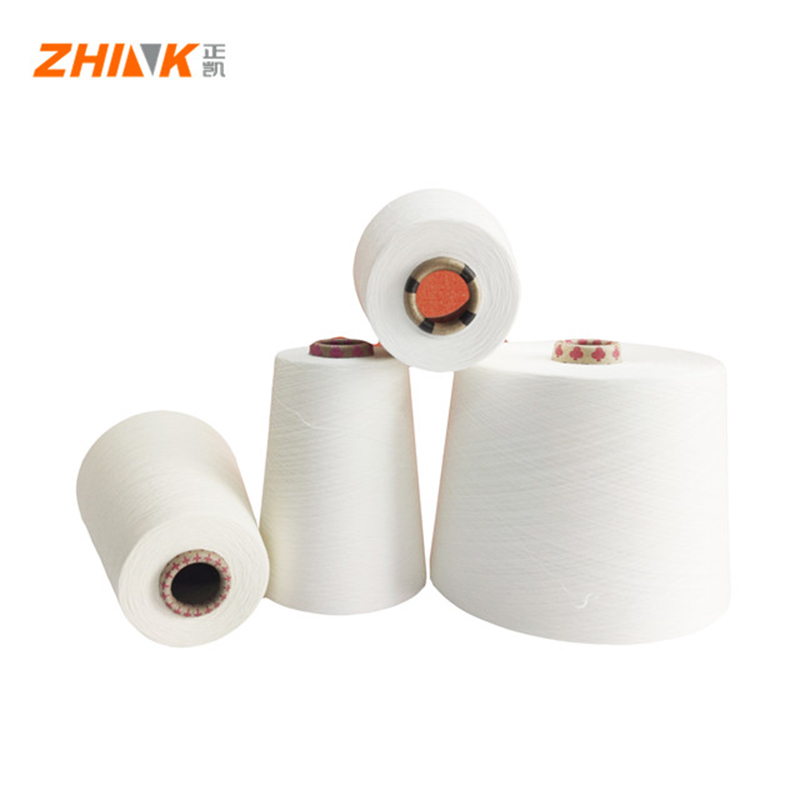
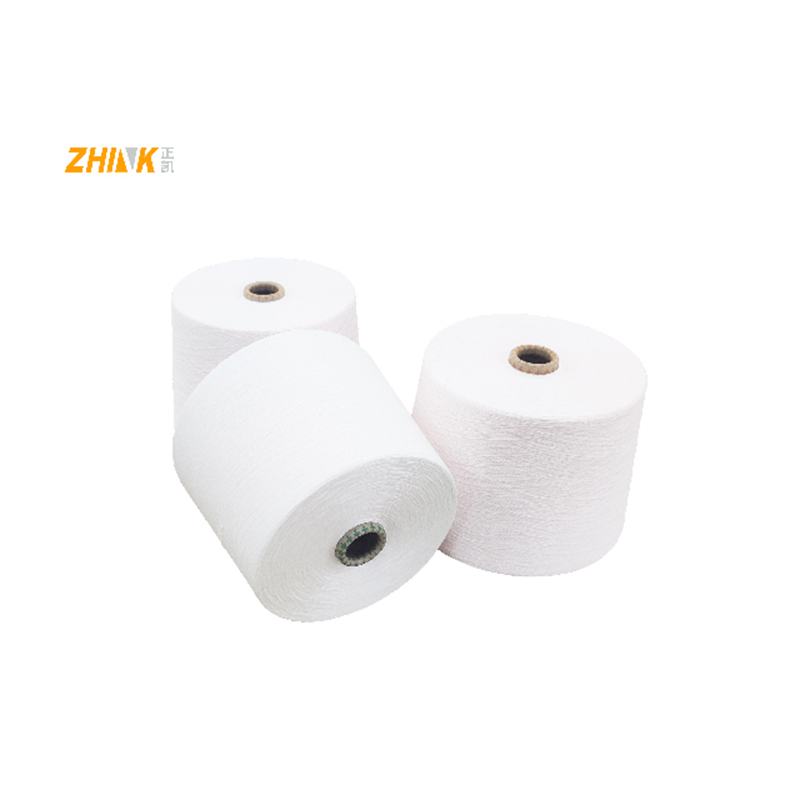
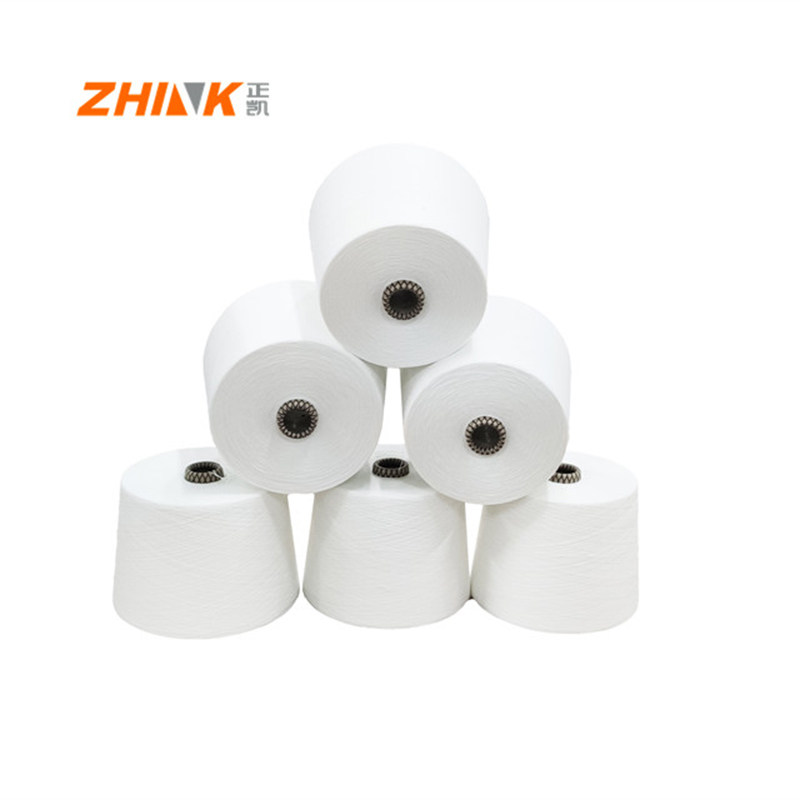
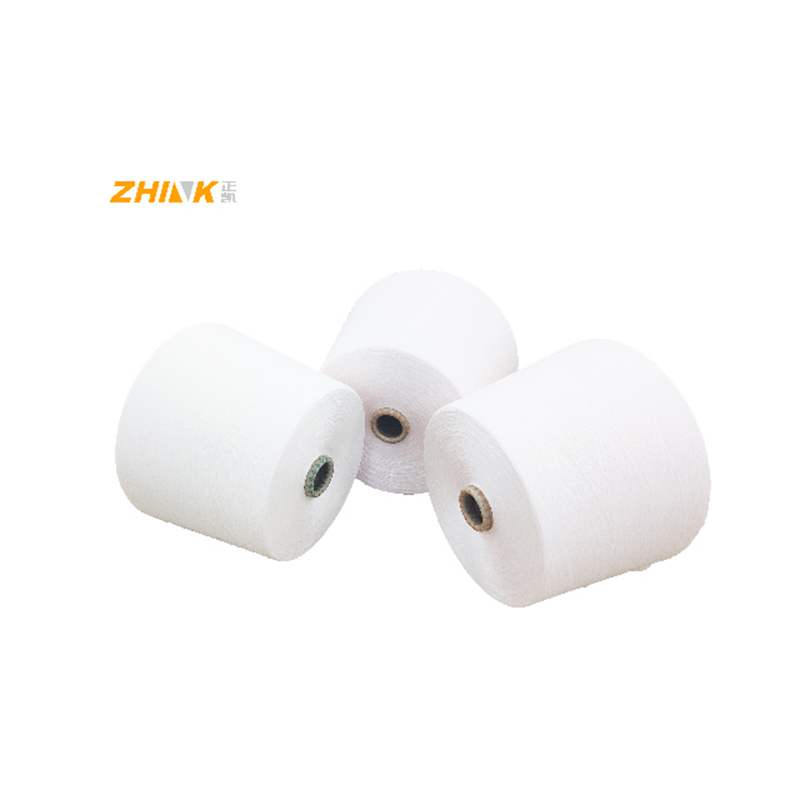
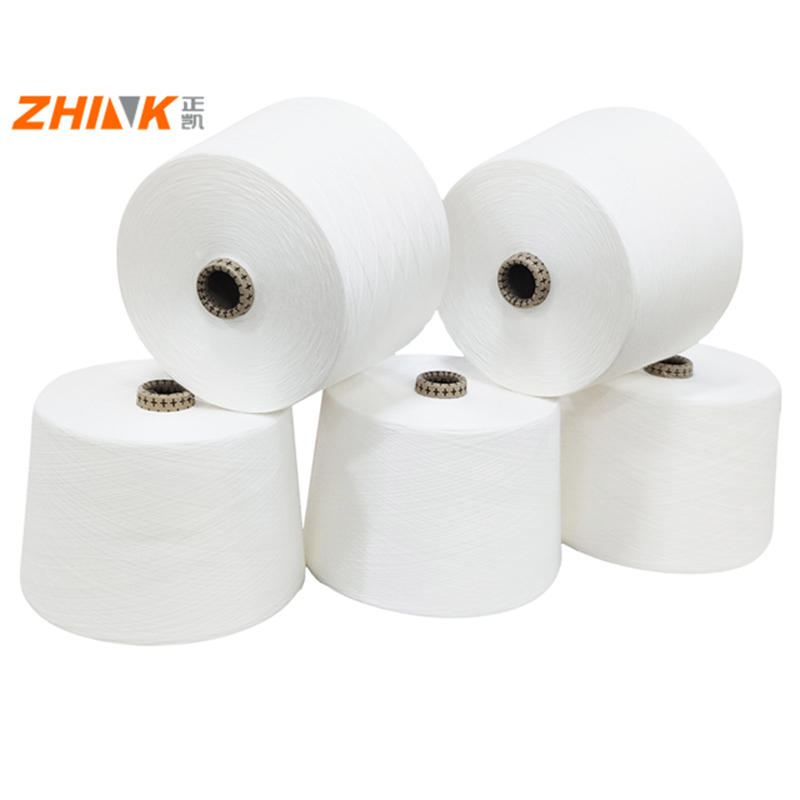
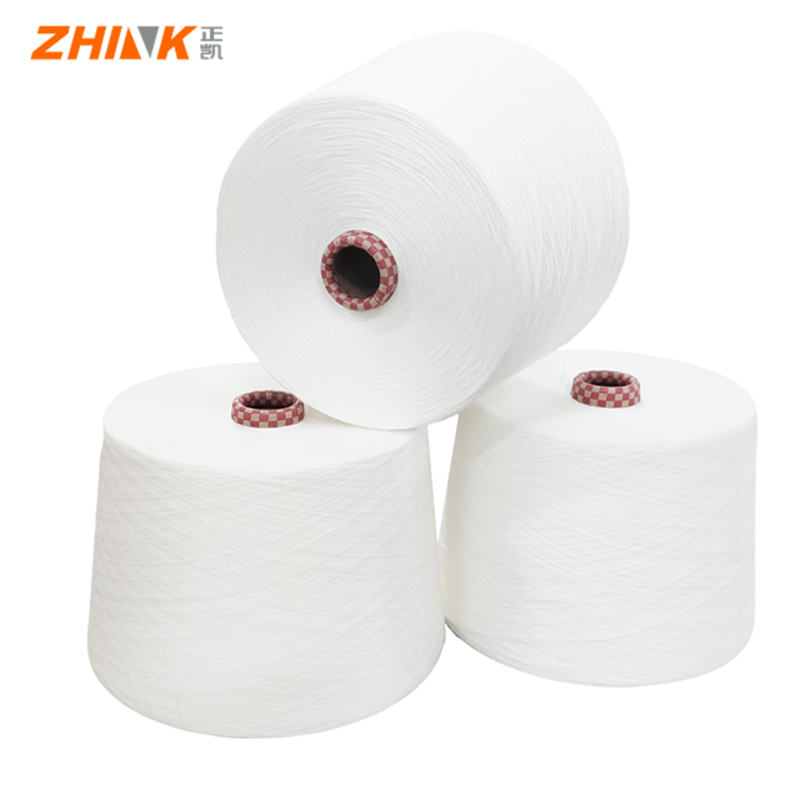
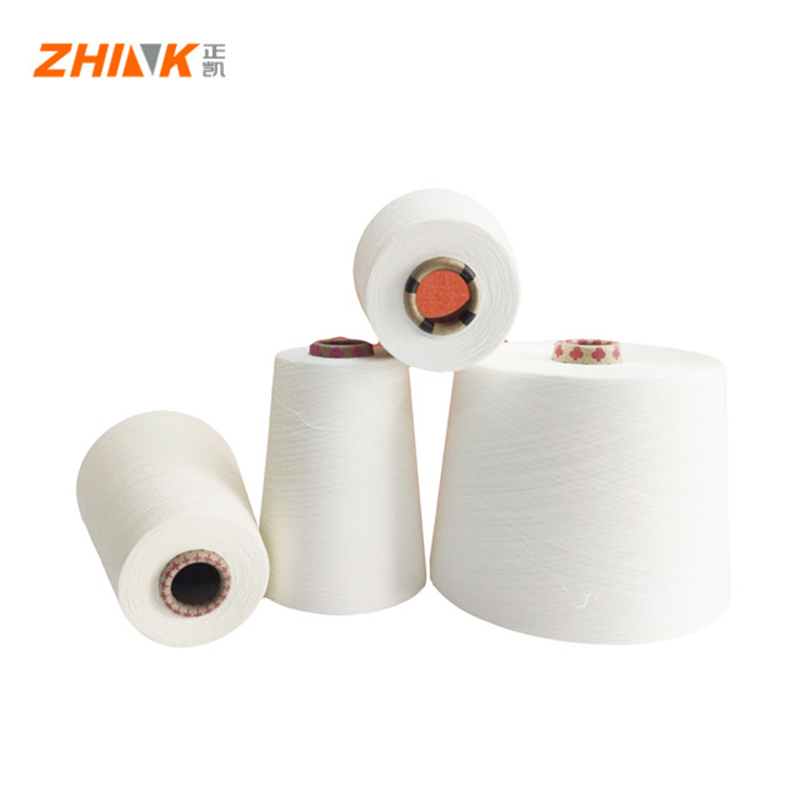
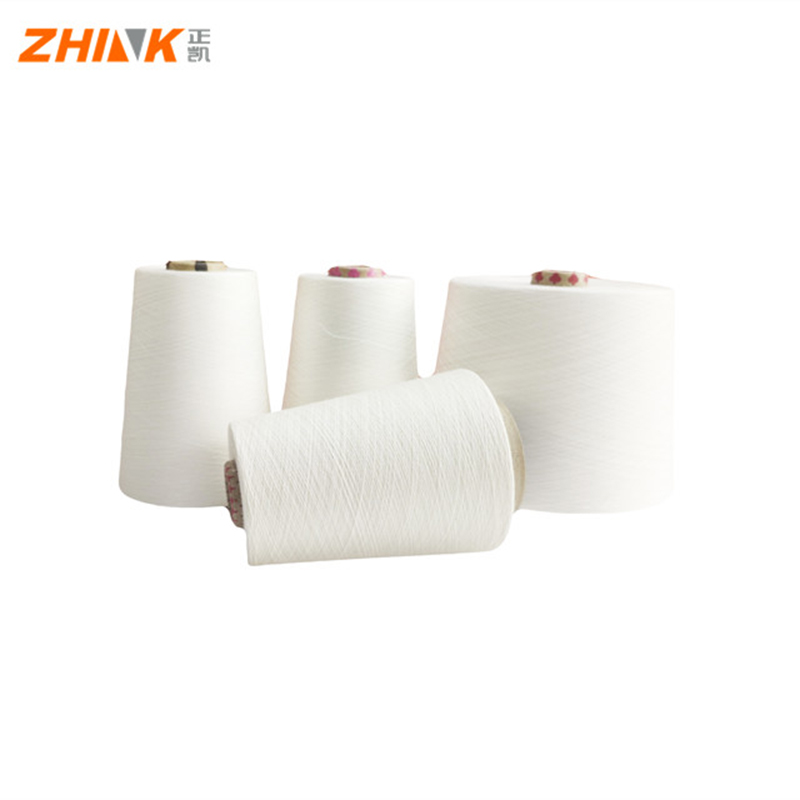
100% Flame retardant acrylic vortex
Understanding the World of 100% Flame Retardant Acrylic Vortex
This article delves into the technicalities and practical experiences surrounding the manufacturing and application of 100% flame retardant acrylic vortex yarns. We explore common misconceptions, industry challenges, and innovative approaches, particularly through the lens of Shandong Zhink New Material Co., Ltd.
The Essence of Flame Retardant Acrylic
Flame retardant materials have been around for decades, yet they still harbor myths. One common misconception is that all flame-retardant fabrics are stiff or uncomfortable. From my experience, that's not entirely true. It depends largely on the manufacturing process—which is where the vortex spinning technique comes into play. This method is key in producing a softer, yet durable fabric.
Shandong Zhink New Material Co., Ltd, known for their speciality in new textile materials, leverages an interesting approach with their acrylic vortex yarns. Their technique ensures the material not only meets the industry standards but also provides comfort and usability.
With ongoing research and investment, like what Zhink New Material emphasizes on their website, there’s been a noticeable shift toward enhancing the fabric's touchability without compromising on safety. Back when I first encountered these textiles, it was rare to find such balance. But now, it's becoming a staple, thanks to pioneering companies.
The Vortex Spinning Technique
Vortex spinning might not be a household term, but for those of us in the textile industry, it's revolutionary. The technique involves a whirling airstream that aligns fibers to create a smooth and high-quality yarn. This process is particularly beneficial in producing flame retardant acrylic because it enhances the yarn's strength and evenness. The team at Zhink New Material has refined this process considerably, achieving higher efficiency and quality outputs.
When we first implemented vortex technology, the learning curve was steep. Understanding air pressures, rotor speeds, and fiber alignment was challenging. Yet, overcoming these hurdles provided invaluable insights into fabric behavior under stress, a critical factor in flame retardancy.
The real-world application of these fabrics is extensive. While testing samples, I've seen their potential in workwear, upholstery, and even transportation sectors. These yarns withstand rigorous wear and tear, which is essential for industries emphasizing safety.
Industry Challenges and Solutions
No innovation is devoid of challenges, and flame retardant acrylics are no exception. The primary issue lies in balancing performance with cost. The market is sensitive; slightest deviations in pricing can shift business decisions. Hence, cost-effective production without sacrificing quality is crucial.
At Zhink New Material, a strategic focus has been placed on R&D. By optimizing material blends and exploring novel spinning techniques, they've managed to stay competitive. I remember during a site visit, observing how their streamlined processes minimized waste and reduced costs—a testament to their efficiency.
Supply chain volatility also poses challenges, particularly when sourcing raw materials. Reliable partnerships are essential, and Zhink's reputation in the industry has been bolstered by their commitment to sustainable and consistent sourcing practices.
Innovation in Applications
Expanding the application scope of flame-retardant materials is a growing trend. The traditional uses in curtains and carpets are well-established, but what excites me is the innovative use in wearable tech and fashion. Shandong Zhink is pushing boundaries there, integrating functionality with style.
Consider the burgeoning demand for safety in wearable devices. Combining aesthetics with flame retardant properties can open up new market segments. This is something I believe Zhink is strategically positioning themselves for, based on insights from recent trade shows.
Moreover, projects focused on smart textiles are gaining momentum. Here, the challenge lies in combining electronics with flame-resistant fabrics without losing flexibility or comfort. It’s an area ripe for exploration and certainly one Zhink is watching closely.
Conclusion: The Path Forward
As the textile industry advances, the integration of technological innovation with practical applications will define future trends. Companies like Zhink New Material are at the forefront of this evolution, moving beyond just manufacturing to being leaders in textile innovation.
From my experiences and interactions with industry insiders, the path is clear. Continuous R&D, attention to consumer safety, and adaptability to technological changes will drive the next chapter of flame retardant textiles. And for those involved—from manufacturers to end-users—the commitment to quality and safety remains paramount.
For more insights into their state-of-the-art textiles, you can visit Zhink New Material Co., Ltd.
Related Products
Related Products