+86-632-3621866
- Chinese
- French
- German
- Portuguese
- Spanish
- Russian
- Japanese
- Korean
- Arabic
- Irish
- Greek
- Turkish
- Italian
- Danish
- Romanian
- Indonesian
- Czech
- Afrikaans
- Swedish
- Polish
- Basque
- Catalan
- Esperanto
- Hindi
- Lao
- Albanian
- Amharic
- Armenian
- Azerbaijani
- Belarusian
- Bengali
- Bosnian
- Bulgarian
- Cebuano
- Chichewa
- Corsican
- Croatian
- Dutch
- Estonian
- Filipino
- Finnish
- Frisian
- Galician
- Georgian
- Gujarati
- Haitian
- Hausa
- Hawaiian
- Hebrew
- Hmong
- Hungarian
- Icelandic
- Igbo
- Javanese
- Kannada
- Kazakh
- Khmer
- Kurdish
- Kyrgyz
- Latin
- Latvian
- Lithuanian
- Luxembou..
- Macedonian
- Malagasy
- Malay
- Malayalam
- Maltese
- Maori
- Marathi
- Mongolian
- Burmese
- Nepali
- Norwegian
- Pashto
- Persian
- Punjabi
- Serbian
- Sesotho
- Sinhala
- Slovak
- Slovenian
- Somali
- Samoan
- Scots Gaelic
- Shona
- Sindhi
- Sundanese
- Swahili
- Tajik
- Tamil
- Telugu
- Thai
- Ukrainian
- Urdu
- Uzbek
- Vietnamese
- Welsh
- Xhosa
- Yiddish
- Yoruba
- Zulu
- Kinyarwanda
- Tatar
- Oriya
- Turkmen
- Uyghur



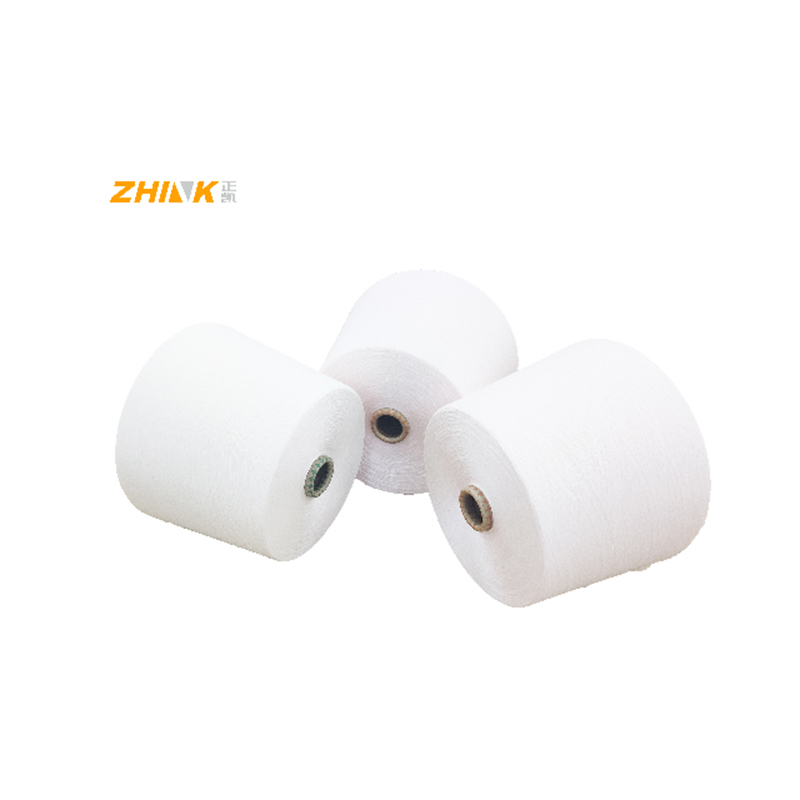
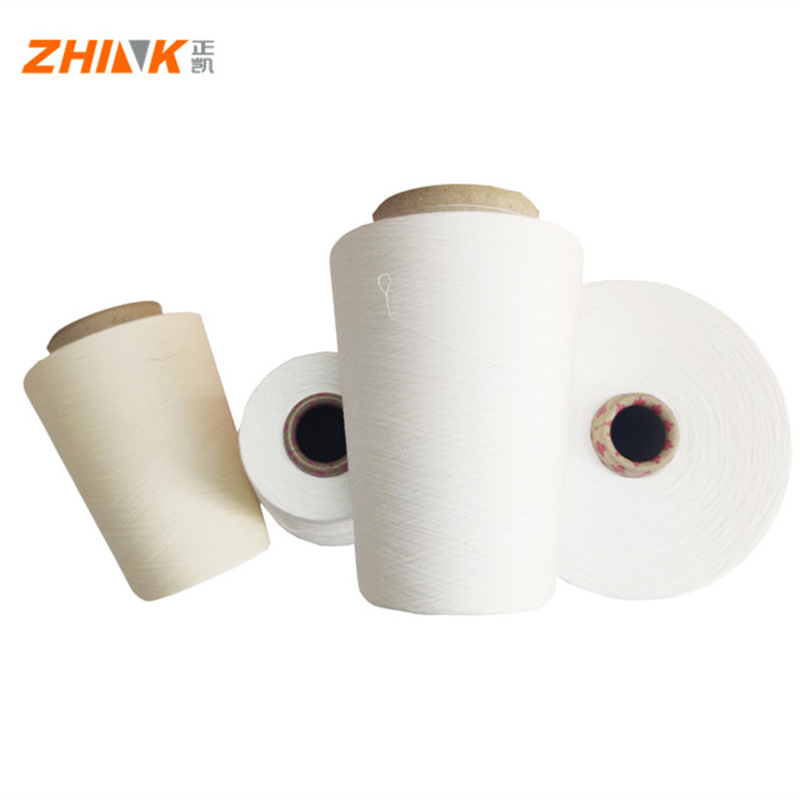
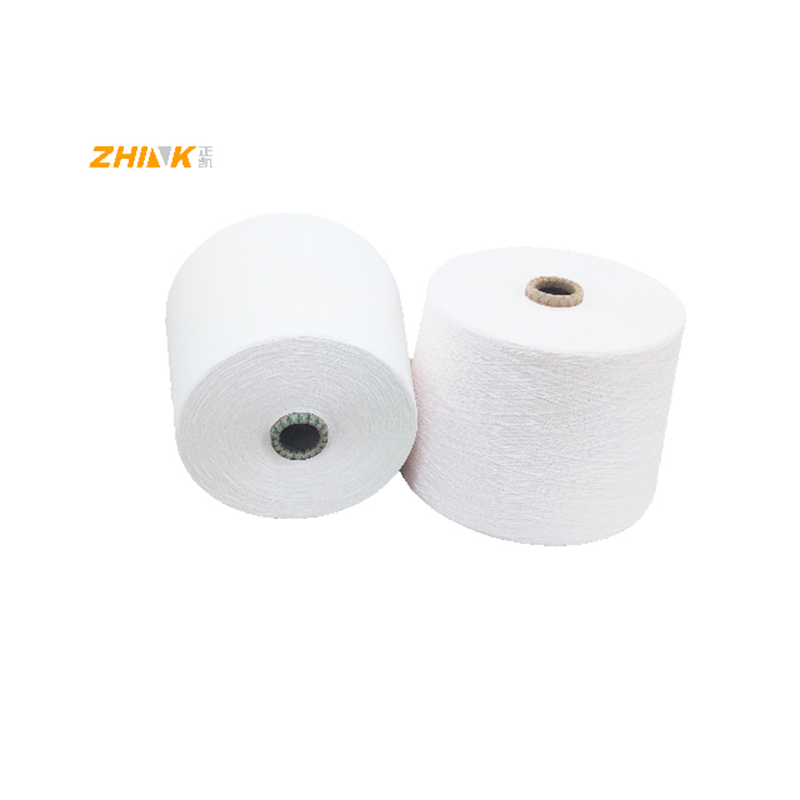
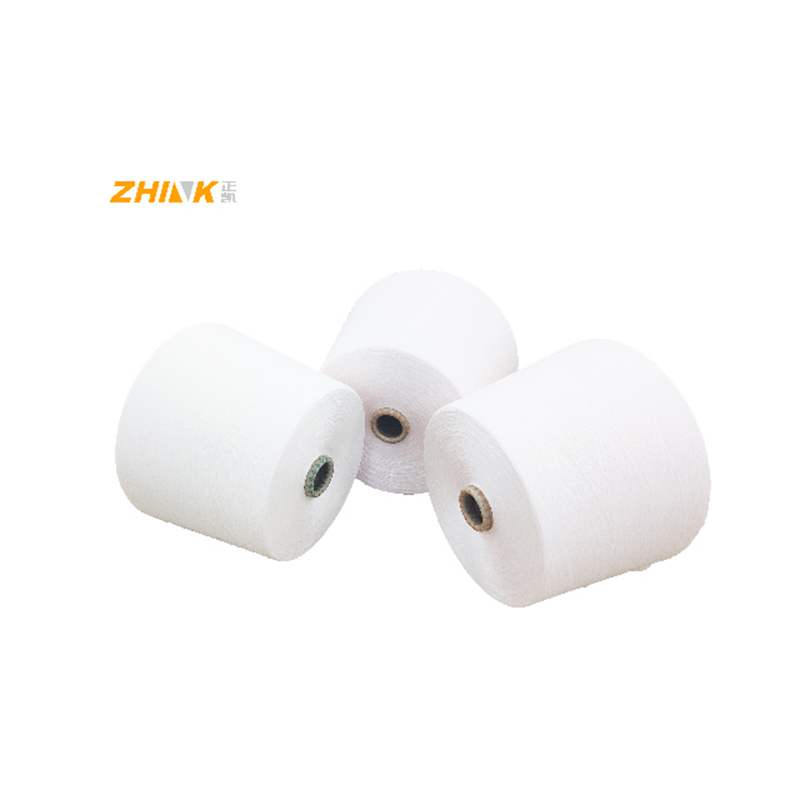
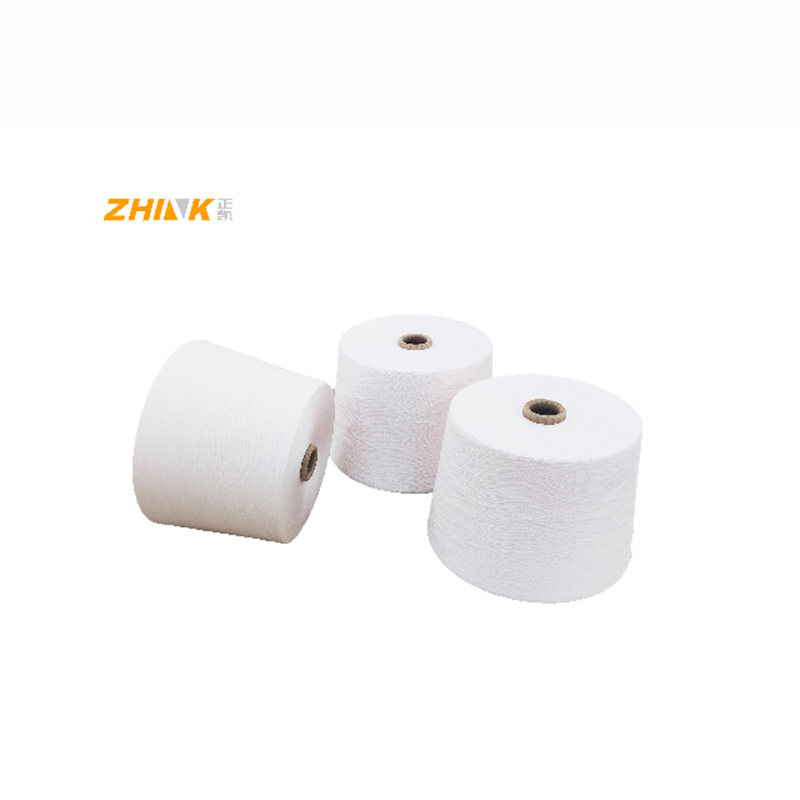
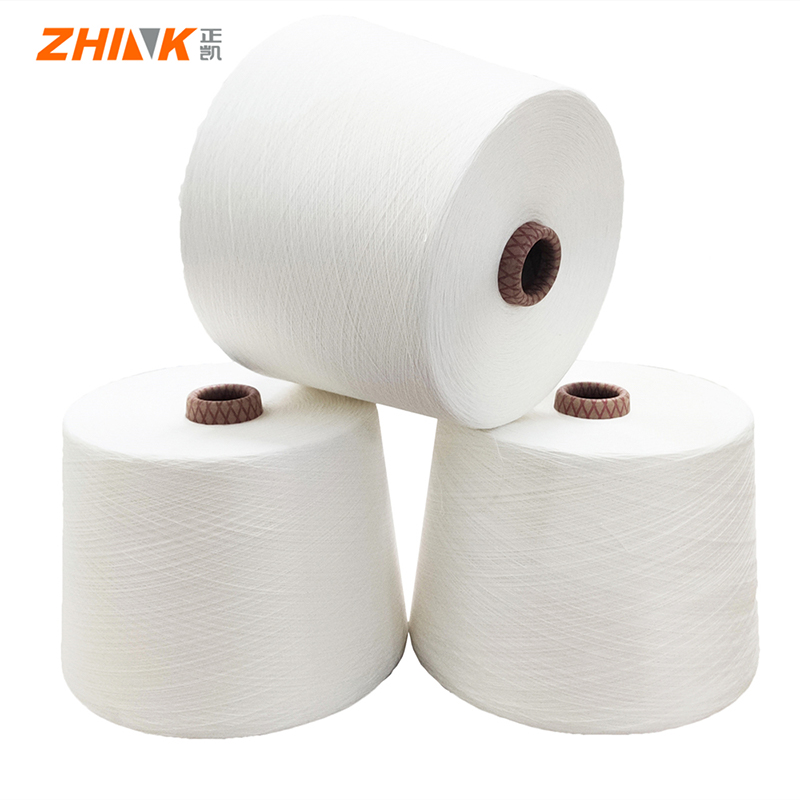
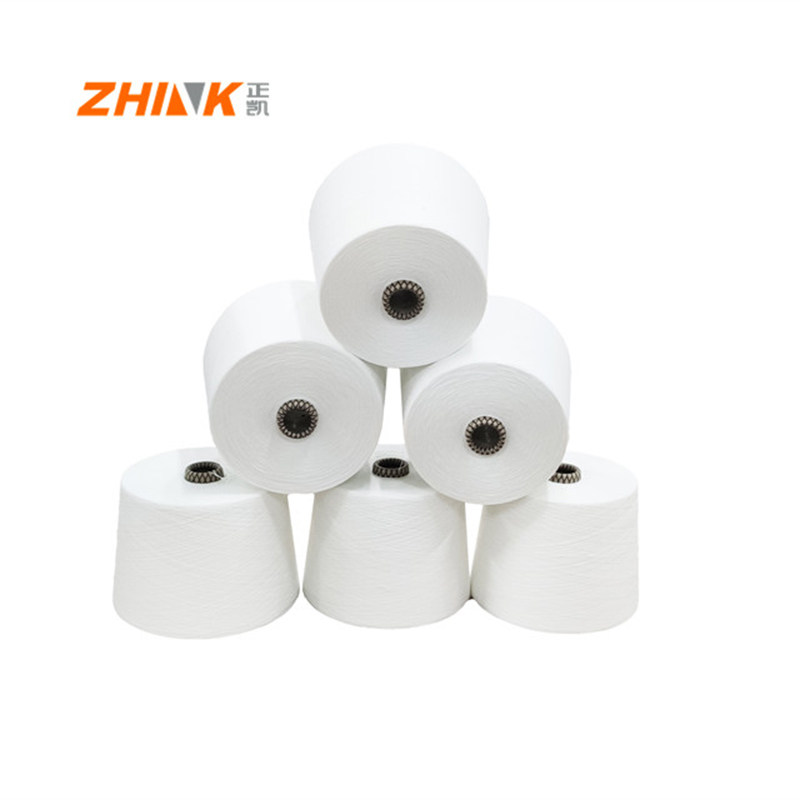
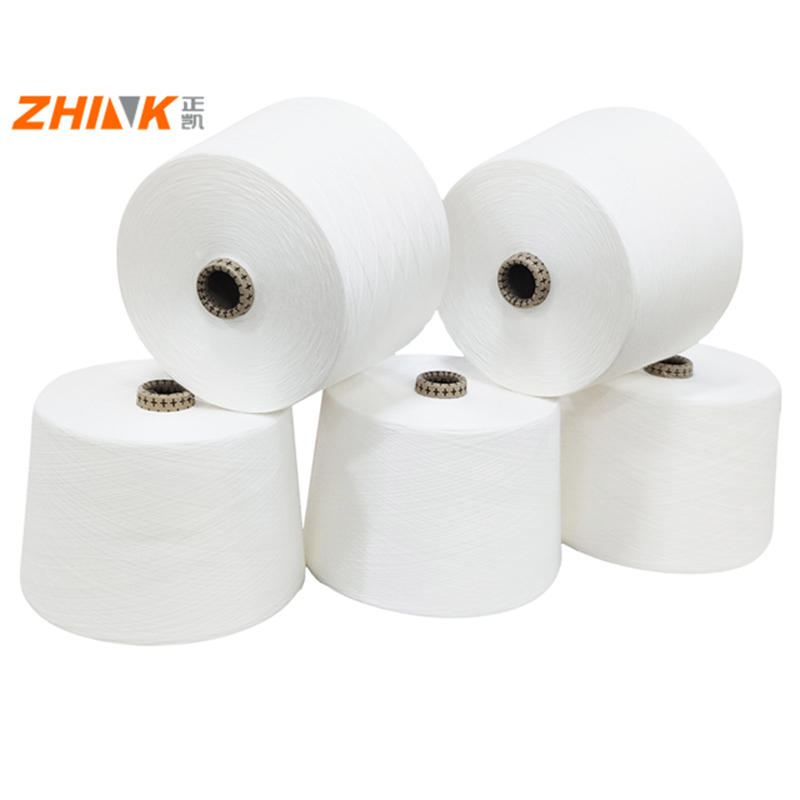
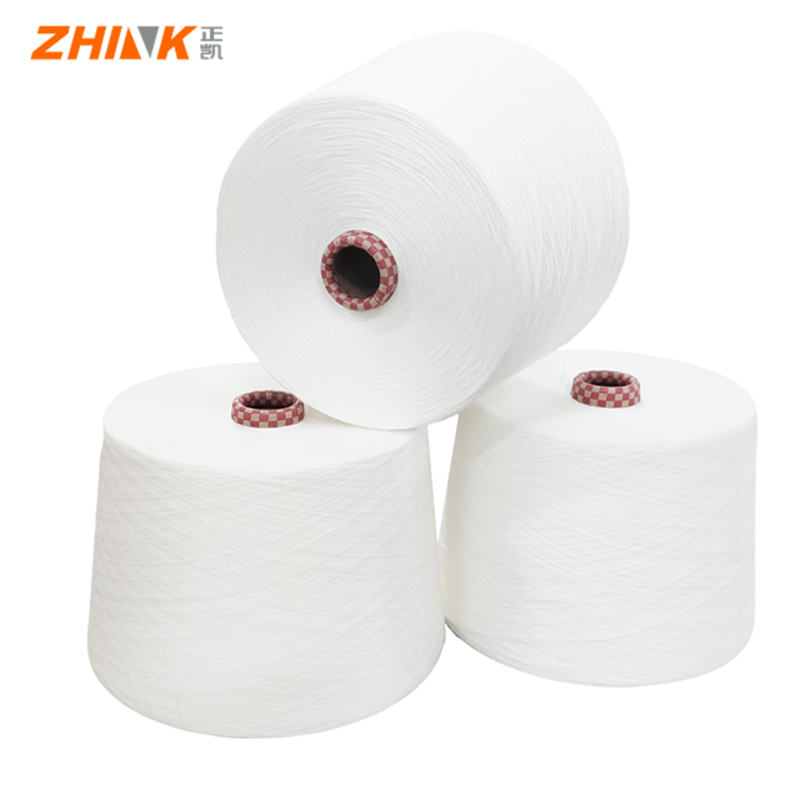
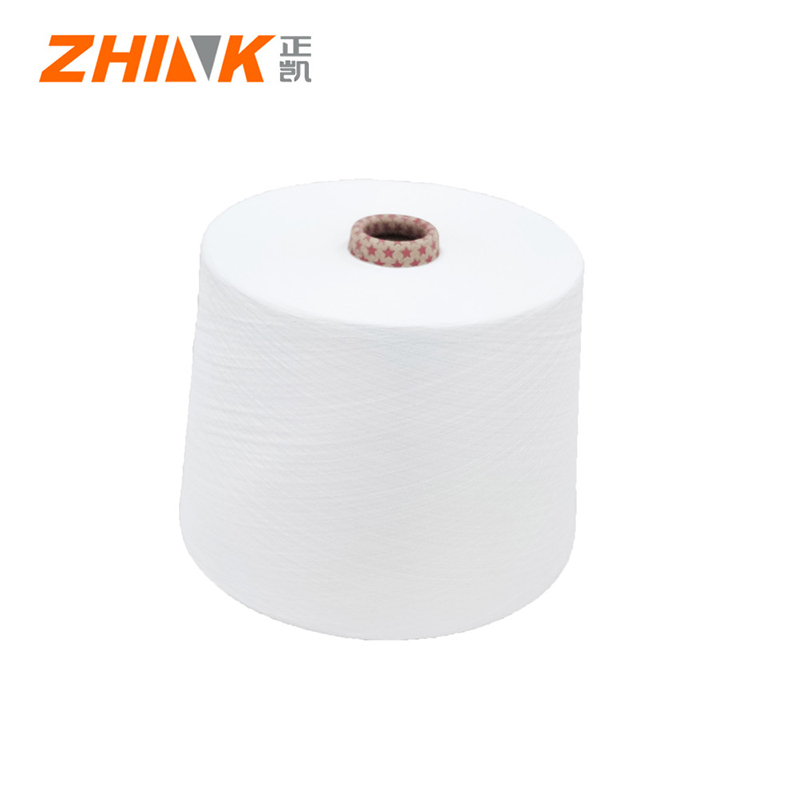
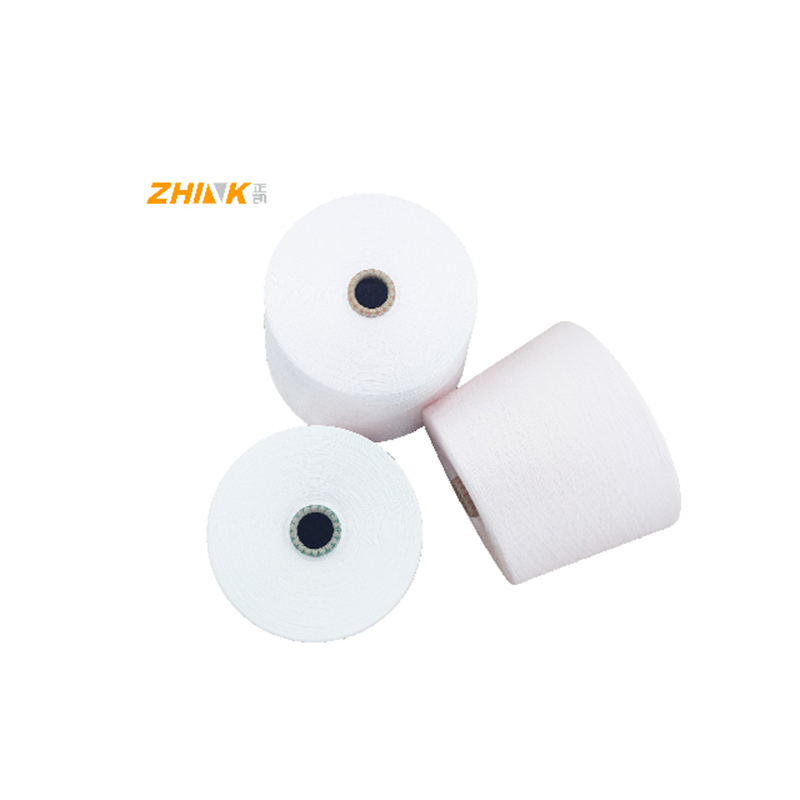
100% Flame retardant polyester ring
Understanding the 100% Flame Retardant Polyester Ring
The term 100% Flame Retardant Polyester Ring might sound like just another jargon in the world of textile manufacturing, but its significance in safety and industry applications cannot be overstated. In various sectors, the importance of using materials that can resist flames is critical. Here, I’ll share insights drawn from years of practical experience in textile material innovation. The intricacies go beyond mere compliance.
What Makes Flame Retardant Polyester Special?
First, let's talk about the basics. When we say a polyester product is flame retardant, what we really mean is that it has been designed and treated to resist burning. But not all polyester can claim this type of resilience. A 100% flame retardant polyester ring, specifically, must endure rigorous testing to meet industry standards. It's not just about adding chemicals as some might think; rather, it's about ensuring the textile can withstand extreme heat without supporting combustion. That's a breakthrough if you consider materials from a decade ago.
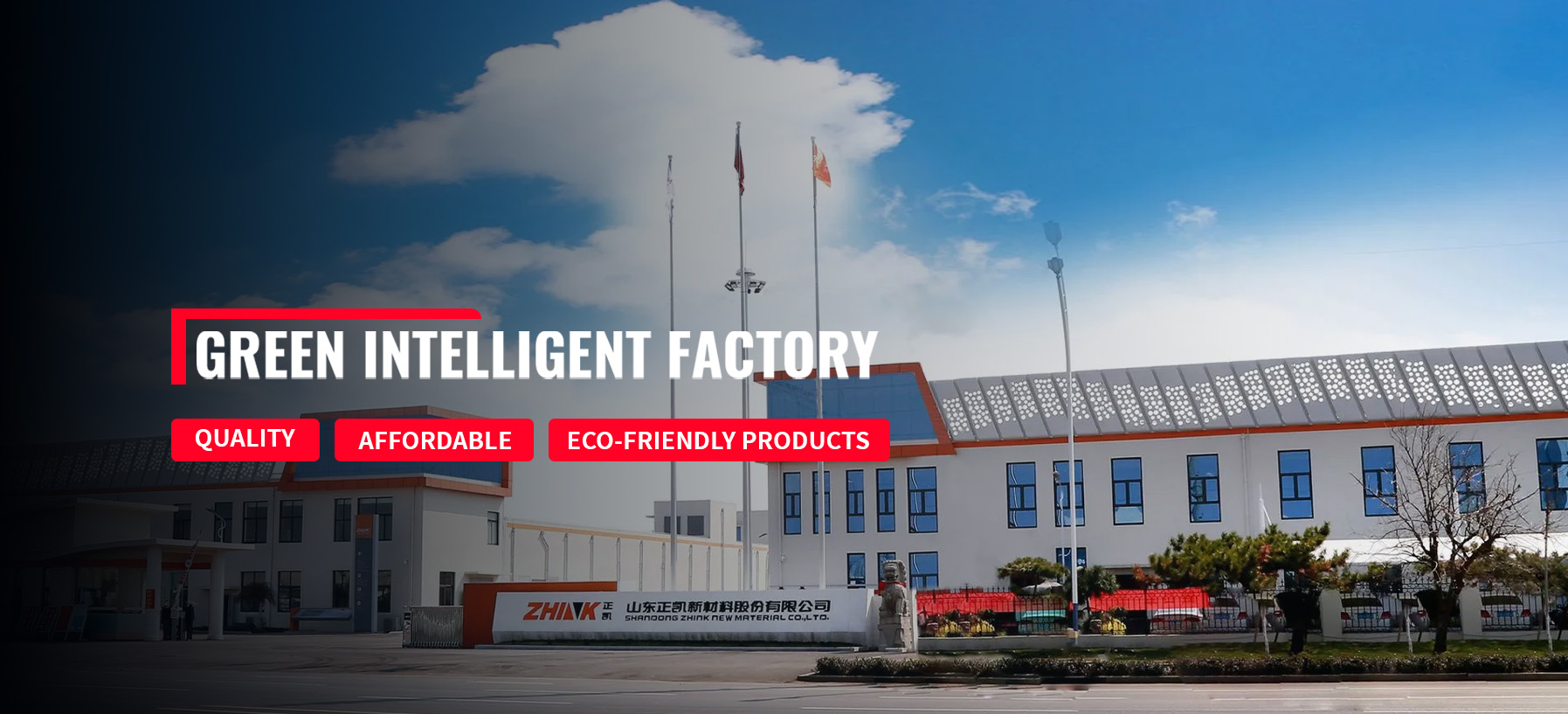
From my working experiences, the process involves not just sourcing the right type of polyester but also employing specialized treatments that transform the nature of the fiber itself. This might include using inherently flame-resistant yarns like those developed by SHANDONG ZHINK NEW MATERIAL CO., LTD, which are specifically engineered to incorporate flame-retardant properties at the molecular level. Their site provides some insightful resources on this: Zhink New Material.
It's worth noting that some manufacturers may use surface treatments, which can wash out over time, compromising the safety of the fabric. This makes inherent modifications much more reliable for long-term projects, especially in critical applications.
Industry Applications and Importance
Now, why does this matter? In any sector that involves fire hazards—construction, oil and gas, or transportation—having polyester that resists flames can be a lifesaver, quite literally. I recall a project in an oil refinery where the use of flame retardant polyester rings was a regulatory requirement. This prevented not only accidents but ensured worker safety.
This kind of polyester is engineered to slow down the spread of fire, giving people ample time to respond. I remember discussing this during a safety drill, where the difference between treated and untreated fibers was stark. When exposed to open flames, the untreated fabric quickly caught fire, while the flame retardant polyester simply charred and extinguished.
Such demonstrations visually reinforce why companies are willing to invest in higher-quality materials, opting for solutions that offer genuine safety benefits rather than cheaper short-term fixes.
Challenges and Misconceptions
In the field, there's a common misconception that flame retardant means fireproof, which isn't the case. Even flame retardant polyester rings won't make something entirely immune to fire. Their role is to mitigate fire spread—not eliminate the potential for fire entirely.
Testing and validation are crucial stages where I've seen many products fail. Some fail to maintain their structural integrity after being subjected to stringent fire tests. This is where partnerships with companies specializing in advanced material R&D, like Zhink New Material, become invaluable. Their ongoing research contributes to the continual improvement of product reliability.
Understanding the limitations is just as important as leveraging the strengths, and sometimes that requires educating clients who may have unrealistic expectations based on marketing claims rather than technical realities.
Quality Control and Standards
The production of flame retardant materials involves rigorous quality control. Poorly controlled manufacturing processes can compromise the effectiveness of the product. I’ve encountered batches that didn’t meet set standards due to minor lapses in process oversight. These are hard lessons, but necessary to refine the production methods continually.
Quality assurance involves not just the final product testing but monitoring each stage from raw material to finished product. This is where having an adept team makes a difference. We often turn to partners like SHANDONG ZHINK NEW MATERIAL CO., LTD for their expertise in this aspect.
Their innovative approach allows for a better understanding of how these products can be improved at a fundamental level. You can explore their expertise further at Zhink New Material.
Future Prospects and Innovations
The field of flame retardant textiles is ever-evolving. As environmental concerns grow, there’s pressure to develop eco-friendly flame retardants. Traditional chemicals often raise environmental and health questions, pushing innovations towards sustainable alternatives. This is shaping a new landscape in R&D.
I’m optimistic about advancements, seeing firsthand the commitment by companies like Zhink New Material to invest in sustainable practices. Their cutting-edge innovations are paving the way for a new standard in safety without compromising environmental responsibilities.
Moreover, with ongoing research, the goal is not only to improve the performance but to make these products more accessible and versatile. This holds promising implications for wider applications and enhanced safety across various industries.
Related Products
Related Products