+86-632-3621866
- Chinese
- French
- German
- Portuguese
- Spanish
- Russian
- Japanese
- Korean
- Arabic
- Irish
- Greek
- Turkish
- Italian
- Danish
- Romanian
- Indonesian
- Czech
- Afrikaans
- Swedish
- Polish
- Basque
- Catalan
- Esperanto
- Hindi
- Lao
- Albanian
- Amharic
- Armenian
- Azerbaijani
- Belarusian
- Bengali
- Bosnian
- Bulgarian
- Cebuano
- Chichewa
- Corsican
- Croatian
- Dutch
- Estonian
- Filipino
- Finnish
- Frisian
- Galician
- Georgian
- Gujarati
- Haitian
- Hausa
- Hawaiian
- Hebrew
- Hmong
- Hungarian
- Icelandic
- Igbo
- Javanese
- Kannada
- Kazakh
- Khmer
- Kurdish
- Kyrgyz
- Latin
- Latvian
- Lithuanian
- Luxembou..
- Macedonian
- Malagasy
- Malay
- Malayalam
- Maltese
- Maori
- Marathi
- Mongolian
- Burmese
- Nepali
- Norwegian
- Pashto
- Persian
- Punjabi
- Serbian
- Sesotho
- Sinhala
- Slovak
- Slovenian
- Somali
- Samoan
- Scots Gaelic
- Shona
- Sindhi
- Sundanese
- Swahili
- Tajik
- Tamil
- Telugu
- Thai
- Ukrainian
- Urdu
- Uzbek
- Vietnamese
- Welsh
- Xhosa
- Yiddish
- Yoruba
- Zulu
- Kinyarwanda
- Tatar
- Oriya
- Turkmen
- Uyghur


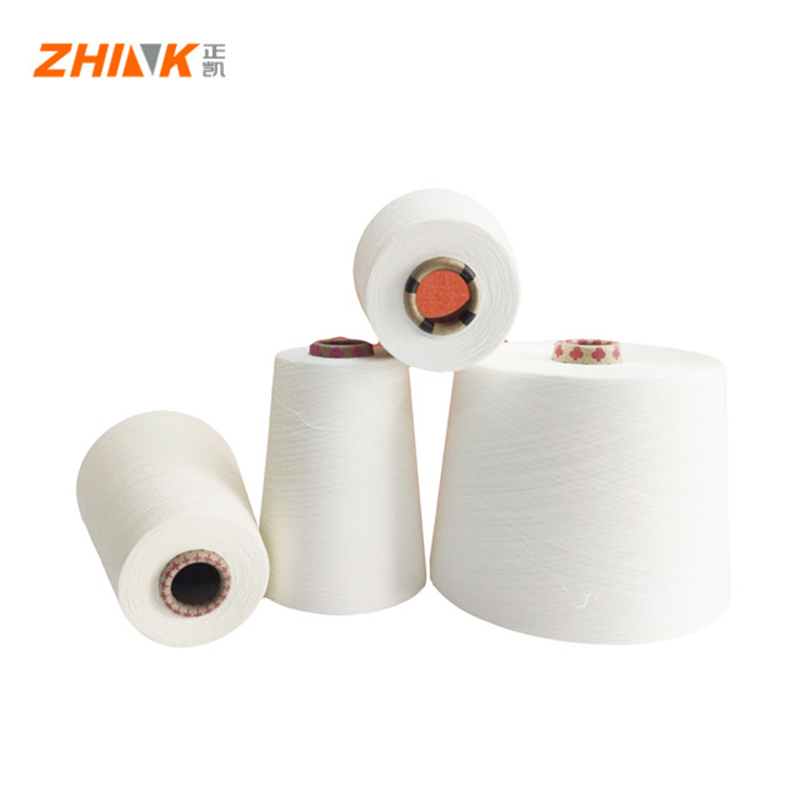
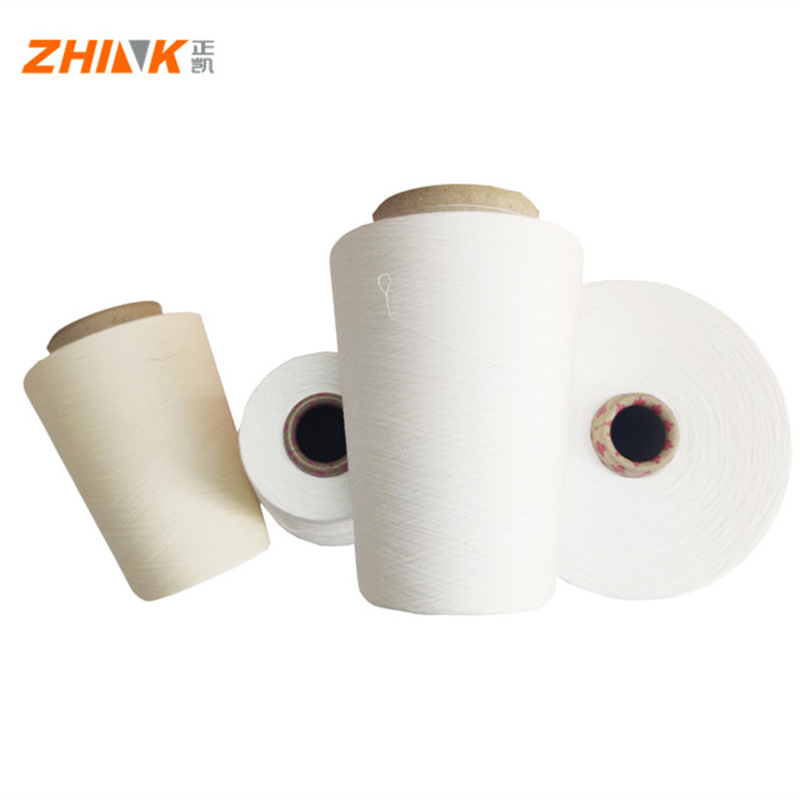
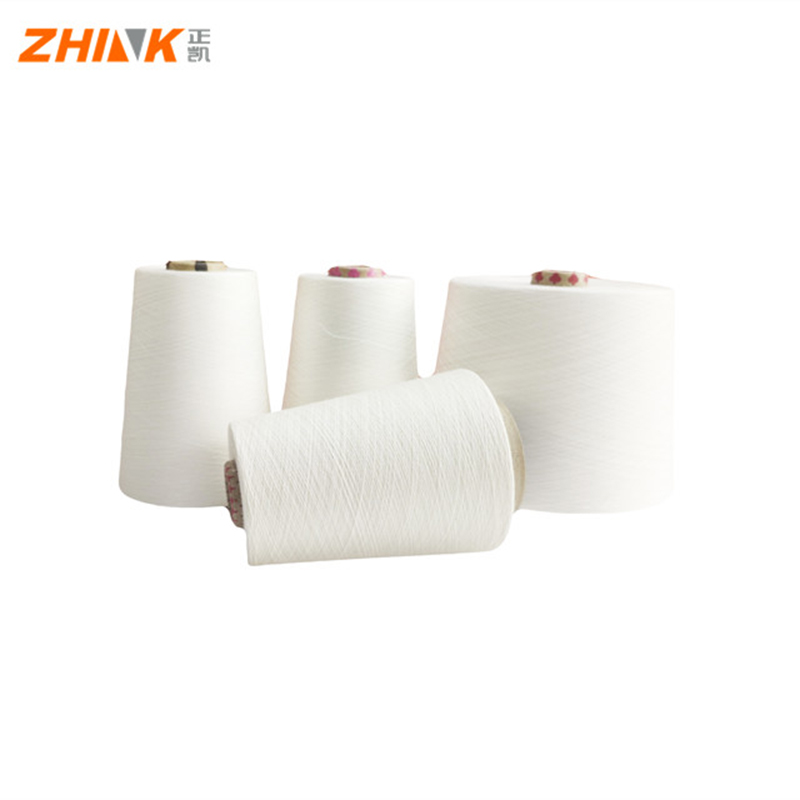
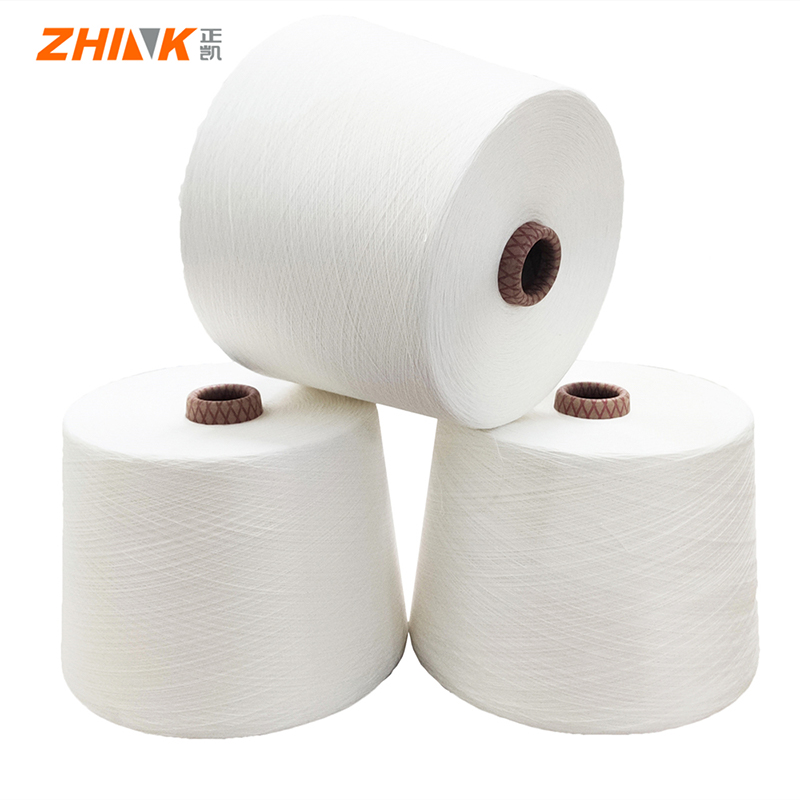
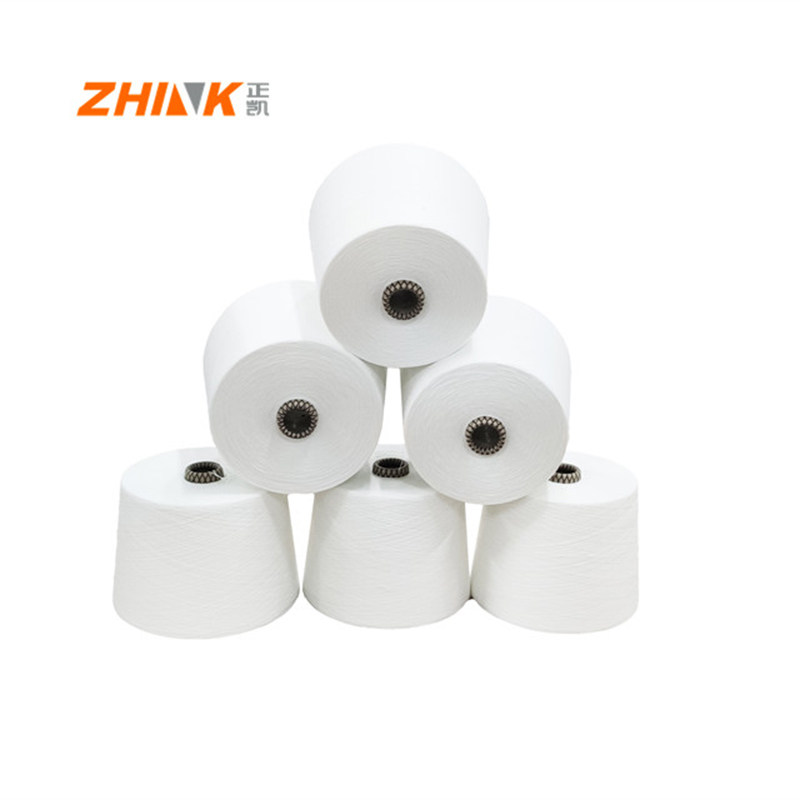
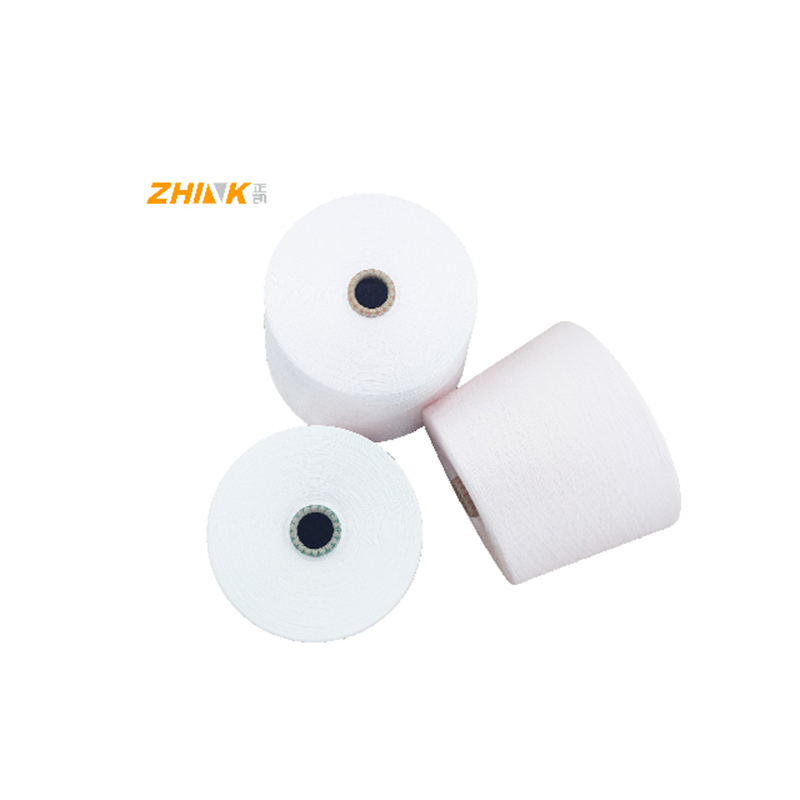
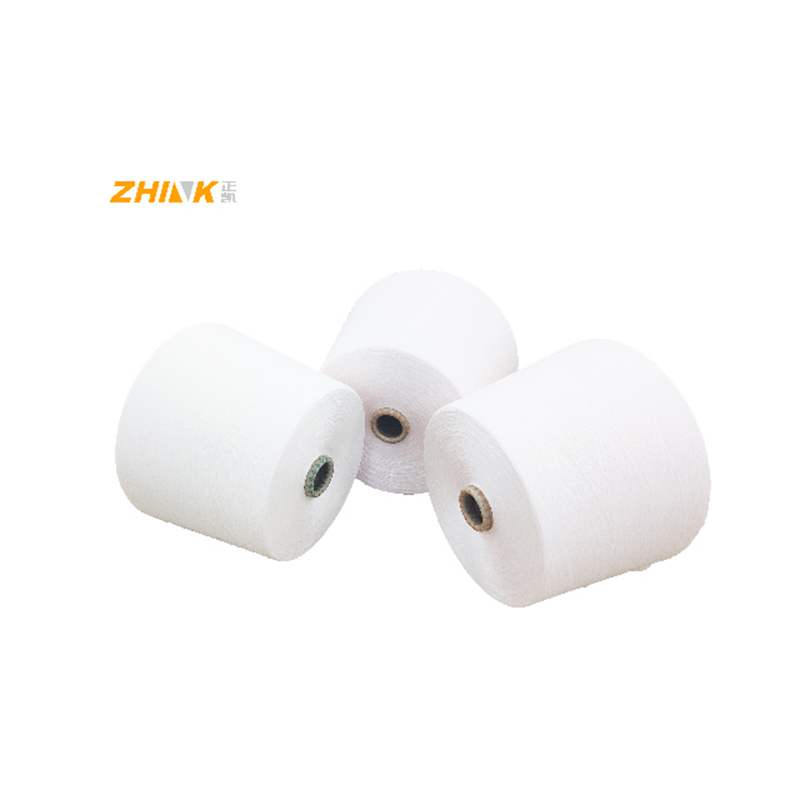
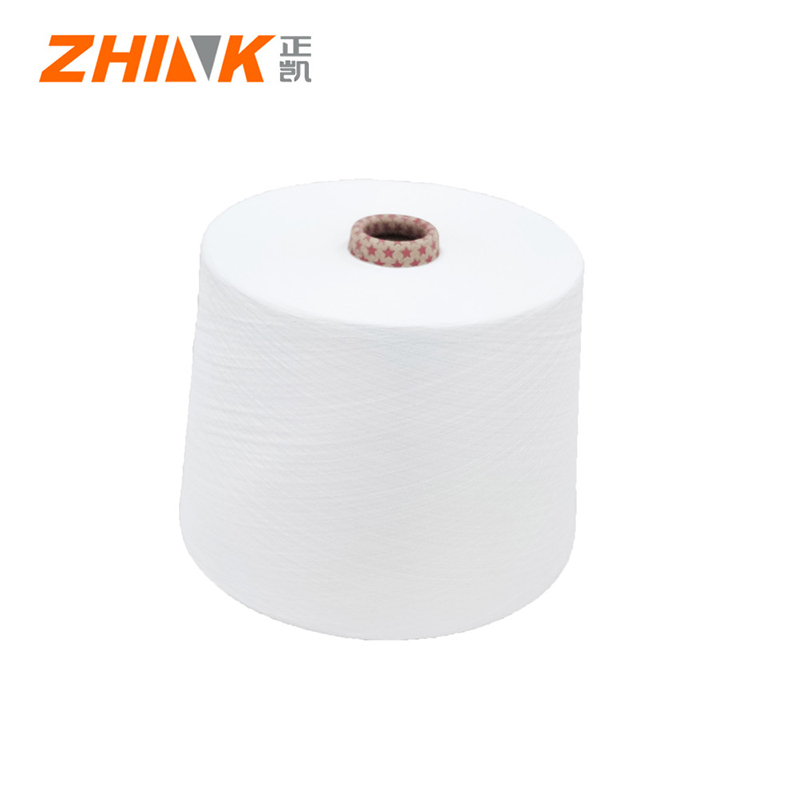
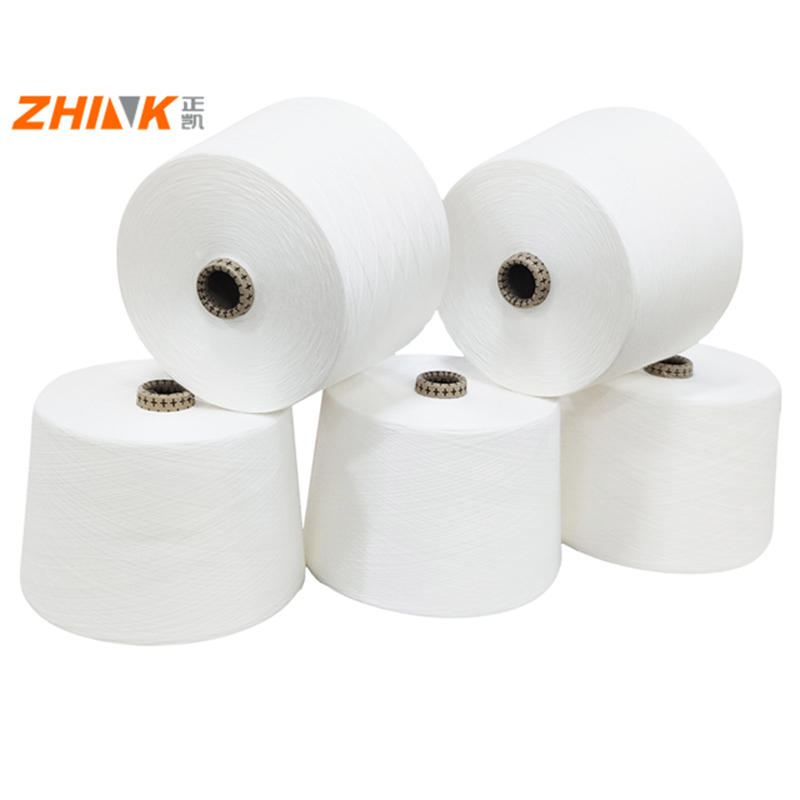
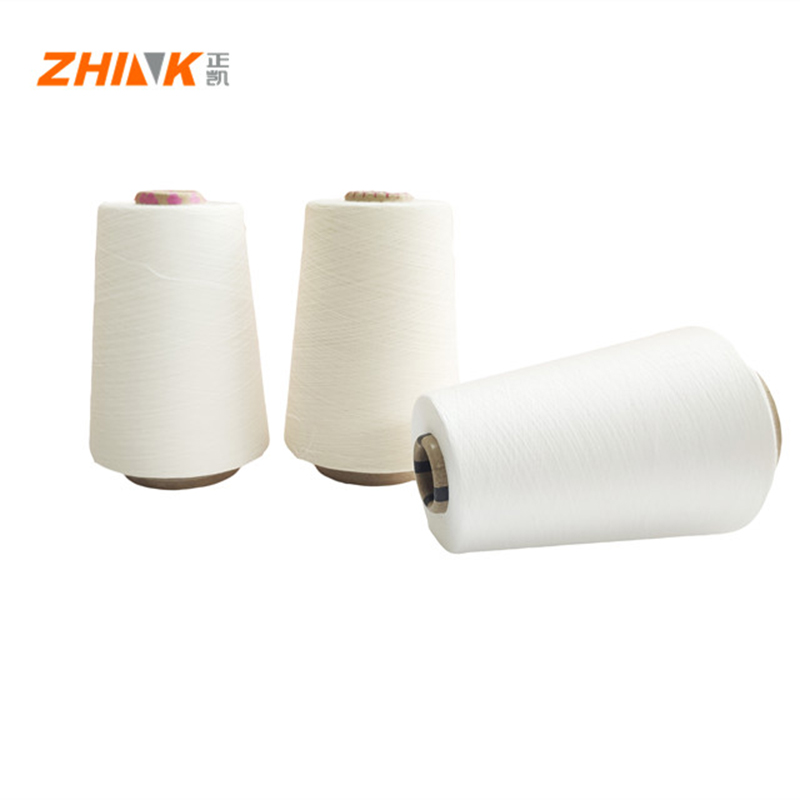
100% G100 yarn
Understanding 100% G100 Yarn: Insights from the Field
The use of 100% G100 yarn is often associated with high performance and specialty applications. However, professionals in the textile sector sometimes misunderstand its nuances. Let's unravel some common misconceptions and explore real-world applications that reveal both its strengths and limitations.
What Exactly is 100% G100 Yarn?
To start with, 100% G100 yarn is known for its exceptional durability and strength. It's often utilized in environments demanding high tenacity. But what exactly makes it stand out? The term 'G100' often refers to a grading or specification that industry insiders recognize as a benchmark for quality.
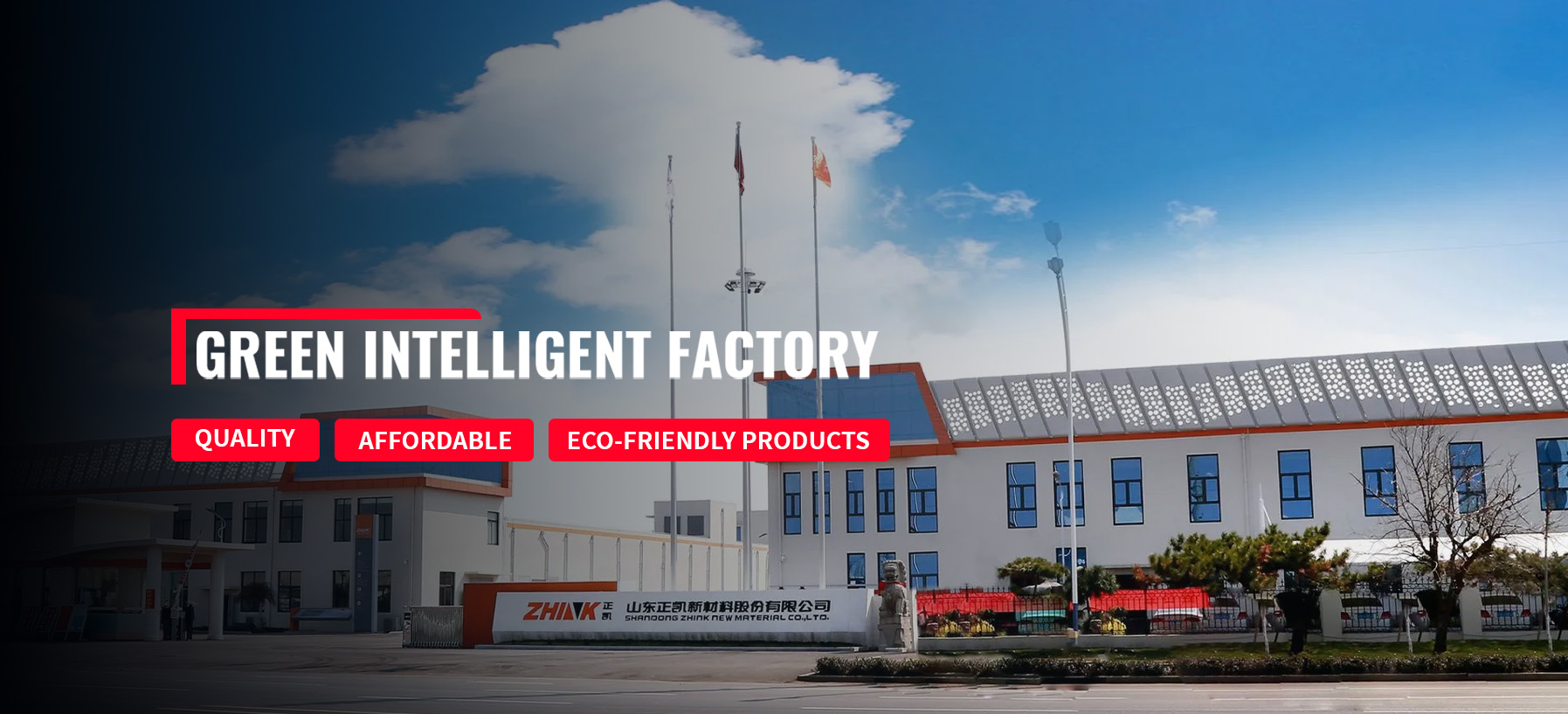
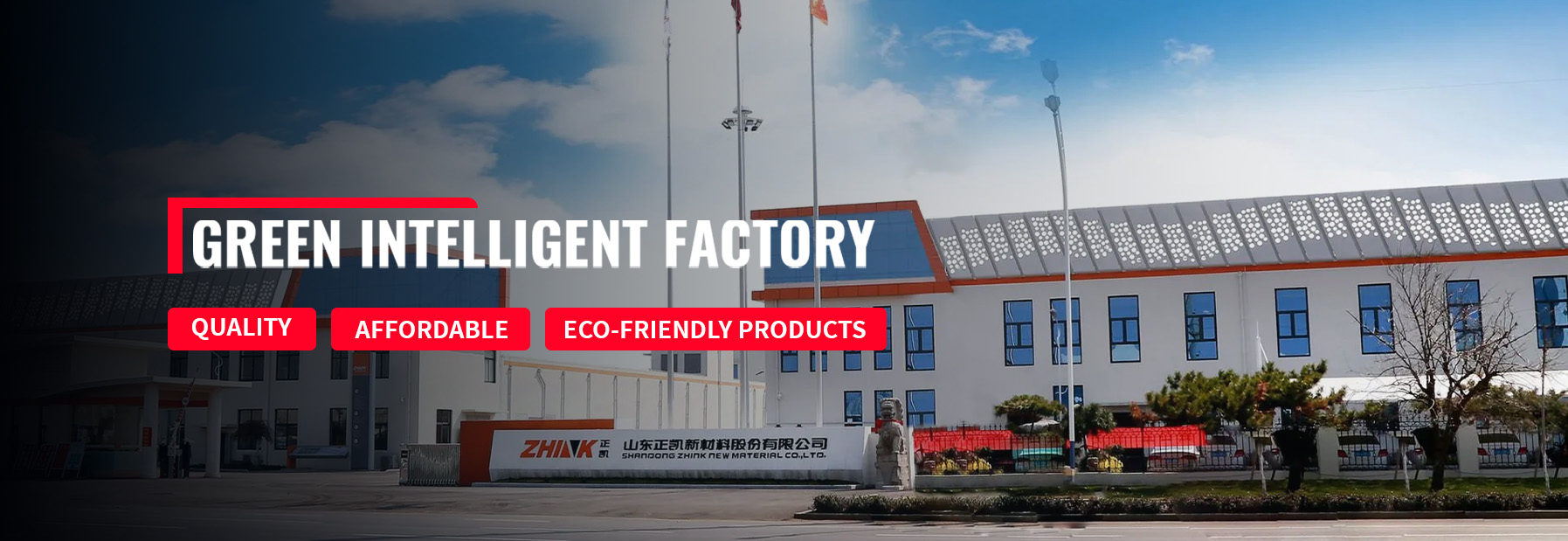
From my experience, when working with SHANDONG ZHINK NEW MATERIAL CO., LTD, I learned that the production process is crucial in achieving these properties. Their facility (details at Zhink New Material) demonstrates that careful control over polymerization and spinning phases contributes significantly to the yarn's final attributes.
Despite its robustness, I've seen instances where inappropriate use leads to unsatisfactory results. It’s not just about buying premium; how you integrate it into your design makes all the difference. Always align the material's properties with the intended function.
Applications: Where G100 Yarn Shines
One particular case that stands out involved creating textiles for outdoor gear. The demand for items that can withstand harsh environments is high, and 100% G100 yarn fits perfectly. A colleague once used it in a series of backpacks designed for extreme weather conditions.
The fibers showed minimal abrasion even after repeated stress tests. However, the challenge came with dye retention. While G100 fibers excel in physical resilience, ensuring consistent color over time required innovation and technology not immediately intuitive to all teams.
This learning curve highlighted an essential reminder: success often requires integrating expertise from various domains, including chemistry and materials science, to leverage a material's full potential.
Potential Pitfalls: Learning from Failure
It's not uncommon to encounter setbacks with 100% G100 yarn. I recall a project where, despite our initial enthusiasm, we faced issues with sewability. The needle resistance was higher than anticipated, which led to operational delays.
Reflecting on this, it's clear the problem was rooted in underestimating the yarn's density. Over time, we adapted with specialized machinery and techniques to handle the yarn better, a solution that went beyond mere material selection.
These experiences underscore the importance of flexibility in technical approaches and prompt adjustments based on real-time feedback. Always expect the unexpected and prepare for modifying traditional methods.
The Role of Innovation in Textile Advancements
Incorporating 100% G100 yarn isn't just about using existing materials in novel ways. It's also about participating in evolving textile technologies. Companies like Zhink New Material are pushing these boundaries by investing in R&D, constantly exploring enhancements.
By keeping an eye on upcoming trends and embracing new methodologies, one can stay competitive. Our industry meetings often emphasize collaboration — each entity brings innovative practices that others can learn from, ensuring ongoing growth and improvement.
As we move forward, expect yarns like G100 to be at the forefront of not only fashion but also functional textiles, blending aesthetics with engineering marvel.
Final Thoughts: Navigating the Yarn Landscape
Ultimately, navigating the vast landscape of textile materials means acknowledging both opportunities and constraints of something like 100% G100 yarn. Each interaction, whether successful or not, offers invaluable insight that shapes future applications.
At the core, it comes down to understanding your tools and the continuous education that professionals at SHANDONG ZHINK NEW MATERIAL CO., LTD impart with every project. Engaging with such fabrications involves developing an eye for detail and an openness to learn from each phase of production and application.
In embracing both proven practices and fresh insights, the journey with yarns like G100 unfolds as an ever-evolving tapestry of technological and creative endeavor.
Related Products
Related Products