+86-632-3621866
- Chinese
- French
- German
- Portuguese
- Spanish
- Russian
- Japanese
- Korean
- Arabic
- Irish
- Greek
- Turkish
- Italian
- Danish
- Romanian
- Indonesian
- Czech
- Afrikaans
- Swedish
- Polish
- Basque
- Catalan
- Esperanto
- Hindi
- Lao
- Albanian
- Amharic
- Armenian
- Azerbaijani
- Belarusian
- Bengali
- Bosnian
- Bulgarian
- Cebuano
- Chichewa
- Corsican
- Croatian
- Dutch
- Estonian
- Filipino
- Finnish
- Frisian
- Galician
- Georgian
- Gujarati
- Haitian
- Hausa
- Hawaiian
- Hebrew
- Hmong
- Hungarian
- Icelandic
- Igbo
- Javanese
- Kannada
- Kazakh
- Khmer
- Kurdish
- Kyrgyz
- Latin
- Latvian
- Lithuanian
- Luxembou..
- Macedonian
- Malagasy
- Malay
- Malayalam
- Maltese
- Maori
- Marathi
- Mongolian
- Burmese
- Nepali
- Norwegian
- Pashto
- Persian
- Punjabi
- Serbian
- Sesotho
- Sinhala
- Slovak
- Slovenian
- Somali
- Samoan
- Scots Gaelic
- Shona
- Sindhi
- Sundanese
- Swahili
- Tajik
- Tamil
- Telugu
- Thai
- Ukrainian
- Urdu
- Uzbek
- Vietnamese
- Welsh
- Xhosa
- Yiddish
- Yoruba
- Zulu
- Kinyarwanda
- Tatar
- Oriya
- Turkmen
- Uyghur



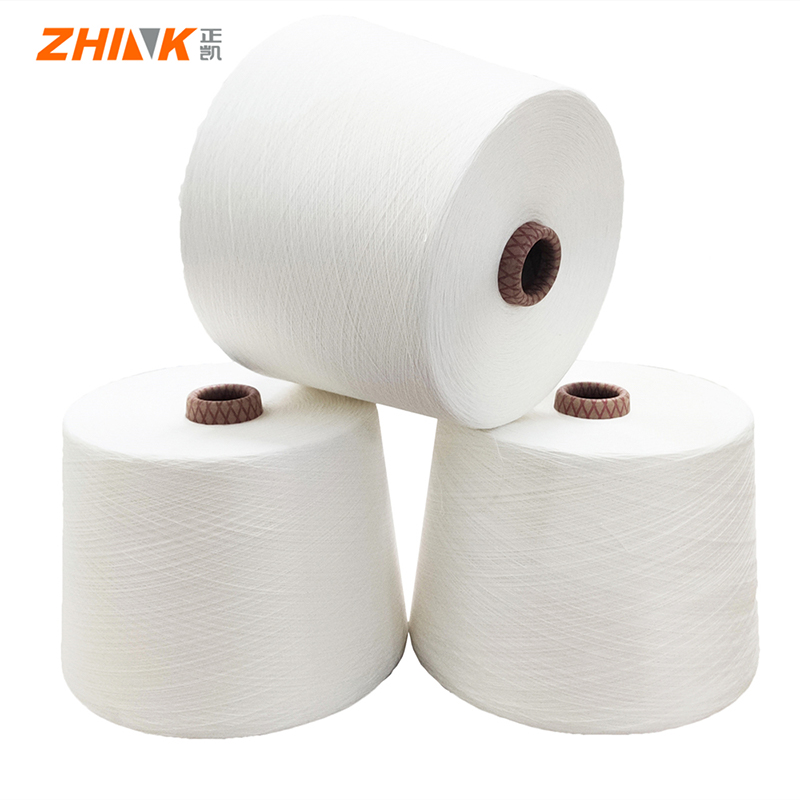
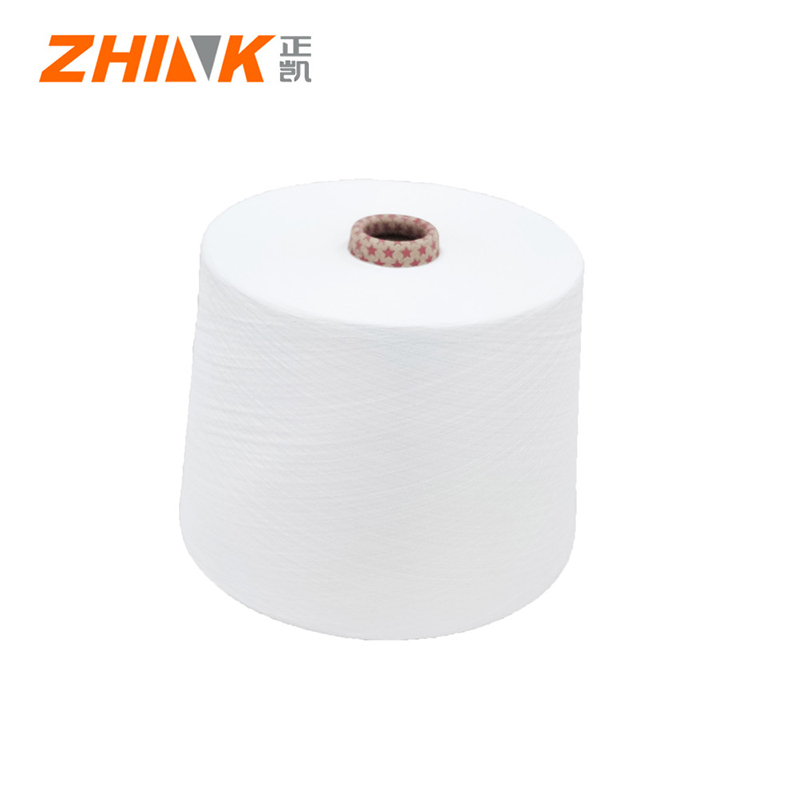
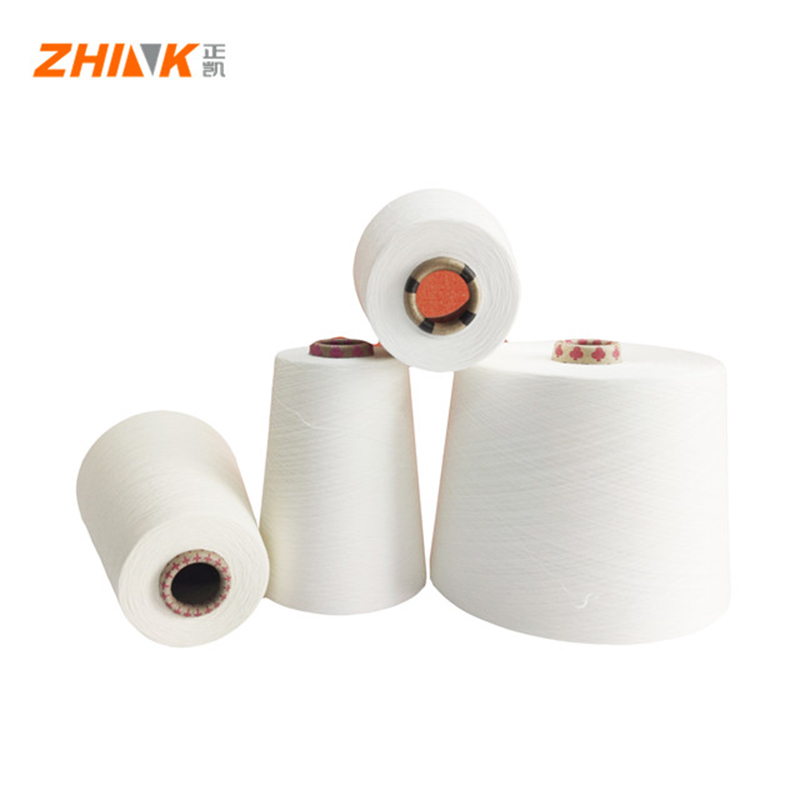
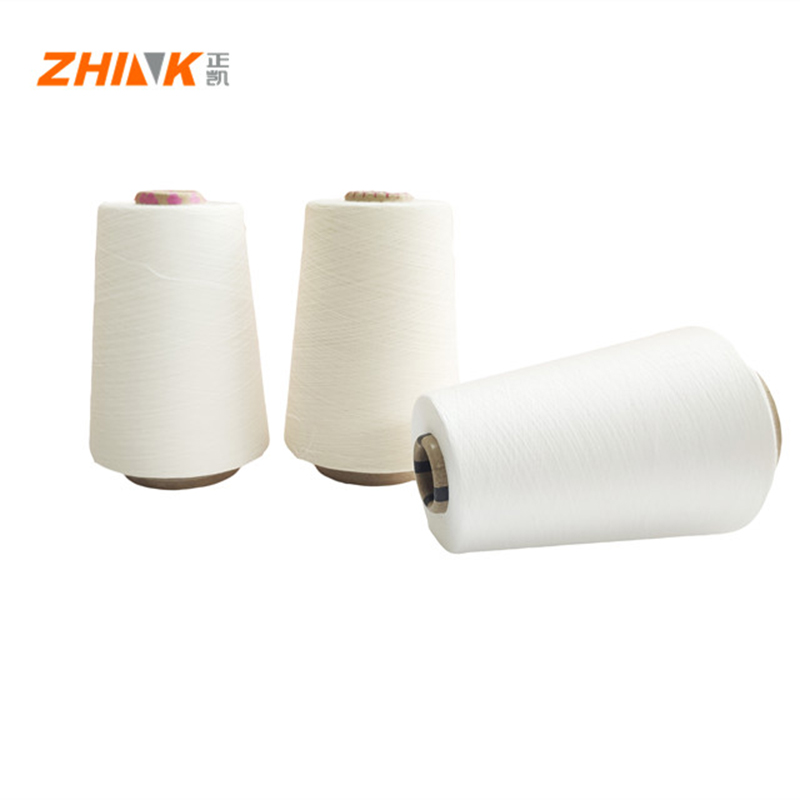
100% Hollow polyester vortex
The Rise of 100% Hollow Polyester Vortex Yarns
100% hollow polyester vortex yarns are reshaping the textile industry, combining advanced technology with practical benefits. Yet, even seasoned professionals often overlook their full potential. Let's dive into the intricacies, common misconceptions, and practical applications revealed through hands-on experience.
Understanding the Basics
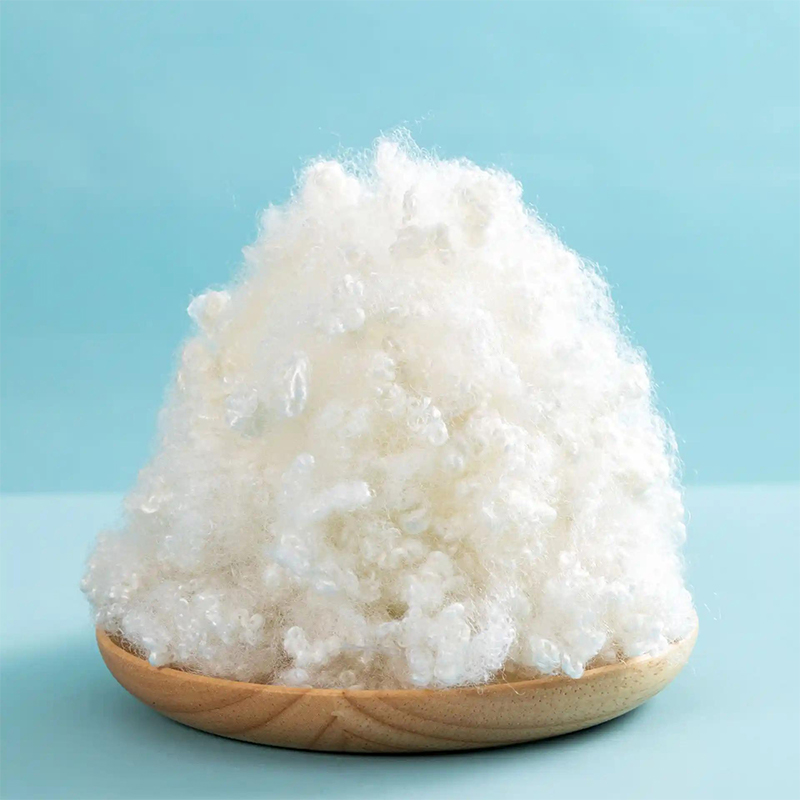
In the realm of advanced textiles, 100% hollow polyester vortex yarns stand out for their unique structure. These yarns, produced using vortex spinning technology, have a hollow core that imparts significant advantages in terms of thermal insulation and weight reduction. Think of them as the Swiss Army knife of yarns, adaptable to a host of applications yet sometimes misunderstood or underutilized.
It's often assumed that these hollow fibers are fragile or just a marketing gimmick, but that's far from the truth. Their strength lies in the very vortex spinning process, which interlaces fibers robustly. It was a surprise for many in the industry—myself included—how well these yarns performed under stress tests.
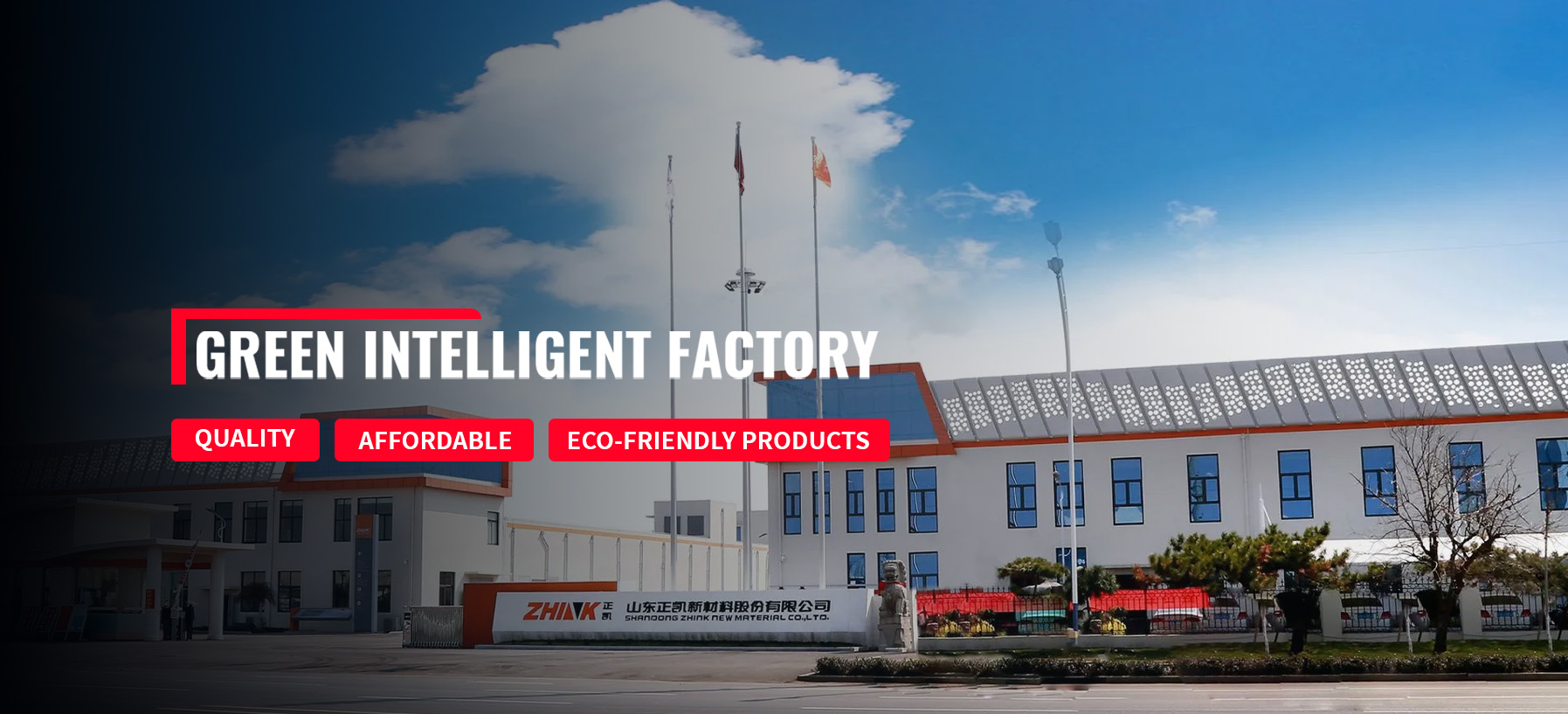
Let's not forget the sustainability aspect. With growing emphasis on eco-friendly products, using less raw material while delivering superior performance is a compelling advantage. Companies like SHANDONG ZHINK NEW MATERIAL CO., LTD are at the forefront, leveraging their R&D capabilities to produce these yarns efficiently.
The Spin on Benefits
The benefits of using hollow polyester vortex yarn are multi-fold. Notably, garments made from these yarns are notably lighter and offer better heat retention than their solid-core counterparts. This finds particular favor in outdoor and sports apparel. Picture a cold morning hike; the lightweight fabric feels almost ethereal yet keeps you snug—it's a game changer.
Moreover, the breathability of fabrics produced with these yarns amplifies comfort. It's as though there's a microclimate at work, wicking away moisture while maintaining warmth. I recall a project where we used hollow vortex yarns for a client specializing in athletic wear. The feedback was overwhelmingly positive, with athletes reporting superb comfort and performance.
Cost-effectiveness is another angle worth noting. Despite seeming like a premium choice, the efficiency in using less material can balance out expenses, particularly when ordered in bulk. Strategic partnerships with manufacturers—like those pursued by Zhink New Material—can further optimize production costs.
Challenges in Production
Of course, working with such innovative materials isn't without its hurdles. Consistency is key in textile production, and managing the evenness of the hollow core under various spinning conditions can be tricky. We've had our fair share of trial and error—adjusting machine settings, testing different fiber blends—each change can ripple through the production line.
The learning curve can be steep, especially for traditional mills transitioning to modern technologies like vortex spinning. But those who embrace the challenge often find their efforts rewarded with a versatile product that opens doors to new markets.
Training for workers is another critical factor. Hands-on experience and continuous education ensure that the workforce is adept at overcoming these production challenges, maintaining quality throughout the process.
Application Spectrum
The application range for hollow polyester vortex yarns is broadening. While initially popular in sportswear, the fashion industry is catching on too. Designers are intrigued by the yarn's ability to create voluminous yet lightweight garments, perfect for creative silhouettes without the bulk.
In home textiles, the benefits translate into softer, more breathable sheets and comforters. During a visit to a manufacturing plant, I saw firsthand how these yarns were integrated into bedding products, transforming the tactile experience.
Beyond consumer applications, industrial uses are emerging, particularly in areas demanding robust, lightweight materials. Machinery filtration systems, for instance, benefit from the efficiency of hollow fibers without sacrificing durability.
Looking Forward
As with any innovation, we're just scratching the surface of what hollow polyester vortex yarns can achieve. R&D efforts are crucial—companies like SHANDONG ZHINK NEW MATERIAL CO., LTD continue to push the boundaries in material science, so it's an exciting time for the textile industry.
The landscape is evolving, with new composite materials being developed, promising even greater enhancements in yarn performance. Staying ahead requires a willingness to experiment and adapt, qualities that the most successful players in this field possess in abundance.
In summary, while challenges exist, the benefits and potential applications of 100% hollow polyester vortex yarns far outweigh the hurdles. For anyone in textiles, they're more than just a trend—they're the future. Embrace them, and you're investing in a rapidly expanding frontier.
Related Products
Related Products