+86-632-3621866
- Chinese
- French
- German
- Portuguese
- Spanish
- Russian
- Japanese
- Korean
- Arabic
- Irish
- Greek
- Turkish
- Italian
- Danish
- Romanian
- Indonesian
- Czech
- Afrikaans
- Swedish
- Polish
- Basque
- Catalan
- Esperanto
- Hindi
- Lao
- Albanian
- Amharic
- Armenian
- Azerbaijani
- Belarusian
- Bengali
- Bosnian
- Bulgarian
- Cebuano
- Chichewa
- Corsican
- Croatian
- Dutch
- Estonian
- Filipino
- Finnish
- Frisian
- Galician
- Georgian
- Gujarati
- Haitian
- Hausa
- Hawaiian
- Hebrew
- Hmong
- Hungarian
- Icelandic
- Igbo
- Javanese
- Kannada
- Kazakh
- Khmer
- Kurdish
- Kyrgyz
- Latin
- Latvian
- Lithuanian
- Luxembou..
- Macedonian
- Malagasy
- Malay
- Malayalam
- Maltese
- Maori
- Marathi
- Mongolian
- Burmese
- Nepali
- Norwegian
- Pashto
- Persian
- Punjabi
- Serbian
- Sesotho
- Sinhala
- Slovak
- Slovenian
- Somali
- Samoan
- Scots Gaelic
- Shona
- Sindhi
- Sundanese
- Swahili
- Tajik
- Tamil
- Telugu
- Thai
- Ukrainian
- Urdu
- Uzbek
- Vietnamese
- Welsh
- Xhosa
- Yiddish
- Yoruba
- Zulu
- Kinyarwanda
- Tatar
- Oriya
- Turkmen
- Uyghur


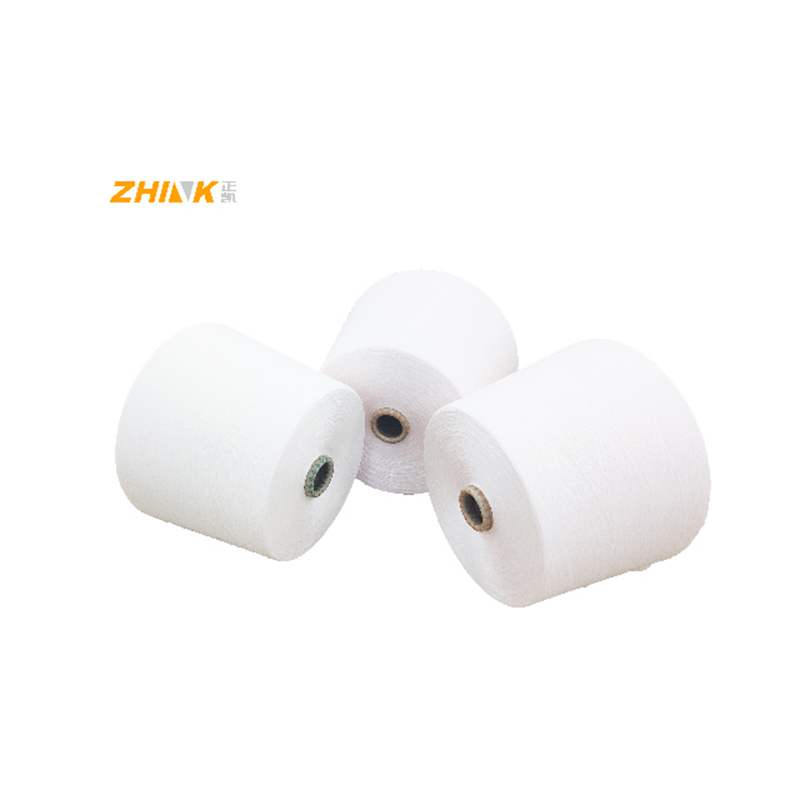
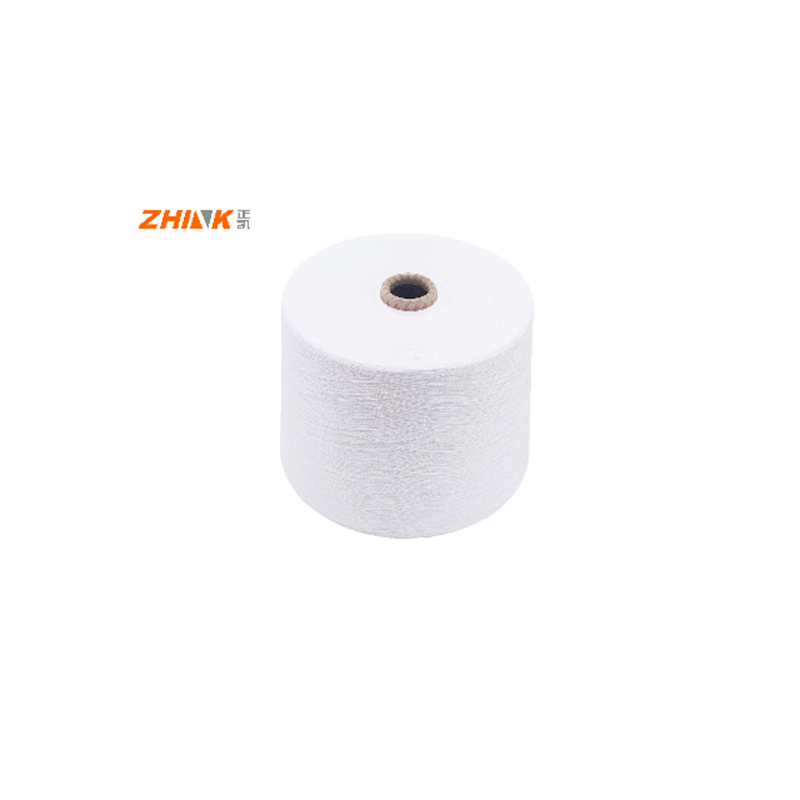
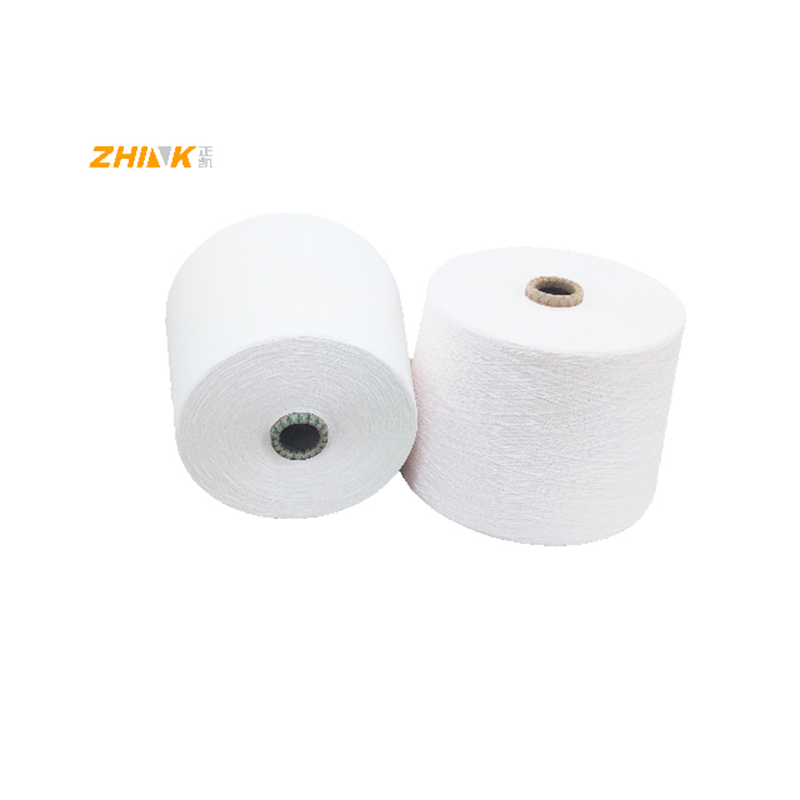
100% Lyocell MVS
The Versatility and Impact of 100% Lyocell MVS
In the realm of sustainable textiles, 100% Lyocell MVS has garnered significant attention for its eco-friendly properties and versatility in various applications. This article delves into the nuances of this fiber, offering firsthand insights from industry practices and uncovering both its potential and challenges.
Understanding 100% Lyocell MVS
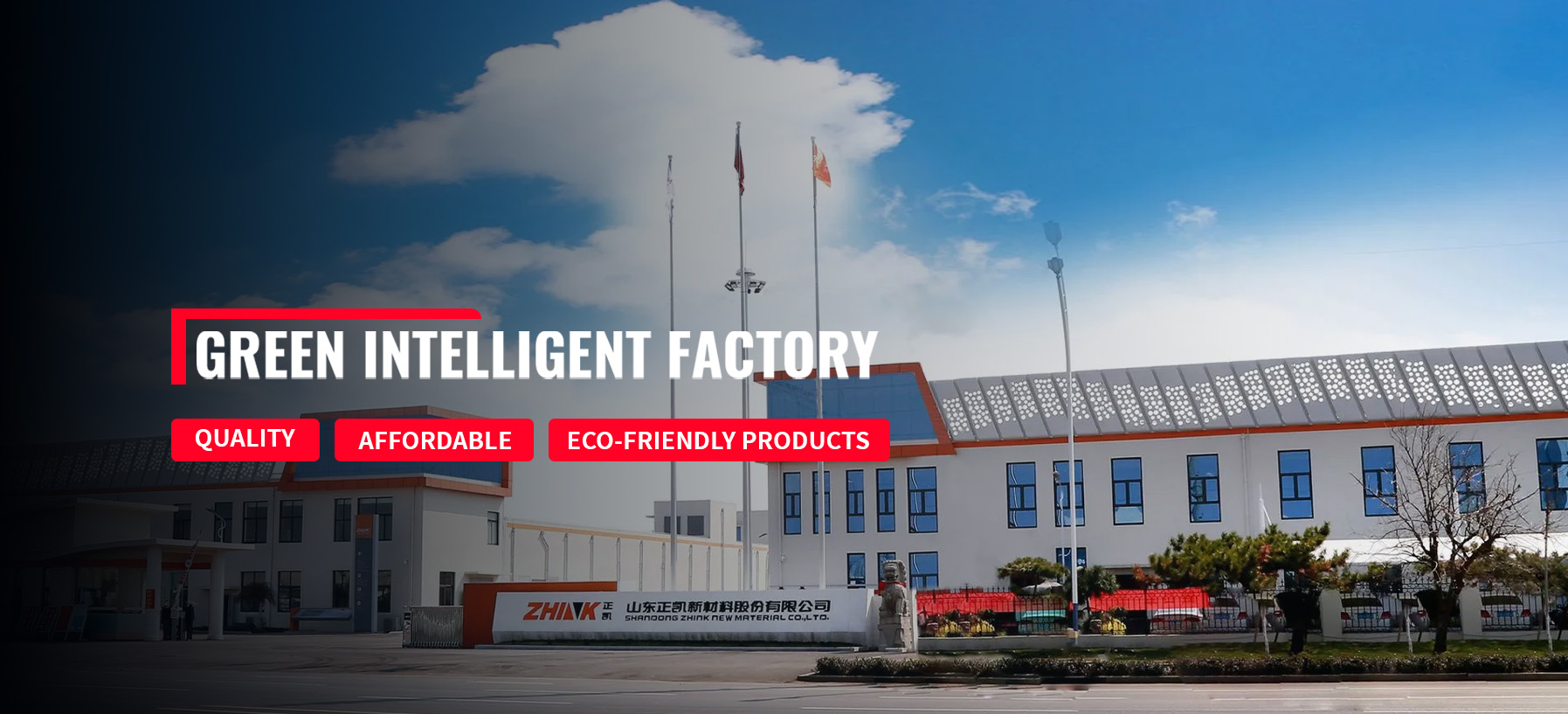
Let's start with the basics. Lyocell, often branded as a sustainable wonder, is a type of rayon made from cellulose fibers derived from wood pulp. Its claim to fame in the textile industry is largely due to its biodegradability and the closed-loop process used during production, minimizing waste. Yet, when I first encountered the term 100% Lyocell MVS while working with SHANDONG ZHINK NEW MATERIAL CO., LTD, it raised certain questions in my mind.
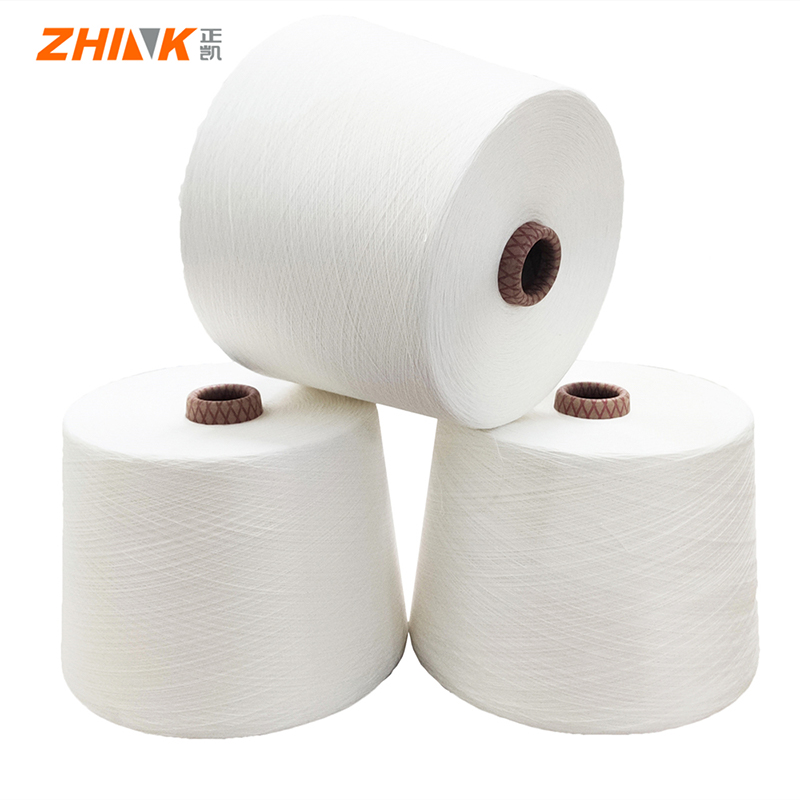
The MVS process, short for Murata Vortex Spinning, is an innovative spinning technique that enhances the fabric's characteristics, particularly its softness and durability. In practice, this translates to textiles that feel smoother against the skin and boast improved tensile strength. These qualities make it suitable for high-end fashion and performance wear. At our facility at Zhink New Material, we frequently explore these dimensions to refine our product offerings (check out more about our innovations at Zhink New Material).
However, while the theory sounds promising, in application, the MVS process isn't without its quirks. One of the challenges often encountered is the balance between maintaining fabric integrity and achieving desired aesthetic qualities. Time and again, runs in the production line reveal insights into optimizing settings to prevent unexpected fabric pilling or inconsistency in dye uptake.
The Production and Market Dynamics
From a production standpoint, one prevalent misconception I've noticed is equating cost-effectiveness with lower quality. The MVS process, while slightly more capital-intensive upfront, offsets costs over time with reduced waste and energy efficiency. As someone involved in production logistics, I can attest to how streamlining these operations at Zhink has enabled us to meet both economic and environmental goals.
In the competitive landscape of textile goods, 100% Lyocell MVS products are increasingly seen across consumer markets. Brands leverage its eco-friendly narrative and the tactile benefits it offers. Notably, a campaign we launched highlighted how the combination of sustainability and luxury appeals strongly to our environmentally conscious clients.
Still, integrating into the market isn't devoid of hurdles. Supply chain stability, especially during global disruptions, requires agility and foresighted planning. Engaging directly with suppliers to ensure certified and sustainable sourcing is a line we have towed carefully and continuously refine.
Exploring Dye and Finish Variations
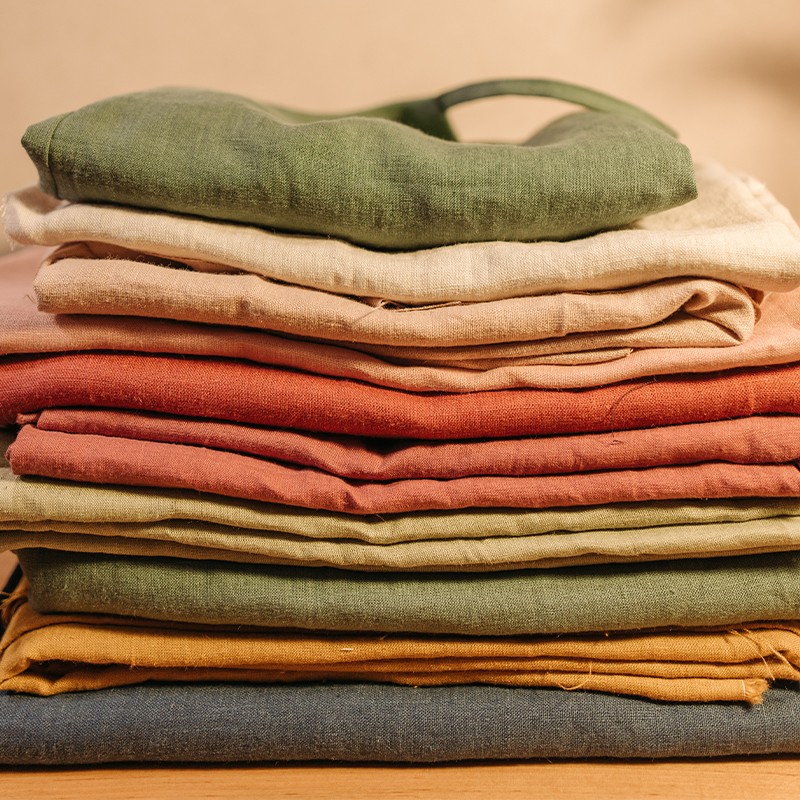
One particularly fascinating domain is dye techniques on 100% Lyocell MVS. Unlike conventional production, where dye uniformity is an assumption, Lyocell's intricate fiber composition demands meticulous attention during the dyeing phase. Achieving vibrant, even hues without compromising the fiber's integrity can be a demanding task.
For instance, an experiment we undertook involved exploring digital printing methods. While promising, it initially led to unexpected texture issues. It was through collaborative troubleshooting with our R&D at Zhink Materials that we refined the process to achieve consistently vibrant finishes without sacrificing texture.
Additional finishes, such as moisture-wicking or anti-microbial treatments, also benefit from the MVS technique. The open structure of the fiber produced enhances the absorption of these functional additives, providing value-added properties that cater to varied consumer demands.
Real-World Feedback and Adjustments
Feedback from actual users is invaluable in gauging how 100% Lyocell MVS holds up in the real world. I remember an instance at a customer feedback session hosted by SHANDONG ZHINK NEW MATERIAL CO., LTD, where participants appreciated the fabric's silky touch but noted issues with shrinkage after repeated washing.
Addressing this, our continual testing and scale-up adjustments have focused on stabilizing fabric expansion through post-production treatments. It's a fine balance of retaining softness while enhancing durability. The iterative design approach helps us adapt swiftly based on consumer insights.
Such real-time feedback loops are critical in maintaining a competitive edge. The textile domain demands responsiveness, which aligns well with Zhink New Material's ethos of perpetual innovation.
The Future Landscape
Looking forward, the trajectory for 100% Lyocell MVS appears promising, particularly with growing consumer awareness of sustainability. Collaborative developments within industry circles, like those initiated by our team at Zhink, are pivotal in advancing the breadth of applications for this material.
There's vast untapped potential in exploring mixed blends with other recycled fibers, a venture we are closely evaluating. By intertwining industry expertise and cutting-edge research, the aim is to push the boundaries of performance and sustainability even further.
In conclusion, while challenges persist, the ingenuity and adaptability showcased in the development of 100% Lyocell MVS position it as a cornerstone for future textile innovations. As we continue to explore its capabilities, one thing is clear: the journey is dynamic, driven by both technological advancements and consumer shifts, much like the industry itself.
Related Products
Related Products