+86-632-3621866
- Chinese
- French
- German
- Portuguese
- Spanish
- Russian
- Japanese
- Korean
- Arabic
- Irish
- Greek
- Turkish
- Italian
- Danish
- Romanian
- Indonesian
- Czech
- Afrikaans
- Swedish
- Polish
- Basque
- Catalan
- Esperanto
- Hindi
- Lao
- Albanian
- Amharic
- Armenian
- Azerbaijani
- Belarusian
- Bengali
- Bosnian
- Bulgarian
- Cebuano
- Chichewa
- Corsican
- Croatian
- Dutch
- Estonian
- Filipino
- Finnish
- Frisian
- Galician
- Georgian
- Gujarati
- Haitian
- Hausa
- Hawaiian
- Hebrew
- Hmong
- Hungarian
- Icelandic
- Igbo
- Javanese
- Kannada
- Kazakh
- Khmer
- Kurdish
- Kyrgyz
- Latin
- Latvian
- Lithuanian
- Luxembou..
- Macedonian
- Malagasy
- Malay
- Malayalam
- Maltese
- Maori
- Marathi
- Mongolian
- Burmese
- Nepali
- Norwegian
- Pashto
- Persian
- Punjabi
- Serbian
- Sesotho
- Sinhala
- Slovak
- Slovenian
- Somali
- Samoan
- Scots Gaelic
- Shona
- Sindhi
- Sundanese
- Swahili
- Tajik
- Tamil
- Telugu
- Thai
- Ukrainian
- Urdu
- Uzbek
- Vietnamese
- Welsh
- Xhosa
- Yiddish
- Yoruba
- Zulu
- Kinyarwanda
- Tatar
- Oriya
- Turkmen
- Uyghur



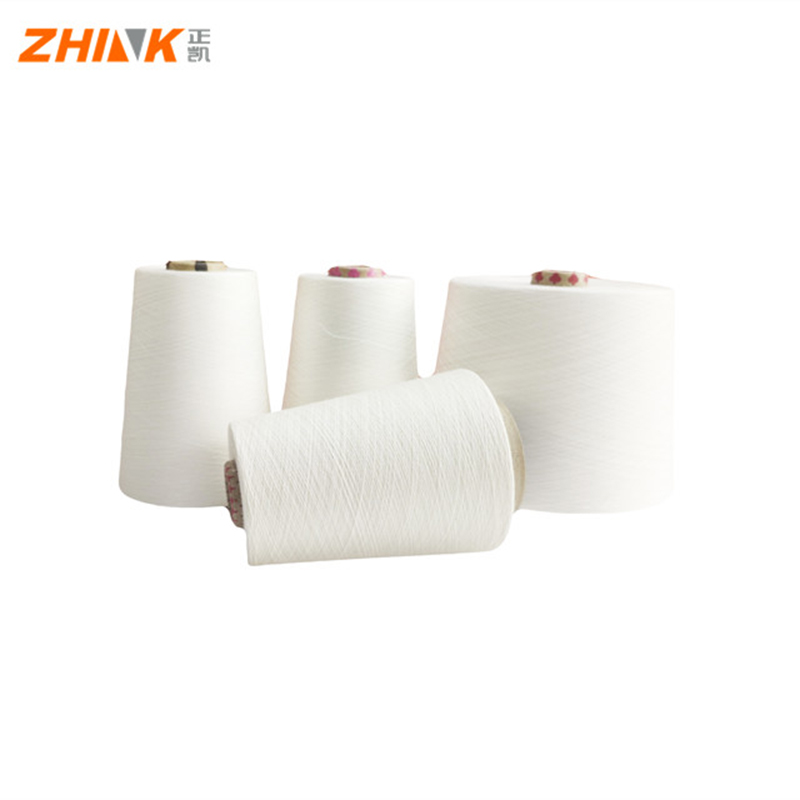
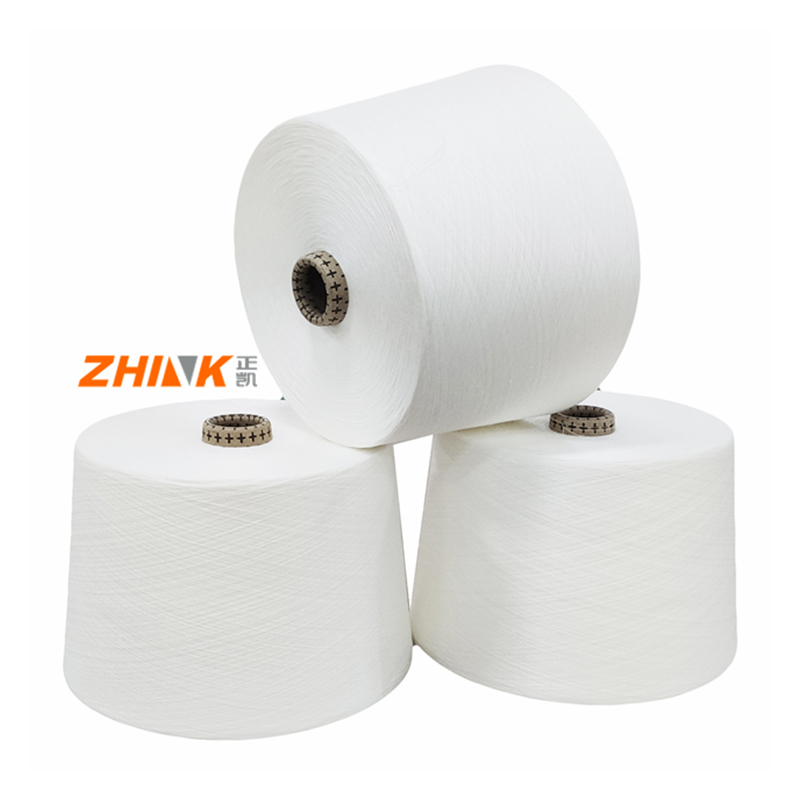
100% Lyocell ring
The Unique Allure of 100% Lyocell Ring
When you hear about 100% Lyocell ring, you might envision an innovative textile that combines sustainability with luxury. This unique material is carving out a niche in the textile industry, but where does it truly stand in terms of benefits and usability? Let's dive into the fibers and find out.
Understanding Lyocell
Lyocell, a type of rayon, is known for its eco-friendly production process and its ability to mimic other fibers like cotton and silk. But the real distinction comes in its feel and versatility. The 'ring' term here often confuses beginners, as people tend to think it refers to jewelry. In reality, it's entirely about the spinning process.
I remember when I first dealt with 100% Lyocell ring fibers; the smoothness and resilience were immediately apparent. Working at SHANDONG ZHINK NEW MATERIAL CO., LTD, a company focused on cutting-edge textiles, we often experiment with such innovative materials. You can explore more of our journey at our website.
Now, despite its many benefits, handling Lyocell requires expertise. It’s not the same old cotton. Early challenges included adjusting the tension during spinning to avoid any breaks—a problem often underestimated by newcomers in the field.
The Spinning Process
Let's talk about the 'ring' spinning. It's crucial for achieving the silky finish Lyocell is known for. This method enhances the fiber's strength, a detail Znink New Material emphasized during development stages.
One practical hurdle we overcame involved the control of humidity levels. Lyocell’s natural absorbency can sometimes trouble the spinning process. Here's where experience plays a vital role. Over time, you learn to anticipate how the fibers react to atmospheric changes.
Every twist on that spinning ring affects the final fabric’s characteristics. Perhaps that’s why some textile manufacturers shy away from it. I've seen trials where incorrect settings led to compromised fabric softness.
Sustainability Aspect
One cannot discuss Lyocell without mentioning its eco-friendly properties. Derived from wood cellulose, it's biodegradable. But beyond its green credentials, the process at SHANDONG ZHINK integrates water recycling—an industry-leading standard.
Attending industry conferences, I've noticed a growing interest in sustainable textiles, with 100% Lyocell ring often highlighted as a prime example. Colleagues from different segments of the textile industry frequently discuss the need for materials that not only feel good but are also good for the planet.
A particular instance that stands out was when a fashion brand contacted us, seeking to revamp their fabric line to align with sustainability. They were already remarkable in design but needed that 'green edge.'
Market Adaptation
Introducing such advanced fabrics to a traditional market posed challenges. Brands accustomed to cotton or polyester faced a learning curve with Lyocell’s nuances. This is a common scenario in textile consulting, where understanding material properties is crucial.
For instance, dye absorption is unique for Lyocell. Without the proper technique, I saw firsthand how some shades turned out unexpectedly faded. We provide comprehensive guidance to manufacturers entering this niche to avoid such pitfalls.
Moreover, the market response has been overwhelmingly positive. It’s not just about the touch, but the narrative; consumers are eager for stories woven into their garments, like the sustainable journey of their 100% Lyocell ring fabric.
Conclusion: The Future Outlook
Where does the future lie? With innovation hubs like SHANDONG ZHINK NEW MATERIAL CO., LTD focusing heavily on R&D, we're on the brink of even more advanced applications for 100% Lyocell ring. This fiber is set to play a pivotal role in sustainable fashion.
Engaged conversations with designers and material scientists have shown a shared belief in Lyocell’s potential to revolutionize the textile industry. As we continue to explore new techniques and applications, the possibilities seem limitless.
In conclusion, while there’s a substantial learning curve with 100% Lyocell ring, once mastered, the rewards in terms of craftsmanship and sustainability are substantial. It’s all about understanding this fiber’s unique properties and leveraging them to their fullest potential.
Related Products
Related Products