+86-632-3621866
- Chinese
- French
- German
- Portuguese
- Spanish
- Russian
- Japanese
- Korean
- Arabic
- Irish
- Greek
- Turkish
- Italian
- Danish
- Romanian
- Indonesian
- Czech
- Afrikaans
- Swedish
- Polish
- Basque
- Catalan
- Esperanto
- Hindi
- Lao
- Albanian
- Amharic
- Armenian
- Azerbaijani
- Belarusian
- Bengali
- Bosnian
- Bulgarian
- Cebuano
- Chichewa
- Corsican
- Croatian
- Dutch
- Estonian
- Filipino
- Finnish
- Frisian
- Galician
- Georgian
- Gujarati
- Haitian
- Hausa
- Hawaiian
- Hebrew
- Hmong
- Hungarian
- Icelandic
- Igbo
- Javanese
- Kannada
- Kazakh
- Khmer
- Kurdish
- Kyrgyz
- Latin
- Latvian
- Lithuanian
- Luxembou..
- Macedonian
- Malagasy
- Malay
- Malayalam
- Maltese
- Maori
- Marathi
- Mongolian
- Burmese
- Nepali
- Norwegian
- Pashto
- Persian
- Punjabi
- Serbian
- Sesotho
- Sinhala
- Slovak
- Slovenian
- Somali
- Samoan
- Scots Gaelic
- Shona
- Sindhi
- Sundanese
- Swahili
- Tajik
- Tamil
- Telugu
- Thai
- Ukrainian
- Urdu
- Uzbek
- Vietnamese
- Welsh
- Xhosa
- Yiddish
- Yoruba
- Zulu
- Kinyarwanda
- Tatar
- Oriya
- Turkmen
- Uyghur



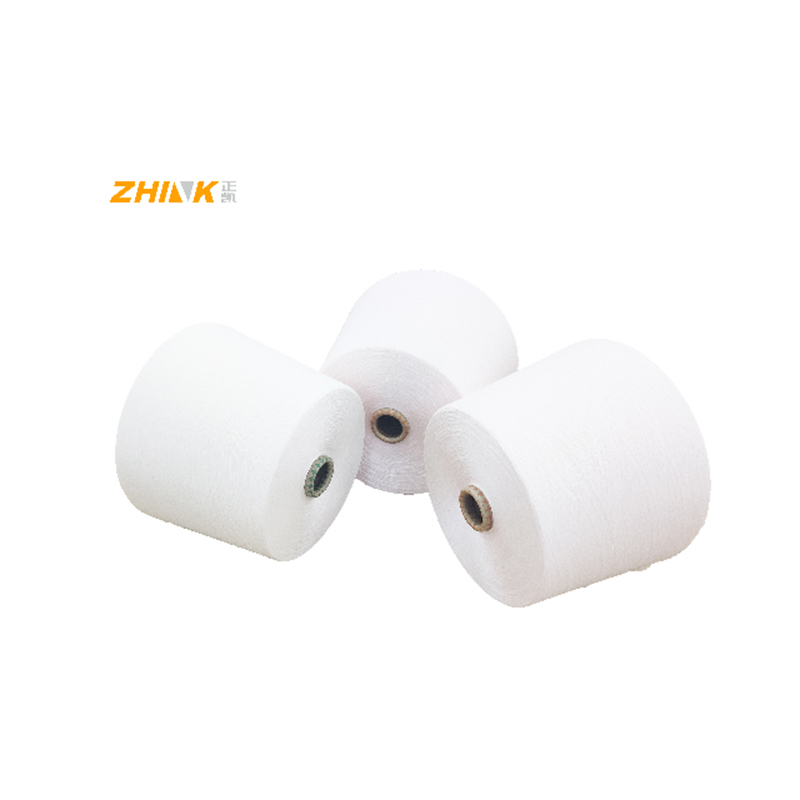
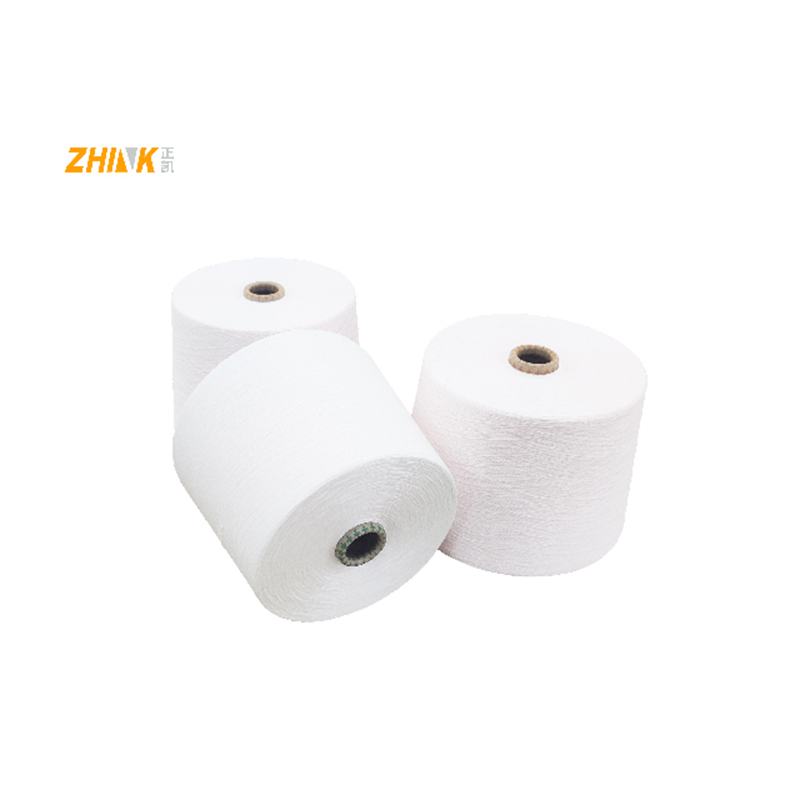
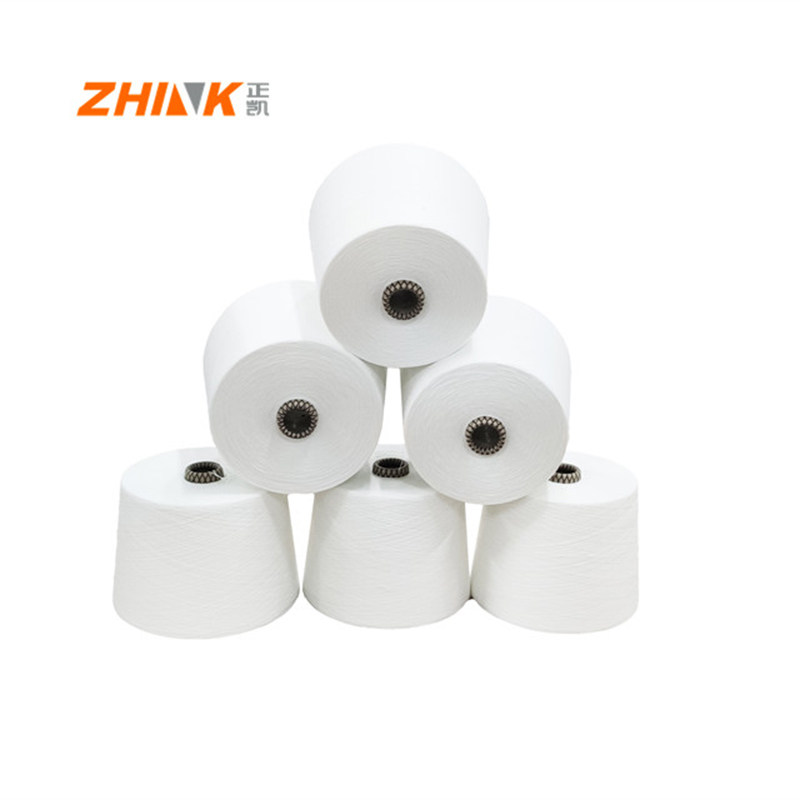
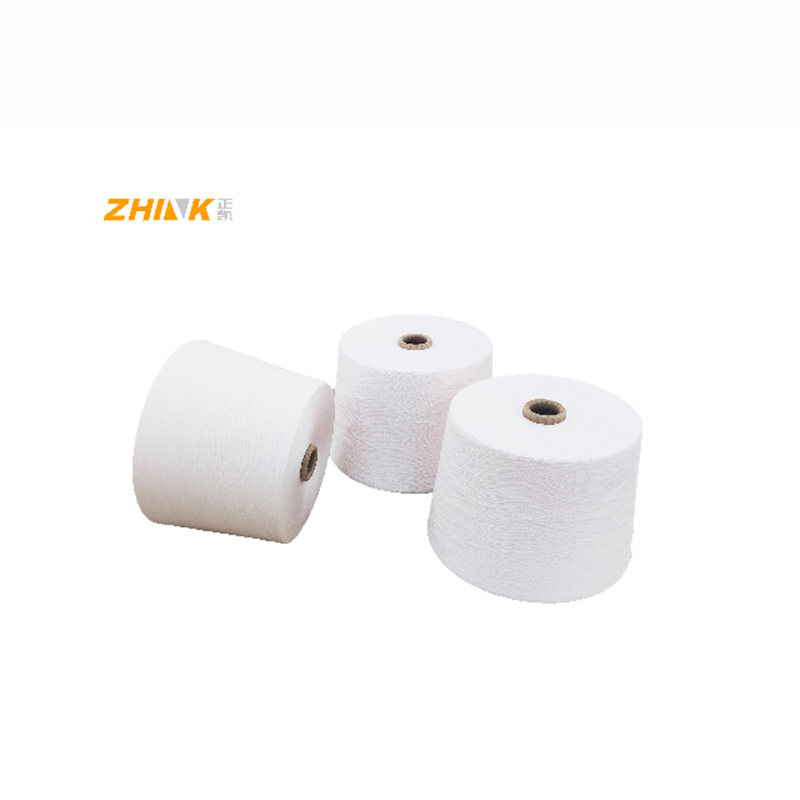
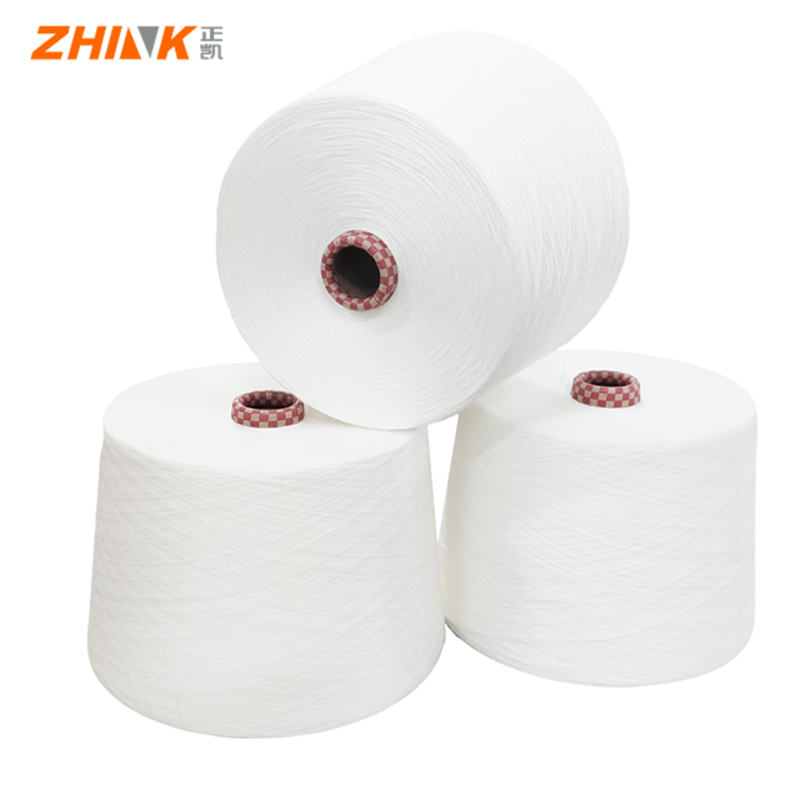
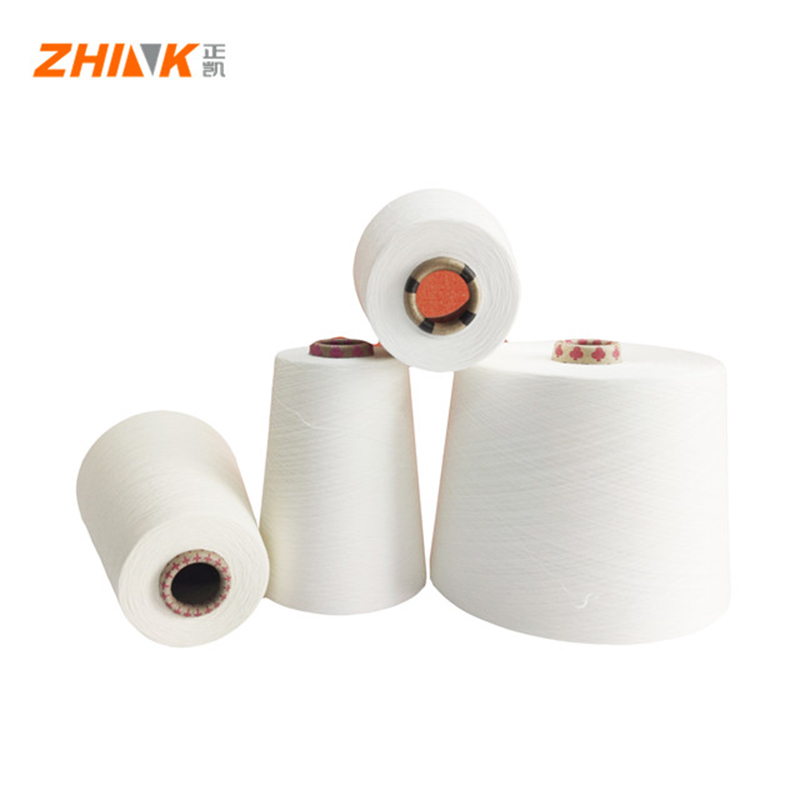
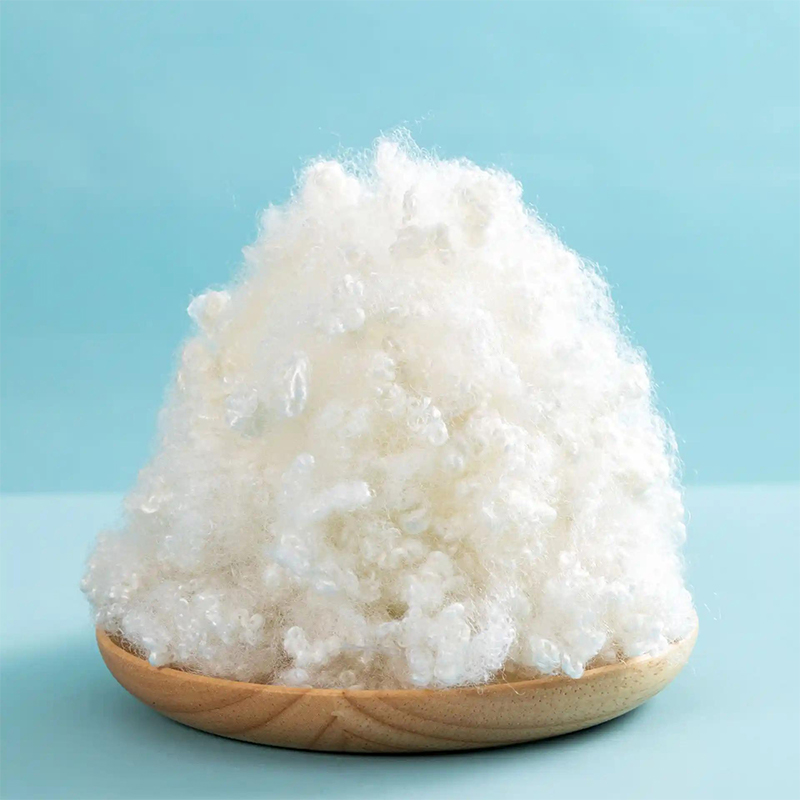
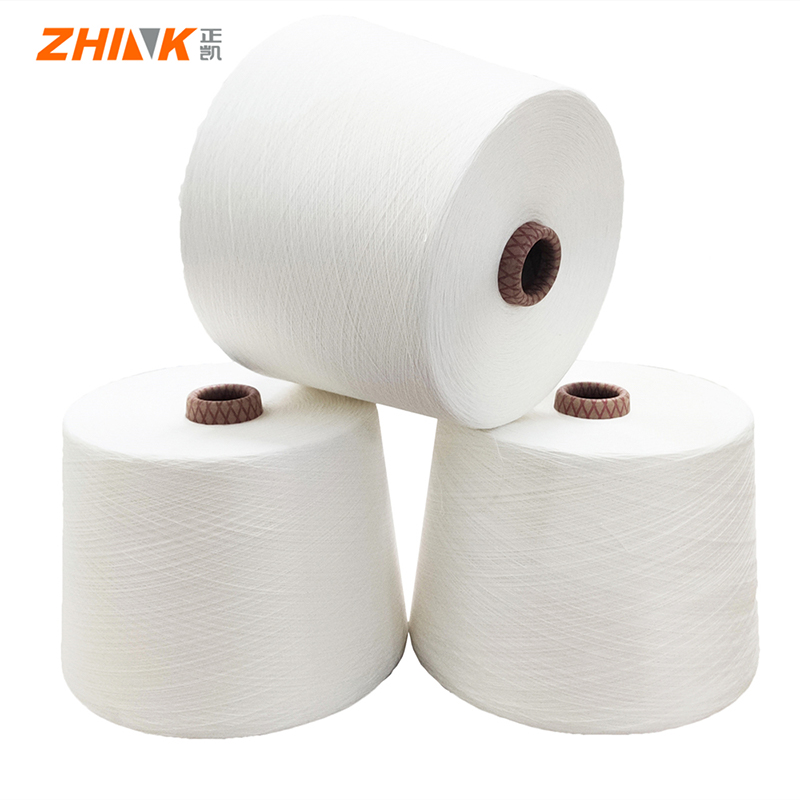
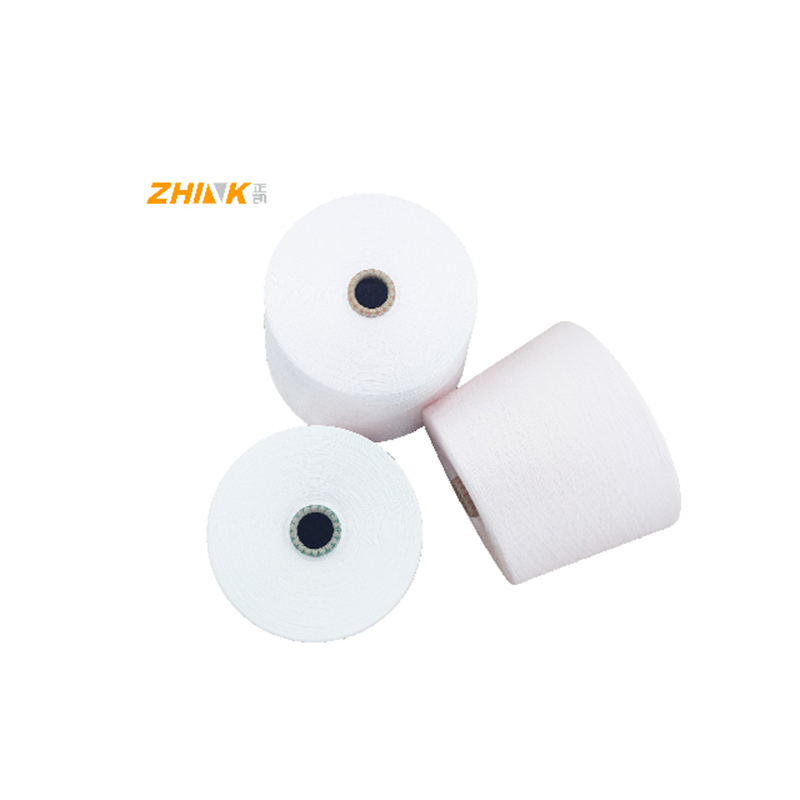
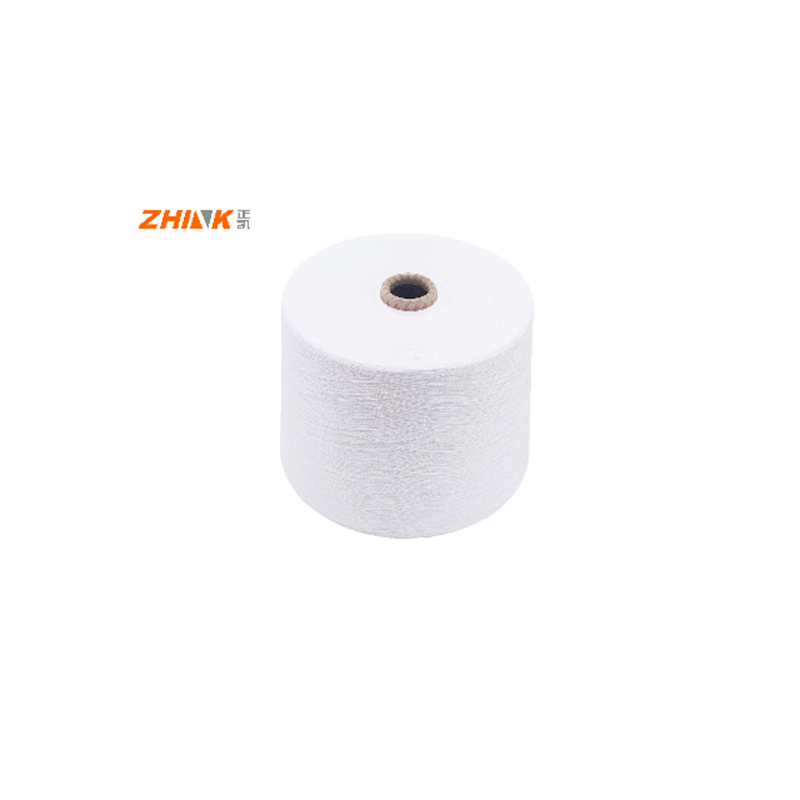
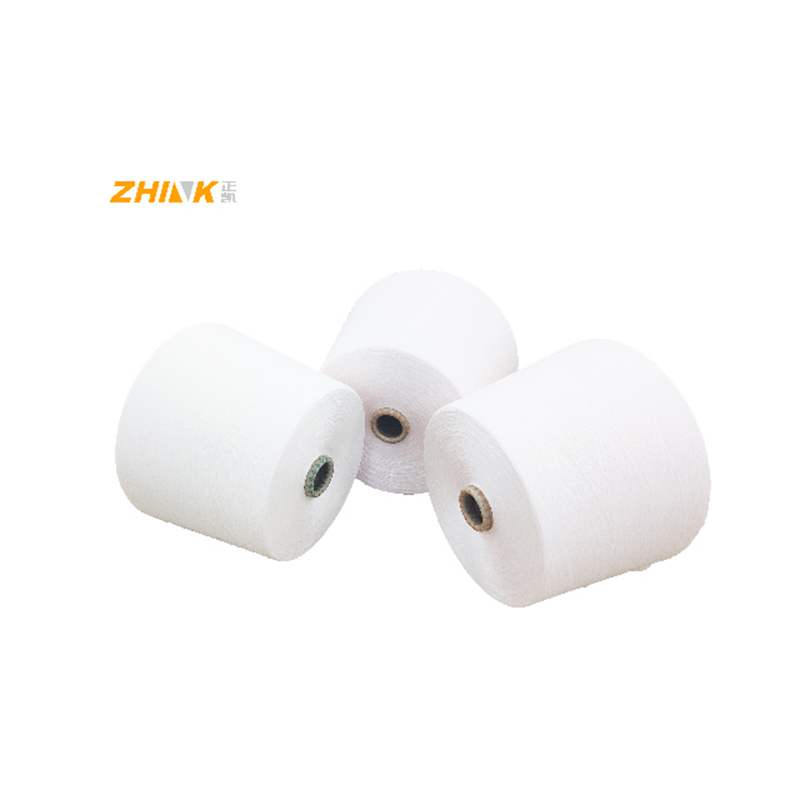
100% Lyocell siro
Exploring the World of 100% Lyocell Siro
In the realm of fabrics, 100% Lyocell siro threads stand out for their eco-friendly nature and softness, yet they’re often shrouded in misconceptions. As someone who's personally dealt with these materials, I’ve come to appreciate both their potential and the intricacies they bring. Let's delve deeper into what they offer and where the challenges lie.
Understanding Lyocell and the Siro Spin
Lyocell, a fiber derived from wood pulp, is celebrated for its sustainability. It's a closed-loop process, meaning solvents are recycled with minimal waste. The environmental aspect is appealing, but it’s the texture—soft, yet durable—that catches the artisan’s eye. When combined with the siro spinning technique, which involves parallel spinning of fibers, there’s an added dimension of consistency and strength.
In practice, working with 100% Lyocell siro can sometimes be an adventure. Its tensile strength is impressive, yet the fabric drapes effortlessly, almost like silk. This dual nature calls for precision in garment making, providing a challenge but also an opportunity to achieve interesting silhouettes.
Error margins are slim, something I’ve learned firsthand—too much tension during stitching can lead to puckering, while too loose a hand leaves seams less durable. These are lessons you only grasp through hands-on trials, and occasionally, errors.
Practical Insights and Case Studies
In the field, brands like SHANDONG ZHINK NEW MATERIAL CO., LTD. have made strides by focusing on quality and innovation. Their website (https://www.zhinkyarn.com) offers a peek into an array of textile products, with Lyocell siro being a highlight. What sets Zhink apart is their commitment to R&D, constantly experimenting with blends and techniques to push the envelope.
Once, I collaborated on a project using their yarns and the result was revolutionary—a collection of eco-friendly shirts that maintained shape and vibrancy wash after wash. Not without its hitches though; achieving uniform dye uptake on 100% Lyocell siro fibers required several trial runs to perfect. Fabric specialists at Zhink provided invaluable insights during this process, exemplifying how expertise drives innovation.
The elegance of these textiles becomes evident when seen in various light—there’s a slight sheen that brings garments to life. This adds a luxurious edge, which, when coupled with functionality, creates compelling product offerings.
Market Perspectives and Environmental Impacts
Market acceptance of eco-friendly materials like Lyocell siro is growing, driven by consumer demand for sustainable fashion. However, pricing remains a consideration. High-quality production inherently costs more, a test for widespread adoption.
The durability and aesthetic appeal often tilt the cost-benefit balance positively, especially in premium markets. Seeing first-hand how consumers react to product launches reinforces this. They've been willing to pay a premium for sustainability coupled with style.
Environmental benefits also resonate widely—being biodegradable and sourced from renewable wood, Lyocell’s footprint is notably smaller. Yet, communicating these advantages effectively to end-users is crucial. Retailers often hold the key here, offering not just products but education.
Challenges in Production and Handling
Handling 100% Lyocell siro in production cycles introduces unique challenges. It’s not forgiving of mistakes, demanding an understanding of both material science and precise craftsmanship.
A clear example is moisture management. While Lyocell excels in absorbency, in humid manufacturing settings, it’s prone to warping if not controlled properly. Experience has taught that pre-processing treatments, like conditioning yarns, mitigate such risks.
Another hurdle comes during finishing. The goal is a product that withstands everyday wear while retaining the fiber’s natural luster. This often means experimenting with various softeners and treatments to nail down a perfect balance.
The Future of 100% Lyocell Siro
Looking ahead, the fusion of sustainability with advanced manufacturing techniques presents exciting prospects for 100% Lyocell siro. Companies like SHANDONG ZHINK NEW MATERIAL CO., LTD. are positioned at the forefront, paving the way for broader adoption through innovation.
The future likely holds more efficient processes, reducing costs and expanding accessibility. Crucially, as designers and manufacturers grow accustomed to working with these fibers, we can expect even more creative applications.
It’s a segment ripe with potential—those familiar with its nuances will lead, crafting products that not only look good but feel right—from an ethical standpoint too. As someone who’s eager to see this material thrive, I remain optimistic about what lies ahead.
Related Products
Related Products