+86-632-3621866
- Chinese
- French
- German
- Portuguese
- Spanish
- Russian
- Japanese
- Korean
- Arabic
- Irish
- Greek
- Turkish
- Italian
- Danish
- Romanian
- Indonesian
- Czech
- Afrikaans
- Swedish
- Polish
- Basque
- Catalan
- Esperanto
- Hindi
- Lao
- Albanian
- Amharic
- Armenian
- Azerbaijani
- Belarusian
- Bengali
- Bosnian
- Bulgarian
- Cebuano
- Chichewa
- Corsican
- Croatian
- Dutch
- Estonian
- Filipino
- Finnish
- Frisian
- Galician
- Georgian
- Gujarati
- Haitian
- Hausa
- Hawaiian
- Hebrew
- Hmong
- Hungarian
- Icelandic
- Igbo
- Javanese
- Kannada
- Kazakh
- Khmer
- Kurdish
- Kyrgyz
- Latin
- Latvian
- Lithuanian
- Luxembou..
- Macedonian
- Malagasy
- Malay
- Malayalam
- Maltese
- Maori
- Marathi
- Mongolian
- Burmese
- Nepali
- Norwegian
- Pashto
- Persian
- Punjabi
- Serbian
- Sesotho
- Sinhala
- Slovak
- Slovenian
- Somali
- Samoan
- Scots Gaelic
- Shona
- Sindhi
- Sundanese
- Swahili
- Tajik
- Tamil
- Telugu
- Thai
- Ukrainian
- Urdu
- Uzbek
- Vietnamese
- Welsh
- Xhosa
- Yiddish
- Yoruba
- Zulu
- Kinyarwanda
- Tatar
- Oriya
- Turkmen
- Uyghur


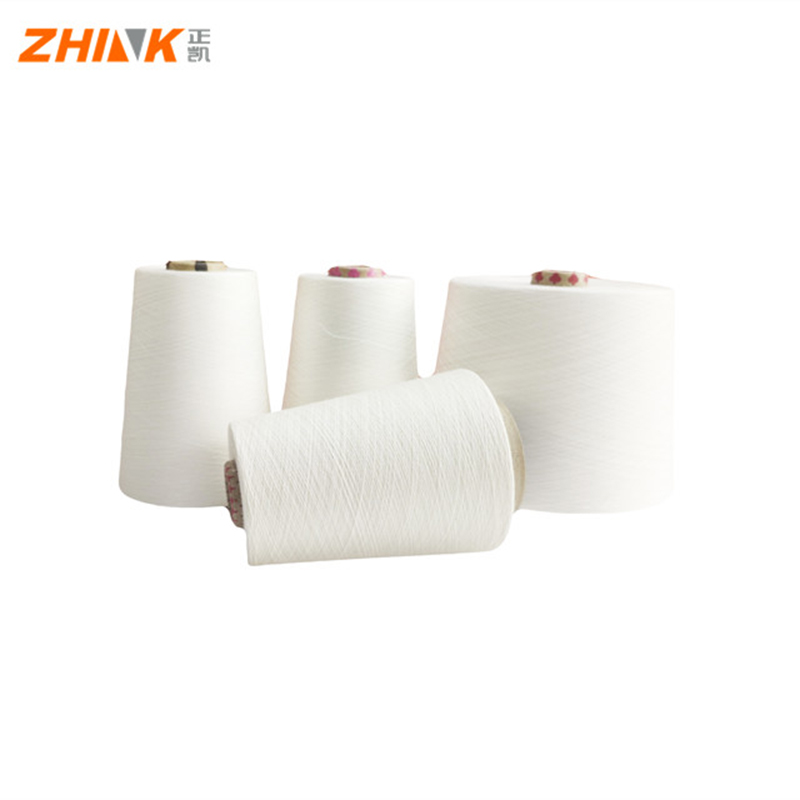
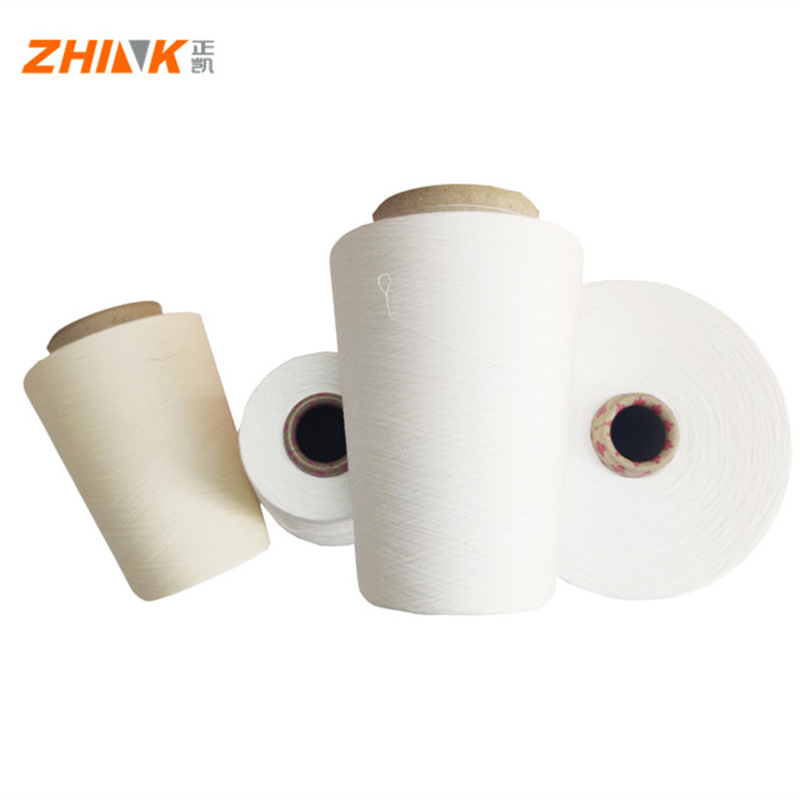
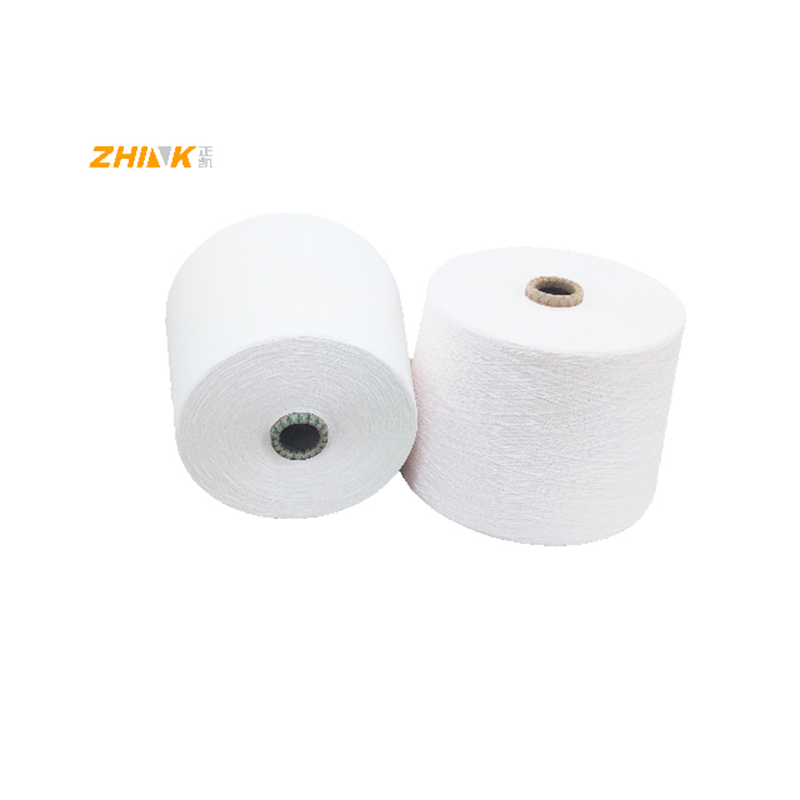
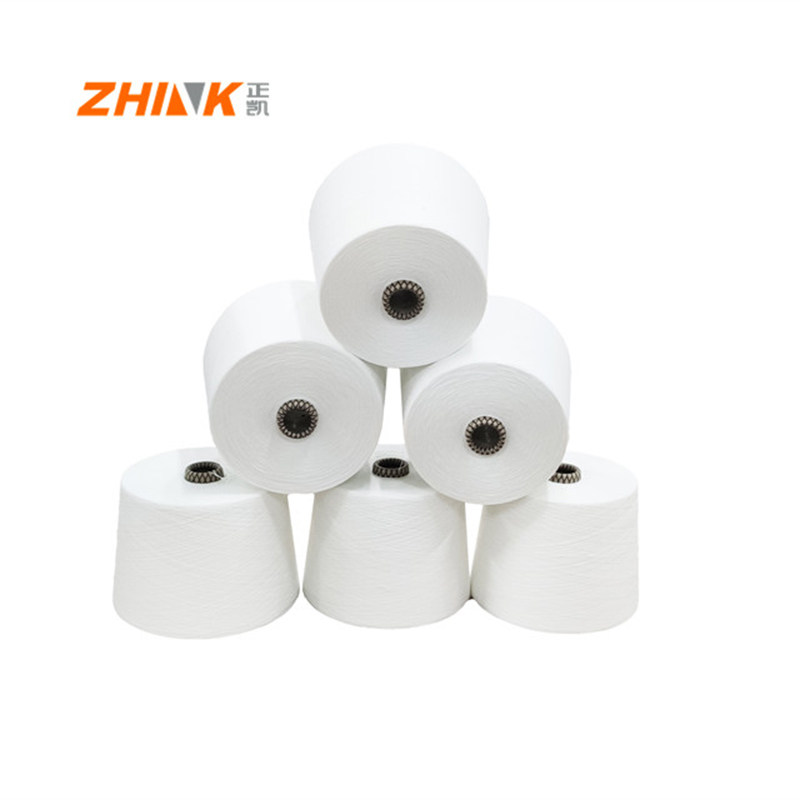
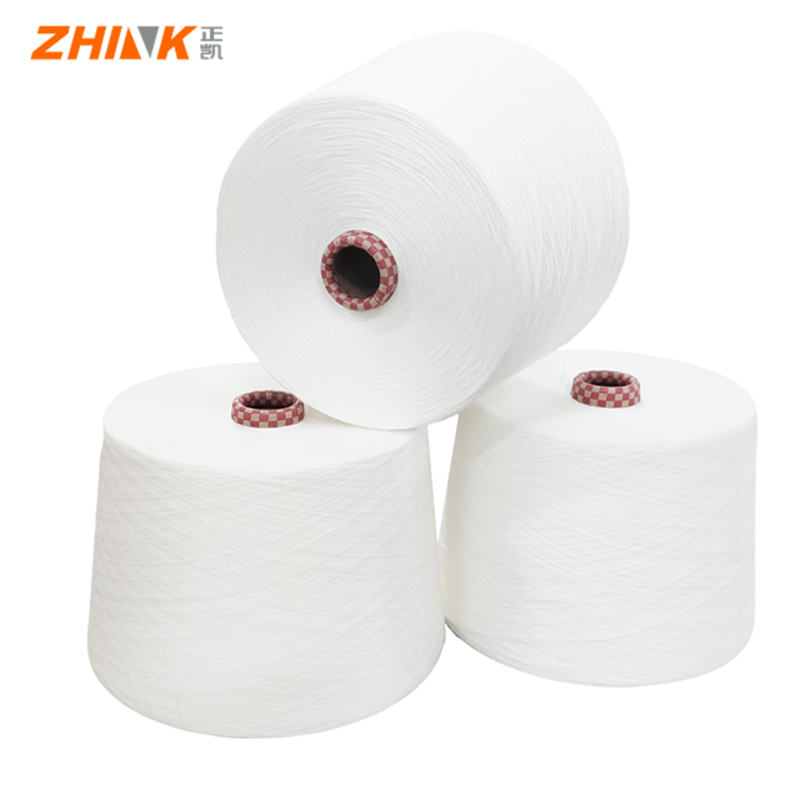
100% Lyocell siro compact
Understanding 100% Lyocell Siro Compact: Practical Insights
When diving into the world of textiles, terms like 100% Lyocell siro compact often surface, promising innovation and quality. But what does this mean in practical terms? Let's explore the nuances often glossed over, integrating hands-on insights that offer a clearer perspective of its real-world applications.
Unpacking 100% Lyocell Fabric
First off, Lyocell stands out in the textile industry, primarily due to its eco-friendly production process. Made from wood pulp, it's often touted for its sustainability and softness. However, not all experiences with Lyocell are rosy. I remember one particular case where a batch didn't match the expected quality due to differences in pulp source.
What many don't realize is the variability in fiber characteristics based on the wood used. Bamboo-derived Lyocell can behave differently from eucalyptus-derived ones. Both have their strengths, but it's crucial to match these traits to the intended application, whether it's for airy garments or durable home textiles.
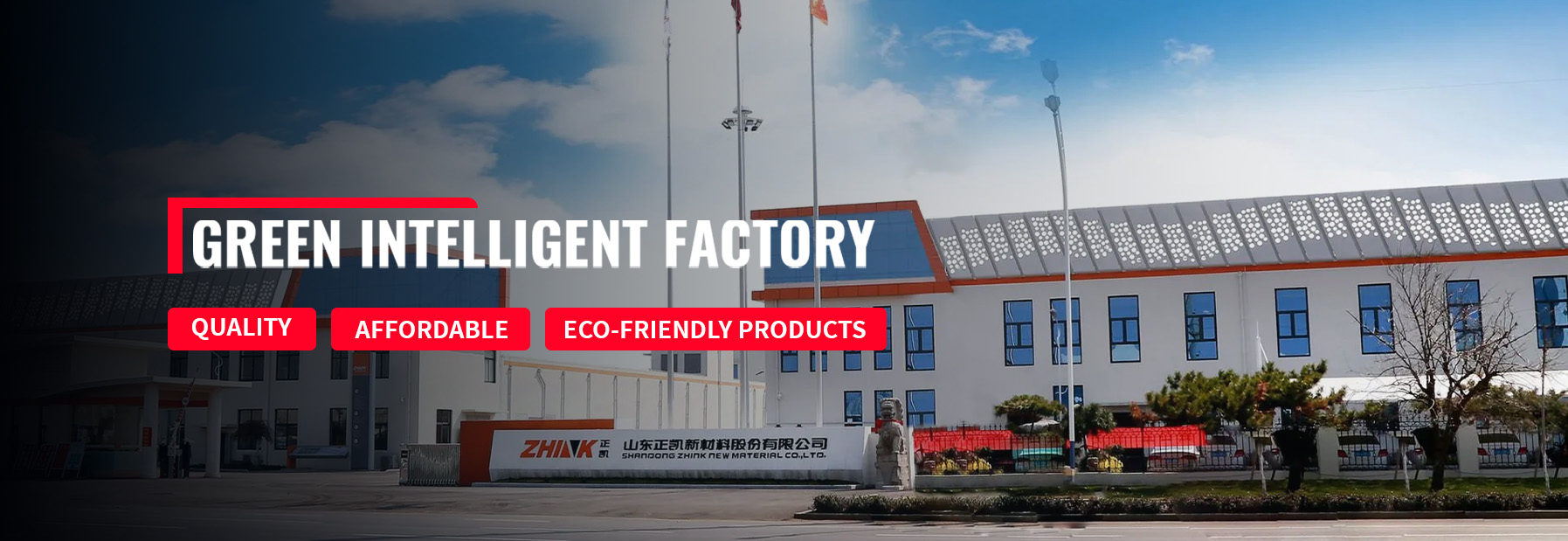
At SHANDONG ZHINK NEW MATERIAL CO., LTD, where specialization in new textile materials is the norm, the research into these variations is ongoing. Curious readers can explore more about these efforts at our website.
The Craft behind Siro Compact Spinning
Siro compact spinning is another aspect worth dissecting. This technique refines fiber alignment, reducing hairiness and enhancing yarn strength — crucial for high-quality textiles. It's like tailoring should always aim to minimize pilling and maximize wear.
I've personally dabbled in adjusting spinning parameters to fine-tune these outcomes. It's a delicate balance. Too much tension, and you risk snapping; too little, and the fibers aren't firmly compacted. It’s a lesson in patience and precision, traits quintessential in textile innovation.
Failures, too, are part of this exploration. An unforgettable attempt at optimizing for winter wear resulted in unexpected softness, but less warmth. Consulting with experienced peers, especially those at Zhink New Material, can often lead to surprising resolutions.
The Interplay of Sustainability and Performance
When manufacturers claim 100% Lyocell in siro compact form, the ecological angle isn't just marketing fluff. The sustainability of Lyocell stems from its closed-loop production and biodegradability, aspects closely monitored by firms like Zhink New Material.
However, what about performance? Aligning sustainability with the rigorous demands of end-use applications remains a challenge. Take activewear — ensuring breathability without compromising structure is a frequent topic of discussion among R&D teams.
From an insider's perspective, engaging in continuous dialogue with consumers helps. Feedback loops allow adjustments in production and innovation in real-time. This iterative process is akin to sailing, adjusting the sails with every wind change.
Navigating Market Misunderstandings
Not all market representations align with reality. 100% Lyocell siro compact is sometimes used loosely, perhaps unknowingly, leading to consumer misconceptions. Clarifying this requires effort and transparency from producers.
I've seen firsthand how straightforward product labeling and informed sales teams can alleviate confusion. It's about setting realistic expectations and delivering beyond them — not always an easy feat but a worthwhile pursuit.
Industry forums and exhibitions serve as great platforms to demystify such terms, providing hands-on demonstrations that bridge the knowledge gap. Real-time engagement makes all the difference.
Looking Forward: Innovations and Challenges
As innovations in textile manufacturing advance, the role of 100% Lyocell siro compact evolves. Potential applications range from everyday wear to specialized garments. The frontiers are vast yet largely unexplored.
Yet, challenges remain. Balancing cost, environmental impact, and consumer needs is a constant juggle. At SHANDONG ZHINK NEW MATERIAL CO., LTD, the focus is on pioneering solutions that cater to these demands without compromising quality.
For those entrenched in the industry or enthusiasts curious about textiles, there's much more to learn. The journey of lyocell and siro compact involves continuous discovery, both rewarding and replete with learning opportunities. For further insights, visiting our website can be a starting point.
Related Products
Related Products