+86-632-3621866
- Chinese
- French
- German
- Portuguese
- Spanish
- Russian
- Japanese
- Korean
- Arabic
- Irish
- Greek
- Turkish
- Italian
- Danish
- Romanian
- Indonesian
- Czech
- Afrikaans
- Swedish
- Polish
- Basque
- Catalan
- Esperanto
- Hindi
- Lao
- Albanian
- Amharic
- Armenian
- Azerbaijani
- Belarusian
- Bengali
- Bosnian
- Bulgarian
- Cebuano
- Chichewa
- Corsican
- Croatian
- Dutch
- Estonian
- Filipino
- Finnish
- Frisian
- Galician
- Georgian
- Gujarati
- Haitian
- Hausa
- Hawaiian
- Hebrew
- Hmong
- Hungarian
- Icelandic
- Igbo
- Javanese
- Kannada
- Kazakh
- Khmer
- Kurdish
- Kyrgyz
- Latin
- Latvian
- Lithuanian
- Luxembou..
- Macedonian
- Malagasy
- Malay
- Malayalam
- Maltese
- Maori
- Marathi
- Mongolian
- Burmese
- Nepali
- Norwegian
- Pashto
- Persian
- Punjabi
- Serbian
- Sesotho
- Sinhala
- Slovak
- Slovenian
- Somali
- Samoan
- Scots Gaelic
- Shona
- Sindhi
- Sundanese
- Swahili
- Tajik
- Tamil
- Telugu
- Thai
- Ukrainian
- Urdu
- Uzbek
- Vietnamese
- Welsh
- Xhosa
- Yiddish
- Yoruba
- Zulu
- Kinyarwanda
- Tatar
- Oriya
- Turkmen
- Uyghur



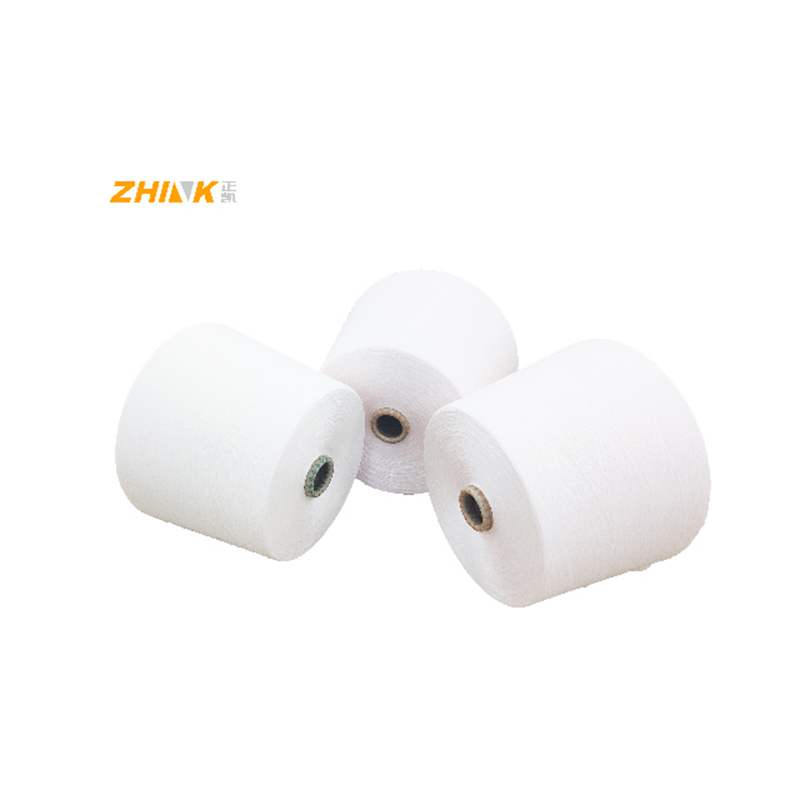
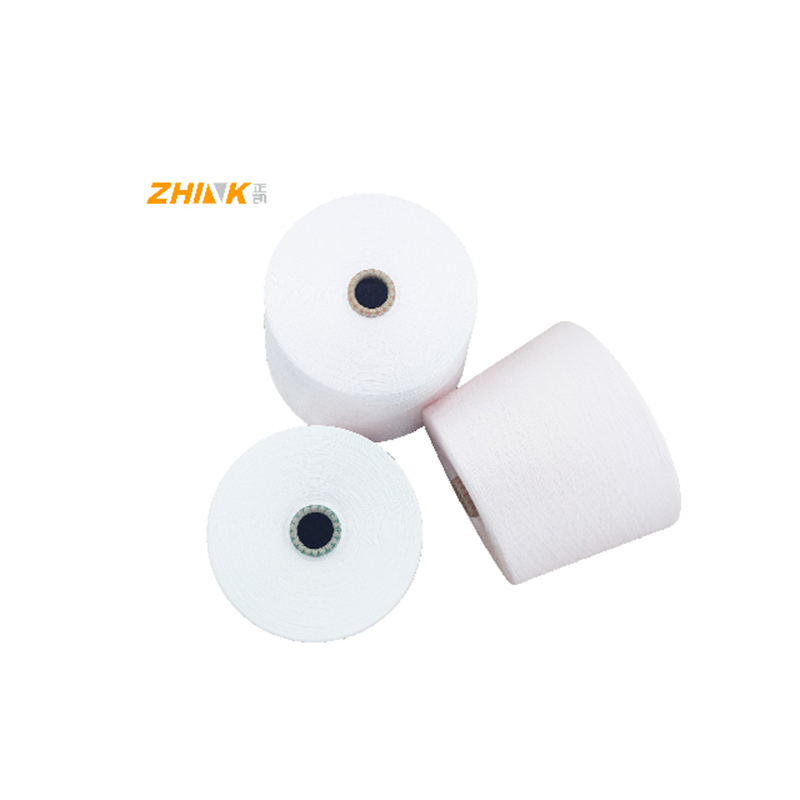
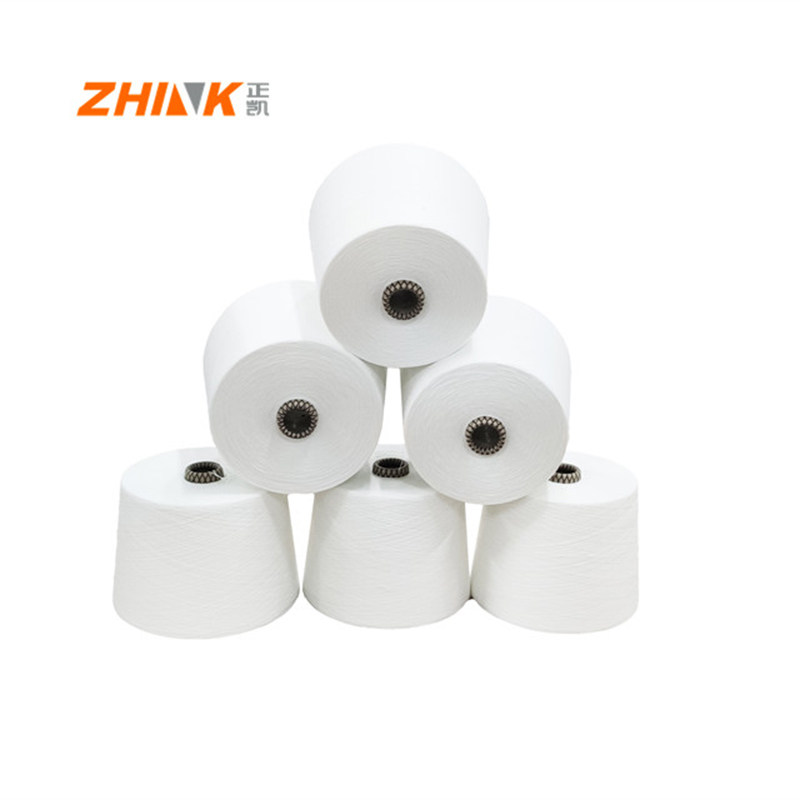
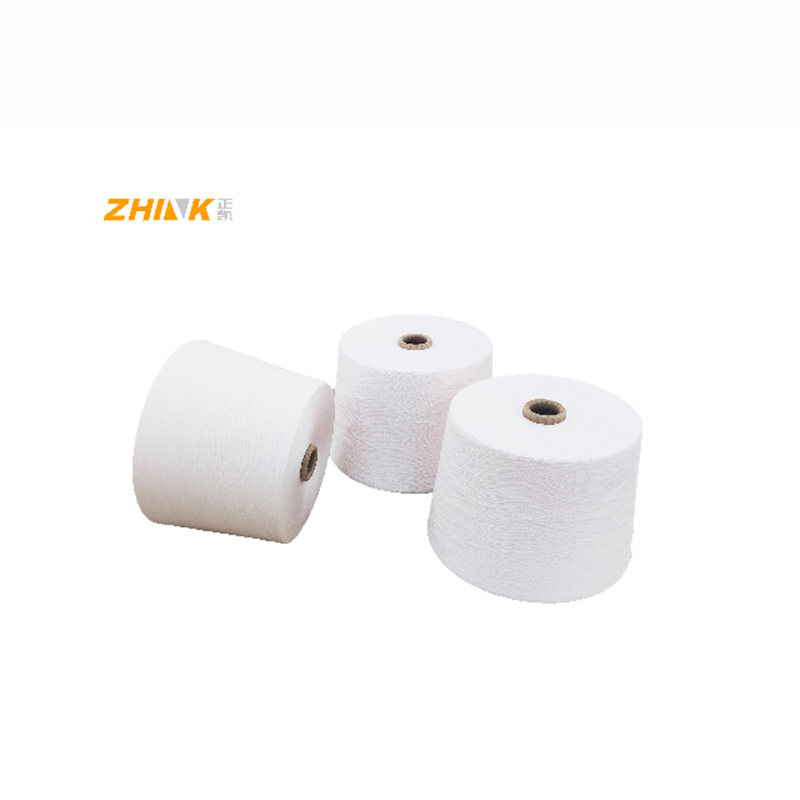
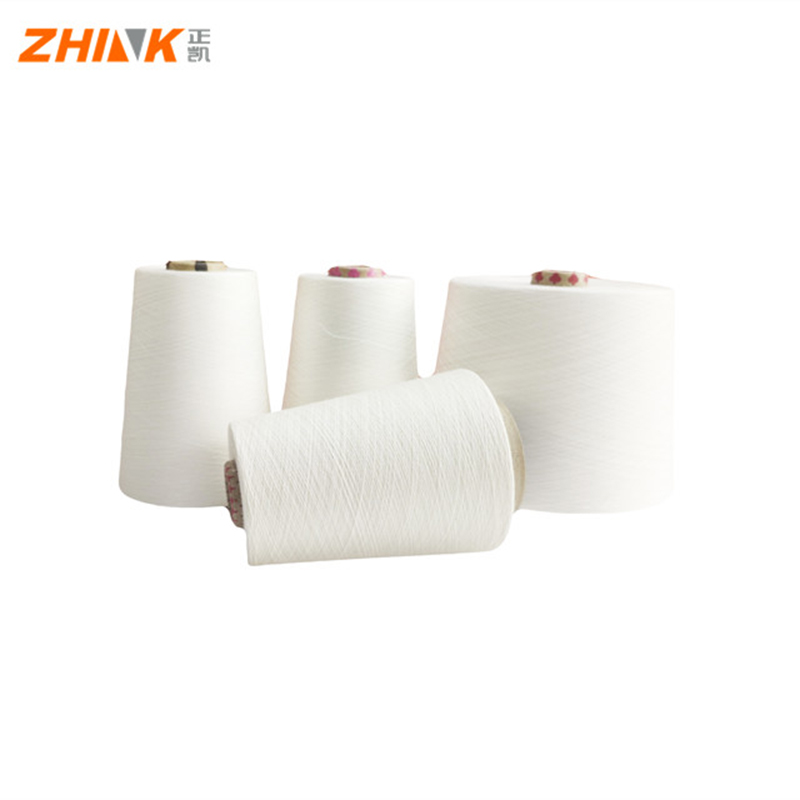
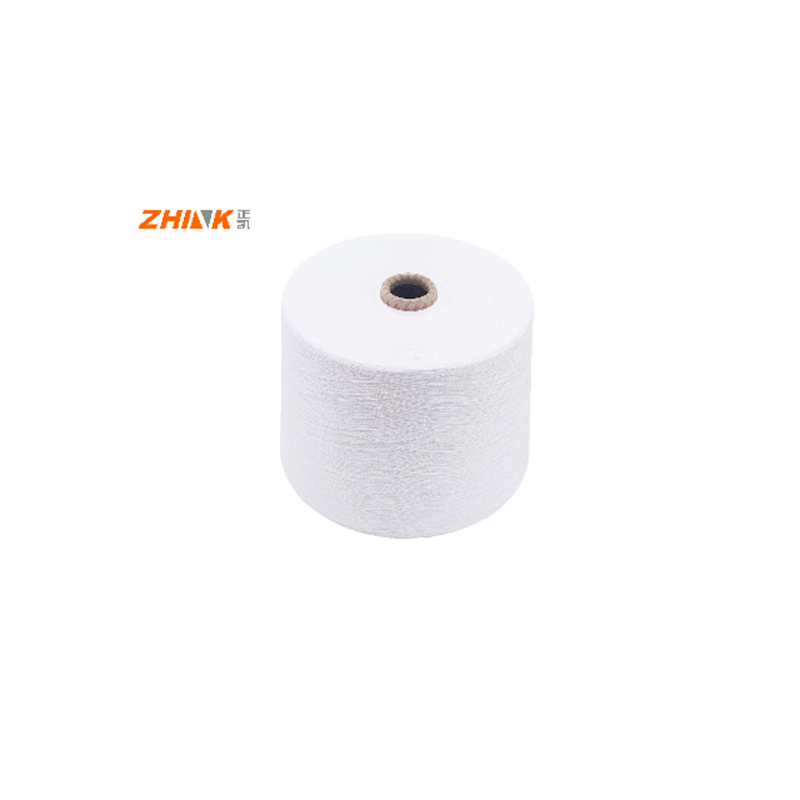
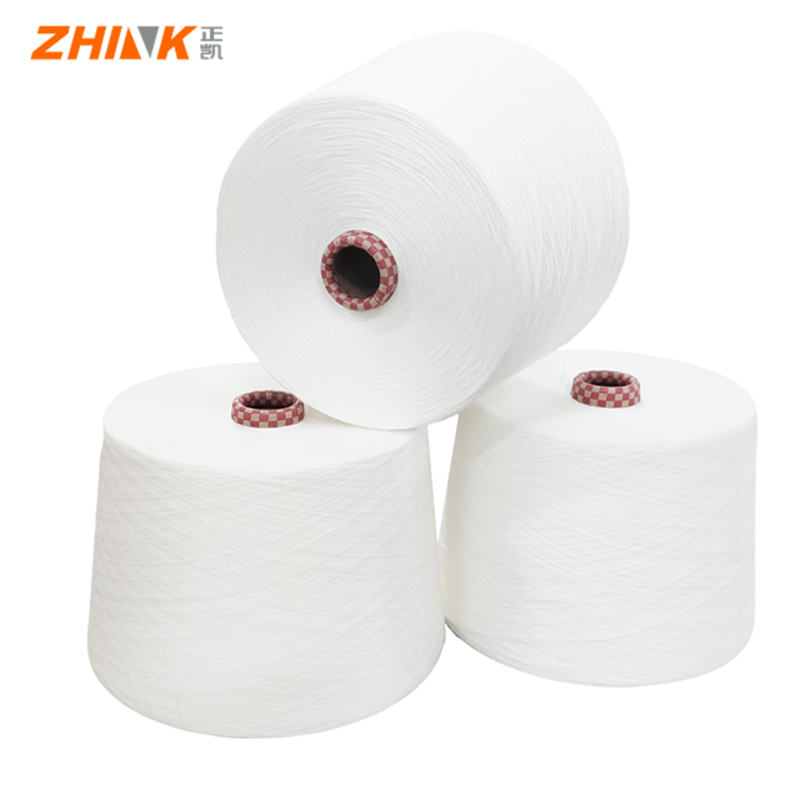
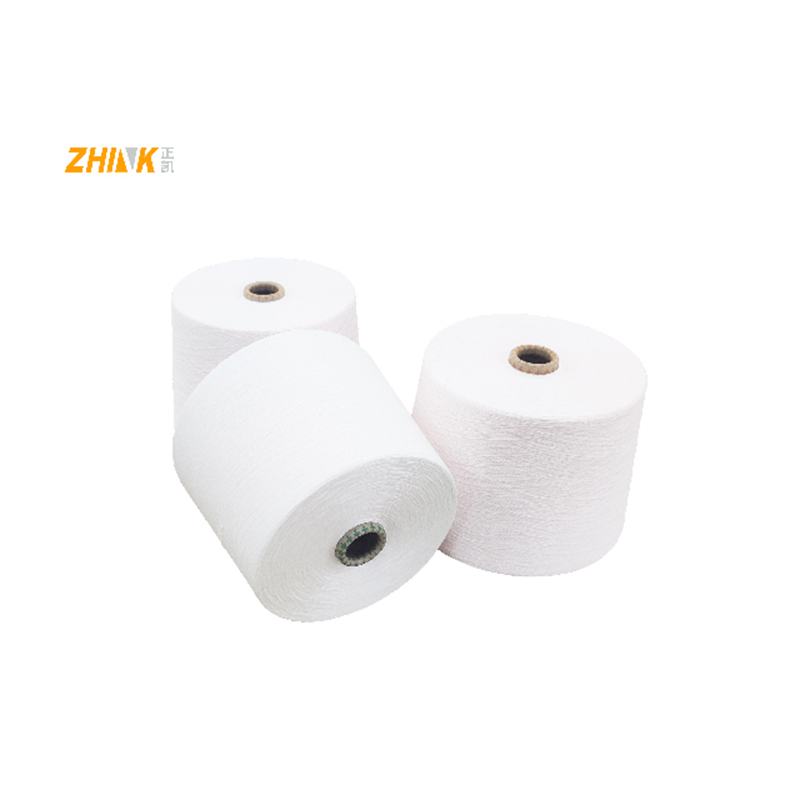
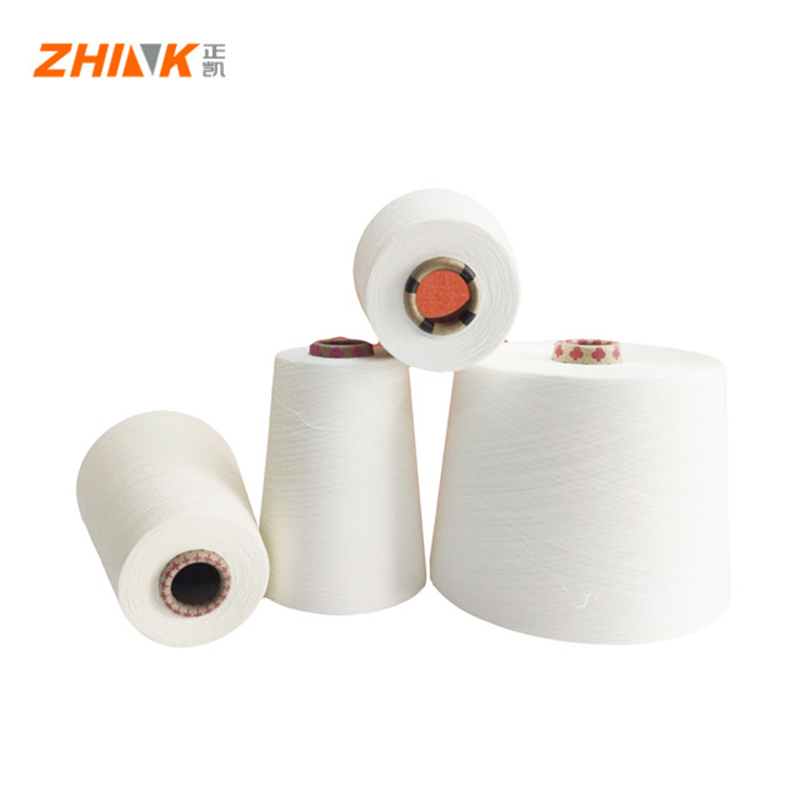
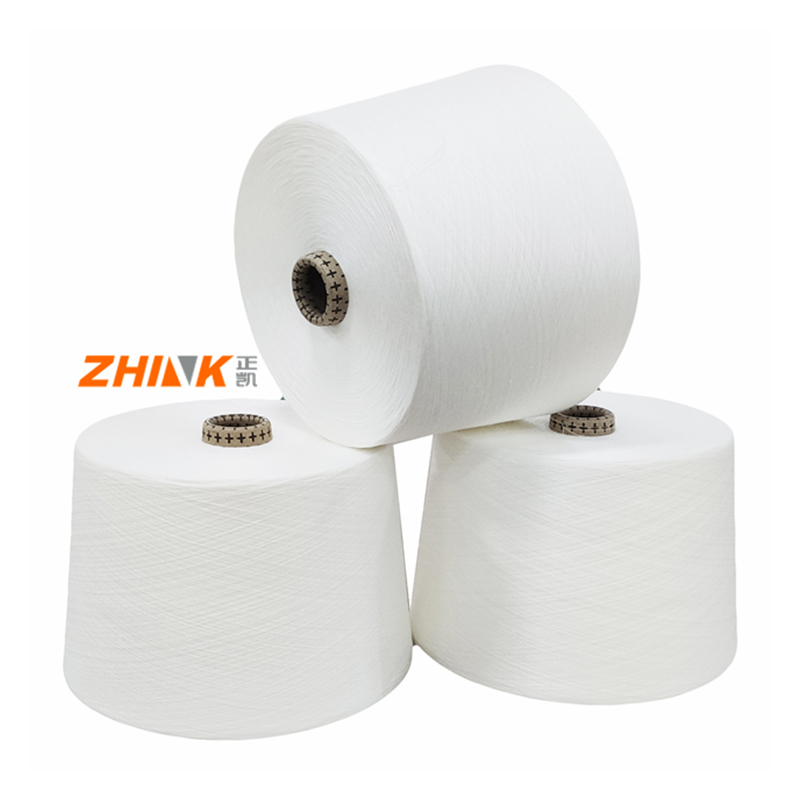
100% Lyocell vortex
Exploring the Dynamics of 100% Lyocell Vortex Yarn
In the world of sustainable textiles, 100% Lyocell vortex yarn is gaining attention. But what makes this material so intriguing? Let's unravel the qualities, challenges, and real-world applications of this innovative yarn.
Understanding 100% Lyocell and Vortex Spinning
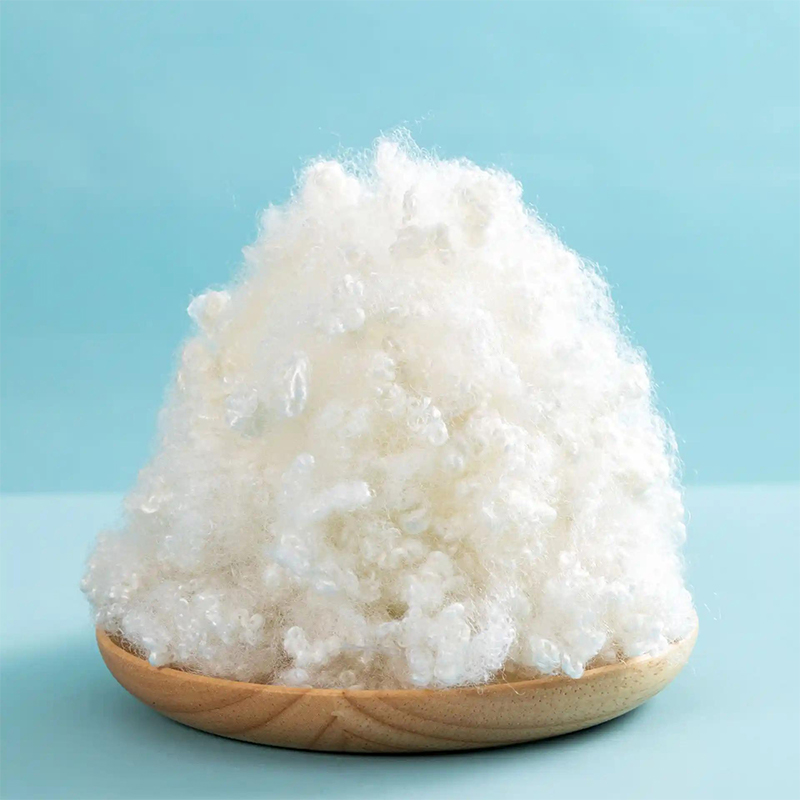
Lyocell, a type of rayon made from wood pulp, is renowned for its eco-friendly production process. The fabric is strong, absorbs moisture better than cotton, and is gentle on the skin. These qualities make it highly attractive for clothing that demands both comfort and durability.
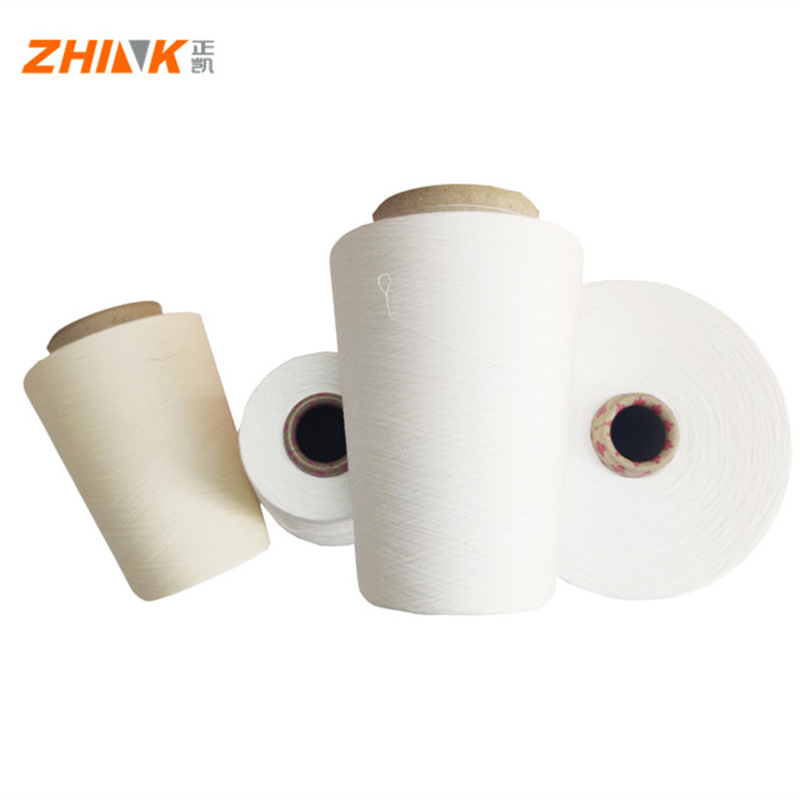
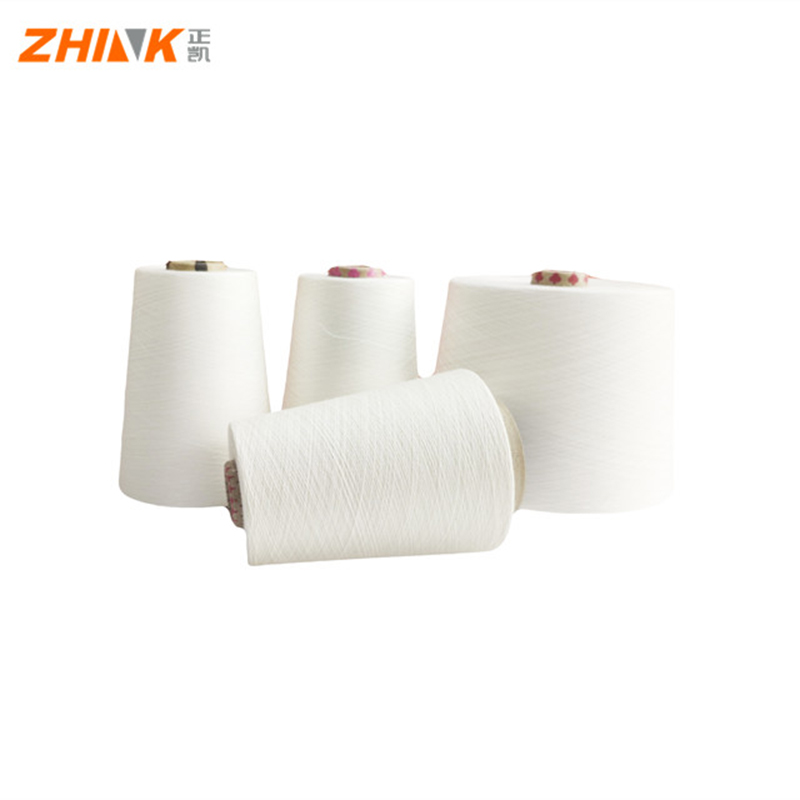
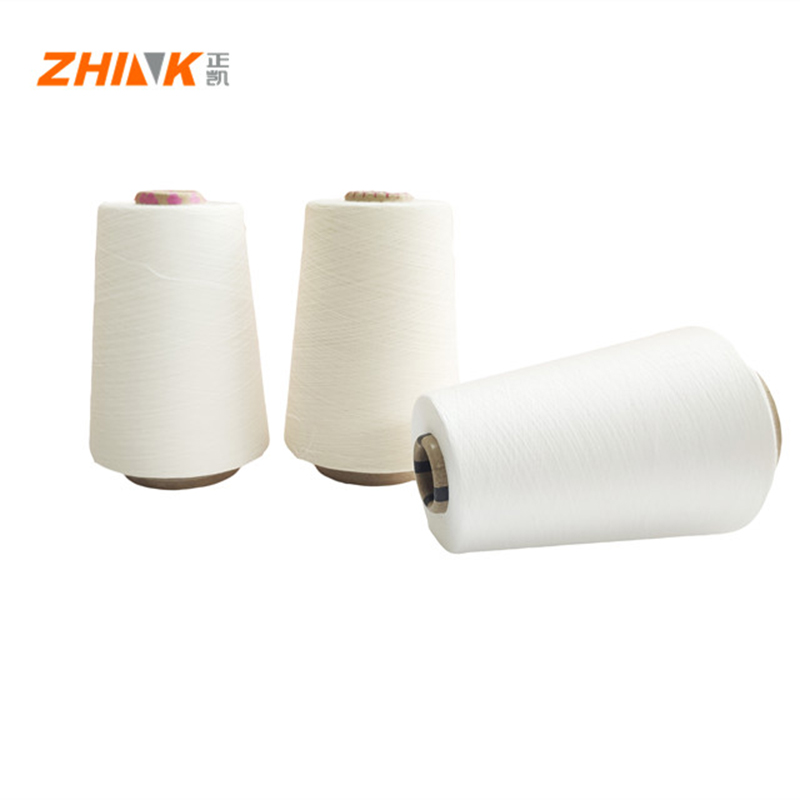
The term “vortex” refers to a specific type of spinning technology. Unlike traditional ring spinning, vortex spinning uses a unique air jet method to twist the fibers into yarn. This produces a yarn that is smoother and has fewer imperfections, enhancing the overall quality of the fabric. SHANDONG ZHINK NEW MATERIAL CO., LTD has been one of the pioneers in developing these advanced textile processes, as reflected on their website, https://www.zhinkyarn.com.
When you combine Lyocell’s properties with vortex spinning, you get a yarn that is not just eco-friendly but also exceptionally strong and smooth. In practice, however, achieving the perfect balance in production can be quite the task.
Challenges in Production and Application
One of the issues I’ve encountered when working with 100% Lyocell vortex yarn has been maintaining consistency. The machines require precise calibration, and even slight deviations can lead to inconsistencies in yarn quality. In one instance, our team had to halt production for a day to recalibrate our equipment, a costly but necessary step to ensure quality.
Another challenge lies in dyeing the yarn. Due to its smooth surface, achieving uniform dye uptake can be tricky. We found that pre-treating the yarn with specific chemicals improved dye adherence significantly. Yet, this added step extends the production timeline, emphasizing the need for efficiency in process planning.
There's also the cost factor. Although Lyocell is produced sustainably, the vortex spinning process can make the end product more expensive than traditional cotton or polyester yarns. Balancing sustainability and affordability remains a perennial industry challenge.
Real-World Applications and Market Response
Despite these challenges, the market response to Lyocell vortex yarn has been predominantly positive. Our clients in the high-end fashion industry value its luxurious feel and sustainable credentials. Brands are leaning towards materials that tell a compelling sustainability story—consumers love fabrics that feel good and are good for the planet.
I recall a collaboration with a high-fashion brand that chose our yarn for an exclusive line of eco-friendly shirts. The feedback was overwhelmingly positive, particularly for the fabric’s breathability and silky touch. Such partnerships have not only boosted our confidence but also underscored the potential of this technology.
Meanwhile, casual wear brands are also tapping into the material’s potential. It's not just about creating fashion; it's about innovating with purpose. As the industry grows more conscientious, we’re witnessing a gradual shift towards materials that prioritize both quality and environmental impact.
The Future of Lyocell Vortex Yarn
Looking ahead, the development of more efficient vortex spinning techniques could bring down production costs, making 100% Lyocell vortex yarn more accessible across various price points. Ongoing research at Zhink New Material focuses on optimizing production processes while maintaining ecological standards. More about our initiatives can be found on our website, https://www.zhinkyarn.com.
Innovations such as biodegradable treatments and enhanced dyeing processes are on the horizon. The industry’s appetite for sustainability means that new breakthroughs are likely to emerge, ensuring that Lyocell vortex yarn remains at the forefront of eco-conscious textile solutions.
Ultimately, the success of such materials aligns with an industry-wide commitment to transparency and sustainability. As we continue experimenting and adapting, the future of textiles looks promisingly green.
Conclusion: Balancing Innovation and Sustainability
100% Lyocell vortex yarn exemplifies how combining innovative techniques with sustainable materials can transform the textile landscape. While challenges in production and cost remain, companies like Zhink New Material are paving the way for broader acceptance and use.
The journey hasn’t been without its hurdles, but with each completed project and satisfied client, the practical benefits and market appeal of this yarn become ever clearer. As conversations around sustainability grow louder, the role of advanced textiles like these becomes all the more crucial.
The future demands textiles that don’t just serve the industry but also respect the planet, and that’s a challenge the textile community is ready to meet.
Related Products
Related Products