+86-632-3621866
- Chinese
- French
- German
- Portuguese
- Spanish
- Russian
- Japanese
- Korean
- Arabic
- Irish
- Greek
- Turkish
- Italian
- Danish
- Romanian
- Indonesian
- Czech
- Afrikaans
- Swedish
- Polish
- Basque
- Catalan
- Esperanto
- Hindi
- Lao
- Albanian
- Amharic
- Armenian
- Azerbaijani
- Belarusian
- Bengali
- Bosnian
- Bulgarian
- Cebuano
- Chichewa
- Corsican
- Croatian
- Dutch
- Estonian
- Filipino
- Finnish
- Frisian
- Galician
- Georgian
- Gujarati
- Haitian
- Hausa
- Hawaiian
- Hebrew
- Hmong
- Hungarian
- Icelandic
- Igbo
- Javanese
- Kannada
- Kazakh
- Khmer
- Kurdish
- Kyrgyz
- Latin
- Latvian
- Lithuanian
- Luxembou..
- Macedonian
- Malagasy
- Malay
- Malayalam
- Maltese
- Maori
- Marathi
- Mongolian
- Burmese
- Nepali
- Norwegian
- Pashto
- Persian
- Punjabi
- Serbian
- Sesotho
- Sinhala
- Slovak
- Slovenian
- Somali
- Samoan
- Scots Gaelic
- Shona
- Sindhi
- Sundanese
- Swahili
- Tajik
- Tamil
- Telugu
- Thai
- Ukrainian
- Urdu
- Uzbek
- Vietnamese
- Welsh
- Xhosa
- Yiddish
- Yoruba
- Zulu
- Kinyarwanda
- Tatar
- Oriya
- Turkmen
- Uyghur


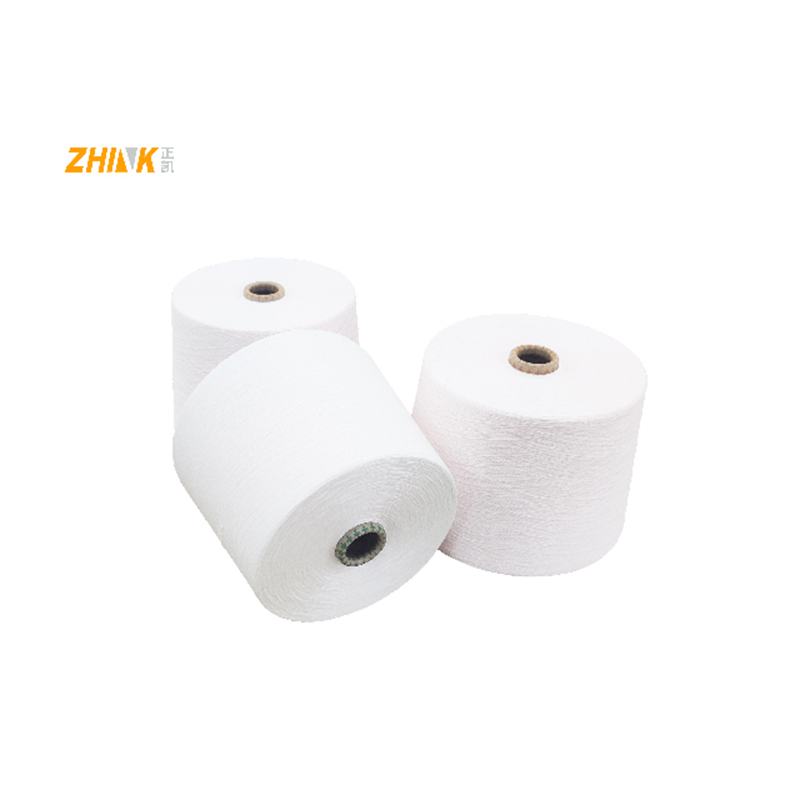
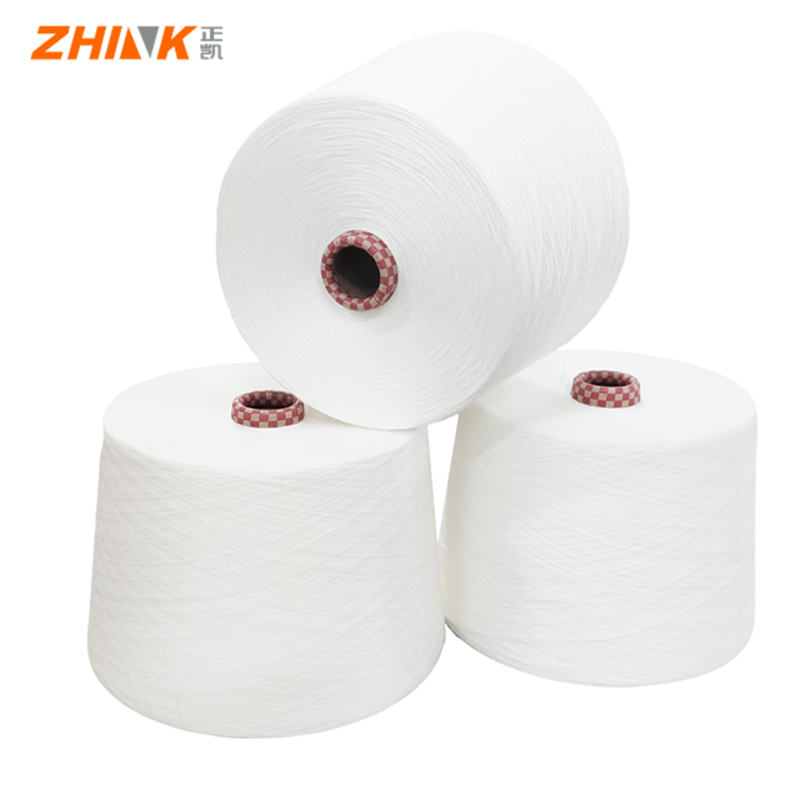
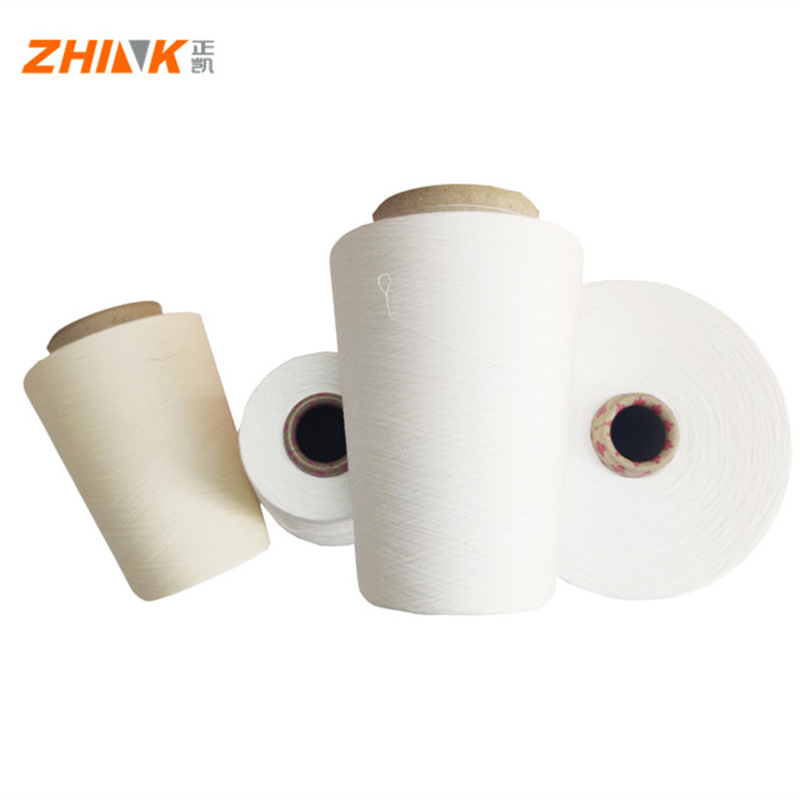
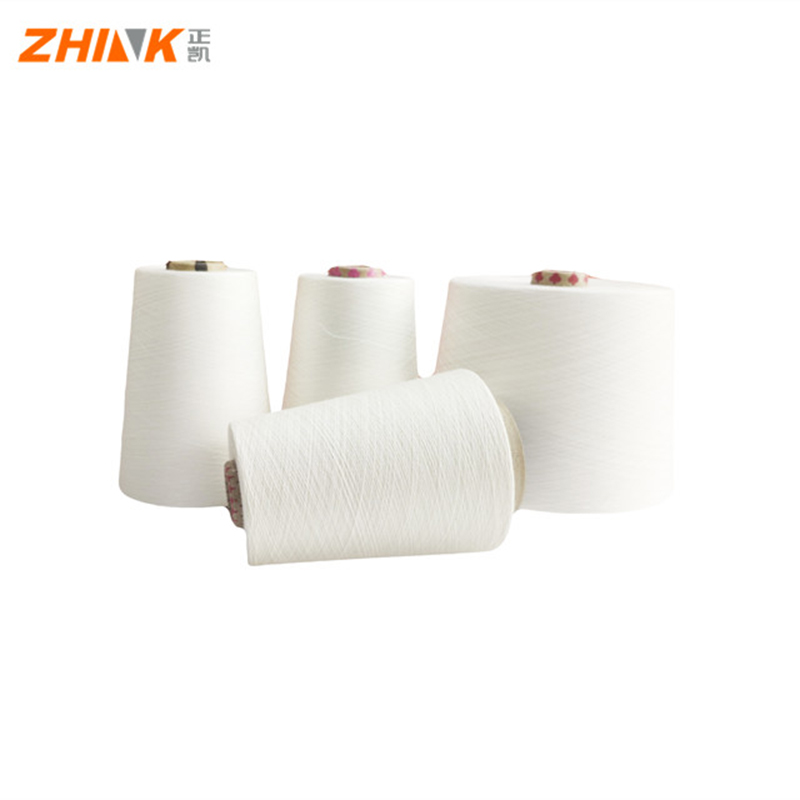
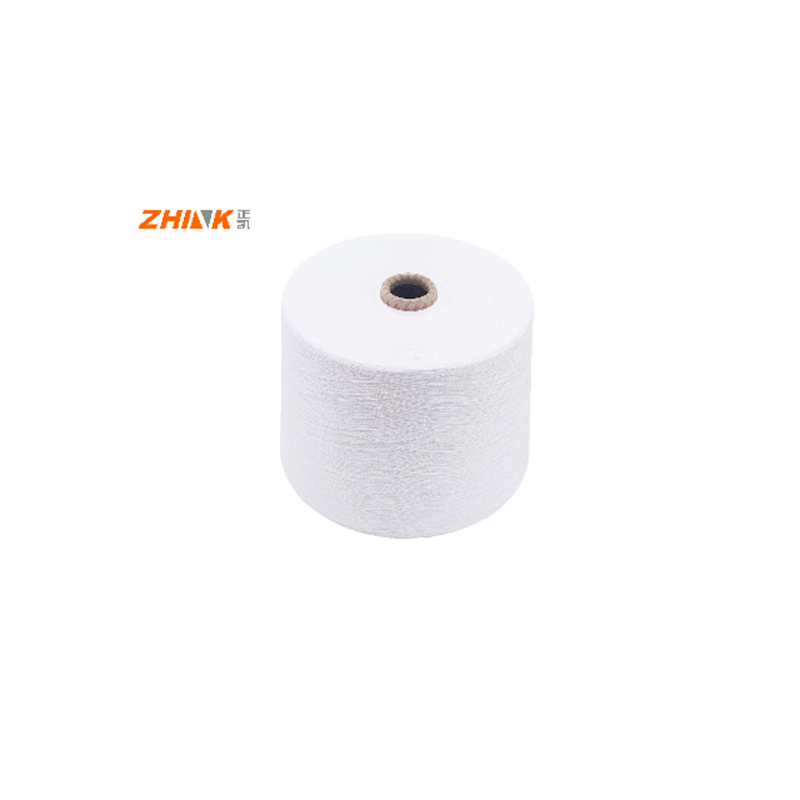
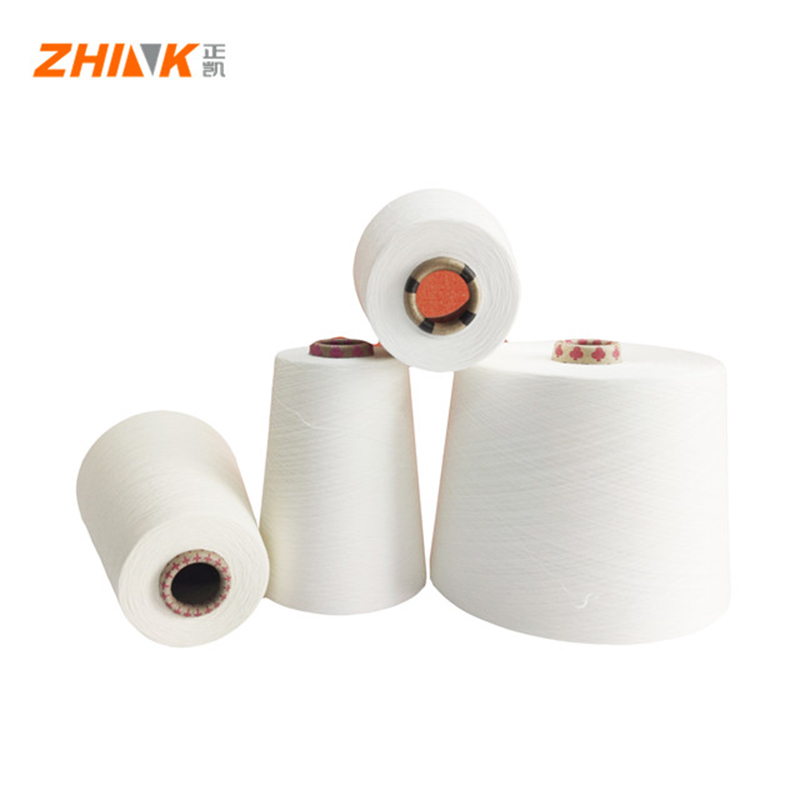
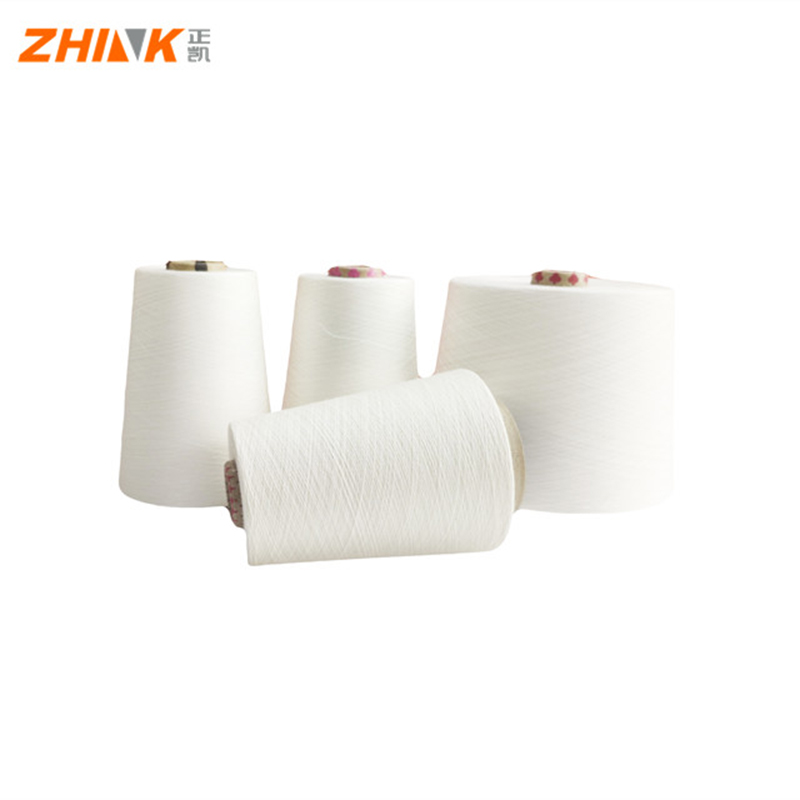
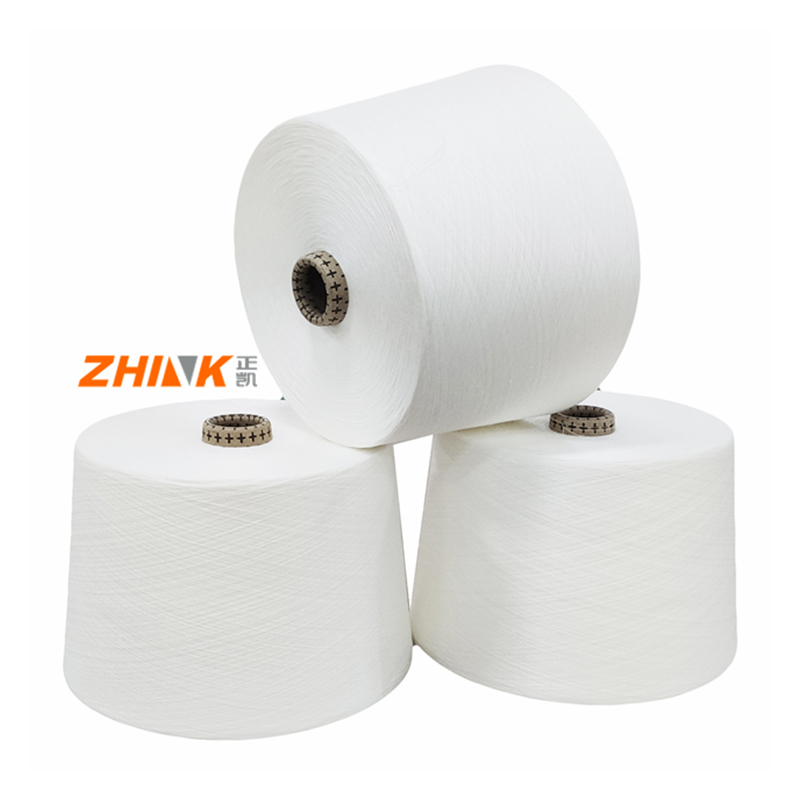
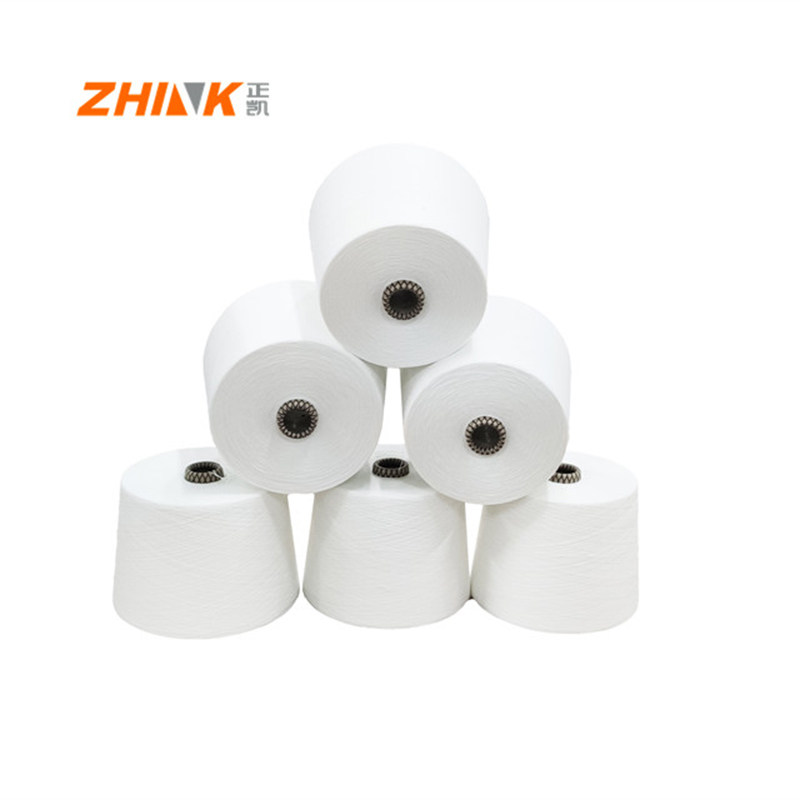
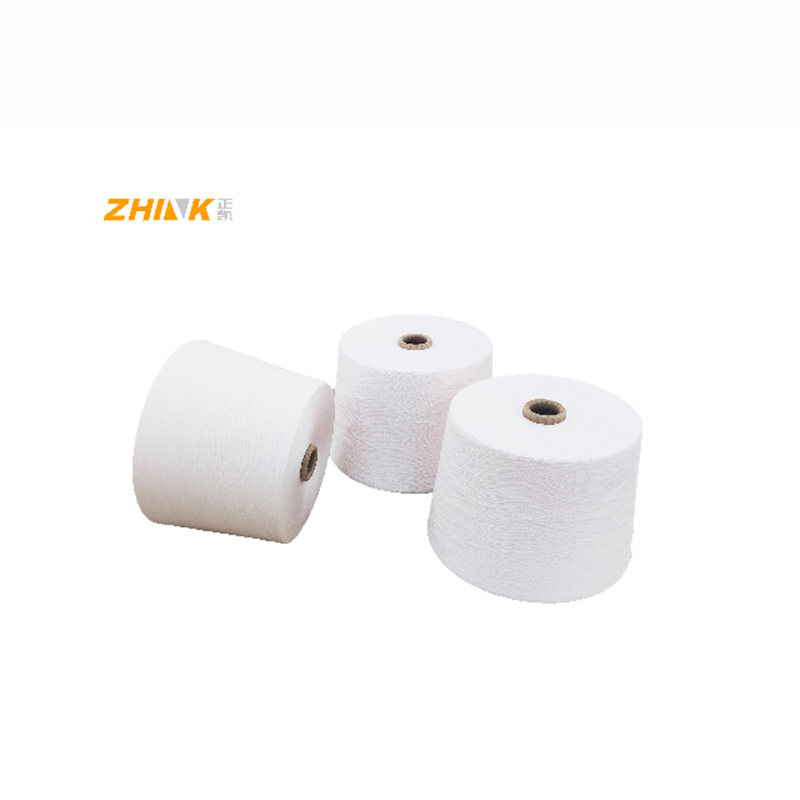
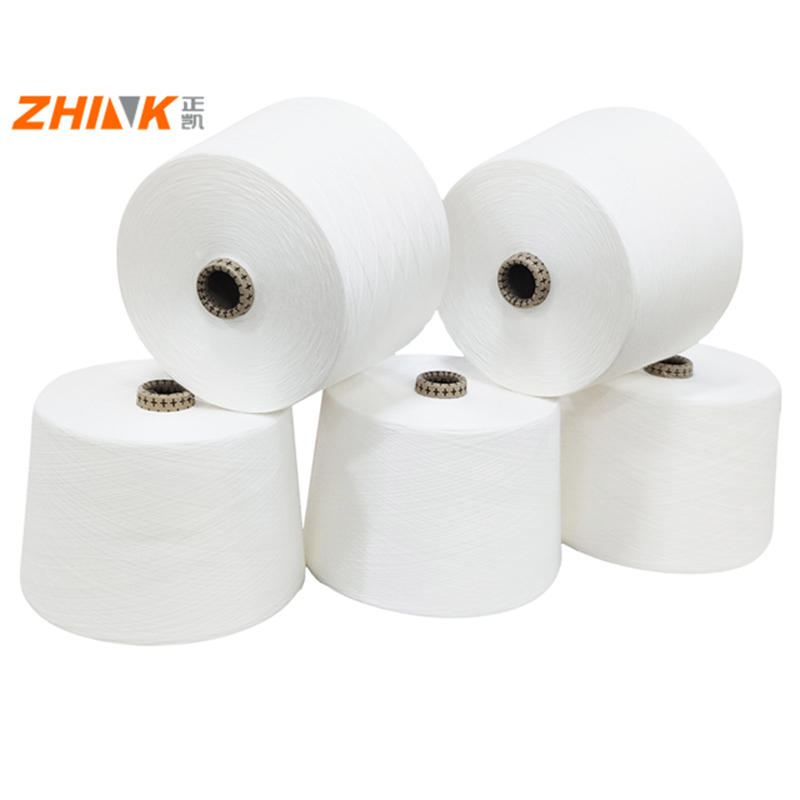
100% Lyocell yarn
The Versatility of 100% Lyocell Yarn
100% Lyocell yarn often finds itself at the center of discussions in sustainable textile circles, yet misconceptions still abound. This naturally soft, eco-friendly yarn, often mistaken for simply another type of rayon, holds unique properties and benefits. Let's delve into these aspects, drawing from personal and industry experiences to understand its true potential.
Understanding Lyocell: More Than a Rayon
Many people initially think of 100% Lyocell yarn as just another form of rayon, which isn't entirely wrong, but there's a nuanced difference. Rayon is an umbrella term for different cellulose fibers, including viscose and Lyocell. The distinction lies in the production process. Lyocell employs a more sustainable solvent spinning process, which involves dissolving wood pulp using a non-toxic solvent—N-Methylmorpholine N-oxide. This closed-loop process recaptures and reuses 99% of the chemicals, making it a preferred option in eco-focused projects.
I recall working on a project where the material was questioned for its environmental claims. It was surprising how many in the industry still bundled it under the broader rayon category without considering these subtle yet significant differences. Once the clarification was made, the appreciation for its sustainable benefits increased noticeably.
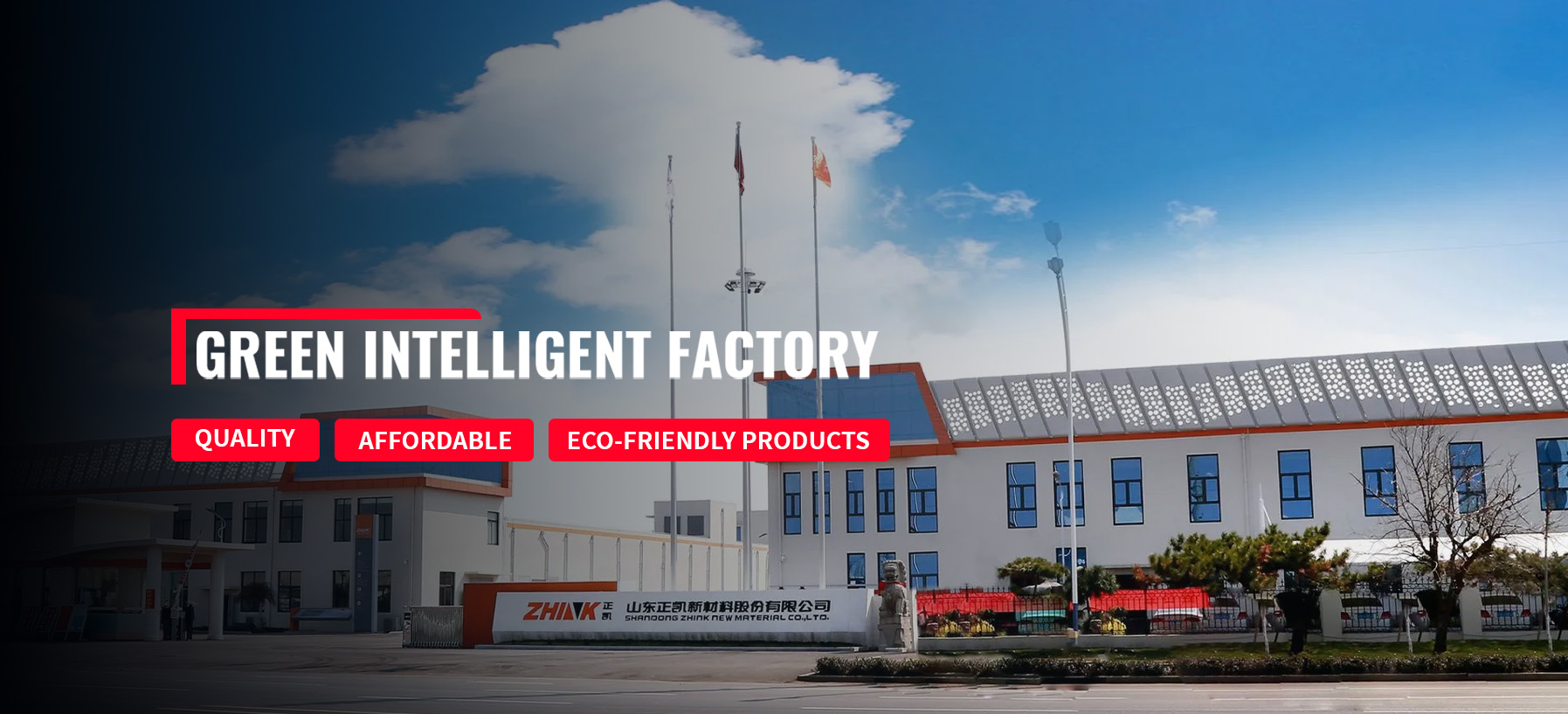
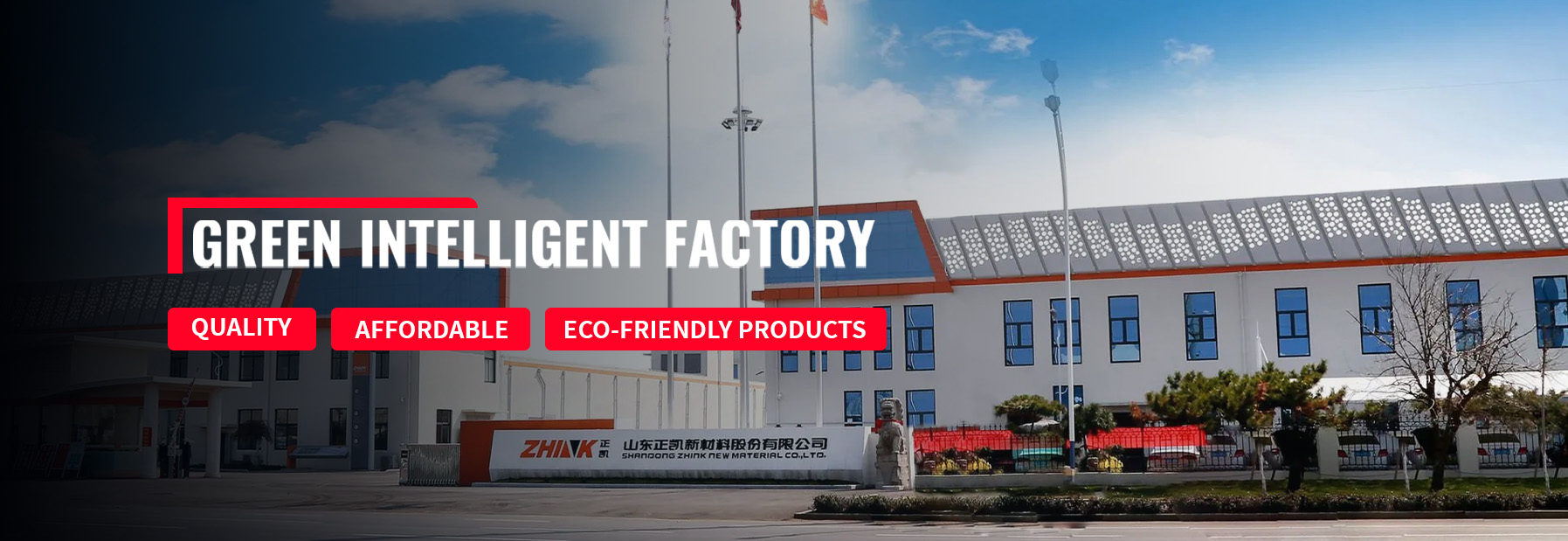
It's important to recognize these misunderstandings because they skew perception not only among consumers but also among suppliers, leading to misguided material choices. Choosing the right supplier, like SHANDONG ZHINK NEW MATERIAL CO., LTD, which can be explored at their website, becomes crucial for genuine sustainable practice.
The Texture Advantage: Softness and Strength
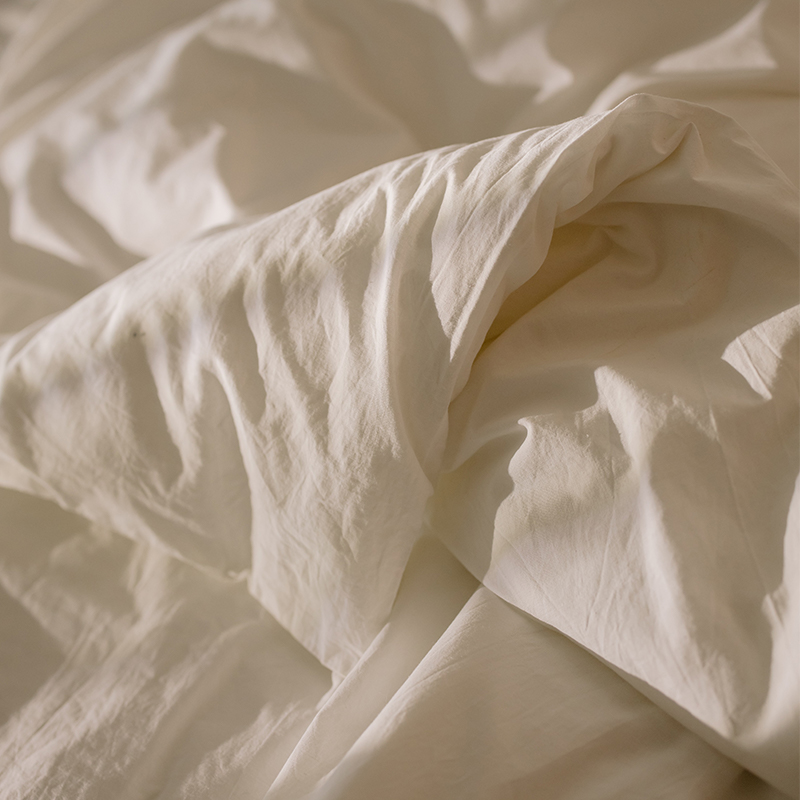
One can't talk about 100% Lyocell yarn without mentioning its texture. Its natural softness is unparalleled, often compared with silk and cotton. This makes it suitable for various applications, from luxury apparel to comfy bedding. In one of my early projects, we tested its softness against other fibers, and hands down, it consistently came out as a favorite among testers, especially in close-to-skin applications.
However, softness doesn't mean fragility. Lyocell is surprisingly strong, often more robust than cotton of the same weight. This combination of softness and strength has opened doors for many applications that require durability without sacrificing comfort.
I encountered a challenge once when a client doubted its appropriateness for heavy-use items like workwear. After weaving and rigorous testing, the results showed not just durability but also maintained softness over months of use and washes, winning over another skeptic.
Moisture Management: A Hidden Gem
Another standout feature of 100% Lyocell yarn is its exceptional moisture management capabilities. What's fascinating is its ability to absorb excess liquid and release it away from the skin, making garments feel fresh longer. This is particularly advantageous for activewear, where comfort in high-sweat environments is critical.
In my experience with performance fabric development, Lyocell was a game-changer. We developed a range of gymwear that not only stayed drier but also had significantly less odor compared to synthetic counterparts. Customers and users often reported this as a refreshing surprise, not expecting natural fibers to perform so well.
Still, the challenge lies in convincing manufacturers to choose this over cheaper synthetic options, especially in cost-driven markets. But the tangible benefits in user experience make it worth advocating for, reinforcing Lyocell's growing reputation in performance wear.
Sustainability: A Strong Selling Point
In today's market, the sustainability aspect of 100% Lyocell yarn is not just a perk but a demand. Consumers are becoming increasingly informed and expect more from brands, both in terms of quality and environmental responsibility. This is where Lyocell shines, with its clean production process and biodegradability.
The shift I've seen over the years is staggering. Initially, few cared about a production method's sustainability. Now, it often stands as a deciding factor. Companies like Zhink New Material are at the forefront, driving innovation in sustainable textiles.
However, sustainability isn't a simple checkbox. Even Lyocell has its challenges, such as sourcing ethical wood pulp. But the ongoing research and improvements in production methods continue to push the boundaries of what's possible, making continual advancements inevitable and necessary.
Lyocell in Practical Use: Personal Insights
Every material has nuances, and Lyocell is no exception. From a practical standpoint, its wrinkle resistance is a nice touch—especially in ready-to-wear garments. I remember a particular travel clothing line where it drastically reduced the time spent on maintenance, which was a huge win for consumers.
On the flip side, Lyocell's cost can be prohibitive on large scales, particularly for small brands wanting to emphasize on eco-friendly practices. But the trick often lies in finding the right partners—like SHANDONG ZHINK NEW MATERIAL CO., LTD—who offer competitive pricing without compromising on quality.
Ultimately, the future of textiles is undeniably turning greener, and 100% Lyocell yarn is well-positioned as a key player. Whether it's for its eco-credentials, its luxurious feel, or its practical benefits, Lyocell continues to reshape expectations and redefine what is possible in the yarn and fabric industries.
Related Products
Related Products