+86-632-3621866
- Chinese
- French
- German
- Portuguese
- Spanish
- Russian
- Japanese
- Korean
- Arabic
- Irish
- Greek
- Turkish
- Italian
- Danish
- Romanian
- Indonesian
- Czech
- Afrikaans
- Swedish
- Polish
- Basque
- Catalan
- Esperanto
- Hindi
- Lao
- Albanian
- Amharic
- Armenian
- Azerbaijani
- Belarusian
- Bengali
- Bosnian
- Bulgarian
- Cebuano
- Chichewa
- Corsican
- Croatian
- Dutch
- Estonian
- Filipino
- Finnish
- Frisian
- Galician
- Georgian
- Gujarati
- Haitian
- Hausa
- Hawaiian
- Hebrew
- Hmong
- Hungarian
- Icelandic
- Igbo
- Javanese
- Kannada
- Kazakh
- Khmer
- Kurdish
- Kyrgyz
- Latin
- Latvian
- Lithuanian
- Luxembou..
- Macedonian
- Malagasy
- Malay
- Malayalam
- Maltese
- Maori
- Marathi
- Mongolian
- Burmese
- Nepali
- Norwegian
- Pashto
- Persian
- Punjabi
- Serbian
- Sesotho
- Sinhala
- Slovak
- Slovenian
- Somali
- Samoan
- Scots Gaelic
- Shona
- Sindhi
- Sundanese
- Swahili
- Tajik
- Tamil
- Telugu
- Thai
- Ukrainian
- Urdu
- Uzbek
- Vietnamese
- Welsh
- Xhosa
- Yiddish
- Yoruba
- Zulu
- Kinyarwanda
- Tatar
- Oriya
- Turkmen
- Uyghur


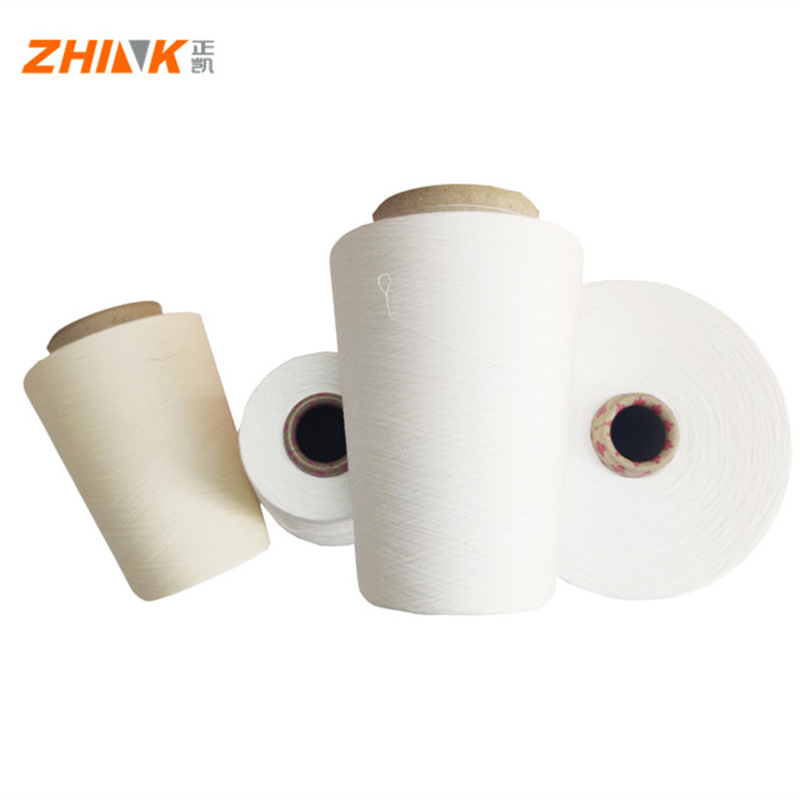
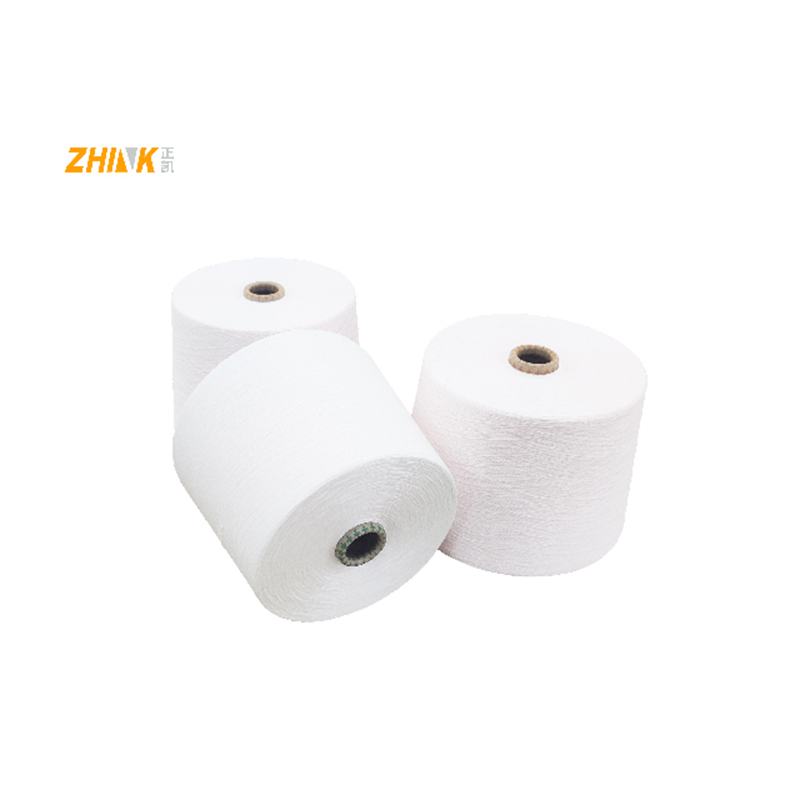
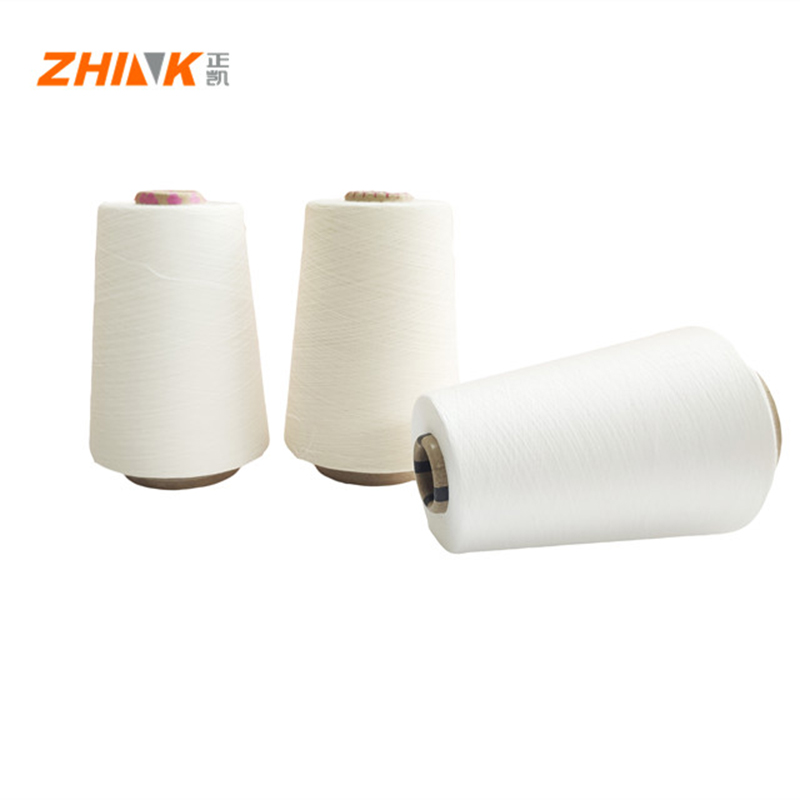
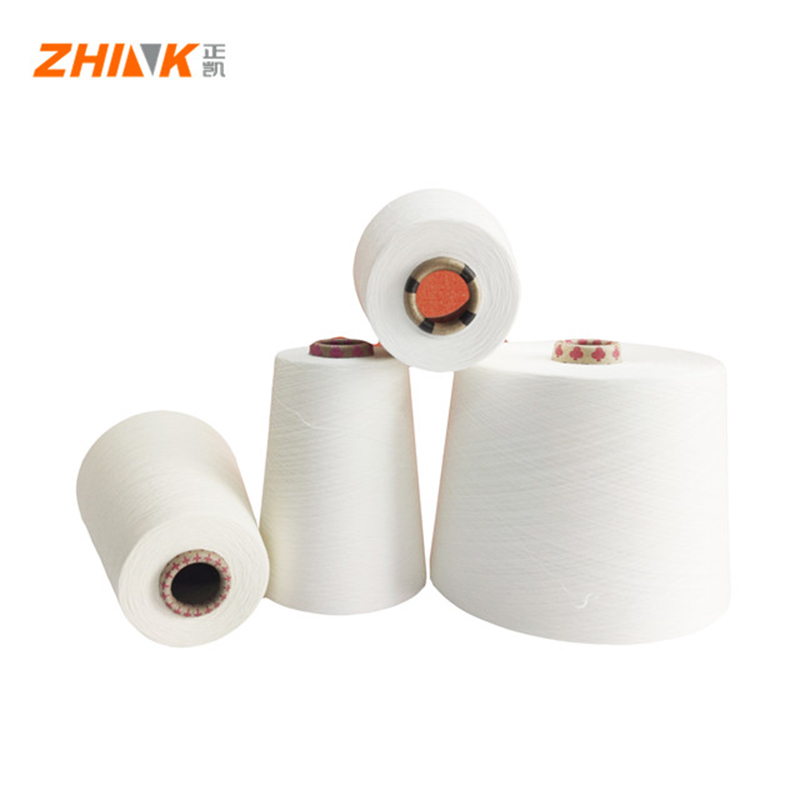
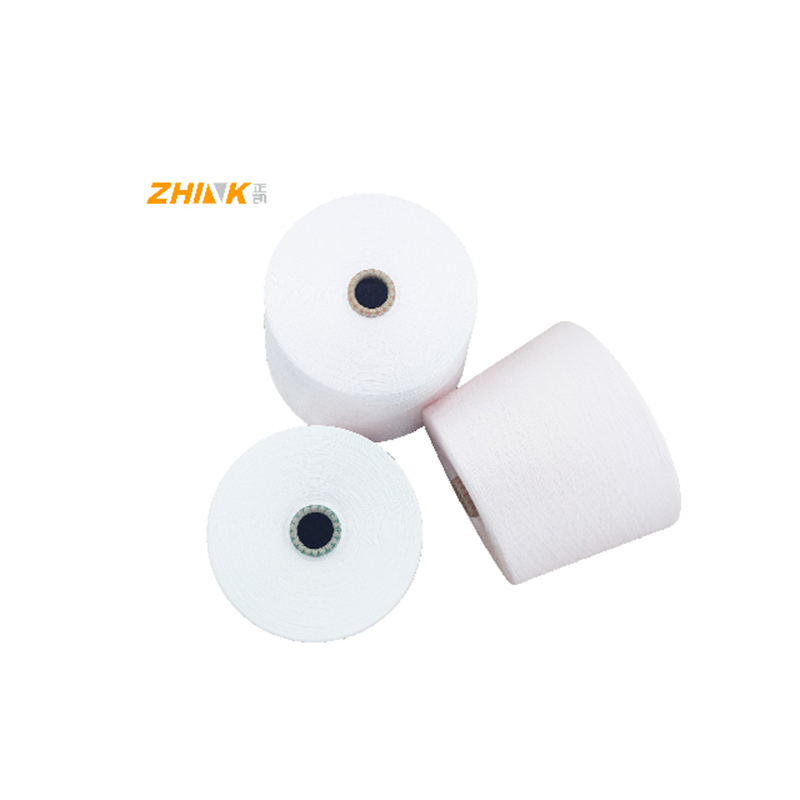
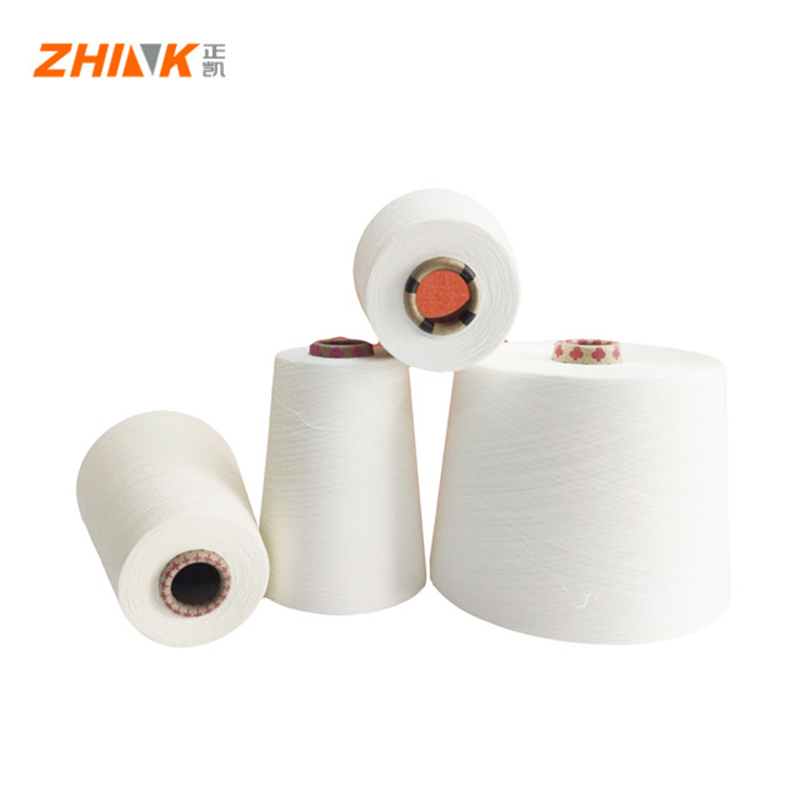
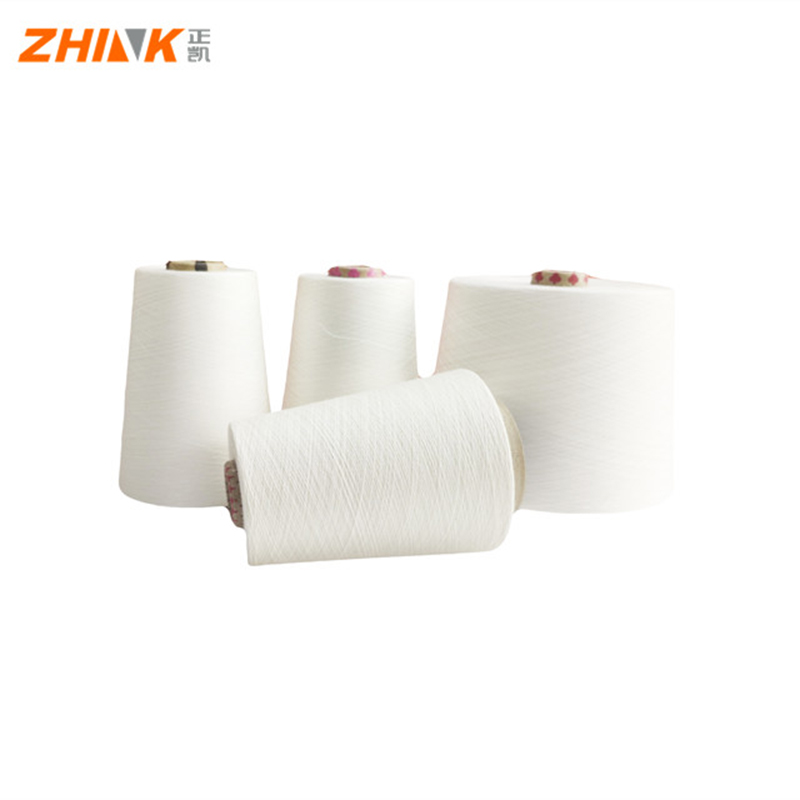
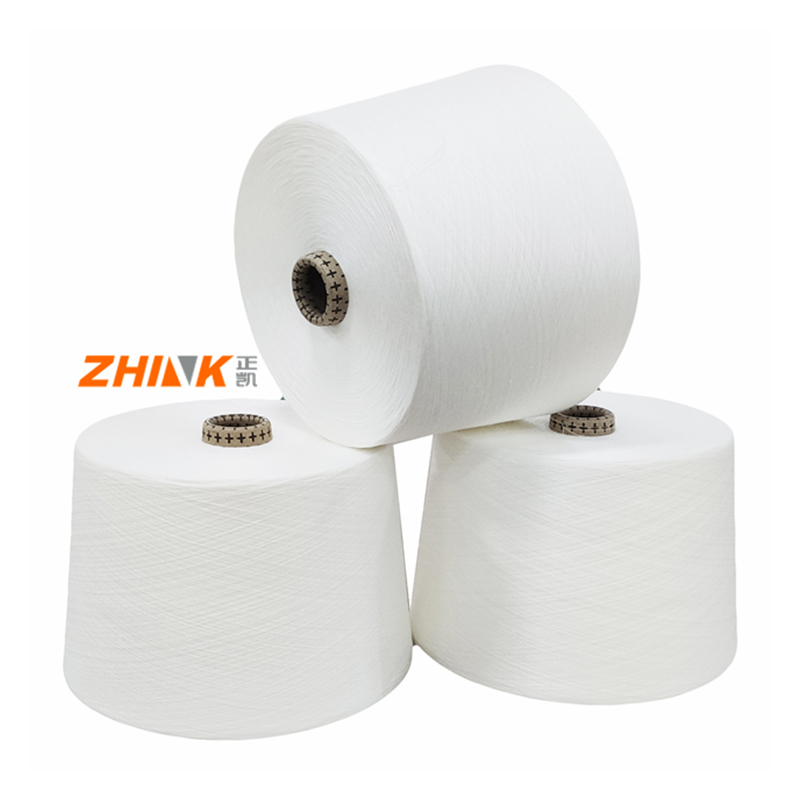
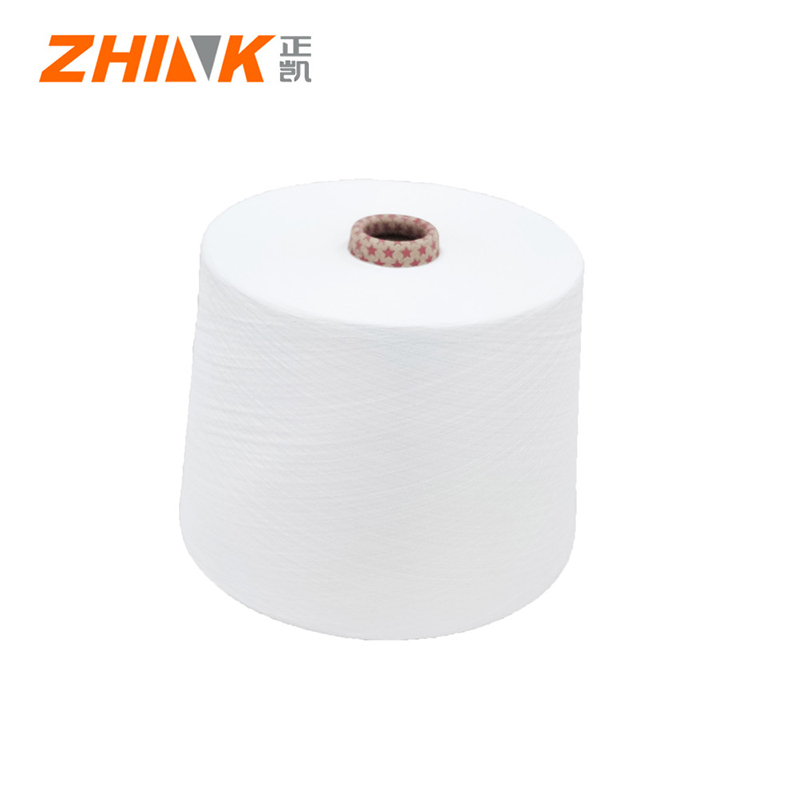
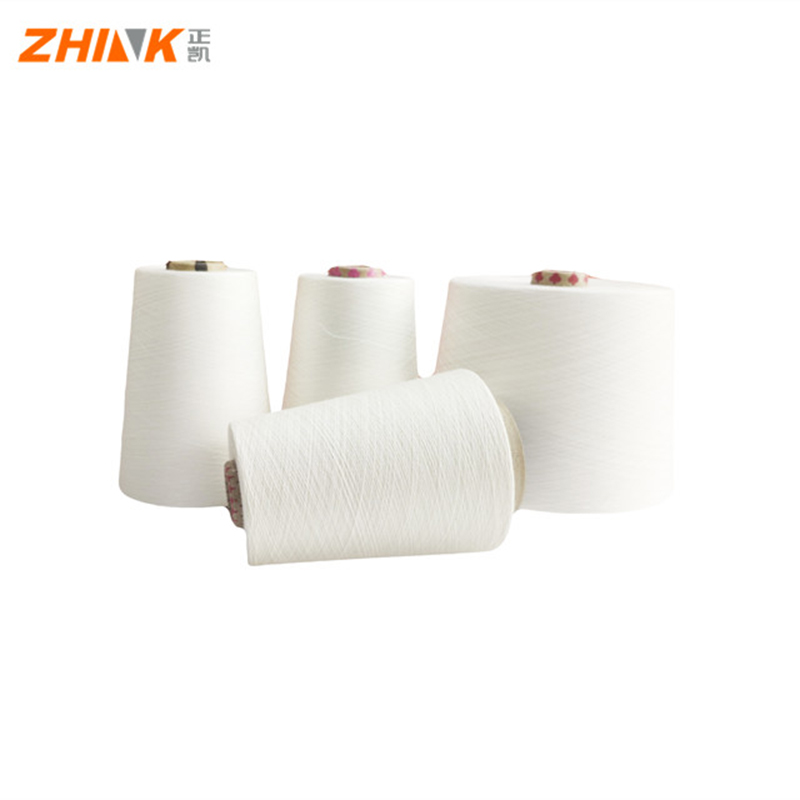
100% Lyocell yarn for knitting
The Art and Craft of 100% Lyocell Yarn for Knitting
Delve into the world of 100% Lyocell yarns for knitting, where sustainability meets unparalleled softness, tackling misconceptions head-on. Understand the journey of turning wood pulp into luxurious yarns, and explore the practical experiences that make this material both eco-friendly and versatile.
Understanding 100% Lyocell Yarn
100% Lyocell yarn is often praised for its sustainability and softness, but there’s so much more to explore. For those new to this material, it's derived from wood pulp, processed using a closed-loop system that minimizes waste and emissions. The result is a yarn that's not just environmentally friendly but also remarkably versatile for knitting.
Many assume its delicate nature makes it difficult to work with, but that’s a misconception. The strength of Lyocell, even when wet, enhances its durability, making it a reliable choice for both beginners and experienced knitters.
Yet, there's a slight learning curve involved. You must pay attention to the tension when knitting, as Lyocell can be quite stretchy. Your hands will develop a feel for the yarn, which ultimately influences the final product's texture and drape.
Experiences with Knitting in Lyocell
I’ve had my fair share of trial and error using 100% Lyocell yarn for knitting. It's an experience you grow into—initially, it might require more patience to achieve consistent results. However, once mastered, the yarn rewards you with garments that boast a luxurious sheen and feel.
For instance, I once attempted a simple scarf pattern and quickly learned that blocking was essential with Lyocell. The finished piece had a beautiful flow, thanks to this extra step, which isn't always necessary with other fibers.
Adjustments during knitting also taught me that tension control is key. Unlike wool, which can be forgiving, Lyocell demands precision. Take the time to test swatches with various needle sizes, which helps to achieve the desired softness and elasticity.
The Environmental Benefits
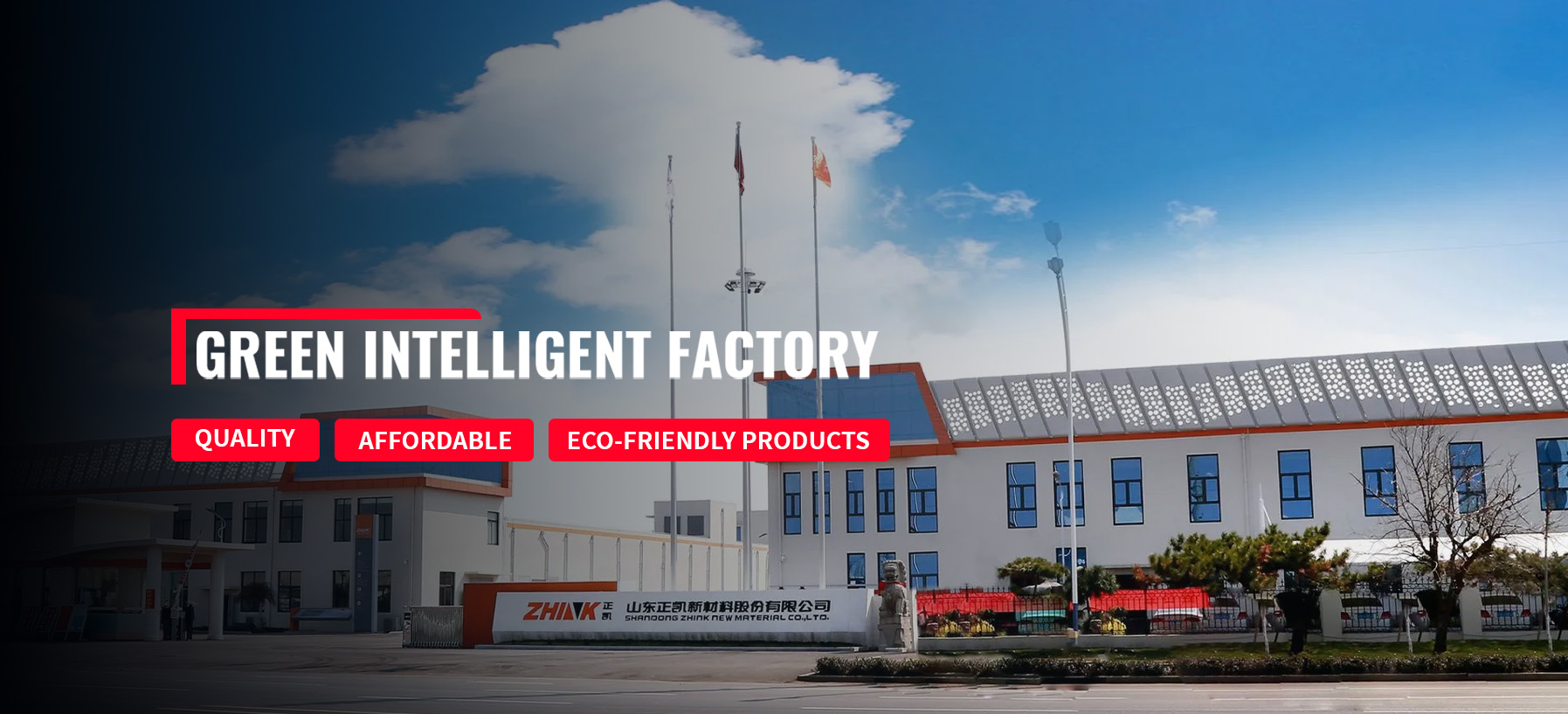
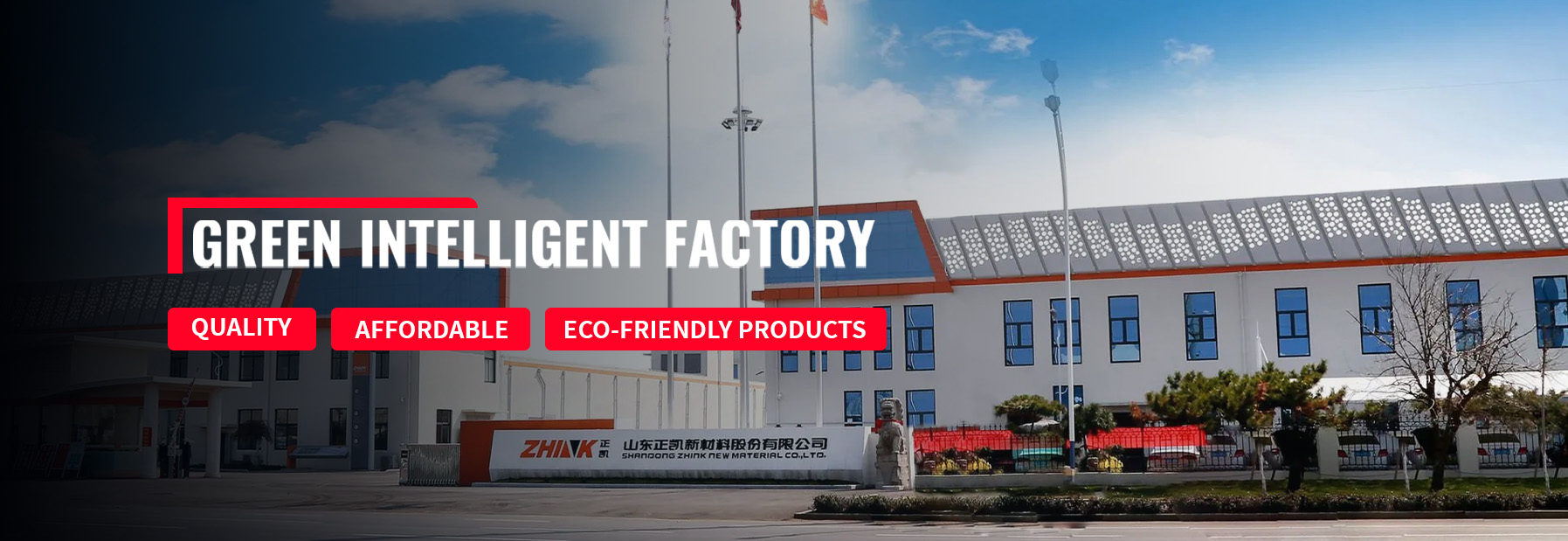
Environmental concerns are front and center today, and Lyocell stands out due to its sustainable production. Zhink New Material is a company leading the charge, focusing on innovation in textile materials. Visit their site at https://www.zhinkyarn.com for a deeper dive into eco-friendly innovations.
The closed-loop process used here ensures that solvents are recycled, minimizing environmental impact. This process not only supports sustainability but also yields a fiber that’s biodegradable and compostable.
By choosing Lyocell, knitters can contribute to a greener planet without sacrificing quality or aesthetics in their creations. It embodies the perfect balance between responsibility and beauty in the textile industry.
Tips for Successful Knitting
When working with 100% Lyocell yarn, consider these practical tips: First, always pre-wash your swatches. This step pre-shrinks the yarn and reveals its real texture. It prevents surprises in your finished piece.
Second, invest in quality tools. Lyocell's smooth texture can be slick on metal needles, so bamboo or wooden needles might offer better control, making your knitting experience more enjoyable.
Finally, experiment with different stitches. The yarn’s sheen enhances simple patterns like stockinette but is equally stunning in more complex designs, such as lace or cables. Each knit tells a story when you find the right match.
Challenges and Rewards
While Lyocell is rewarding, it’s not without challenges. Dealing with slippery yarns can be daunting at first. Mistakes can feel amplified, but they are part of the learning curve that enriches your experience as a knitter.
Celebrating small victories, like perfecting tension or mastering a new pattern stitch, reinforces why Lyocell is a yarn worth the effort. The finished products' soft, luxurious feel and the environmental benefits provide a sense of achievement.
These experiences underscore the value of persistence. With time, your comfort with this yarn grows, bringing forth creations that stand as a testament to both skill and sustainable craftsmanship, a core principle championed by companies like Zhink New Material.
Related Products
Related Products