+86-632-3621866
- Chinese
- French
- German
- Portuguese
- Spanish
- Russian
- Japanese
- Korean
- Arabic
- Irish
- Greek
- Turkish
- Italian
- Danish
- Romanian
- Indonesian
- Czech
- Afrikaans
- Swedish
- Polish
- Basque
- Catalan
- Esperanto
- Hindi
- Lao
- Albanian
- Amharic
- Armenian
- Azerbaijani
- Belarusian
- Bengali
- Bosnian
- Bulgarian
- Cebuano
- Chichewa
- Corsican
- Croatian
- Dutch
- Estonian
- Filipino
- Finnish
- Frisian
- Galician
- Georgian
- Gujarati
- Haitian
- Hausa
- Hawaiian
- Hebrew
- Hmong
- Hungarian
- Icelandic
- Igbo
- Javanese
- Kannada
- Kazakh
- Khmer
- Kurdish
- Kyrgyz
- Latin
- Latvian
- Lithuanian
- Luxembou..
- Macedonian
- Malagasy
- Malay
- Malayalam
- Maltese
- Maori
- Marathi
- Mongolian
- Burmese
- Nepali
- Norwegian
- Pashto
- Persian
- Punjabi
- Serbian
- Sesotho
- Sinhala
- Slovak
- Slovenian
- Somali
- Samoan
- Scots Gaelic
- Shona
- Sindhi
- Sundanese
- Swahili
- Tajik
- Tamil
- Telugu
- Thai
- Ukrainian
- Urdu
- Uzbek
- Vietnamese
- Welsh
- Xhosa
- Yiddish
- Yoruba
- Zulu
- Kinyarwanda
- Tatar
- Oriya
- Turkmen
- Uyghur


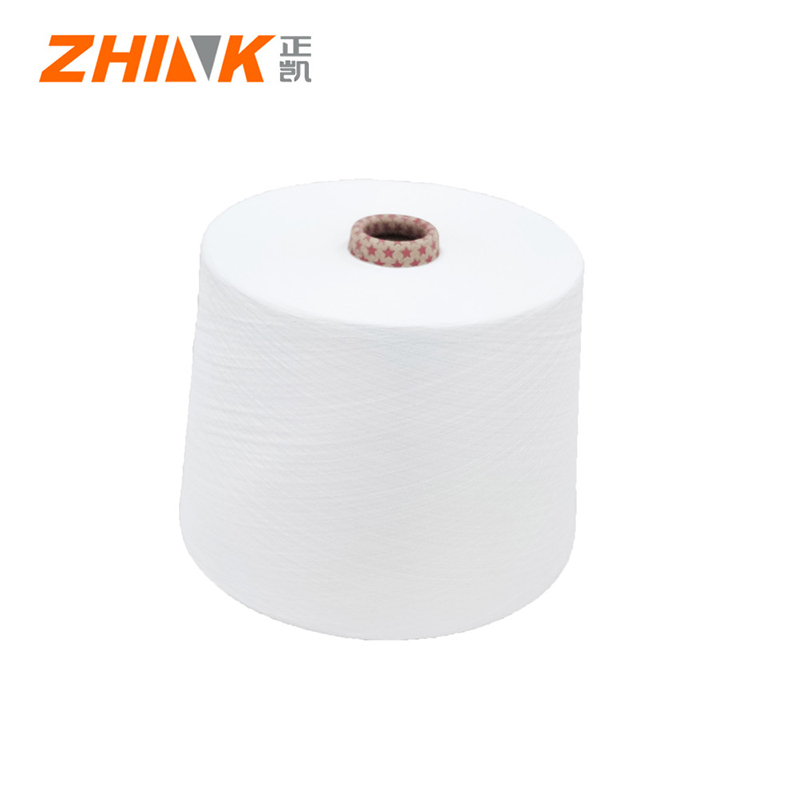
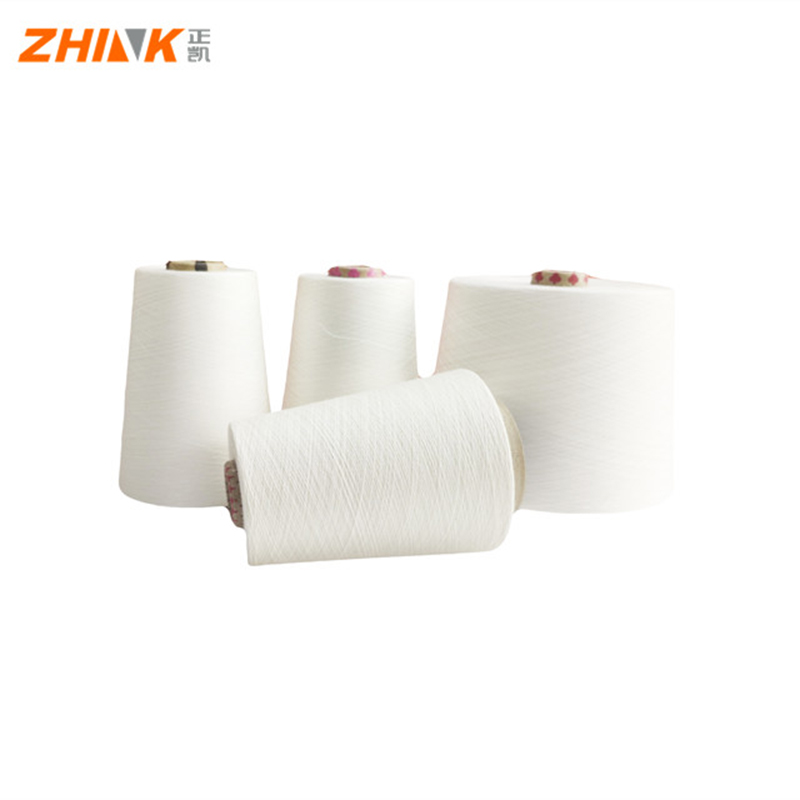
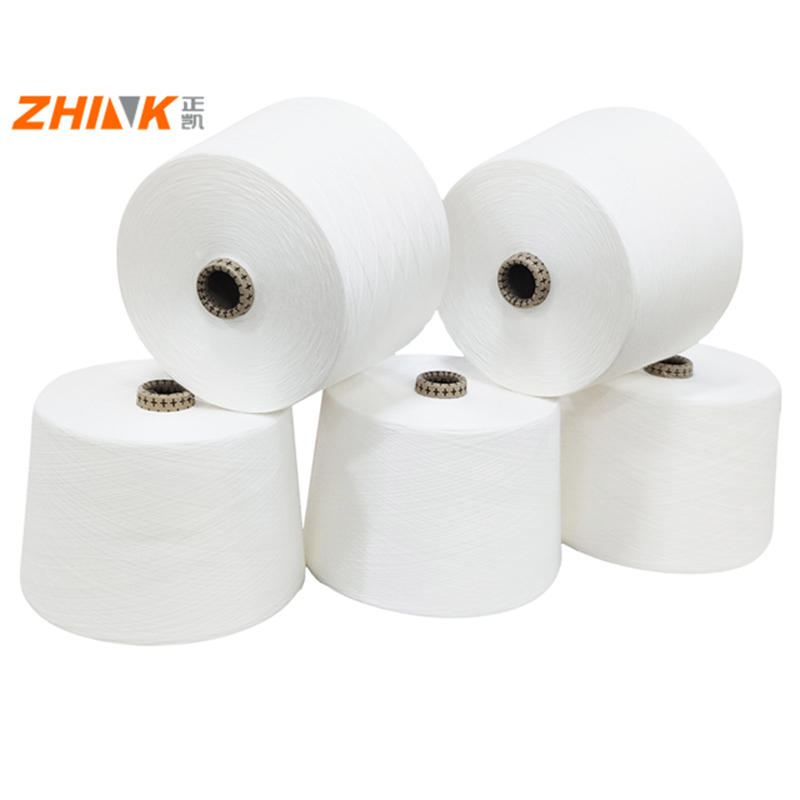
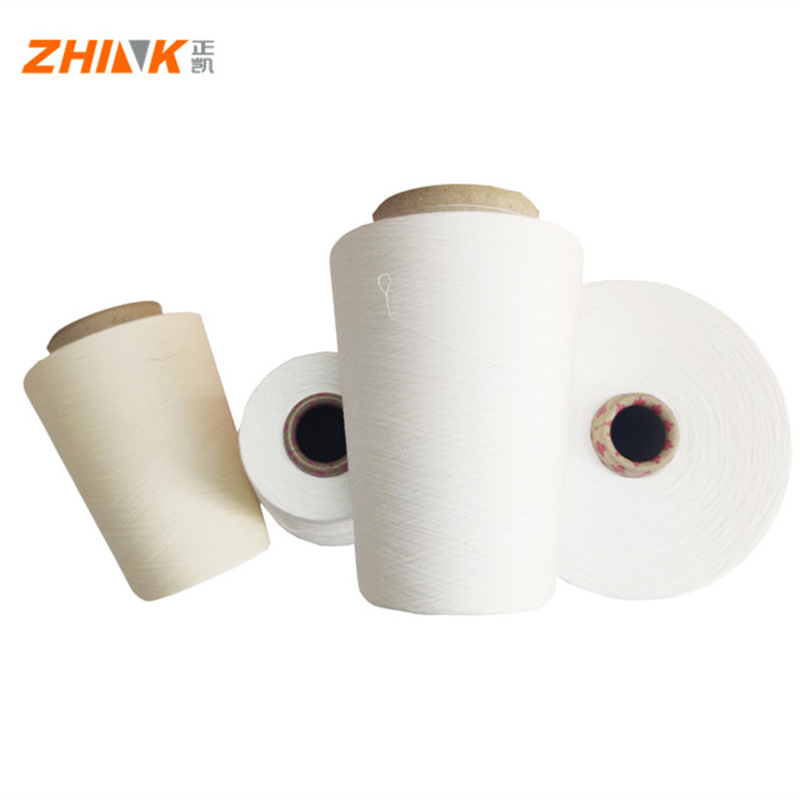
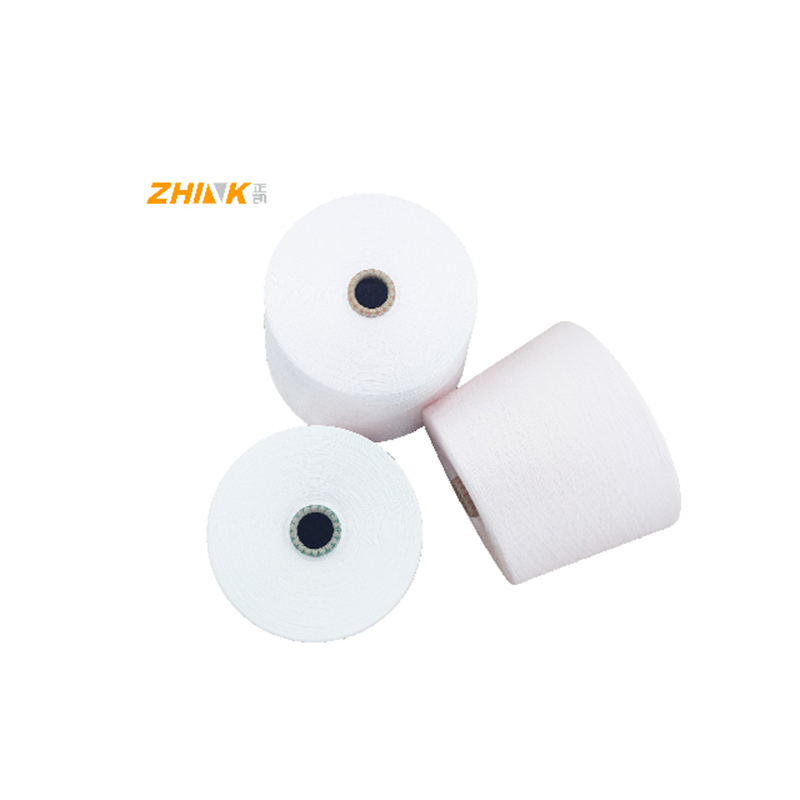
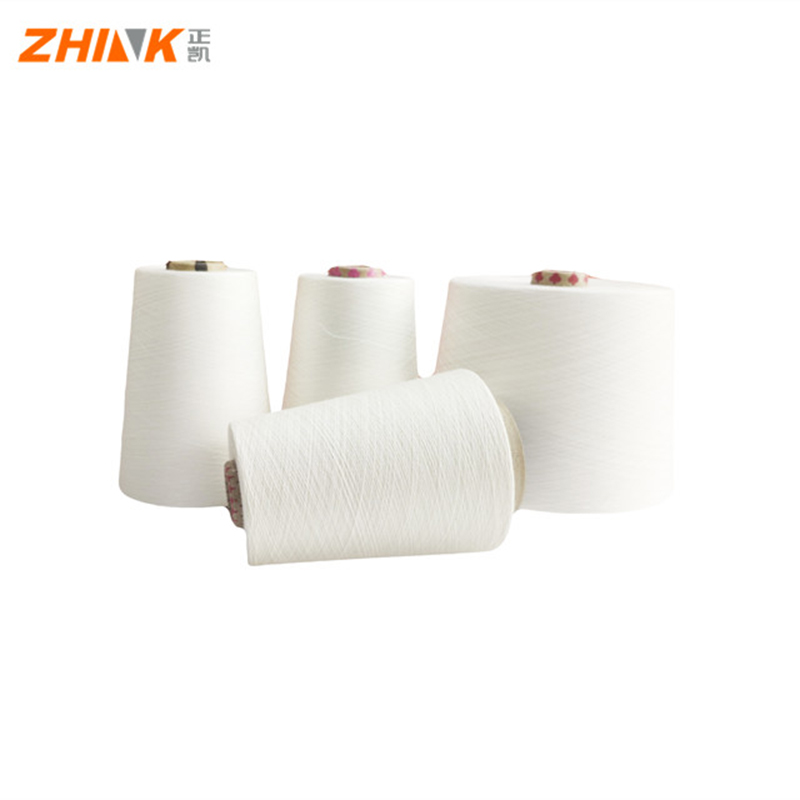
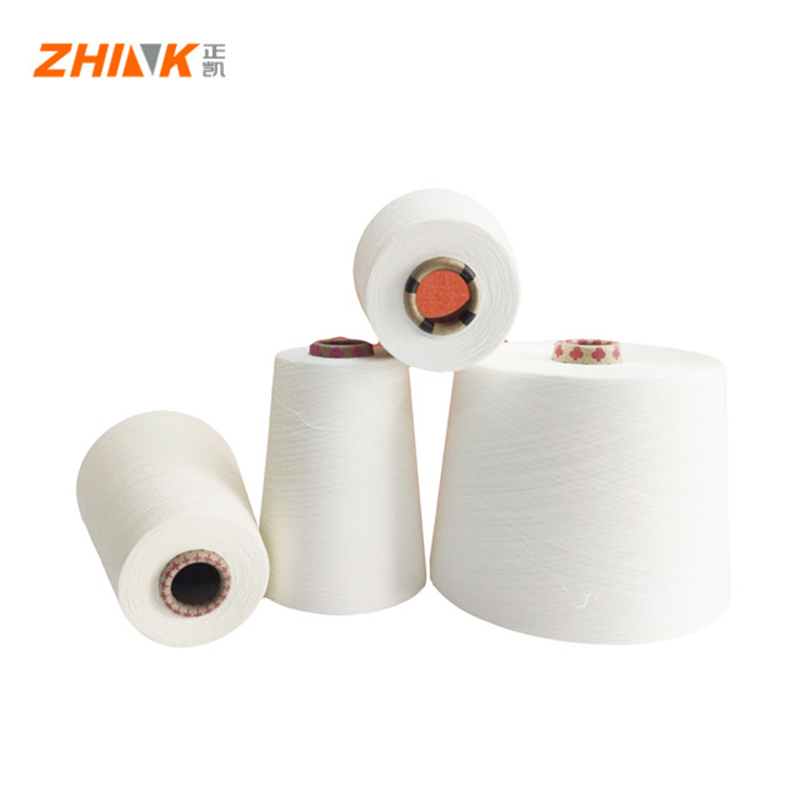
100 micro polyester yarn
Exploring the World of 100 Micro Polyester Yarn
In the textile world, 100 micro polyester yarn has carved a niche of its own. With its fine fibers and versatile applications, it’s become a material of choice for many. Let’s delve into some insights, going beyond the technical specs to understand its real-world significance.
Understanding Micro Polyester
So, what exactly is 100 micro polyester yarn? Basically, it refers to polyester fibers that are extremely fine—100 microdenier or less. This finer structure offers a softness that’s almost akin to natural fibers like silk. In my experience, when you first get your hands on it, you're almost surprised at how delicate it feels. It’s no wonder brands favor it for high-end garments.
However, there's a common misunderstanding about its durability. While it feels delicate, its synthetic nature gives it strength and longevity that's often underestimated. I recall an instance where a client was skeptical about using it for upholstery. After some testing, they were convinced of its resilience.
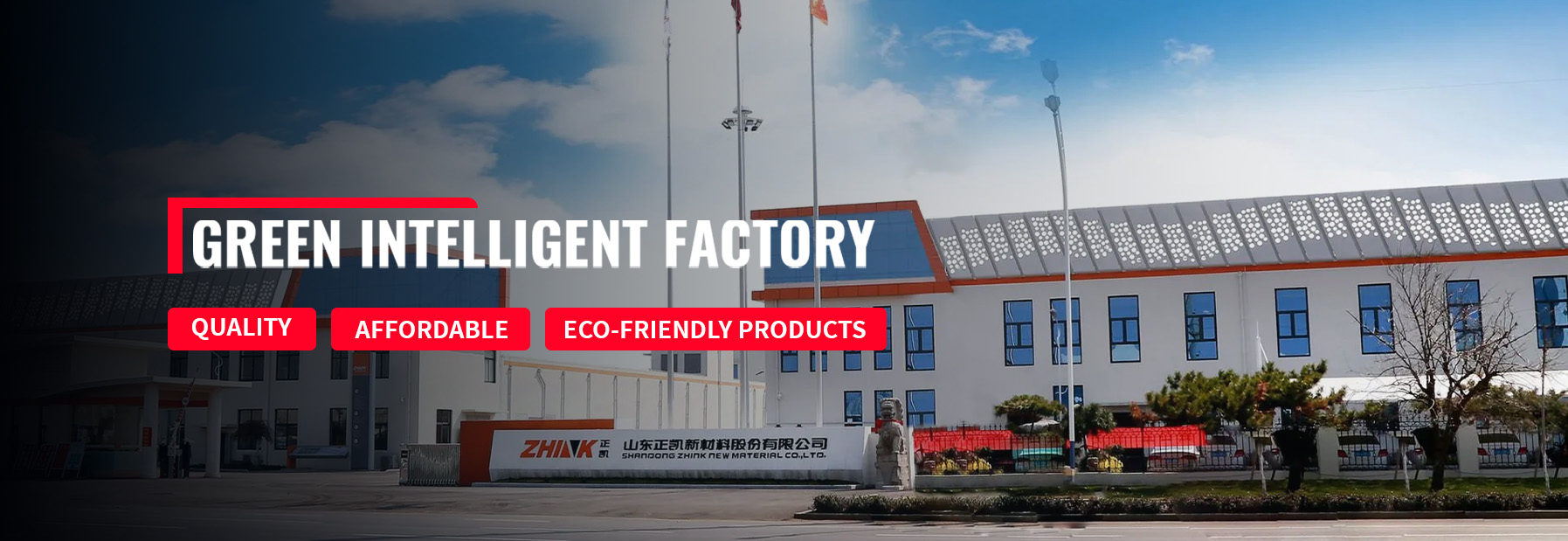
The versatility is another plus. From sportswear to home textiles, the range of application surprised me as I started working more with various manufacturers, like SHANDONG ZHINK NEW MATERIAL CO., LTD.
Production Insights
Now, at Zhink New Material, the process of producing 100 micro polyester yarn is a sophisticated dance of engineering and art. The precision required to produce these fine fibers consistently is immense. There were times when we had to fine-tune machinery to ensure that the fibers met quality standards without variance.
The company, with its dedicated R&D teams, constantly explores ways to enhance the performance traits of this yarn. From moisture-wicking properties to vibrant dyeability, the innovations are ongoing. You can check more about their approach at Zhink's website.
There’s a particular incident that stands out in my memory, involving a batch that didn’t quite meet the expected standard. It was a learning curve in understanding fiber behavior in varying environmental conditions.
Challenges and Solutions
One challenge often encountered is the static cling. Many consumers find this a nuisance. To address this, anti-static treatments can be integrated during the finishing process. It’s always about balancing performance and comfort.
Another point of contention is environmental concerns. While polyester is synthetic, improvements are being made industry-wide, focusing on recyclable materials and eco-friendly production. At Zhink, we're committed to exploring such avenues.
An experience worth noting was the incorporation of recycled materials into our production, an initiative that demands both precision and creativity.
Market Demand
Over the years, demand for micro polyester has been on the rise. The shift is not just among consumers but also manufacturers looking for reliable, cost-effective alternatives to natural fibers.
Retailers I've collaborated with have remarked on the positive consumer response, particularly in terms of comfort. It’s a testament to the material's appeal.
Also, considering the competitive pricing strategies, especially from companies like SHANDONG ZHINK NEW MATERIAL CO., LTD, it’s easier for brands to integrate this textile option into mainstream fashion.
Future Prospects
Looking ahead, the realm of 100 micro polyester yarn is ripe with possibilities. Innovations in fiber technology and sustainability practices are paving the way for its expanded use. Personally, I'm excited about potential collaborations that push these boundaries.
There is immense potential for customization, creating blends that cater to specific consumer needs. The customization aspect can't be overstated—it's where creativity meets practicality.
In conclusion, as we continue exploring and utilizing the capabilities of this remarkable material, the textile industry's future looks both sustainable and vibrant. For those curious to explore further, I recommend visiting the Zhink website for cutting-edge developments and products.
Related Products
Related Products