+86-632-3621866
- Chinese
- French
- German
- Portuguese
- Spanish
- Russian
- Japanese
- Korean
- Arabic
- Irish
- Greek
- Turkish
- Italian
- Danish
- Romanian
- Indonesian
- Czech
- Afrikaans
- Swedish
- Polish
- Basque
- Catalan
- Esperanto
- Hindi
- Lao
- Albanian
- Amharic
- Armenian
- Azerbaijani
- Belarusian
- Bengali
- Bosnian
- Bulgarian
- Cebuano
- Chichewa
- Corsican
- Croatian
- Dutch
- Estonian
- Filipino
- Finnish
- Frisian
- Galician
- Georgian
- Gujarati
- Haitian
- Hausa
- Hawaiian
- Hebrew
- Hmong
- Hungarian
- Icelandic
- Igbo
- Javanese
- Kannada
- Kazakh
- Khmer
- Kurdish
- Kyrgyz
- Latin
- Latvian
- Lithuanian
- Luxembou..
- Macedonian
- Malagasy
- Malay
- Malayalam
- Maltese
- Maori
- Marathi
- Mongolian
- Burmese
- Nepali
- Norwegian
- Pashto
- Persian
- Punjabi
- Serbian
- Sesotho
- Sinhala
- Slovak
- Slovenian
- Somali
- Samoan
- Scots Gaelic
- Shona
- Sindhi
- Sundanese
- Swahili
- Tajik
- Tamil
- Telugu
- Thai
- Ukrainian
- Urdu
- Uzbek
- Vietnamese
- Welsh
- Xhosa
- Yiddish
- Yoruba
- Zulu
- Kinyarwanda
- Tatar
- Oriya
- Turkmen
- Uyghur


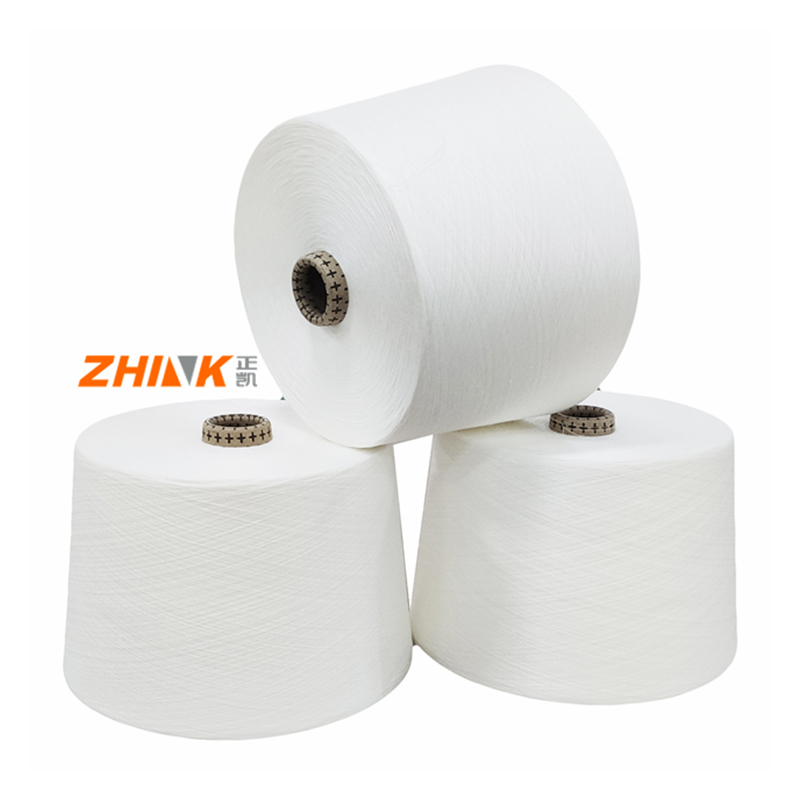
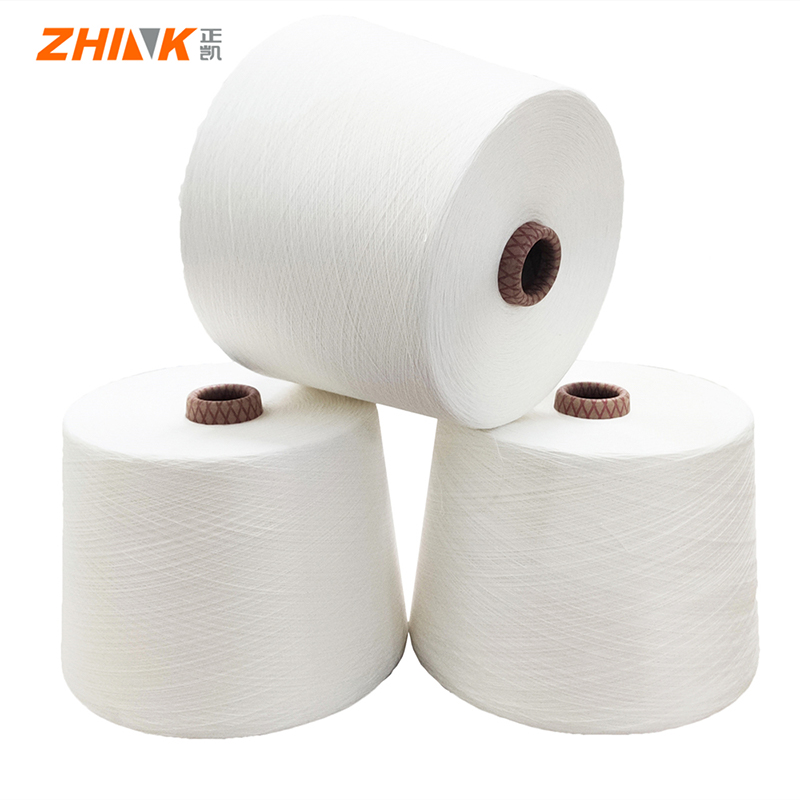
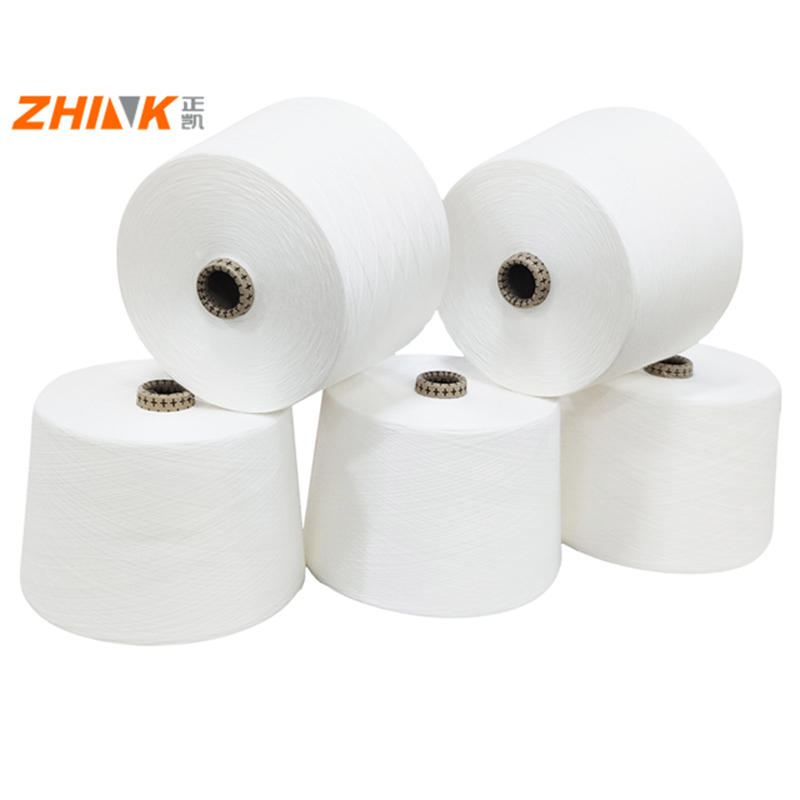
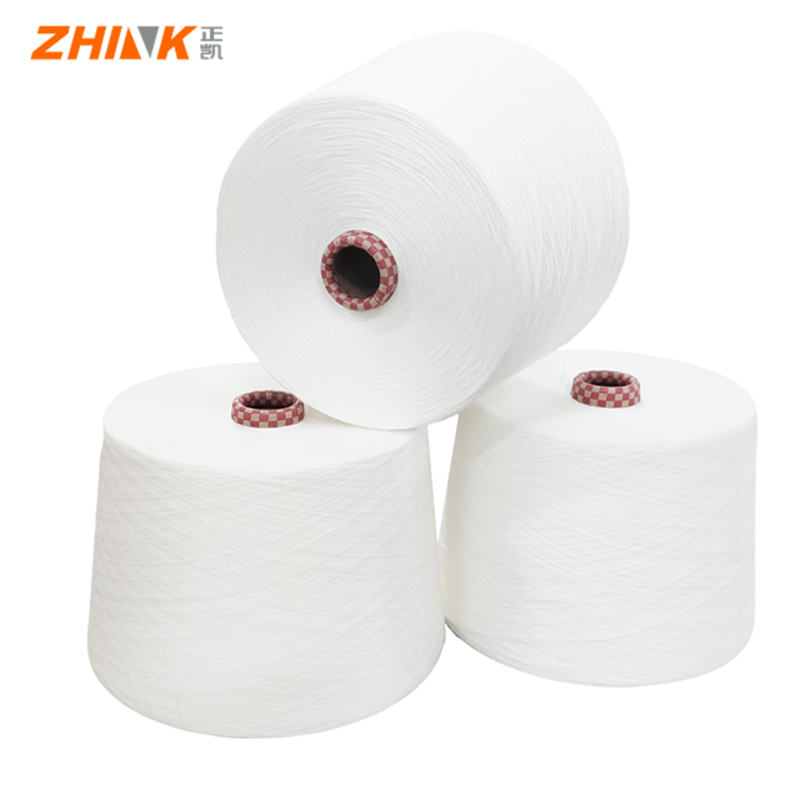
100% modal MVS
Exploring the World of 100% Modal MVS
Delving into the intricacies of 100% modal MVS yarn can seem overwhelming at first. Yet, it's a journey many have taken, guided by the unique properties and limitless applications this material offers.
Understanding the Basics of Modal
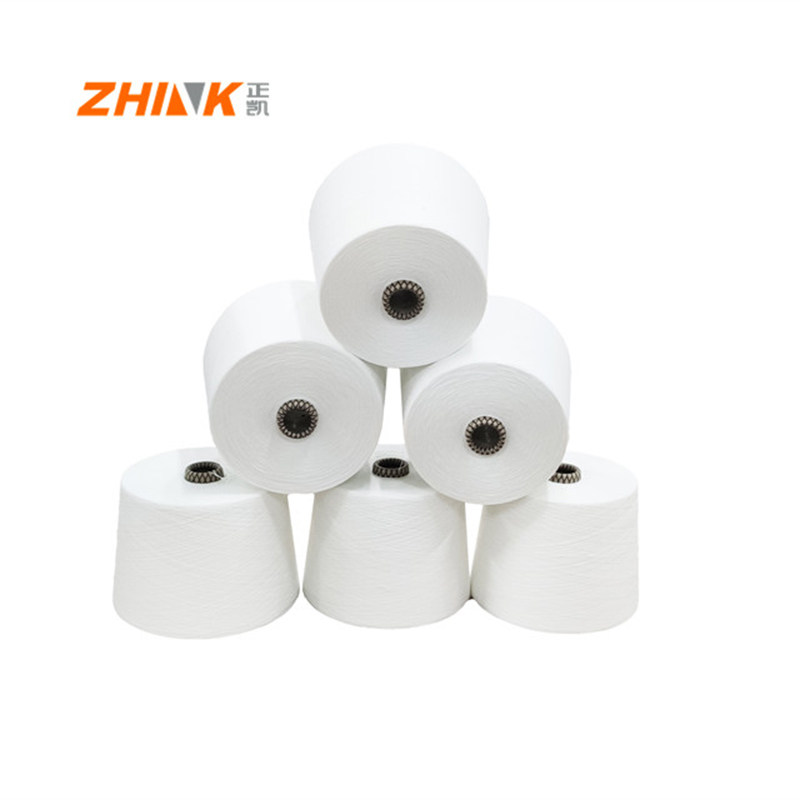
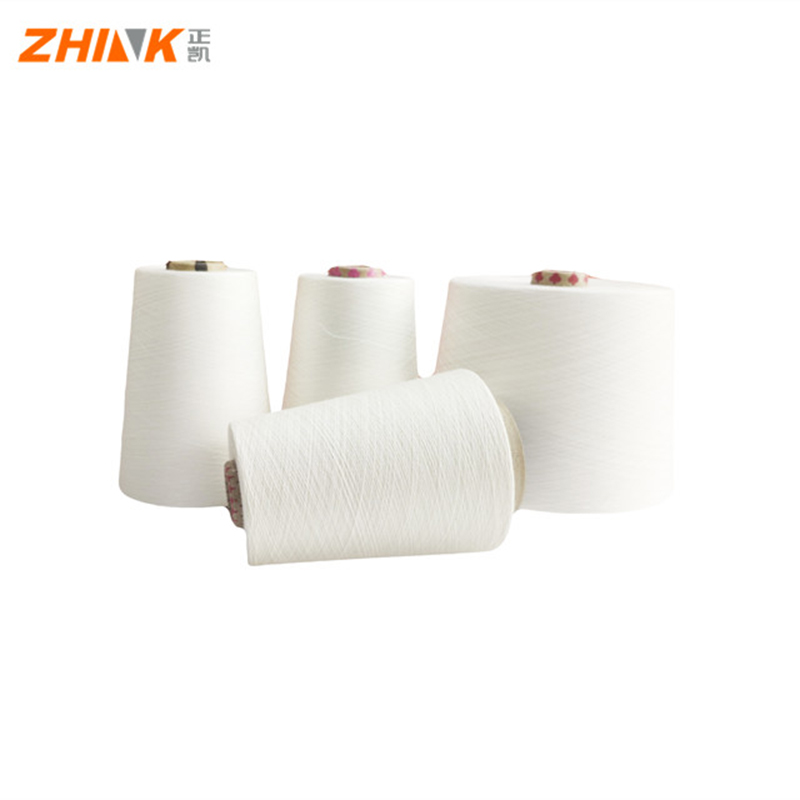
At its core, modal is a semi-synthetic fiber made from the pulp of beech trees. Known for its softness and breathability, modal is often used in clothing that demands comfort. The 100% modal label assures purity, but what about MVS? This refers to Murata Vortex Spinning, a technique that stands out for producing stronger and more consistent yarn.
From personal experience, modal MVS is like working with silk but without the fuss. You get this beautiful drape and shine, yet it’s surprisingly resilient. Some colleagues often mention its resilience in various washes—it doesn’t pill the way others might.
Yet, there are considerations too. Modal, while durable, requires care in blending colors. When I first experimented, there was this tendency for dye to slightly shift shades if the conditions weren't perfect. That’s something to bear in mind for anyone looking into fabric design.
The MVS Advantage
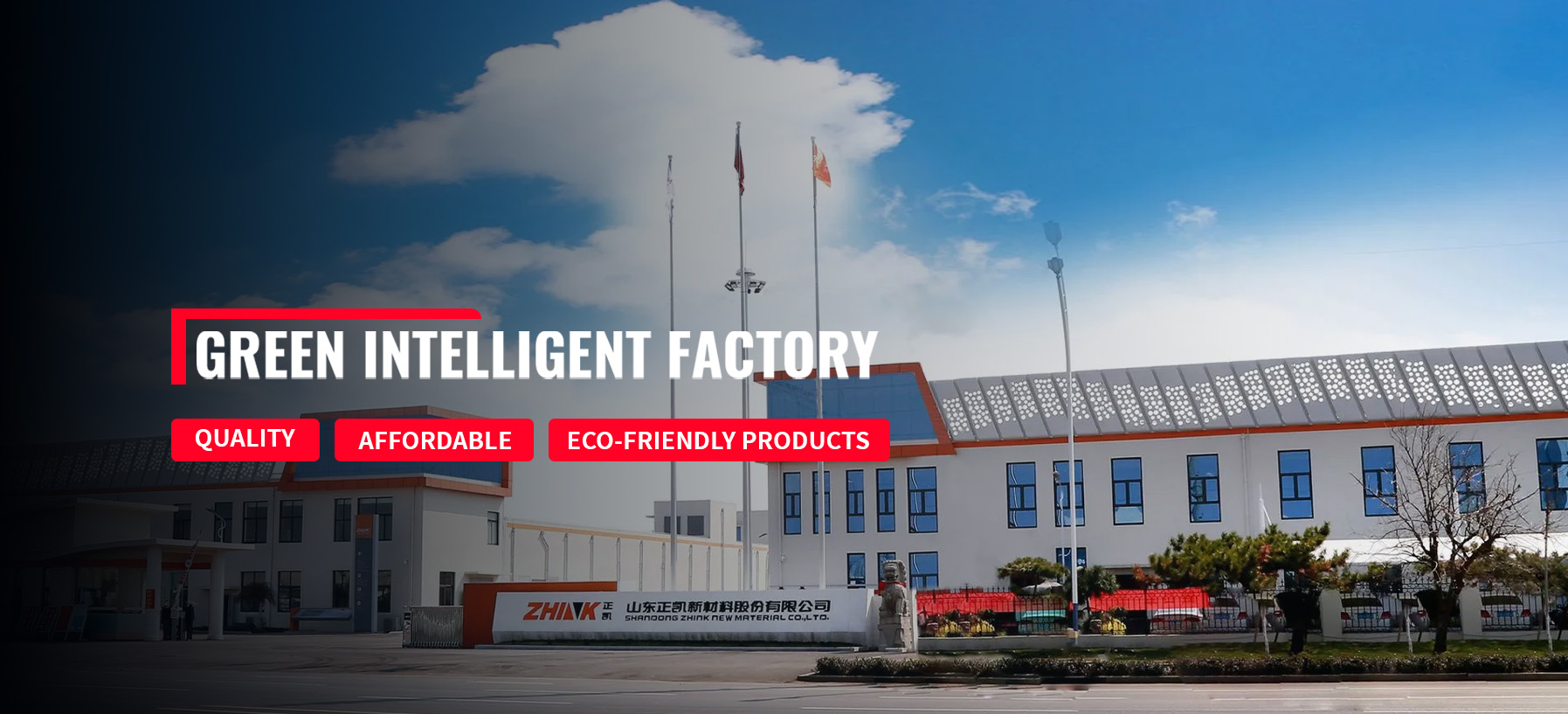
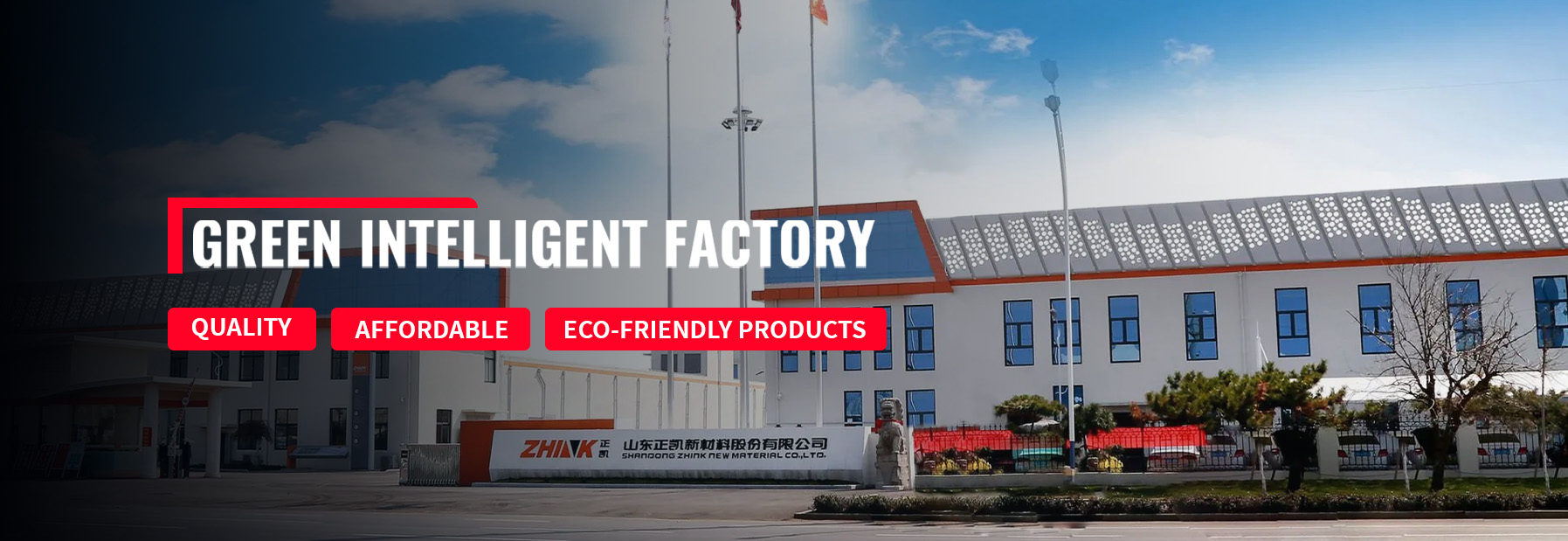
So, why choose the MVS method? The Vortex Spinning system is all about eliminating weaknesses. The result is a highly uniform texture. For manufacturers like SHANDONG ZHINK NEW MATERIAL CO., LTD, this translates into easier large-scale application without worrying about discrepancies.
Walking through the production floors of textile factories, you see the difference in workflows. The machines are faster, the noise lessened. It’s more efficient - and this pace translates to better delivery times for clients.
However, there’s a learning curve. Customers often ask about shrinkage. Though modal is stable, occasionally, batches did show variances early on in production. Over time, tweaking the process has virtually eliminated these issues, but the initial trials taught us to always run comprehensive tests.
Production Experience Insight
In the context of companies like Zhink New Material, their focus is on quality and sustainability. They’re tapping into technologies and methods that harmonize with ecological goals. Visit their site at Zhink Yarn to get a glimpse of how these principles shape their offerings.
I once observed a weaving process — it was fascinating how these tiny fibers transform into fabric under the hands of skilled technicians. Every step seemed a testament to the blend of human skill and advanced machinery, especially with MVS technologies.
The hands-on approach in their R&D departments underscores the importance of knowing your material intimately — something they clearly value at Zhink.
Challenges and Solutions
Of course, challenges pop up. Take a common one: ensuring consistent fiber sources. I remember one season where beech pulp supply lines were disrupted, leading to scrambling for short-term fixes. This highlighted the need for diverse sourcing strategies.
Additionally, educating clients about the unique care modal fabric requires has been an ongoing task. It’s soft but not invincible, and wearers need direction on maintaining its longevity.
Through workshops and seminars, manufacturers can bridge this gap, making the product more accessible to end-users — something we've been keen on expanding.
Looking Forward
The future for 100% modal MVS is promising. As the demand for sustainable textiles grows, modal fits perfectly into the eco-friendly narrative. It’s not just about following a trend but welcoming an era that values our planet's health.
In discussions with industry peers, there's excitement about innovations on the horizon. The methods constantly evolve — blending modal with other fibers, exploring non-traditional uses, or enhancing its inherent benefits.
For those invested or intrigued, keeping an eye on companies like Zhink could offer insights into such advancements, given their dedication to R&D and emerging materials. They’re truly at the forefront, shaping what comes next.
Related Products
Related Products