+86-632-3621866
- Chinese
- French
- German
- Portuguese
- Spanish
- Russian
- Japanese
- Korean
- Arabic
- Irish
- Greek
- Turkish
- Italian
- Danish
- Romanian
- Indonesian
- Czech
- Afrikaans
- Swedish
- Polish
- Basque
- Catalan
- Esperanto
- Hindi
- Lao
- Albanian
- Amharic
- Armenian
- Azerbaijani
- Belarusian
- Bengali
- Bosnian
- Bulgarian
- Cebuano
- Chichewa
- Corsican
- Croatian
- Dutch
- Estonian
- Filipino
- Finnish
- Frisian
- Galician
- Georgian
- Gujarati
- Haitian
- Hausa
- Hawaiian
- Hebrew
- Hmong
- Hungarian
- Icelandic
- Igbo
- Javanese
- Kannada
- Kazakh
- Khmer
- Kurdish
- Kyrgyz
- Latin
- Latvian
- Lithuanian
- Luxembou..
- Macedonian
- Malagasy
- Malay
- Malayalam
- Maltese
- Maori
- Marathi
- Mongolian
- Burmese
- Nepali
- Norwegian
- Pashto
- Persian
- Punjabi
- Serbian
- Sesotho
- Sinhala
- Slovak
- Slovenian
- Somali
- Samoan
- Scots Gaelic
- Shona
- Sindhi
- Sundanese
- Swahili
- Tajik
- Tamil
- Telugu
- Thai
- Ukrainian
- Urdu
- Uzbek
- Vietnamese
- Welsh
- Xhosa
- Yiddish
- Yoruba
- Zulu
- Kinyarwanda
- Tatar
- Oriya
- Turkmen
- Uyghur


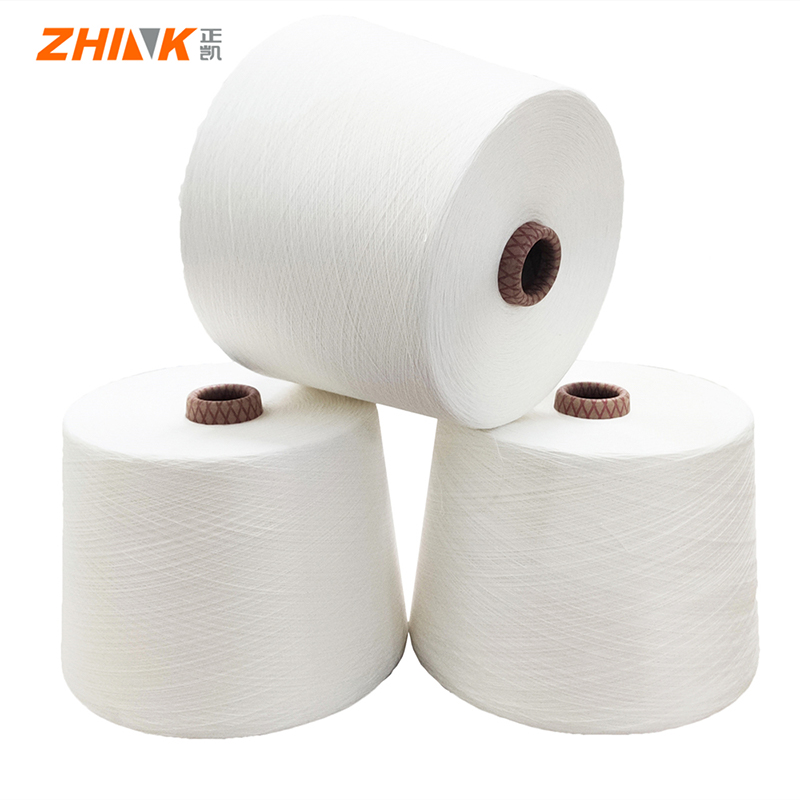
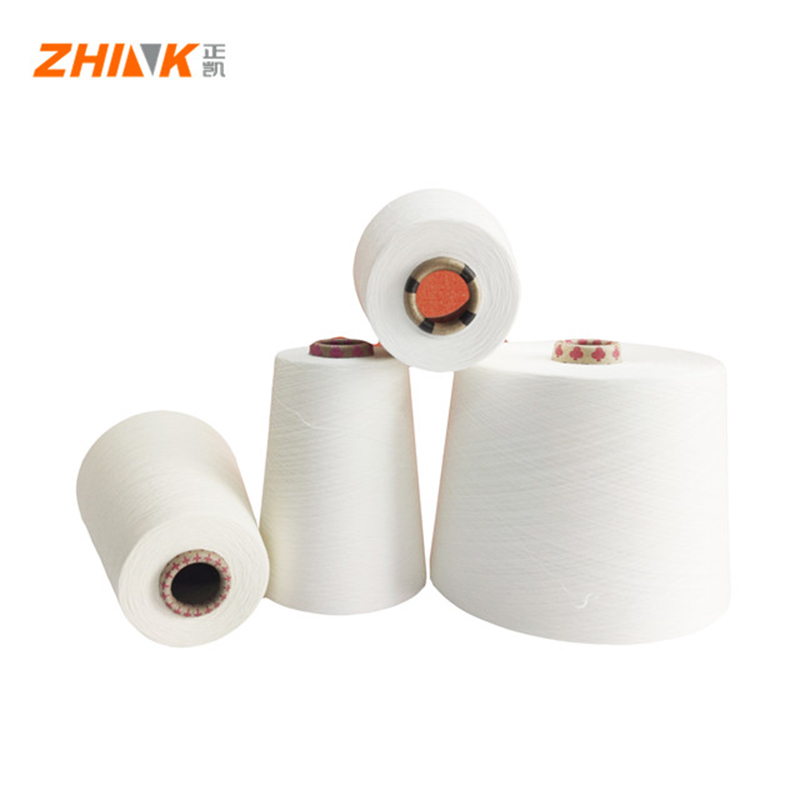
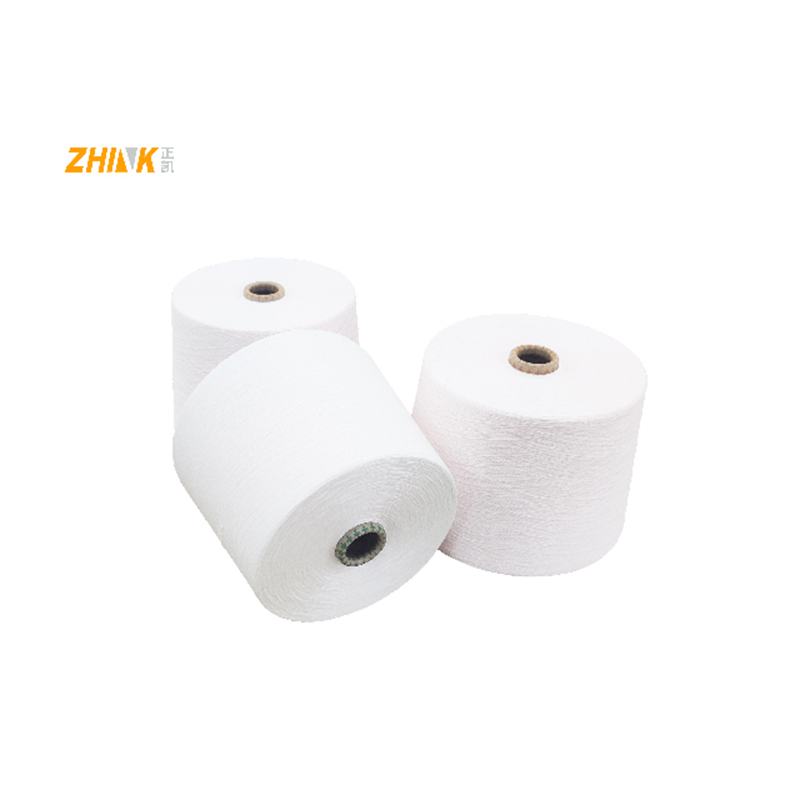
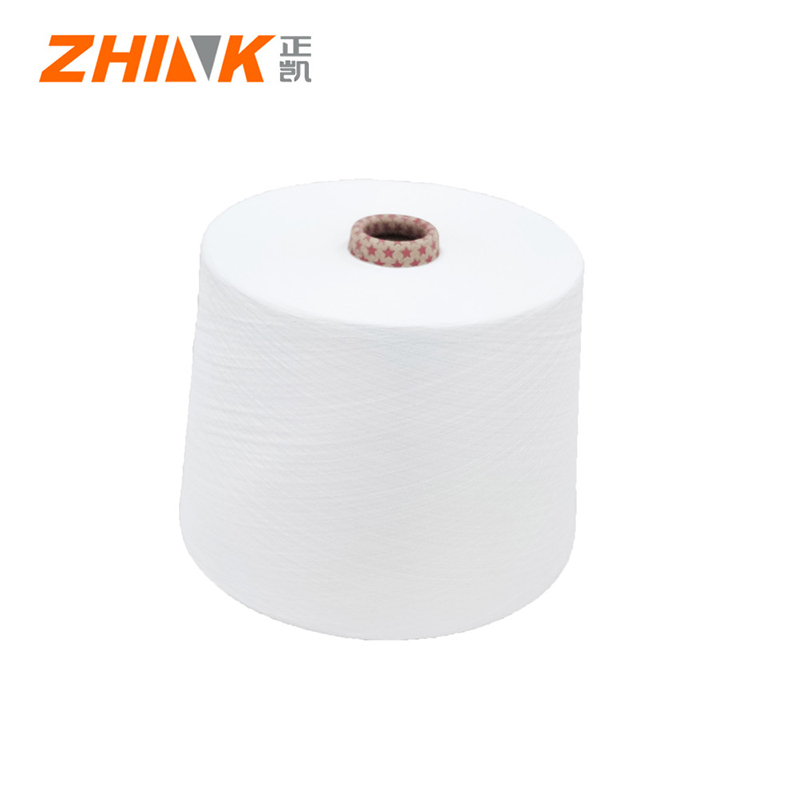
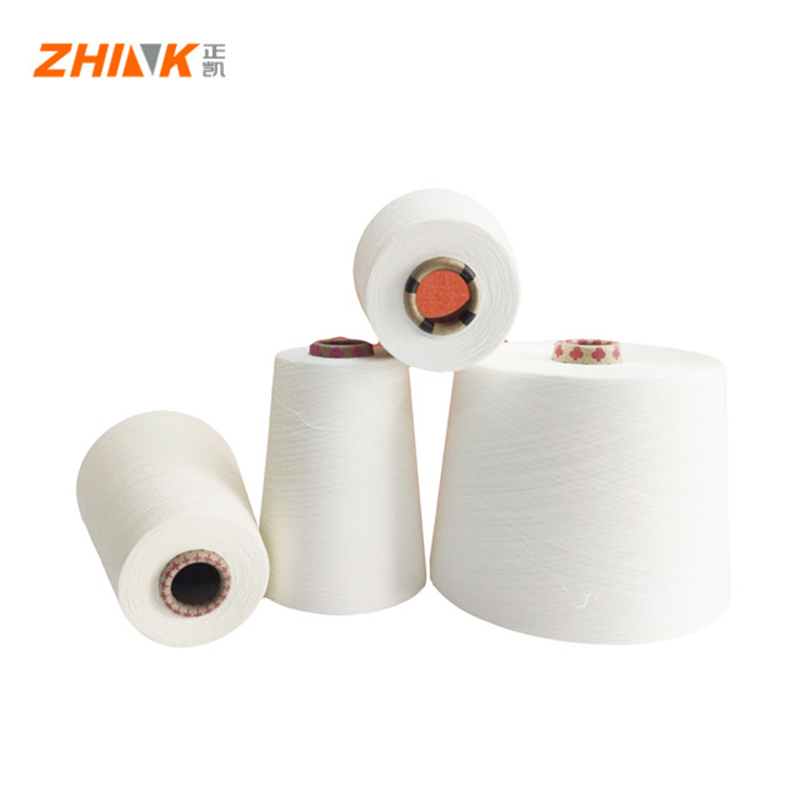
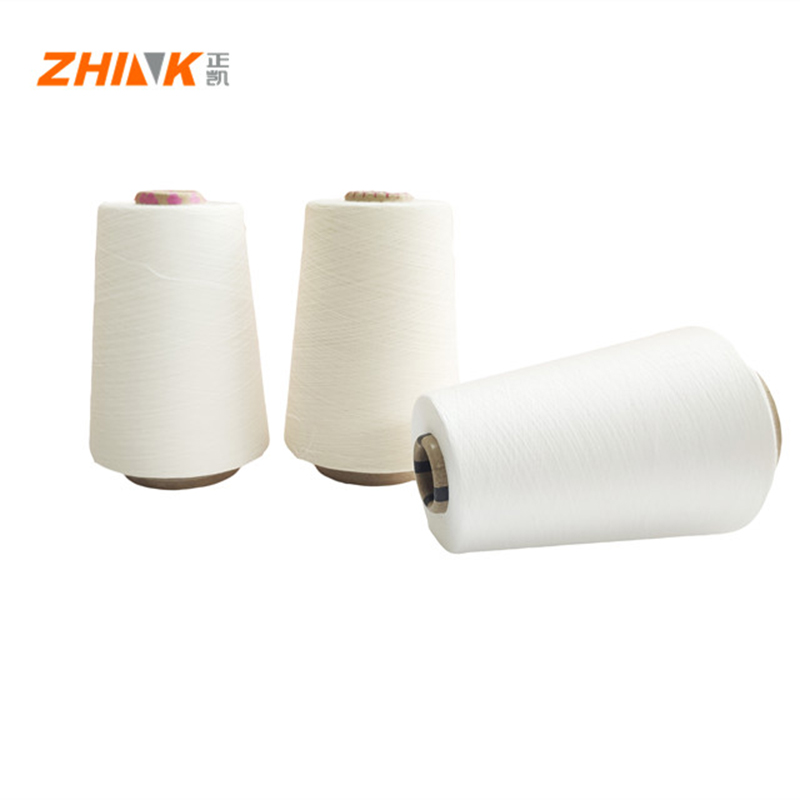
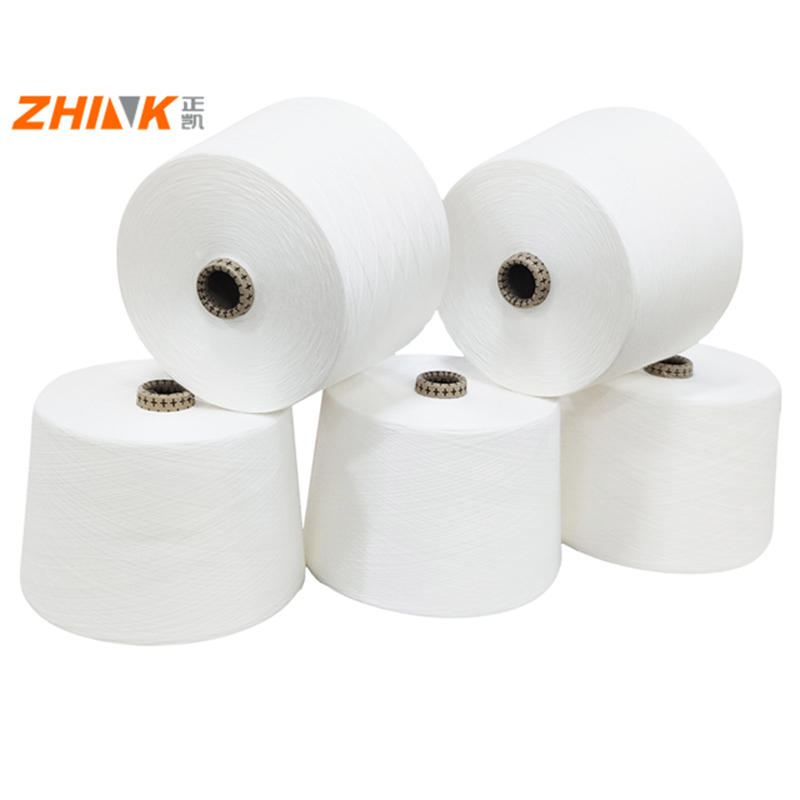
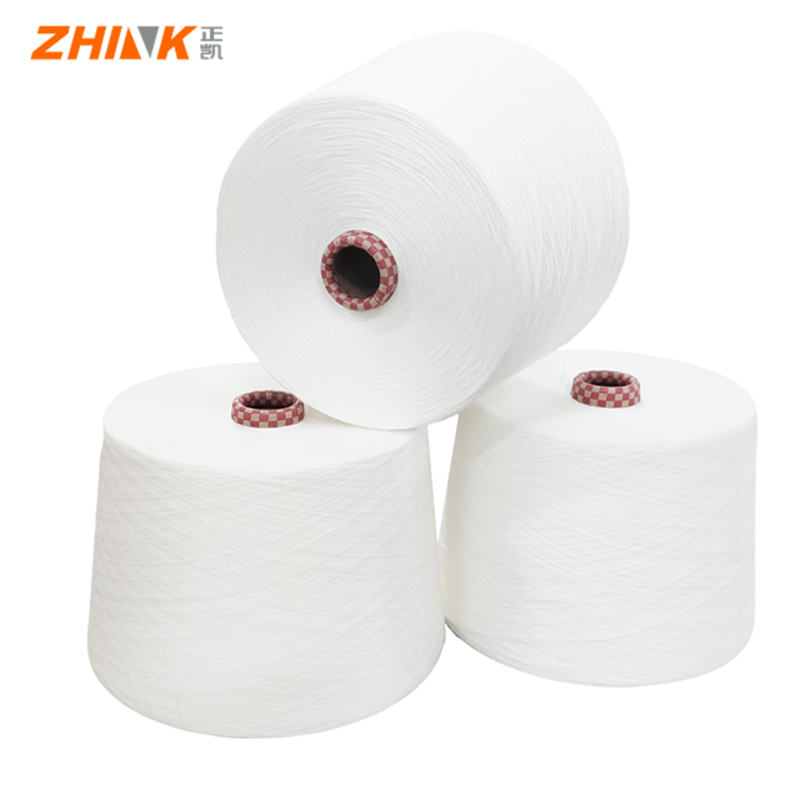
100% modal siro
The Real Deal with 100% Modal Siro Yarns
Everyone seems to be talking about 100% modal siro yarns these days. They're marketed as the miracle fibers of the modern textile world, but it’s not just about the hype. Understanding their real-world applications and limitations is where the true value lies. Let’s dig into the nuances of these yarns and see what insiders have to say.
Understanding the Basics of Modal
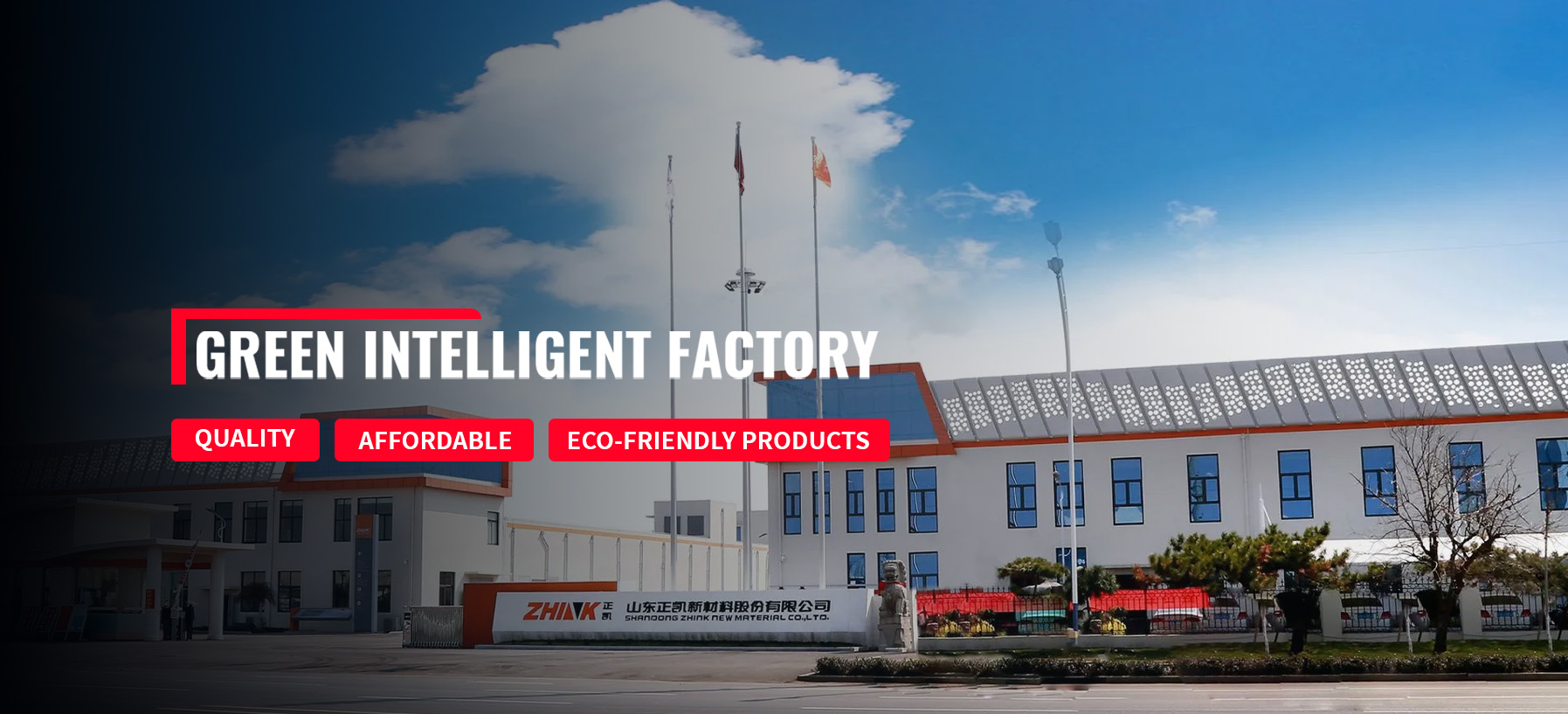
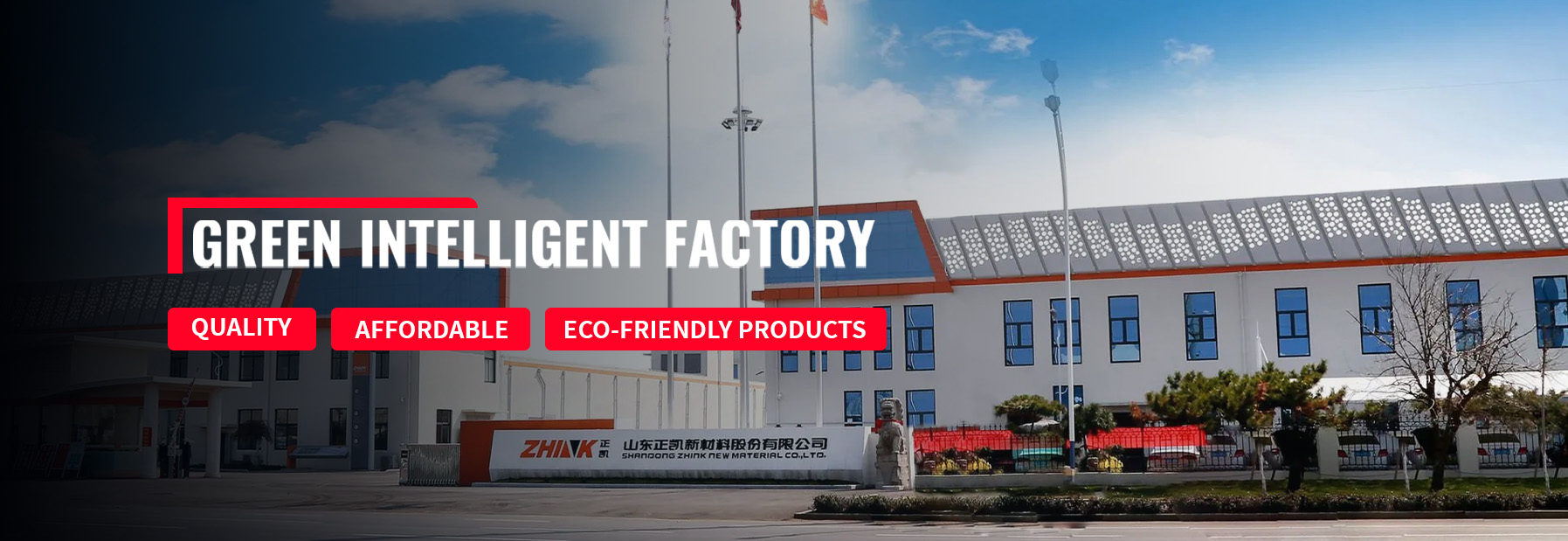
When we talk about modal, we're delving into a semi-synthetic fabric made from beech tree pulp. There’s an art to producing modal that not all manufacturers get right. For those in the industry, like at SHANDONG ZHINK NEW MATERIAL CO., LTD, where research and development is a core focus, the expertise lies in knowing how to refine the process. Their approach begins and ends with innovation in textile materials.
Modal's main appeal is its softness and high wet-strength, making it durable and luxurious. Yet, not every modal is created alike. The impact of different production techniques, such as the siro spinning method, plays a critical role in the finished product's quality. Siro spinning, you see, minimizes pilling and enhances the fabric's smoothness. This is not merely technical jargon – it translates to a more comfortable, longer-lasting fabric experience for the user.
But even with its advantages, there’s a hurdle: cost. Modal is more expensive than cotton, and when combined with a specialized process like siro spinning, the price tag rises. It’s worth it, though. The trade-off is clear when consumers feel the end product. It’s an investment in quality and comfort that discerning buyers recognize immediately.
The Innovation Behind Siro Spinning
This is where things get interesting. Siro spinning isn't about reinventing the wheel, but rather optimizing yarn structure. By twisting two rovings together, the result is a yarn that's less prone to issues like pilling. It produces a yarn that is versatile enough for lightweight, breathable fabrics that are still robust.
In practice, this has transformed product lines at places like Zhink New Material. Their commitment to advancing textile materials ensures that such yarns meet high consumer expectations. In fields where both luxury and performance matter, like high-end fashion or even activewear, siro-spun modal hits a sweet spot.
The direct feedback from industry professionals often highlights how siro spinning improves dye uptake as well, granting deeper, more vivid colors. This is a plus in an industry that thrives on aesthetic appeal. Customers not only feel the comfort but see the vibrancy and luxe finish.
Challenges and Considerations
Of course, no yarn is without its challenges. One recurring issue with 100% modal siro is its tendency to react to water, which can sometimes lead to unexpected shrinkage if not properly pre-treated. It's something many learn the hard way – a tough lesson for those new to textile manufacturing.
Managing these challenges requires expertise. Companies like SHANDONG ZHINK NEW MATERIAL CO., LTD invest heavily in fabric testing and quality assurance to mitigate these risks. Their laboratories are dedicated to pushing the envelope with innovative solutions to common problems. The focus is always on enhancing the natural strengths of modal while applying scientific advancements to production processes.
Sustainability is another key consideration. While modal is generally considered eco-friendly, owing to its natural origins and more sustainable production processes, there’s always room for improvement. The industry continually seeks ways to reduce environmental impact even further. Consumer awareness has dramatically increased these discussions.
Modal’s Role in the Textile Industry
Why does modal continue to hold such an esteemed place in the textile firmament? The answer lies in its versatile application. It's used not only in fashion but increasingly in home textiles. When coupled with siro spinning, it opens up even more doors, from luxury bedding to performance wear.
The feedback loop from consumers experiencing modal through reputable companies like Zhink New Material keeps the momentum going. The tactile experience, partnered with the positive attributes of siro spinning, continues driving textile innovation.
It's this blend of texture, durability, and aesthetic appeal that keeps modal in strong demand. As the industry evolves, so too does the application of these technologies. New avenues for modal are being explored yearly, and with companies like Zhink at the forefront, innovation is a promise, not just a buzzword.
Conclusion: The Future of Modal Siro
In navigating the landscape of textile developments, understanding the role of 100% modal siro yarns is essential. It’s a journey of balancing cost with quality, optimizing production processes, and responding to both consumer needs and environmental concerns.
As textile technology progresses, so will these yarns' capabilities, ensuring that modal remains a key player in the market. The challenge for companies like SHANDONG ZHINK NEW MATERIAL CO., LTD is to stay ahead of the curve. Their commitment to R&D is a crucial driver of future breakthroughs. For industry insiders, knowing how these elements intertwine is more than informative; it’s essential to success.
The next few years will no doubt bring further developments, and I'm keen to see the directions in which modal, particularly with siro spinning, will continue to grow.
Related Products
Related Products