+86-632-3621866
- Chinese
- French
- German
- Portuguese
- Spanish
- Russian
- Japanese
- Korean
- Arabic
- Irish
- Greek
- Turkish
- Italian
- Danish
- Romanian
- Indonesian
- Czech
- Afrikaans
- Swedish
- Polish
- Basque
- Catalan
- Esperanto
- Hindi
- Lao
- Albanian
- Amharic
- Armenian
- Azerbaijani
- Belarusian
- Bengali
- Bosnian
- Bulgarian
- Cebuano
- Chichewa
- Corsican
- Croatian
- Dutch
- Estonian
- Filipino
- Finnish
- Frisian
- Galician
- Georgian
- Gujarati
- Haitian
- Hausa
- Hawaiian
- Hebrew
- Hmong
- Hungarian
- Icelandic
- Igbo
- Javanese
- Kannada
- Kazakh
- Khmer
- Kurdish
- Kyrgyz
- Latin
- Latvian
- Lithuanian
- Luxembou..
- Macedonian
- Malagasy
- Malay
- Malayalam
- Maltese
- Maori
- Marathi
- Mongolian
- Burmese
- Nepali
- Norwegian
- Pashto
- Persian
- Punjabi
- Serbian
- Sesotho
- Sinhala
- Slovak
- Slovenian
- Somali
- Samoan
- Scots Gaelic
- Shona
- Sindhi
- Sundanese
- Swahili
- Tajik
- Tamil
- Telugu
- Thai
- Ukrainian
- Urdu
- Uzbek
- Vietnamese
- Welsh
- Xhosa
- Yiddish
- Yoruba
- Zulu
- Kinyarwanda
- Tatar
- Oriya
- Turkmen
- Uyghur



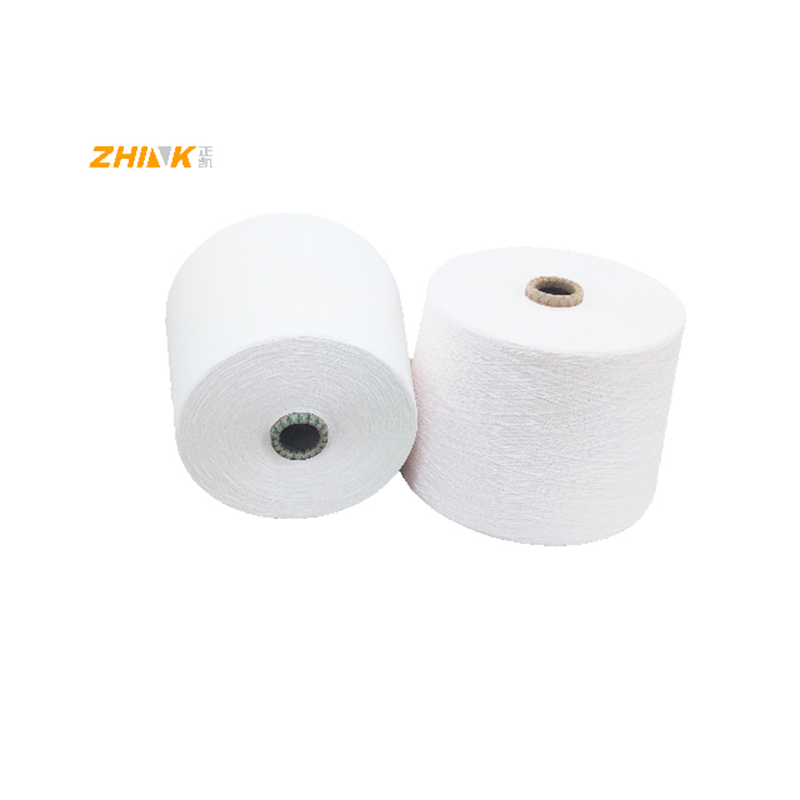
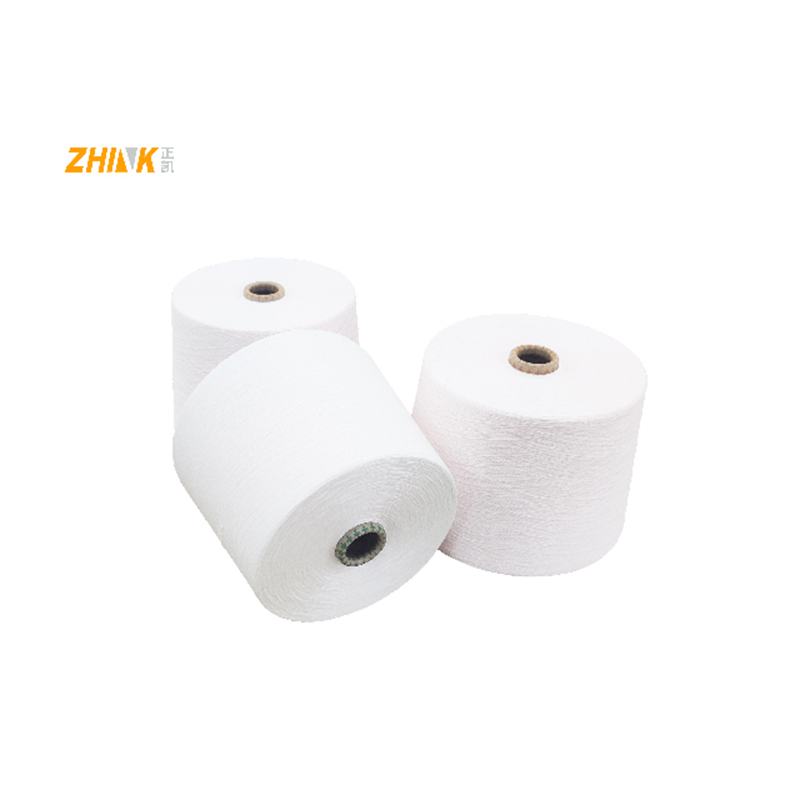
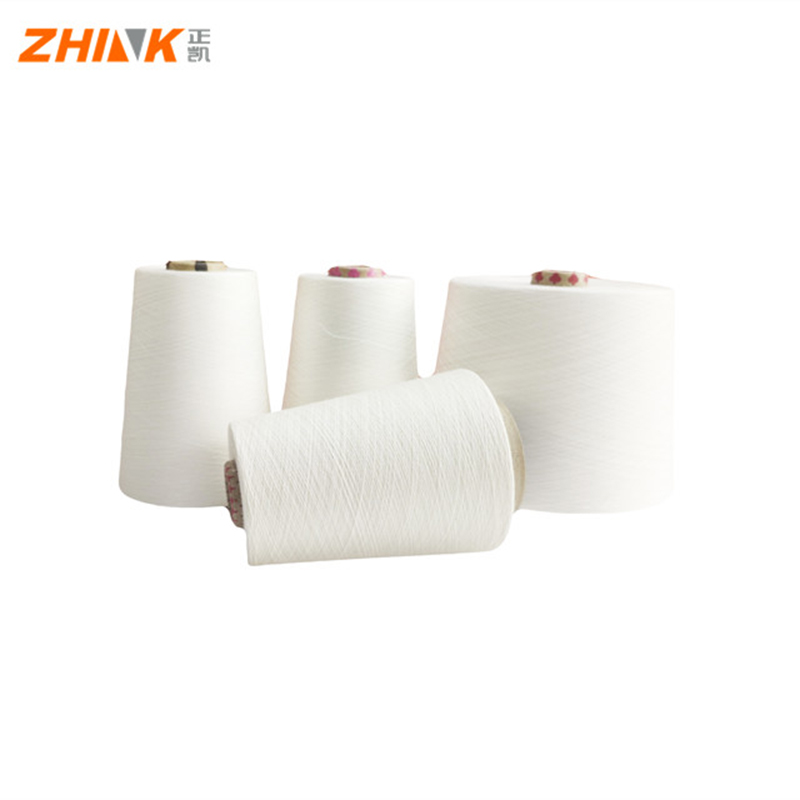
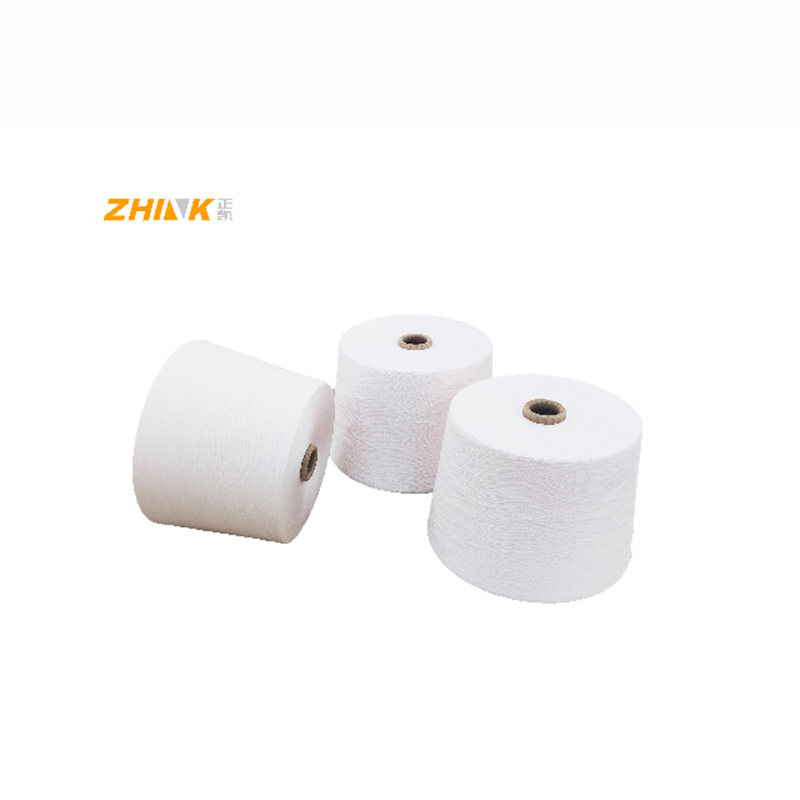
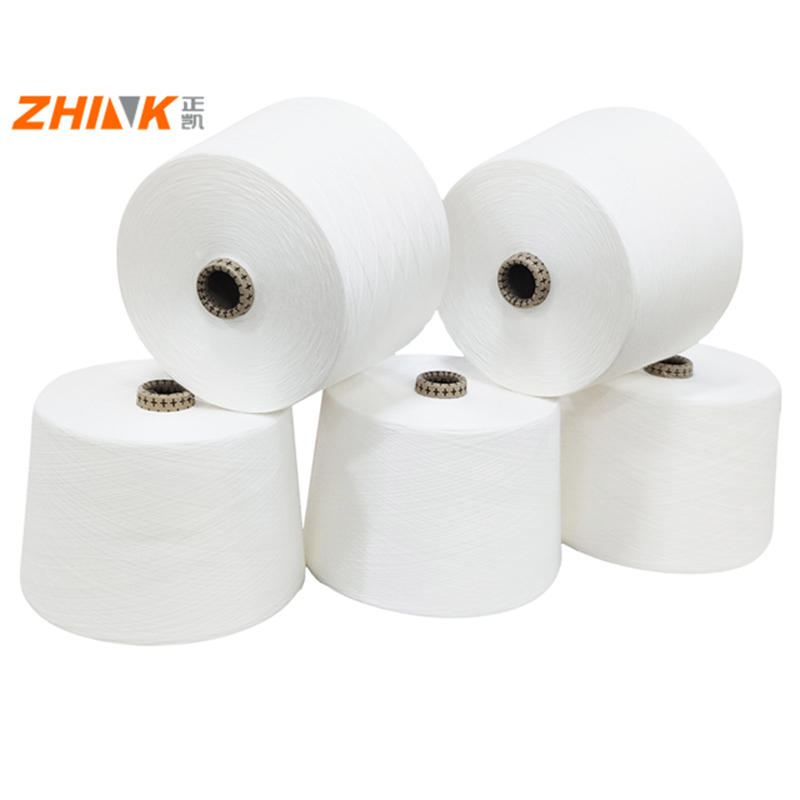
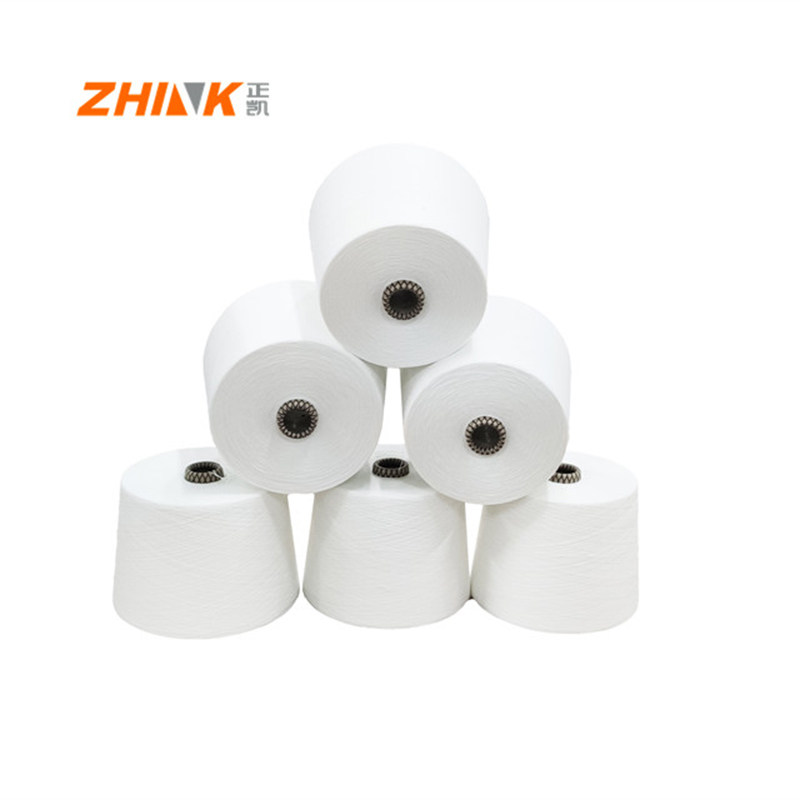
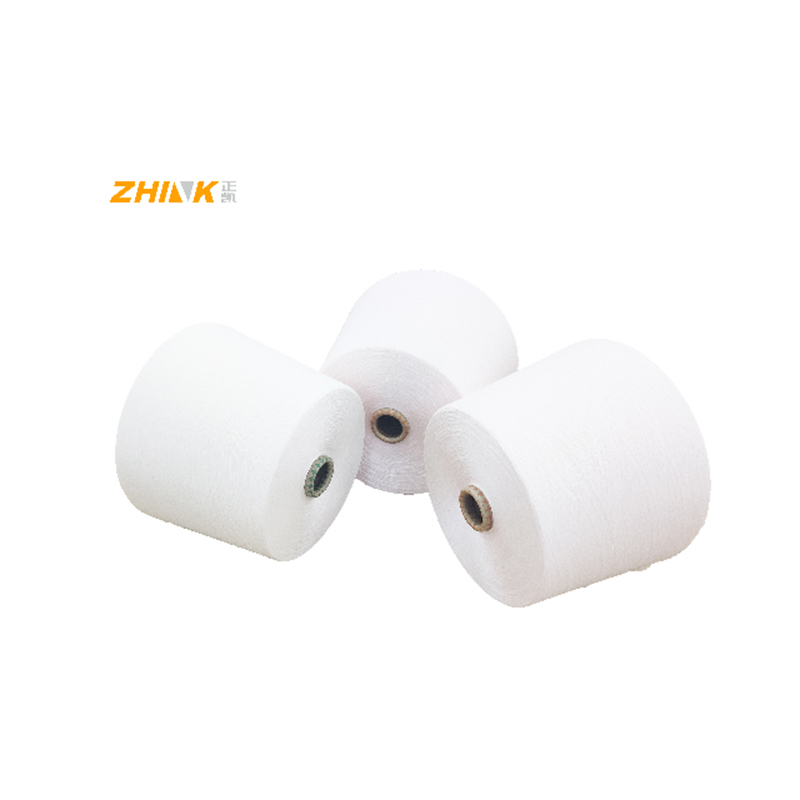
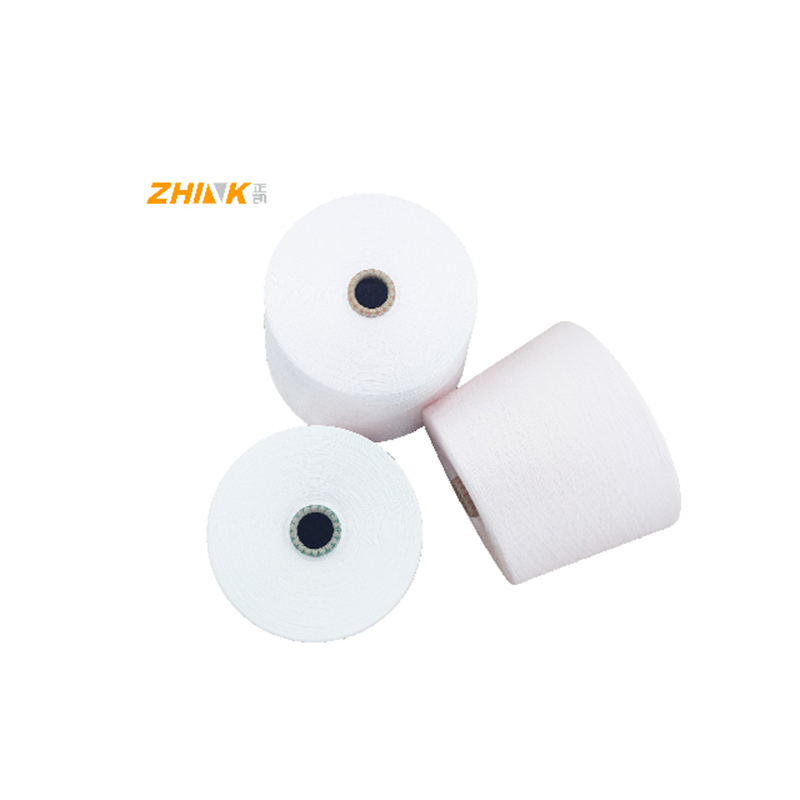
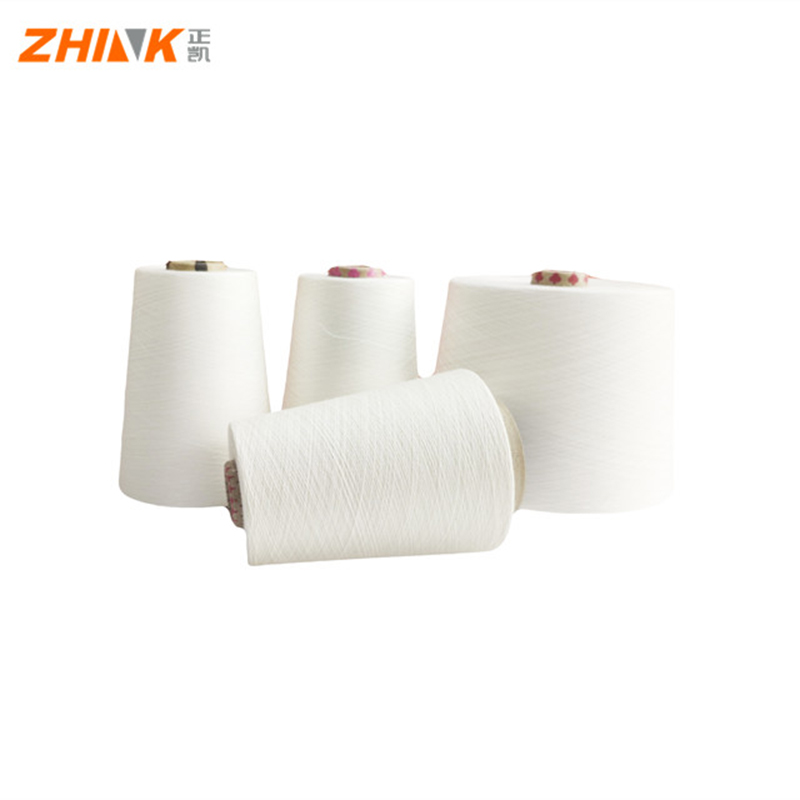
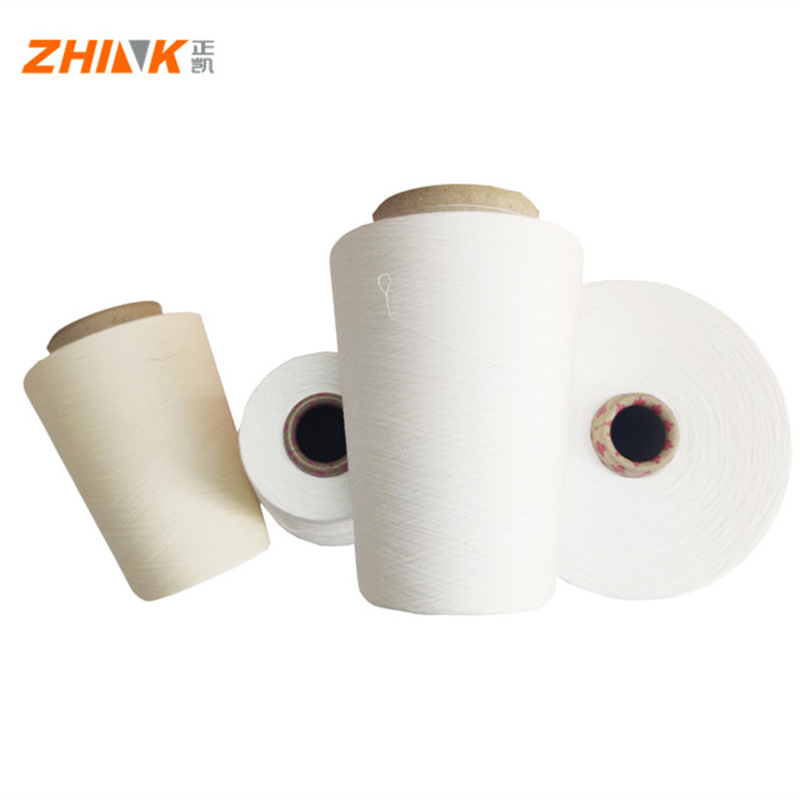
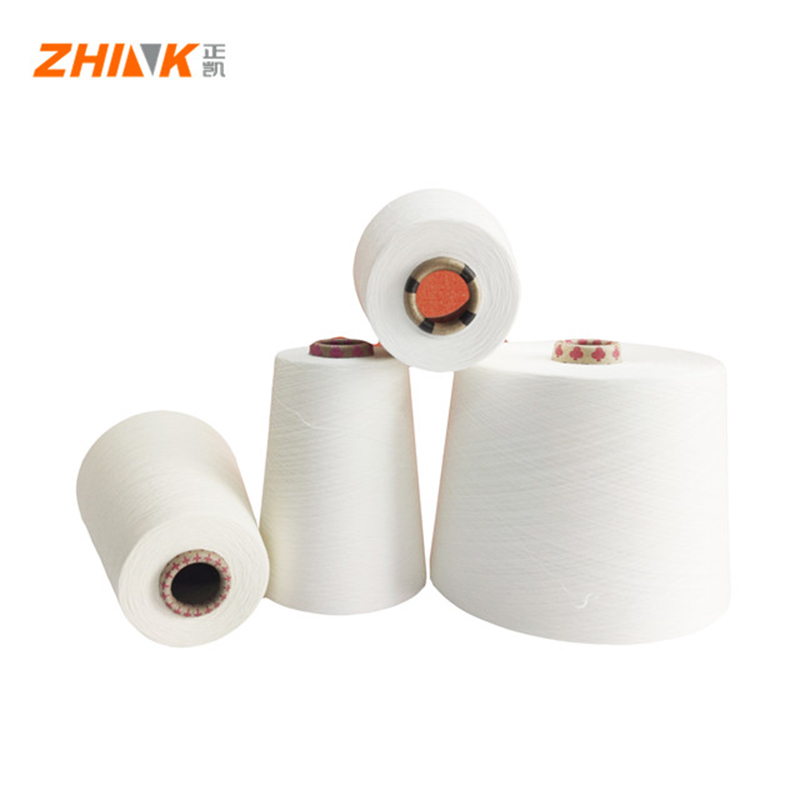
100% modal yarn for knitting
The Versatility of 100% Modal Yarn for Knitting
In the realm of textile materials, 100% modal yarn for knitting often stands out for its softness and unexpected versatility. While frequently compared to cotton, it offers unique qualities that make it an excellent choice for knitwear. Here's why so many are turning to this material.
Understanding Modal Yarn
Modal yarn is derived from beech tree pulp, and you might have heard it being touted as a type of rayon. The first thing you notice about it is its silky smooth feel. This texture makes it incredibly comfortable against the skin, a trait that’s particularly appreciated in garments. When I first encountered modal yarn, I was struck by how effortlessly it could be transformed into a high-quality product. There was a certain finesse in how it behaved on the knitting needles, almost making the process seamless.
Now, a common misconception is that modal can't hold up like cotton. In reality, modal yarn can actually be more resilient, especially in terms of its ability to retain shape and resist shrinking. My initial skepticism turned into admiration after fabricating a simple scarf. The durability was unexpected, offering a robust yet soft finish.
Another fascinating detail about modal is its ability to absorb dyes brilliantly. Colors come out richer and vibrant, a revelation I found through experimenting with different hues. The retention of color even after multiple washes is particularly impressive.
The Application in Knitwear
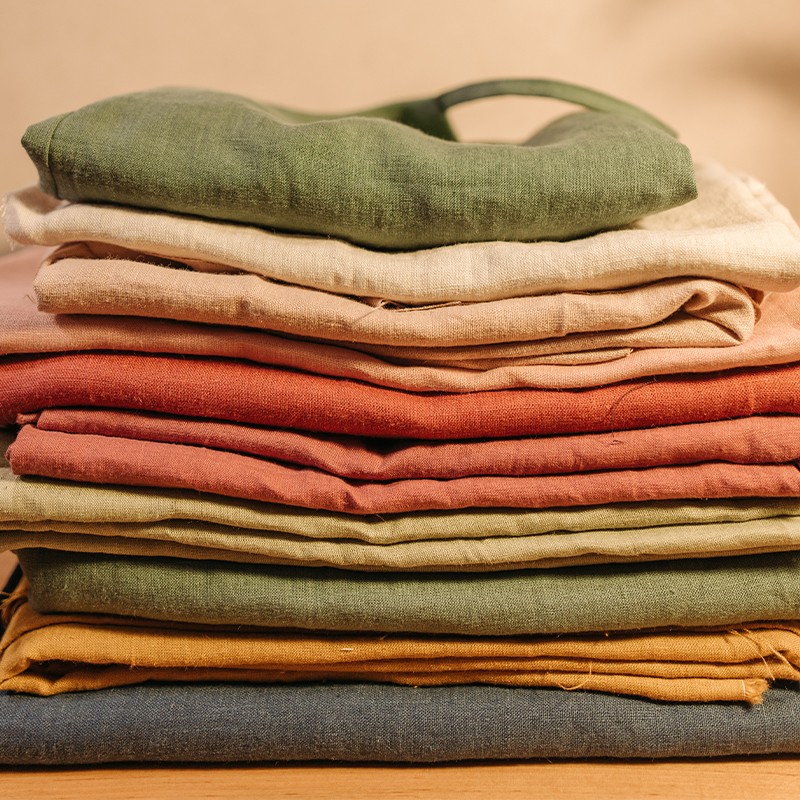
When it comes to knitwear, 100% modal yarn for knitting offers plenty of scope. From delicate shawls to robust cardigans, modal provides the flexibility needed for both intricate and straightforward projects. Zhink New Material, a company dedicated to advancing textile solutions, emphasizes modal in its product line for these very reasons.
Their offerings, as detailed on their website, https://www.zhinkyarn.com, showcase how diverse the application of modal can be. I remember attending a workshop there and truly realizing how modal can transform ordinary designs into something premium and luxurious.
Modal yarn's ability to blend with other fibers is another asset. It pairs well with wool for winter wear, providing a softer edge to garments that require warmth. The adaptability was evident when a colleague combined it with cashmere, resulting in an exceptionally soft, lightweight pullover.
Challenges and Considerations
Despite its advantages, there are challenges. For instance, while modal is less prone to shrinkage, managing its elasticity can be tricky during the knitting process. The first time I tried, the gauge didn't match as expected, leading to some frustration.
It's important to handle with care, especially during the knitting and finishing stages. Blocking modal pieces can enhance the final product, smoothing out stitches and highlighting the yarn's natural sheen. This step is crucial for achieving that polished look, and skipping it can compromise the garment's aesthetic.
Another practical consideration is cost. Modal can be more expensive than traditional cotton. However, the benefits often justify the investment, particularly in premium or niche markets where quality trumps quantity.
Environmental Impact
Modal production, particularly that of Lenzing Modal, is often praised for its environmentally friendly process. Derived from sustainable forestry, it aligns with the growing demand for eco-conscious materials.
When I explored Zhink New Material's approach, I found their commitment to sustainability refreshing. Their practices ensure that modal yarn is not only beneficial for the end user but also minimal in environmental impact.
This aspect appeals to consumers increasingly concerned about sustainability, making modal a strategic choice for businesses planning to enter greener markets.
Final Thoughts
The more I work with 100% modal yarn for knitting, the more I appreciate its characteristics. Whether it's the soft touch, vibrant colors, or eco-friendly process, it represents a blend of modern textile innovation with traditional comfort.
Zhink New Material exemplifies the potential of modal in today’s market. For those venturing into textiles, considering modal could open doors to innovative designs and conscious consumerism. It's not just about following trends but embracing a material that's reliable and forward-thinking.
Related Products
Related Products