+86-632-3621866
- Chinese
- French
- German
- Portuguese
- Spanish
- Russian
- Japanese
- Korean
- Arabic
- Irish
- Greek
- Turkish
- Italian
- Danish
- Romanian
- Indonesian
- Czech
- Afrikaans
- Swedish
- Polish
- Basque
- Catalan
- Esperanto
- Hindi
- Lao
- Albanian
- Amharic
- Armenian
- Azerbaijani
- Belarusian
- Bengali
- Bosnian
- Bulgarian
- Cebuano
- Chichewa
- Corsican
- Croatian
- Dutch
- Estonian
- Filipino
- Finnish
- Frisian
- Galician
- Georgian
- Gujarati
- Haitian
- Hausa
- Hawaiian
- Hebrew
- Hmong
- Hungarian
- Icelandic
- Igbo
- Javanese
- Kannada
- Kazakh
- Khmer
- Kurdish
- Kyrgyz
- Latin
- Latvian
- Lithuanian
- Luxembou..
- Macedonian
- Malagasy
- Malay
- Malayalam
- Maltese
- Maori
- Marathi
- Mongolian
- Burmese
- Nepali
- Norwegian
- Pashto
- Persian
- Punjabi
- Serbian
- Sesotho
- Sinhala
- Slovak
- Slovenian
- Somali
- Samoan
- Scots Gaelic
- Shona
- Sindhi
- Sundanese
- Swahili
- Tajik
- Tamil
- Telugu
- Thai
- Ukrainian
- Urdu
- Uzbek
- Vietnamese
- Welsh
- Xhosa
- Yiddish
- Yoruba
- Zulu
- Kinyarwanda
- Tatar
- Oriya
- Turkmen
- Uyghur


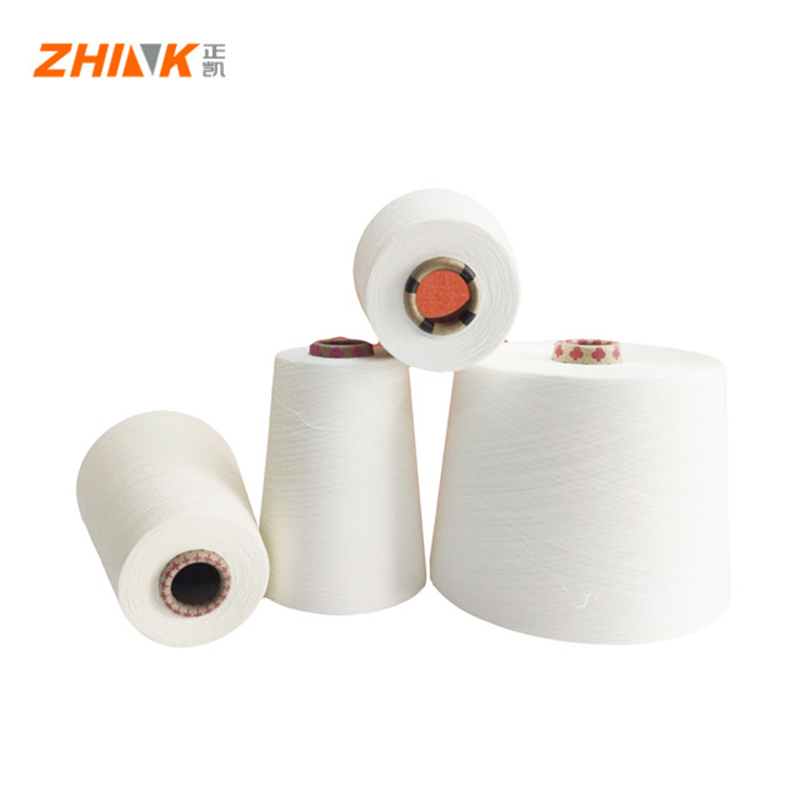
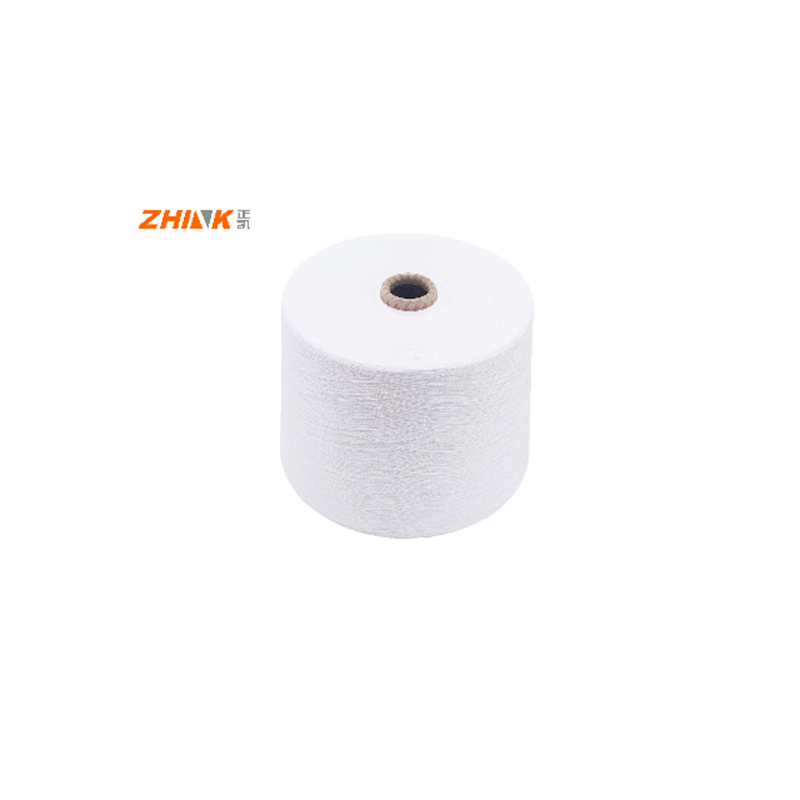
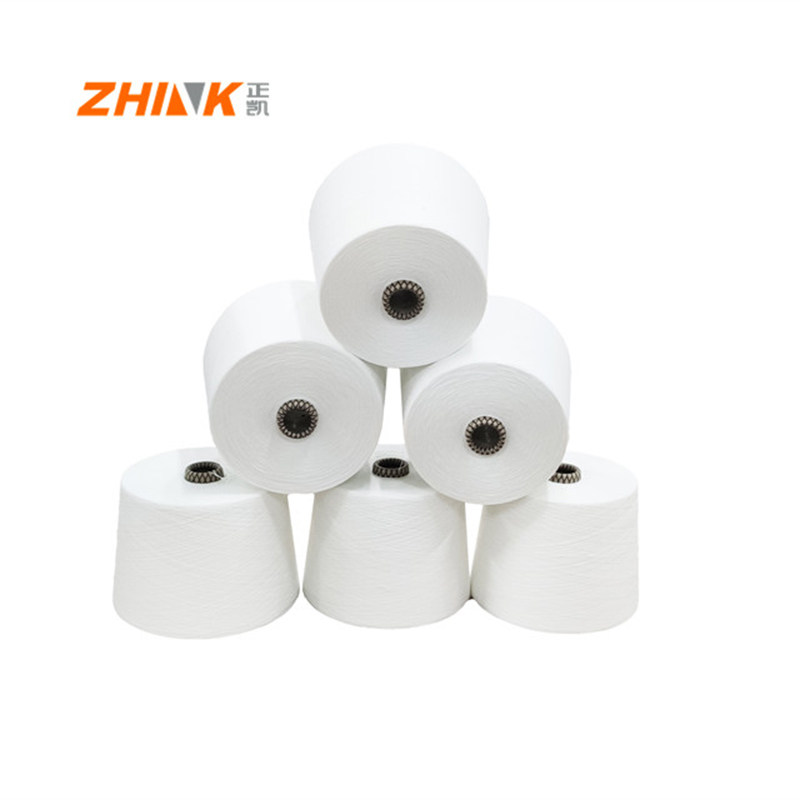
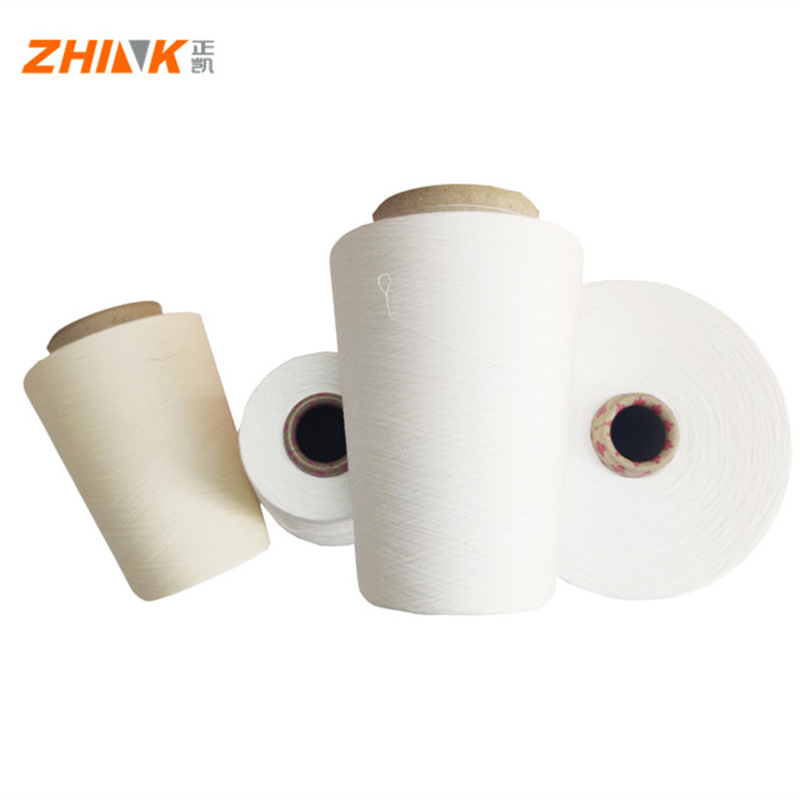
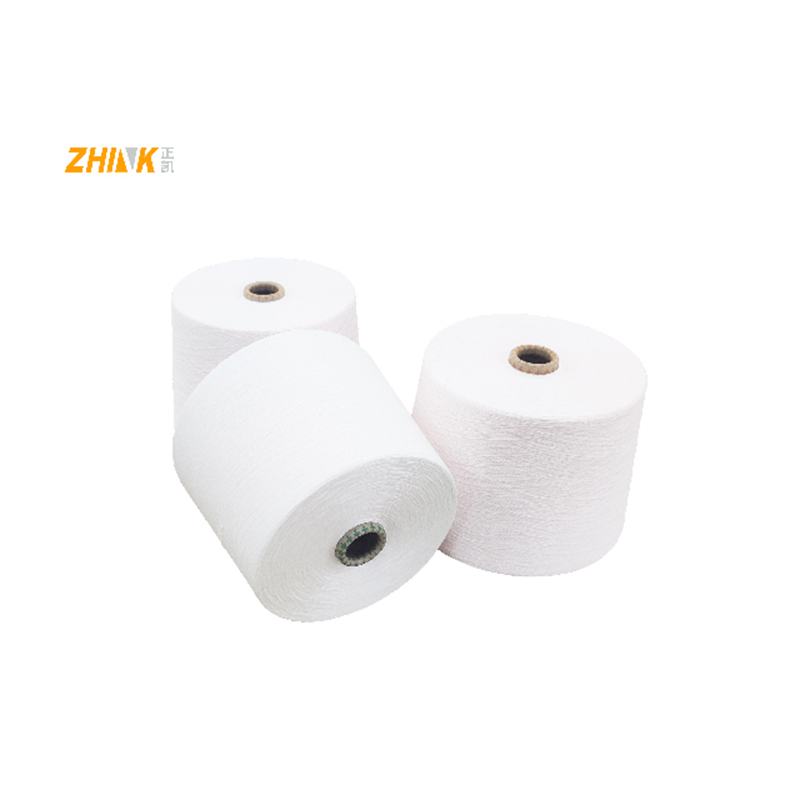
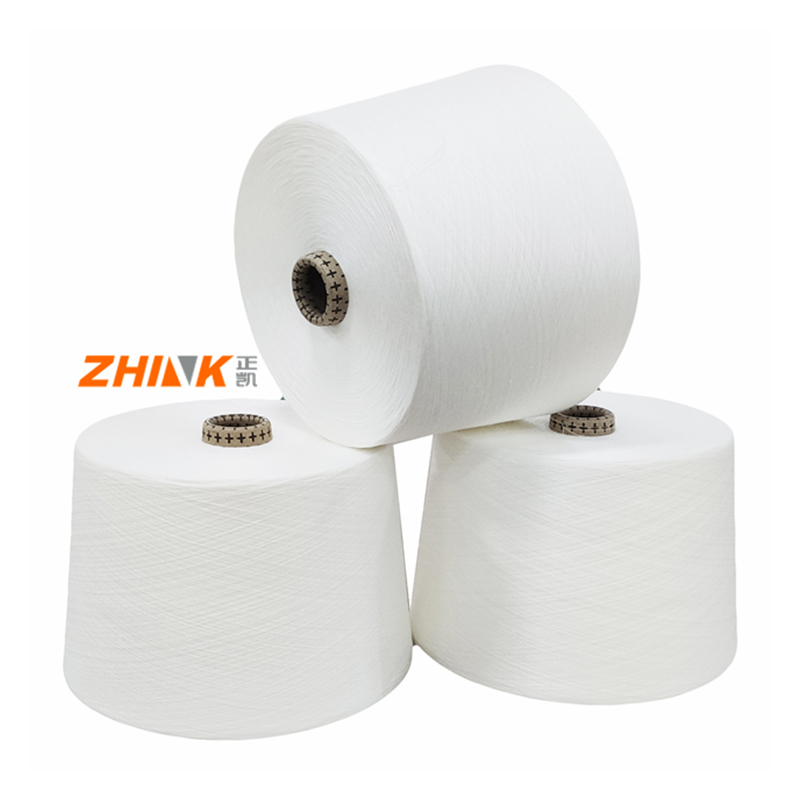
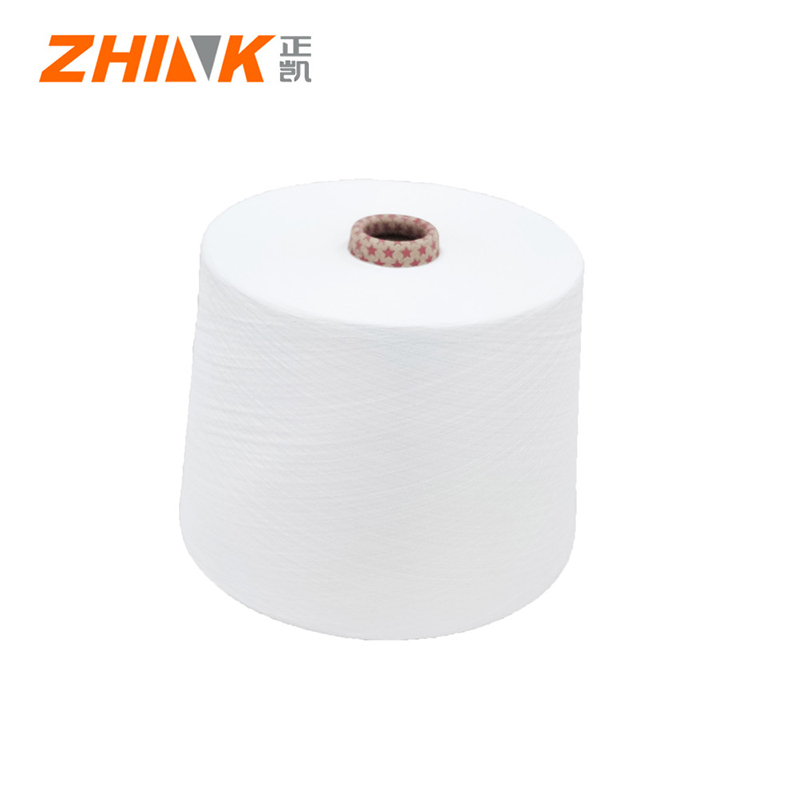
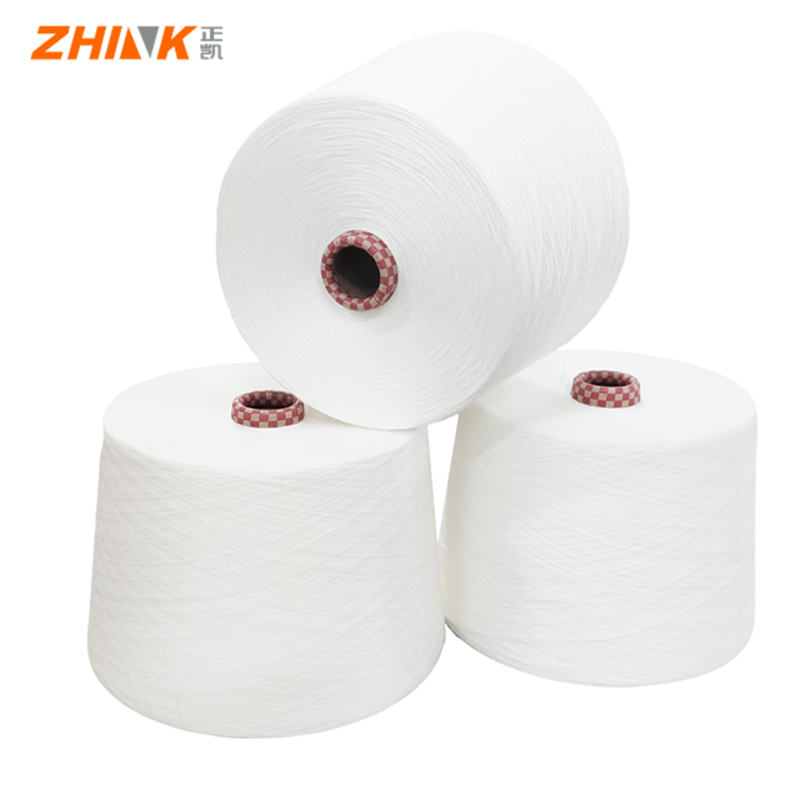
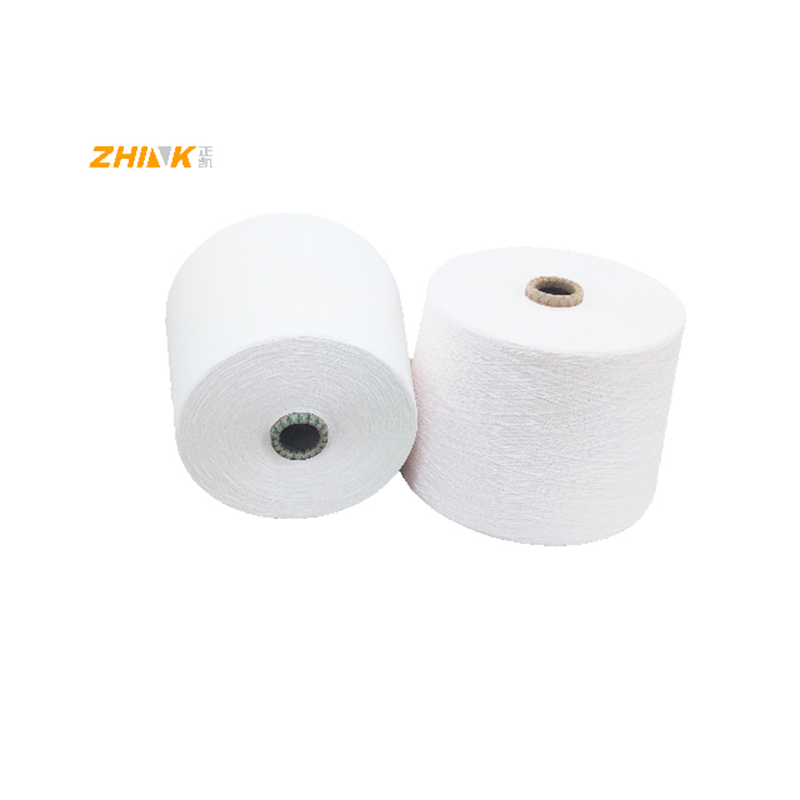
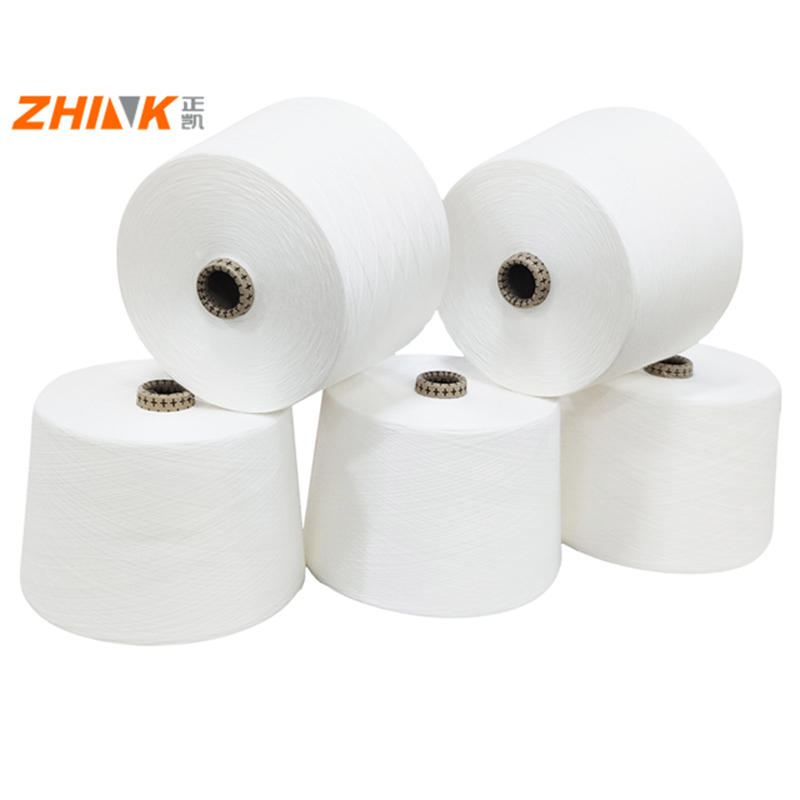
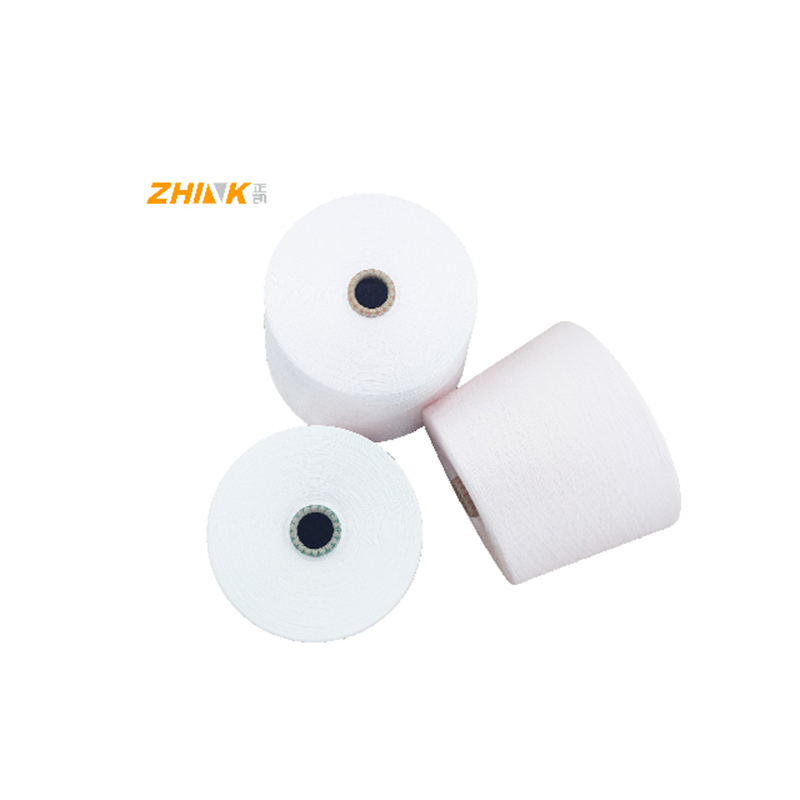
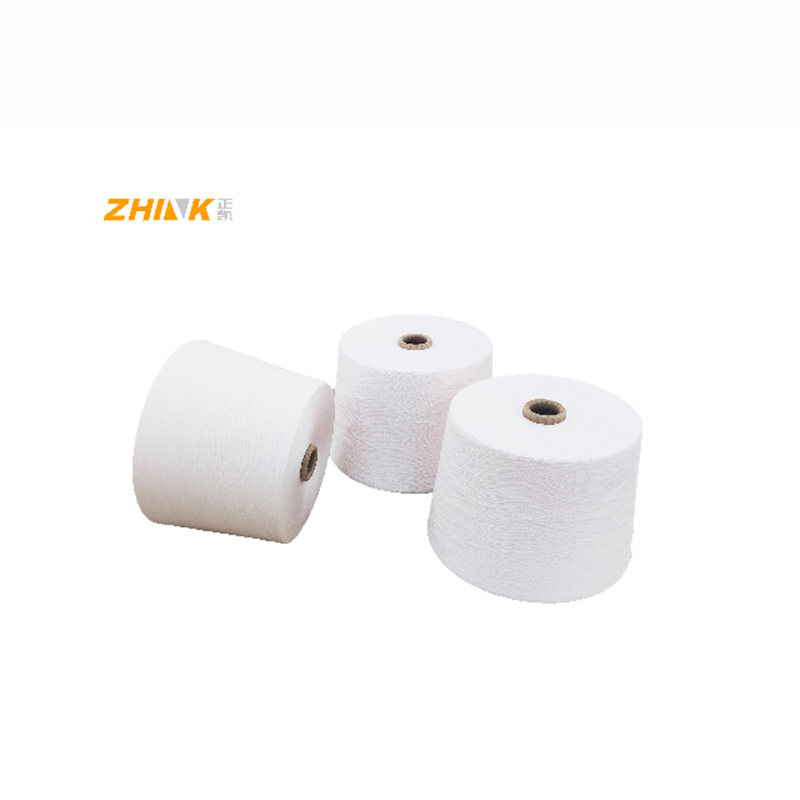
100 percent polyester yarn
Unraveling the World of 100 Percent Polyester Yarn
When it comes to 100 percent polyester yarn, what do we really know beyond the labels on our clothing? It’s a material often mentioned but rarely understood. Despite its common usage, misconceptions abound, and even industry veterans find surprises occasionally. Let’s delve into this ubiquitous yet enigmatic fiber.
The Basics of Polyester Yarn
Polyester, in the textile industry, is like that reliable old friend—useful, dependable, but perhaps a tad underestimated. Recognized primarily for its durability and wrinkle resistance, 100 percent polyester yarn has become a staple in both apparel and home textiles. Yet, when you really look at it, the story is more nuanced. The debate often starts around its breathability or perceived lack of it.
A curious thing about polyester: contrary to popular belief, not all polyester yarns are created equal. Depending on the production process and the finishing techniques, you might find variations in feel and performance. At Zhink New Material (https://www.zhinkyarn.com), they’ve honed this art to produce specialized polyester yarn that caters to different needs, from high-fashion fabrics to industrial applications.
I remember the first time I encountered a newly developed polyester yarn with enhanced moisture-wicking properties. It was unusual, almost like meeting an old acquaintance with a brand-new perspective. That’s the versatility of polyester that keeps surprising the skeptics.
Understanding Polyester Production
The manufacturing process of 100 percent polyester yarn is a fascinating journey involving the polymerization of ethylene, a derivative of petroleum. Now, this sounds complex, and it is, to some extent. But what stands out is the innovation happening in this space.
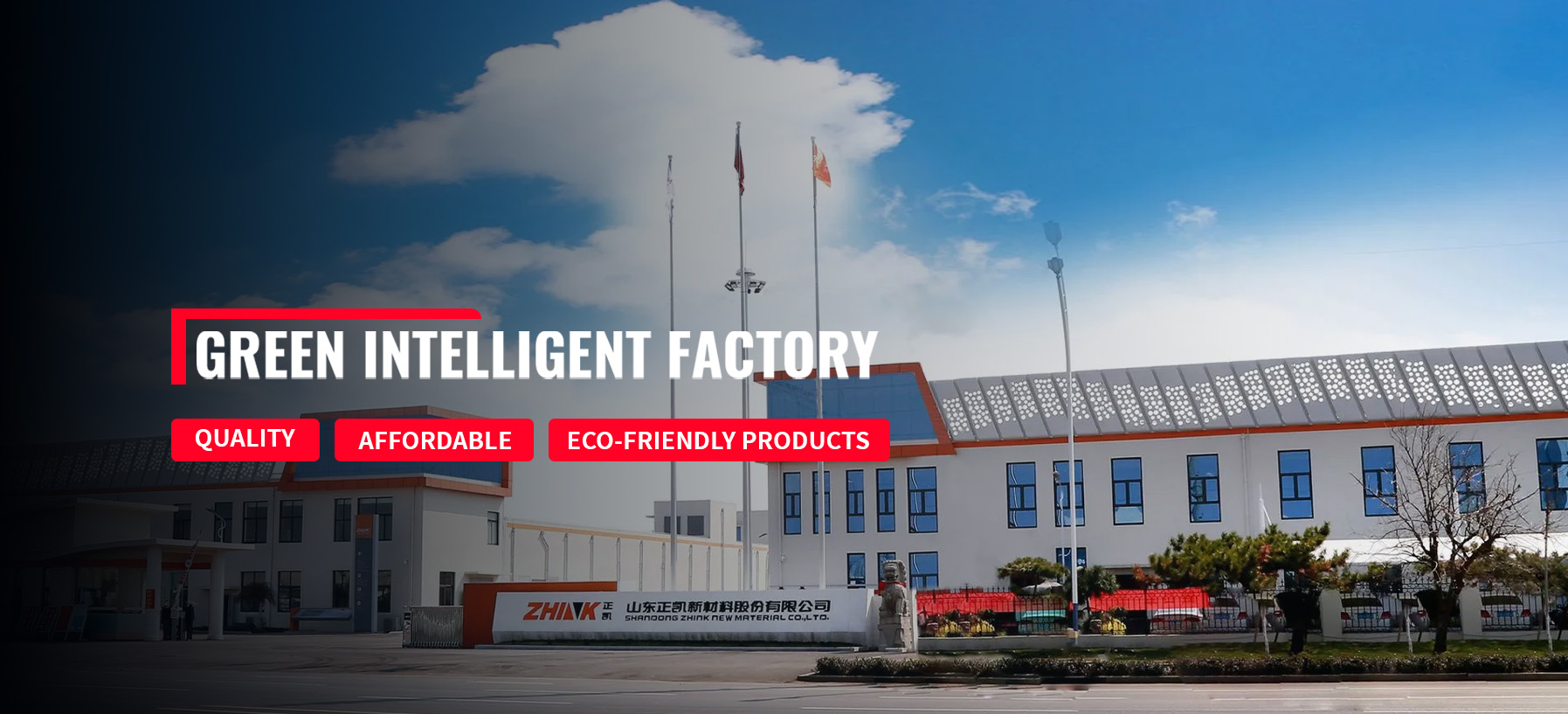
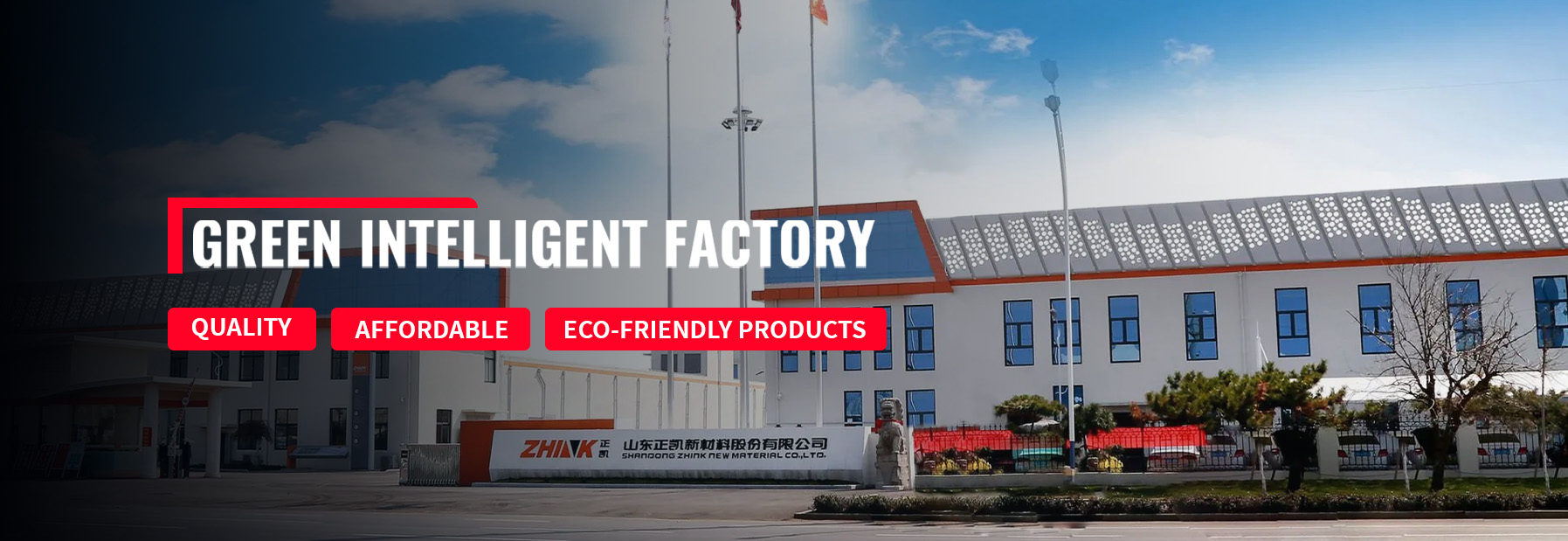
In particular, companies like SHANDONG ZHINK NEW MATERIAL CO., LTD are pushing the envelope by exploring more sustainable production methods. It’s not just chemistry anymore; it’s about a commitment to environmental goals while meeting the demands of quality and performance.
One challenge we've faced was balancing environmental concerns with manufacturing scalability. There’s a persistent tug-of-war between cost, quality, and eco-friendliness, but as technology evolves, so do solutions. Experience has taught me that patience and adaptability are key.
Polyester's Role in Textile Innovation
Today, polyester yarn is increasingly finding its way into innovative textile solutions. It’s flexibility as a material makes it a favorite for designers and engineers aiming for cutting-edge applications.
One of the more interesting uses I’ve seen was in smart textiles, where polyester forms the base for conductive fibers. This isn't just science fiction; it’s a fast-approaching reality. The combination of conductivity with polyester's inherent durability opens up a world of possibilities, particularly in wearable technology.
However, integrating electronics with textiles is complex. The slightest misstep and the garment could be uncomfortable or lose functionality. At Zhink New Material, our R&D team often discusses how these intersections can redefine user experiences, pushing what's possible in fabric technology.
Challenges and Misunderstandings
Despite its potential, 100 percent polyester yarn still faces challenges, particularly related to consumer perception. The common misconception is that polyester is cheap or inferior compared to natural fibers.
But consider this: natural fibers like cotton or wool have their strengths, yes, but they also have limitations, particularly in durability and maintenance. Polyester bridges those gaps, offering a more versatile material option that doesn't shy away from rigorous use or ever-changing fashion demands.
Another hurdle is sustainability. Although strides are being made, polyester is inherently a petroleum product. The industry is channeling efforts towards recycling and better resource management, with companies like Zhink New Material leading the charge. Understanding these challenges is crucial for anyone involved in textile manufacturing or design.
The Future of Polyester Yarn
What lies ahead for 100 percent polyester yarn? It's hard to predict exactly, but trends suggest a shift towards more sustainable practices. With the demand for eco-friendly materials growing, the industry is poised for change—a change that’s both exciting and daunting.
Collaboration seems to be the keyword. There’s an increasing emphasis on working together across the supply chain to develop and implement more sustainable solutions, ensuring that polyester remains not just relevant, but ideally suited for the future.
In summary, 100 percent polyester yarn is much more than just a cost-effective material. It’s a dynamic and adaptable fiber that continues to evolve. The more we engage with it—on the ground, in the labs, and through consumer feedback—the more its potential expands. So, what’s your polyester story going to be?
Related Products
Related Products