+86-632-3621866
- Chinese
- French
- German
- Portuguese
- Spanish
- Russian
- Japanese
- Korean
- Arabic
- Irish
- Greek
- Turkish
- Italian
- Danish
- Romanian
- Indonesian
- Czech
- Afrikaans
- Swedish
- Polish
- Basque
- Catalan
- Esperanto
- Hindi
- Lao
- Albanian
- Amharic
- Armenian
- Azerbaijani
- Belarusian
- Bengali
- Bosnian
- Bulgarian
- Cebuano
- Chichewa
- Corsican
- Croatian
- Dutch
- Estonian
- Filipino
- Finnish
- Frisian
- Galician
- Georgian
- Gujarati
- Haitian
- Hausa
- Hawaiian
- Hebrew
- Hmong
- Hungarian
- Icelandic
- Igbo
- Javanese
- Kannada
- Kazakh
- Khmer
- Kurdish
- Kyrgyz
- Latin
- Latvian
- Lithuanian
- Luxembou..
- Macedonian
- Malagasy
- Malay
- Malayalam
- Maltese
- Maori
- Marathi
- Mongolian
- Burmese
- Nepali
- Norwegian
- Pashto
- Persian
- Punjabi
- Serbian
- Sesotho
- Sinhala
- Slovak
- Slovenian
- Somali
- Samoan
- Scots Gaelic
- Shona
- Sindhi
- Sundanese
- Swahili
- Tajik
- Tamil
- Telugu
- Thai
- Ukrainian
- Urdu
- Uzbek
- Vietnamese
- Welsh
- Xhosa
- Yiddish
- Yoruba
- Zulu
- Kinyarwanda
- Tatar
- Oriya
- Turkmen
- Uyghur



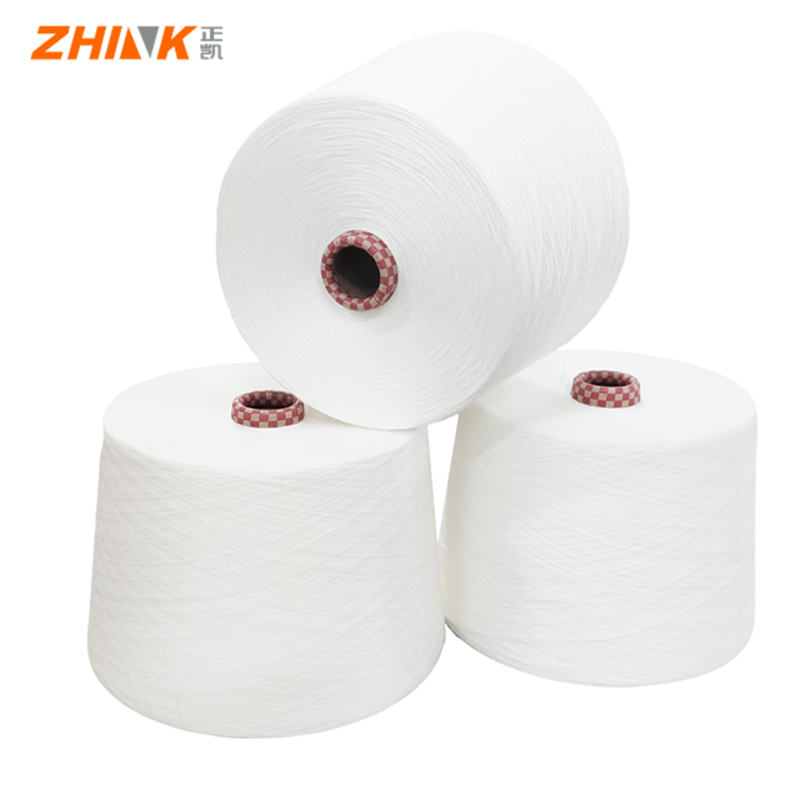
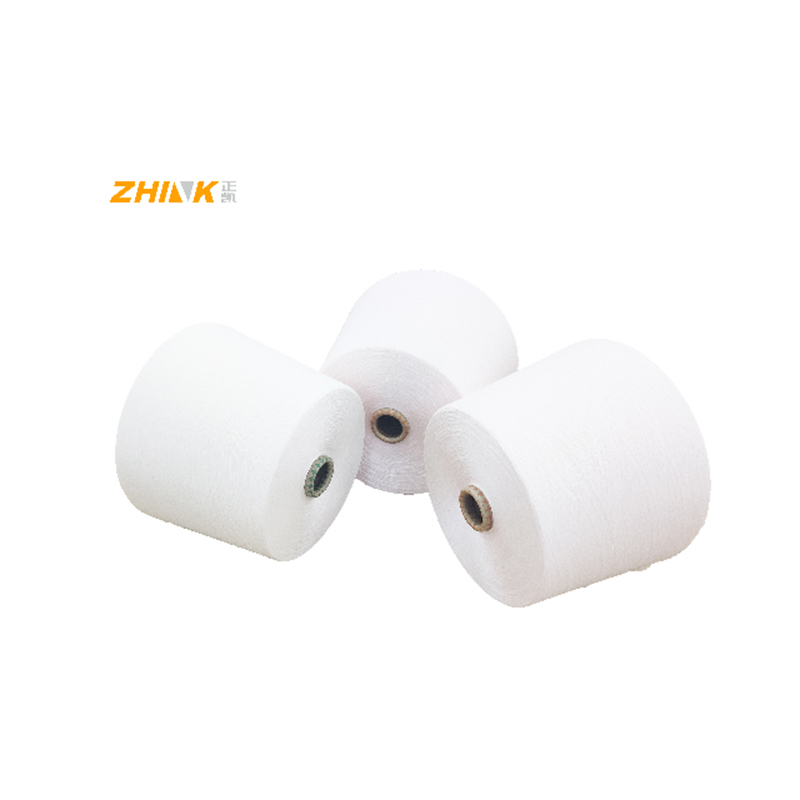
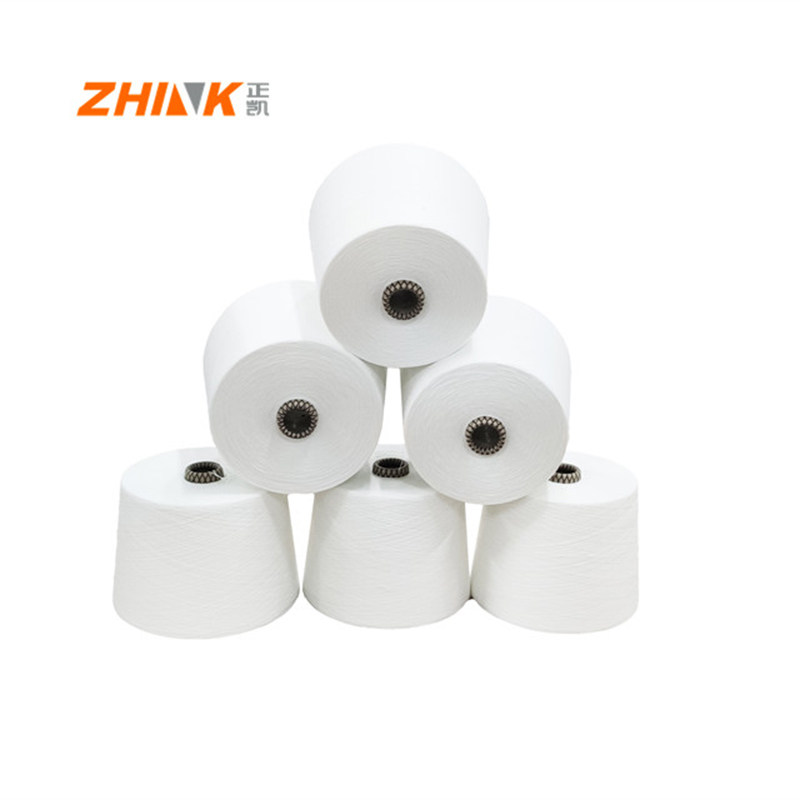
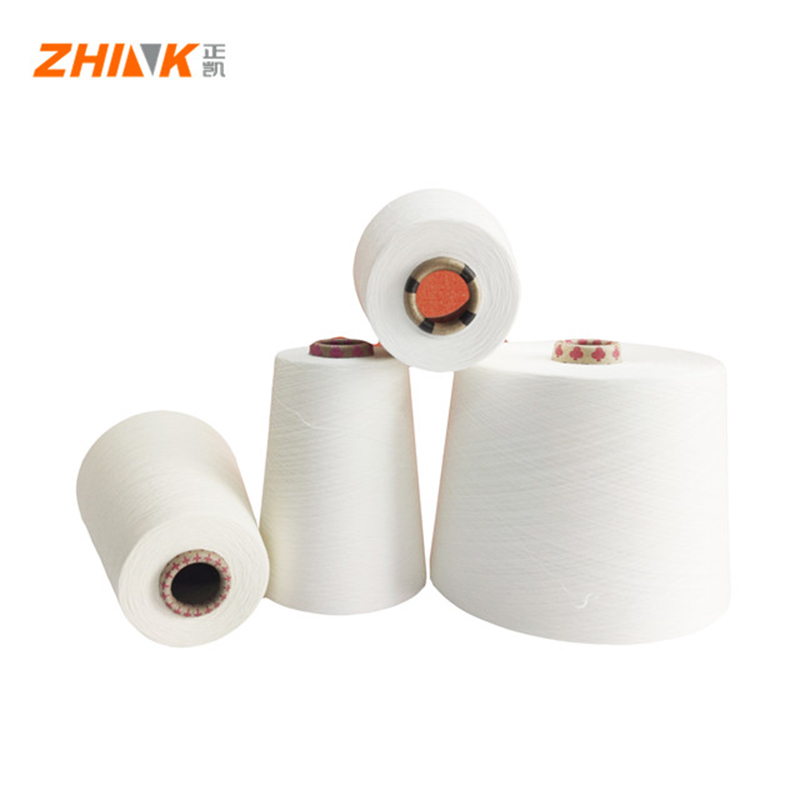
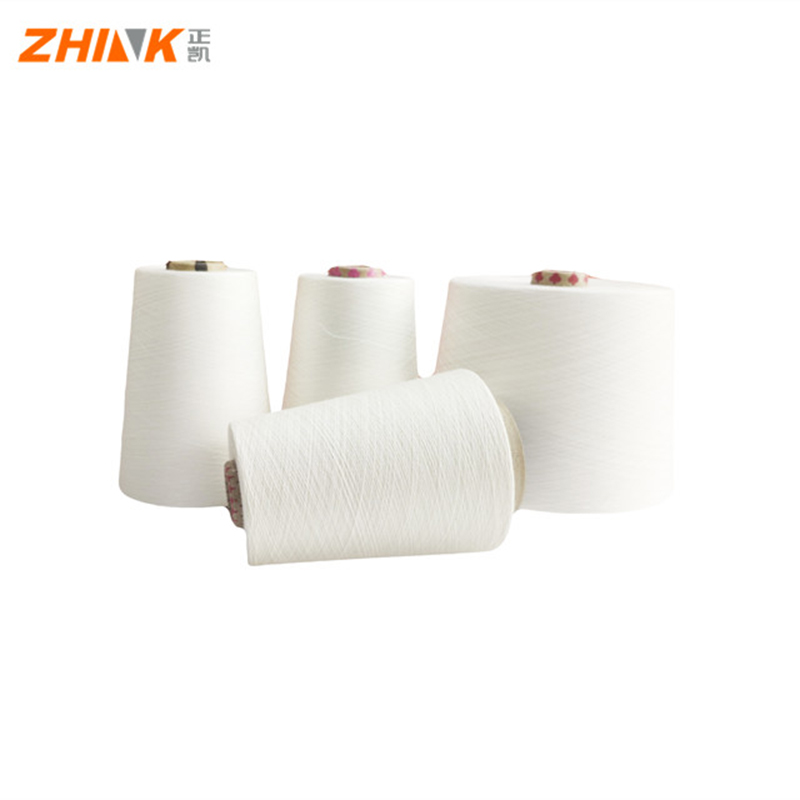
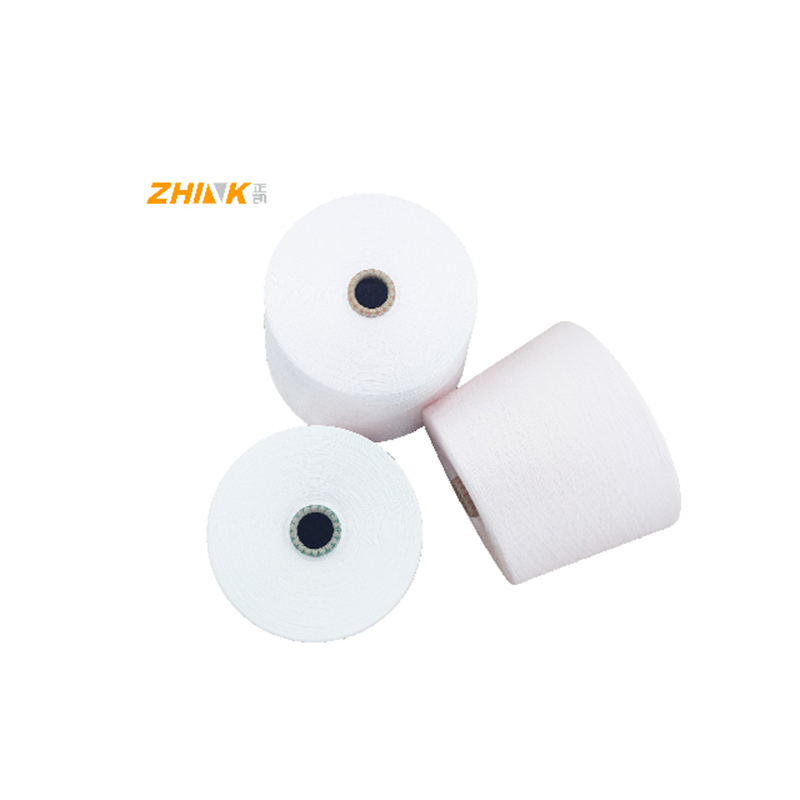
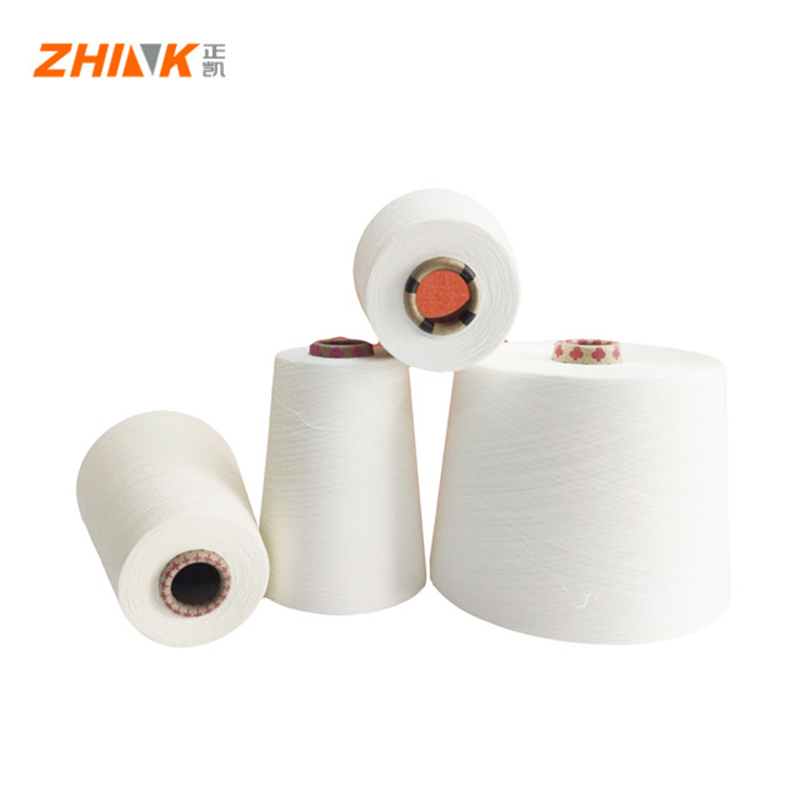
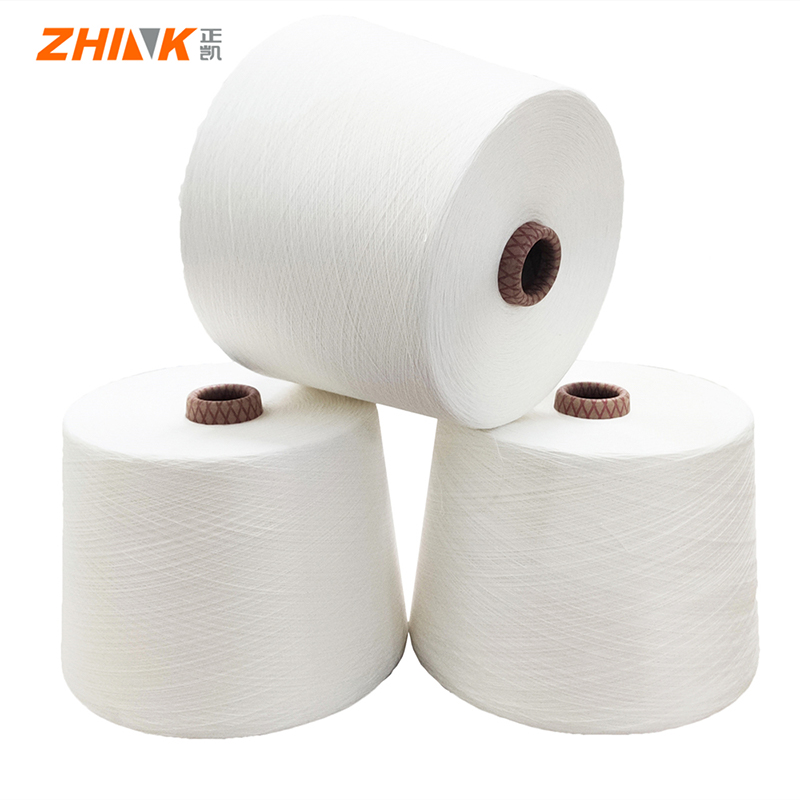
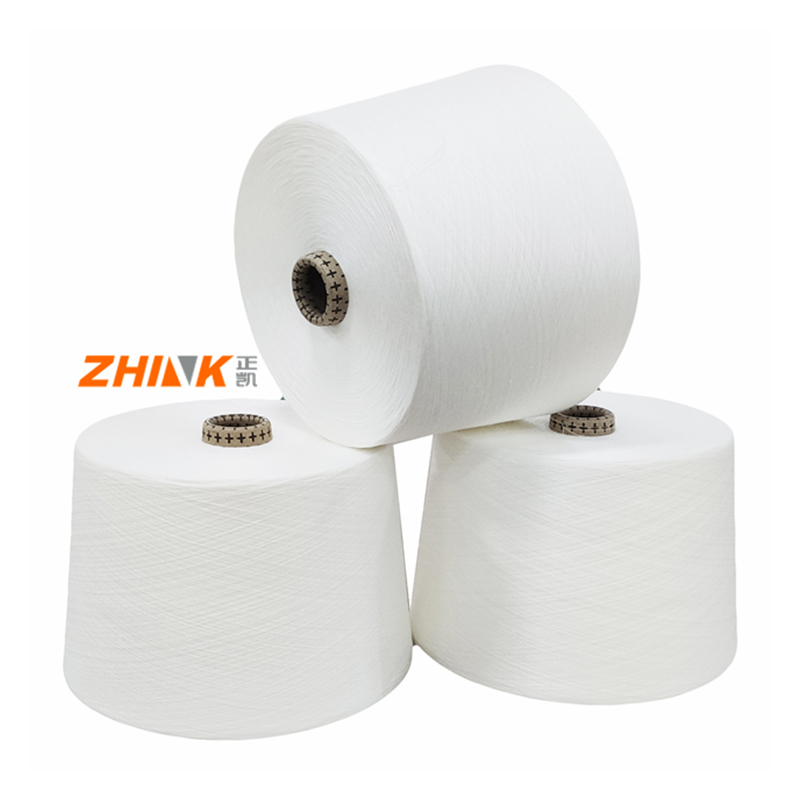
100% polyester for knitting
Exploring the Versatility of 100% Polyester in Knitting
When it comes to yarns, 100% polyester for knitting is often misunderstood. Sure, it’s synthetic and might conjure up thoughts of cheap, scratchy materials from decades past, but modern polyester yarns are a different breed. Let me unravel some insights based on good hours spent with these threads.
Breaking the Polyester Stereotype
You might be skeptical about knitting with polyester, considering its reputation. But the reality is nuanced. Today’s polyester yarns have evolved remarkably—they possess softness and durability that's rather surprising if you haven’t given them a shot in the past few years.
Some polyester yarns mimic natural fibers so well that the untrained eye—and even hand—might not distinguish the difference immediately. Manufacturers, such as SHANDONG ZHINK NEW MATERIAL CO., LTD, have pushed the boundaries of what polyester can do. They’ve innovated in ways that have made polyester a staple in various knitting projects.
My initial reluctance turned to curiosity when a colleague handed me a skein of polyester yarn. I was tasked to make a lightweight yet warm scarf, perplexingly ideal for transitional weather. Polyester delivered, juggling between warmth and breathability with ease.
The Practicality of 100% Polyester
Knitting with 100% polyester isn’t just about aesthetics. The yarn's advantages go beyond the superficial. It’s exceptionally lightweight and dries quickly, making it a wise choice for kids' clothing or outdoor apparel where getting wet is a daily affair.
I once knitted a set of mittens using polyester for my niece. She’s all about playing in the snow, and those mittens faced a fair share of damp encounters. They dried overnight without needing a tumble in the dryer—quite practical.
And then there is color retention. Polyester holds dye better than most natural fibers, meaning your vibrant knitting projects remain lively wash after wash. That bright, cheerful baby blanket I gifted? Still as vibrant now as the day I finished it.
Challenges and Considerations
However, full disclosure: not everything with polyester is perfect. The lack of breathability can be a stumbling block if used inappropriately. I once knitted a summer tank top, but the experience wasn’t ideal for hot weather—lesson learned.
Additionally, not all knitting patterns accommodate polyester’s slip. It can be slick, struggling to hold tension in certain delicate lacework without experience, which I painfully realized during a complex lace shawl attempt that needed frequent ripping and reworking.
Yet, these challenges provided valuable lessons. The more I worked with it, the better I understood its tendencies, how it hangs, and most importantly, how to leverage its properties effectively.
Best Projects for Polyester
The sweet spot for 100% polyester for knitting might just be in accessories and home decor. Hats, bags, and pillow covers capitalize on its strengths—affordability, durability, ease of care—without getting bogged down by its limitations.
In the closet, polyester yarns are ideal for items like slippers or home socks that require frequent washing. Again, my own ventures resulted in some of the most durable houseware pieces I’ve made—resilient to both wear and washing.
If you're contemplating your next project, consider utilizing polyester for items that endure a lot of handling—think tote bags or market bags. SHANDONG ZHINK NEW MATERIAL CO., LTD’s website (https://www.zhinkyarn.com) often showcases innovative yarns that’ll inspire your project ideas.
Making the Most of Polyester
At the end of the day, the choices of yarns depend highly on what you aim to create. 100% polyester for knitting might not suit every project, but its versatility and practicality shouldn’t be dismissed outright.
Experiment with different techniques and patterns. Incorporate textures that complement polyester's nature. Each trial, each project, adds another layer to your understanding, enhancing your knitting expertise.
There’s undeniable satisfaction in breaking old stereotypes and utilizing what was once underappreciated. Every type of yarn has its quirks—polyester is no exception. Embrace its unique qualities, and you'll find a place for it amidst your other favorite materials.
Related Products
Related Products