+86-632-3621866
- Chinese
- French
- German
- Portuguese
- Spanish
- Russian
- Japanese
- Korean
- Arabic
- Irish
- Greek
- Turkish
- Italian
- Danish
- Romanian
- Indonesian
- Czech
- Afrikaans
- Swedish
- Polish
- Basque
- Catalan
- Esperanto
- Hindi
- Lao
- Albanian
- Amharic
- Armenian
- Azerbaijani
- Belarusian
- Bengali
- Bosnian
- Bulgarian
- Cebuano
- Chichewa
- Corsican
- Croatian
- Dutch
- Estonian
- Filipino
- Finnish
- Frisian
- Galician
- Georgian
- Gujarati
- Haitian
- Hausa
- Hawaiian
- Hebrew
- Hmong
- Hungarian
- Icelandic
- Igbo
- Javanese
- Kannada
- Kazakh
- Khmer
- Kurdish
- Kyrgyz
- Latin
- Latvian
- Lithuanian
- Luxembou..
- Macedonian
- Malagasy
- Malay
- Malayalam
- Maltese
- Maori
- Marathi
- Mongolian
- Burmese
- Nepali
- Norwegian
- Pashto
- Persian
- Punjabi
- Serbian
- Sesotho
- Sinhala
- Slovak
- Slovenian
- Somali
- Samoan
- Scots Gaelic
- Shona
- Sindhi
- Sundanese
- Swahili
- Tajik
- Tamil
- Telugu
- Thai
- Ukrainian
- Urdu
- Uzbek
- Vietnamese
- Welsh
- Xhosa
- Yiddish
- Yoruba
- Zulu
- Kinyarwanda
- Tatar
- Oriya
- Turkmen
- Uyghur


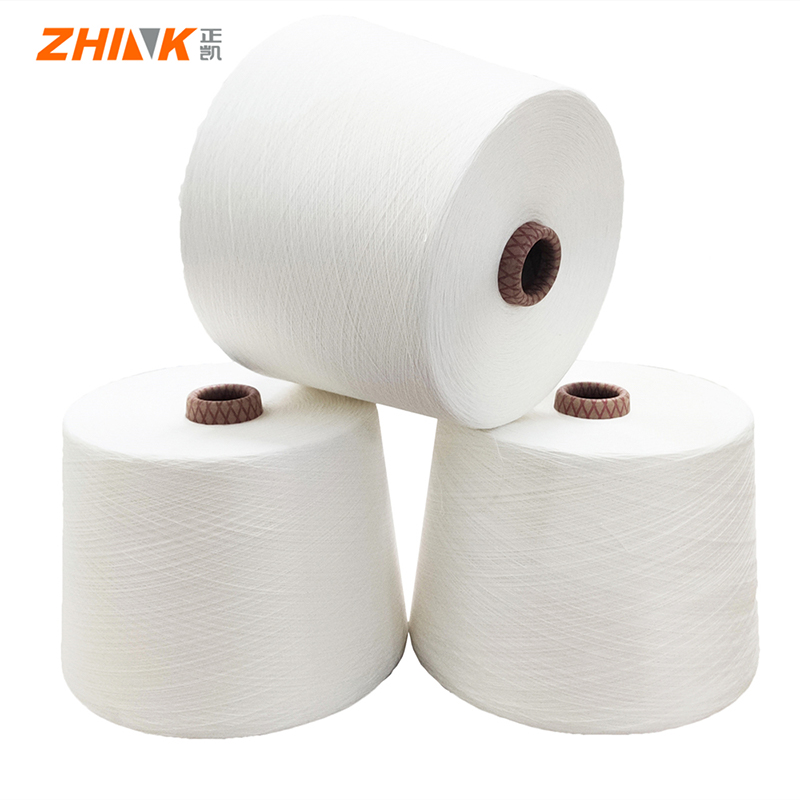
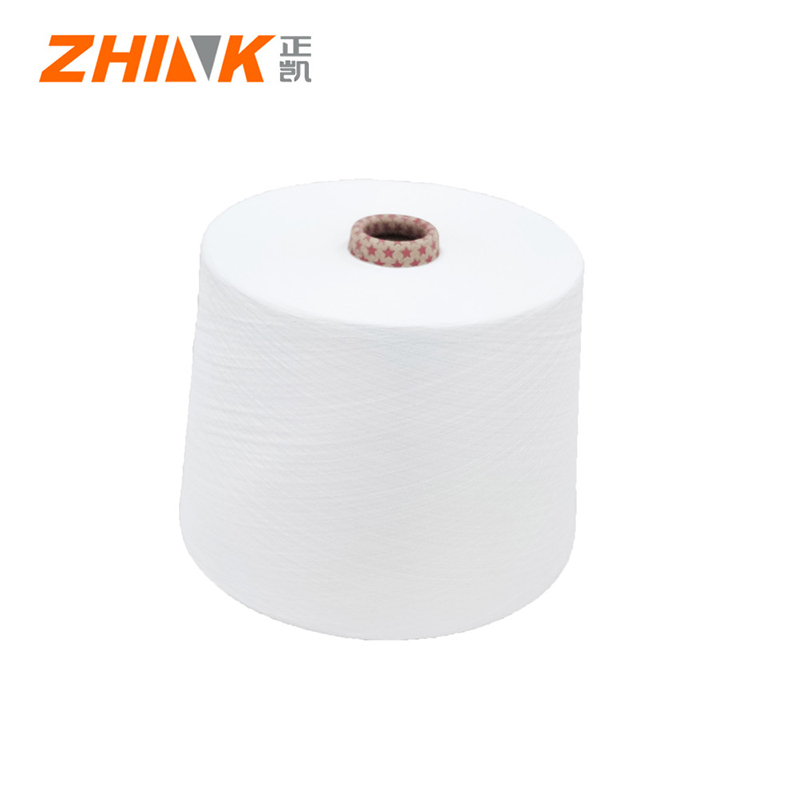
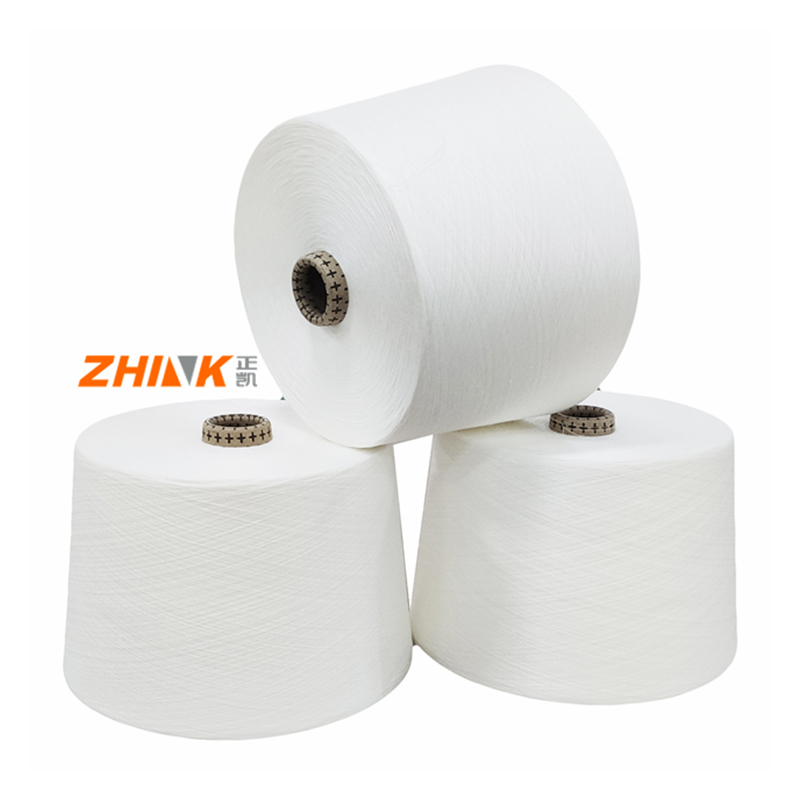
100% polyester for weaving
Understanding the Use of 100% Polyester for Weaving
In the textile industry, there's a fascinating debate on the virtues and vices of different weaving materials. Among these, 100% polyester for weaving often takes center stage. Why? Simply because of its unique characteristics that cater to both traditional and innovative weaving techniques.
The Basics of Polyester in Weaving
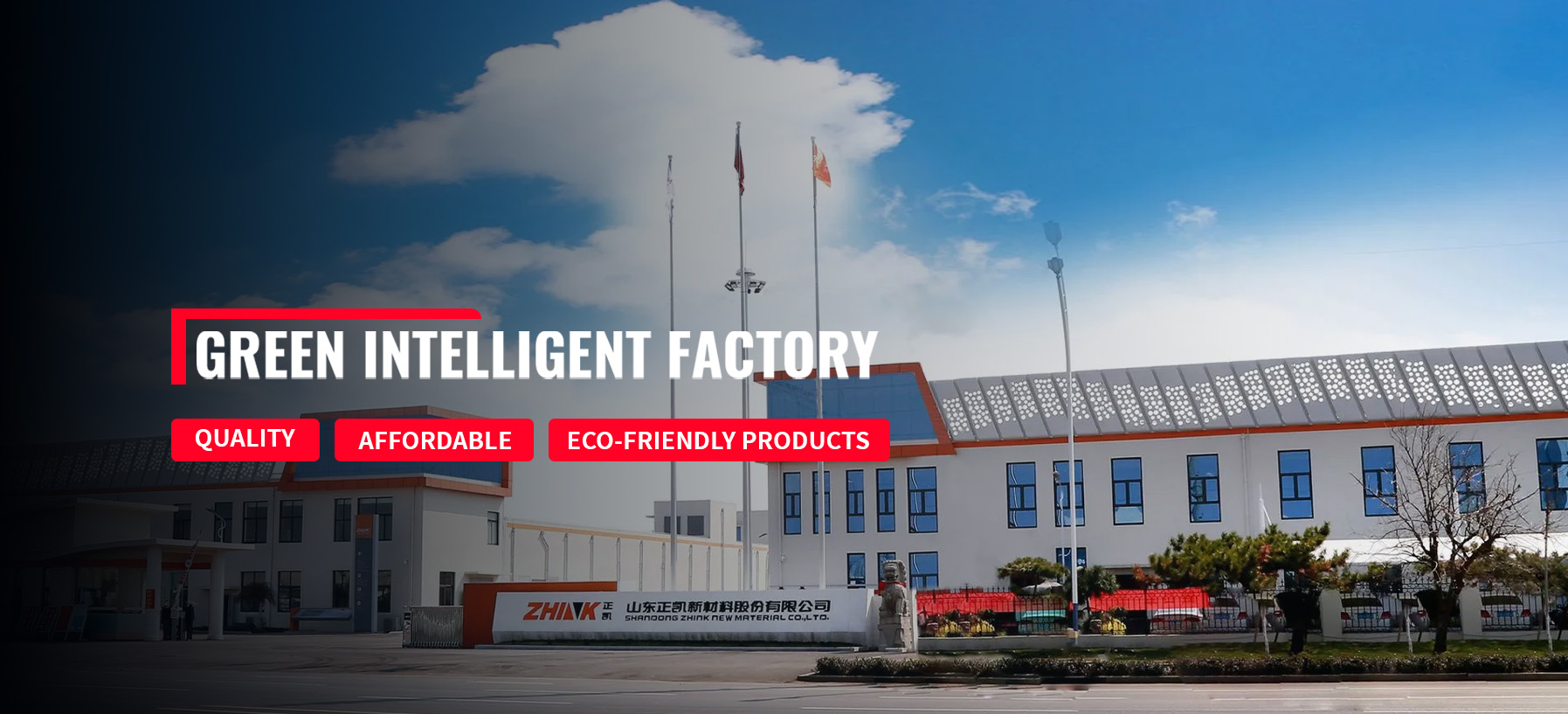
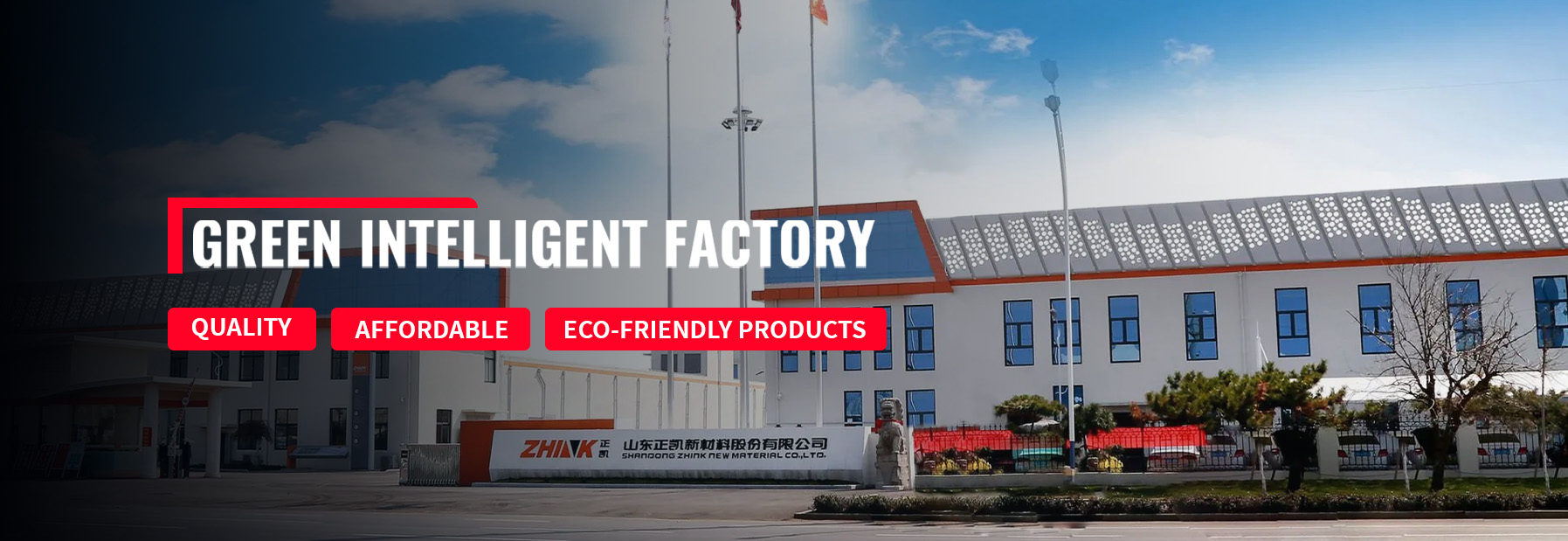
Polyester, the name itself perhaps conjures images of the 1970s fashion trends, but today's polyester is incredibly versatile. It's not just about durability and cost-effectiveness. Within my years of working in this field, especially with companies like SHANDONG ZHINK NEW MATERIAL CO., LTD, I've seen polyester transform from a secondary choice to a staple in the textile domain. Check their offerings at Zhink Yarn, and you'll see an extensive range of polyester products that redefine weaving norms.
A common misunderstanding is that polyester limits creativity, feeling too industrial or synthetic. However, in practice, we've found that polyester's adaptability is second to none. You can tweak its weave density, adjust thread count, and merge with other threads to achieve textures that mimic more expensive materials. It's about pushing boundaries, and polyester allows that freedom.
Of course, there’s the environmental concern. Let's not ignore it. Polyester, a petroleum-based product, persists longer in the environment. But advancements in recycling and sustainable production methods, like those pioneered at Zhink, are addressing these issues. We need to keep pushing for improvements, for every yard of fabric counts.
Practical Benefits and Challenges
There's a practical side, too, with 100% polyester for weaving exhibiting remarkable strength and water resistance. Polyester, as I've noticed especially in outdoor textiles, provides resilience where cotton might falter. Ever left a cotton tent in the rain? You'll wish you opted for polyester.
Yet, polyester can sometimes pose dye challenges. Achieving the perfect shade might require more expert handling than natural fibers. We’ve run countless trials, tweaking temperature and dye mixes to get consistent coloration. Practice does make perfect, and when you crack the code, the results are both vibrant and lasting.
An anecdote from my experience involved a batch set for an order that, under a specific light, revealed an unintended sheen. It led us to re-evaluate our entire dye process. These unforeseen hiccups are part of the learning curve, reminding us that in weaving, precision is key.
Innovative Applications in Modern Weaving
The integration of 100% polyester for weaving into more innovative designs is captivating to witness. Beyond the traditional, polyester is now part of smart textiles. At SHANDONG ZHINK NEW MATERIAL CO., LTD, there's ongoing R&D into blending polyester with tech fibers to create fabrics that respond to temperature or light. It's like weaving the future into the present.
I’ve often encountered skepticism when introducing such ideas to traditionalists in the industry. They fear losing the 'soul' of the fabric. However, through experiential workshops and demonstrating finished products, many have come around, seeing polyester’s role as evolutionary rather than revolutionary.
The potential for blending polyester with natural fibers opens more doors. Not just physically blending but structurally in the weave itself. The exploration of hybrid fabrics means enhanced properties, like breathability with durability—debunking the polyester stereotype.
Case Studies from Industry Experience
Several case studies come to mind. I recall working with a client in automotive textiles. The need for a robust, fade-resistant, yet luxurious feel was non-negotiable. Polyester blends checked all these boxes, and the success of that project is still a highlight.
Another scenario involved high-performance sportswear. Athletes demand textiles that wick moisture, remain lightweight, and are skin-friendly. Here, 100% polyester for weaving outperformed expectations, reinforcing why brands continually return to this material despite new entrants in the market.
That said, the failure to fully understand polyester's characteristics can lead to setbacks. In one early project, insufficient testing led to unexpected shrinkage under heat. Lessons like these teach respect for the material and the science behind its manipulation.
Final Thoughts and Future Prospects
Ultimately, the place of 100% polyester for weaving in industry lines is well earned. Is it perfect? Hardly. But embracing its quirks, learning from its challenges, and exploiting its strengths make it indispensable. Companies like Zhink continue to push forward, ensuring polyester remains relevant.
As we head into more technological integrations and sustainable practices, polyester's role will only expand. The true test will be balancing innovation with environmental stewardship—a journey worth embarking on.
With firsthand experience, I see the future of textiles intertwining with materials like polyester, offering endless possibilities for those willing to explore its potential.
Related Products
Related Products