+86-632-3621866
- Chinese
- French
- German
- Portuguese
- Spanish
- Russian
- Japanese
- Korean
- Arabic
- Irish
- Greek
- Turkish
- Italian
- Danish
- Romanian
- Indonesian
- Czech
- Afrikaans
- Swedish
- Polish
- Basque
- Catalan
- Esperanto
- Hindi
- Lao
- Albanian
- Amharic
- Armenian
- Azerbaijani
- Belarusian
- Bengali
- Bosnian
- Bulgarian
- Cebuano
- Chichewa
- Corsican
- Croatian
- Dutch
- Estonian
- Filipino
- Finnish
- Frisian
- Galician
- Georgian
- Gujarati
- Haitian
- Hausa
- Hawaiian
- Hebrew
- Hmong
- Hungarian
- Icelandic
- Igbo
- Javanese
- Kannada
- Kazakh
- Khmer
- Kurdish
- Kyrgyz
- Latin
- Latvian
- Lithuanian
- Luxembou..
- Macedonian
- Malagasy
- Malay
- Malayalam
- Maltese
- Maori
- Marathi
- Mongolian
- Burmese
- Nepali
- Norwegian
- Pashto
- Persian
- Punjabi
- Serbian
- Sesotho
- Sinhala
- Slovak
- Slovenian
- Somali
- Samoan
- Scots Gaelic
- Shona
- Sindhi
- Sundanese
- Swahili
- Tajik
- Tamil
- Telugu
- Thai
- Ukrainian
- Urdu
- Uzbek
- Vietnamese
- Welsh
- Xhosa
- Yiddish
- Yoruba
- Zulu
- Kinyarwanda
- Tatar
- Oriya
- Turkmen
- Uyghur


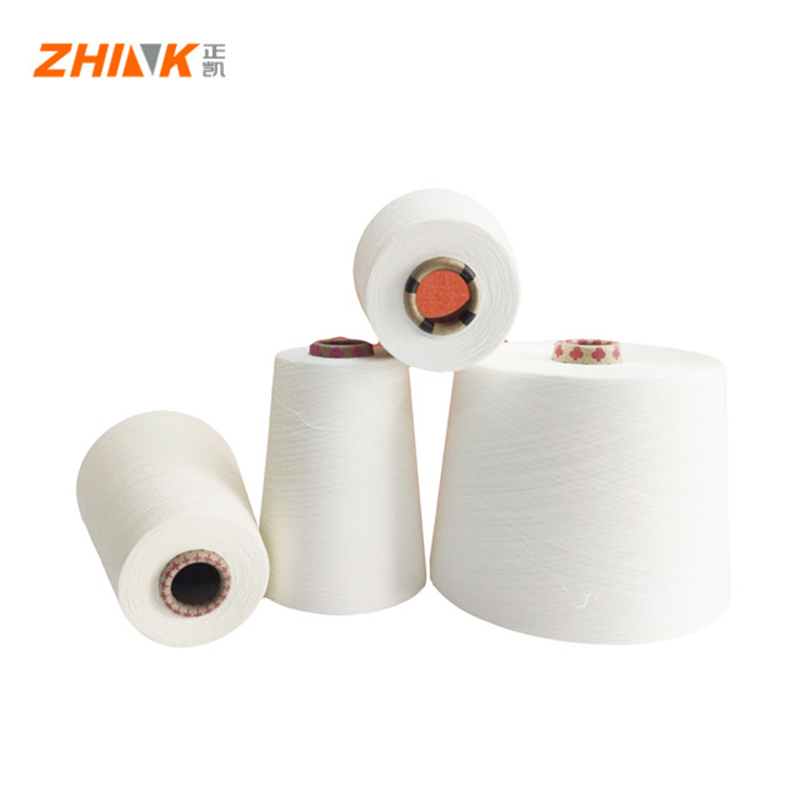
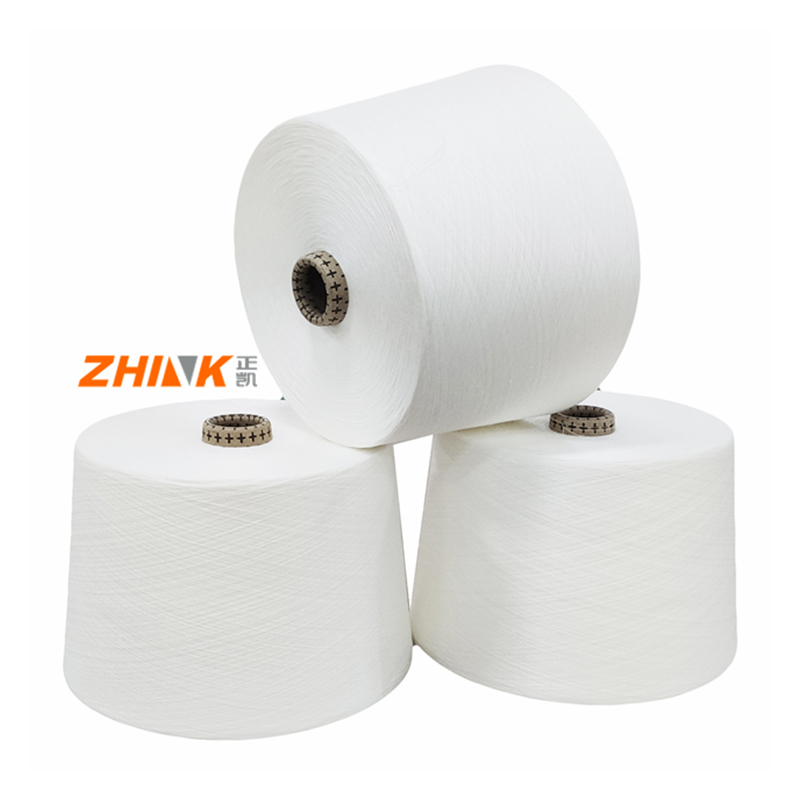
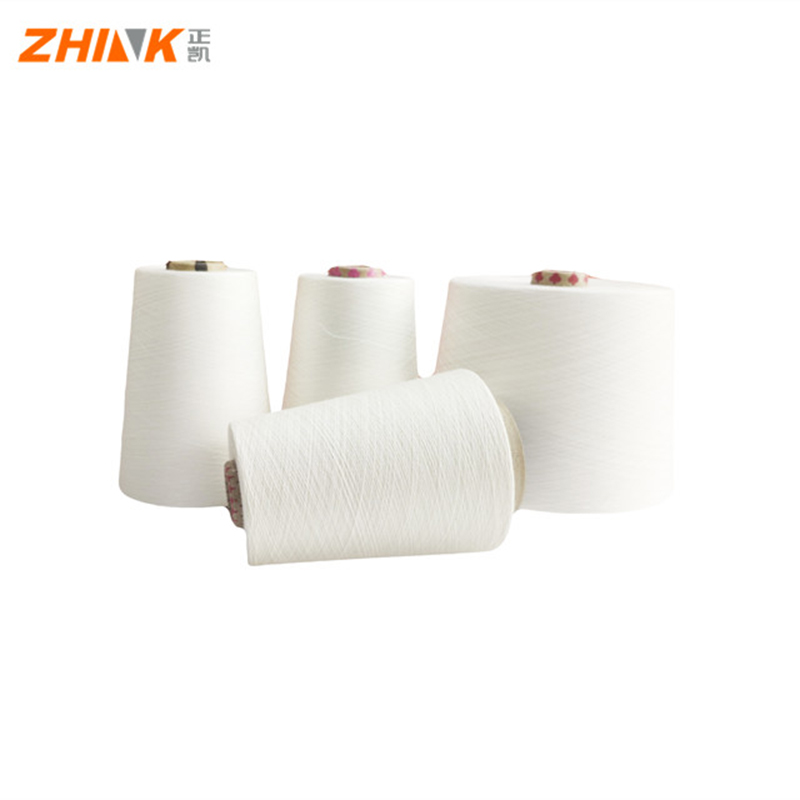
100% polyester ring
The Versatility of 100% Polyester Ring
100% polyester rings are a niche in textile manufacturing often misunderstood. They're not your average fabric detail; these rings offer unique benefits in terms of durability and utility. What makes them stand out, and why are they essential in modern textile applications? Let's delve into the specifics and uncover some common industry insights.
Understanding the Role of Polyester Rings
Polyester, as a material, is renowned for its durability and resilience. When formed into rings, this material adapts to a variety of uses, from clothing to industrial applications. Unlike other synthetic materials, polyester rings maintain their shape and performance across different environments.
In textiles, rings made from 100% polyester can be particularly useful. They withstand high levels of wear and tear, an essential quality for outdoor gear or sportswear. I’ve seen instances where other materials faltered under rigorous use, but polyester rings held their ground, ensuring the garment's longevity.
However, it’s important not to overlook the manufacturing process. The refinement of these rings requires precision, especially to achieve a balance between flexibility and strength. Zhink New Material, according to their website, dedicates significant research into perfecting these attributes.
Challenges in Production
The manufacturing of 100% polyester ring components isn't without its challenges. For instance, achieving consistency in each batch can be tricky, given the variables in polymer quality and production conditions. A single discrepancy in the polymer mixture can lead to significant problems later on in the product lifecycle.
Having worked on a project with SHANDONG ZHINK NEW MATERIAL CO., LTD, I encountered these hurdles first-hand. The company's commitment to quality—which they proudly state on their website, https://www.zhinkyarn.com—means they often tackle issues head-on, investing in research to consistently improve their production techniques.
Temperature control during production is also critical, especially to prevent defects that could compromise the ring's function. It may sound mundane, but getting this right is vital to ensure the end product performs as expected.
Polyester Rings in Practical Use
The best way to see the value of polyester rings is through their application. In sportswear, they provide a non-corrosive, lightweight option that doesn't compromise on toughness. This is crucial whether it's a mountaineer’s jacket or a sailor’s harness.
A specific example I recall is from an outdoor retailer who insisted on switching their product components to polyester rings. The decision proved strategic—product returns due to broken hooks plummeted as a result.
Of course, balancing cost and functionality when integrating such rings can cause friction between design and budget teams. It’s a dance that requires both technical insight and creative problem-solving—a style SHANDONG ZHINK NEW MATERIAL CO., LTD excels in, often offering tailored solutions to meet diverse needs.
Exploring Eco-Friendly Alternatives
There's an ongoing conversation about the environmental impact of synthetic materials. While polyester has its critics due to its petroleum-based origins, innovations in recycling technologies offer new pathways for sustainability.
Companies like Zhink New Material are already exploring these fronts, emphasizing sustainable practices on their website. The hope is that future developments might lead to fully recycled polyester rings, reducing the ecological footprint without sacrificing quality.
A recyclable polyester ring isn't just a possibility—it might soon be a necessity, as consumers and industries alike demand greener solutions. The challenge will be in making these innovations cost-effective without compromising performance.
Final Thoughts on Polyester Rings
The journey of producing and utilizing 100% polyester rings is marked by ongoing innovation and adaptation. Each step, from polymer selection to manufacturing nuances, can impact the final product significantly. It’s a complex process that requires constant vigilance and adaptation.
Having been part of multiple projects in this area, the rewards of overcoming these challenges are tangible—a robust, reliable component that serves its purpose effectively under varying situations. And as developments continue, the rise of eco-friendly practices promises exciting changes in this already dynamic field.
For a deeper insight into the technical elements and innovative products, I encourage exploring Zhink New Material’s offerings at https://www.zhinkyarn.com. Their dedication to excellence is evident not only in their products but also in their continuous pursuit of advancement in textile science.
Related Products
Related Products