+86-632-3621866
- Chinese
- French
- German
- Portuguese
- Spanish
- Russian
- Japanese
- Korean
- Arabic
- Irish
- Greek
- Turkish
- Italian
- Danish
- Romanian
- Indonesian
- Czech
- Afrikaans
- Swedish
- Polish
- Basque
- Catalan
- Esperanto
- Hindi
- Lao
- Albanian
- Amharic
- Armenian
- Azerbaijani
- Belarusian
- Bengali
- Bosnian
- Bulgarian
- Cebuano
- Chichewa
- Corsican
- Croatian
- Dutch
- Estonian
- Filipino
- Finnish
- Frisian
- Galician
- Georgian
- Gujarati
- Haitian
- Hausa
- Hawaiian
- Hebrew
- Hmong
- Hungarian
- Icelandic
- Igbo
- Javanese
- Kannada
- Kazakh
- Khmer
- Kurdish
- Kyrgyz
- Latin
- Latvian
- Lithuanian
- Luxembou..
- Macedonian
- Malagasy
- Malay
- Malayalam
- Maltese
- Maori
- Marathi
- Mongolian
- Burmese
- Nepali
- Norwegian
- Pashto
- Persian
- Punjabi
- Serbian
- Sesotho
- Sinhala
- Slovak
- Slovenian
- Somali
- Samoan
- Scots Gaelic
- Shona
- Sindhi
- Sundanese
- Swahili
- Tajik
- Tamil
- Telugu
- Thai
- Ukrainian
- Urdu
- Uzbek
- Vietnamese
- Welsh
- Xhosa
- Yiddish
- Yoruba
- Zulu
- Kinyarwanda
- Tatar
- Oriya
- Turkmen
- Uyghur


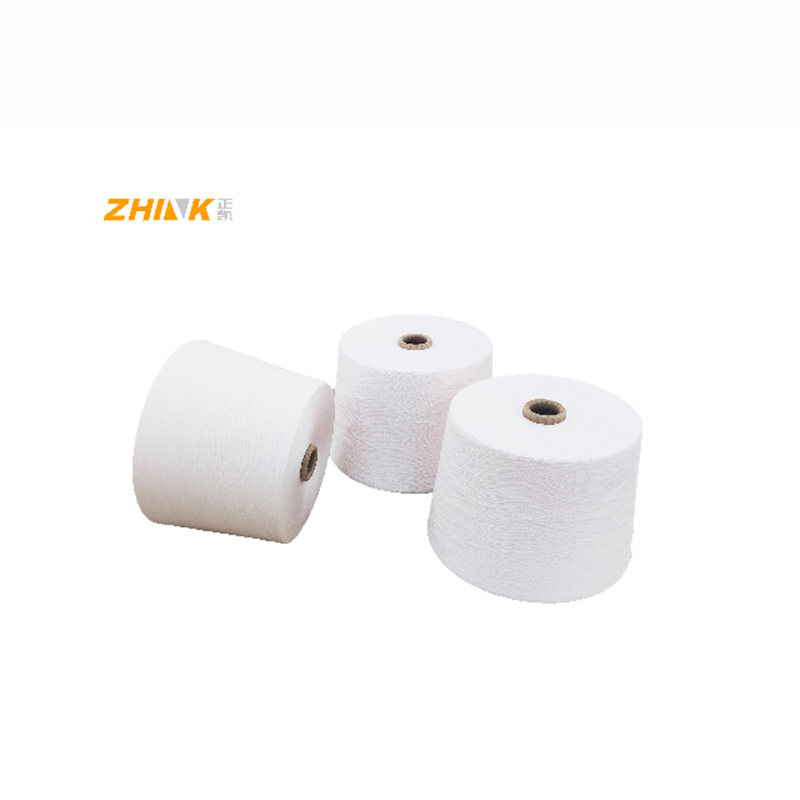
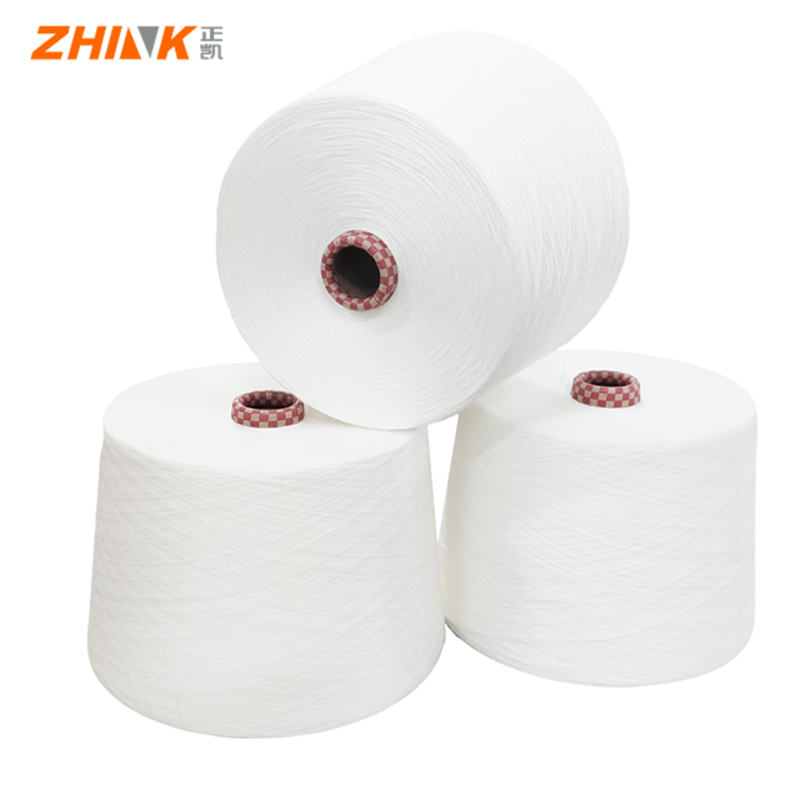
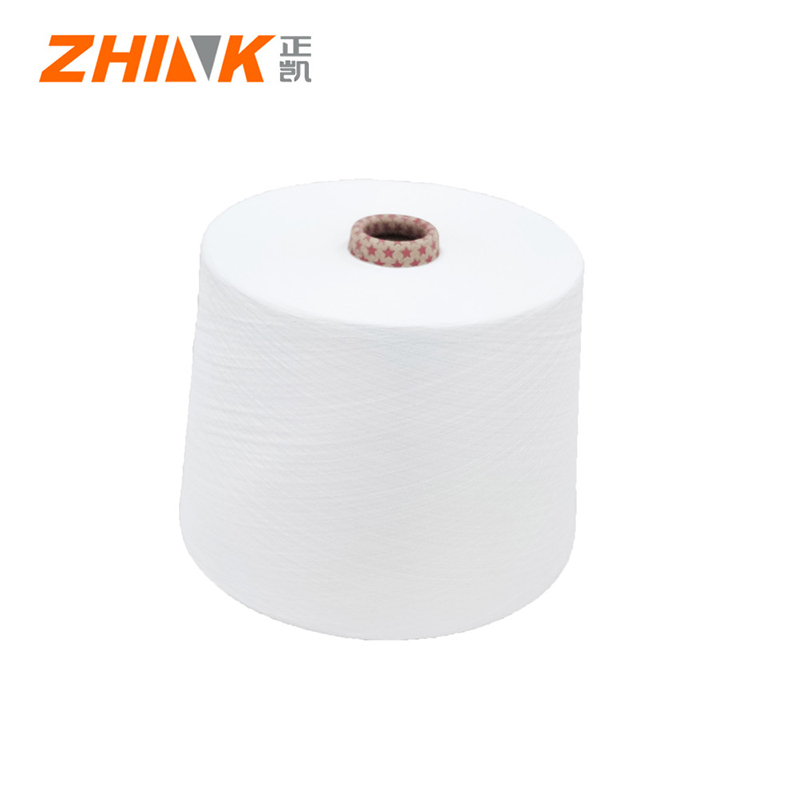
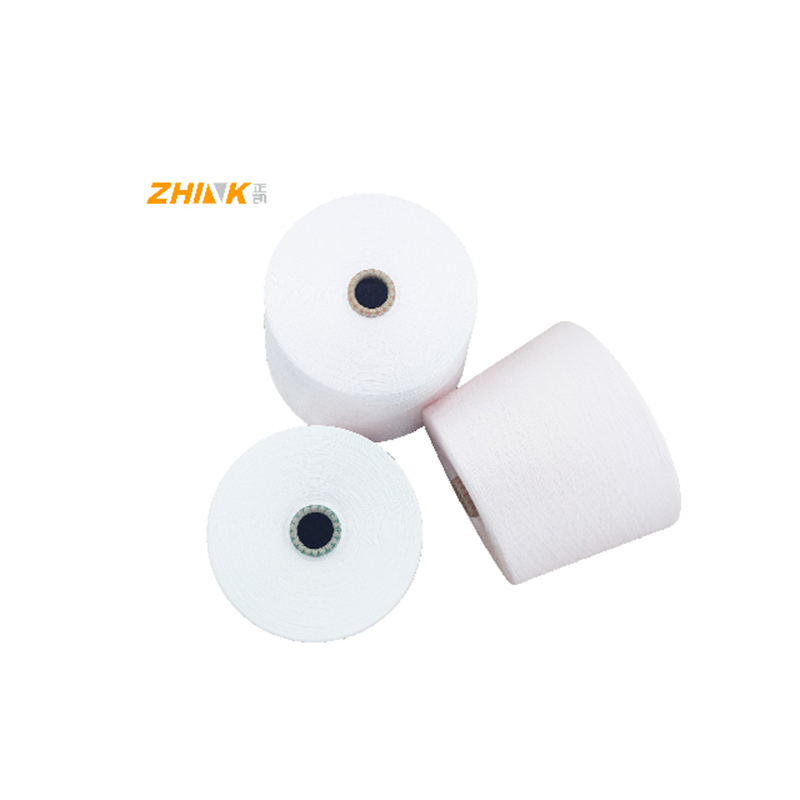
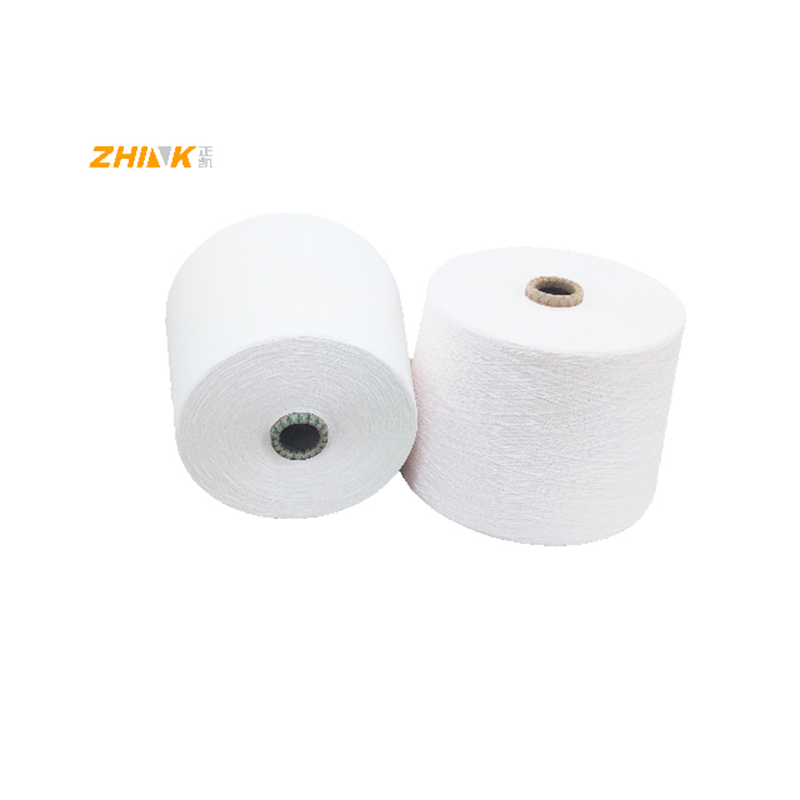
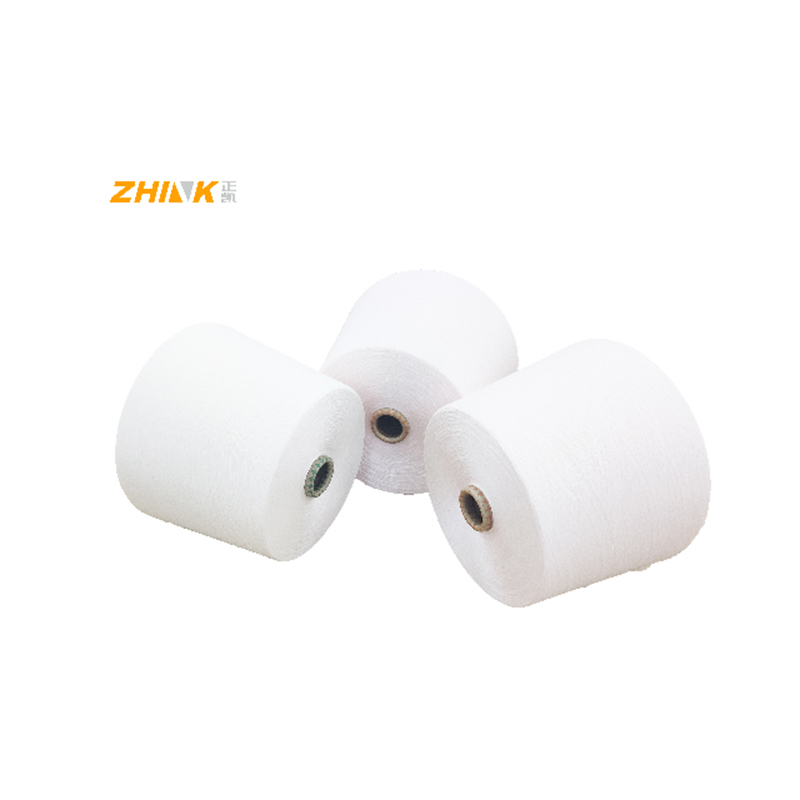
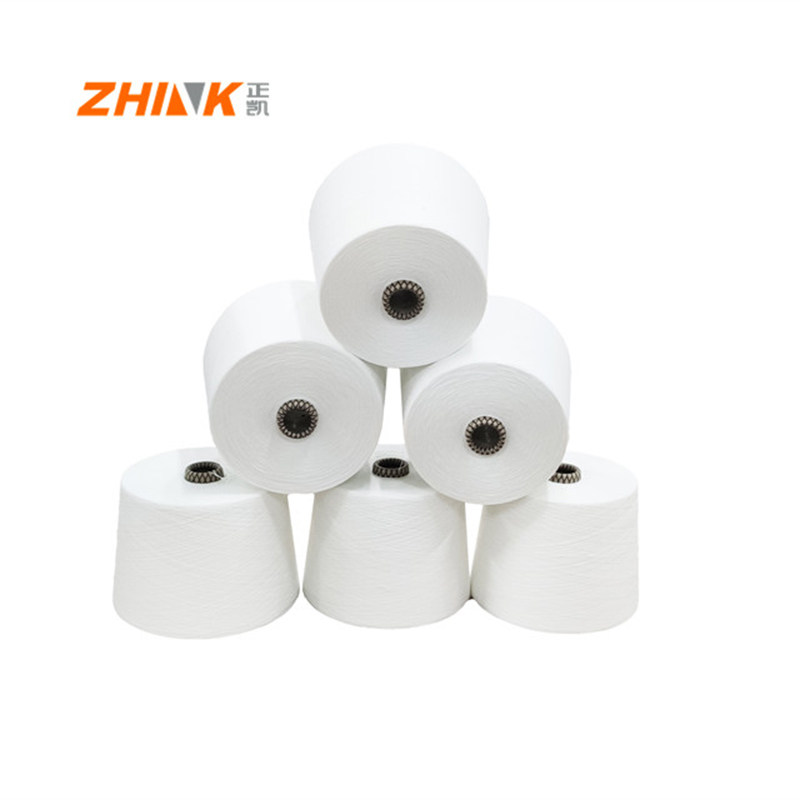
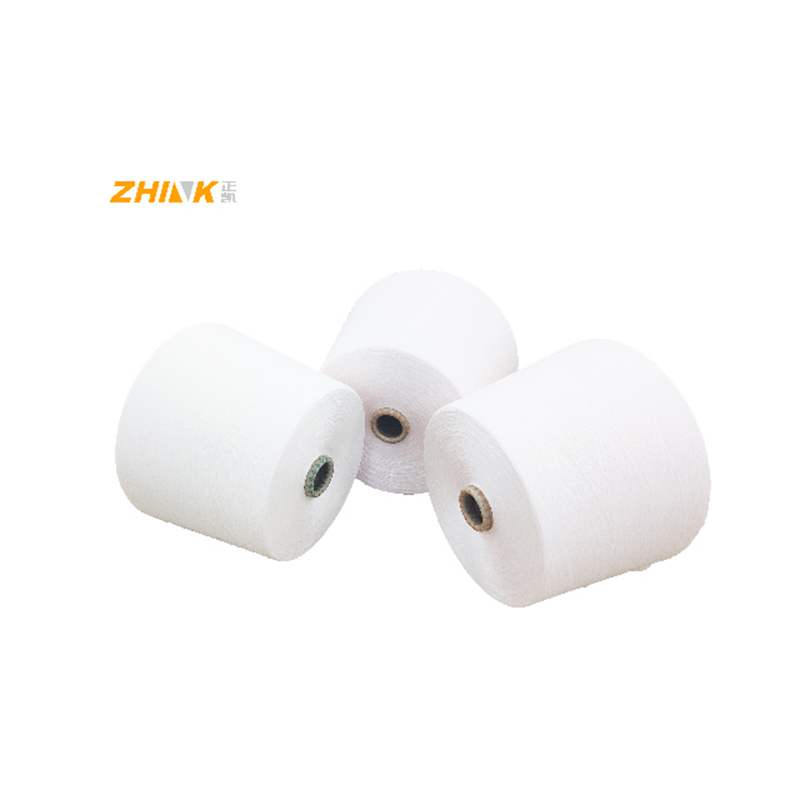
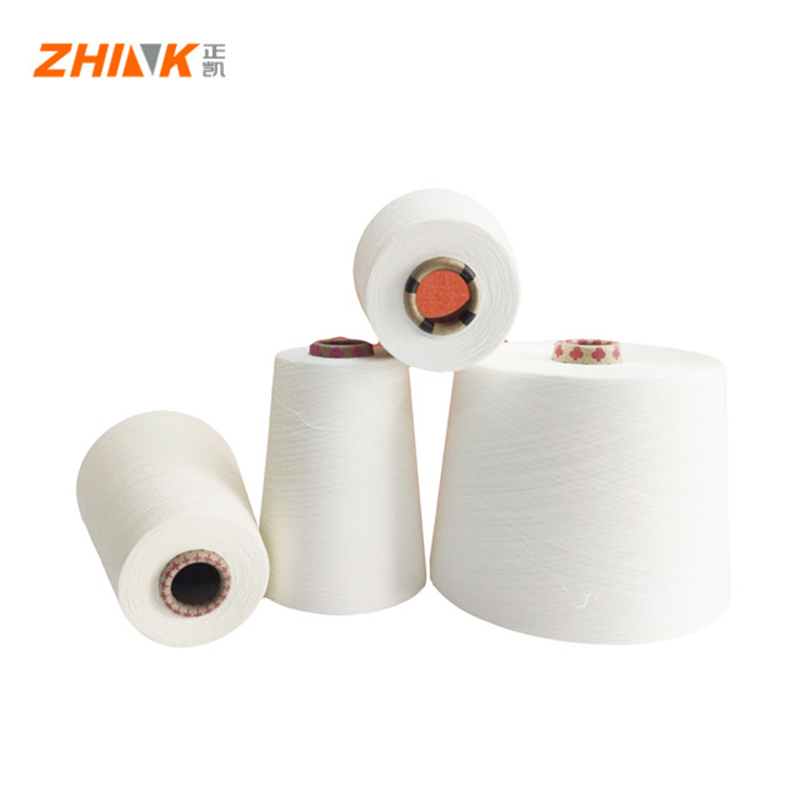
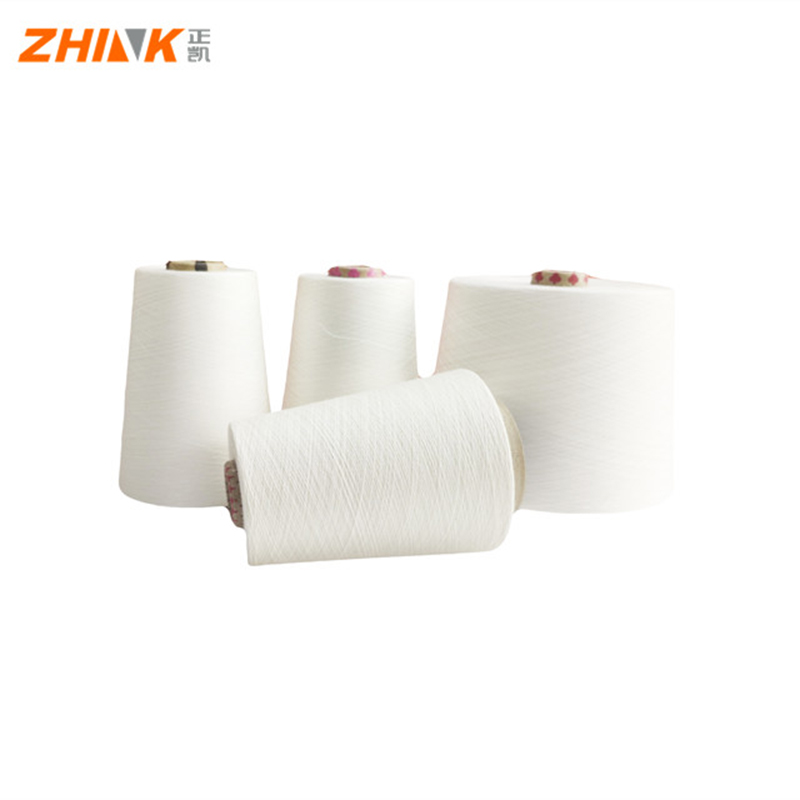
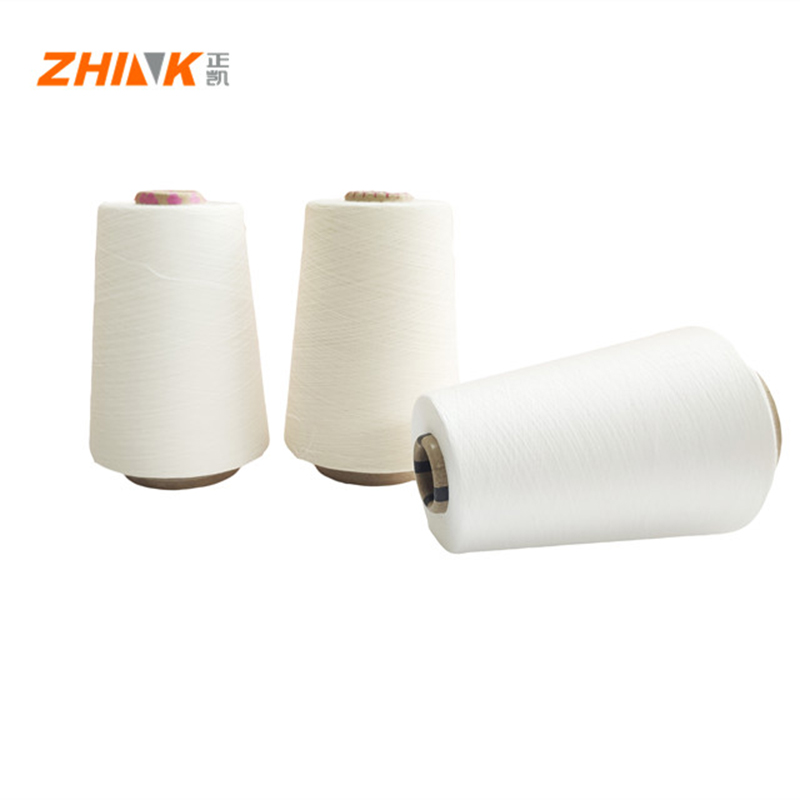
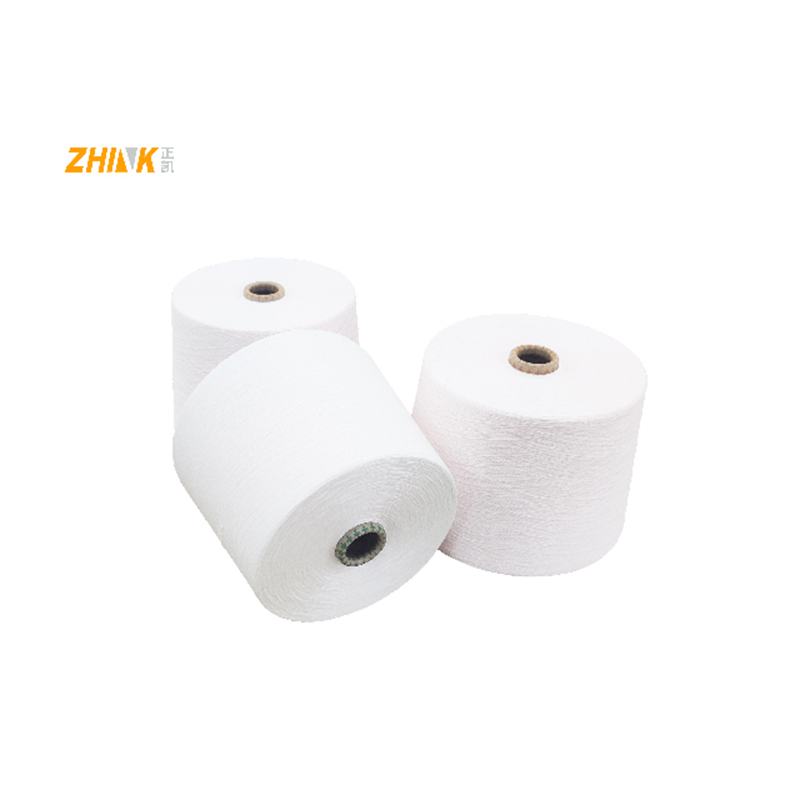
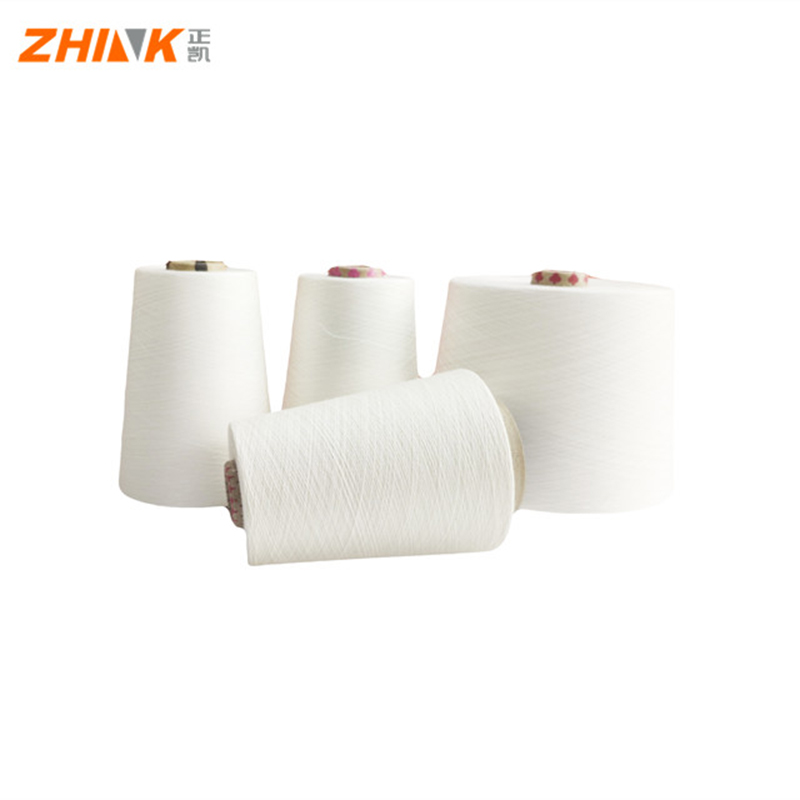
100% polyester spun yarn
The Complex World of 100% Polyester Spun Yarn
100% polyester spun yarn is a ubiquitous textile material that's often misunderstood. It plays a critical role in the textile industry, yet many underestimate its versatility and application. Here's a deep dive into this essential material—backed by hands-on insights and practical know-how.
Understanding Polyester Spun Yarn
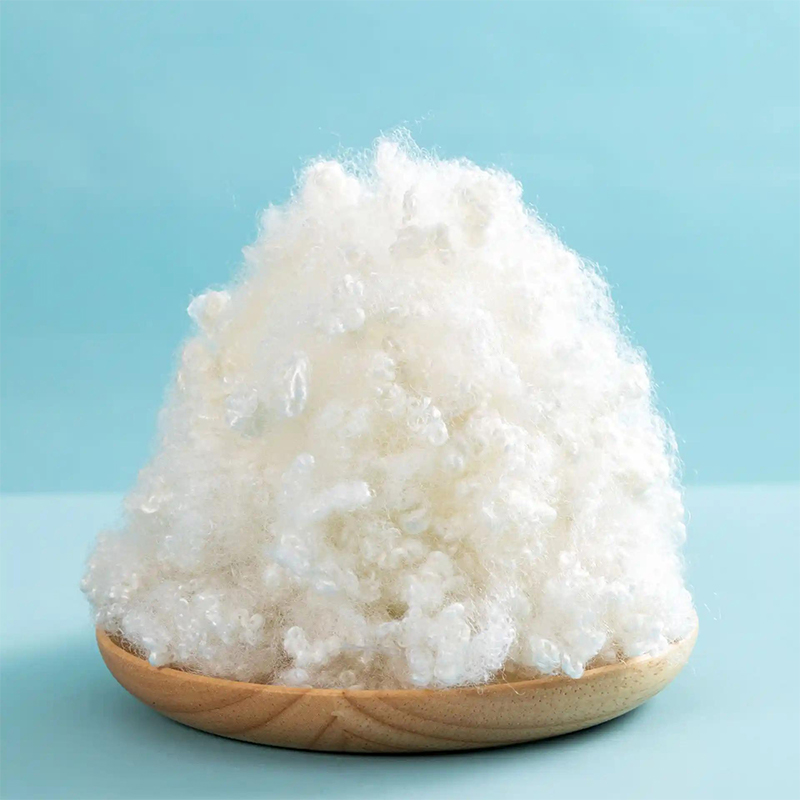
Polyester spun yarn, derived from polyester fibers, is often favored for its strength, durability, and cost-effectiveness. It's interesting to note how polyester spun yarn, unlike filament yarns, is composed of short fibers twisted together. This imparts a distinct texture and feel, setting it apart in various applications.
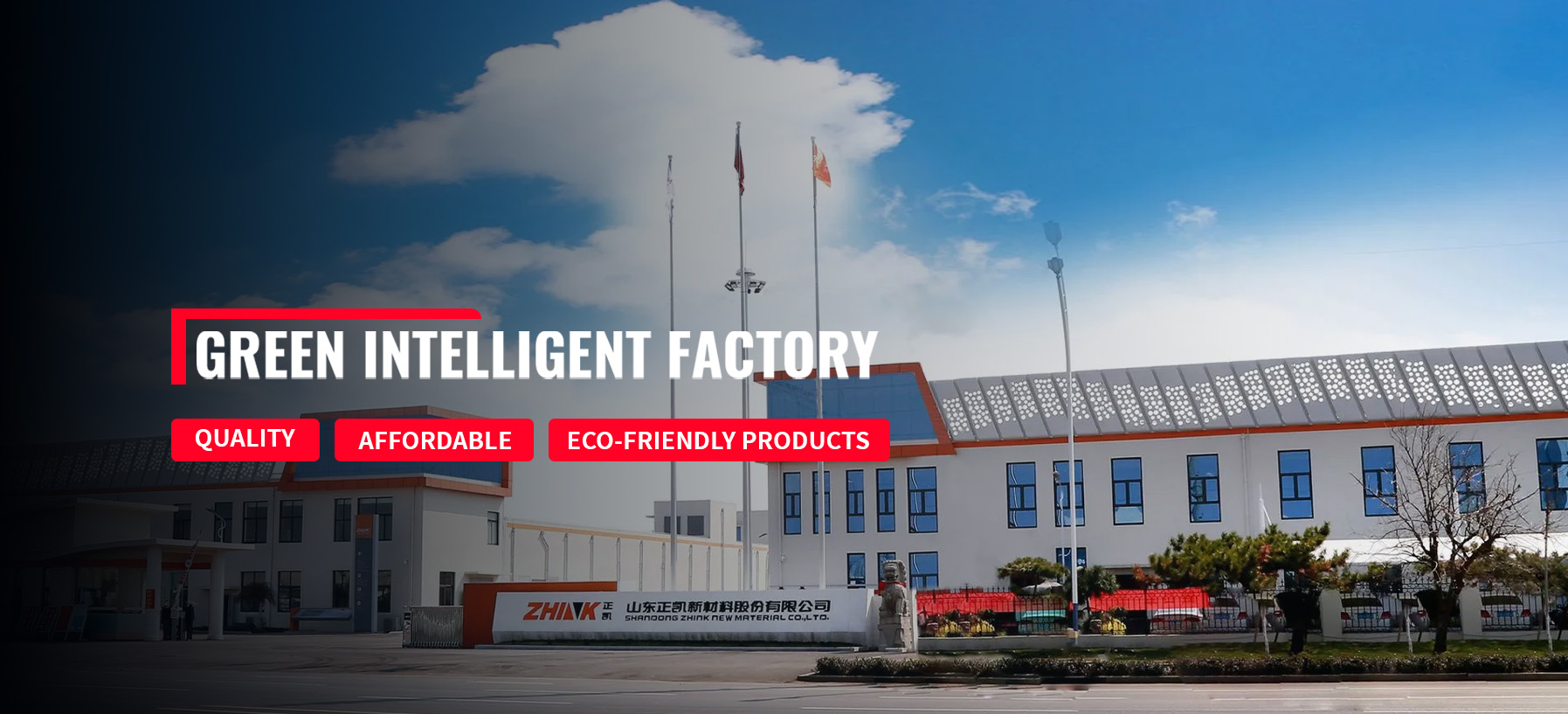
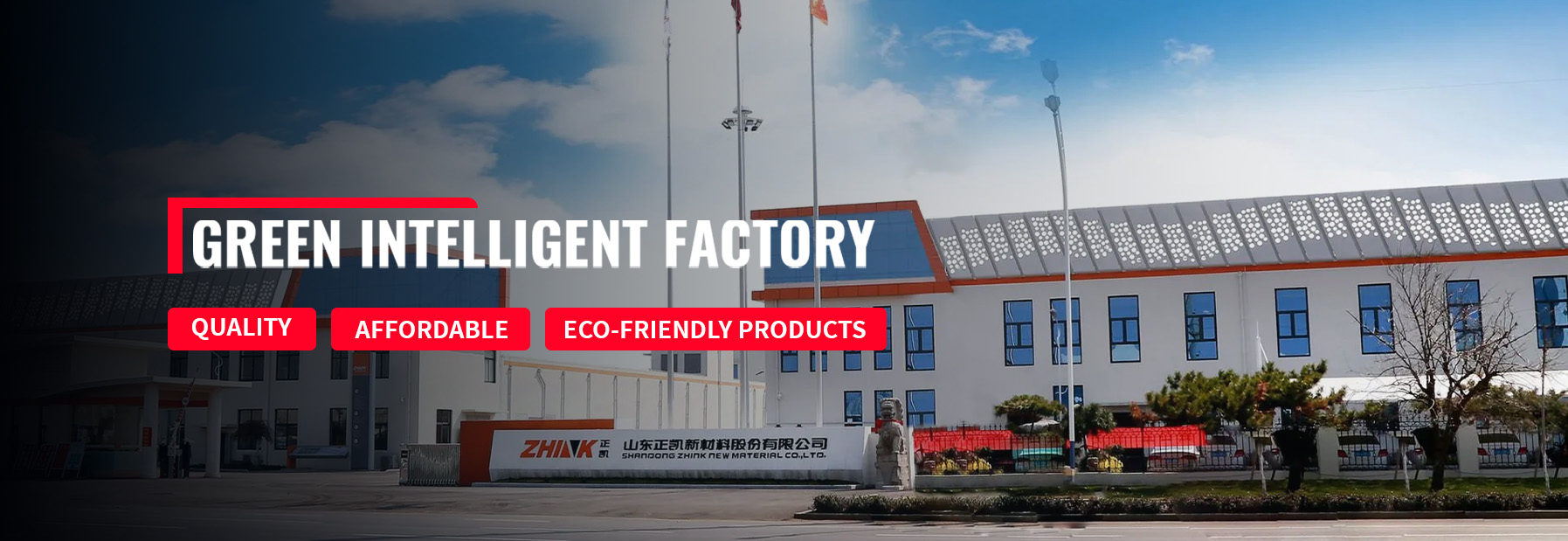
Why do manufacturers like SHANDONG ZHINK NEW MATERIAL CO., LTD favor 100% polyester spun yarn? The answer lies in its adaptability—it seamlessly integrates into diverse textile products, from apparel to home textiles. According to their website, Zhink New Material is deeply involved in the R&D of such innovations, illustrating its crucial role in advancing textile technology.
It's crucial to address the nuance between polyester staple fiber and spun yarn. The former is the raw material; the latter is the finished product ready for weaving or knitting. Often, clients struggle with this distinction during consultations, but it's a fundamental aspect for anyone invested in textile production.
Common Misconceptions and Practical Insights
One common misconception is assuming all polyester yarns behave the same. This isn't the case; even minor tweaks in the fiber blend or yarn twist can alter the fabric's properties significantly. I've seen projects where overlooking such details led to unexpected challenges in dye absorption or texture.
As someone who's spent years immersed in the textile world, I’ve learned that spinning quality can vary drastically. Equipment precision, humidity control, and fiber quality all influence the end product. It's not uncommon to observe how bobbin tensioning can result in subtle, yet impactful, differences in yarn consistency.
The hands-on aspect cannot be overstated. Even with the best machinery at SHANDONG ZHINK NEW MATERIAL CO., LTD, there's no replacing the tactile understanding that comes from handling materials directly—feeling that slight change in smoothness or elasticity tells a lot about the yarn's behavior during processing.
The Role of Innovation in Spun Yarn Development
In the dynamic landscape of textile materials, innovation is key. Companies like Zhink New Material are pushing the envelope with their focus on new developments. Innovations don't just stop at creating stronger or more flexible yarns—there's the environmental impact to consider too.
Efforts to produce more sustainable polyester spun yarns are ongoing. The integration of recycled fibers has been gaining traction, promising a reduction in ecological footprint. It's fascinating to watch how these advancements are received in the market, especially when balancing performance with sustainability.
Case studies highlight these shifts, where initiatives to use recycled fibers have successfully maintained product integrity while appealing to eco-conscious consumers. The balance achieved in such initiatives often requires tight collaboration between R&D and production teams—ensuring that new materials can meet existing consumer expectations.
Addressing Production Challenges
The production of 100% polyester spun yarn isn't without its challenges. Seasonal changes can affect fiber supply, causing shifts in production scheduling and inventory management. Experienced producers, like those at Zhink New Material, mitigate these issues with strategic raw material sourcing and adaptive production processes.
Equipment maintenance is another critical component. Regular checks and upgrading of machinery ensure that the spinning process remains efficient and productive. Machinery halts due to overlooked maintenance can disrupt entire production lines, an aspect often underestimated by newer entrants in the industry.
There’s a delicate equilibrium between maintaining large quantities in stock to meet demand and minimizing excess inventory. This balance is even more critical as consumer demands fluctuate frequently, requiring keen market insights and agile responses to ensure product availability.
The Future of Polyester Spun Yarn
Looking ahead, polyester spun yarn will continue to evolve with technological advancements. Smart textiles are on the horizon, integrating electronics into traditional fabrics. Although still a burgeoning field, it's a thrilling area where spun yarn could play a part.
There's also an increasing shift towards customization, allowing more tailored yarn properties for specific applications. This personalization meets diverse consumer needs, transforming how we perceive and utilize textiles.
Ultimately, the journey of 100% polyester spun yarn is far from over. Companies actively investing in research, like Zhink New Material, positioned at their website, are leading this frontier, blending tradition with innovation, ensuring this material remains at the forefront of the textile industry.
Related Products
Related Products