+86-632-3621866
- Chinese
- French
- German
- Portuguese
- Spanish
- Russian
- Japanese
- Korean
- Arabic
- Irish
- Greek
- Turkish
- Italian
- Danish
- Romanian
- Indonesian
- Czech
- Afrikaans
- Swedish
- Polish
- Basque
- Catalan
- Esperanto
- Hindi
- Lao
- Albanian
- Amharic
- Armenian
- Azerbaijani
- Belarusian
- Bengali
- Bosnian
- Bulgarian
- Cebuano
- Chichewa
- Corsican
- Croatian
- Dutch
- Estonian
- Filipino
- Finnish
- Frisian
- Galician
- Georgian
- Gujarati
- Haitian
- Hausa
- Hawaiian
- Hebrew
- Hmong
- Hungarian
- Icelandic
- Igbo
- Javanese
- Kannada
- Kazakh
- Khmer
- Kurdish
- Kyrgyz
- Latin
- Latvian
- Lithuanian
- Luxembou..
- Macedonian
- Malagasy
- Malay
- Malayalam
- Maltese
- Maori
- Marathi
- Mongolian
- Burmese
- Nepali
- Norwegian
- Pashto
- Persian
- Punjabi
- Serbian
- Sesotho
- Sinhala
- Slovak
- Slovenian
- Somali
- Samoan
- Scots Gaelic
- Shona
- Sindhi
- Sundanese
- Swahili
- Tajik
- Tamil
- Telugu
- Thai
- Ukrainian
- Urdu
- Uzbek
- Vietnamese
- Welsh
- Xhosa
- Yiddish
- Yoruba
- Zulu
- Kinyarwanda
- Tatar
- Oriya
- Turkmen
- Uyghur


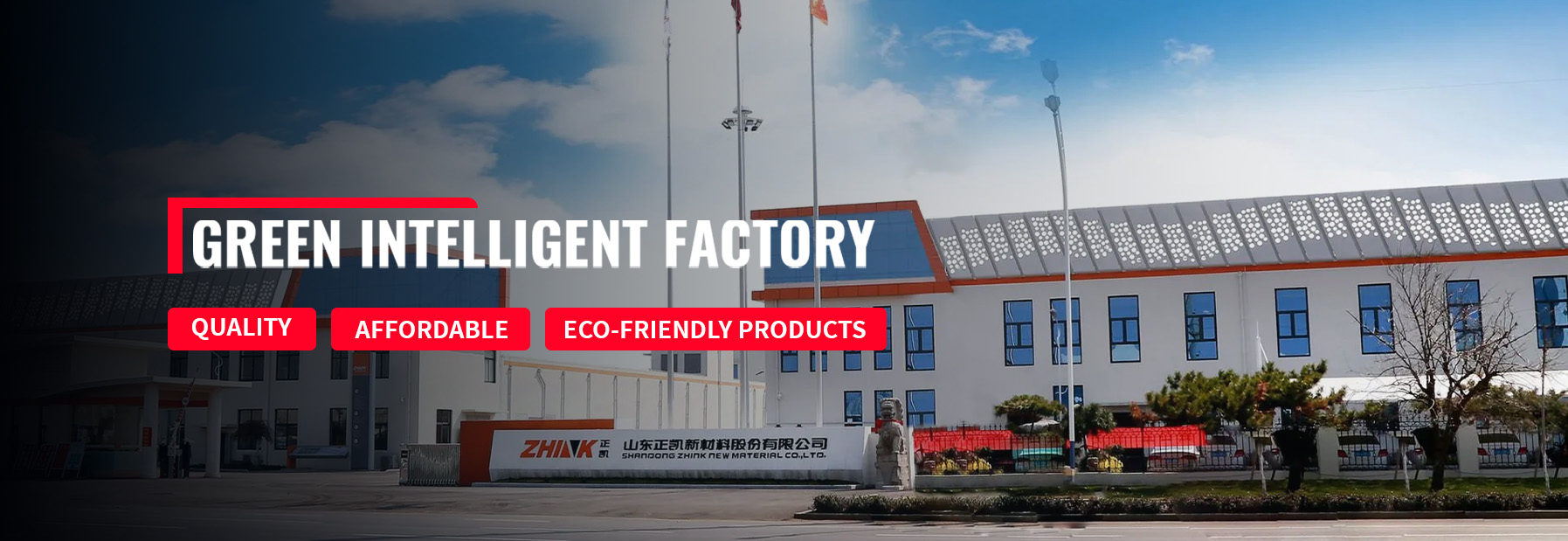
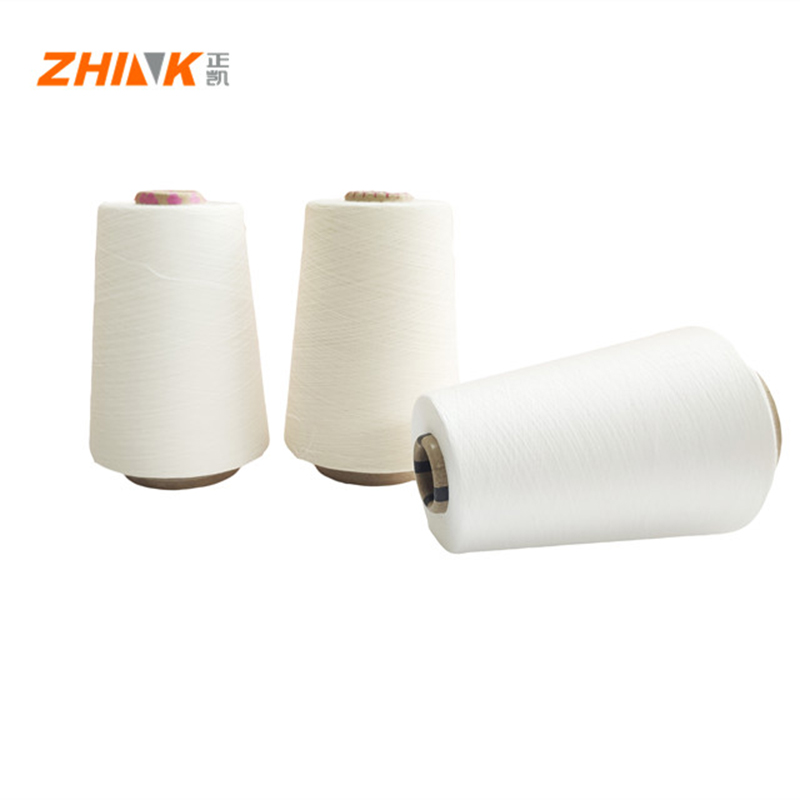
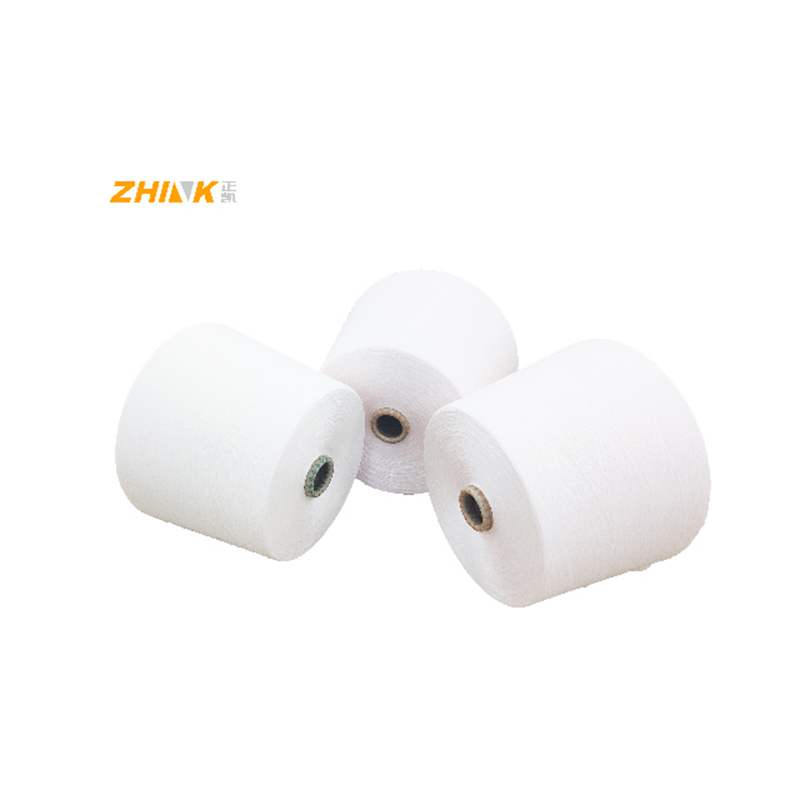
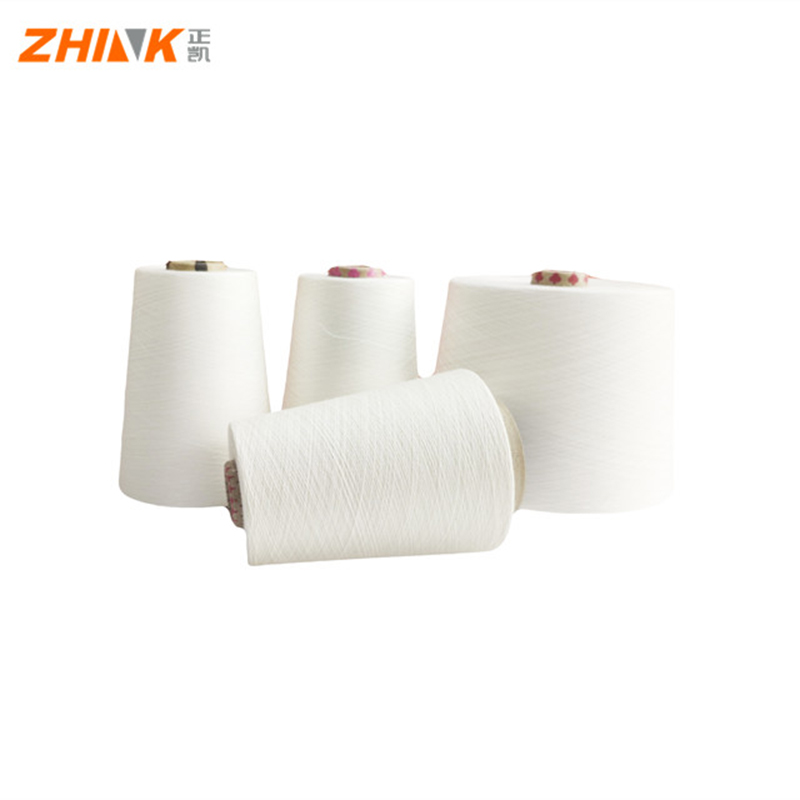
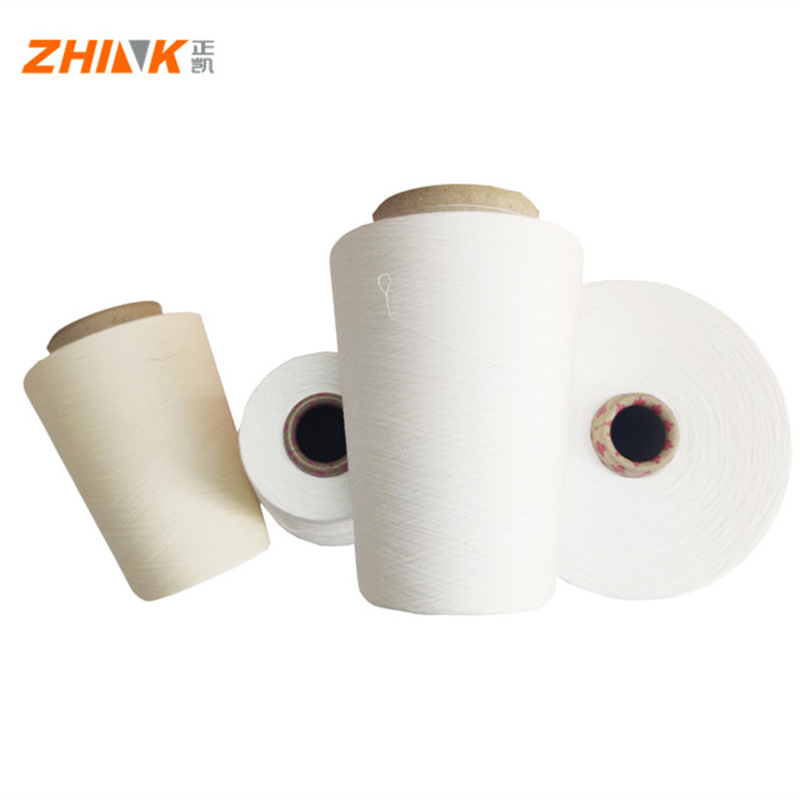
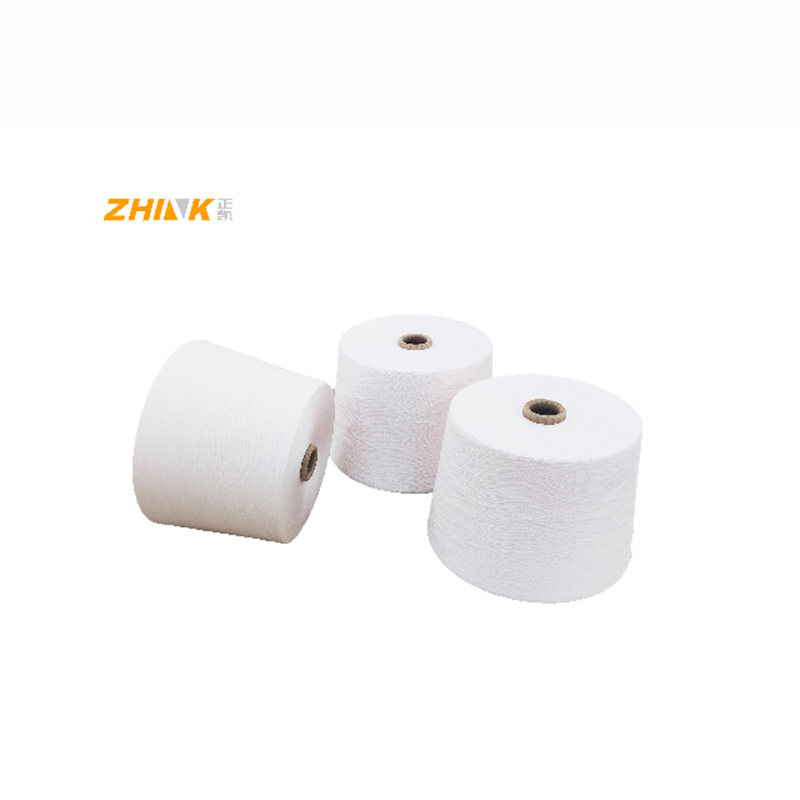
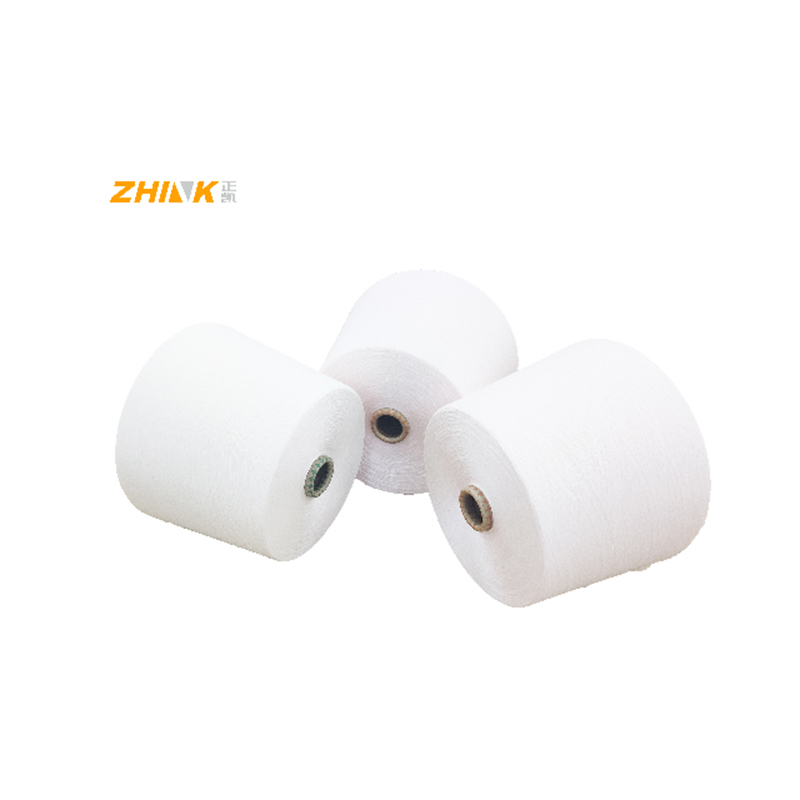
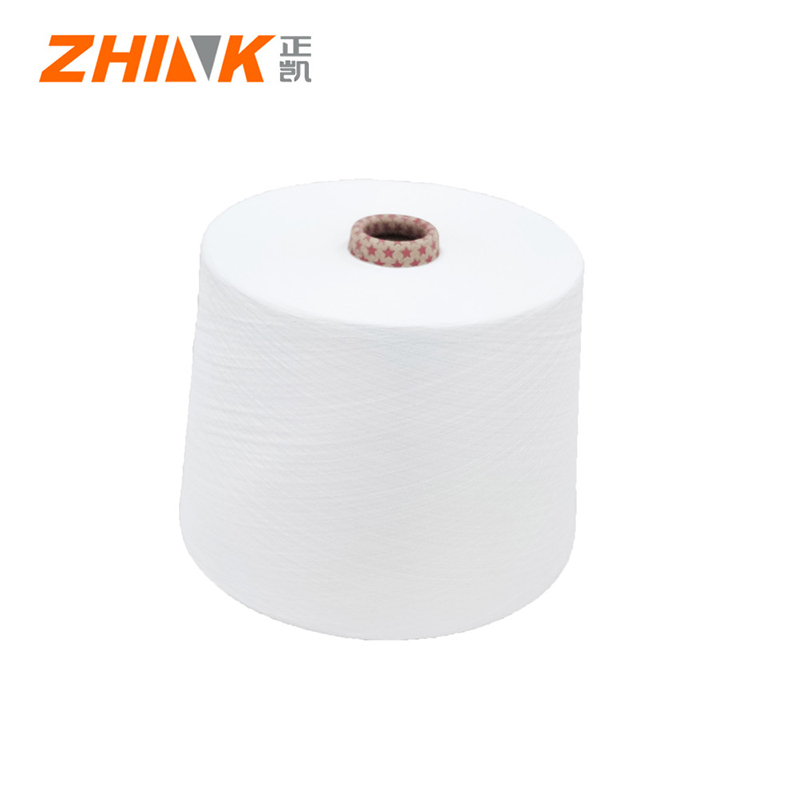
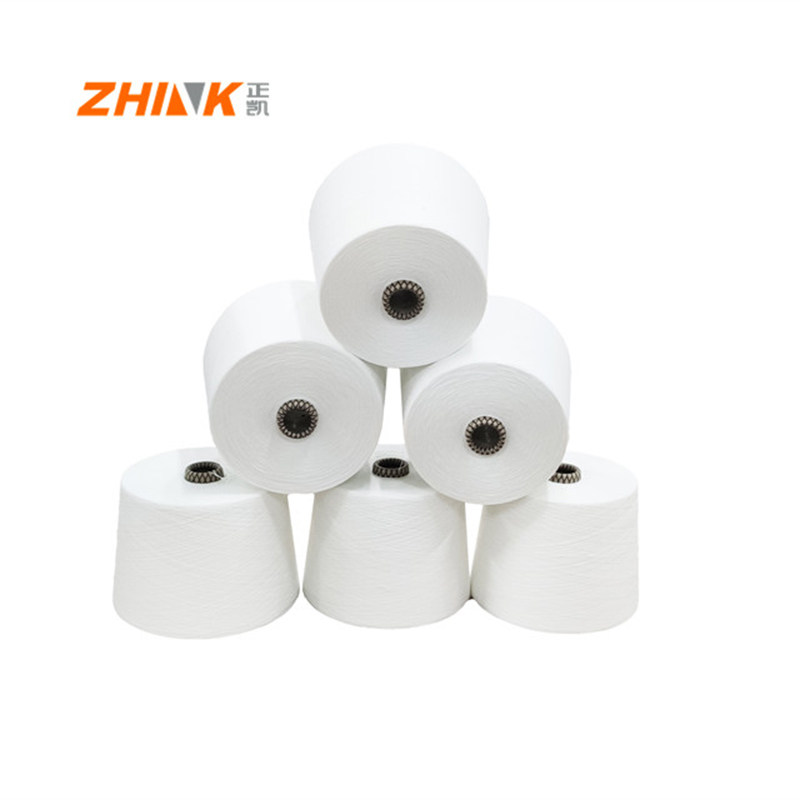
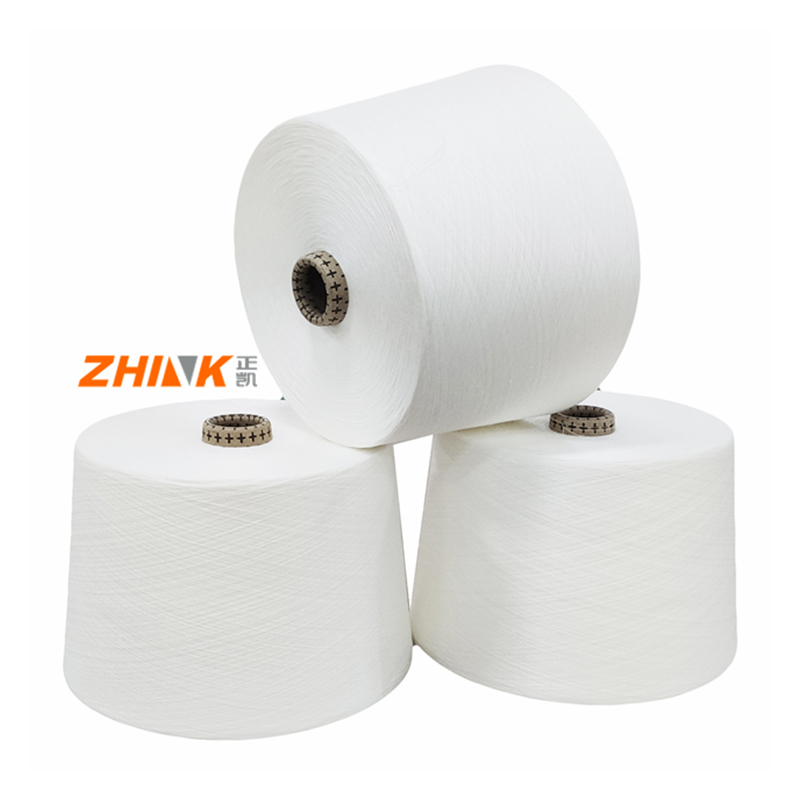
100% Recycled polyester MVS
Understanding 100% Recycled Polyester MVS: A Practical Perspective
Recycled polyester, especially the 100% Recycled polyester MVS, is gaining traction due to its sustainable benefits. However, there’s more beneath the surface—like how it performs in real-world applications. Let's explore this, drawing from industry practices and personal experiences.
The Basics of Recycled Polyester
At its core, 100% Recycled polyester MVS is produced from post-consumer recycled materials like plastic bottles. The idea is simple but effective—reuse what we've already used. But the devil is in the details, as they say. Not all recycled fibers perform identically, and MVS technology plays a crucial role here.
MVS, or Murata Vortex Spinning, is a method that creates a yarn that’s smoother and more consistent. In practice, I've noticed that fabrics made with this technology tend to pill less and last longer, which is a big plus for manufacturers prioritizing quality. It’s fascinating to see how these technical aspects translate to tangible benefits in terms of product longevity and customer satisfaction.
People often assume recycled means inferior, but in reality, products from Zhink New Material are proving otherwise. Their dedication to quality extends through rigorous research and innovation, aligned with a global push towards cleaner technologies.
Challenges Faced in Production
Producing 100% Recycled polyester MVS isn’t without its hurdles. One significant challenge lies in consistent quality. When working with post-consumer materials, contaminant levels can vary, affecting the final product. Ensuring uniformity demands meticulous attention to process control.
I recall a specific project where maintaining color consistency was particularly tricky. The impurities in the recycled input sporadically led to shade variations, leading to additional rounds of dyeing. Lessons learned? A better preprocessing stage and stricter sorting criteria work wonders.
Another challenge is market perception. Despite growing awareness, recycled materials often still carry a stigma of reduced quality. Educating the market, therefore, becomes as crucial as the technical refining of the product itself.
Market Position and Industry Impact
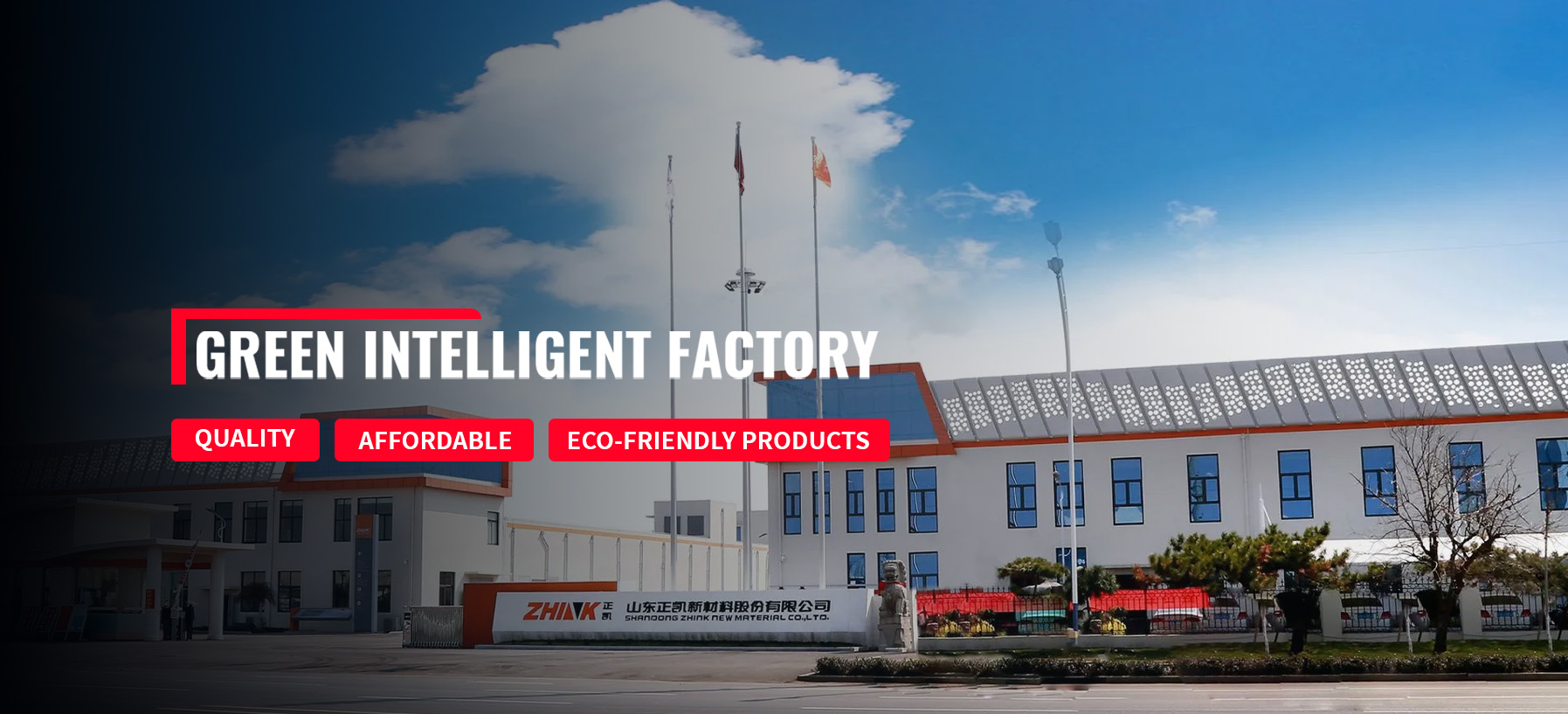
The adoption of items like 100% Recycled polyester MVS is vital in the global move towards sustainability. Companies like SHANDONG ZHINK NEW MATERIAL CO., LTD are at the forefront, leveraging their site https://www.zhinkyarn.com to drive material innovations. Their efforts are slowly reshaping the industry standards.
From personal interactions with industry colleagues, skepticism about durability persists. Yet, when MVS spun polyester blends were demonstrated, many were surprised at how effectively they replicated conventional textures—sometimes even outperforming them in stress tests.
Industry-wide acceptance seems to be a matter of when, not if. With more data and case studies emerging, the hesitance is gradually being replaced by cautious optimism among manufacturers and retailers alike.
Applications in Real-World Scenarios
In practical terms, the versatility of 100% Recycled polyester MVS doesn’t go unnoticed. From apparel to home textiles, the applications are broad. An interesting observation in one of our studies was its performance in activewear. The moisture-wicking properties held up under intense conditions.
Though it's spectacular for high-performance products, transitioning it to everyday wear reveals its adaptability—another hat-tip to the developments by Zhink New Material. Their advancements are driving better consumer products that uphold sustainability ideals.
Real-world testing revealed varying results, but consistently, the recycled material performed up to par, if not better, than virgin polyester. When harnessed correctly, the applications promise a promising trajectory for both manufacturers and environmentally-conscious consumers.
Future Prospects and Developments
Looking ahead, the advancements in 100% Recycled polyester MVS offer promising prospects. As demand for sustainable materials grows, continuous innovation will play a pivotal role in defining industry directions. Companies like Zhink are spearheading efforts through ongoing research and development, laying down a path for future explorations.
The potential for creating new fabric blends with improved textural and functional properties is vast. Encouragingly, industry forums are increasingly spotlighting these initiatives, boosting visibility and validating their critical role in sustainable sourcing.
Given these trends, it's a thrilling time to be part of this textiles transformation journey, one that underscores both ecological responsibility and innovative spirit.
Related Products
Related Products