+86-632-3621866
- Chinese
- French
- German
- Portuguese
- Spanish
- Russian
- Japanese
- Korean
- Arabic
- Irish
- Greek
- Turkish
- Italian
- Danish
- Romanian
- Indonesian
- Czech
- Afrikaans
- Swedish
- Polish
- Basque
- Catalan
- Esperanto
- Hindi
- Lao
- Albanian
- Amharic
- Armenian
- Azerbaijani
- Belarusian
- Bengali
- Bosnian
- Bulgarian
- Cebuano
- Chichewa
- Corsican
- Croatian
- Dutch
- Estonian
- Filipino
- Finnish
- Frisian
- Galician
- Georgian
- Gujarati
- Haitian
- Hausa
- Hawaiian
- Hebrew
- Hmong
- Hungarian
- Icelandic
- Igbo
- Javanese
- Kannada
- Kazakh
- Khmer
- Kurdish
- Kyrgyz
- Latin
- Latvian
- Lithuanian
- Luxembou..
- Macedonian
- Malagasy
- Malay
- Malayalam
- Maltese
- Maori
- Marathi
- Mongolian
- Burmese
- Nepali
- Norwegian
- Pashto
- Persian
- Punjabi
- Serbian
- Sesotho
- Sinhala
- Slovak
- Slovenian
- Somali
- Samoan
- Scots Gaelic
- Shona
- Sindhi
- Sundanese
- Swahili
- Tajik
- Tamil
- Telugu
- Thai
- Ukrainian
- Urdu
- Uzbek
- Vietnamese
- Welsh
- Xhosa
- Yiddish
- Yoruba
- Zulu
- Kinyarwanda
- Tatar
- Oriya
- Turkmen
- Uyghur


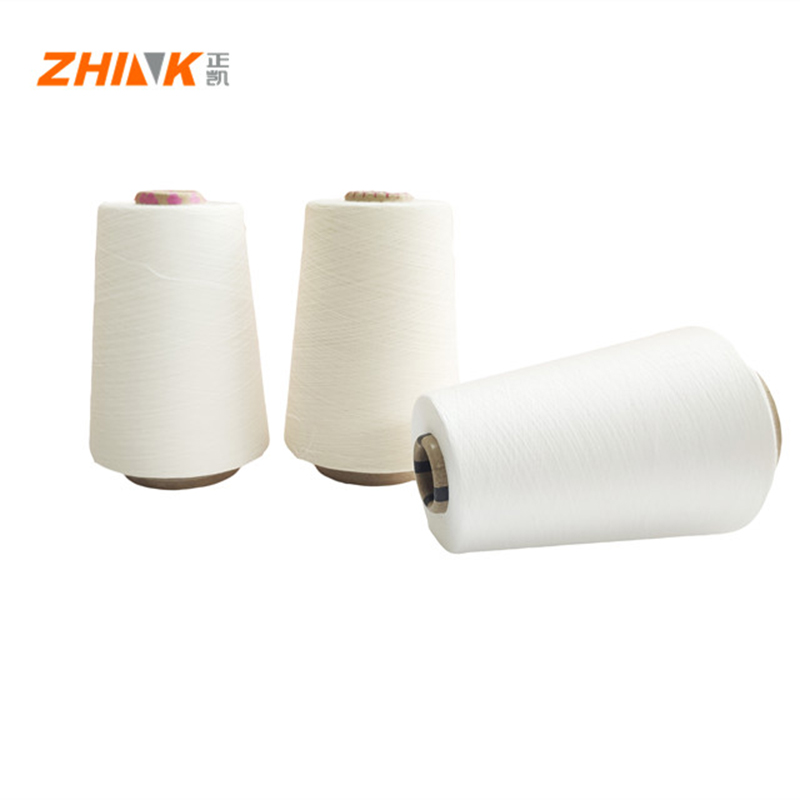
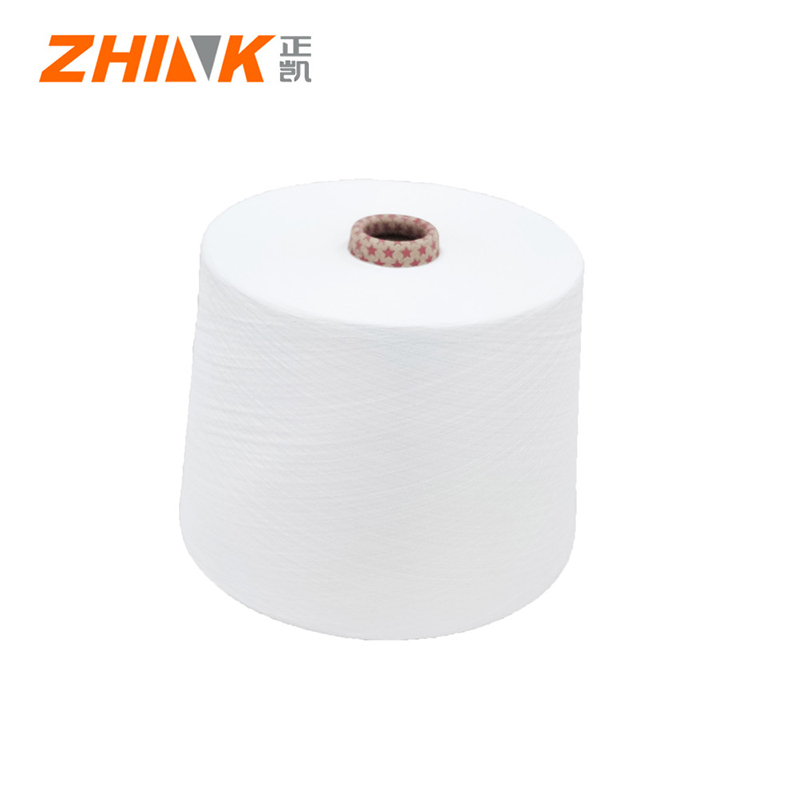
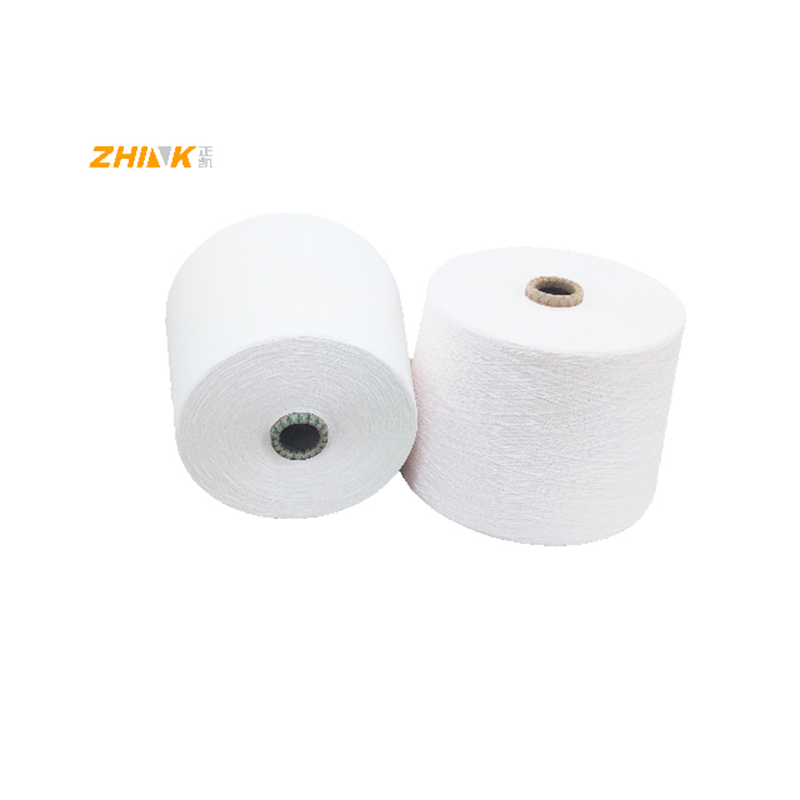
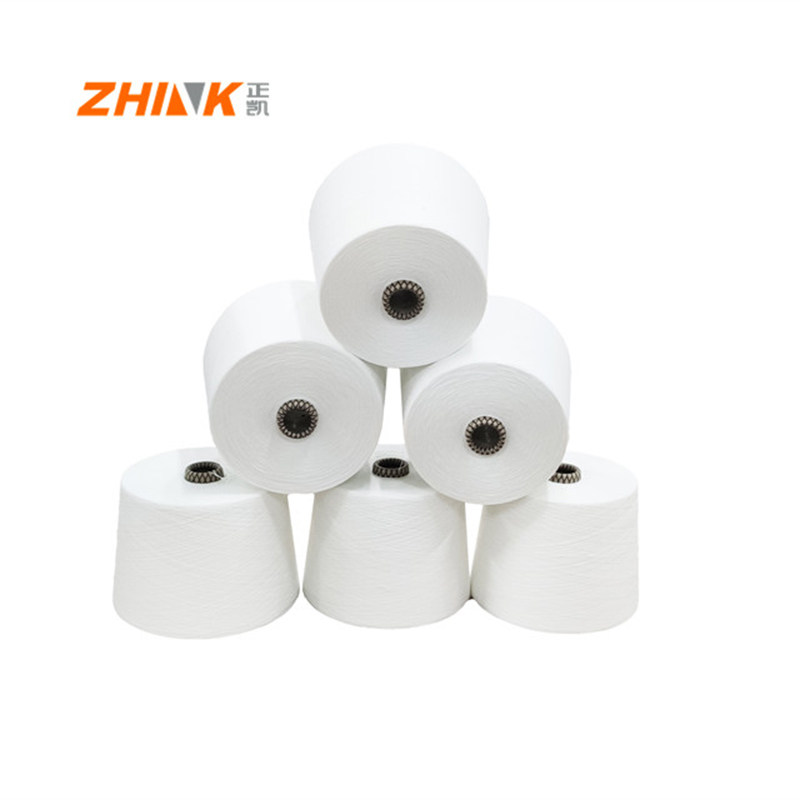
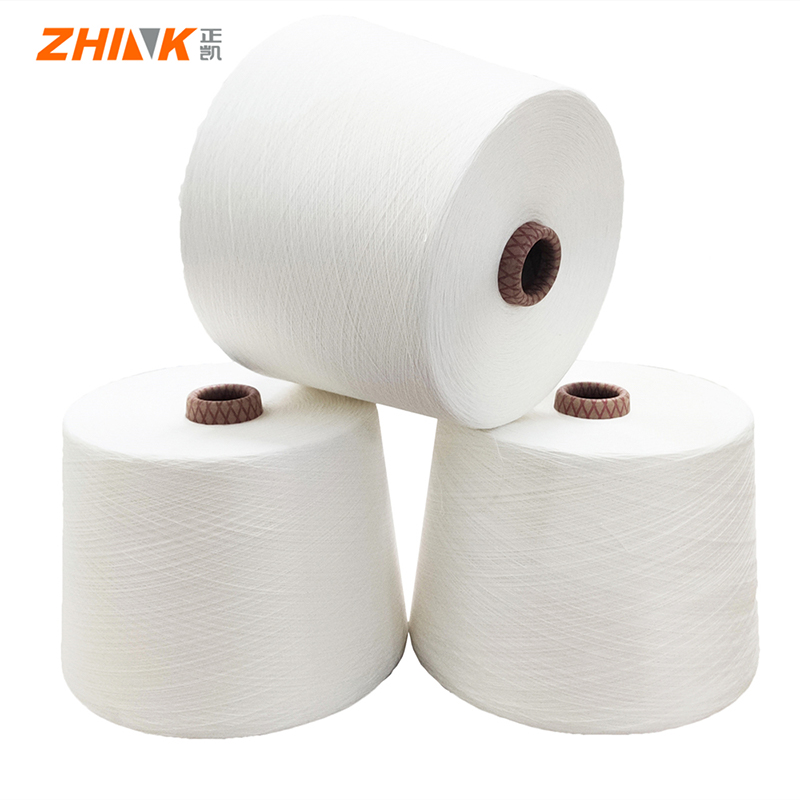
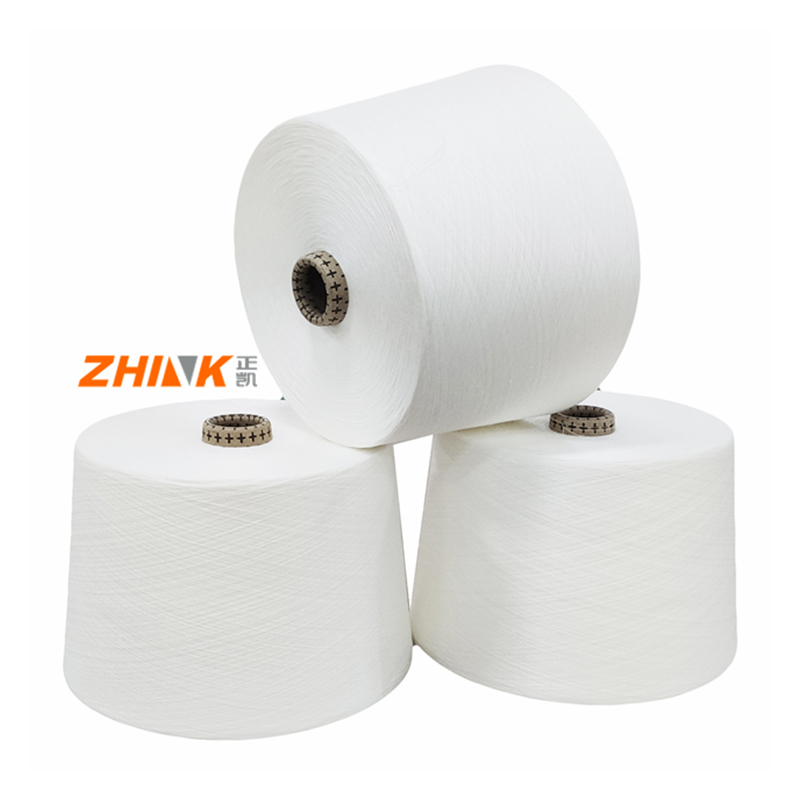
100% Recycled polyester ring
Unveiling the Potential of 100% Recycled Polyester Rings
Exploring the world of 100% recycled polyester rings opens doors to sustainable solutions in the textile industry. Misunderstandings abound—does recycled mean lesser quality? Or is it a game-changer? Let's dive into the real deal.
The Truth Behind Recycled Polyester
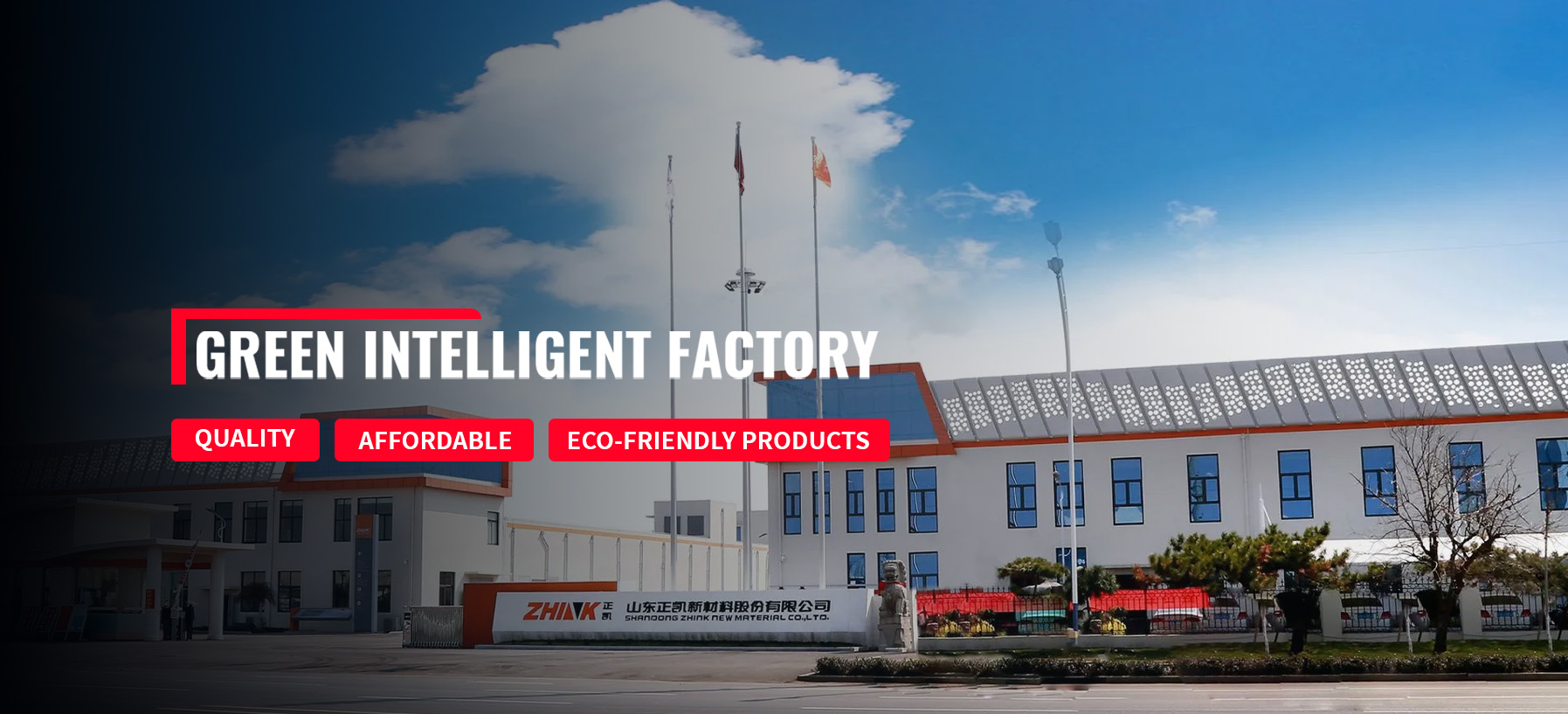
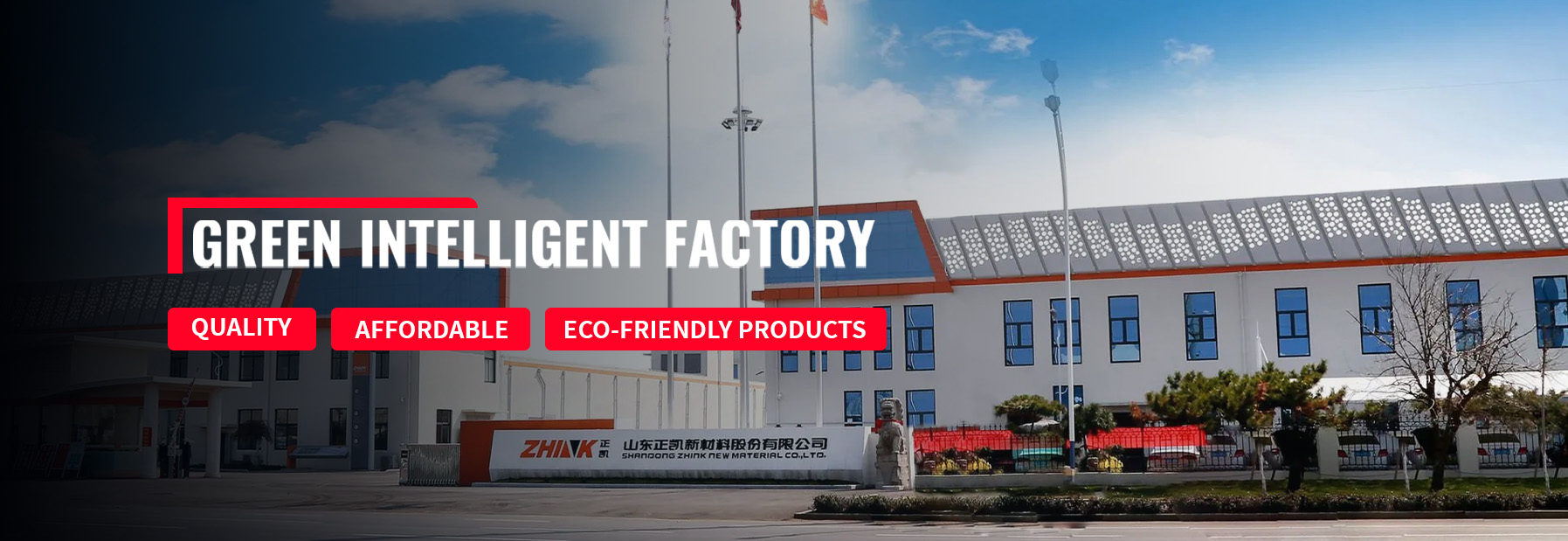
Many assume that recycled materials might compromise on quality. In my experience, especially working with companies like SHANDONG ZHINK NEW MATERIAL CO., LTD, this is far from true. When you walk through their facilities or explore their website at Zhink Yarn, you'll see technology that enhances both sustainability and functionality.
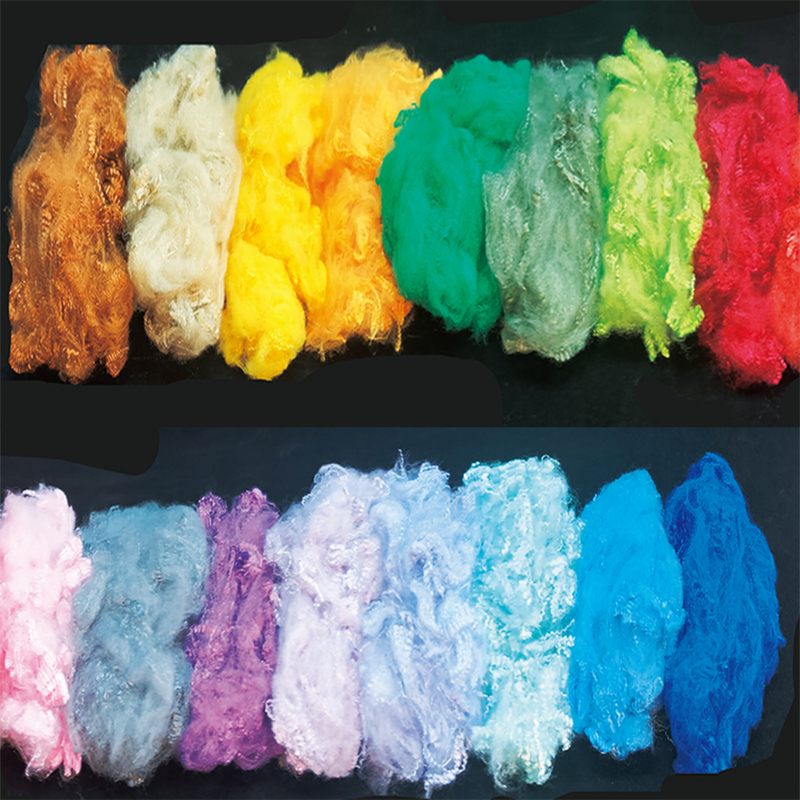
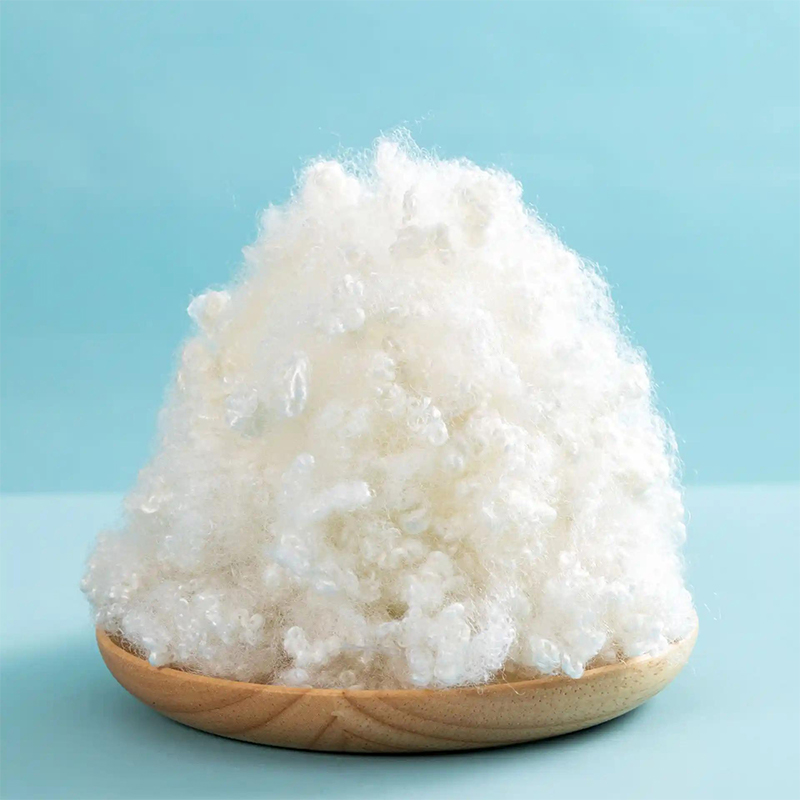
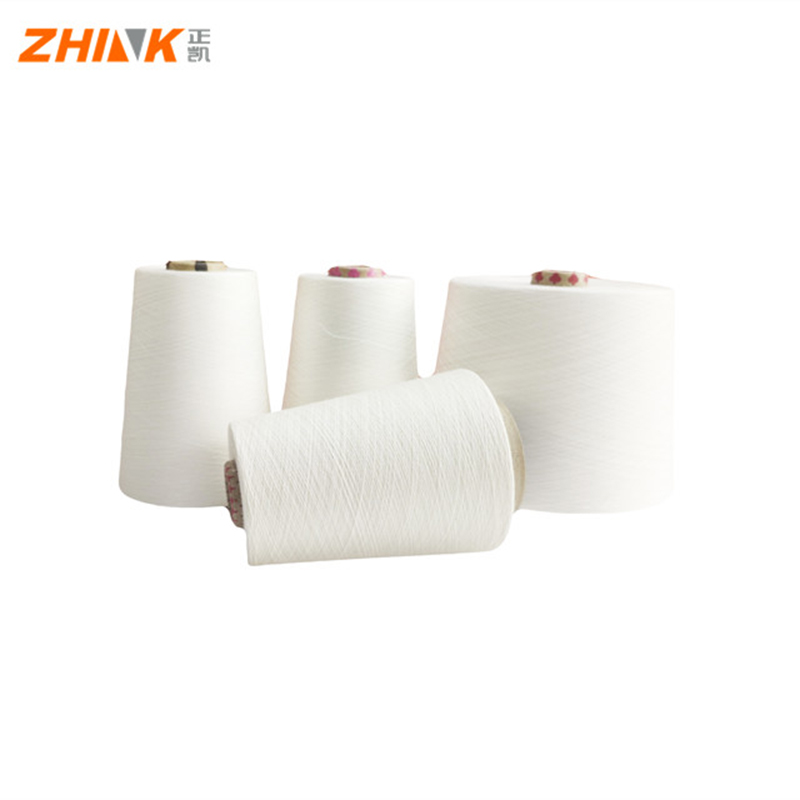
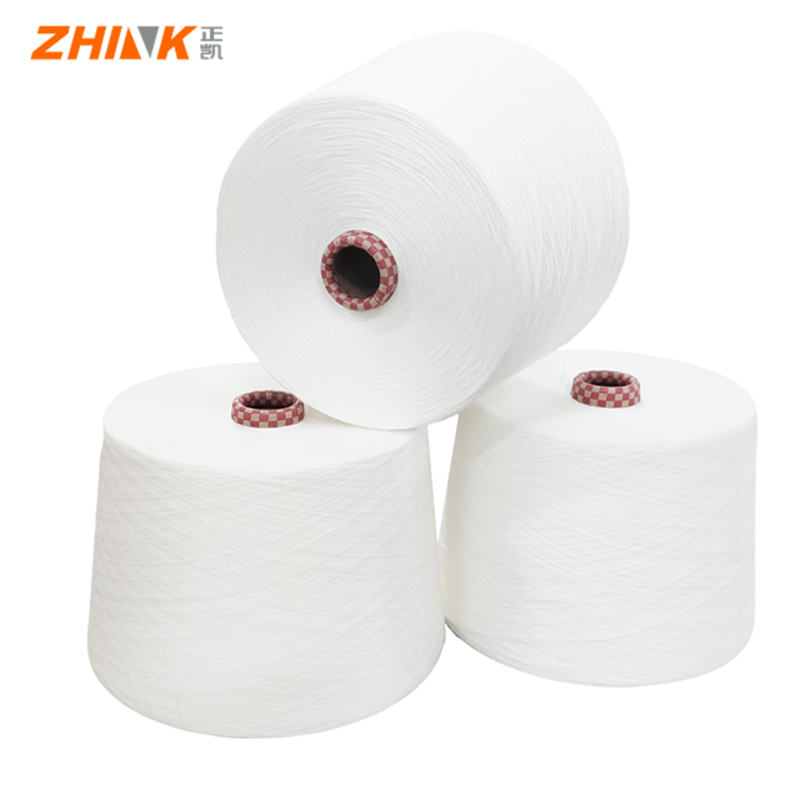
Recycled polyester is crafted through an intricate process, transforming plastic waste into usable textile fibers. The significant challenge lies in maintaining the fiber's integrity. That's where expertise and innovation make the difference. A veteran in this arena, Zhink New Material's approach is thorough and detail-oriented, ensuring that every batch meets strict standards.
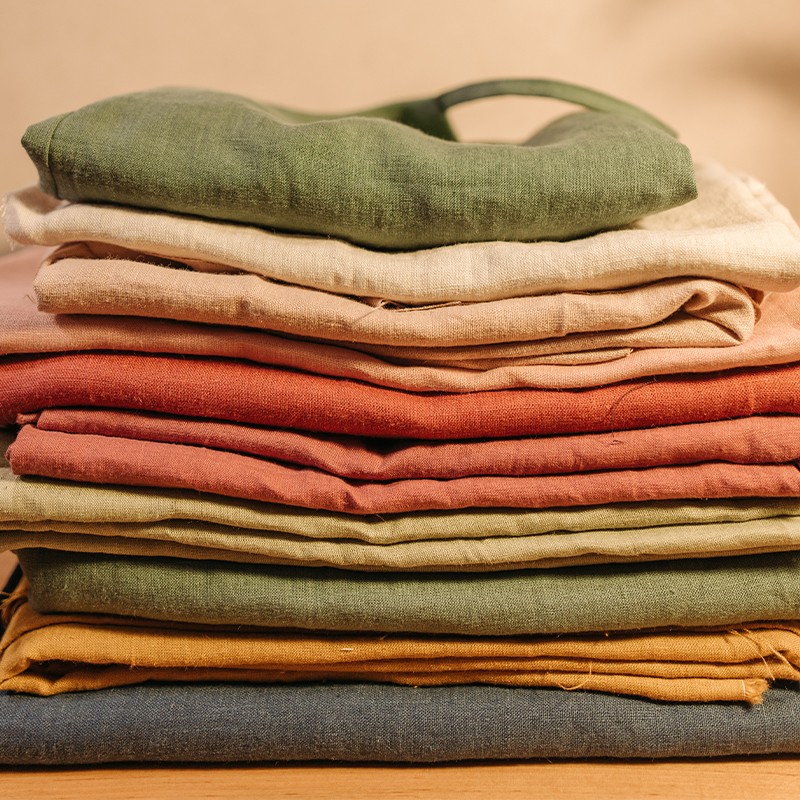
Real-world cases reveal fascinating outcomes: garments made from recycled polyester often match, if not surpass, conventional options in durability. The ring-spinning process lends itself well to these fibers—producing yarns that perform superbly under diverse conditions. From sportswear to everyday apparel, these materials are proving their worth.
Environmental Impact and Market Response
The environmental implications of using 100% recycled polyester rings are profound. Reducing landfill waste and lowering energy consumption during production are just the start. Yet, challenges persist—how to scale these benefits universally? That's the broader conversation among industry players.
Market response has been encouraging. Consumers are increasingly seeking out sustainable options, and companies that fulfill this demand are experiencing considerable growth. Zhink New Material exemplifies how embracing sustainability can align with business objectives effectively.
However, there are hurdles. Educating consumers about the real benefits of recycled materials and combating preconceived notions remains a crucial task. It's an ongoing effort that requires clear communication and authentic case studies.
Technical Challenges in Production
The technical side of producing 100% recycled polyester rings is not without its trials. Ensuring consistency in fiber quality from batch to batch can be demanding. I've seen firsthand how fluctuations in raw material purity can impact spinning outcomes.
In practice, companies like Zhink exercise stringent quality controls. Each step, from sourcing to final production, is meticulously monitored. Yet, unexpected issues can still arise: machine calibration may drift, or slight variations in material composition can occur.
Addressing these requires a combination of skilled workforce and adaptive technology. It’s an evolving landscape—often, solutions are crafted on the fly, driven by both science and experience. Real-world textile production is as much art as it is science.
Case Studies and Real-World Applications
Looking at successful applications offers invaluable insights. I've observed projects where recycled polyester rings make significant headway, especially in durable goods. Activewear brands, in particular, have benefited due to the material's excellent moisture-wicking properties.
Additionally, these fabrics have been tapping into emerging trends, like outdoor gear that promises sustainability without sacrificing performance. The rigorous demands of this sector highlight the material’s robustness against wear and tear.
Such cases underscore the versatility of recycled polyester and its vital role in pushing the boundaries of traditional textile applications. Embracing these materials reflects a commitment to innovation and sustainability, resonating deeply with modern consumers.
The Future of Recycled Polyester
What lies ahead for 100% recycled polyester rings? The future appears promising. As the technology progresses, we can expect further enhancements in fiber strength and elasticity. Companies like Zhink New Material will likely spearhead this evolution—pioneering developments that redefine industry benchmarks.
Crucially, collaboration is key. Connecting with stakeholders across the supply chain ensures that sustainable practices are both feasible and impactful. The conversation is ongoing, with input needed from environmental scientists, business strategists, and textile engineers alike.
Ultimately, the potential of recycled polyester is boundless. It’s about harnessing innovative processes while navigating real-world complexities. Each step forward buys a little more time for our planet—making it a journey worth investing in.
Related Products
Related Products