+86-632-3621866
- Chinese
- French
- German
- Portuguese
- Spanish
- Russian
- Japanese
- Korean
- Arabic
- Irish
- Greek
- Turkish
- Italian
- Danish
- Romanian
- Indonesian
- Czech
- Afrikaans
- Swedish
- Polish
- Basque
- Catalan
- Esperanto
- Hindi
- Lao
- Albanian
- Amharic
- Armenian
- Azerbaijani
- Belarusian
- Bengali
- Bosnian
- Bulgarian
- Cebuano
- Chichewa
- Corsican
- Croatian
- Dutch
- Estonian
- Filipino
- Finnish
- Frisian
- Galician
- Georgian
- Gujarati
- Haitian
- Hausa
- Hawaiian
- Hebrew
- Hmong
- Hungarian
- Icelandic
- Igbo
- Javanese
- Kannada
- Kazakh
- Khmer
- Kurdish
- Kyrgyz
- Latin
- Latvian
- Lithuanian
- Luxembou..
- Macedonian
- Malagasy
- Malay
- Malayalam
- Maltese
- Maori
- Marathi
- Mongolian
- Burmese
- Nepali
- Norwegian
- Pashto
- Persian
- Punjabi
- Serbian
- Sesotho
- Sinhala
- Slovak
- Slovenian
- Somali
- Samoan
- Scots Gaelic
- Shona
- Sindhi
- Sundanese
- Swahili
- Tajik
- Tamil
- Telugu
- Thai
- Ukrainian
- Urdu
- Uzbek
- Vietnamese
- Welsh
- Xhosa
- Yiddish
- Yoruba
- Zulu
- Kinyarwanda
- Tatar
- Oriya
- Turkmen
- Uyghur



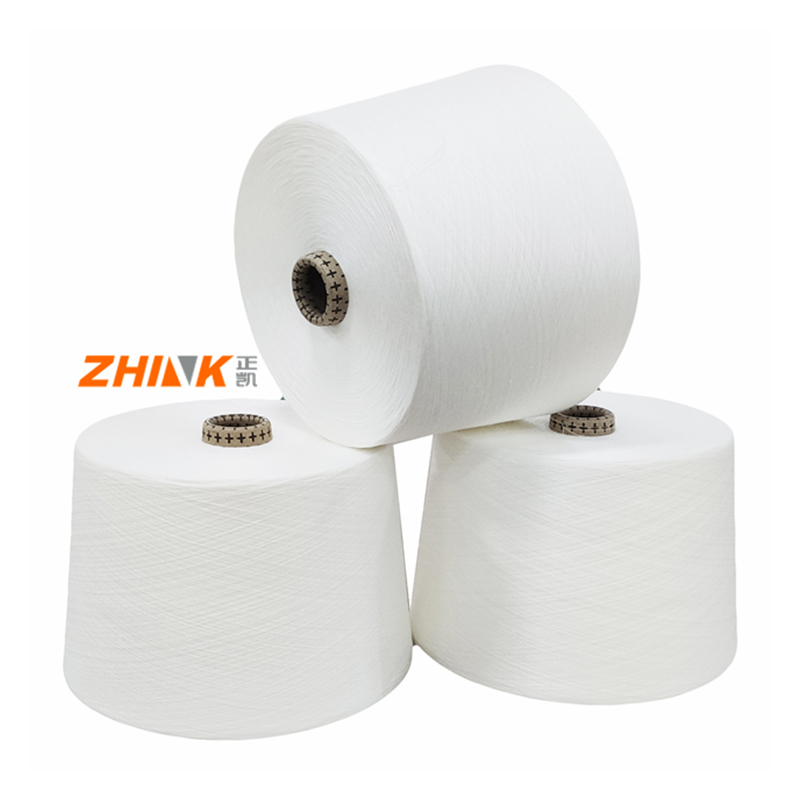
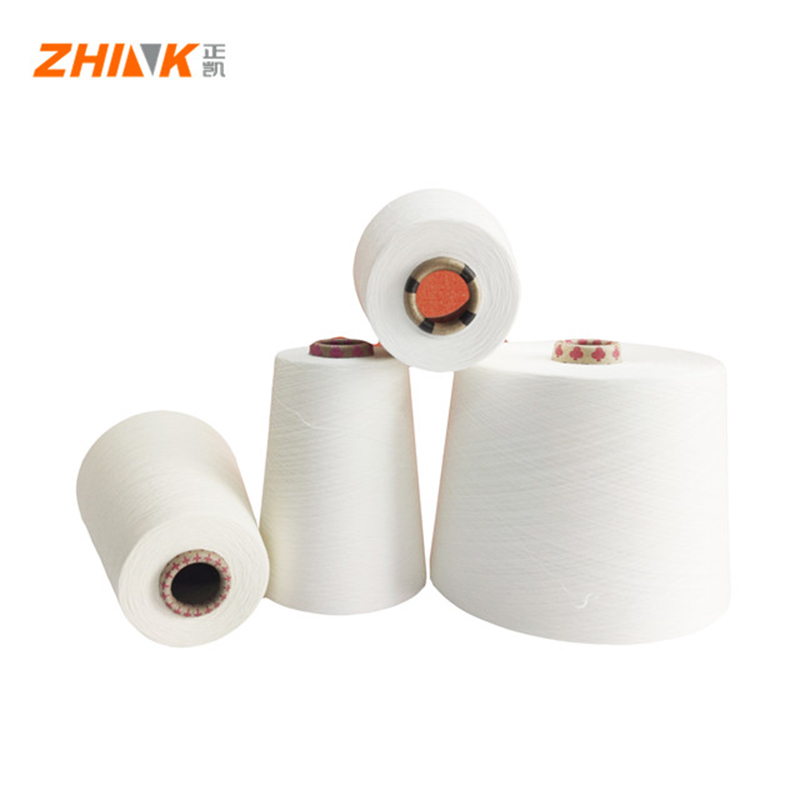
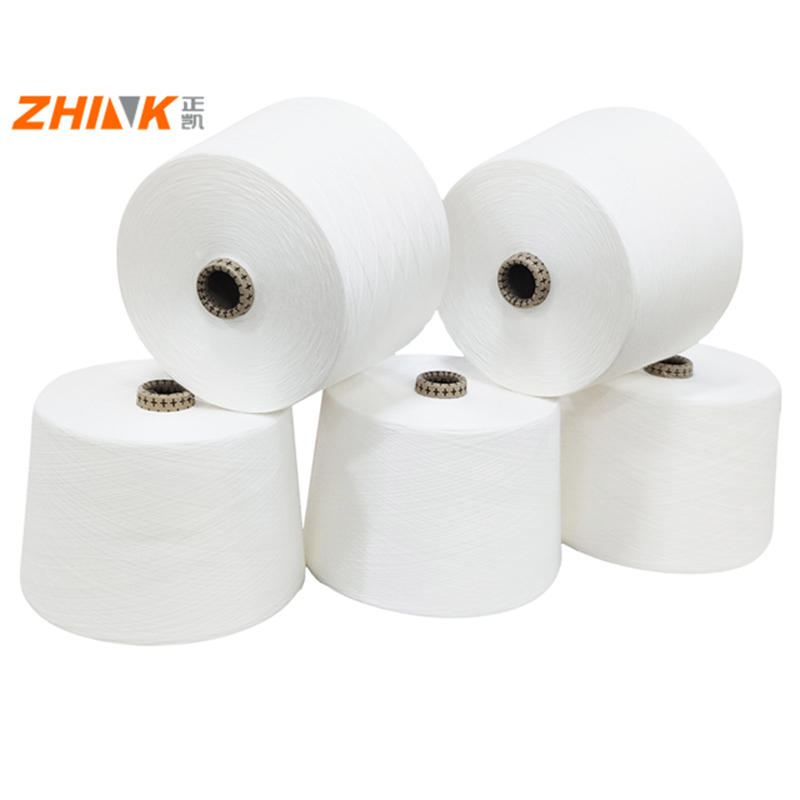
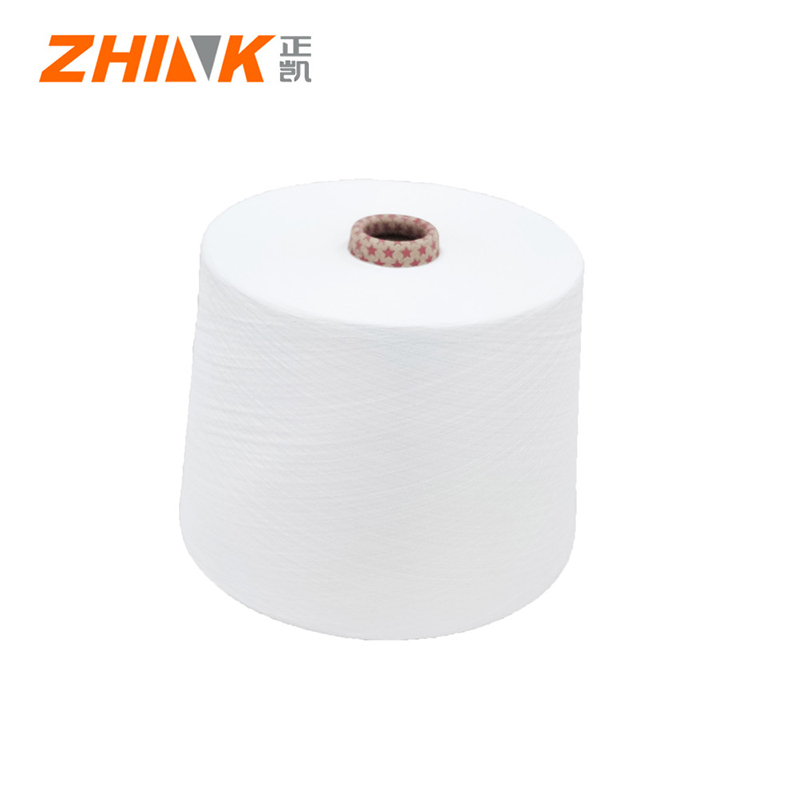
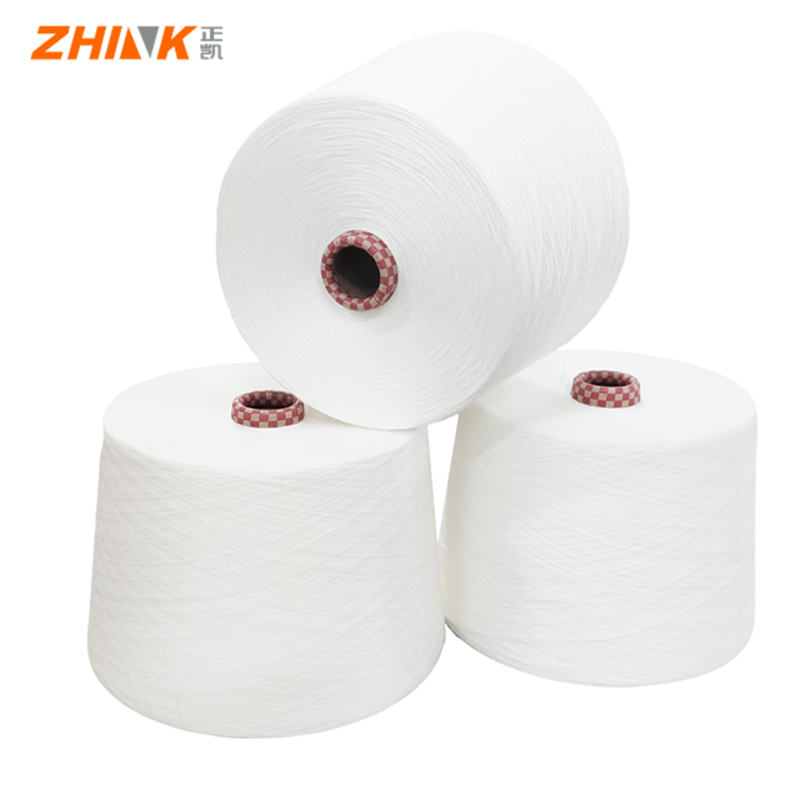
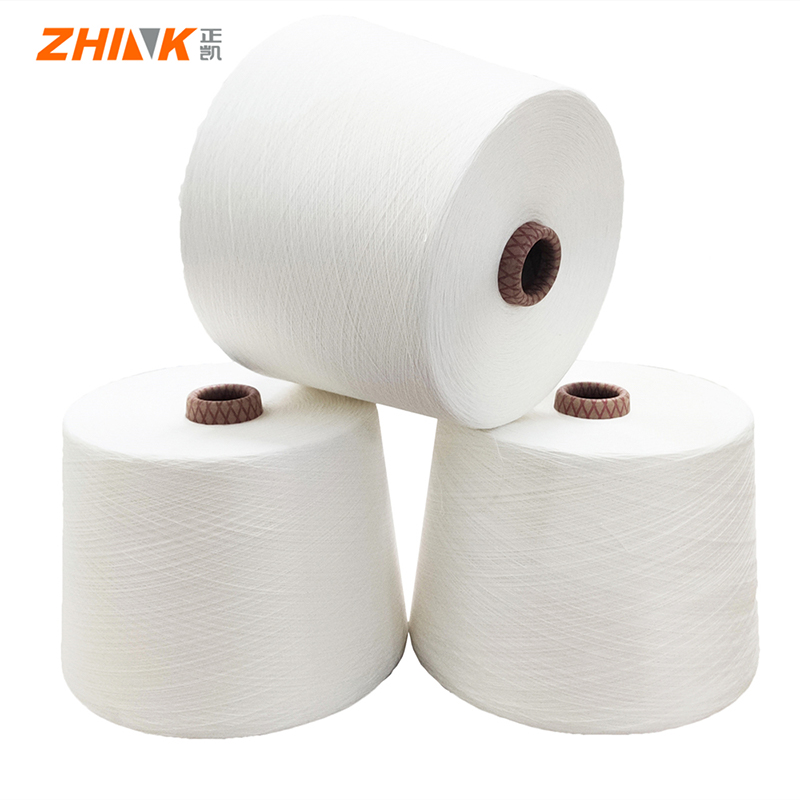
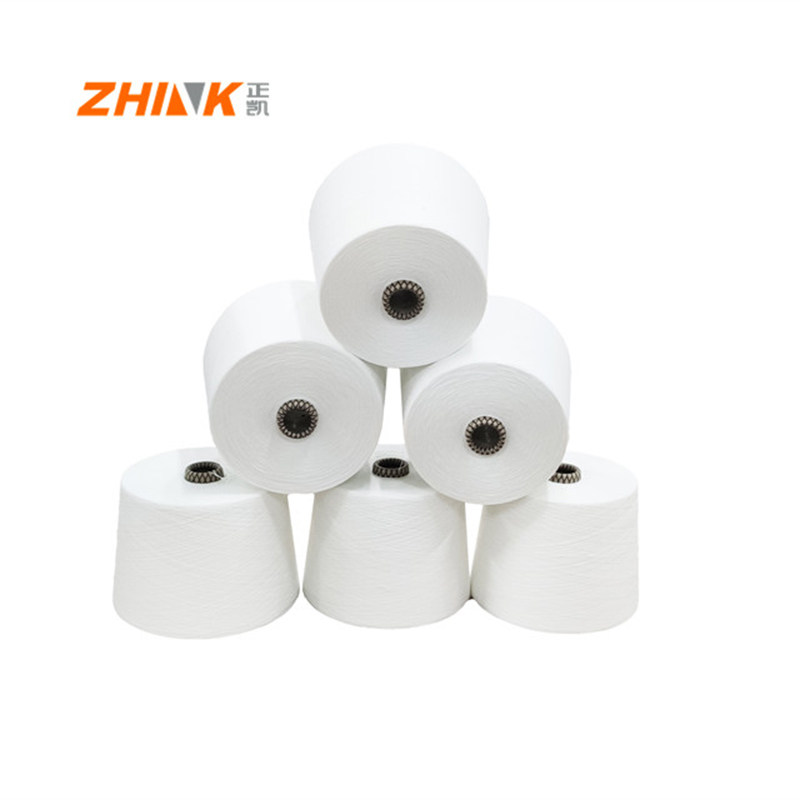
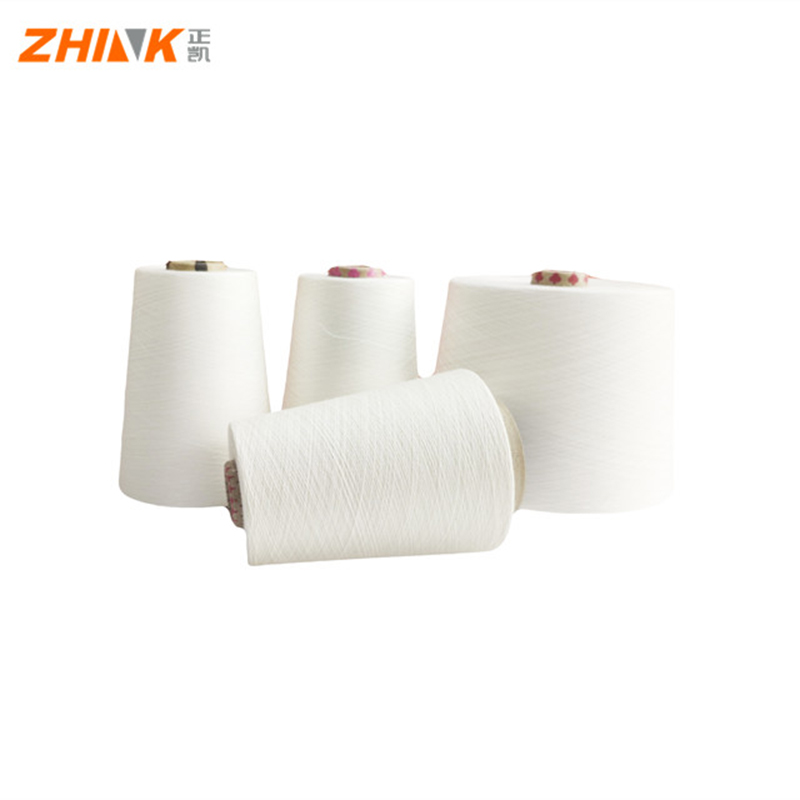
100% Recycled polyester siro compact
The Journey of 100% Recycled Polyester Siro Compact Yarn
Exploring the nuances of 100% recycled polyester siro compact yarn uncovers a world where sustainability meets innovation. This isn’t just about repurposing plastic bottles; it's about transforming perceptions and practices in the textile industry. And who better to delve into this than those who've got their hands dirty in the field?
Understanding the Basics: What Exactly Is Siro Compact?
Some might think of recycled polyester as something subpar, a compromise to reduce plastic waste. But when you start working with these materials, particularly siro compact yarn, a new appreciation emerges. Siro spinning introduces twist to the fibers in a way that enhances strength and reduces hairiness—a game-changer for those finicky about fabric texture and durability.
By using 100% recycled polyester, companies like SHANDONG ZHINK NEW MATERIAL CO., LTD are stepping beyond the realm of traditional fabrics. Their expertise is evident in the refinement of these materials. When I first came across their products through their website, I realized how R&D can elevate recycled materials to rival virgin ones.
One common misconception is that recycled equals rough. I’ve seen firsthand how meticulous processing can debunk this myth. Think of it as witnessing a vintage car restoration—taking something old and refining it into a masterpiece.
Challenges and Learnings on the Production Floor
Let me walk you through the production challenges. Initially, I thought producing 100% recycled polyester yarn would be straightforward given its growing popularity. But it turns out the reality is packed with hurdles, from ensuring consistent supply quality to managing the variances in recyclate dye uptake.
Yet, there's something satisfying when you see a well-processed batch come off the production line. Each spool tells a story, not just of transformation, but of innovation and determination to work with a difficult raw material.
Lately, I've been discussing with some engineers about ongoing trials attempting to improve tensile strength through better polymer blending. It’s a blend of science and art, nudging materials to behave in ways they weren't originally meant to.
The Environmental Impact: More Than Just Recycling
Let’s not ignore the reason behind this endeavor—market demand for environmentally conscious products. However, producing recycled polyester siro compact yarn is not just about ticking a sustainability box. It's about a deep reconsideration of the textile lifecycle.
From an industry standpoint, every metric ton of recycled polyester is a testimony to less landfill burden and reduced energy use compared to its virgin counterpart. It’s satisfying to know that every choice can ripple into broader ecological benefits.
Zhink New Material's work demonstrates this principle effectively. They don’t just sell yarn; they advocate for a sustainable textile ecosystem, a topic well addressed on their platform.
Real-World Applications: The Proof of the Pudding
In my view, theory only goes so far; the real test is application. I've had the privilege of observing textiles crafted from these yarns used in various settings, from everyday garments to specialized sportswear. Each application presents unique demands and insights.
Take, for instance, high-performance wear. It demands not only durability but moisture management and flexibility — areas where siro compact yarn excels, thanks to its processing techniques.
And yes, there have been some setbacks along the way — certain unexplained dye behavior on recycled fibers or unexpected wear in real-world scenarios. Yet, each setback is a learning opportunity, an insight into better product development.
Conclusion: The Road Ahead
So, what's next for 100% recycled polyester siro compact? The path is still being paved. Innovations lie ahead, with potential in hybrid materials and enhanced processing technologies.
The momentum is compelling. Institutions like SHANDONG ZHINK NEW MATERIAL CO., LTD are paving the way, pushing the limits with each research initiative. Their mission to refine recycled materials presents a compelling vision for the textile industry's sustainable future.
It’s a journey filled with potential and possibilities, challenging conventional textile norms while bridging the gap between sustainability and practical, everyday use. That’s a narrative worth investing in.
Related Products
Related Products