+86-632-3621866
- Chinese
- French
- German
- Portuguese
- Spanish
- Russian
- Japanese
- Korean
- Arabic
- Irish
- Greek
- Turkish
- Italian
- Danish
- Romanian
- Indonesian
- Czech
- Afrikaans
- Swedish
- Polish
- Basque
- Catalan
- Esperanto
- Hindi
- Lao
- Albanian
- Amharic
- Armenian
- Azerbaijani
- Belarusian
- Bengali
- Bosnian
- Bulgarian
- Cebuano
- Chichewa
- Corsican
- Croatian
- Dutch
- Estonian
- Filipino
- Finnish
- Frisian
- Galician
- Georgian
- Gujarati
- Haitian
- Hausa
- Hawaiian
- Hebrew
- Hmong
- Hungarian
- Icelandic
- Igbo
- Javanese
- Kannada
- Kazakh
- Khmer
- Kurdish
- Kyrgyz
- Latin
- Latvian
- Lithuanian
- Luxembou..
- Macedonian
- Malagasy
- Malay
- Malayalam
- Maltese
- Maori
- Marathi
- Mongolian
- Burmese
- Nepali
- Norwegian
- Pashto
- Persian
- Punjabi
- Serbian
- Sesotho
- Sinhala
- Slovak
- Slovenian
- Somali
- Samoan
- Scots Gaelic
- Shona
- Sindhi
- Sundanese
- Swahili
- Tajik
- Tamil
- Telugu
- Thai
- Ukrainian
- Urdu
- Uzbek
- Vietnamese
- Welsh
- Xhosa
- Yiddish
- Yoruba
- Zulu
- Kinyarwanda
- Tatar
- Oriya
- Turkmen
- Uyghur


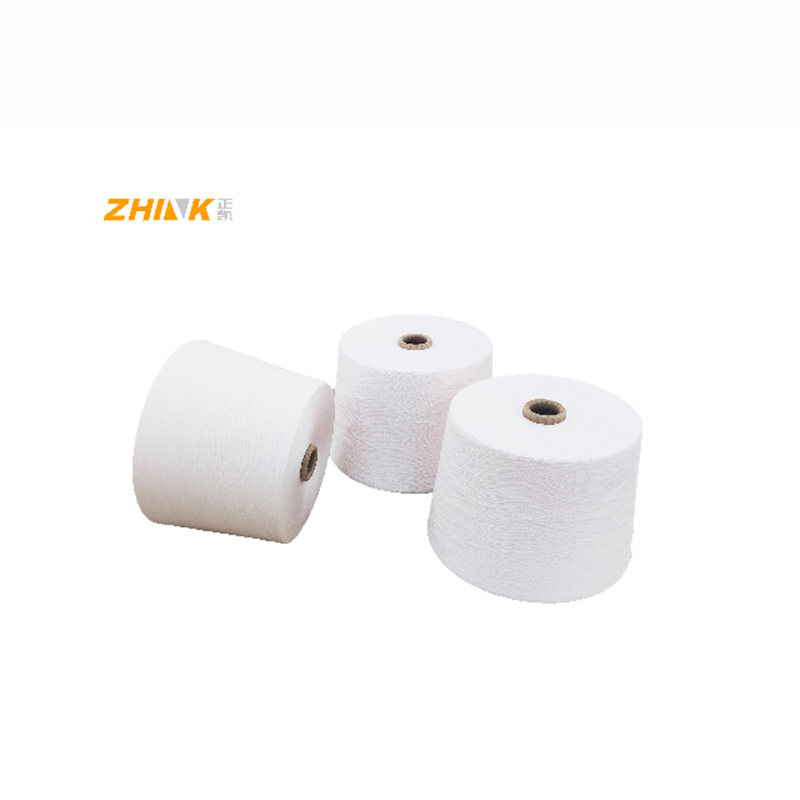
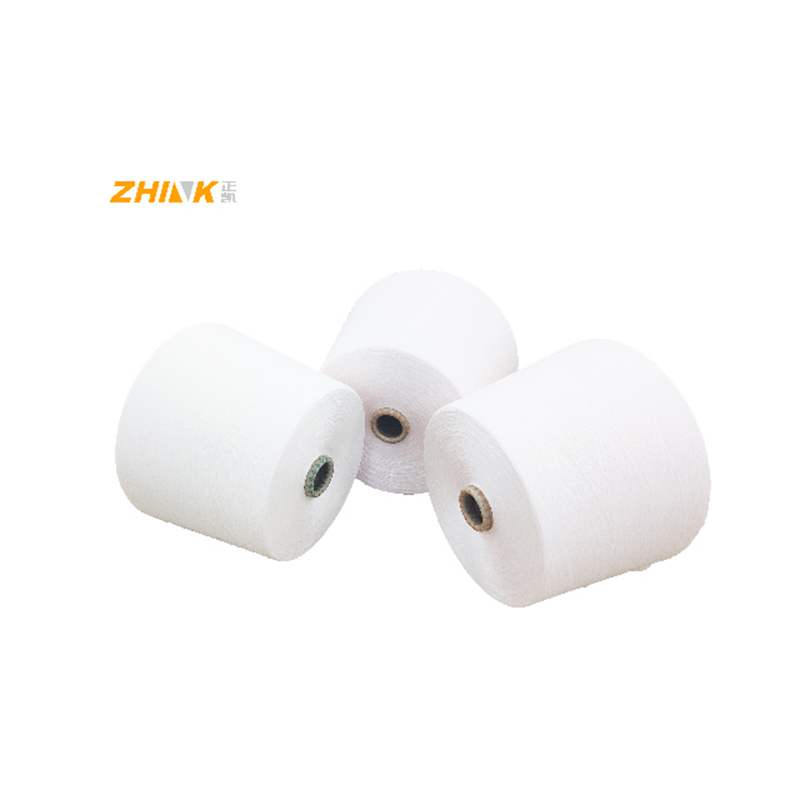
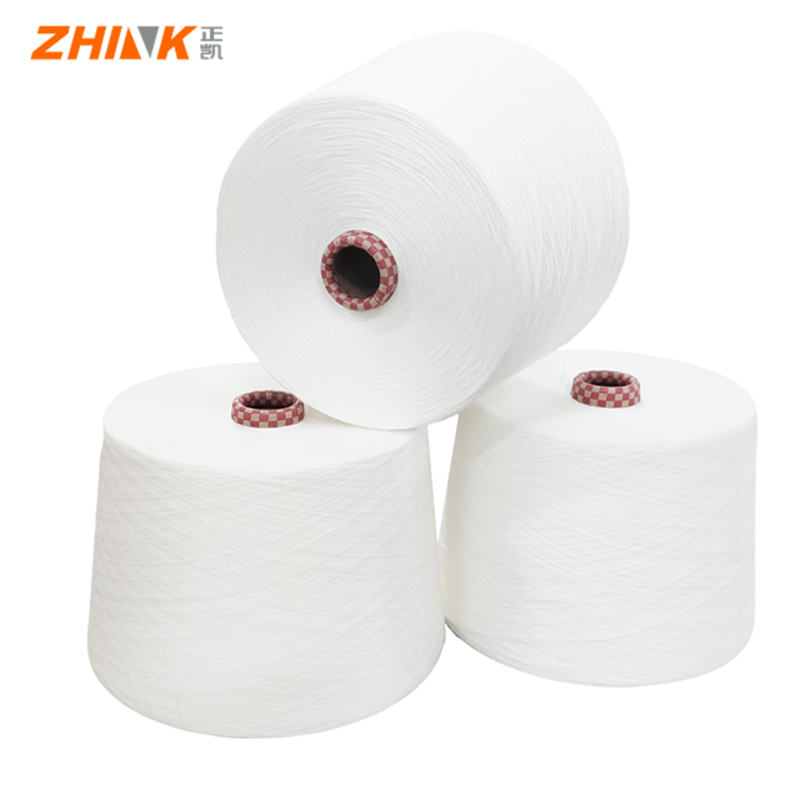
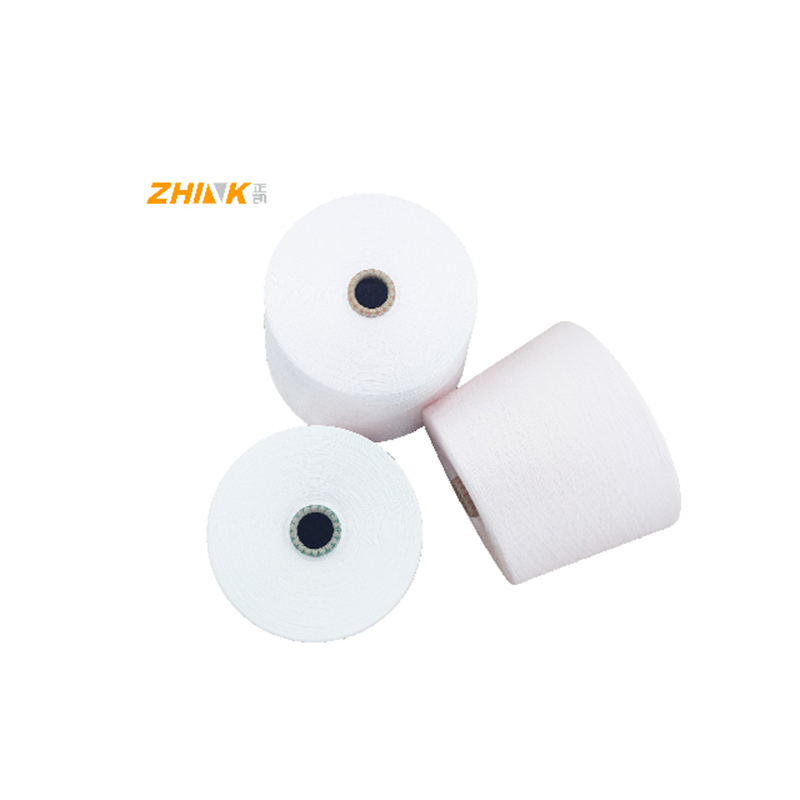
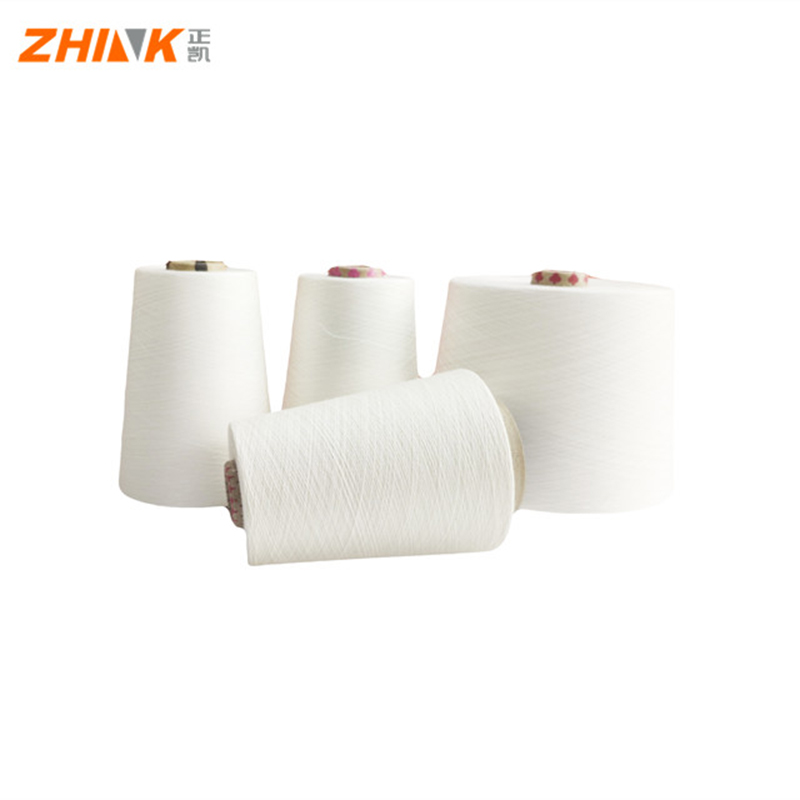
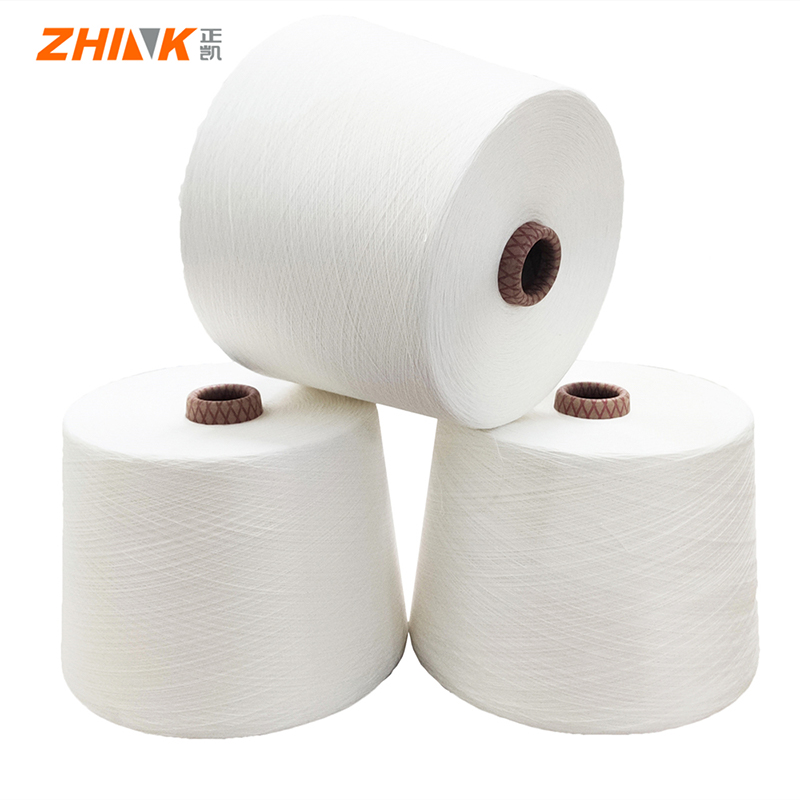
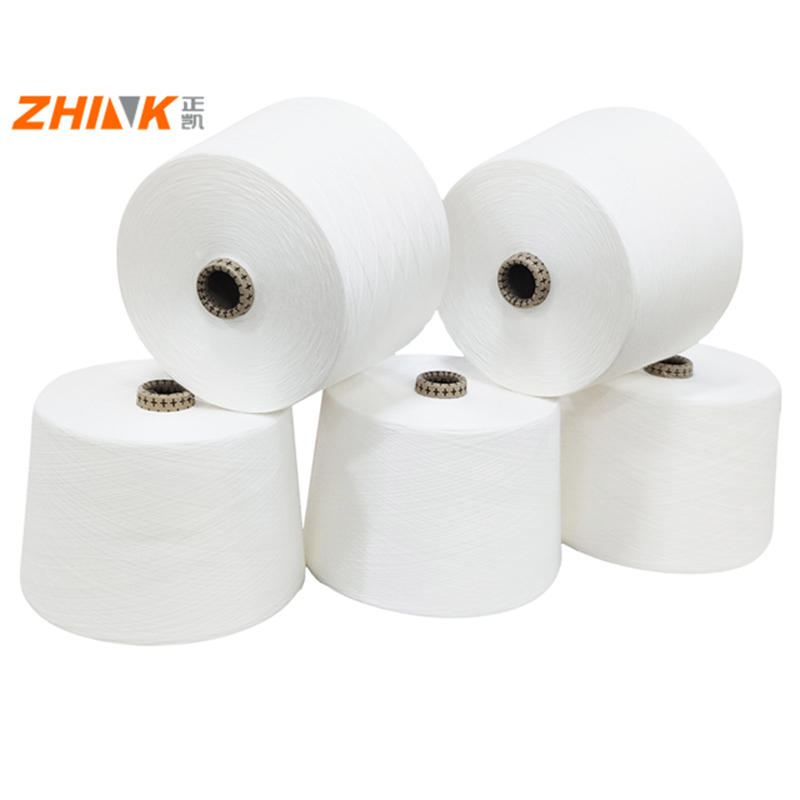
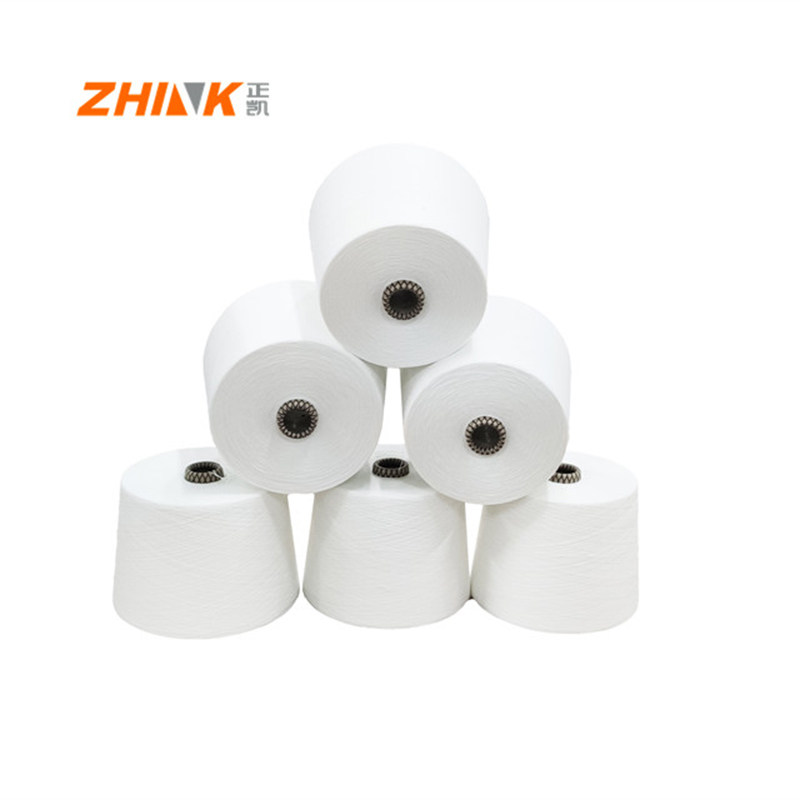
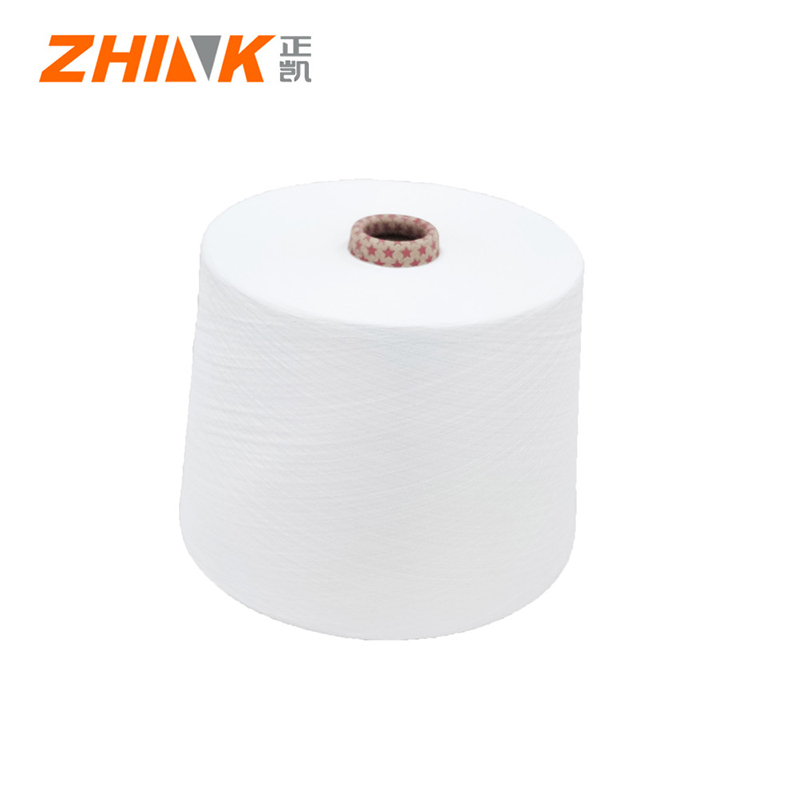
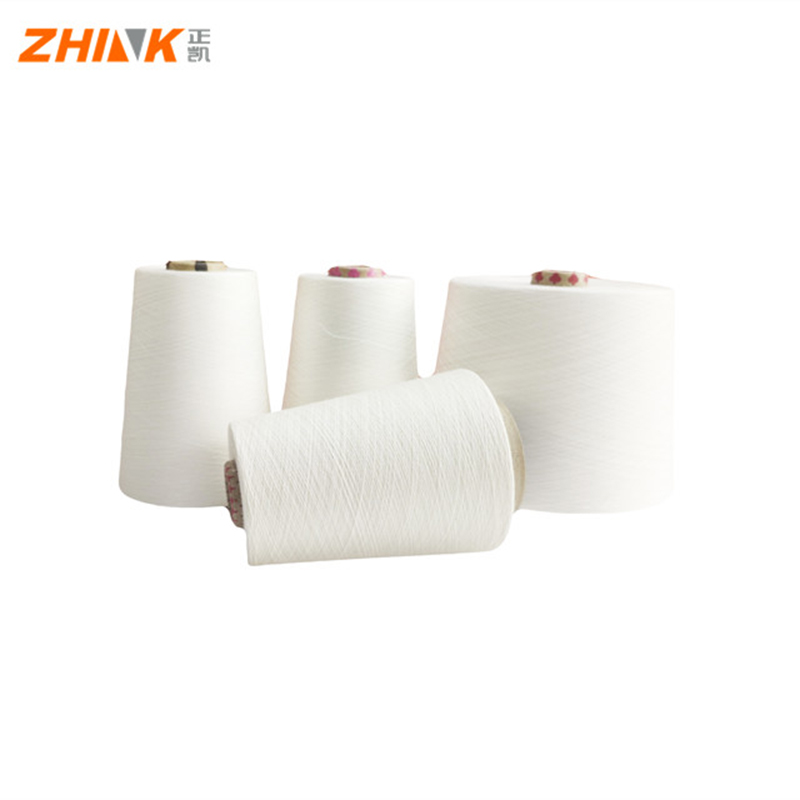
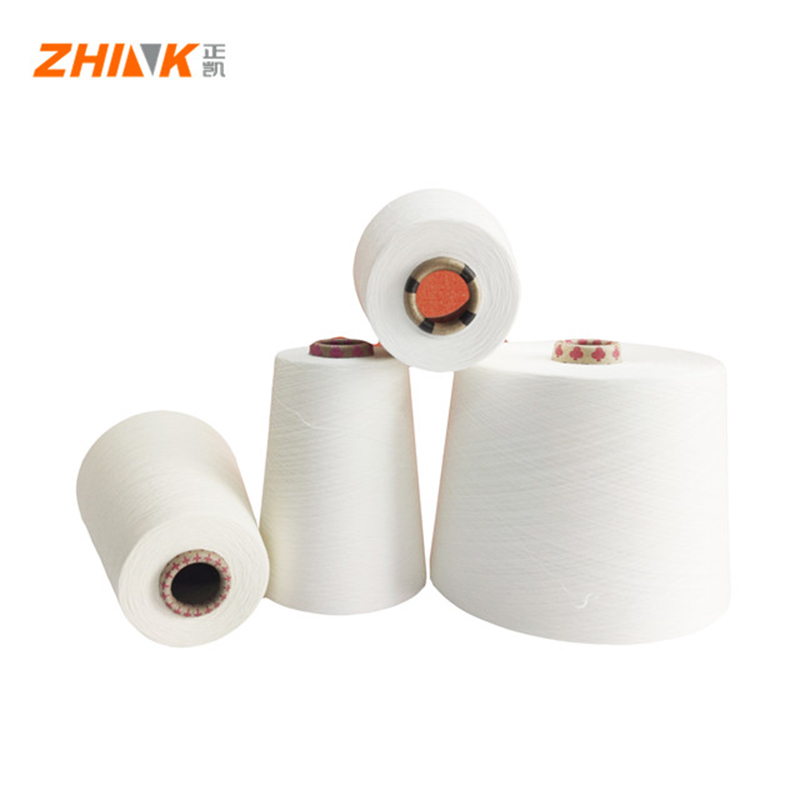
100% Recycled polyester vortex
The Intricacies of 100% Recycled Polyester Vortex Yarn
In the textile world, the buzz around 100% recycled polyester vortex yarn is palpable, but its complexities often get overshadowed by marketing hype. Let's peel back the layers and see what’s genuinely happening on the factory floor.
Understanding Recycled Polyester Vortex Yarn
Starting with the basics, recycled polyester is made from plastic waste, predominantly PET bottles. The vortex spinning method offers a unique twist—literally—giving rise to a yarn that boasts of both durability and sustainability. But what's it really like behind the machines?
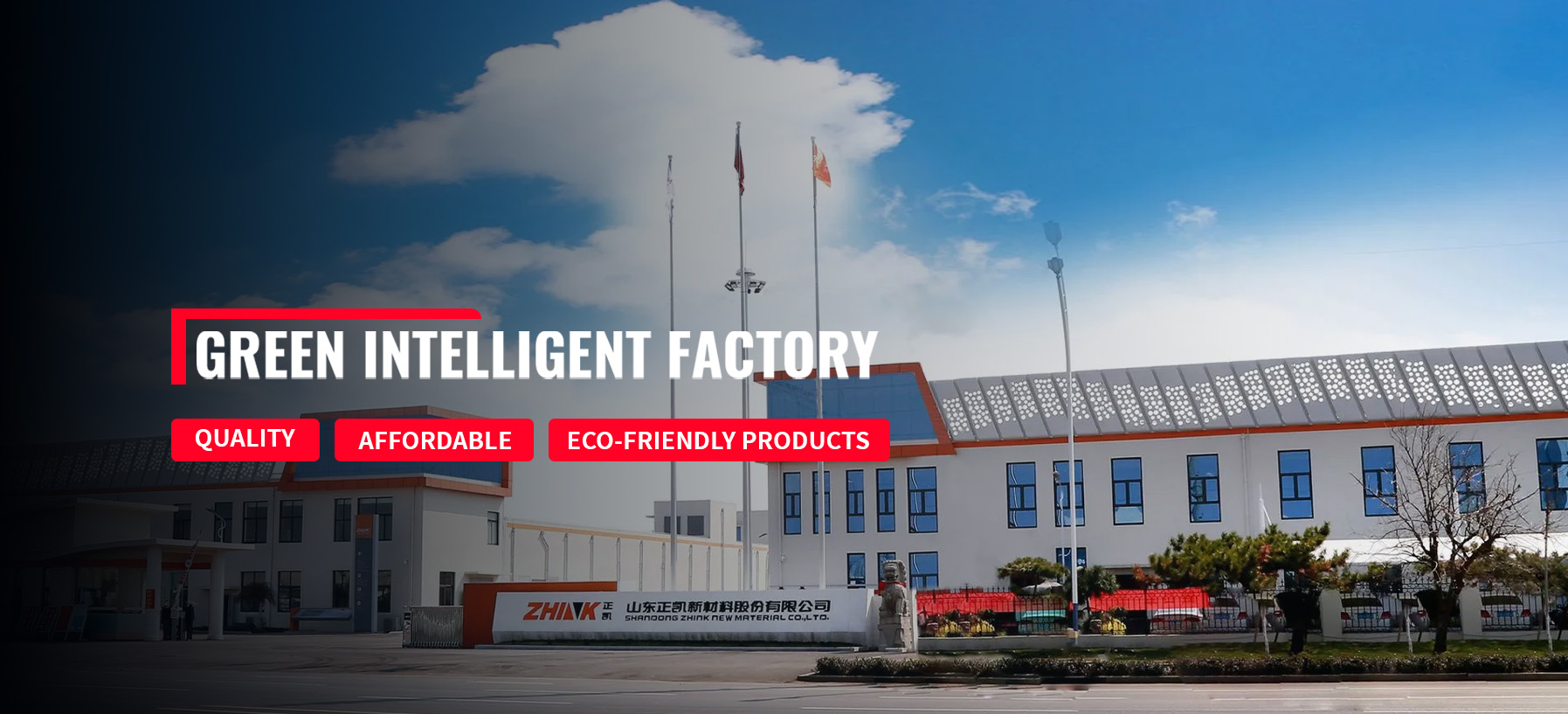
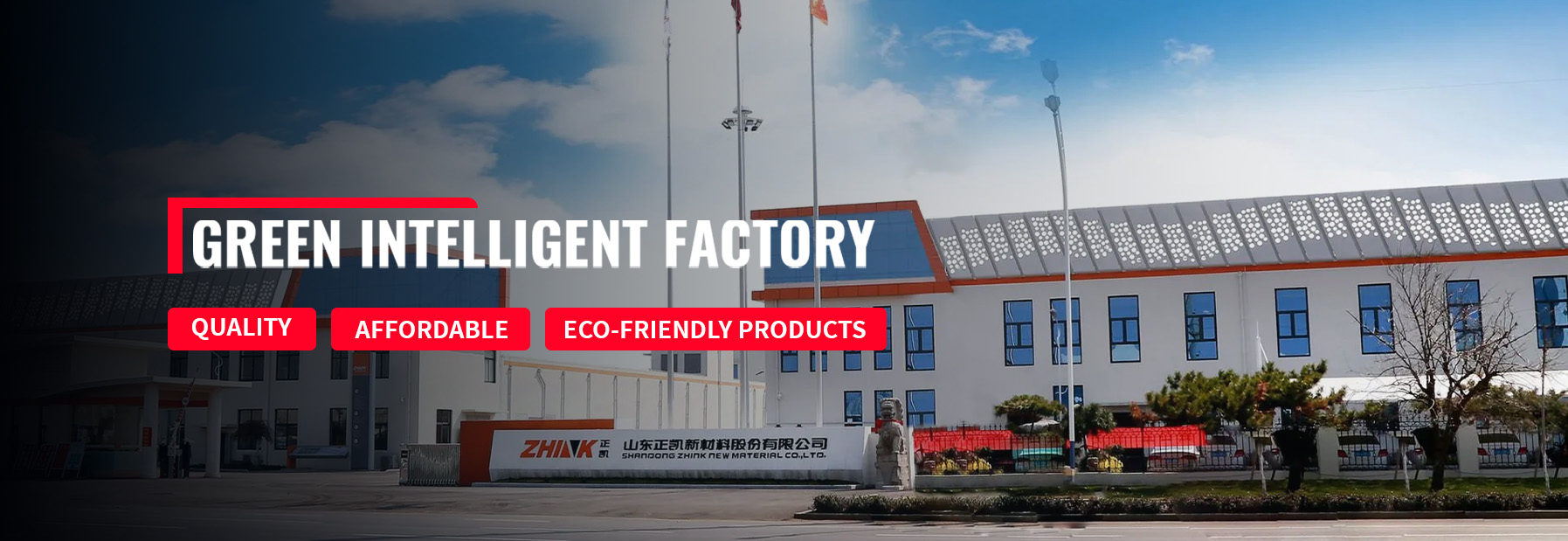
I've spent significant time with production teams at plants like the one at SHANDONG ZHINK NEW MATERIAL CO., LTD. Each phase—from sorting plastic waste to achieving precise spinning conditions—requires meticulous attention. Their website, Zhink Yarn, details their approach, underscoring the importance of R&D in achieving high-quality output.
The downside? Well, vortex technology shines by reducing pilling, but maintaining consistency in recycled materials can be tricky. It's all about balance, and when you hear some mills whispering about batch variability, that’s the reality check for any new entrant in the industry.
The Role of Technology and Innovation
Sustainability isn’t just a buzzword at Zhink. Their investment in new material tech shows a keen understanding of market demands. Vortex spinning itself is a nod to innovation, delivering smoother, softer yarns without sabotaging strength.
One might think that adopting this technology is straightforward—it's not. The integration of recycled inputs into a predominantly virgin-material ecosystem requires continuous tweaking and personnel training. I've seen firsthand the challenges of adjusting machine settings, sometimes leading to overwhelmed operators.
But perseverance pays. The meticulous trouble-shooting of spin technicians, often armed with years of practical experience, paves the way for successful production runs. The stories from Zhink employees are a testament to the company's commitment to excellence.
Market Applications: Where Does It All Go?
Diverse application potential is what makes 100% recycled polyester vortex yarn appealing, yet industries seem to favor it more for apparel manufacturing. I’ve noticed a surge in inquiries from outdoor equipment makers who value durability.
However, some clients remain skeptical, particularly in high-end fashion where expectations for feel and drape can be unforgiving. It often takes direct engagement with designers to convince them of the yarn's potential.
Once a brand includes vortex yarn in their lineup, the eco-friendly tag is no longer just a marketing ploy—it’s a commitment. Industries that can adapt their design ethos to include sustainability are leading the charge.
Quality Control: A Necessary Obsession
Navigating through the quality control labyrinth is no small task. The commitment at Zhink to stringent quality checks speaks volumes. There’s this memorable incident where a single batch caused a full production halt just because it didn’t meet tensile strength requirements.
The stress on specifications isn't about perfectionism; it’s essential for maintaining reputation. The close ties between the tech teams and production handlers often lead to heated exchanges, but those debates are invaluable for resolving real issues.
If you think vortex spinning is a smooth ride, think again. It demands respect for precision and constant innovation to match it.
Future Prospects and Challenges
The future is bright for vortex yarn, backed by industry players like SHANDONG ZHINK NEW MATERIAL CO., LTD. Yet, challenges loom. The raw material sourcing landscape is changing by the day, with increased regulations and environmental considerations.
I’ve seen interesting collaborations between suppliers and textile giants aimed at shoring up the supply chain for reliable recycled inputs. These partnerships are not just strategic but existential.
As we push forward, it’s clear that the full potential of recycled polyester vortex yarn is untapped. Industry veterans will likely continue to lead these efforts, ensuring that the yarn's benefits resonate throughout the global market.
Related Products
Related Products