+86-632-3621866
- Chinese
- French
- German
- Portuguese
- Spanish
- Russian
- Japanese
- Korean
- Arabic
- Irish
- Greek
- Turkish
- Italian
- Danish
- Romanian
- Indonesian
- Czech
- Afrikaans
- Swedish
- Polish
- Basque
- Catalan
- Esperanto
- Hindi
- Lao
- Albanian
- Amharic
- Armenian
- Azerbaijani
- Belarusian
- Bengali
- Bosnian
- Bulgarian
- Cebuano
- Chichewa
- Corsican
- Croatian
- Dutch
- Estonian
- Filipino
- Finnish
- Frisian
- Galician
- Georgian
- Gujarati
- Haitian
- Hausa
- Hawaiian
- Hebrew
- Hmong
- Hungarian
- Icelandic
- Igbo
- Javanese
- Kannada
- Kazakh
- Khmer
- Kurdish
- Kyrgyz
- Latin
- Latvian
- Lithuanian
- Luxembou..
- Macedonian
- Malagasy
- Malay
- Malayalam
- Maltese
- Maori
- Marathi
- Mongolian
- Burmese
- Nepali
- Norwegian
- Pashto
- Persian
- Punjabi
- Serbian
- Sesotho
- Sinhala
- Slovak
- Slovenian
- Somali
- Samoan
- Scots Gaelic
- Shona
- Sindhi
- Sundanese
- Swahili
- Tajik
- Tamil
- Telugu
- Thai
- Ukrainian
- Urdu
- Uzbek
- Vietnamese
- Welsh
- Xhosa
- Yiddish
- Yoruba
- Zulu
- Kinyarwanda
- Tatar
- Oriya
- Turkmen
- Uyghur


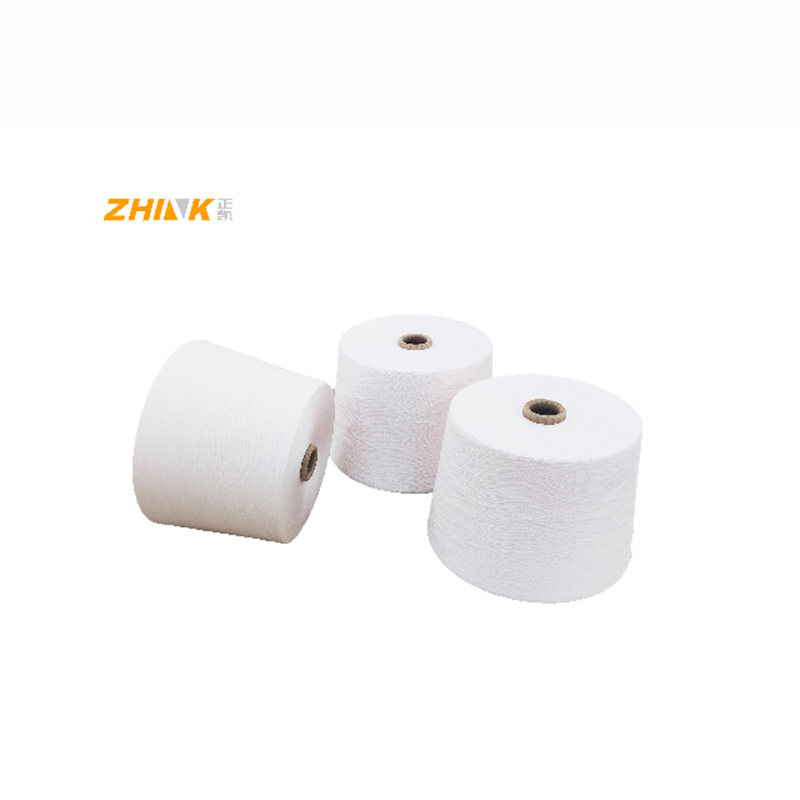
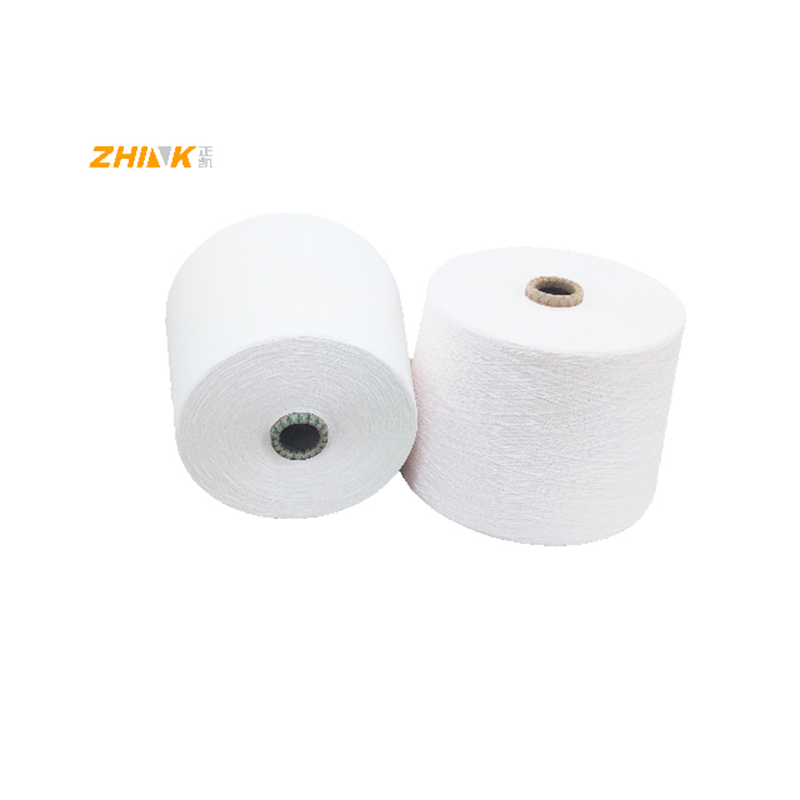
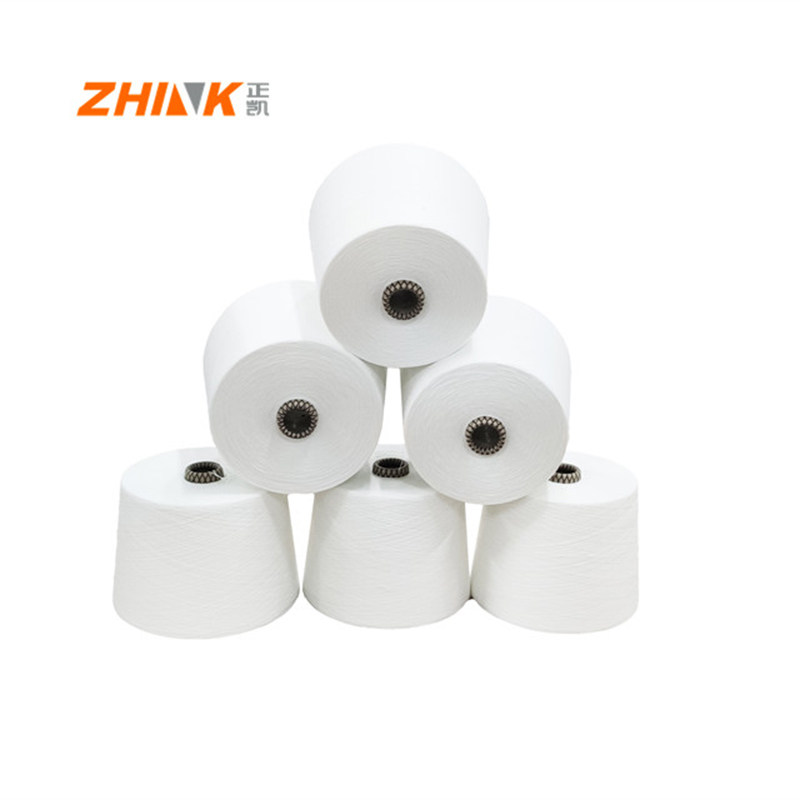
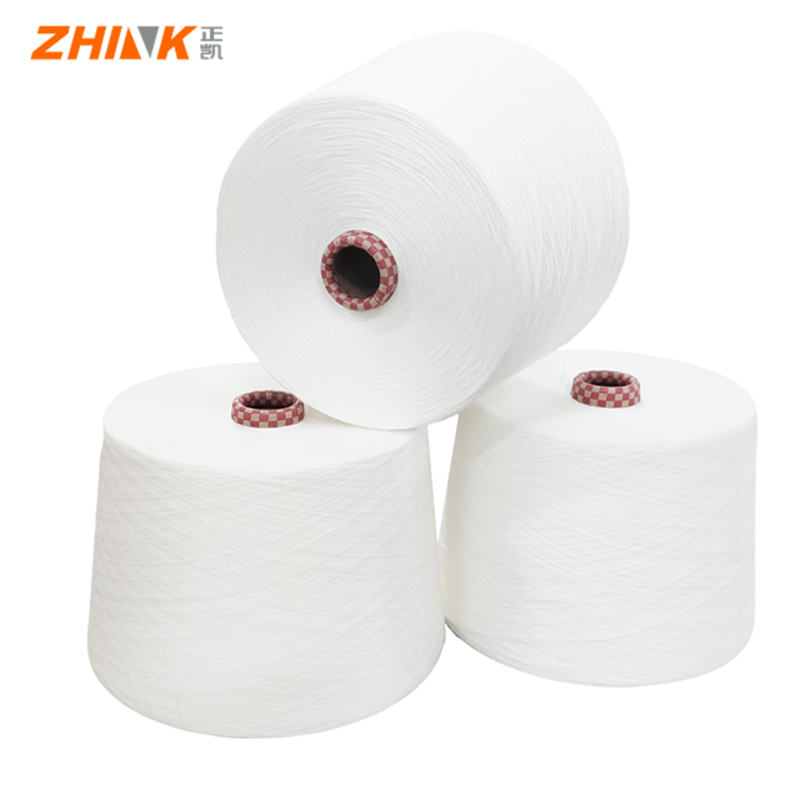
100 recycled polyester yarn
The Reality of 100% Recycled Polyester Yarn
100% recycled polyester yarn is often hailed as a sustainable textile innovation, but the reality of its use, production, and impact is complex and nuanced. This article delves into the practical aspects and challenges of recycled yarn, drawing from industry experience and real-life applications.
The Promise of Sustainability
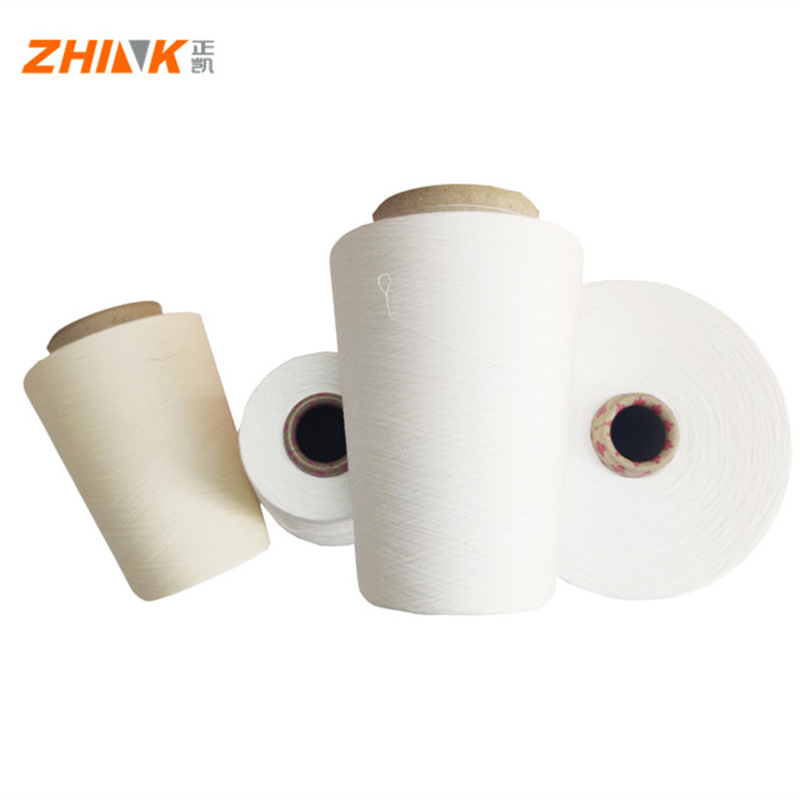
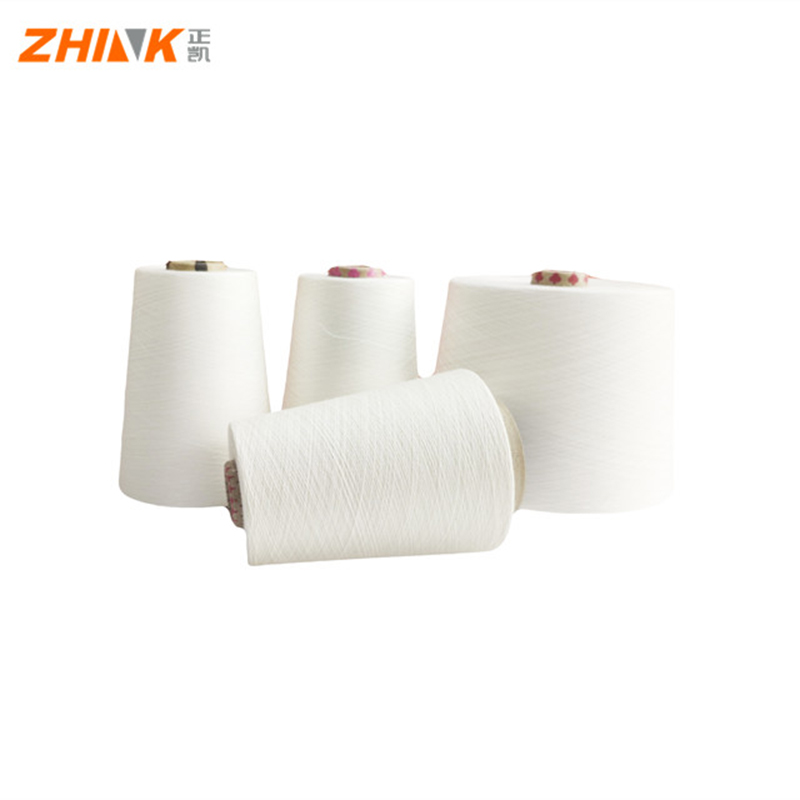
At first glance, 100% recycled polyester yarn seems like a win for sustainability. It’s crafted from post-consumer plastic bottles, reducing waste and reliance on virgin materials. The process itself is innovative, transforming waste into something valuable. But, does it always deliver on its promises?
In practice, using recycled materials involves navigating a host of challenges. Consistency in quality is a frequent concern. Each batch can vary due to differences in source material, and this inconsistency can affect the final product. Having witnessed various production runs in different facilities, I've noted how these variations require constant adjustments and fine-tuning during the manufacturing process.
Moreover, despite the sustainable intent, the energy consumption during production doesn’t magically disappear. It’s often underestimated just how much energy is used to clean, sort, and process the raw plastic into usable yarn. The emissions and waste from this initial stage must be considered when evaluating true sustainability.
Market Challenges and Misconceptions
One might assume that the demand for recycled materials automatically translates to easy marketability. However, the truth is more complicated. Educating the consumer remains a significant hurdle. Sustainability claims need to be backed by transparency and verifiable metrics, which not all companies are prepared to disclose.
There’s also a misconception about price. Many consumers expect recycled polyester to be cheaper, given its origins. But in reality, the production costs can be comparable—or even higher—than using virgin polyester. This can be a tough conversation with brands and retailers, who must justify these costs to end consumers.
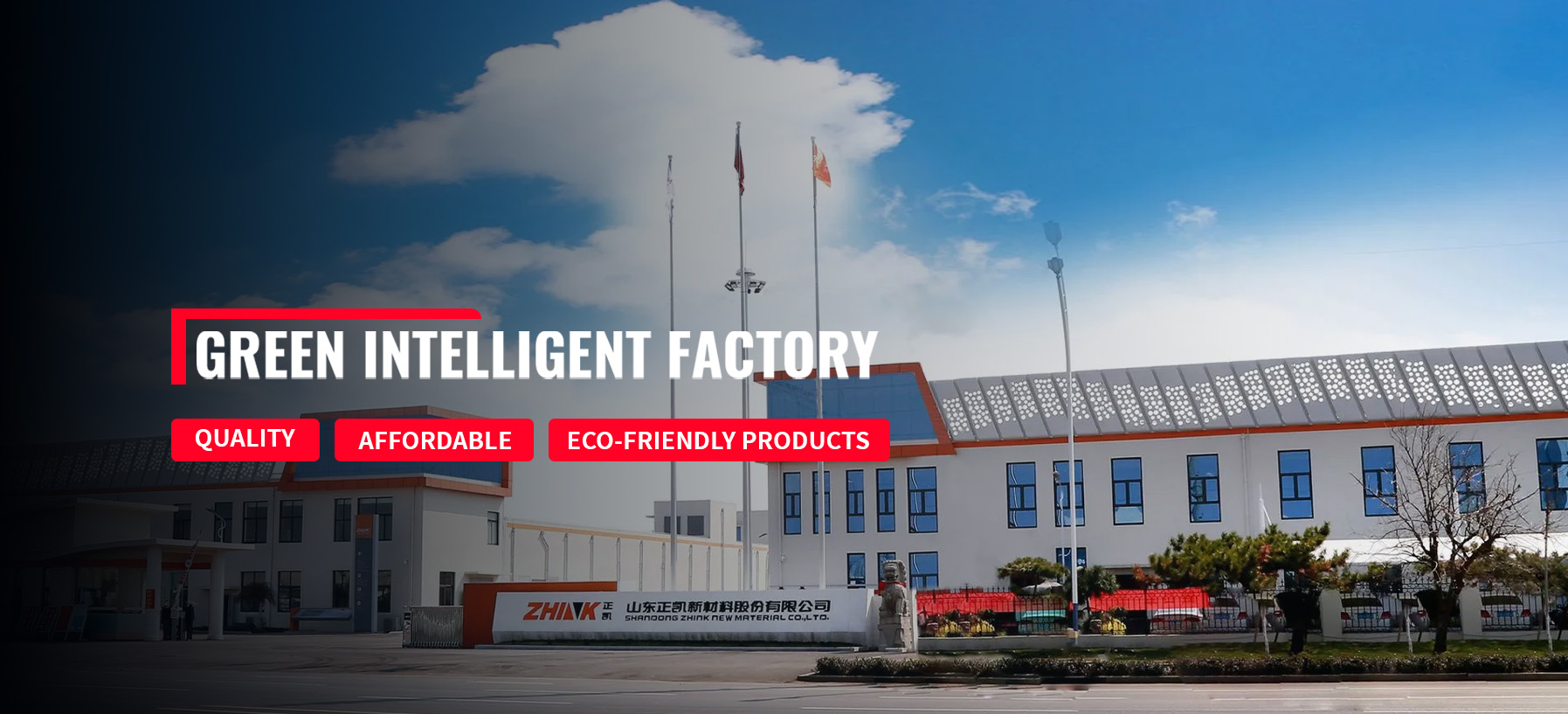
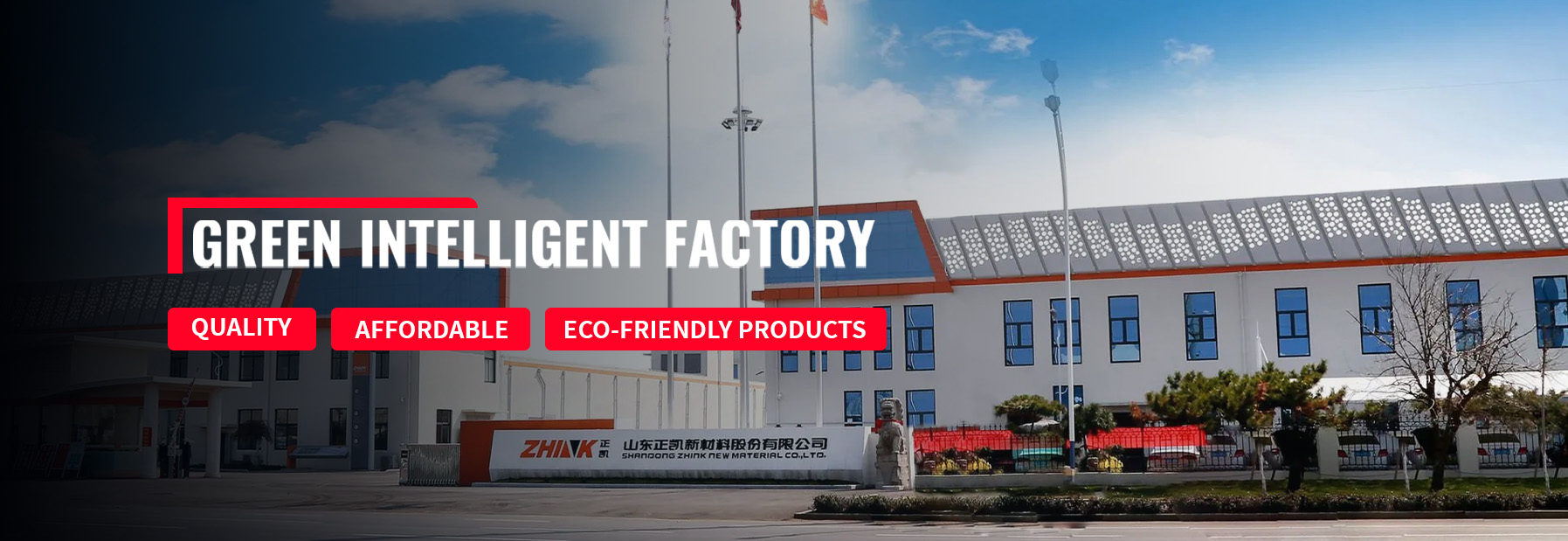
In my discussions with companies like SHANDONG ZHINK NEW MATERIAL CO., LTD, a specialist in new textile materials (www.zhinkyarn.com), it’s clear that education and communication are critical. They emphasize the need to invest in both process and narrative to support their products’ market presence.
Innovations and Technological Advances
Despite these challenges, technology continues to advance, bringing new opportunities. Improved sorting technologies, for instance, help achieve better color consistency in recycled yarns. And advances in mechanical recycling processes promise to reduce energy requirements significantly.
Working with firms pioneering these technologies provides insight into a rapidly evolving sector. Projects focused on blending recycled yarns with other materials are promising, enhancing the fabric’s properties while still leveraging sustainability credentials.
The collaboration between researchers and textile producers is crucial. Companies like Zhink New Material are heavily invested in R&D, striving to optimize production processes and develop materials that marry performance with environmental benefits.
Real-Life Applications and Feedback
While technical innovation is celebrated, feedback from actual applications tells its own story. Apparel brands that have adopted 100% recycled polyester face both praise and critique from consumers. Performance aspects like feel, durability, and maintenance are all under scrutiny.
In one project I observed, a brand switched to recycled polyester for their outerwear line. Initial feedback was mixed, with some customers lauding the eco-friendly shift, while others felt the garments differed from previous iterations. Balancing these perspectives is key for future iterations.
Engaging with consumers, especially through direct channels like social media, gives brands insights into what is valued in sustainable products. This dialogue often results in better product iterations and trust between consumer and producer.
Future Considerations and the Way Forward
The future of 100% recycled polyester yarn involves overcoming current challenges and leveraging technological advancements. As sustainability becomes integral to textile production, companies need to adopt a holistic view, considering both environmental and human impacts.
Industry collaboration could expedite innovations and support standardized practices that ensure quality and consistency. This approach also serves to address broader sustainability goals, reducing overall environmental footprints.
Ultimately, the role of consumer education cannot be understated. Companies that prioritize transparency and actively engage with their audience will likely lead the way. For those involved, like Zhink New Material, it underscores the ongoing journey of balancing innovation with sustainability./p>
Related Products
Related Products