+86-632-3621866
- Chinese
- French
- German
- Portuguese
- Spanish
- Russian
- Japanese
- Korean
- Arabic
- Irish
- Greek
- Turkish
- Italian
- Danish
- Romanian
- Indonesian
- Czech
- Afrikaans
- Swedish
- Polish
- Basque
- Catalan
- Esperanto
- Hindi
- Lao
- Albanian
- Amharic
- Armenian
- Azerbaijani
- Belarusian
- Bengali
- Bosnian
- Bulgarian
- Cebuano
- Chichewa
- Corsican
- Croatian
- Dutch
- Estonian
- Filipino
- Finnish
- Frisian
- Galician
- Georgian
- Gujarati
- Haitian
- Hausa
- Hawaiian
- Hebrew
- Hmong
- Hungarian
- Icelandic
- Igbo
- Javanese
- Kannada
- Kazakh
- Khmer
- Kurdish
- Kyrgyz
- Latin
- Latvian
- Lithuanian
- Luxembou..
- Macedonian
- Malagasy
- Malay
- Malayalam
- Maltese
- Maori
- Marathi
- Mongolian
- Burmese
- Nepali
- Norwegian
- Pashto
- Persian
- Punjabi
- Serbian
- Sesotho
- Sinhala
- Slovak
- Slovenian
- Somali
- Samoan
- Scots Gaelic
- Shona
- Sindhi
- Sundanese
- Swahili
- Tajik
- Tamil
- Telugu
- Thai
- Ukrainian
- Urdu
- Uzbek
- Vietnamese
- Welsh
- Xhosa
- Yiddish
- Yoruba
- Zulu
- Kinyarwanda
- Tatar
- Oriya
- Turkmen
- Uyghur


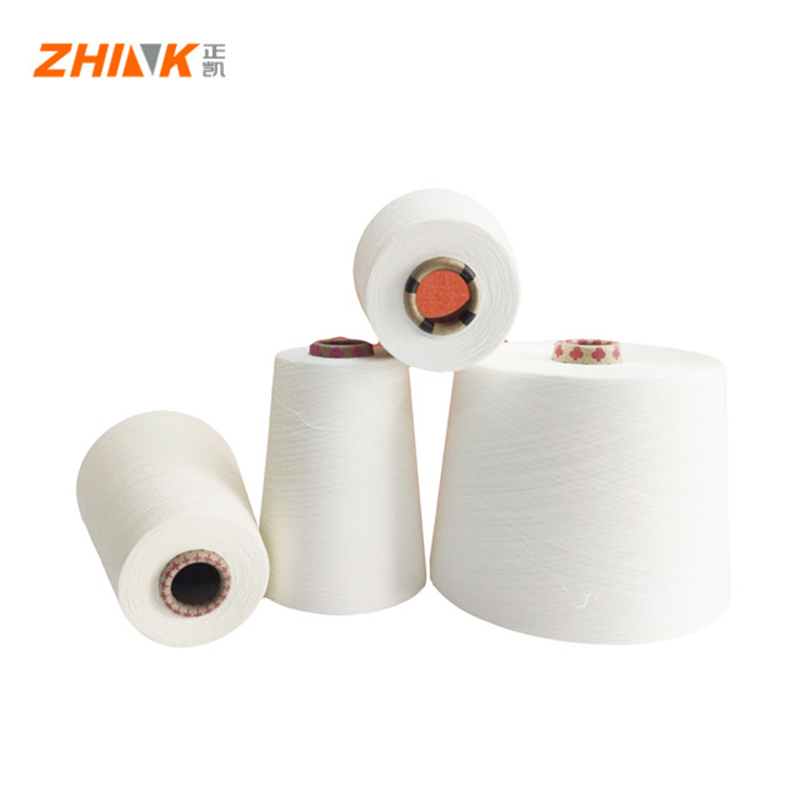
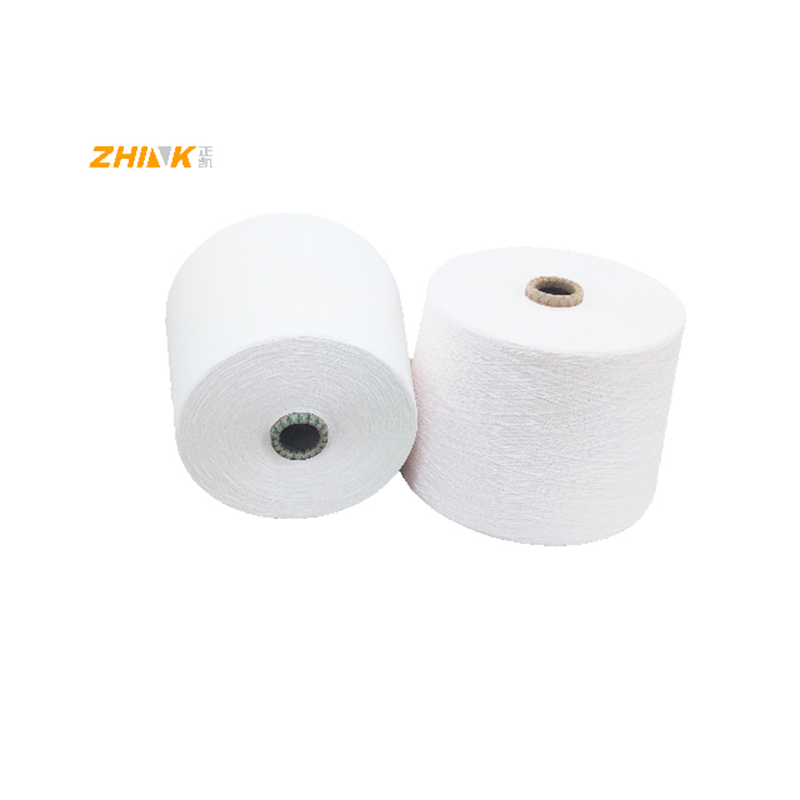
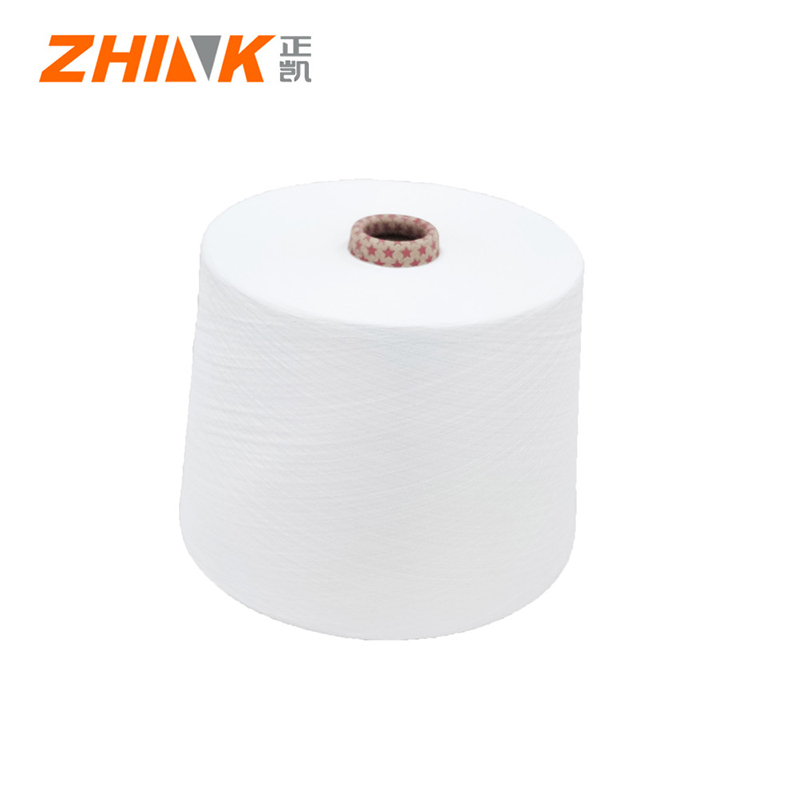
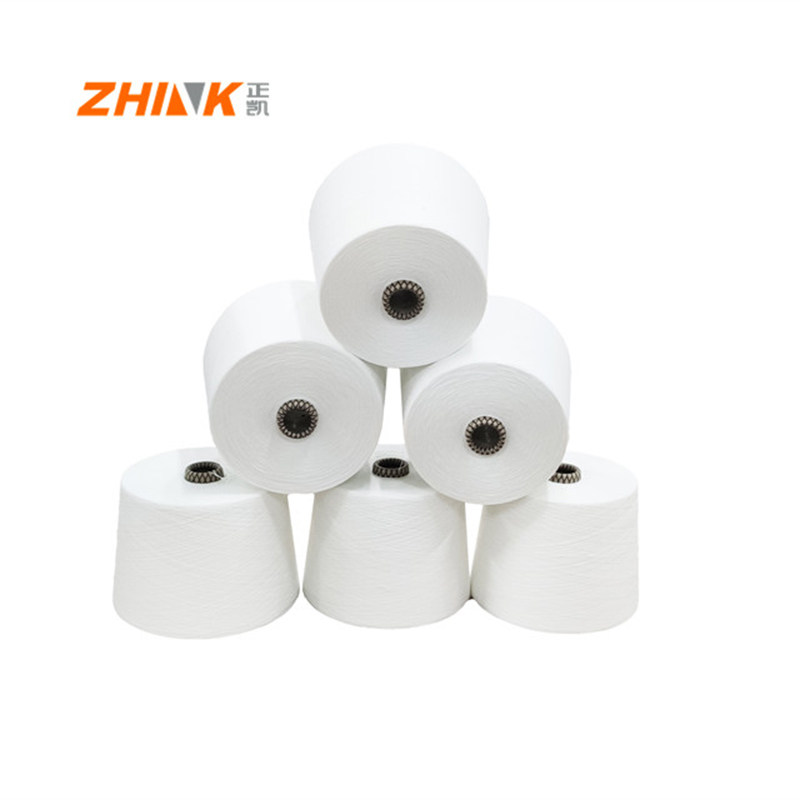
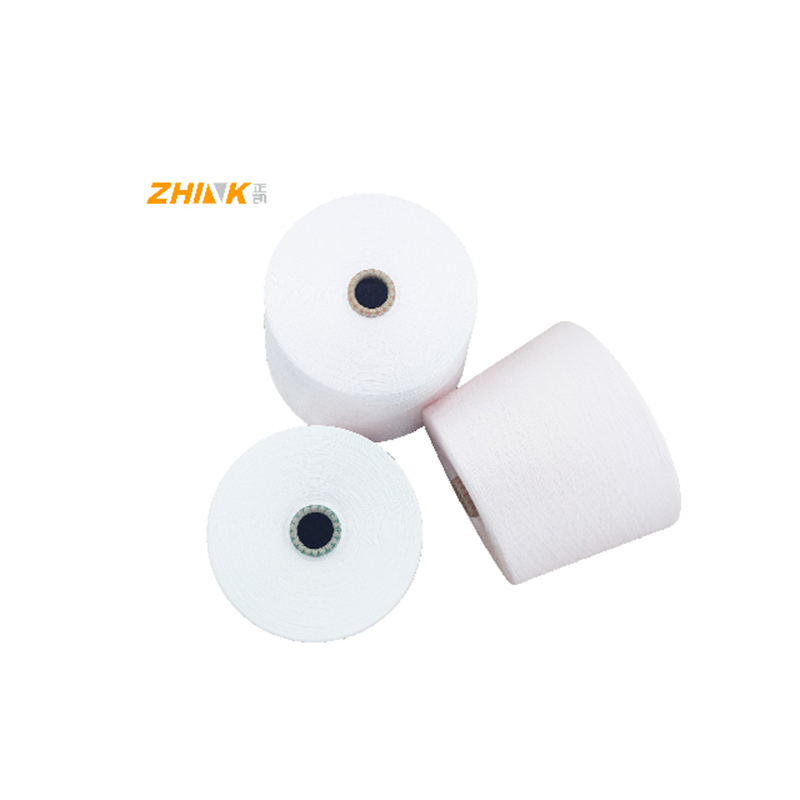
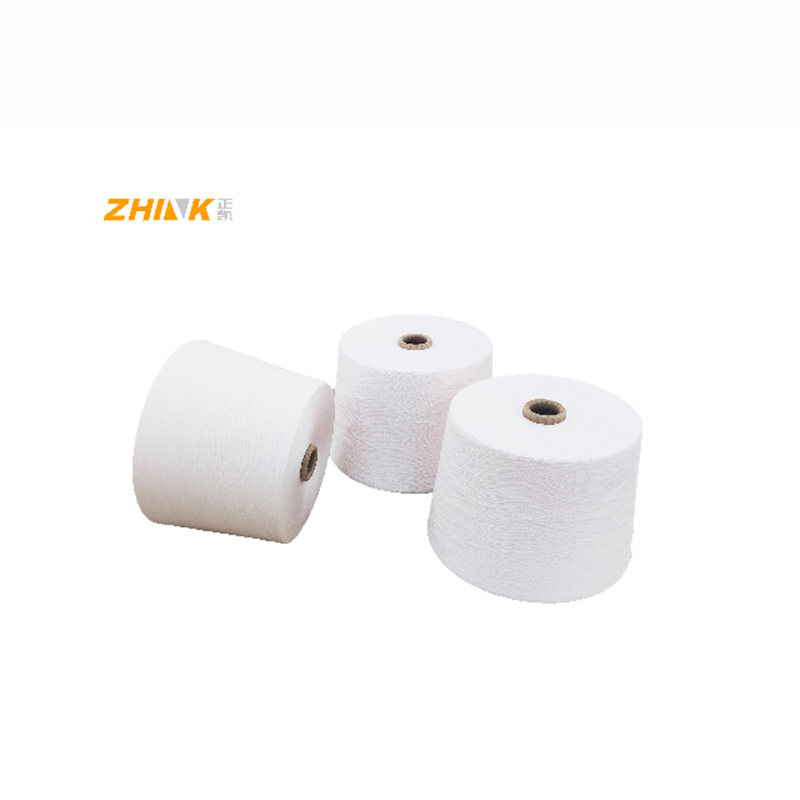
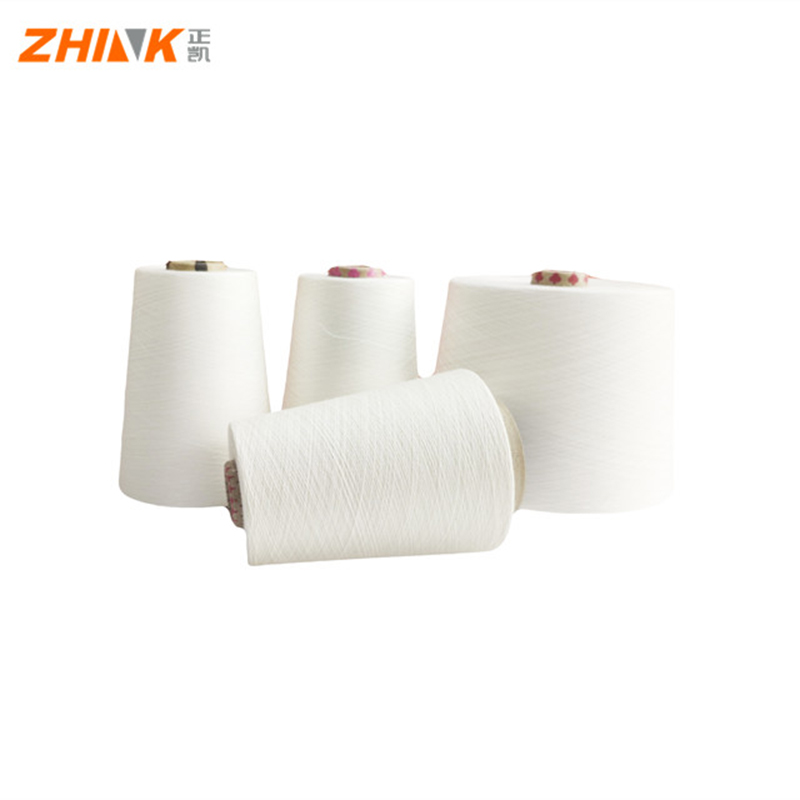
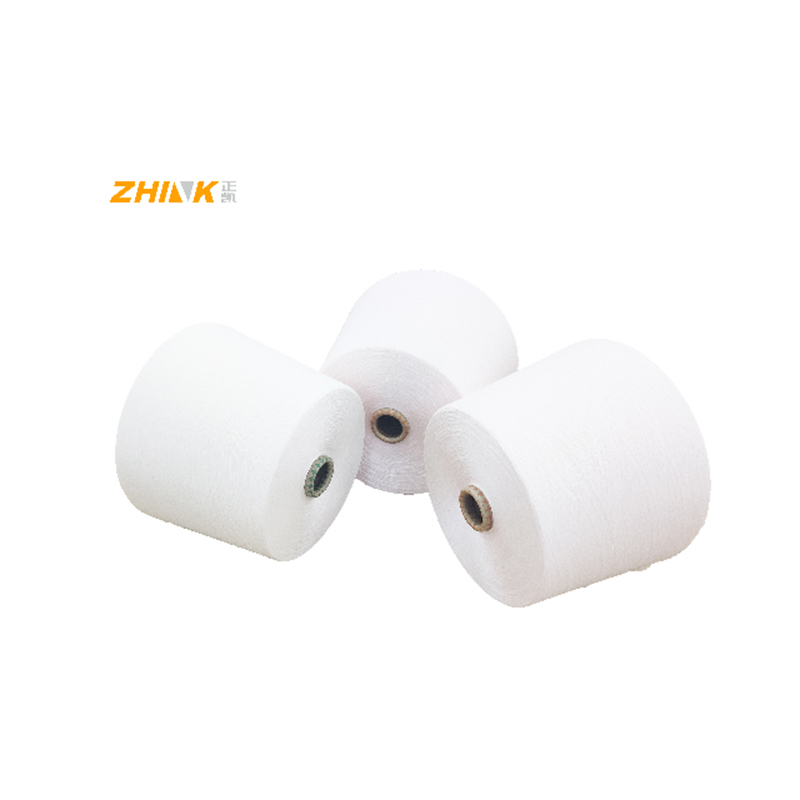
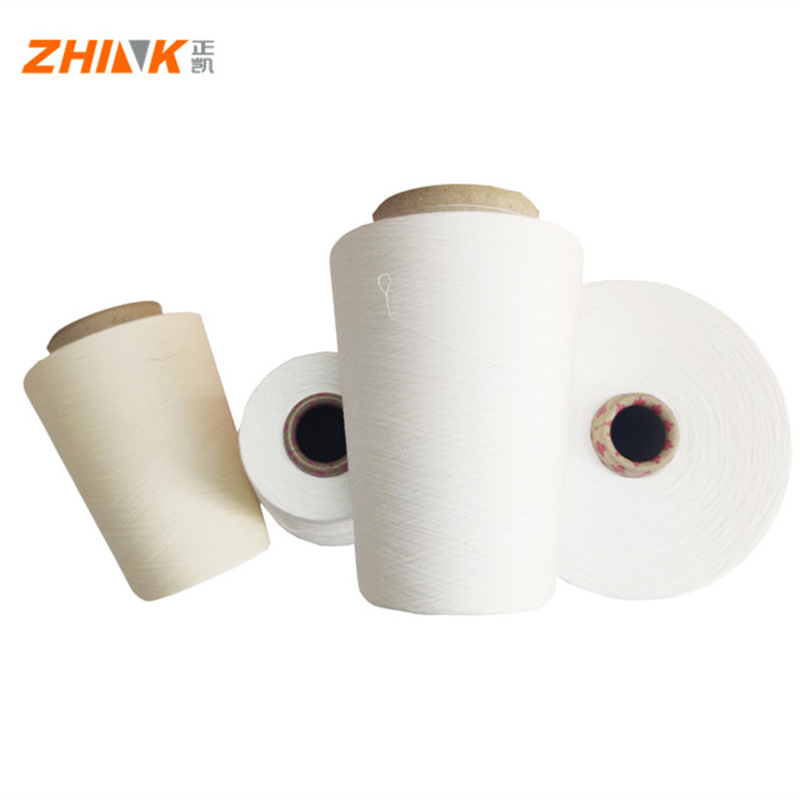
100% Solid acrylic acrylic siro
Understanding the Role of 100% Solid Acrylic Siro Yarn in Modern Textiles
Delve into the nuances of 100% Solid Acrylic Acrylic Siro and uncover common misconceptions in the textile industry. Learn from industry insights, practical experiences, and firsthand observations on this unique material's application.
What Makes Solid Acrylic Yarn Unique?
When discussing textile materials, especially those enhanced for performance, 100% Solid Acrylic often comes up. This material, due to its inherent properties, offers a blend of durability and versatility. But it's not just about durability—it's the feel, the texture, and the way these yarns react under specific conditions that set them apart.
One common confusion arises between regular acrylic and solid acrylic siro yarns. The latter, due to a distinct spinning technique called 'siro spinning,' offers better evenness, which translates into greater uniformity in fabric quality. This technique is something I've seen produce consistently superior results, especially in large-scale textile productions.
However, there's always that moment of doubt when integrating a new material into an old process. I've witnessed firsthand the trials of adopting new materials in manufacturing, where the learning curve can be steep yet rewarding. It's about experimenting with blends, adjusting spinning tensions, and ultimately achieving the perfect product.
Myths and Realities of Acrylic Siro Yarn
In my years working alongside textile experts and material scientists, I've come across several myths about acrylic yarns. One frequent assumption is their inferiority compared to natural fibers like cotton or wool. While it’s true these natural fibers have their merits, 100% Solid Acrylic holds its ground with exceptional qualities.
Take colorfastness, for example. It's a significant factor in garment manufacturing. Solid acrylic—a specialty of SHANDONG ZHINK NEW MATERIAL CO., LTD, found at their website—offers remarkable resistance to fading. Seeing these yarns withstand rigorous testing under UV exposure is quite convincing.
Yet, it's not just about performance. It's about understanding how such materials change the economics of production. The ability to produce more durable, colorfast products without the same resource requirements as natural fibers can be a pivotal advantage in the competitive textile market.
Challenges in Working with Solid Acrylic Yarns
Every material has its challenges—100% Solid Acrylic Siro is no exception. One notable challenge lies in blending these yarns to augment specific fiber qualities or reduce costs. It's not merely a matter of mixing but achieving a cohesive product without compromising performance or quality.
During one project, we attempted to blend solid acrylic with a natural fiber, aiming for a balance between softness and durability. The challenge was maintaining fabric integrity while achieving the desired feel. Achieving success took several iterations, each with varying degrees of trial and error.
Another less-discussed challenge is the environmental footprint. While solid acrylics do offer advantages, the industry is always under scrutiny for sustainable practices. It's an area where companies like Zhink New Material focus heavily on research and development to innovate greener production processes.
Applications in Modern Textile Products
When it comes to the applications of 100% Solid Acrylic Siro, it's not uncommon to see it in everything from car upholstery to high-performance sportswear. The broad utility reflects its adaptability to various manufacturing demands and consumer preferences.
Take sportswear as an example. The moisture-wicking properties of acrylic yarns coupled with siro spinning result in garments that perform exceptionally under physical strain. I recall a project involving sports jerseys where the yarn's breathability and durability were definitive factors in product choice.
In addition, solid acrylic's hypoallergenic properties make it an excellent choice for products aimed at sensitive skin, like children's clothing and certain medical textiles. The assurance of low irritation is something manufacturers and consumers equally value.
Future Prospects and Innovations
As the textile industry evolves, so too does the technology behind materials like solid acrylic siro yarns. In upcoming years, advancements in synthetic fibers, potentially spearheaded by innovators such as SHANDONG ZHINK NEW MATERIAL CO., LTD, may further expand the boundaries of what's possible.
From eco-friendly production methods to integrating smart textiles, the opportunities are vast. Imagine garments that change color based on temperature or fibers that can monitor health metrics—advancements like these start with understanding and fine-tuning the fibers we have today.
Ultimately, 100% Solid Acrylic remains an invaluable component of textile innovation. Through careful experimentation and an understanding of its broader implications, it holds potential not only to meet current needs but also to shape future trends in unexpected ways.
Related Products
Related Products