+86-632-3621866
- Chinese
- French
- German
- Portuguese
- Spanish
- Russian
- Japanese
- Korean
- Arabic
- Irish
- Greek
- Turkish
- Italian
- Danish
- Romanian
- Indonesian
- Czech
- Afrikaans
- Swedish
- Polish
- Basque
- Catalan
- Esperanto
- Hindi
- Lao
- Albanian
- Amharic
- Armenian
- Azerbaijani
- Belarusian
- Bengali
- Bosnian
- Bulgarian
- Cebuano
- Chichewa
- Corsican
- Croatian
- Dutch
- Estonian
- Filipino
- Finnish
- Frisian
- Galician
- Georgian
- Gujarati
- Haitian
- Hausa
- Hawaiian
- Hebrew
- Hmong
- Hungarian
- Icelandic
- Igbo
- Javanese
- Kannada
- Kazakh
- Khmer
- Kurdish
- Kyrgyz
- Latin
- Latvian
- Lithuanian
- Luxembou..
- Macedonian
- Malagasy
- Malay
- Malayalam
- Maltese
- Maori
- Marathi
- Mongolian
- Burmese
- Nepali
- Norwegian
- Pashto
- Persian
- Punjabi
- Serbian
- Sesotho
- Sinhala
- Slovak
- Slovenian
- Somali
- Samoan
- Scots Gaelic
- Shona
- Sindhi
- Sundanese
- Swahili
- Tajik
- Tamil
- Telugu
- Thai
- Ukrainian
- Urdu
- Uzbek
- Vietnamese
- Welsh
- Xhosa
- Yiddish
- Yoruba
- Zulu
- Kinyarwanda
- Tatar
- Oriya
- Turkmen
- Uyghur


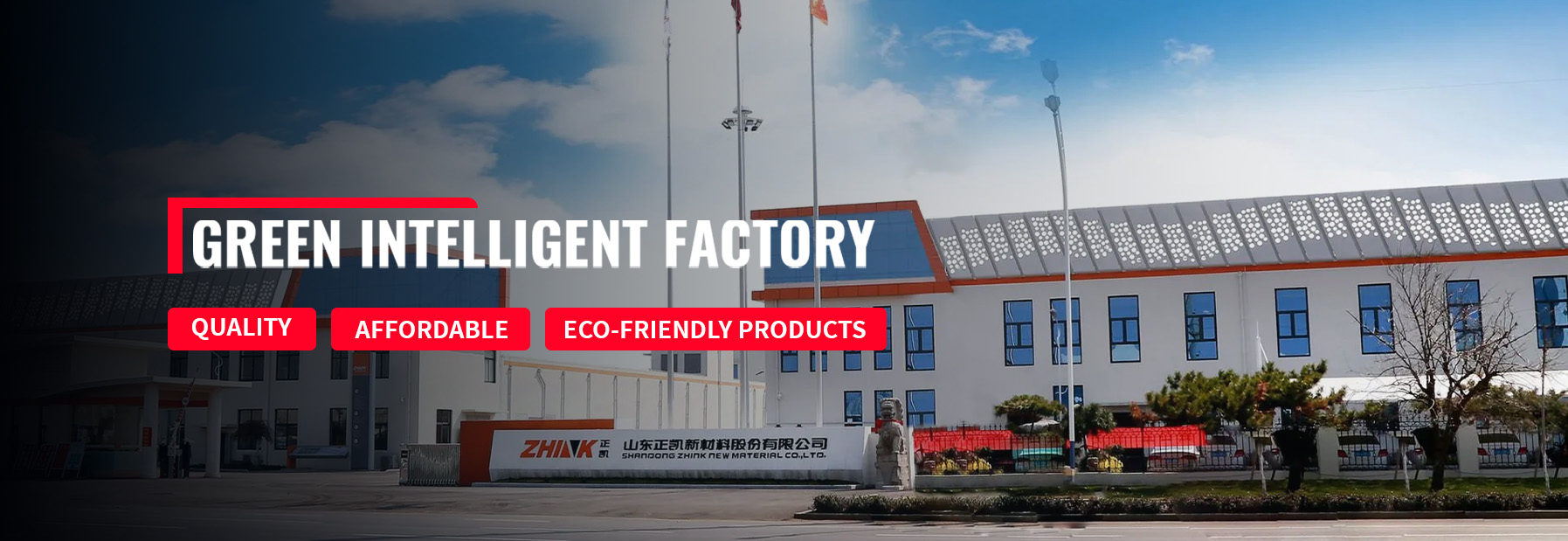
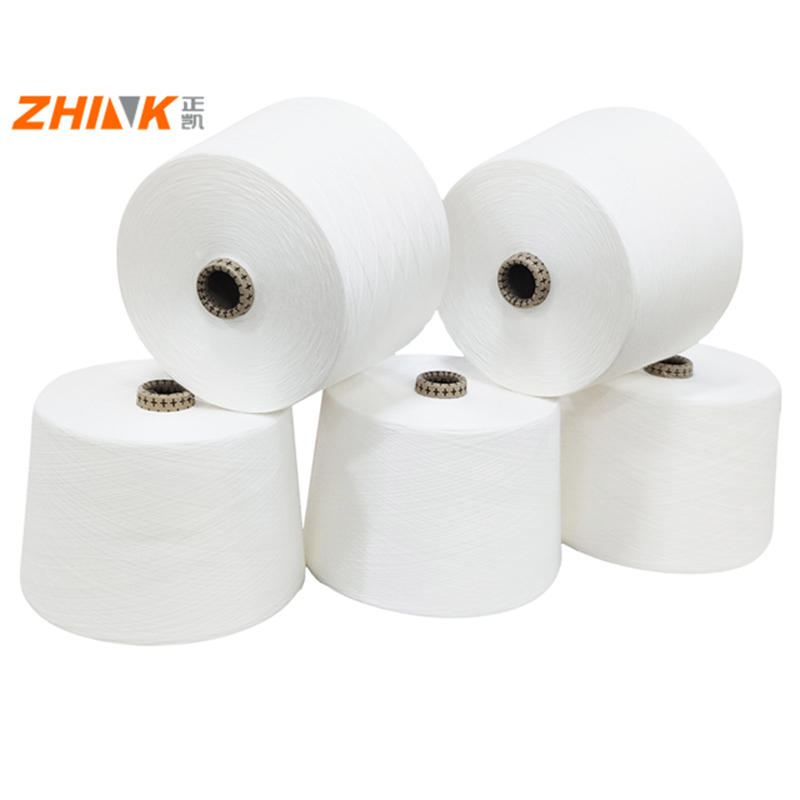
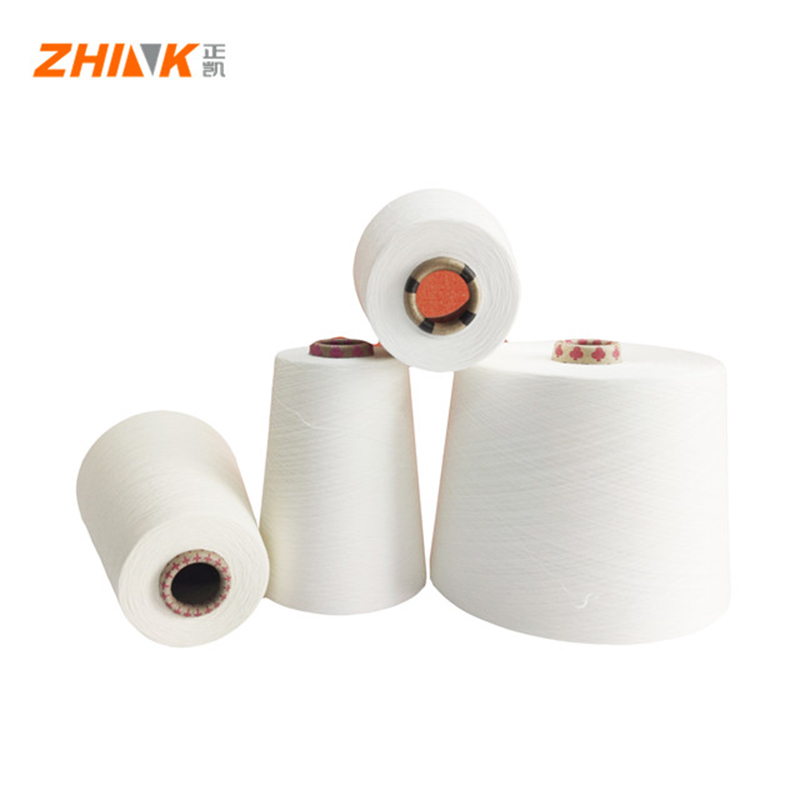
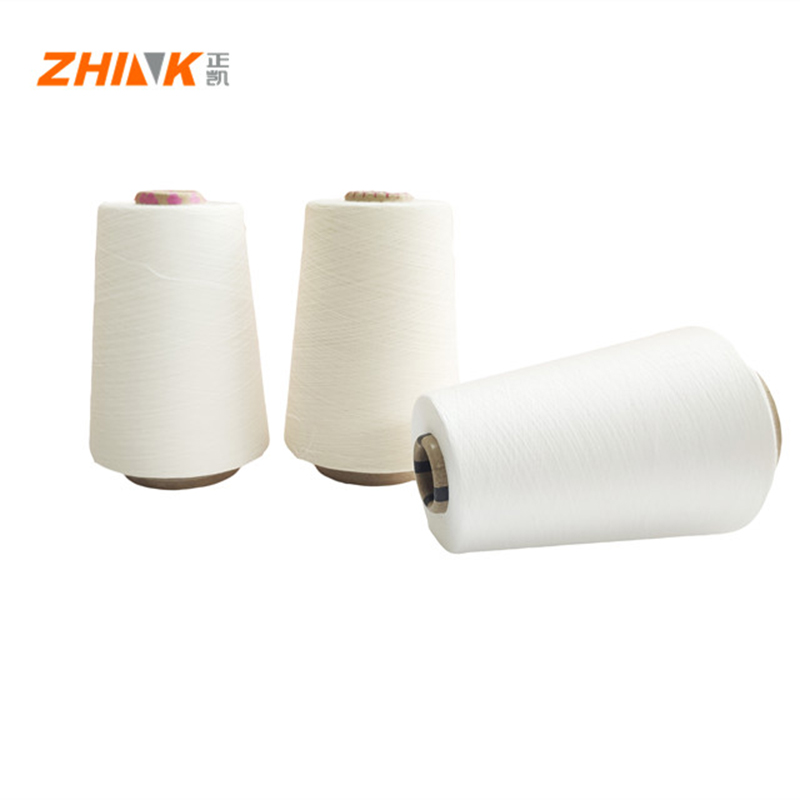
100% Solid acrylic MVS
The Versatility of 100% Solid Acrylic MVS in Modern Textiles
When exploring textile innovations, 100% Solid acrylic MVS stands out due to its unique properties and applications. But what truly sets it apart? Let’s delve into its composition, benefits, and usage through real-world insights and experiences.
The Basics of 100% Solid Acrylic MVS
Firstly, understanding the MVS (Murata Vortex Spinning) process is crucial. This method allows for high-quality yarn production with superior attributes compared to traditional spinning. I've encountered quite a few textile experts who initially overlooked its potential, underestimating its strength and uniformity.
The 100% Solid acrylic element means added sturdiness and vibrant color retention, crucial for outdoor and sportswear applications. In practice, it provides a resilience that many manufacturers seek, especially in producing durable garments that withstand intensive use.
In my earlier days working with textiles, I remember a project where this material was chosen for its weather-resistant properties. We were developing outerwear suited for sudden climate changes, and its ability to remain supple under harsh conditions was unmatched.
Advantages Highlighted Through Experience
One cannot ignore the cost-effectiveness of this material. Compared to other synthetic fibers, 100% Solid acrylic MVS offers a balance between affordability and high performance. It's a revelation for brands looking to offer premium quality without escalating costs—something I’ve seen become a clincher in negotiations.
A common misconception is that all synthetics compromise on comfort, but my hands-on experience with this acrylic has proven otherwise. It mimics the softness of natural fibers, making it a popular choice in knitting projects where touch and feel are paramount.
I vividly recall a case where a client was skeptical about acrylic’s comfort. After a trial batch of sweaters, the feedback highlighted a surprising satisfaction with how the garments felt against the skin - a testament to its often underrated softness.
Applications Across Varied Textile Needs
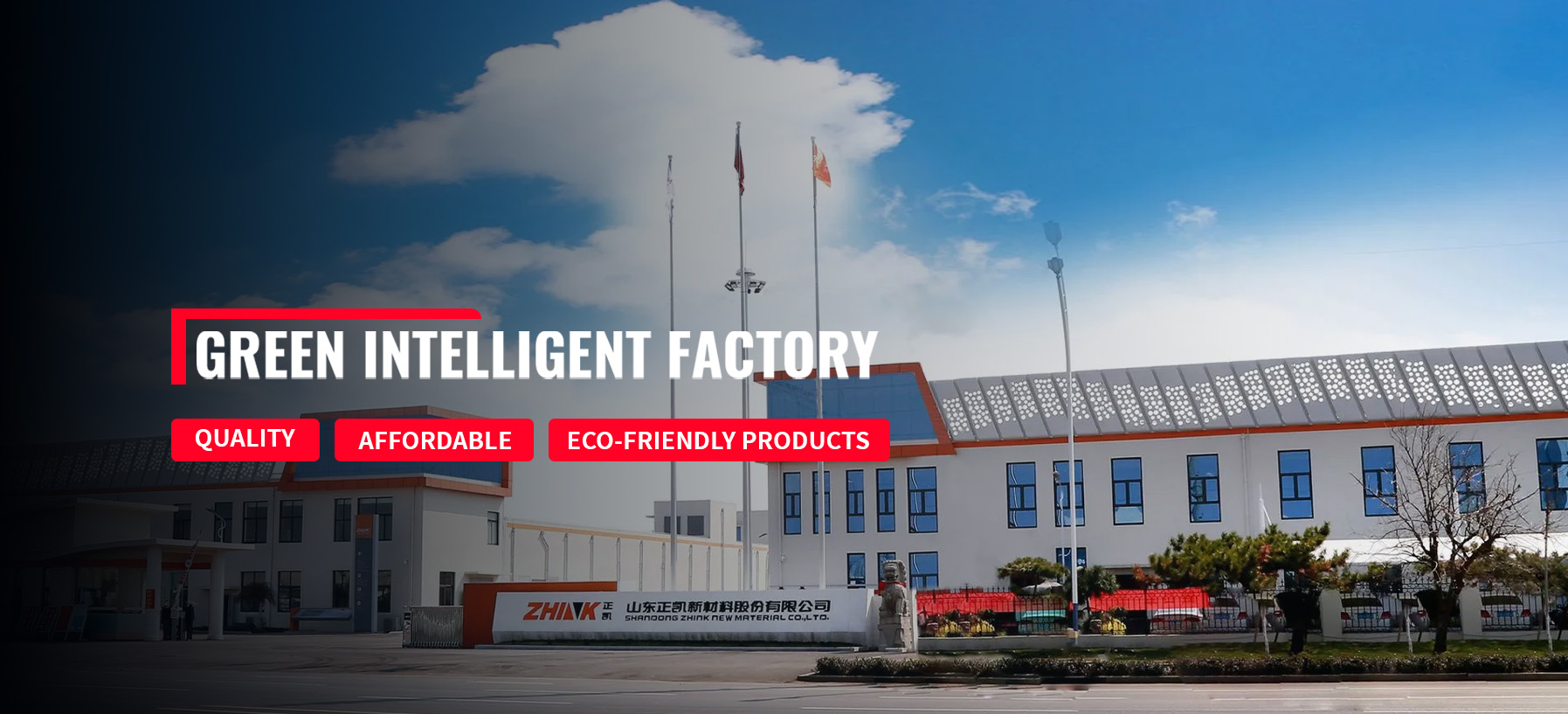
If you peek into the portfolios of companies like SHANDONG ZHINK NEW MATERIAL CO., LTD, known for their expertise in new textile materials (https://www.zhinkyarn.com), you'll see a diverse range of applications. Their innovative use of 100% Solid acrylic MVS sets standards in modern fabric technology.
In dress-making, we explore its colorfastness and ease of dyeing, resulting in vivid colors that remain uncompromised through washes—crucial for designers pursuing longevity and style. This ability to hold color saturation makes it incredibly appealing in the fashion industry.
During a collaboration with a fashion start-up, the acrylic’s ease of maintenance and water resistance was pivotal. Seeing designers’ relief knowing their pieces required minimal care was a project highlight.
Challenges Encountered and Overcome
Even the best materials come with challenges. Early trials with 100% Solid acrylic MVS showed an unexpected static build-up, causing discomfort. Yet, industry practices evolved, and a combination of blending and finishing techniques alleviated such issues.
A significant learning curve involved understanding the correct machinery settings to maximize the fiber’s potential. This wasn't straightforward. In one instance, a minor adjustment in machinery calibration greatly enhanced fabric consistency and reduced imperfections.
From personal missteps, like overestimating its tensile strength in high-stress applications, lessons emerged, leading to improved material handling protocols that benefit ongoing and future projects.
Looking Ahead: The Future of Acrylic in Textiles
Continuing advancements mean 100% Solid acrylic MVS will remain pivotal in the textile industry. Companies like Zhink New Material are likely to further develop this area, catering to emerging market demands for more sustainable and adaptable materials.
From garment production to furnishings, acrylic’s role is expanding. The integration of advanced spinning techniques, like MVS, offers exciting possibilities—providing a canvas for innovative textile solutions we haven't yet envisioned.
Ultimately, as our industry evolves, reflecting on personal experiences and shared knowledge ensures materials like these aren't just components but crucial players in crafting the fabrics of the future.
Related Products
Related Products