+86-632-3621866
- Chinese
- French
- German
- Portuguese
- Spanish
- Russian
- Japanese
- Korean
- Arabic
- Irish
- Greek
- Turkish
- Italian
- Danish
- Romanian
- Indonesian
- Czech
- Afrikaans
- Swedish
- Polish
- Basque
- Catalan
- Esperanto
- Hindi
- Lao
- Albanian
- Amharic
- Armenian
- Azerbaijani
- Belarusian
- Bengali
- Bosnian
- Bulgarian
- Cebuano
- Chichewa
- Corsican
- Croatian
- Dutch
- Estonian
- Filipino
- Finnish
- Frisian
- Galician
- Georgian
- Gujarati
- Haitian
- Hausa
- Hawaiian
- Hebrew
- Hmong
- Hungarian
- Icelandic
- Igbo
- Javanese
- Kannada
- Kazakh
- Khmer
- Kurdish
- Kyrgyz
- Latin
- Latvian
- Lithuanian
- Luxembou..
- Macedonian
- Malagasy
- Malay
- Malayalam
- Maltese
- Maori
- Marathi
- Mongolian
- Burmese
- Nepali
- Norwegian
- Pashto
- Persian
- Punjabi
- Serbian
- Sesotho
- Sinhala
- Slovak
- Slovenian
- Somali
- Samoan
- Scots Gaelic
- Shona
- Sindhi
- Sundanese
- Swahili
- Tajik
- Tamil
- Telugu
- Thai
- Ukrainian
- Urdu
- Uzbek
- Vietnamese
- Welsh
- Xhosa
- Yiddish
- Yoruba
- Zulu
- Kinyarwanda
- Tatar
- Oriya
- Turkmen
- Uyghur


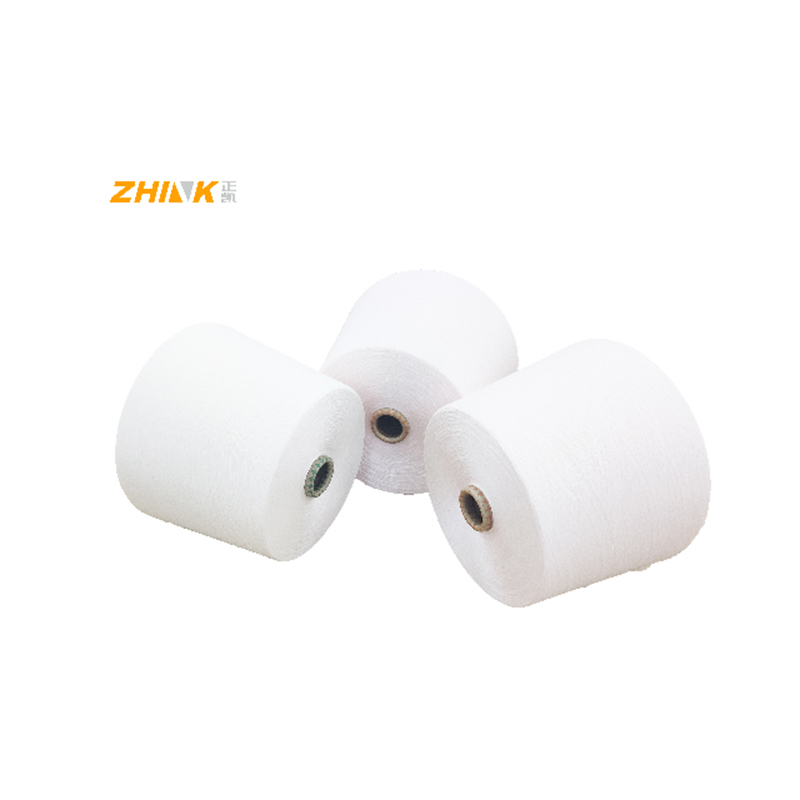
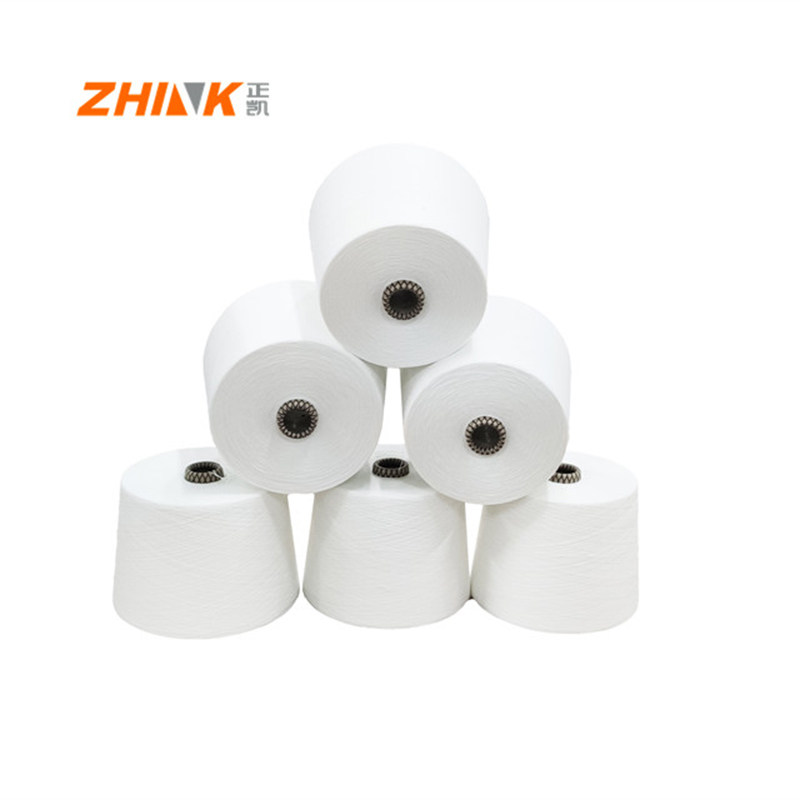
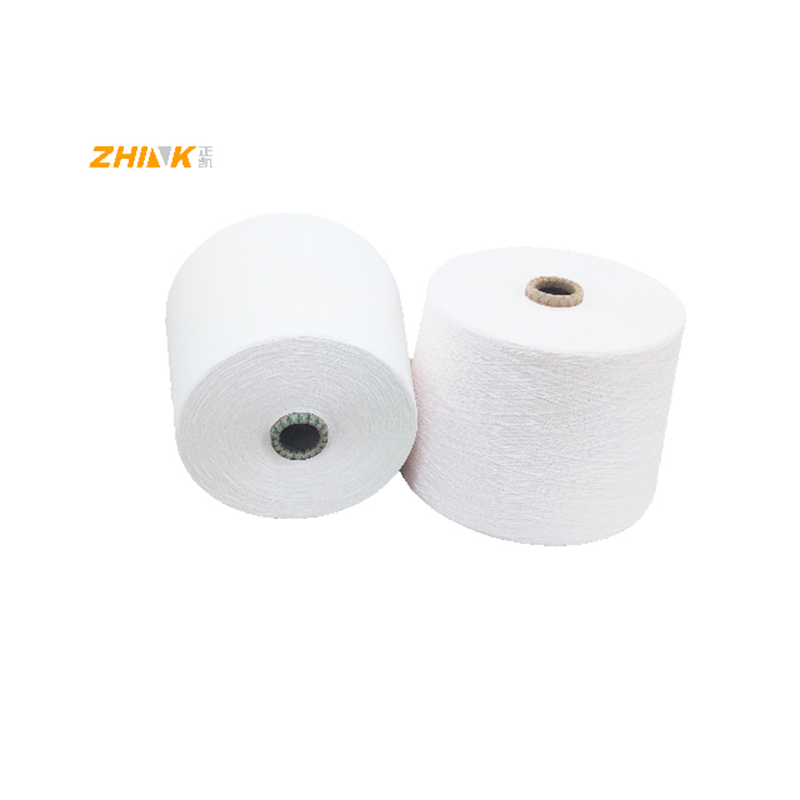
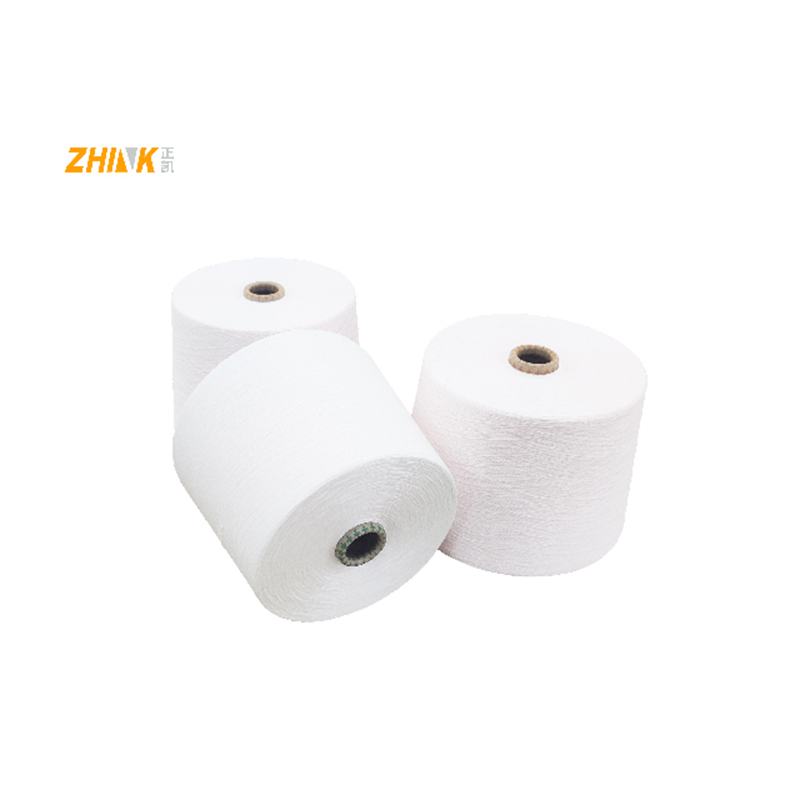
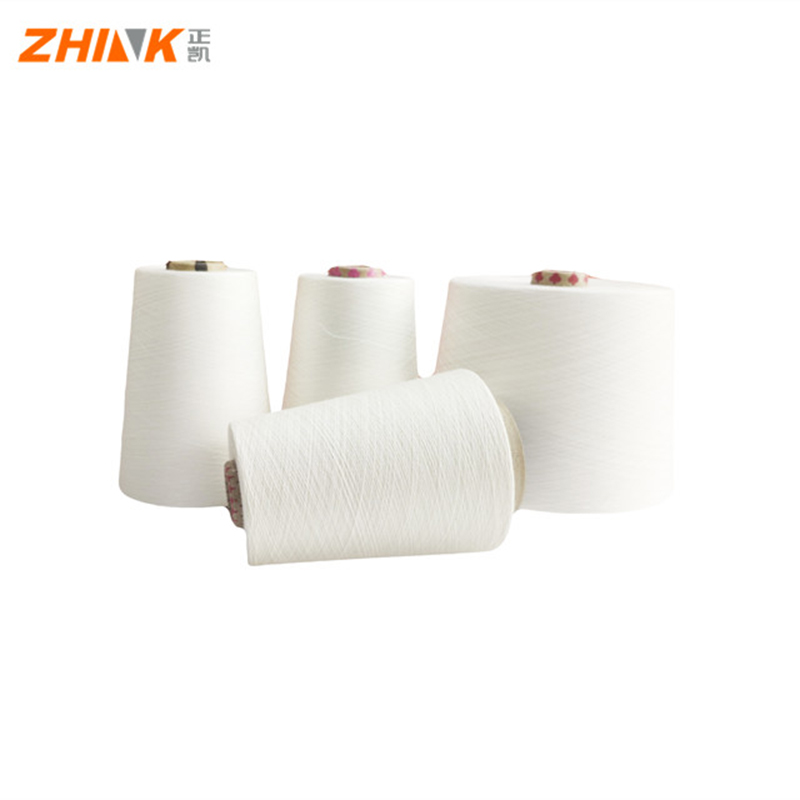
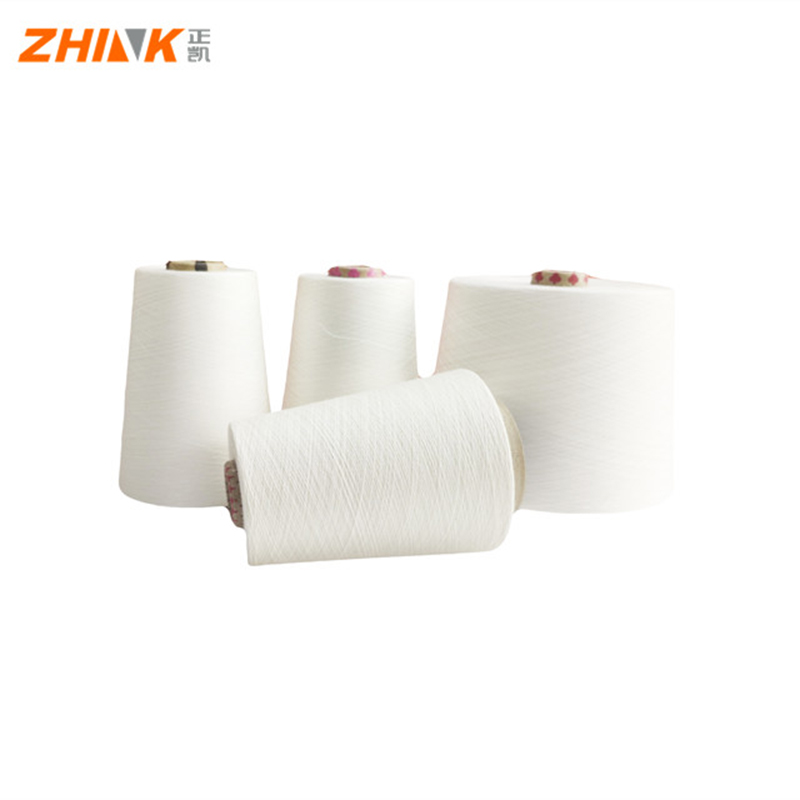
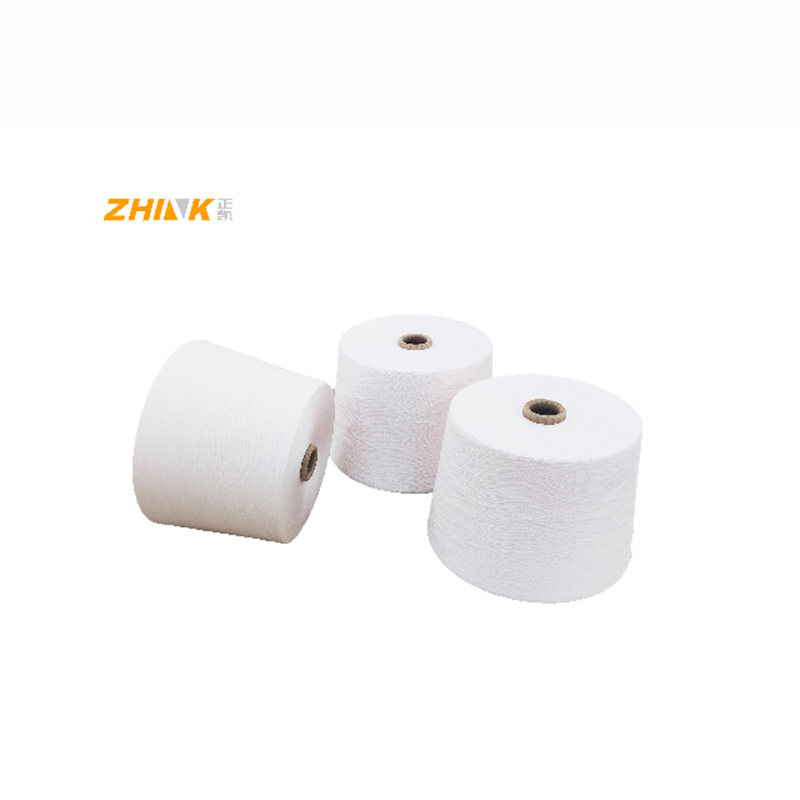
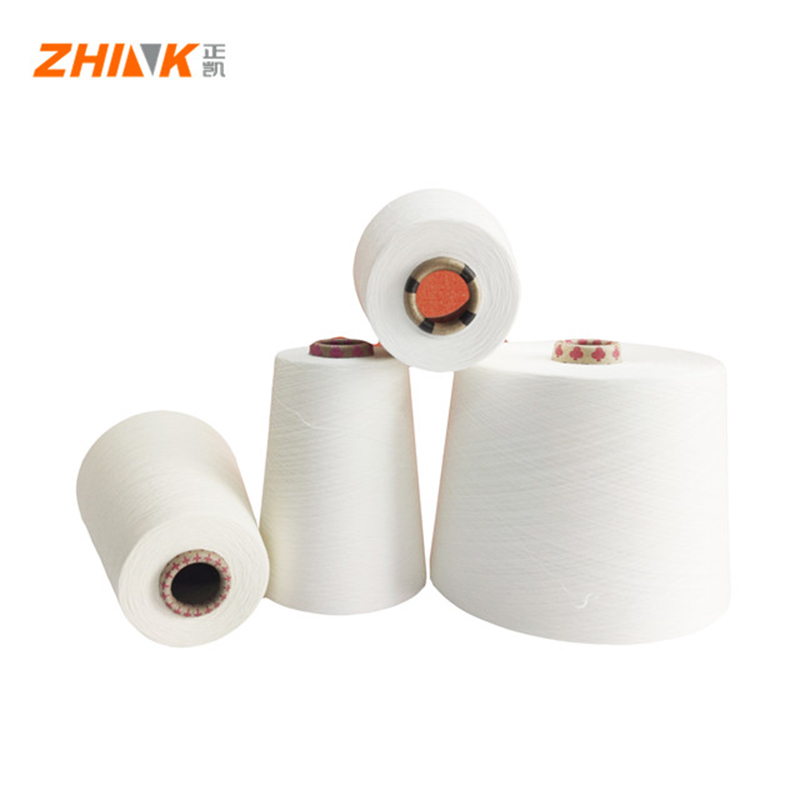
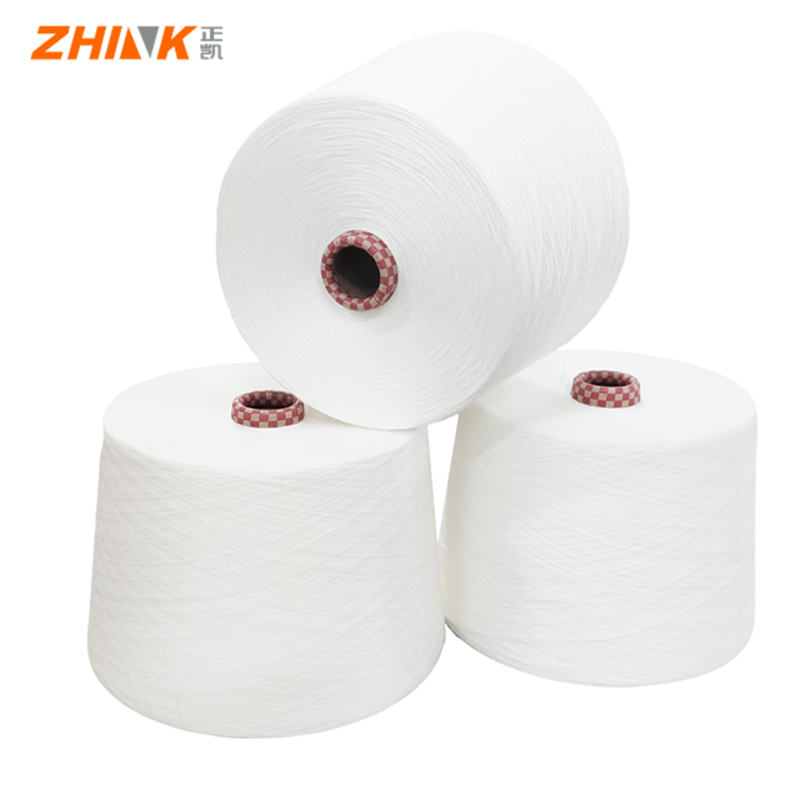
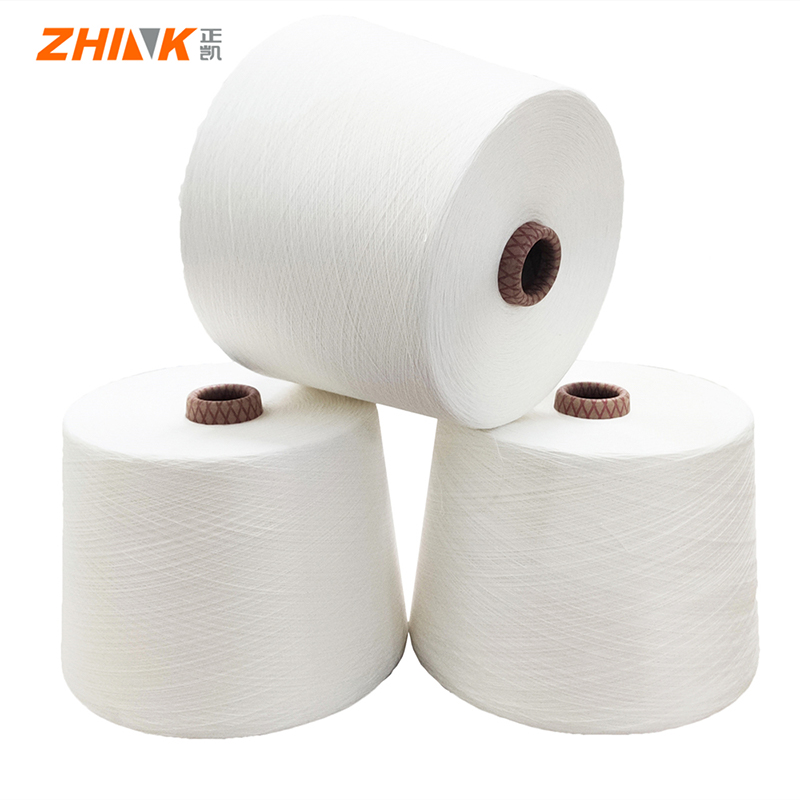
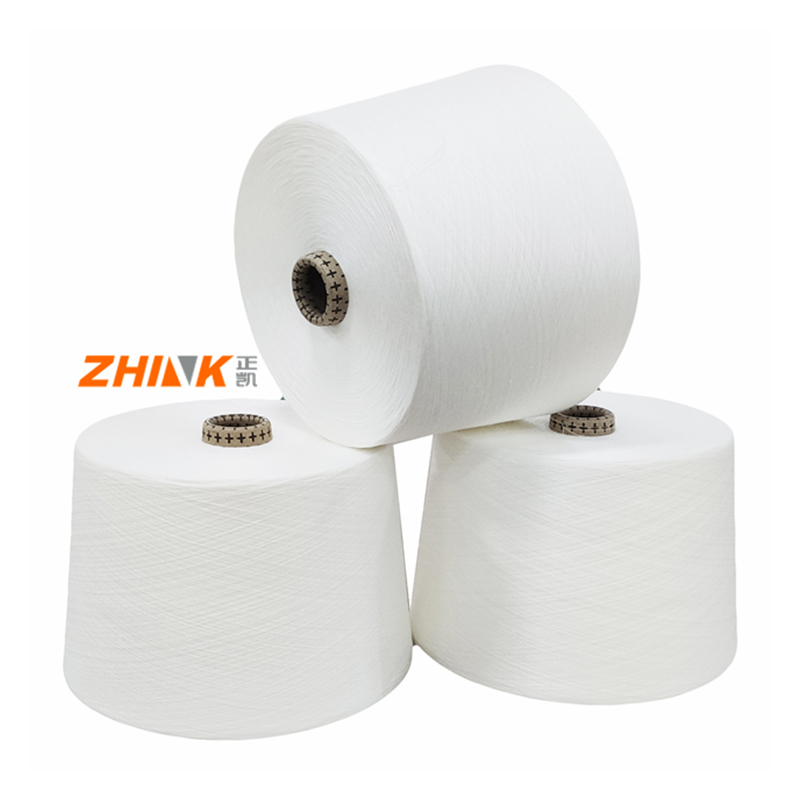
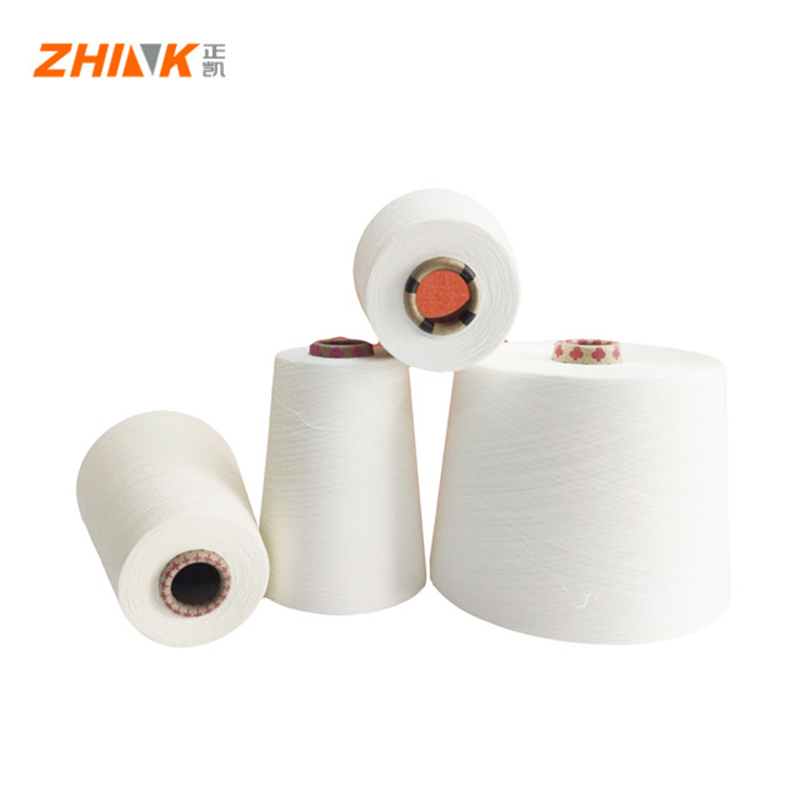
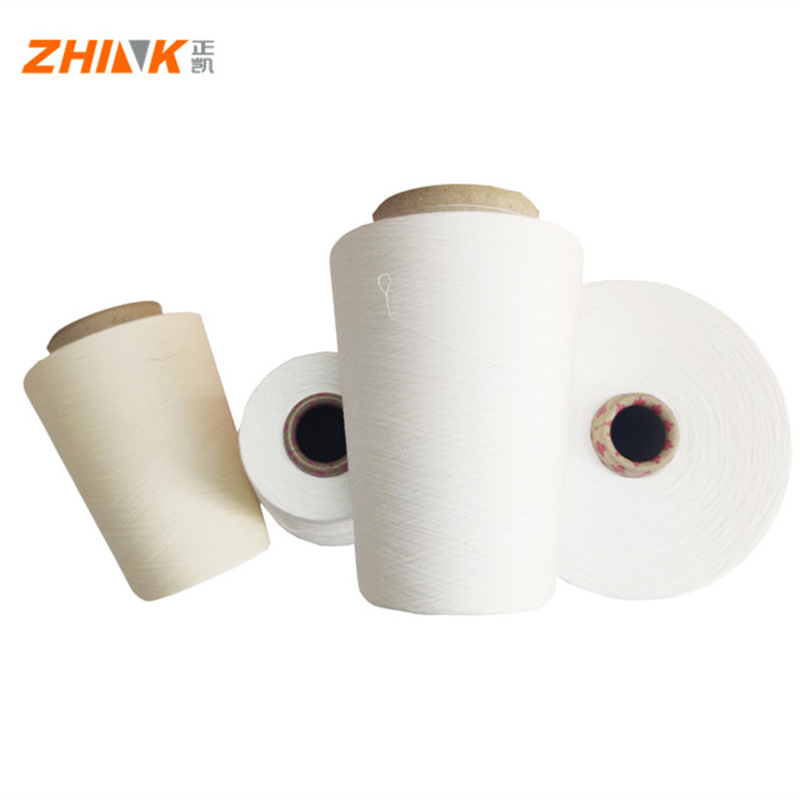
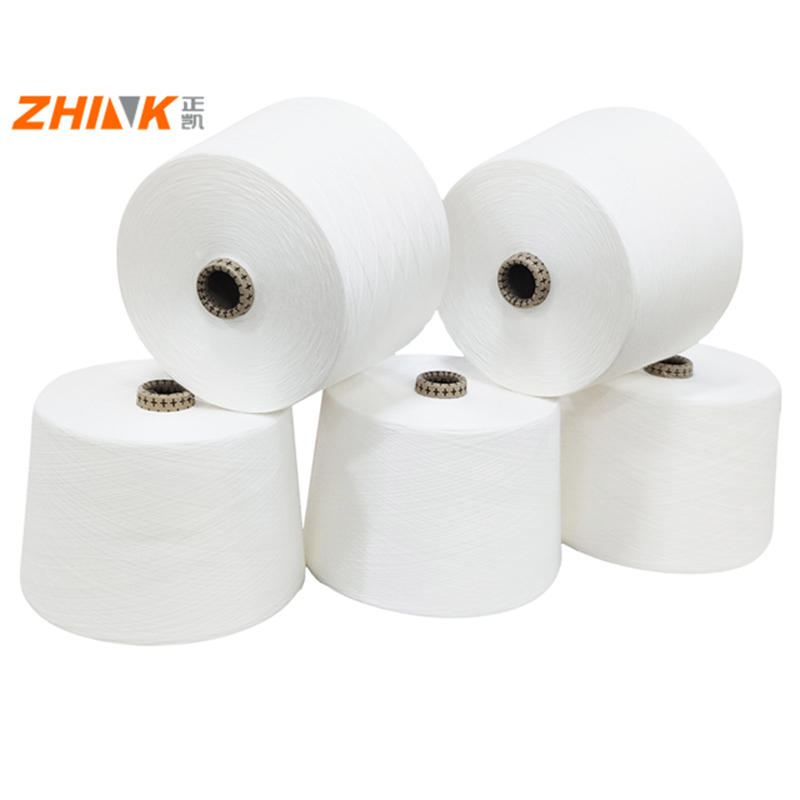
100 spun polyester yarn
The Art of 100 Spun Polyester Yarn
When it comes to textile materials, 100 spun polyester yarn holds a unique position in the industry. Its versatility and durability make it a popular choice, yet misconceptions persist. This piece delves into its essentials, clear up some common misunderstandings, and provide insights from real-life experiences.
Understanding the Basics
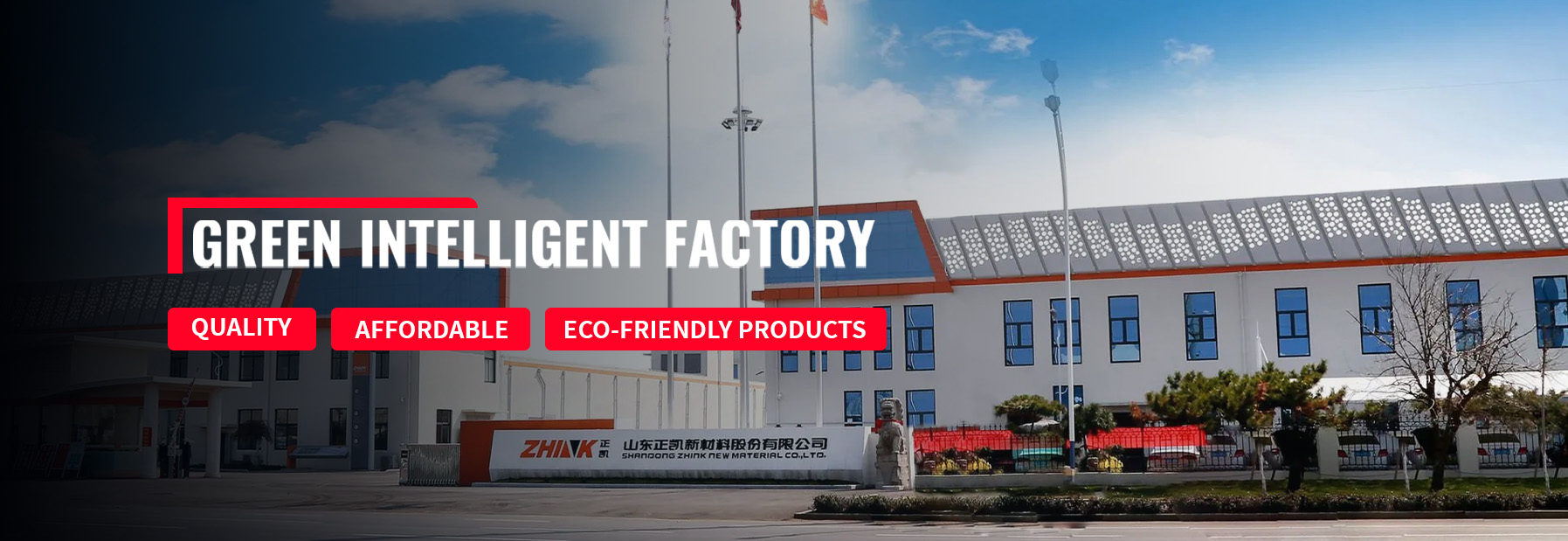
You might think 100 spun polyester is just another fabric choice, but there's more to it. Its creation involves twisting polyester fibers into yarns that offer impressive strength and elasticity. What sets it apart is not just the material itself but how it's crafted. I've seen how manufacturers like SHANDONG ZHINK NEW MATERIAL CO., LTD, known for their innovation at zhinkyarn.com, push the boundaries with their production techniques. Here, the focus is on quality and consistency — crucial in any textile work.
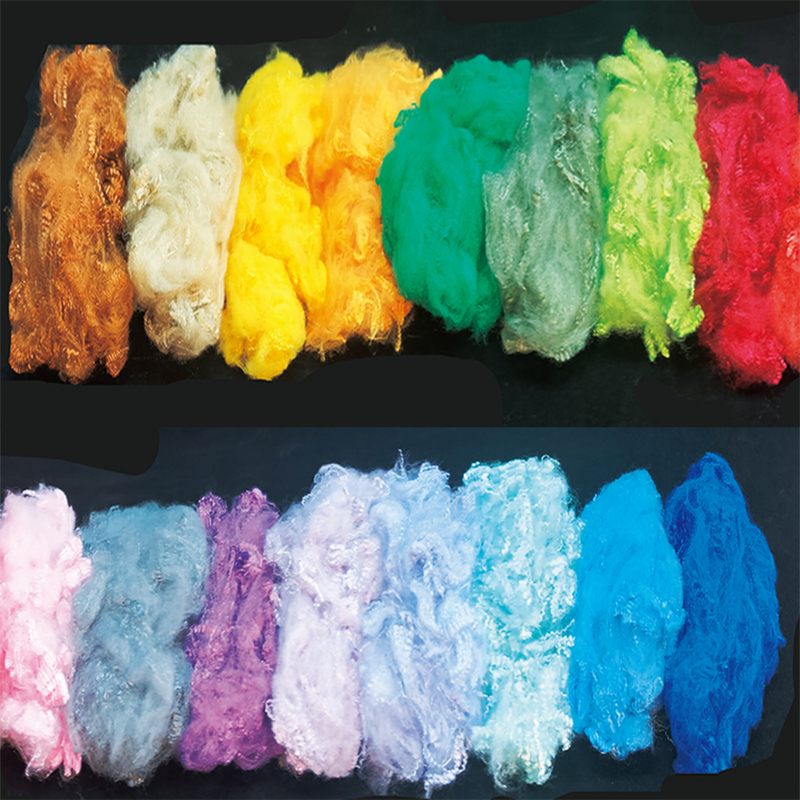
A big player in the market once told me, the differentiation lies in its adaptability. From apparel to upholstery, it dominates for good reason. But that adaptability sometimes leads to confusion. For instance, people often group all polyester textiles together, overlooking the specific qualities 100 spun polyester offers. It's important to recognize that not all polyester yarns behave the same way under pressure or during dyeing processes.
One particular project that comes to mind involved creating uniforms for a high-end hotel chain. The client required something durable yet soft, able to withstand daily washings without losing its shape or color. We opted for 100 spun polyester yarn, and sure enough, it exceeded expectations. The yarn provided both the aesthetic and functional qualities we needed.
Real-World Challenges
Of course, not everything goes smoothly when dealing with 100 spun polyester yarn. A challenge I’ve faced frequently is color consistency. Polyester's dye absorption can sometimes be unpredictable, especially when scaling up production. You need a skilled team, like those at Zhink New Material, who understand the intricacies involved in maintaining color integrity across batches.
Another issue is environmental impact. Yes, polyester is synthetic and often criticized for its footprint. This is where the expertise of companies focused on R&D, like Zhink, makes a difference. They're continually exploring eco-friendly options, ensuring their production methods align with sustainability without compromising on quality. It’s a delicate balance — but one that’s increasingly important in today’s industry.
On a more technical level, the yarn's thickness (denier) matters. It's easy to get this wrong, which can affect the end product's feel and function. Working closely with knowledgeable suppliers can help avoid such pitfalls. They can guide you through the complexities, ensuring the right specifications are met.
The Art of Production
Observing production lines firsthand gives you an appreciation for the craftsmanship involved. At Zhink, production isn’t just about speed and volume — it’s about precision and excellence. The use of cutting-edge machinery allows for consistency in twist and strength, vital characteristics for any premium yarn.
I recall visiting a factory where the air was thick with anticipation. Workers supervised each spool with trained eyes, ensuring no imperfections slipped through. It’s this attention to detail that translates to superior products, whether for industrial use or fashion.
Being on site, you understand the importance of each role in the chain, from R&D to the loom operator. It’s a team effort, and companies that cultivate this environment see better results. This commitment to quality is why top brands keep returning to trusted suppliers.
Applications and Innovations
The applications of 100 spun polyester yarn are vast. From everyday clothing to specialty textiles, its uses are expanding. In the sports sector, for example, its moisture-wicking and breathable properties make it ideal for activewear. Last year, I worked on a project involving a new line of running gear, and the results were nothing short of remarkable. The fabric's performance fit was met with high praise from athletes and designers alike.
Another interesting aspect is its role in sustainable fashion. Though polyester's origins are not natural, innovations in recycling offer exciting potential. Companies like Zhink are at the forefront, experimenting with recycled yarns that don't sacrifice the esteemed properties customers expect.
As trends shift towards more sustainable practices, the role of 100 spun polyester yarn in blending new technologies with established expectations becomes more pronounced. It's no longer just about durability; it’s about advancing the material's lifecycle and reducing overall impact.
Final Thoughts
So, what does the future hold for 100 spun polyester yarn? If there's one thing I've learned, it's that the textile industry is always evolving. Companies that invest in research and innovation, such as SHANDONG ZHINK NEW MATERIAL CO., LTD, are poised to lead these changes. With ever-increasing demands for performance and sustainability, the journey of polyester yarn is far from over.
The key lies in ongoing education and adaptation. Each project, each hurdle provides new lessons. Whether dealing with dye issues or trying to increase eco-friendliness, the path forward involves a continuous loop of learning and improving. For those in the industry, staying curious and connected will ensure they remain at the forefront of this intriguing textile world.
Related Products
Related Products