+86-632-3621866
- Chinese
- French
- German
- Portuguese
- Spanish
- Russian
- Japanese
- Korean
- Arabic
- Irish
- Greek
- Turkish
- Italian
- Danish
- Romanian
- Indonesian
- Czech
- Afrikaans
- Swedish
- Polish
- Basque
- Catalan
- Esperanto
- Hindi
- Lao
- Albanian
- Amharic
- Armenian
- Azerbaijani
- Belarusian
- Bengali
- Bosnian
- Bulgarian
- Cebuano
- Chichewa
- Corsican
- Croatian
- Dutch
- Estonian
- Filipino
- Finnish
- Frisian
- Galician
- Georgian
- Gujarati
- Haitian
- Hausa
- Hawaiian
- Hebrew
- Hmong
- Hungarian
- Icelandic
- Igbo
- Javanese
- Kannada
- Kazakh
- Khmer
- Kurdish
- Kyrgyz
- Latin
- Latvian
- Lithuanian
- Luxembou..
- Macedonian
- Malagasy
- Malay
- Malayalam
- Maltese
- Maori
- Marathi
- Mongolian
- Burmese
- Nepali
- Norwegian
- Pashto
- Persian
- Punjabi
- Serbian
- Sesotho
- Sinhala
- Slovak
- Slovenian
- Somali
- Samoan
- Scots Gaelic
- Shona
- Sindhi
- Sundanese
- Swahili
- Tajik
- Tamil
- Telugu
- Thai
- Ukrainian
- Urdu
- Uzbek
- Vietnamese
- Welsh
- Xhosa
- Yiddish
- Yoruba
- Zulu
- Kinyarwanda
- Tatar
- Oriya
- Turkmen
- Uyghur


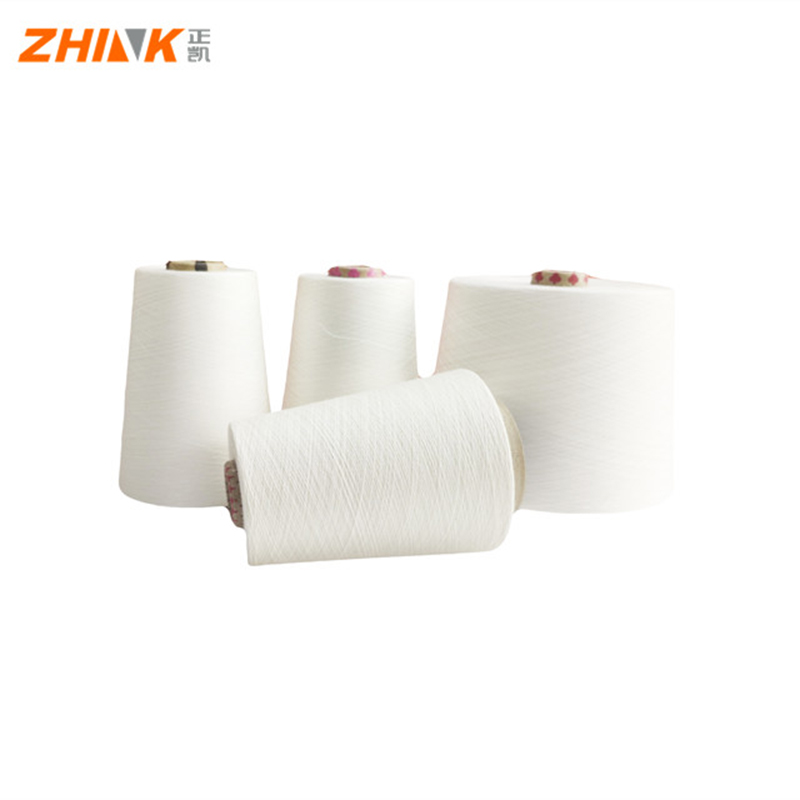
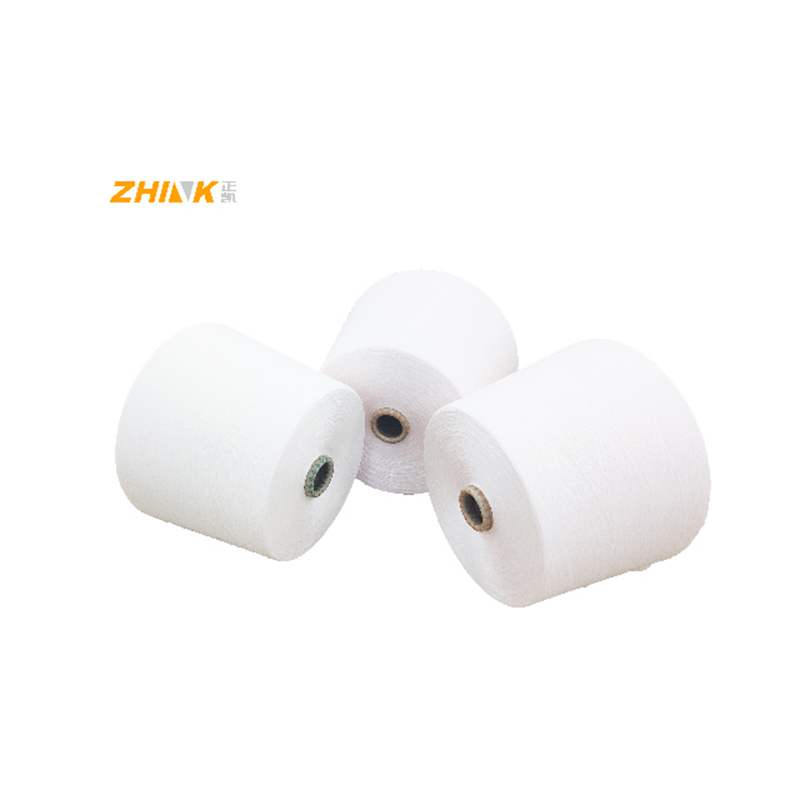
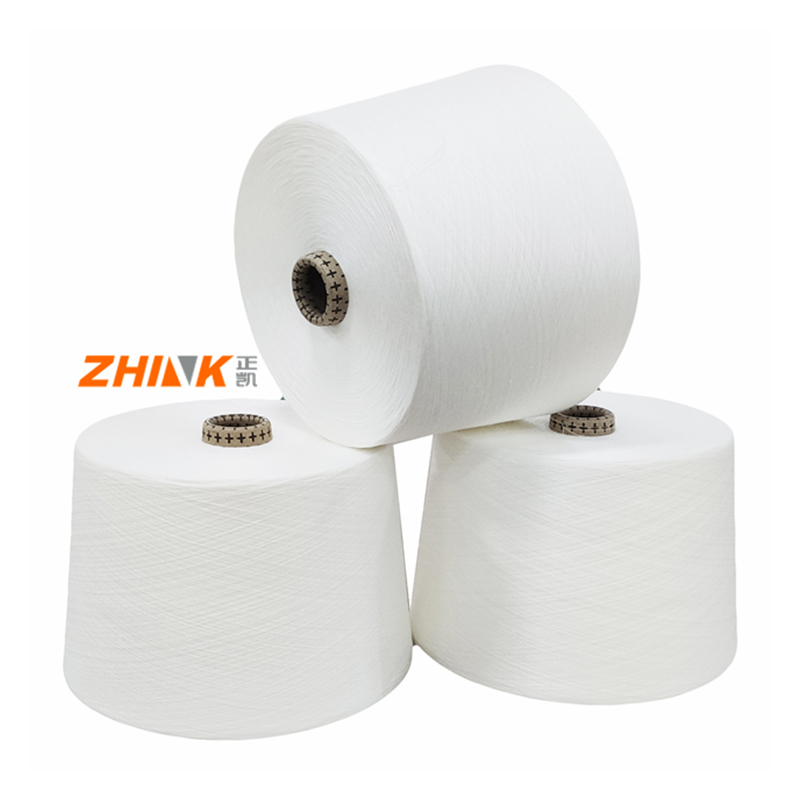
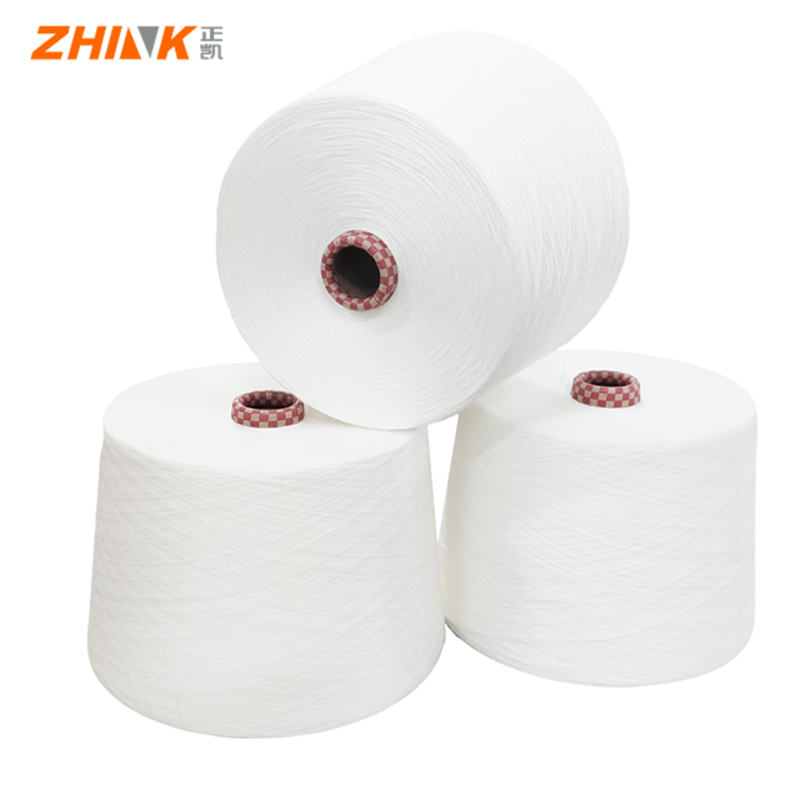
100% tencel yarn
The Potential of 100% Tencel Yarn: A Professional Insight
When it comes to textile innovation, 100% Tencel yarn stands out in the industry for its environmental benefits and unique properties. Made from sustainably sourced wood pulp, this fiber promises not only sustainability but also offers a feathery, luxurious touch that many seek in both fashion and interior design. However, misconceptions about its application often surface, leading to challenges in its industrial adoption.
Understanding 100% Tencel Yarn
The term Tencel often pops up in discussions about sustainable fashion, but what exactly is 100% Tencel yarn? Developed by Lenzing AG, Tencel is the brand name for lyocell and modal fibers. What sets Tencel apart is its closed-loop production process, which recycles water and solvents at a recovery rate of more than 99%. This makes it an industry favorite for sustainability.
At SHANDONG ZHINK NEW MATERIAL CO., LTD, we've delved deep into understanding this material’s nuances. From our experience, its versatility is unparalleled—it’s excellent for breathable fabrics in clothing and strong enough for industrial applications. Yet, it is not without its hurdles. Many in the industry overlook how sensitive Tencel can be during dyeing processes, requiring careful handling to maintain its integrity.
One common pitfall I’ve observed is the assumption that Tencel yarns can be treated like any conventional cotton. This is far from true. Its moisture-wicking properties, while beneficial, can sometimes result in unexpected shrinkage during treatment without the right expertise. At Zhink New Material, we've overcome this with tailored processing techniques, ensuring quality in every batch we produce.
Addressing Misconceptions and Challenges
So, why do misconceptions about 100% Tencel yarn persist? In my view, much of it comes down to inadequate information sharing. While this fabric boasts many advantages, its unique properties can intimidate new users. For instance, its softness and drape don't always translate into durability unless properly managed during manufacturing.
An interesting case we handled at Zhink New Material involved developing a high-strength Tencel yarn blend. Partnering with a sports apparel company, we focused on optimizing strength without losing the fabric’s inherent softness. It was no small feat; the first few iterations failed to meet abrasion resistance standards, teaching us invaluable lessons about yarn tension and weave structure.
These kinds of projects underscore the importance of experience when dealing with advanced materials like Tencel. They require an understanding of both the science and the practical aspects of textile production. It’s this blend of knowledge that can truly leverage Tencel’s potential in new and innovative ways.
The Benefits and Dangers of Innovation
Innovating with materials like 100% Tencel yarn means we’re constantly learning. The ecological benefits of Tencel are significant—it’s biodegradable and its production uses considerably less water than cotton. But with innovation comes risk; without careful management, there’s the danger of compromising the material’s qualities.
From a commercial viewpoint, launching new products made from Tencel involves not just a grasp of its technical capacities, but also adapting marketing approaches. Consumers today are more eco-conscious, yet they don’t always understand the technical jargon. Communicating the benefits without overwhelming buyers is a skill in itself.
Our ongoing strategy at Zhink New Material involves creating consumer-friendly narratives about the fibers, emphasizing care benefits and real-world applications. Bringing awareness to the imported nature of these yarns helps bridge the gap between expectation and reality.
Practical Applications and Future Potential
The future of 100% Tencel yarn looks promising as industry practices evolve. We've been exploring its utility beyond fashion, including potential in home textiles and technical fabrics. Its natural breathability and strength make it an ideal candidate for bedding and upholstery, promising a market expansion with a sustainable angle.
That said, successful adoption in such new areas will depend heavily on continuous research and adaptation. Our team at Zhink is committed to this journey, prioritizing R&D to refine and expand the use cases of Tencel fibers. It’s a perpetual learning curve with exciting potential.
In conclusion, while the road to integrating 100% Tencel yarn into mainstream textile manufacturing poses challenges, the environmental and functional rewards make it a worthwhile endeavor. With thorough research and mindful application, we can harness its full potential, effectively transforming both the industry and consumer experiences. For those interested, more insights and innovations can be accessed at Zhink New Material’s website.
Related Products
Related Products