+86-632-3621866
- Chinese
- French
- German
- Portuguese
- Spanish
- Russian
- Japanese
- Korean
- Arabic
- Irish
- Greek
- Turkish
- Italian
- Danish
- Romanian
- Indonesian
- Czech
- Afrikaans
- Swedish
- Polish
- Basque
- Catalan
- Esperanto
- Hindi
- Lao
- Albanian
- Amharic
- Armenian
- Azerbaijani
- Belarusian
- Bengali
- Bosnian
- Bulgarian
- Cebuano
- Chichewa
- Corsican
- Croatian
- Dutch
- Estonian
- Filipino
- Finnish
- Frisian
- Galician
- Georgian
- Gujarati
- Haitian
- Hausa
- Hawaiian
- Hebrew
- Hmong
- Hungarian
- Icelandic
- Igbo
- Javanese
- Kannada
- Kazakh
- Khmer
- Kurdish
- Kyrgyz
- Latin
- Latvian
- Lithuanian
- Luxembou..
- Macedonian
- Malagasy
- Malay
- Malayalam
- Maltese
- Maori
- Marathi
- Mongolian
- Burmese
- Nepali
- Norwegian
- Pashto
- Persian
- Punjabi
- Serbian
- Sesotho
- Sinhala
- Slovak
- Slovenian
- Somali
- Samoan
- Scots Gaelic
- Shona
- Sindhi
- Sundanese
- Swahili
- Tajik
- Tamil
- Telugu
- Thai
- Ukrainian
- Urdu
- Uzbek
- Vietnamese
- Welsh
- Xhosa
- Yiddish
- Yoruba
- Zulu
- Kinyarwanda
- Tatar
- Oriya
- Turkmen
- Uyghur



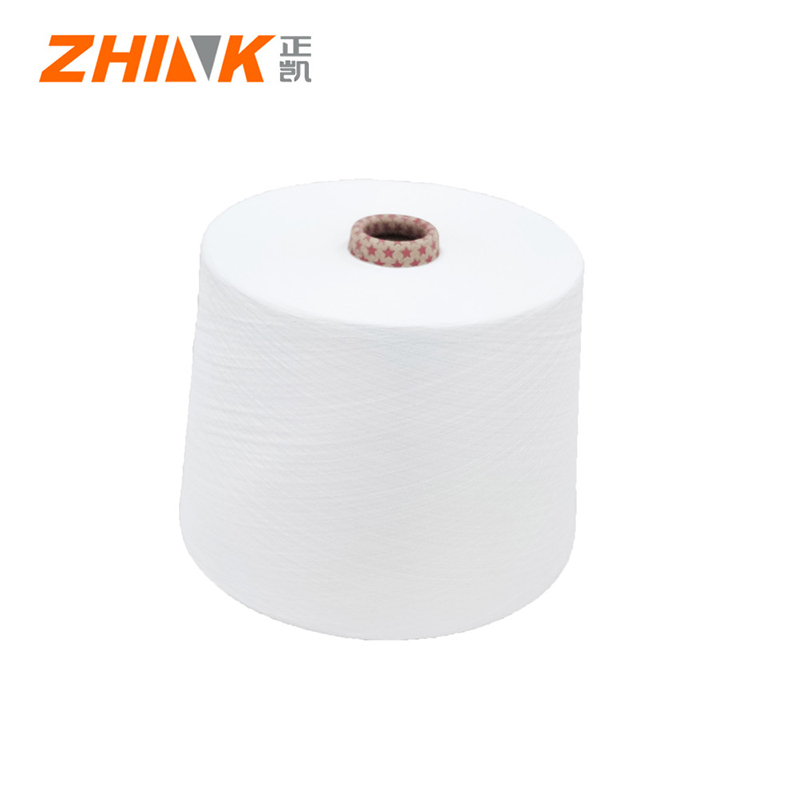
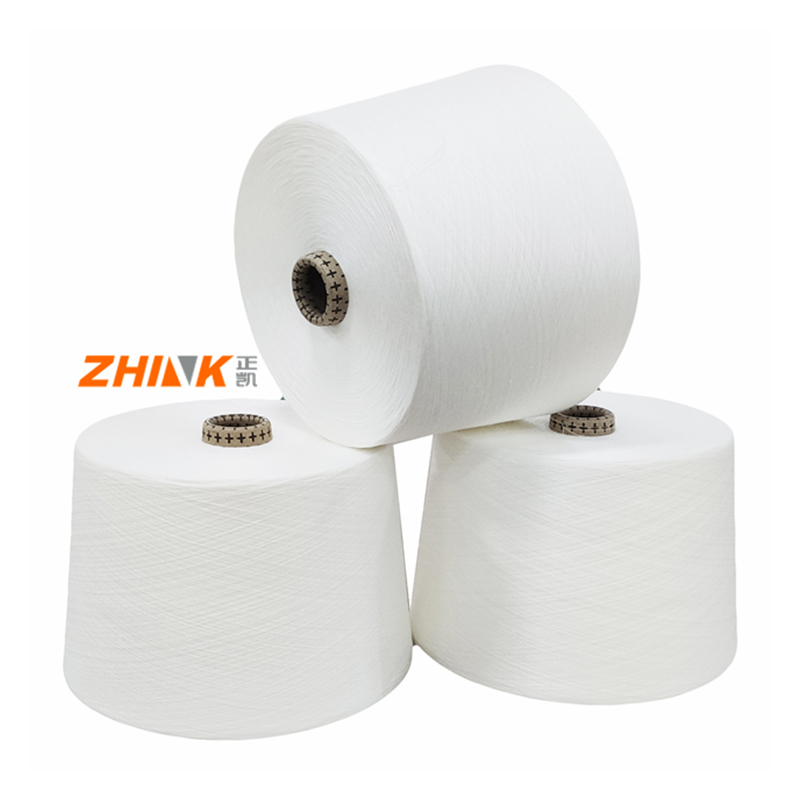
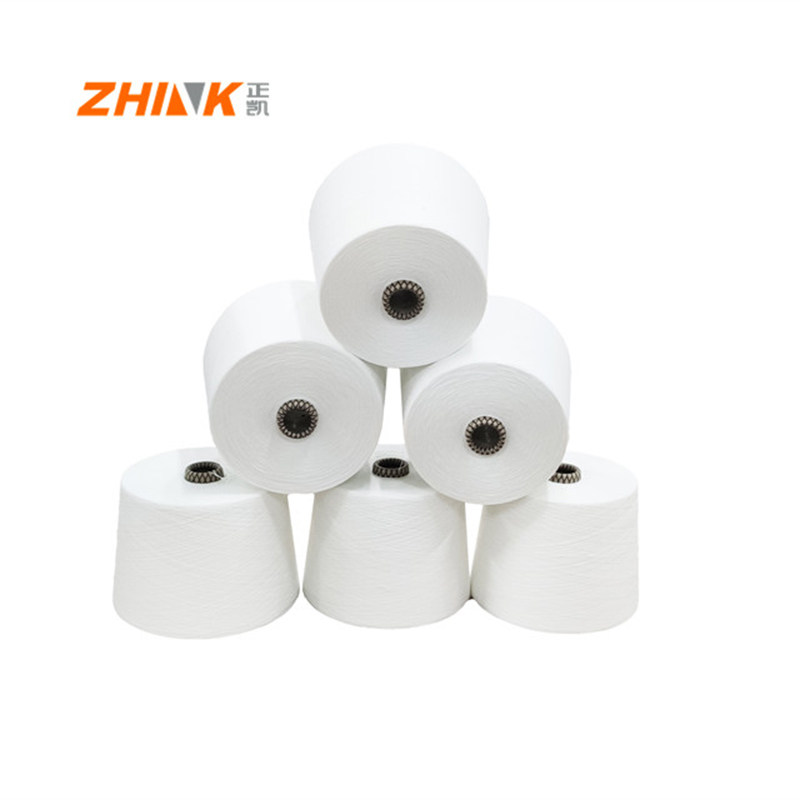
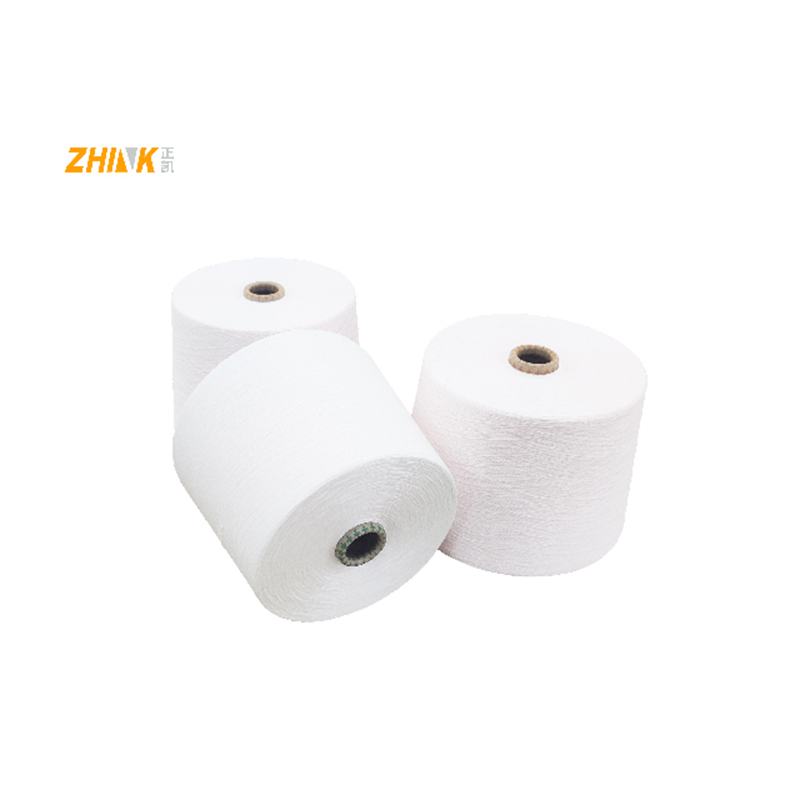
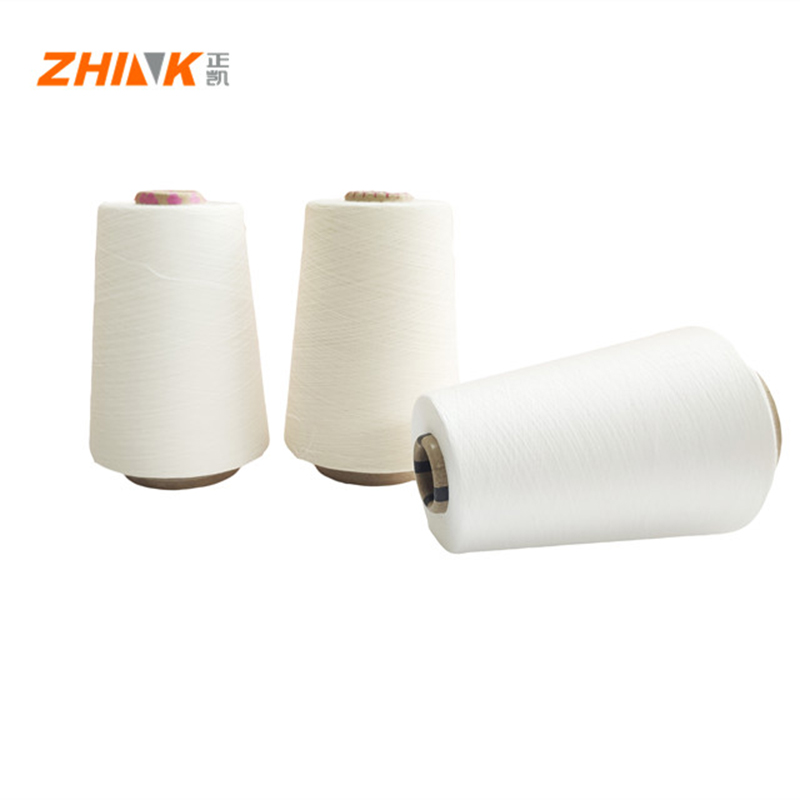
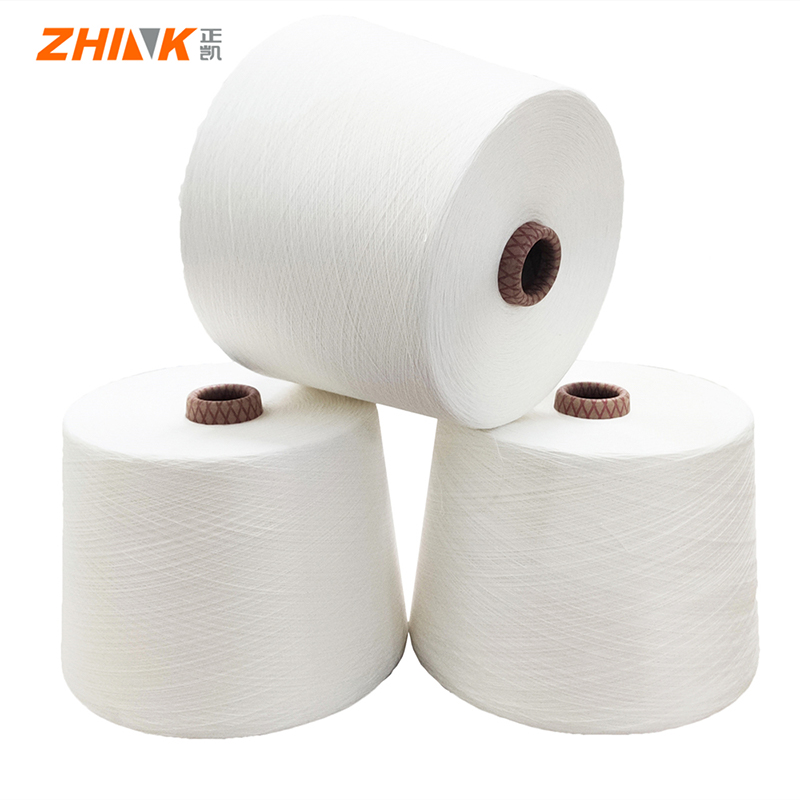
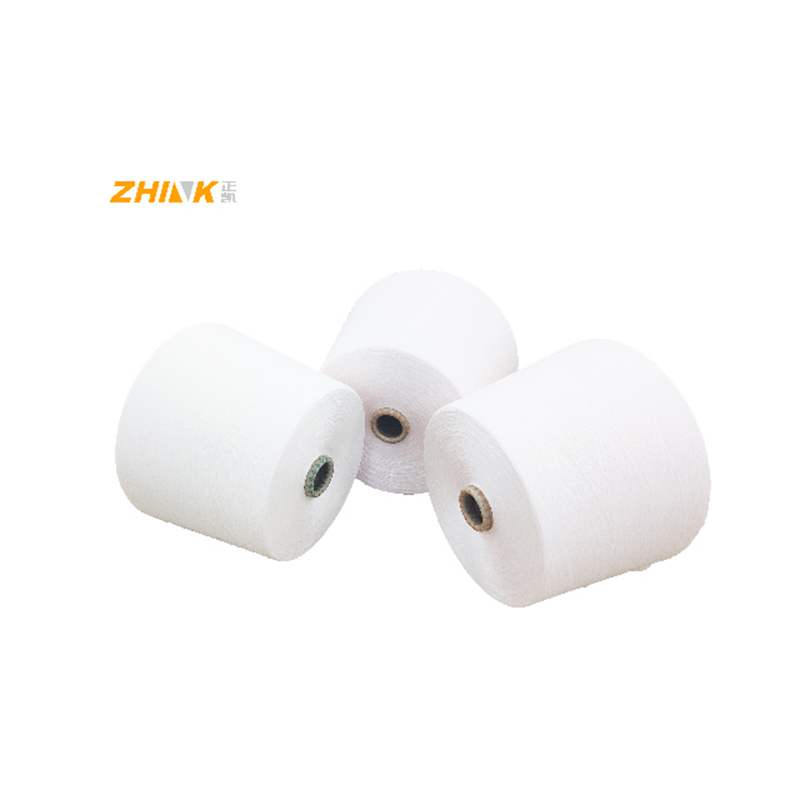
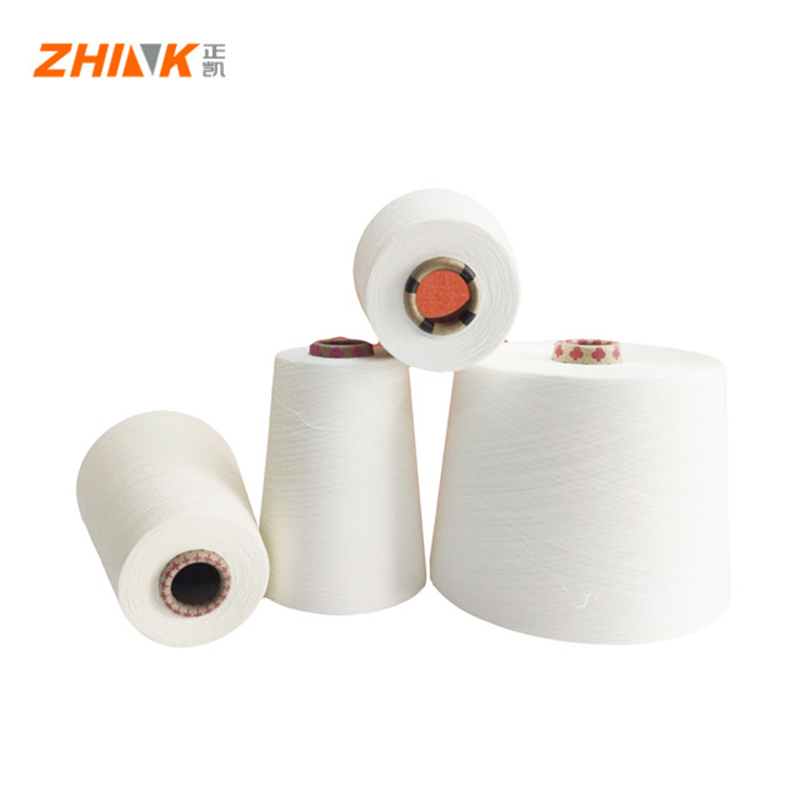
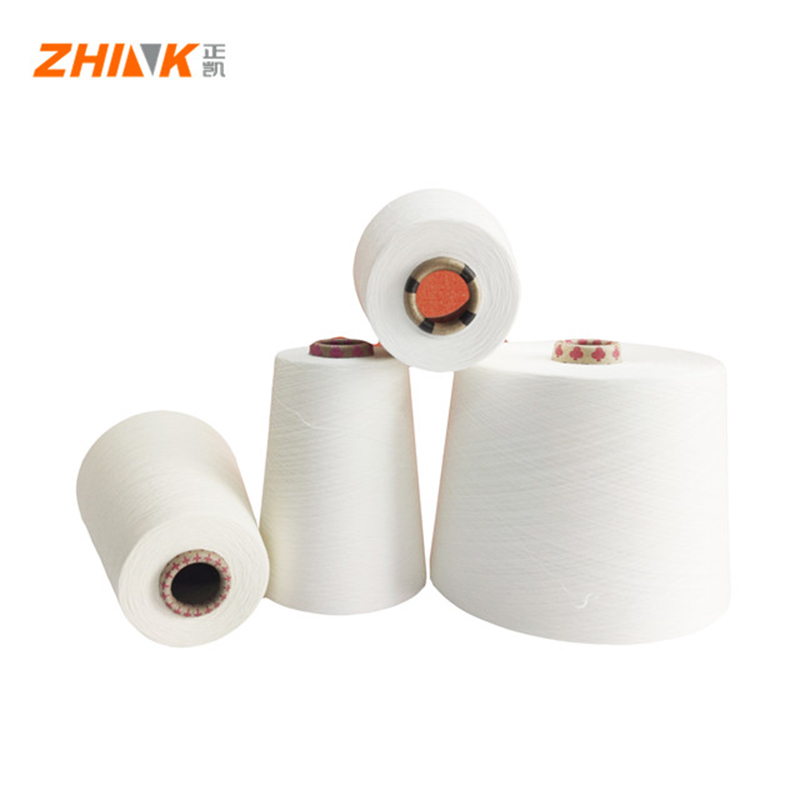
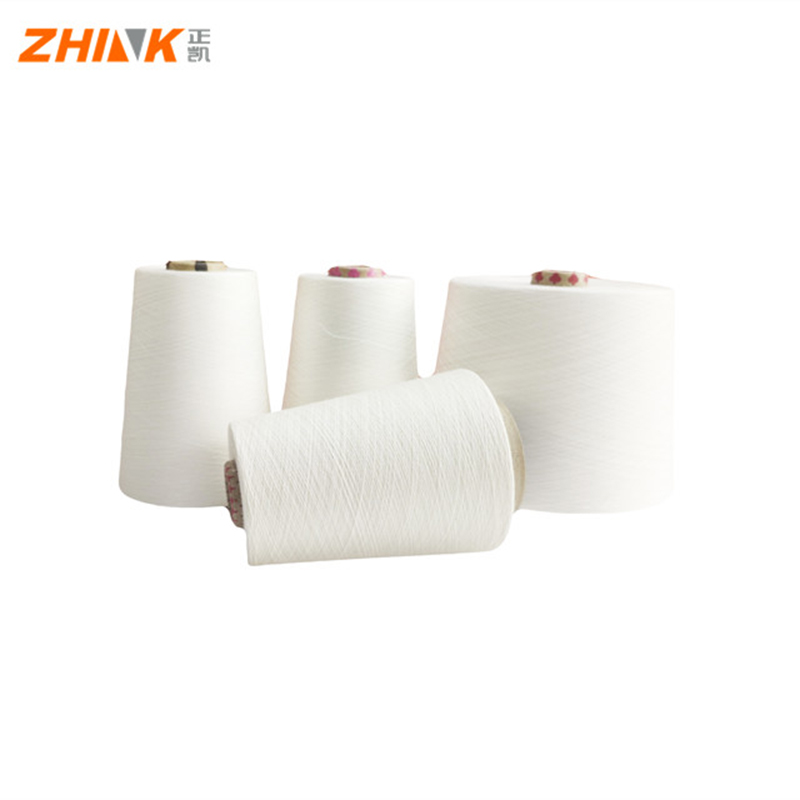
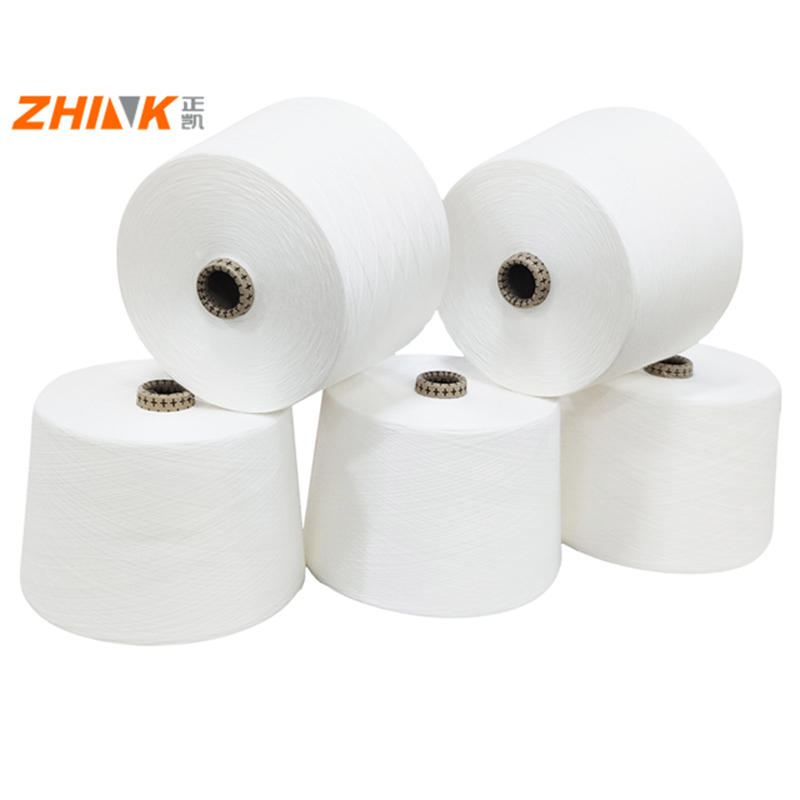
100% viscose MVS
The Allure and Versatility of 100% Viscose MVS
The textile industry is no stranger to buzzwords, but 100% viscose MVS stands out for good reason. It combines the elegance of natural fibers with the practicality of advanced technologies. So, what makes it special, and what potential pitfalls might one face when working with it?
Understanding Viscose MVS
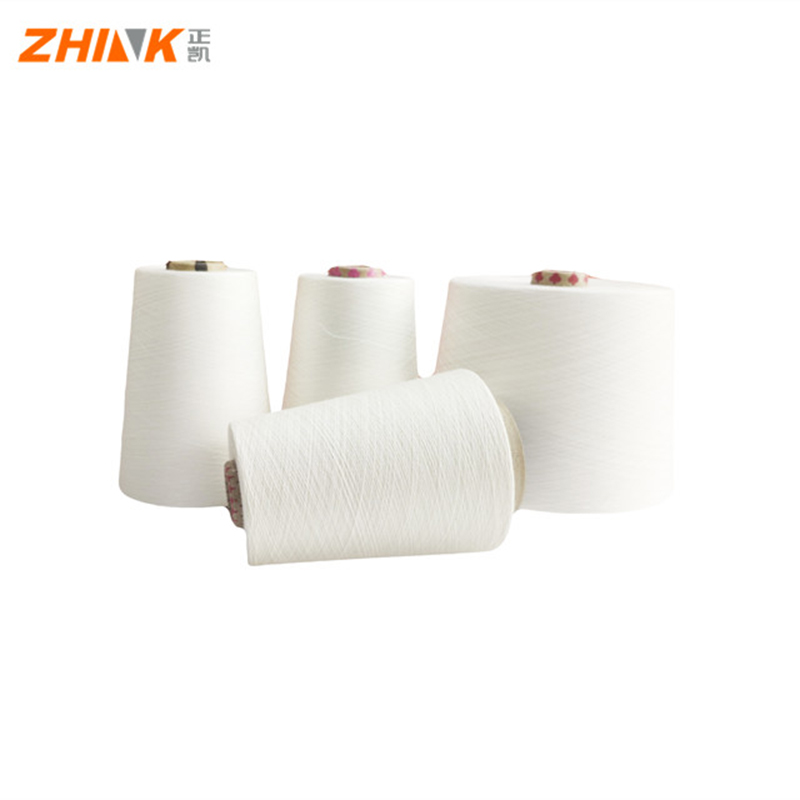
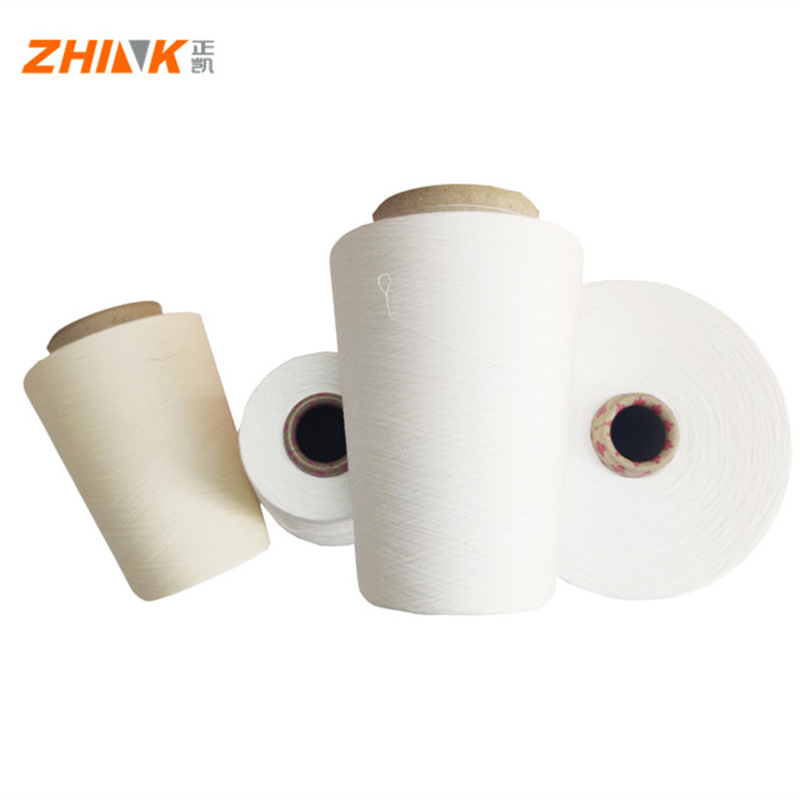
When we talk about viscose, we're essentially discussing a semi-synthetic fiber derived from cellulose. It mimics the qualities of silk, albeit at a more accessible price point. But what about the MVS in 100% viscose MVS? This refers to Murata Vortex Spinning, a technology known for producing yarns with distinct advantages.
In my own projects, I've seen how MVS technology enhances the fabric's durability and absorbency. It creates a yarn resistant to pilling—something every textile veteran knows all too well. However, a common misstep is underestimating its suitability across varied garments. While it works wonders in casual wear, high abrasion areas in athletic gear aren't its forte.
Several manufacturers, like SHANDONG ZHINK NEW MATERIAL CO., LTD, focus on these nuanced needs. Based in Shandong, their expertise in new textile materials stands evident. You can explore their offerings at Zhink Yarn.
Real-World Applications and Challenges
During my stint with a mid-sized apparel company, we integrated 100% viscose MVS into our summer collection. The fabric’s breathability was a hit, especially in humid climates. But, a detail we hadn't anticipated was its rapid moisture absorption, which led to unexpected color fades in dyed garments.
This brings us to the dyeing process. Viscose MVS holds dye well but requires precise control during the process. Deviating slightly can yield inconsistent shades, a costly lesson I personally witnessed. It's crucial to keep a close watch on each batch—micro adjustments can make substantial differences.
Companies like Zhink seem to have harnessed the fiber's properties effectively, ensuring compatibility with different dyeing techniques—a definite plus in a competitive market.
Comparing Viscose and Competitors
Around the round table of fabric debates, comparisons often arise: How does 100% viscose MVS stack up against rivals like polyester or cotton? In terms of sustainability, viscose has its challenges—deforestation concerns loom. Yet, it's more biodegradable than its fully synthetic counterparts, an edge in eco-conscious circles.
One can't overlook the tactile differences. Holding a viscose garment reveals an unmistakable softness, unmatched by polyester blends. However, maintaining its luxurious feel requires care. Missteps in washing can lead to wrinkles more persistent than stubborn acquaintances at networking events.
As the industry marches toward sustainable innovations, keeping a keen eye on lifecycle impacts remains essential. Balancing performance with environmental footprint is key, and I'm hopeful that leaders like SHANDONG ZHINK NEW MATERIAL CO., LTD continue to refine these balances.
Impact of MVS Technology
The intricacies of Murata Vortex Spinning cannot be overstated. It reduces hairiness in yarns, addressing a prevalent issue in traditional textile production. This makes 100% viscose MVS a preferred choice for creating smoother, lustrous finishes ideal for premium markets.
However, the upfront costs of MVS machinery is a barrier for smaller outfits. It's an investment, requiring commitment and foresight. The initial hesitation in our department receded quickly post-implementation when defects and returns decreased notably.
Adopting such technologies is pivotal for staying competitive, and partnerships with specialists like those at Zhink New Material, who offer expansive insights into textile evolution, provide a tangible advantage.
Looking Forward: Future of 100% Viscose MVS
Reflecting on evolving consumer demands, the future of 100% viscose MVS appears promising. Its natural aesthetics coupled with technological enhancements align well with market projections favoring sustainable luxury.
But it’s not without challenges—proactive innovation is necessary to address its environmental impact. New treatments and cellulose sourcing strategies are on the horizon, guided by industry leaders driven to minimize negative footprints. Exploration in this arena could redefine viscose narratives.
For those entrenched in textile production, the lesson is clear: Embrace change, explore technologies, and partner with pioneers. As for me, collaborating with informed entities like SHANDONG ZHINK NEW MATERIAL CO., LTD will remain a strategic focus in navigating this dynamic landscape.
Related Products
Related Products